Pressure on water resources
The Atlas Cedar account identifies agricultural, urban and tourism demand on scarce water resources.
Sources: UNESCO MAB · Atlas Cedar
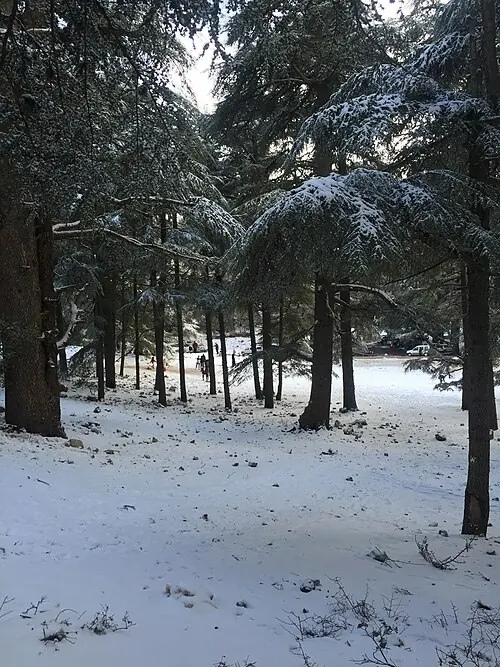
Morocco · Habitat field guide
Morocco’s tree-covered habitats vary from drought-adapted argan woodland to mountain forests. Preserve that distinction when reading a species record.
Snow beneath cedar trees in Ifrane Province, Morocco, photographed in January 2018. This winter scene does not represent year-round conditions.
Understanding the environment
Morocco’s tree-covered habitats vary from drought-adapted argan woodland to mountain forests. Preserve that distinction when reading a species record.
Explore the structure · Tree cover → Lower layers → Forest margin
Select a zone to see what changes.
Canopy
Distinguish woodland, closed forest and clearings.
A reserve can contain several vegetation types.
A conceptual comparison, not a measured transect or an animal distribution model.
Field notes · 01
The Arganeraie occupies a broad plain between the High Atlas and Anti-Atlas, open towards the Atlantic. Argan trees sustain a distinctive dryland ecosystem and are closely linked to farming and pastoral livelihoods.
Sources: UNESCO MAB · Arganeraie
Field notes · 02
UNESCO describes Atlas cedar, evergreen oak and maritime pine in the Atlas Cedar reserve. The reserve also includes arid high plains and lakes: its boundary is not a continuous forest boundary.
Sources: UNESCO MAB · Atlas Cedar
Pressures on Morocco’s habitats
The Atlas Cedar account identifies agricultural, urban and tourism demand on scarce water resources.
Sources: UNESCO MAB · Atlas Cedar
The Arganeraie account describes prolonged drought followed by heavy rain and floods.
Sources: UNESCO MAB · Arganeraie
Retain the observation date, original habitat wording and source. Landscape protection and a confirmed snake occurrence are different kinds of evidence.
The connected collection
These 5 species have supported country occurrence and an explicit habitat association in the shared account. The association may come from elsewhere in their range. This is not a complete local habitat inventory; the places above are landscape examples, not asserted collecting sites.
5 species · showing 5
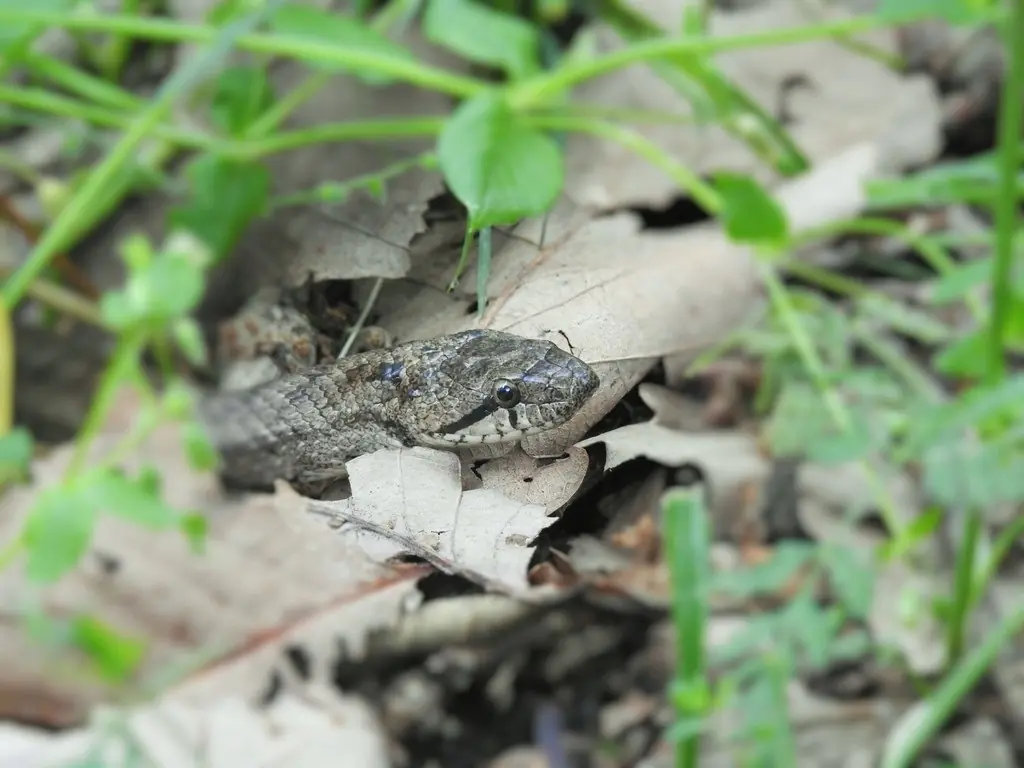
001 · Colubridae
Southern Smooth Snake
Listed in the reviewed taxonomic treatment. Regional summary in the specialist guide.
Read the species account →Karim Haddad · CC BY 4.0 · https://creativecommons.org/licenses/by/4.0/
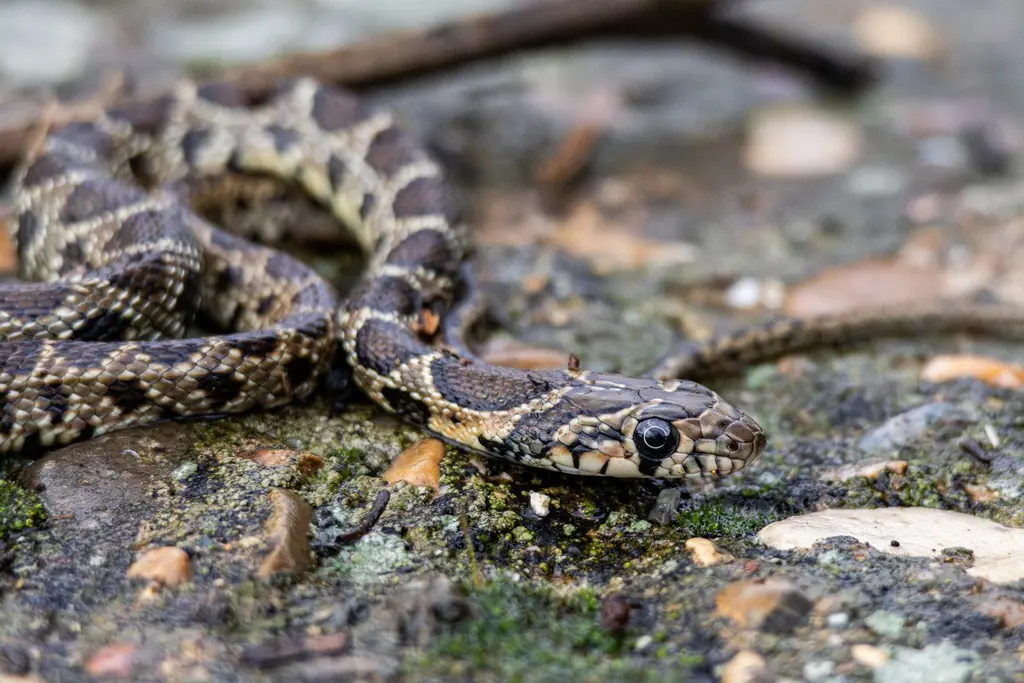
002 · Colubridae
Horseshoe Snake, Horseshoe Whip Snake
Listed in the reviewed taxonomic treatment. Recorded across multiple sites during the 2019–2020 survey.
Read the species account →Diego González Dopico · CC BY 4.0 · https://creativecommons.org/licenses/by/4.0/
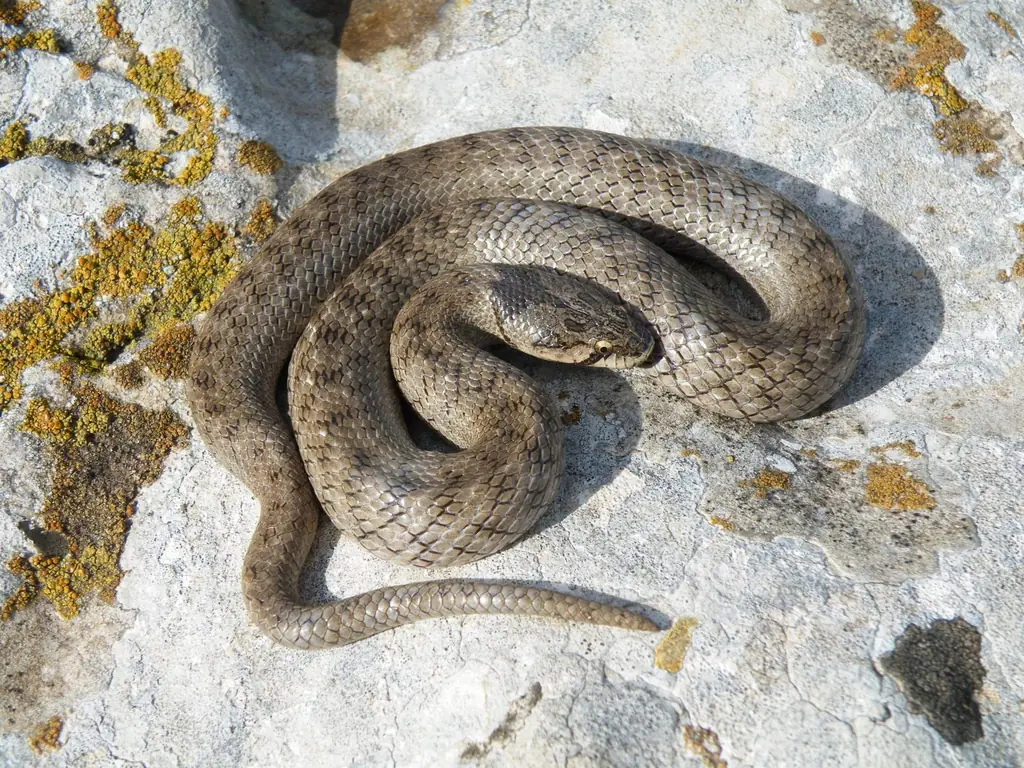
003 · Colubridae
Western False Smooth Snake, Iberian False Smooth Snake
Listed in the reviewed taxonomic treatment. A specimen was found in a cistern on 20 October 2019.
Read the species account →Wouter Beukema · CC BY 4.0 · https://creativecommons.org/licenses/by/4.0/
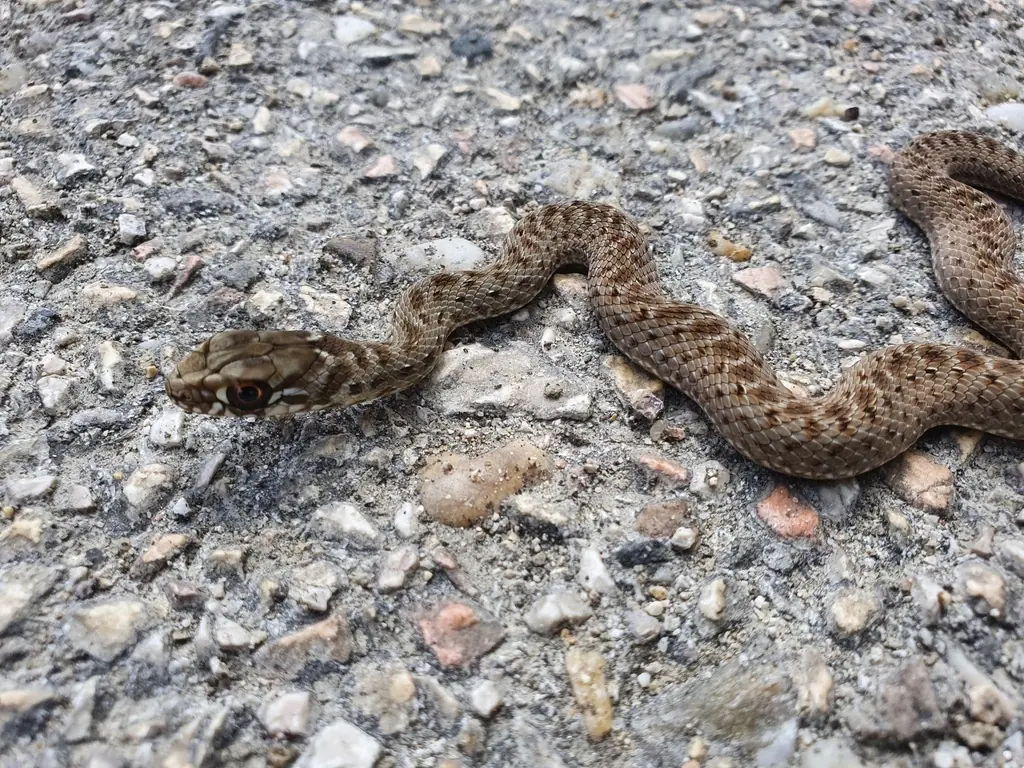
004 · Psammophiidae
Montpellier Snake
Listed in the reviewed taxonomic treatment. Regional summary in the specialist guide.
Read the species account →João Valença · CC BY-SA 4.0 · https://creativecommons.org/licenses/by-sa/4.0/
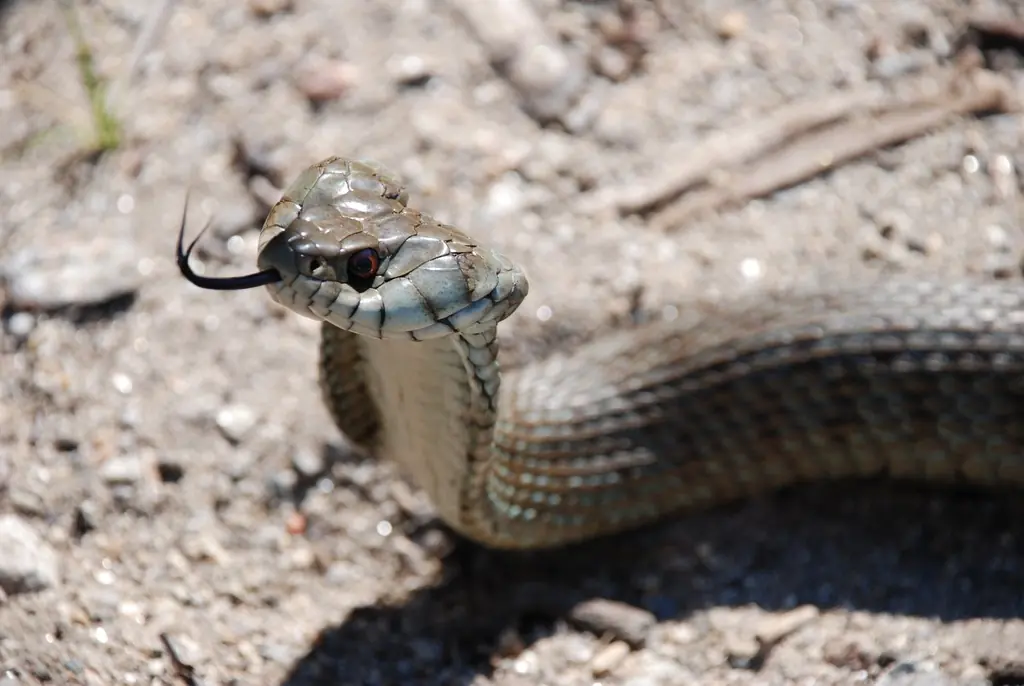
005 · Colubridae
Red-eyed grass snake
Listed in the reviewed taxonomic treatment. Regional summary in the specialist guide.
Read the species account →franciscodocampo · CC BY 4.0 · https://creativecommons.org/licenses/by/4.0/
Read further
Guide reviewed 12 October 2026. Source dates and geographic scope matter; landscape photographs do not establish species occurrence.
Reserve-scale vegetation and livelihood description. Checked 12 October 2026.
Mountain vegetation and water-use context; not a snake census. Checked 12 October 2026.
Continue through Morocco