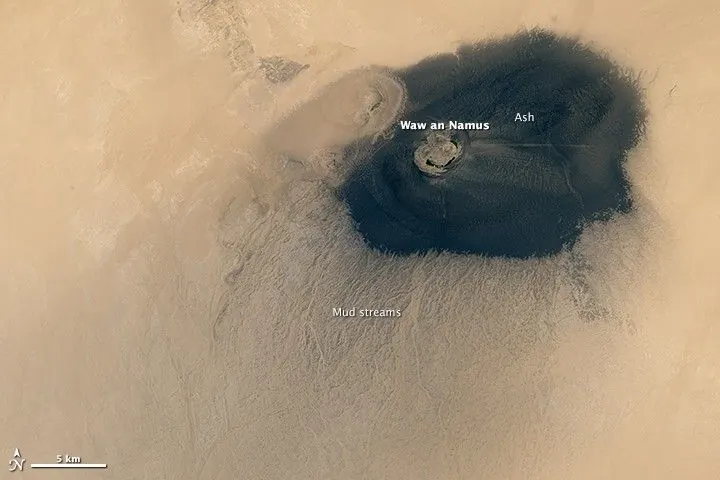
Waw an Namus volcanic caldera and surrounding desert in Fezzan, Libya, imaged by Landsat 8 on 29 May 2015. Dated natural-colour orbital view; not a snake observation.

Libya · Habitat field guide

Sand seas, hamada and rock massifs

Libya’s dry interior includes dunes, gravel-armoured plateaus and incised valleys. Habitat notes should identify the surface actually occupied.

Waw an Namus volcanic caldera and surrounding desert in Fezzan, Libya, imaged by Landsat 8 on 29 May 2015. Dated natural-colour orbital view; not a snake observation.

Photograph: NASA Earth Observatory / Jesse Allen; Landsat data: USGS · Image source · NASA educational and informational use. Cropped to fill the hero; darkened for text legibility.

Understanding the environment

A sense of the habitat.

Libya’s dry interior includes dunes, gravel-armoured plateaus and incised valleys. Habitat notes should identify the surface actually occupied.

Southwest
Messak Settafet and neighbouring sand seas
Rock massif
Tadrart Acacus
Record detail
Sand, gravel, rock or wadi

Explore the structure · Open ground → Vegetated patch → Drainage

Read the landscape at the recorded locality

Select a zone to see what changes.

Substrate

Open ground

Separate mobile sand, gravel pavement and exposed bedrock.

The word desert alone is too broad to describe a capture site.

A conceptual comparison, not a measured transect or an animal distribution model.

Field notes · 01

A plateau between sand seas

Messak Settafet separates the Ubari and Murzuq sand seas. NASA describes a wind-scoured gravel and rock surface, with much of the surviving vegetation concentrated in dry valleys cutting the plateau edges.

Sources: NASA Earth Observatory · Seismic Surveying Grid in Libya
Field notes · 02

A long environmental history

Tadrart Acacus is a rocky Saharan massif near the Algerian border. Its prehistoric art records changing fauna and vegetation over millennia; these depictions do not establish modern species localities.

Sources: UNESCO World Heritage · Rock-Art Sites of Tadrart Acacus

Pressures on Libya’s habitats

What is at risk?

What helps this habitat

Retain the observation date, original habitat wording and source. Landscape protection and a confirmed snake occurrence are different kinds of evidence.

The connected collection

Snakes with habitat evidence.

These 15 species have supported country occurrence and an explicit habitat association in the shared account. The association may come from elsewhere in their range. This is not a complete local habitat inventory; the places above are landscape examples, not asserted collecting sites.

15 species · showing 15

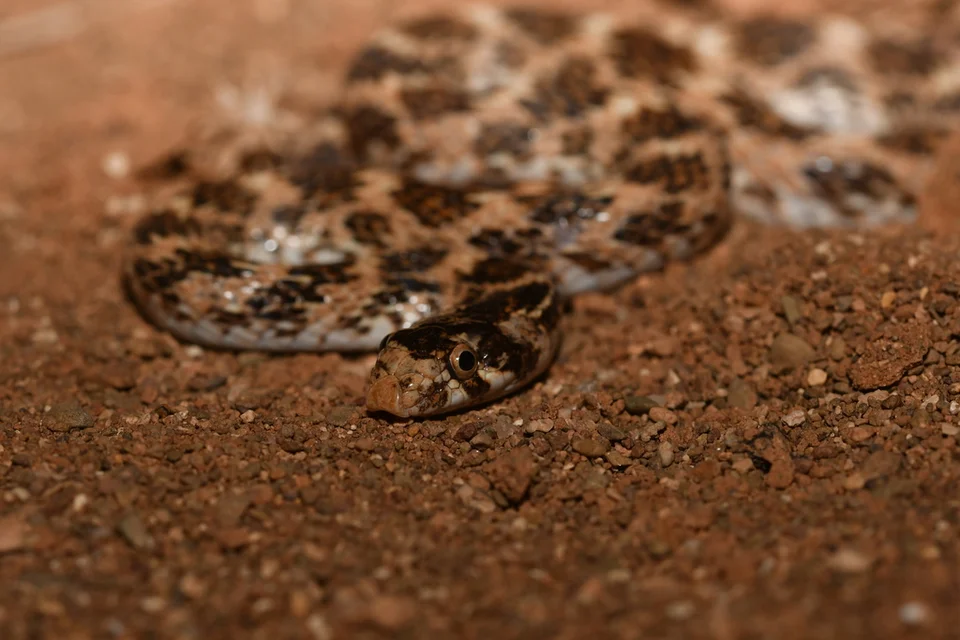
Cerastes cerastes. Identification follows the linked source community.

001 · Viperidae

Desert Horned Viper

Cerastes cerastes

(LINNAEUS, 1758)

VenomousClinical severity not established

Listed in the reviewed taxonomic treatment. Historical records compiled in the 2017 atlas.

Read the species account →

Julien Renoult · CC BY 4.0 · https://creativecommons.org/licenses/by/4.0/

Cerastes vipera. Identification follows the linked source community.

002 · Viperidae

Sahara Sand Viper

Cerastes vipera

(LINNAEUS, 1758)

VenomousClinical severity not established

Listed in the reviewed taxonomic treatment. Historical records compiled in the 2017 atlas.

Read the species account →

Julien Renoult · CC BY 4.0 · https://creativecommons.org/licenses/by/4.0/

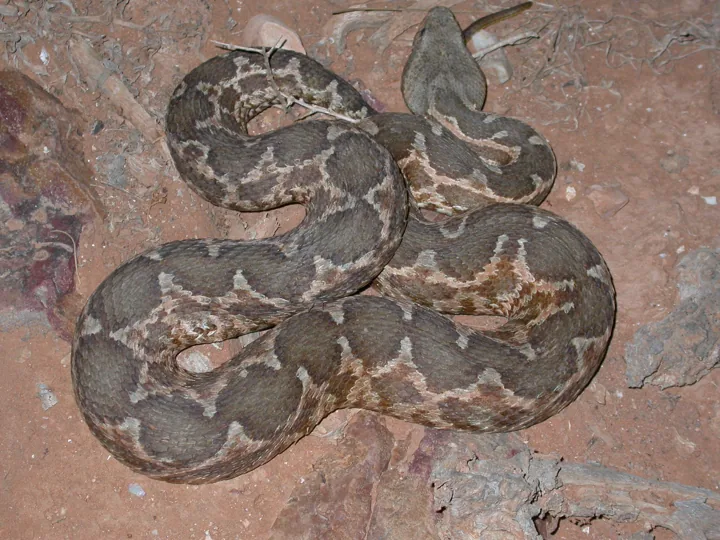
Daboia mauritanica, Morocco, photographed on 9 September 2006.

003 · Viperidae

Moorish Viper

Daboia mauritanica

(GRAY, 1849)

VenomousClinical severity not established

Western Tripolitanian records, formerly deserti, belong to this shared identity. Historical atlas records; eastern Cyrenaican reports remain questionable. Historical atlas records; eastern Cyrenaican reports remain questionable. Historical records compiled in the 2017 atlas. Questionable Cyrenaican reports are not mapped.

Read the species account →

Julien Renoult · CC BY 4.0 · https://creativecommons.org/licenses/by/4.0/

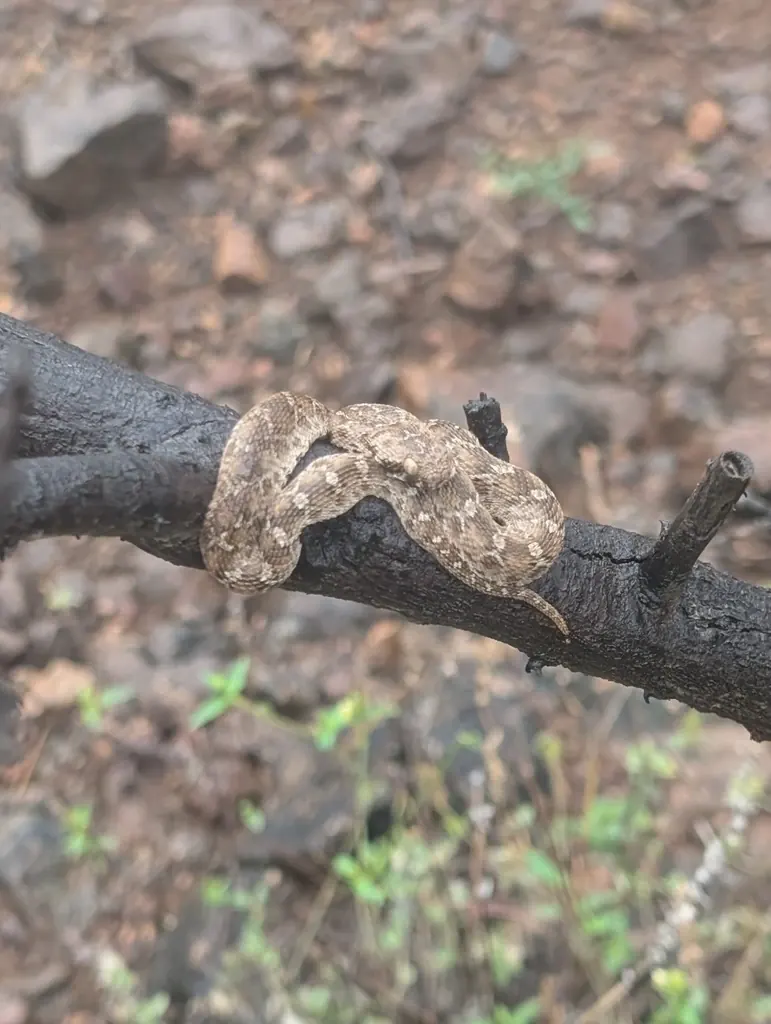
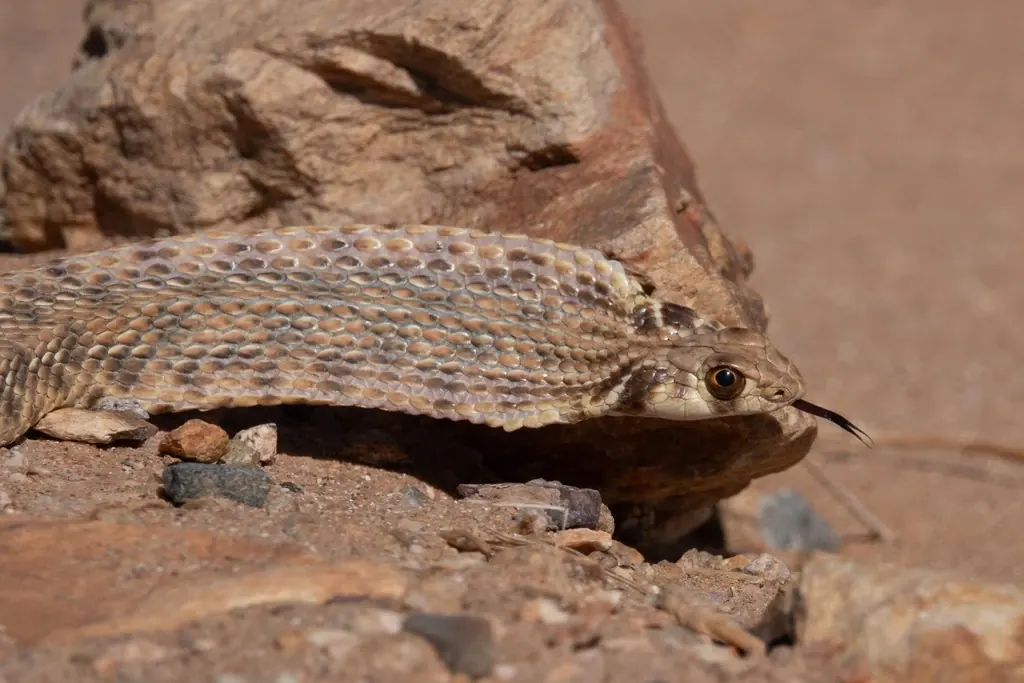
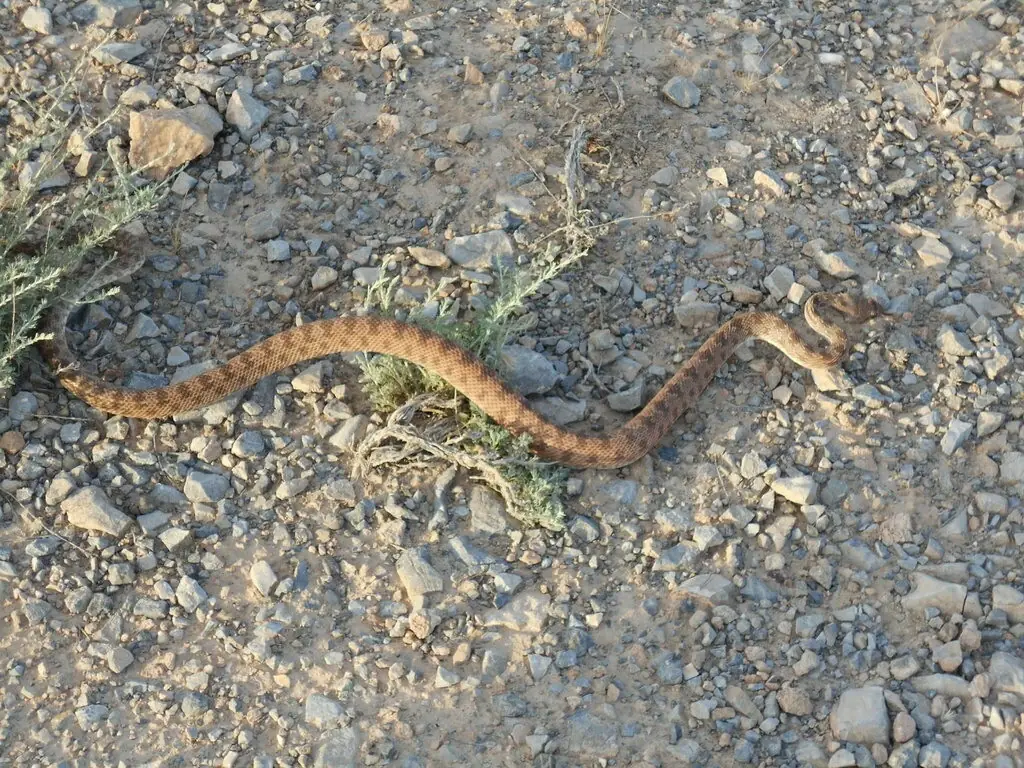
Echis pyramidum. Identification follows the linked source community.

004 · Viperidae

North-East African Carpet Viper, Egyptian Saw-scaled Viper

Echis pyramidum

(GEOFFROY SAINT-HILAIRE, 1827)

VenomousClinical severity not established

Listed in the reviewed taxonomic treatment. Historical records compiled in the 2017 atlas.

Read the species account →

Elliot Kulakow · CC BY 4.0 · https://creativecommons.org/licenses/by/4.0/

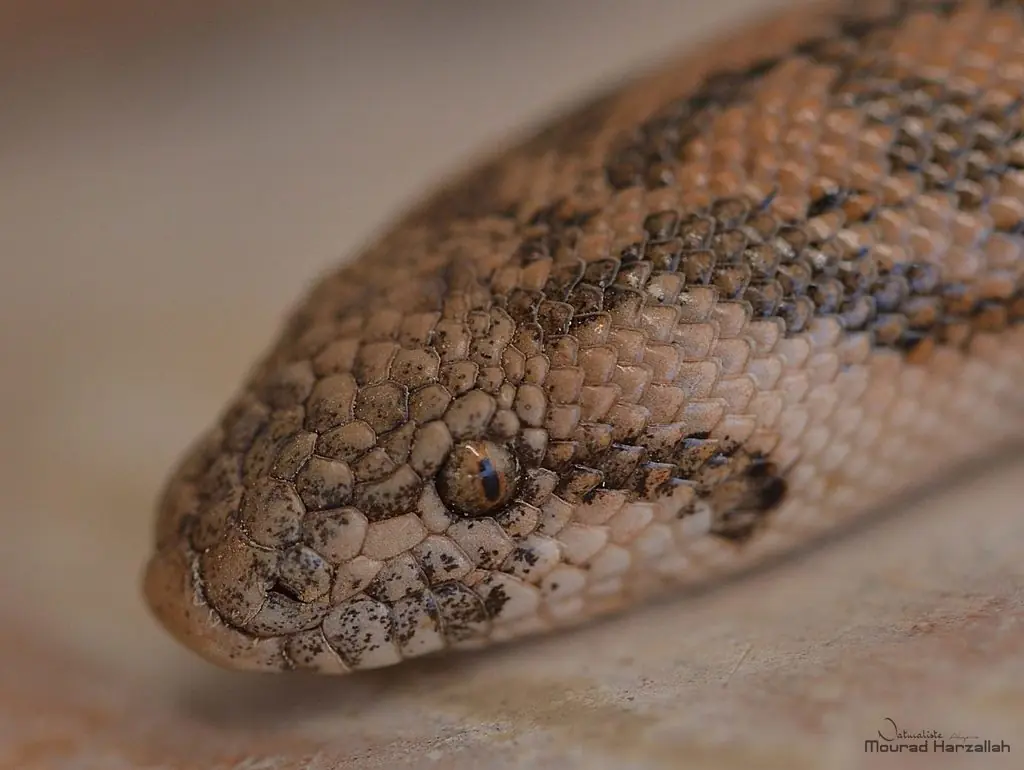
Eryx jaculus. Identification follows the linked source community.

005 · Boidae

Javelin Sand Boa

Eryx jaculus

(LINNAEUS, 1758)

Non-venomous

Listed in the reviewed taxonomic treatment. Historical records compiled in the 2017 atlas.

Read the species account →

Mourad Harzallah · CC BY 4.0 · https://creativecommons.org/licenses/by/4.0/

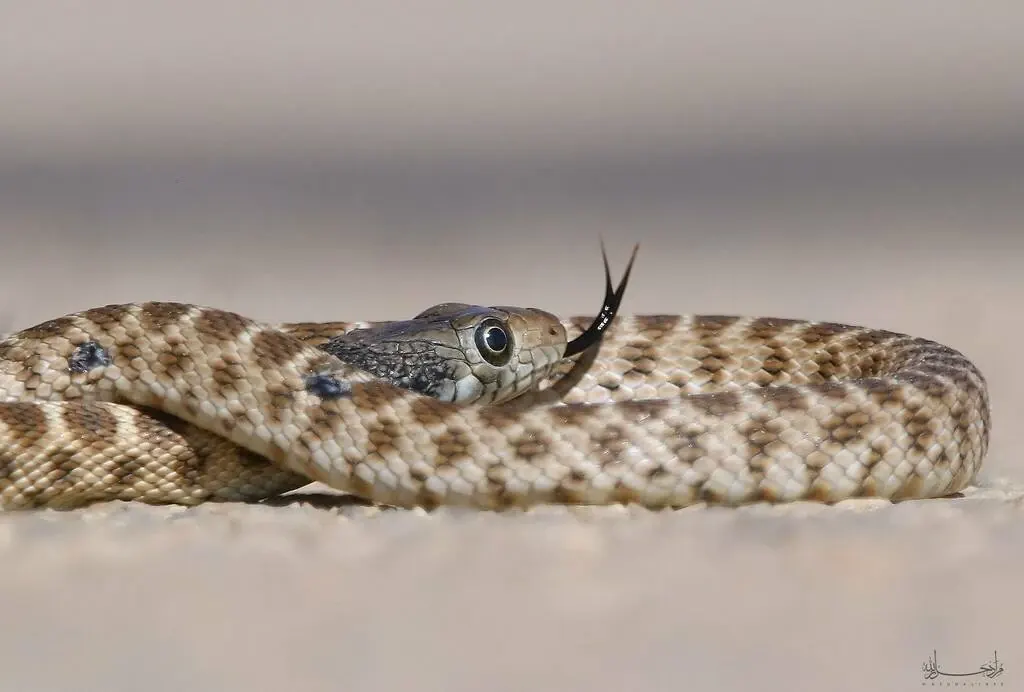
Hemorrhois algirus. Identification follows the linked source community.

006 · Colubridae

Algerian Whip Snake

Hemorrhois algirus

(JAN, 1863)

Venom unknownNot yet assessed

Listed in the reviewed taxonomic treatment. Historical records compiled in the 2017 atlas.

Read the species account →

Mourad Harzallah · CC BY 4.0 · https://creativecommons.org/licenses/by/4.0/

Lytorhynchus diadema, Guelmim Province, Morocco; photographed 2023-06-08.

007 · Colubridae

Crowned Leafnose Snake, Diademed Sand Snake, Awl-headed Snake

Lytorhynchus diadema

(DUMÉRIL, BIBRON & DUMÉRIL, 1854)

Venom unknownNot yet assessed

Listed in the reviewed taxonomic treatment. Historical records compiled in the 2017 atlas.

Read the species account →

Justin Philbois · CC0 1.0 · https://creativecommons.org/publicdomain/zero/1.0/

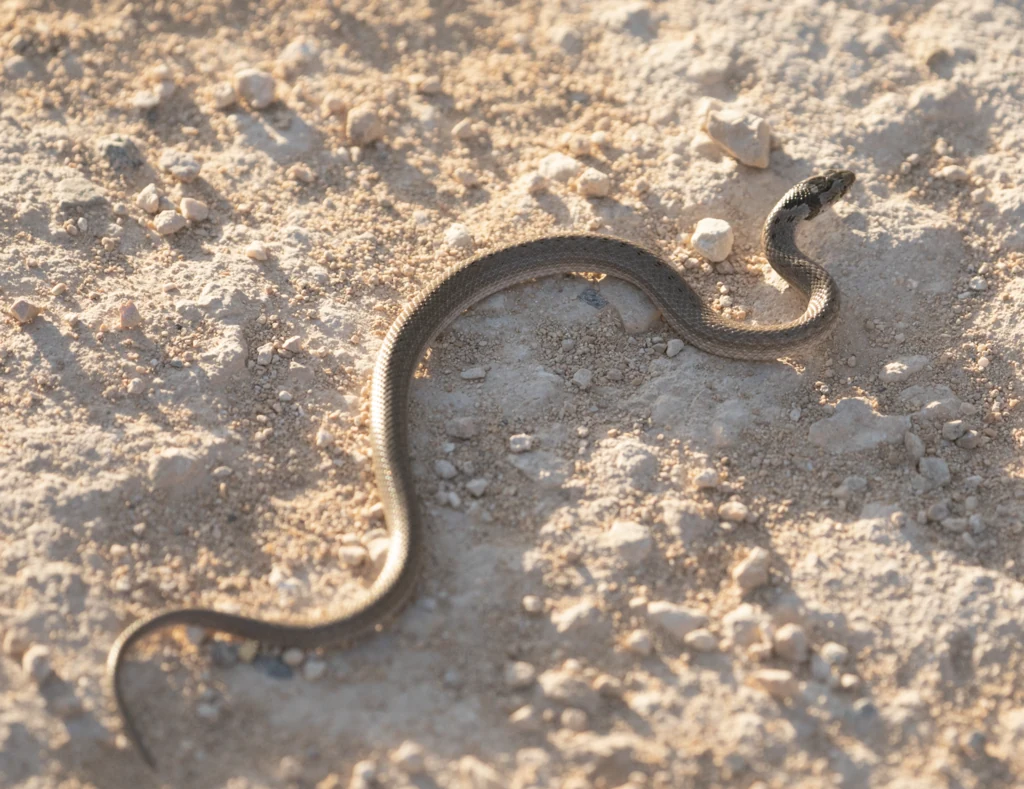
Macroprotodon cucullatus, photographed 2022-10-24. Identification follows the linked research-grade observation.

008 · Colubridae

False Smooth Snake

Macroprotodon cucullatus

(GEOFFROY SAINT-HILAIRE, 1827)

Venom unknownNot yet assessed

Libyan specimens are documented in the 2017 atlas. Photographed in 1998. Photographed in 1998. This is a named locality record, not evidence of occupation throughout the mapped region. Historical records compiled in the 2017 atlas.

Read the species account →

Paolo Zucca · CC BY 4.0 · https://creativecommons.org/licenses/by/4.0/

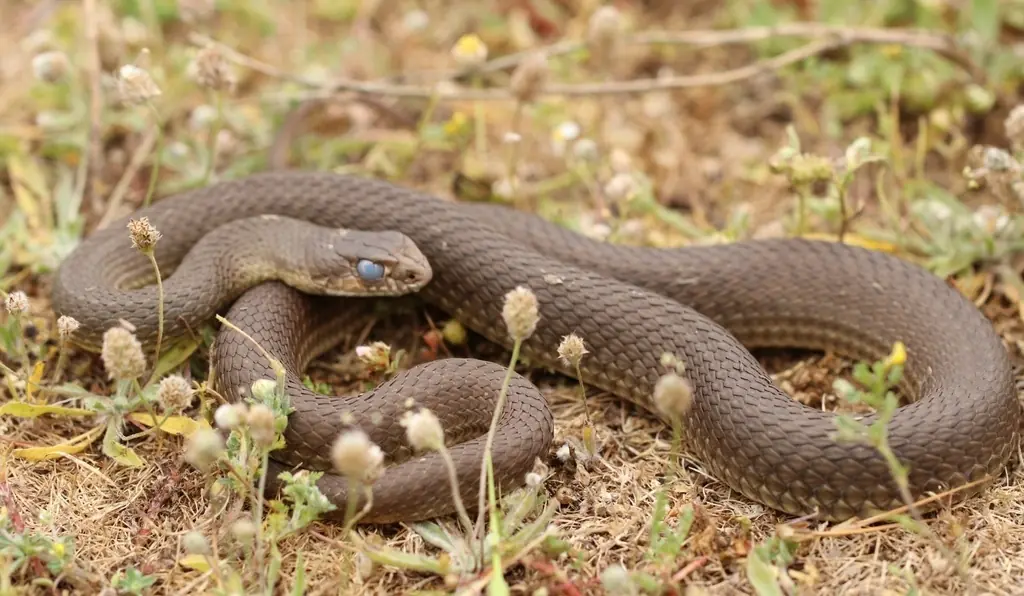
Malpolon insignitus. Identification follows the linked source community.

009 · Psammophiidae

Eastern Montpellier Snake

Malpolon insignitus

(GEOFFROY SAINT-HILAIRE, 1827)

VenomousClinical severity not established

Listed in the reviewed taxonomic treatment. Historical records compiled in the 2017 atlas.

Read the species account →

Ryan van Huyssteen · CC BY 4.0 · https://creativecommons.org/licenses/by/4.0/

Malpolon moilensis. Identification follows the linked source community.

010 · Psammophiidae

Moila Snake

Malpolon moilensis

(REUSS, 1834)

Venom unknownNot yet assessed

Listed in the reviewed taxonomic treatment. Historical records compiled in the 2017 atlas.

Read the species account →

Demian Hiß · CC BY 4.0 · https://creativecommons.org/licenses/by/4.0/

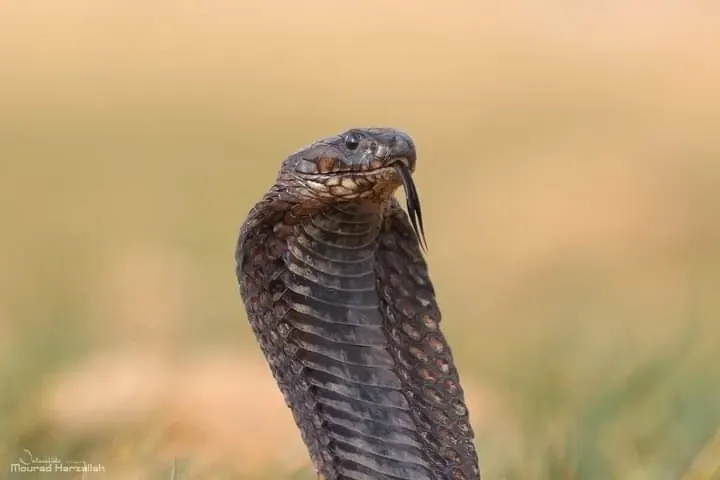
Naja haje. Identification follows the linked source community.

011 · Elapidae

Egyptian Cobra

Naja haje

(LINNAEUS, 1758)

VenomousClinical severity not established

Listed in the reviewed taxonomic treatment. Historical records compiled in the 2017 atlas.

Read the species account →

Mourad Harzallah · CC BY 4.0 · https://creativecommons.org/licenses/by/4.0/

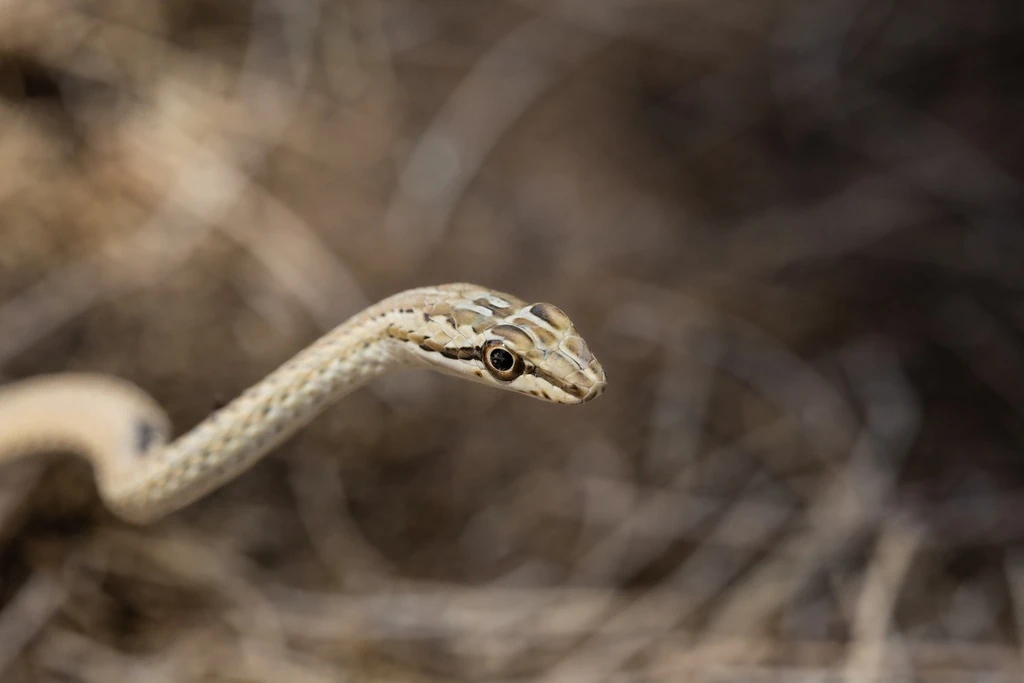
Psammophis schokari. Identification follows the linked source community.

013 · Psammophiidae

Schokari Sand Racer, Forskal Sand Snake

Psammophis schokari

(FORSKÅL, 1775)

VenomousClinical severity not established

Listed in the reviewed taxonomic treatment. Historical records compiled in the 2017 atlas.

Read the species account →

Mahomed Desai · CC BY 4.0 · https://creativecommons.org/licenses/by/4.0/

Spalerosophis diadema. Identification follows the linked source community.

014 · Colubridae

Diadem Snake, Royal Snake

Spalerosophis diadema

(SCHLEGEL, 1837)

Venom unknownNot yet assessed

Listed in the reviewed taxonomic treatment. Historical records compiled in the 2017 atlas.

Read the species account →

Askar Akhmedov · CC BY 4.0 · https://creativecommons.org/licenses/by/4.0/

All 20 species in the country collection →

Read further

Evidence & sources.

Guide reviewed 12 October 2026. Source dates and geographic scope matter; landscape photographs do not establish species occurrence.

  1. NASA Earth Observatory · Seismic Surveying Grid in Libya
    Published 27 June 2015; Landsat acquisition 11 February 2015. Checked 12 October 2026.

  2. UNESCO World Heritage · Rock-Art Sites of Tadrart Acacus

    Rock-massif geography and historical environmental record. Checked 12 October 2026.

Continue through Libya

Explore another habitat.

01

Coastal sebkhas, dunes and salt marsh

Libya’s coastal wetlands include saline depressions connected to the sea. They should not be labelled freshwater merely because springs occur nearby.