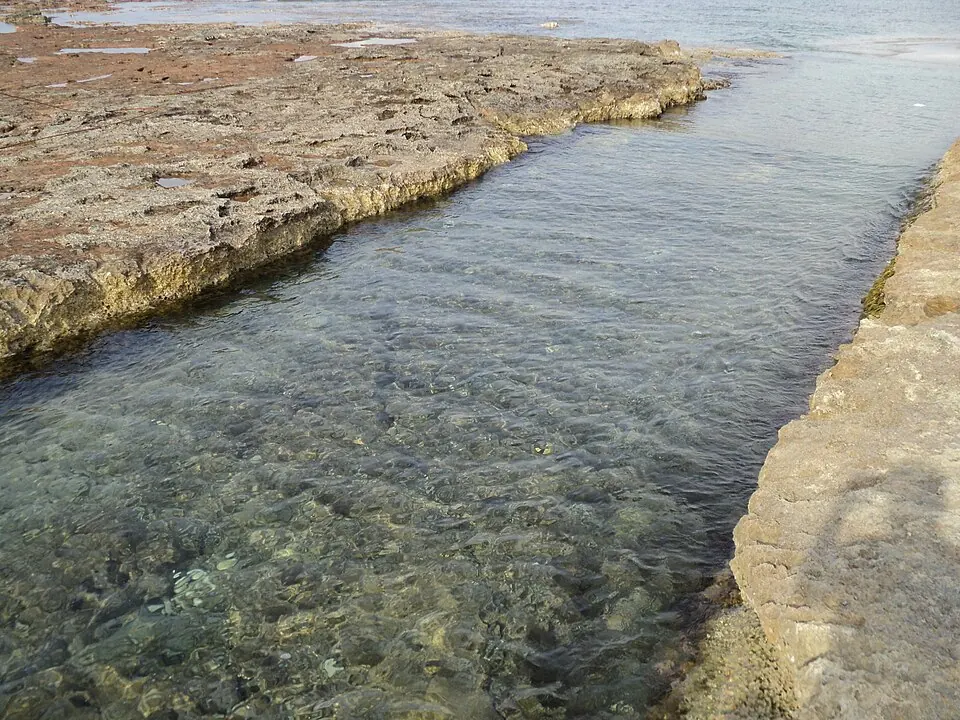
A shallow rocky inlet on the shore at Al Haniya, eastern Libya, photographed in May 2011.

Libya · Habitat field guide

Coastal sebkhas, dunes and salt marsh

Libya’s coastal wetlands include saline depressions connected to the sea. They should not be labelled freshwater merely because springs occur nearby.

A shallow rocky inlet on the shore at Al Haniya, eastern Libya, photographed in May 2011.

Photograph: Maher27777 · Image source · Public domain. Cropped to fill the hero; darkened for text legibility.

Understanding the environment

A sense of the habitat.

Libya’s coastal wetlands include saline depressions connected to the sea. They should not be labelled freshwater merely because springs occur nearby.

Eastern coast
Ain Elshakika and Ain Elzarga
Water chemistry
Saline and seasonally variable
Record detail
Land, margin or water

Explore the structure · Water body → Margin → Surroundings

Read the landscape at the recorded locality

Select a zone to see what changes.

Hydrology

Water body

Separate permanent water from seasonal flooding.

The observation date matters when water levels change.

A conceptual comparison, not a measured transect or an animal distribution model.

Field notes · 01

Ain Elshakika

Ramsar describes a hypersaline sebkha with sea connections, freshwater springs, dunes and mudflats. Freshwater inputs reduce salinity locally without turning the whole system into a freshwater lake.

Sources: Ramsar Sites Information Service · Libya annotated sites
Field notes · 02

Ain Elzarga

The second designated site is a coastal depression with mudflats and salt marsh, surrounded by dunes and rocky hills. The account reports year-round water and seasonal salinity changes.

Sources: Ramsar Sites Information Service · Libya annotated sites
Pressures on Libya’s habitats

What is at risk?

What helps this habitat

Retain the observation date, original habitat wording and source. Landscape protection and a confirmed snake occurrence are different kinds of evidence.

The connected collection

Snakes with habitat evidence.

These 3 species have supported country occurrence and an explicit habitat association in the shared account. The association may come from elsewhere in their range. This is not a complete local habitat inventory; the places above are landscape examples, not asserted collecting sites.

3 species · showing 3

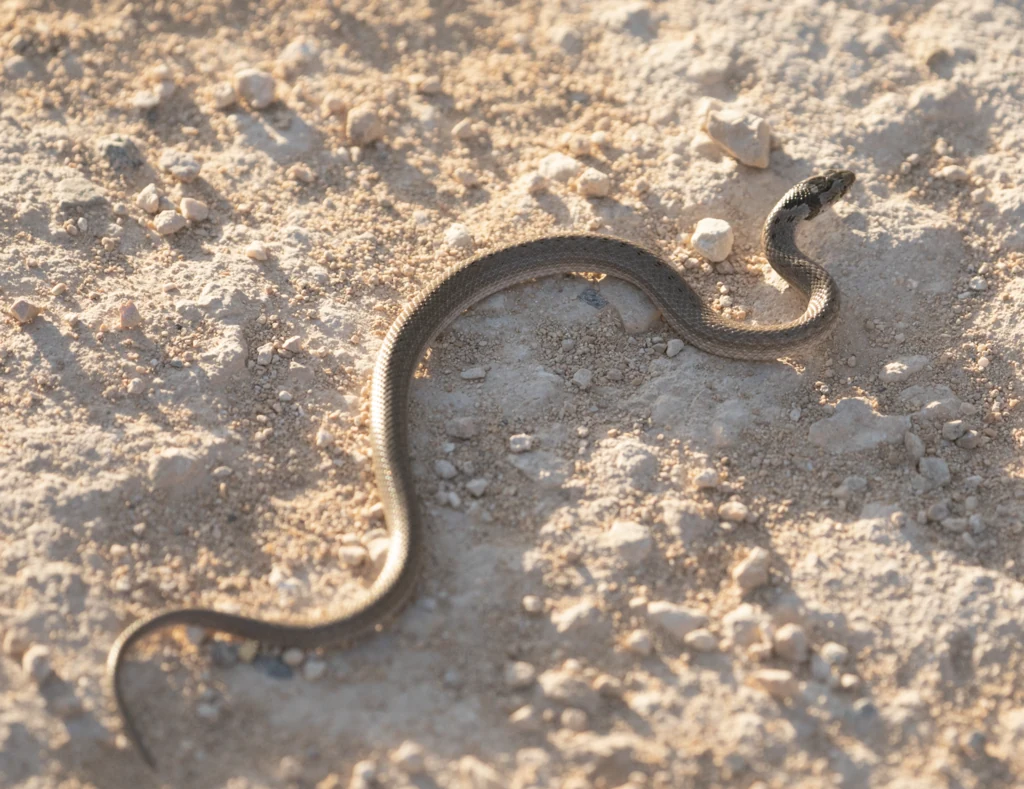
Macroprotodon cucullatus, photographed 2022-10-24. Identification follows the linked research-grade observation.

001 · Colubridae

False Smooth Snake

Macroprotodon cucullatus

(GEOFFROY SAINT-HILAIRE, 1827)

Venom unknownNot yet assessed

Libyan specimens are documented in the 2017 atlas. Photographed in 1998. Photographed in 1998. This is a named locality record, not evidence of occupation throughout the mapped region. Historical records compiled in the 2017 atlas.

Read the species account →

Paolo Zucca · CC BY 4.0 · https://creativecommons.org/licenses/by/4.0/

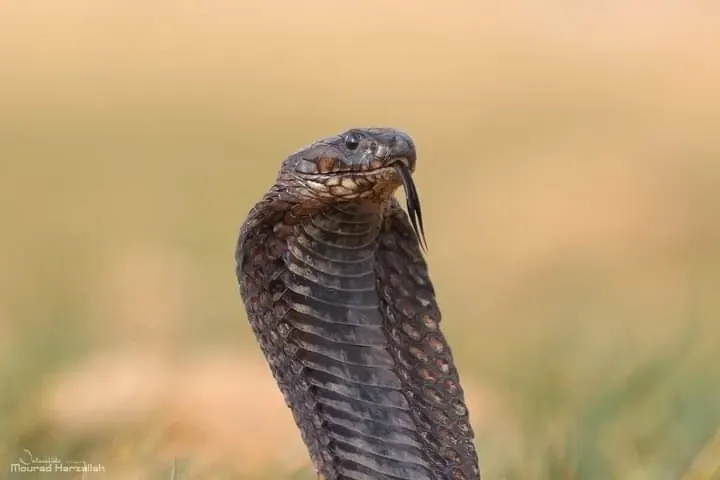
Naja haje. Identification follows the linked source community.

002 · Elapidae

Egyptian Cobra

Naja haje

(LINNAEUS, 1758)

VenomousClinical severity not established

Listed in the reviewed taxonomic treatment. Historical records compiled in the 2017 atlas.

Read the species account →

Mourad Harzallah · CC BY 4.0 · https://creativecommons.org/licenses/by/4.0/

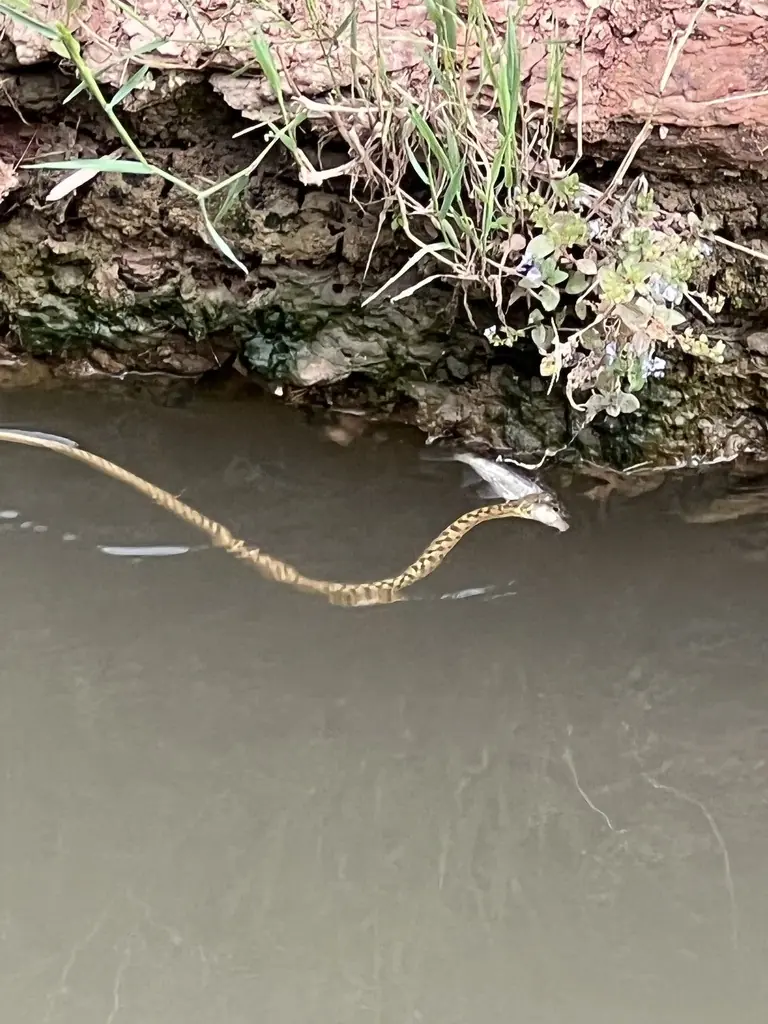
Natrix maura. Identification follows the linked source community.

003 · Colubridae

Viperine Water Snake

Natrix maura

(LINNAEUS, 1758)

Venom unknownNot yet assessed

Listed in the reviewed taxonomic treatment. Historical records compiled in the 2017 atlas. Present-day persistence needs confirmation.

Read the species account →

Naturalista · CC BY 4.0 · https://creativecommons.org/licenses/by/4.0/

All 20 species in the country collection →

Read further

Evidence & sources.

Guide reviewed 12 October 2026. Source dates and geographic scope matter; landscape photographs do not establish species occurrence.

  1. Ramsar Sites Information Service · Libya annotated sites
    Sites 1026 and 1027, designated 5 April 2000; dated descriptive accounts. Checked 12 October 2026.

Continue through Libya

Explore another habitat.

01

Sand seas, hamada and rock massifs

Libya’s dry interior includes dunes, gravel-armoured plateaus and incised valleys. Habitat notes should identify the surface actually occupied.