Pressures and evidence limits
This guide does not yet include a quantified local pressure assessment. Record observed land use separately from demonstrated ecological effects, and compare dated observations from the same season.
Germany · Habitat field guide
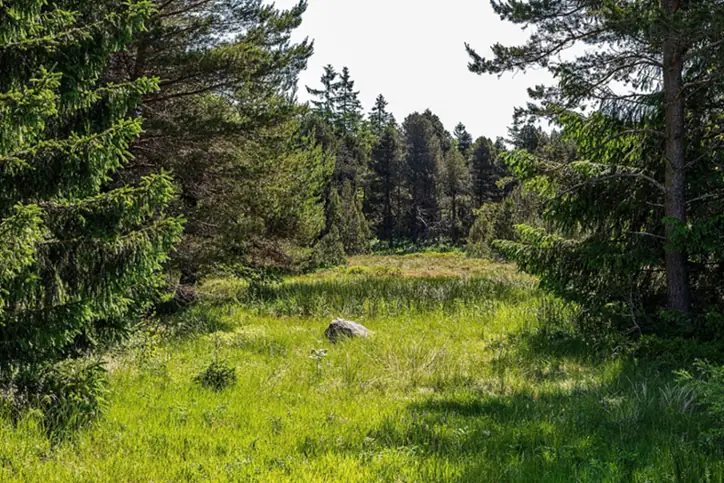
Explore Southern Black Forest through the documented landscape and its visible structure. The named example anchors this guide; it does not represent every habitat in the country.
Wooded wetland clearing at Blindensee near Schönwald, Germany. This Black Forest example lies outside the guide's named southern biosphere-reserve anchor.
Understanding the environment
Explore Southern Black Forest through the documented landscape and its visible structure. The named example anchors this guide; it does not represent every habitat in the country.
Explore the structure · Canopy → edge → drainage
Select a zone to see what changes.
Shade and cover
Describe the structure that is visible: canopy continuity, understory and ground cover. Do not infer an animal community from tree cover alone.
Keep observation date, photographed place and the source description distinct.
A conceptual reading sequence, not a mapped transect or an invitation to enter restricted terrain.
Sources: UNESCO · Southern Black Forest
Field notes · 01
The Black Forest Biosphere Reserve in Baden-Württemberg combines wooded low mountains with hay meadows, grazed openings and moors. UNESCO describes a landscape shaped by forestry and traditional farming, with substantial contrasts over its elevation range.
Sources: UNESCO · Southern Black Forest
Field notes · 02
Compare closed canopy, open woodland and planted trees. Record leaf litter, fallen wood and the width of exposed edges separately. A green satellite patch or distant treeline cannot establish forest quality.
Pressures on Germany’s habitats
This guide does not yet include a quantified local pressure assessment. Record observed land use separately from demonstrated ecological effects, and compare dated observations from the same season.
Keep landform, water, vegetation and land use separate when reading the landscape. Use the linked species accounts for independently sourced distribution evidence.
The connected collection
These 6 species have supported country occurrence and an explicit habitat association in the shared account. The association may come from elsewhere in their range. This is not a complete local habitat inventory; the places above are landscape examples, not asserted collecting sites.
6 species · showing 6
001 · Colubridae
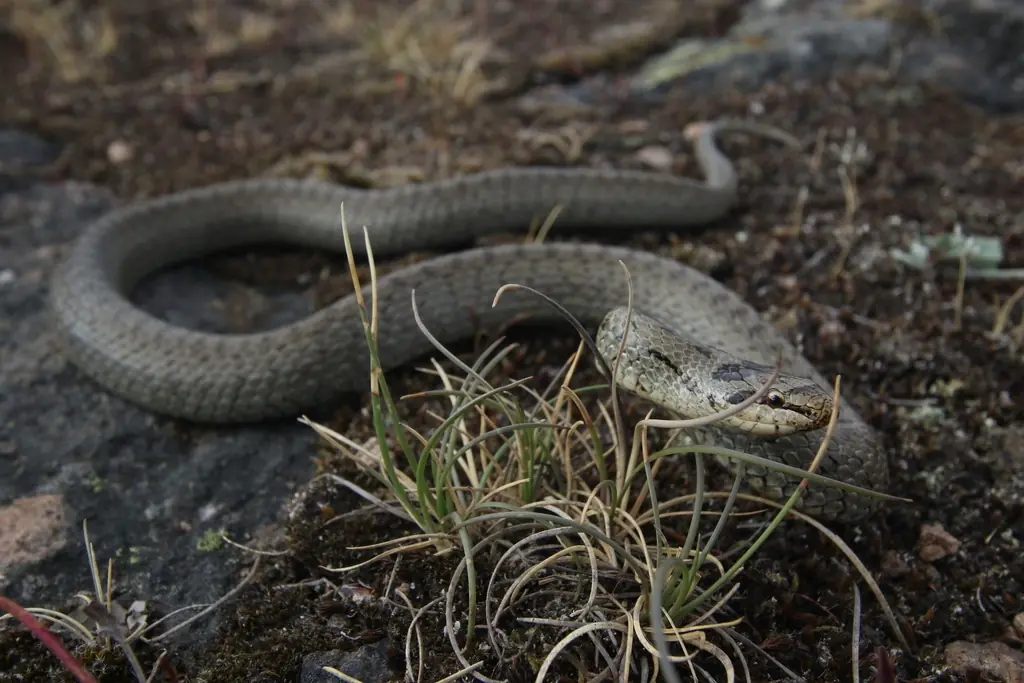
Smooth Snake
Country explicitly listed in the checked taxonomic treatment. LfU identifies these Bavarian concentration areas while noting incomplete detection; these are regional records, not precise observation coordinates. The state conservation agency lists this snake among the native reptiles of Lower Saxony.
Read the species account →B. P. White · CC BY-SA 4.0 · https://creativecommons.org/licenses/by-sa/4.0/
002 · Colubridae
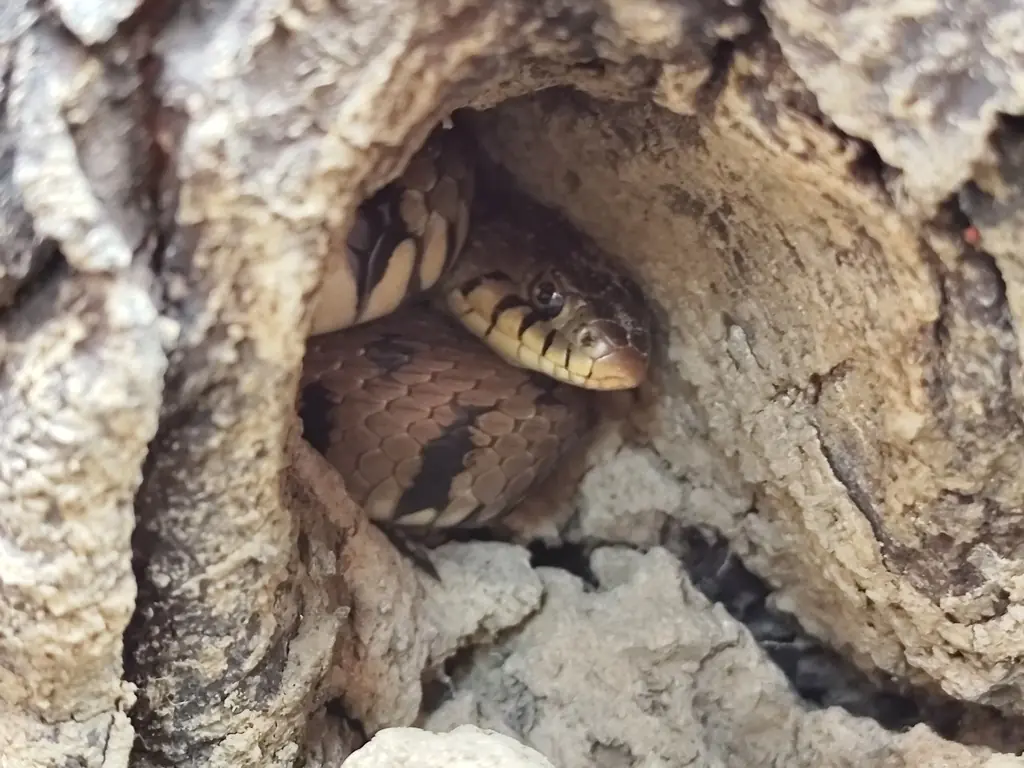
Banded Grass Snake
Country explicitly listed in the checked taxonomic treatment. The 2019 study verified Alpine barred grass snakes genetically at these named Bavarian localities.
Read the species account →Francesco Santoro · CC BY 4.0 · https://creativecommons.org/licenses/by/4.0/
003 · Colubridae
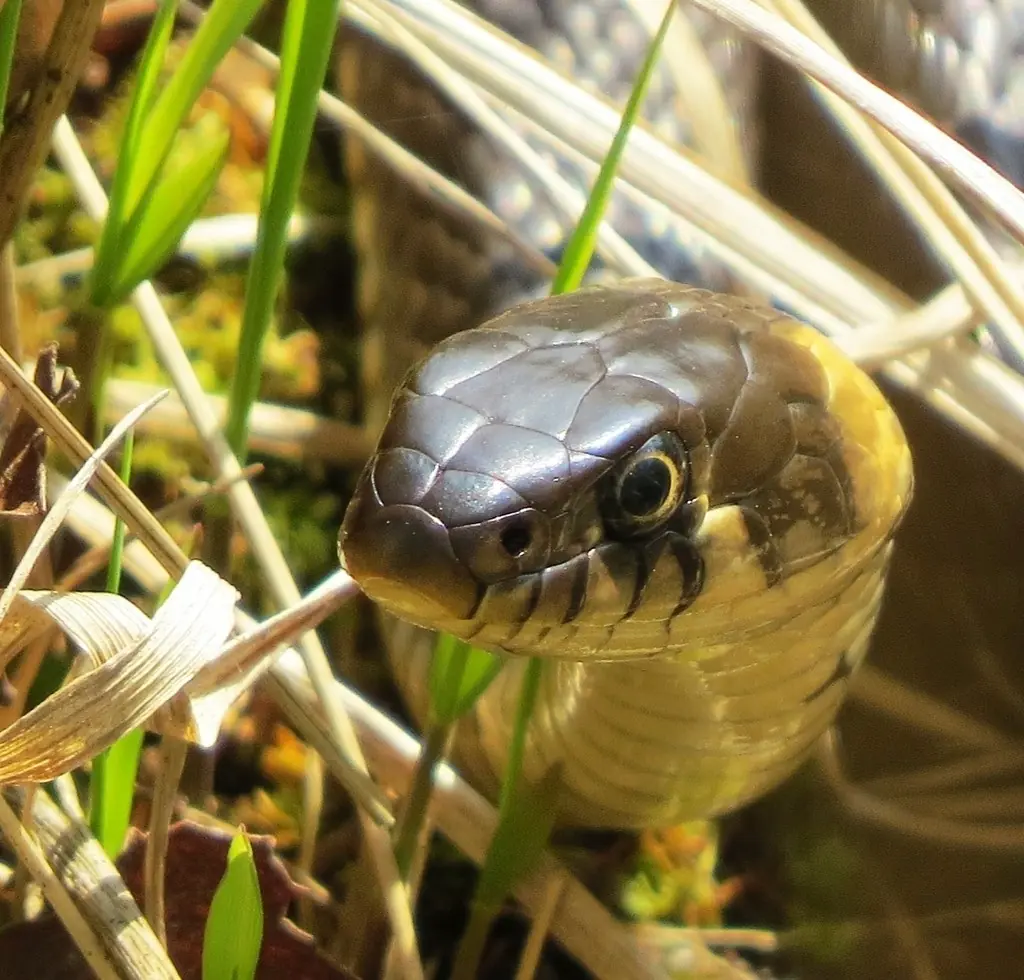
Common Grass Snake
Country explicitly listed in the checked taxonomic treatment. The museum explicitly distinguishes Bavarian Natrix natrix from N. helvetica; its comparison record has state-level resolution only.
Read the species account →Micha Baum · CC BY-SA 4.0 · https://creativecommons.org/licenses/by-sa/4.0/
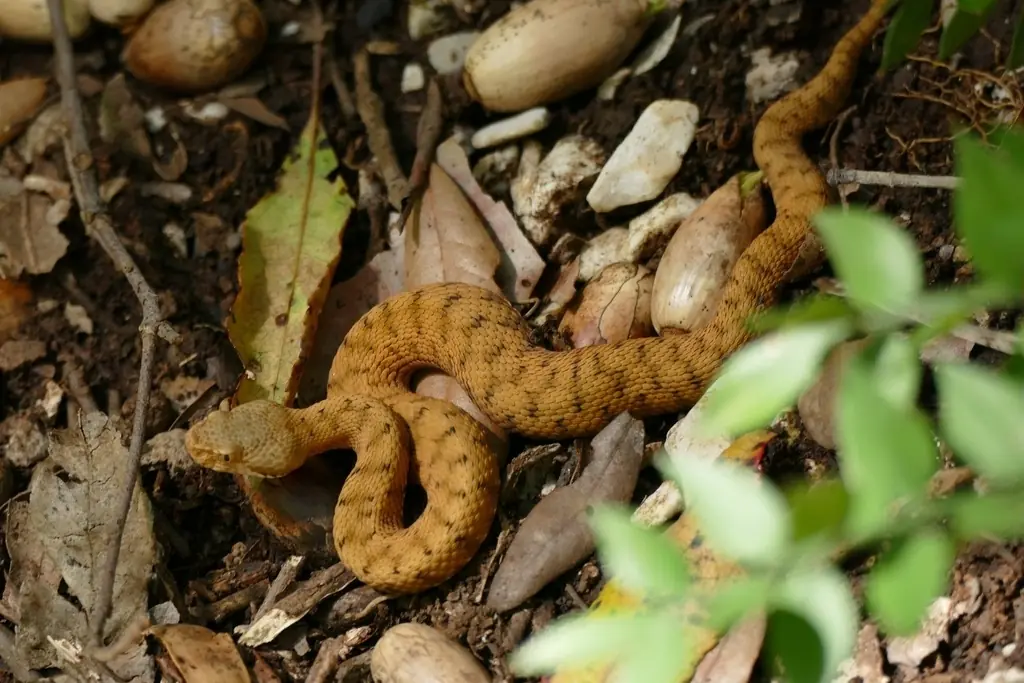
004 · Viperidae
Asp Viper
Country explicitly listed in the checked taxonomic treatment. FVA documents the surviving German population in the southern Black Forest. Historical Upper Rhine sites are not presented as current records.
Read the species account →Paolo Giampaoletti · CC0 1.0 · https://creativecommons.org/publicdomain/zero/1.0/
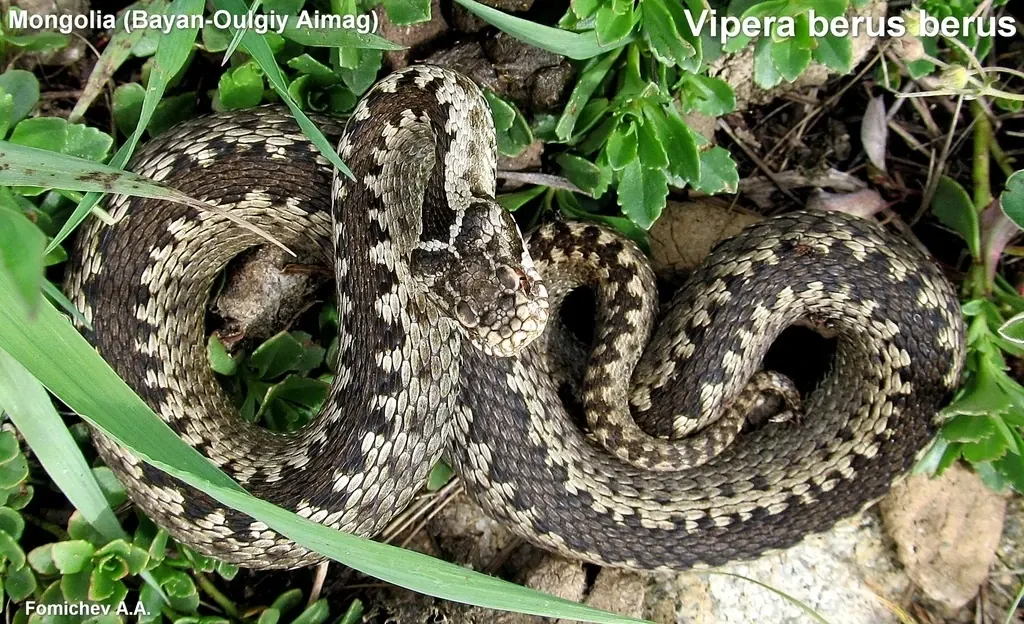
005 · Viperidae
Adder, Northern Viper
Country explicitly listed in the checked taxonomic treatment. The 2026 conservation report documents four individually recognised adders during the 2025 Anhauser Tal assessment. The state conservation agency lists this snake among the native reptiles of Lower Saxony.
Read the species account →Alexander A. Fomichev · CC BY 4.0 · https://creativecommons.org/licenses/by/4.0/
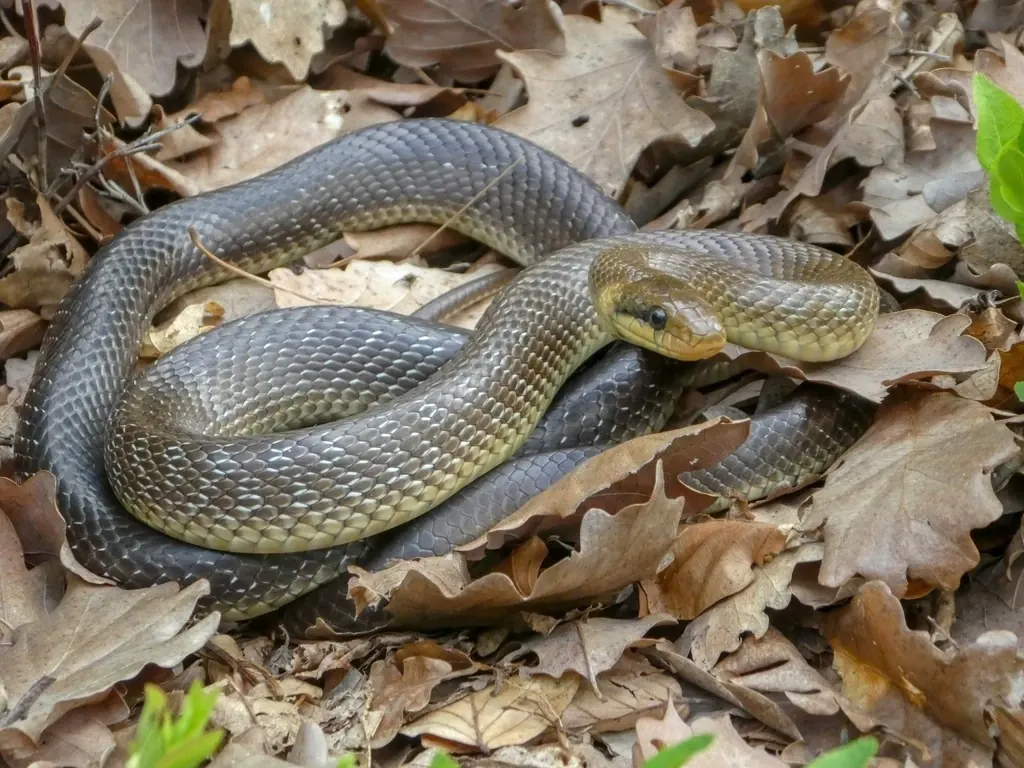
006 · Colubridae
Aesculapean Snake
Country explicitly listed in the checked taxonomic treatment. The state account identifies these isolated German populations; the listed places do not imply occupancy throughout their navigation regions.
Read the species account →Philipp Pavelka · CC BY 4.0 · https://creativecommons.org/licenses/by/4.0/
Read further
Guide reviewed 11 October 2026. Source dates and geographic scope matter; landscape photographs do not establish species occurrence.
Named landscape description, read and checked 11 October 2026. Historic source dates remain explicit; not a snake survey or live access notice.
Continue through Germany