Cyclones and encroachment
UNESCO describes cyclone impacts, saline intrusion and agricultural encroachment among pressures on this delta.
Sources: UNESCO · The Sundarbans
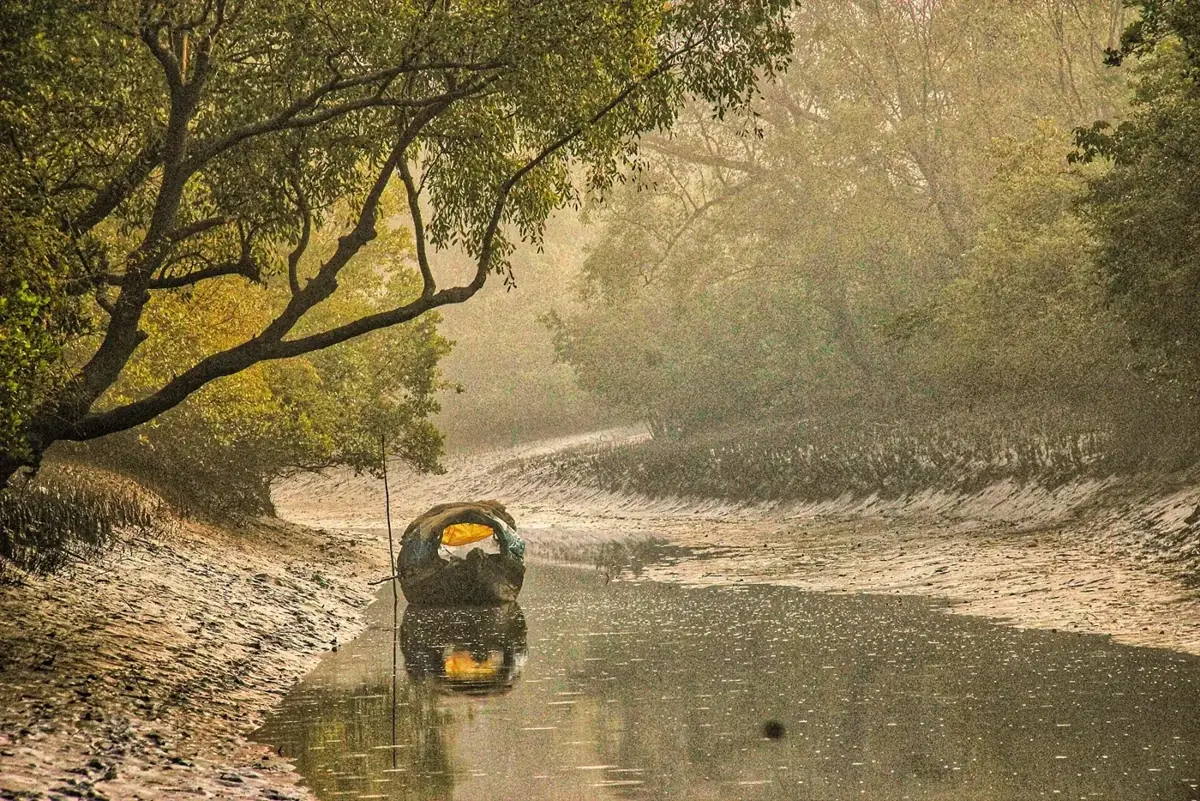
Bangladesh · Habitat field guide
Tidal waterways enter a mosaic of forest and exposed sediment.
Mangrove forest in the Bangladesh Sundarbans.
Understanding the environment
Tidal waterways enter a mosaic of forest and exposed sediment.
Explore the structure · Select a zone to compare its structure and details worth recording.
Select a zone to see what changes.
Watch the water
Record tidal stage and channel setting.
Observation prompts do not establish that a particular snake occurs in this zone.
Conceptual zones, not a measured transect or a map of snake occurrences.
Sources: UNESCO · The Sundarbans
Field notes · 01
Bangladesh’s Sundarbans contains brackish channels, tidal flats and salt-tolerant forest. Sediment and tides connect those habitats without proving that every snake occupies every island.
Sources: UNESCO · The Sundarbans
Field notes · 02
Keep the locality, date and habitat description together. A landscape source explains the setting; only a verified species record establishes occurrence. The collection below may be smaller than the variety of environments described here.
Pressures on Bangladesh’s habitats
UNESCO describes cyclone impacts, saline intrusion and agricultural encroachment among pressures on this delta.
Sources: UNESCO · The Sundarbans
Retain the local habitat mosaic and its connections. Interpret pressures using the cited site evidence and current local management guidance.
The connected collection
These 5 species have supported country occurrence and an explicit habitat association in the shared account. The association may come from elsewhere in their range. This is not a complete local habitat inventory; the places above are landscape examples, not asserted collecting sites.
5 species · showing 5
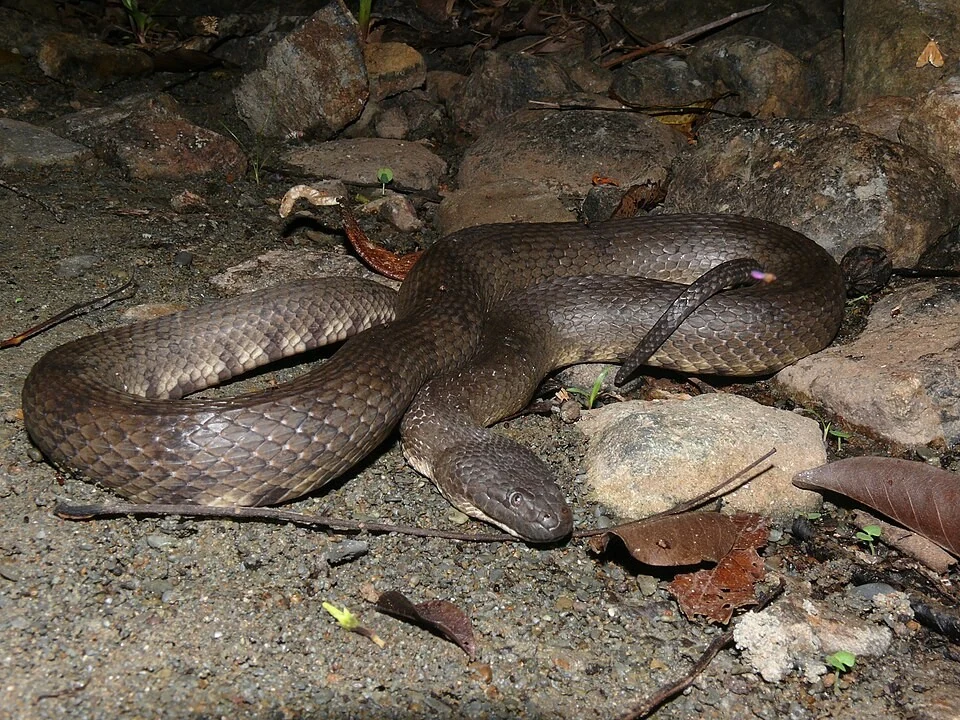
001 · Homalopsidae
South Asian Bockadam, New Guinea bockadam, Dog-faced Water Snake
Confirmed occurrence in the 2025 Bangladesh review, Table 1. The paper explicitly relates its regional labels to the named administrative divisions. Regional evidence: Chattogram; Barishal; Khulna. Named records do not imply continuous occurrence throughout a region.
Read the species account →Swati Sidhu · CC BY-SA 4.0 · https://creativecommons.org/licenses/by-sa/4.0
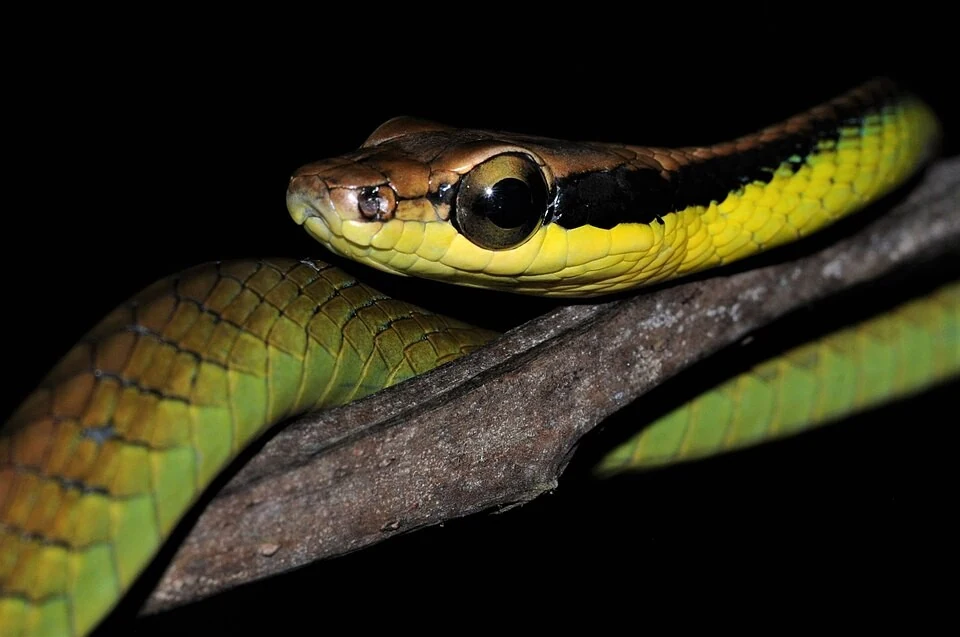
002 · Colubridae
Wall's Bronzeback
Confirmed occurrence in the 2025 Bangladesh review, Table 1. The paper explicitly relates its regional labels to the named administrative divisions. Regional evidence: Chattogram; Sylhet. Named records do not imply continuous occurrence throughout a region.
Read the species account →Marius Burger · CC0 · https://creativecommons.org/publicdomain/zero/1.0/deed.en
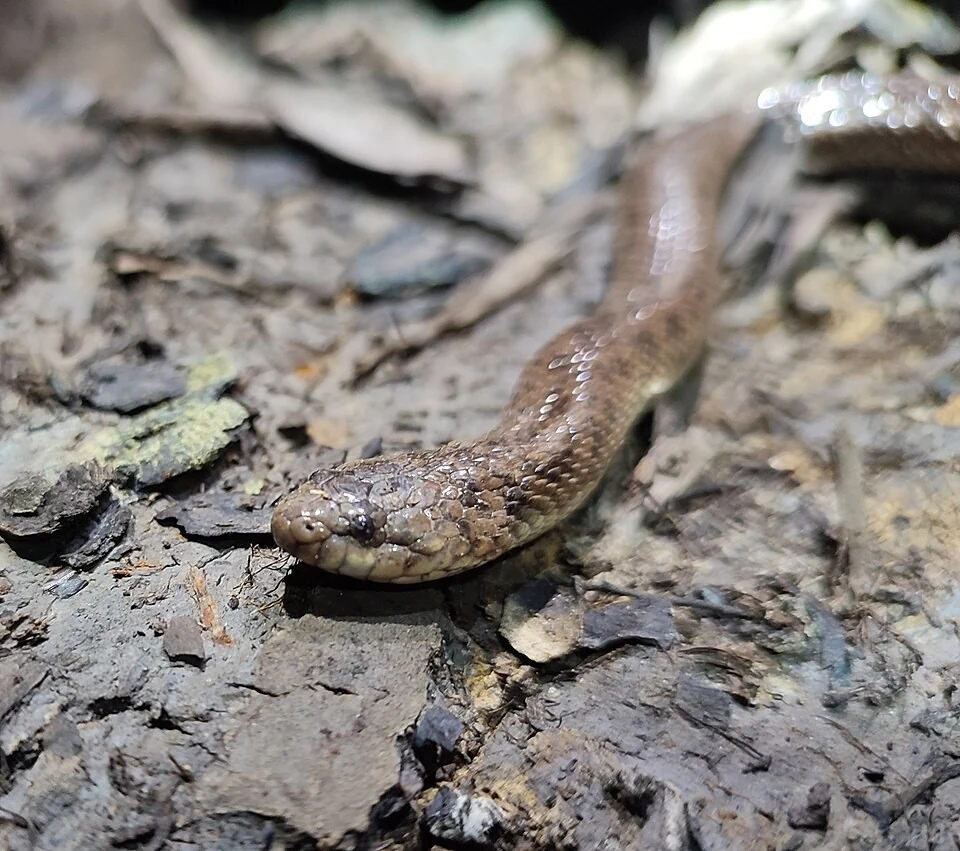
003 · Homalopsidae
Crab-eating (Water) Snake
Confirmed occurrence in the 2025 Bangladesh review, Table 1. The paper explicitly relates its regional labels to the named administrative divisions. Regional evidence: Chattogram; Khulna. Named records do not imply continuous occurrence throughout a region.
Read the species account →Samuel GUIRAUDOU · CC BY 4.0 · https://creativecommons.org/licenses/by/4.0
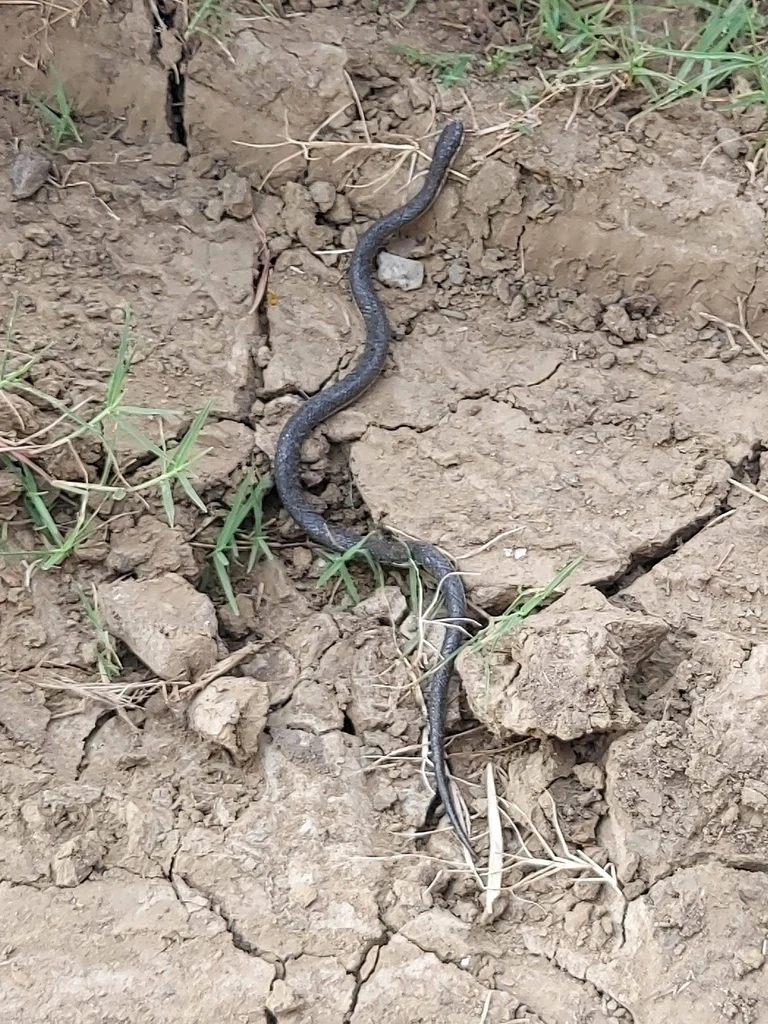
004 · Homalopsidae
Gerard's Water Snake
Confirmed occurrence in the 2025 Bangladesh review, Table 1. The paper explicitly relates its regional labels to the named administrative divisions. Regional evidence: Chattogram; Barishal; Khulna. Named records do not imply continuous occurrence throughout a region.
Read the species account →Ramesh Shenai · CC BY 4.0 · https://creativecommons.org/licenses/by/4.0/
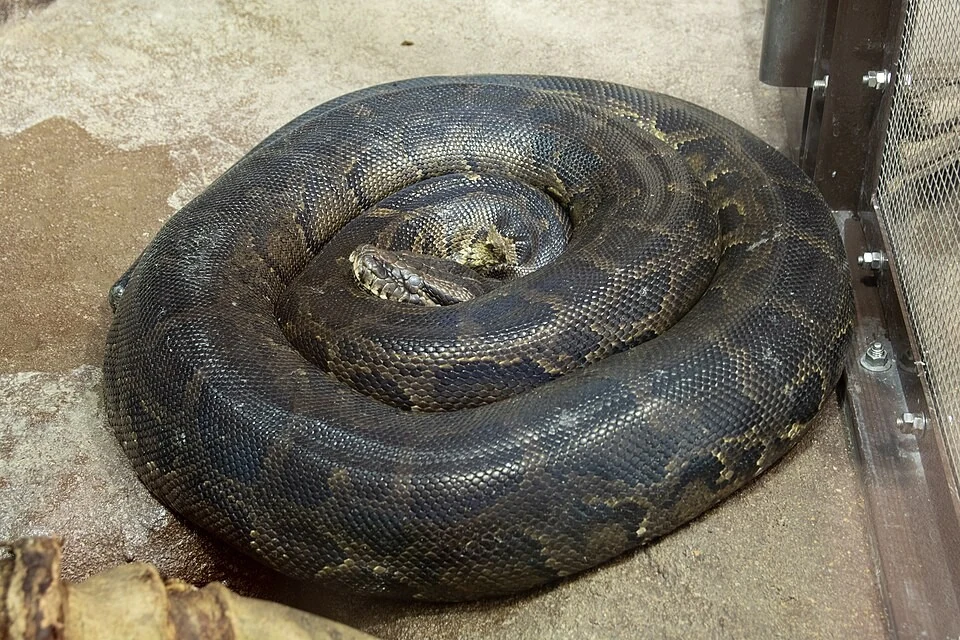
005 · Pythonidae
Burmese Python
Confirmed occurrence in the 2025 Bangladesh review, Table 1. The paper explicitly relates its regional labels to the named administrative divisions. Regional evidence: Chattogram; Sylhet; Dhaka; Mymensingh; Barishal; Khulna. Named records do not imply continuous occurrence throughout a region.
Read the species account →Σ64 · CC BY 4.0 · https://creativecommons.org/licenses/by/4.0
Read further
Guide reviewed 11 October 2026. Source dates and geographic scope matter; landscape photographs do not establish species occurrence.
Bangladeshi tidal forest, sediment processes and pressures. Historical snake names and totals are not imported.
Continue through Bangladesh