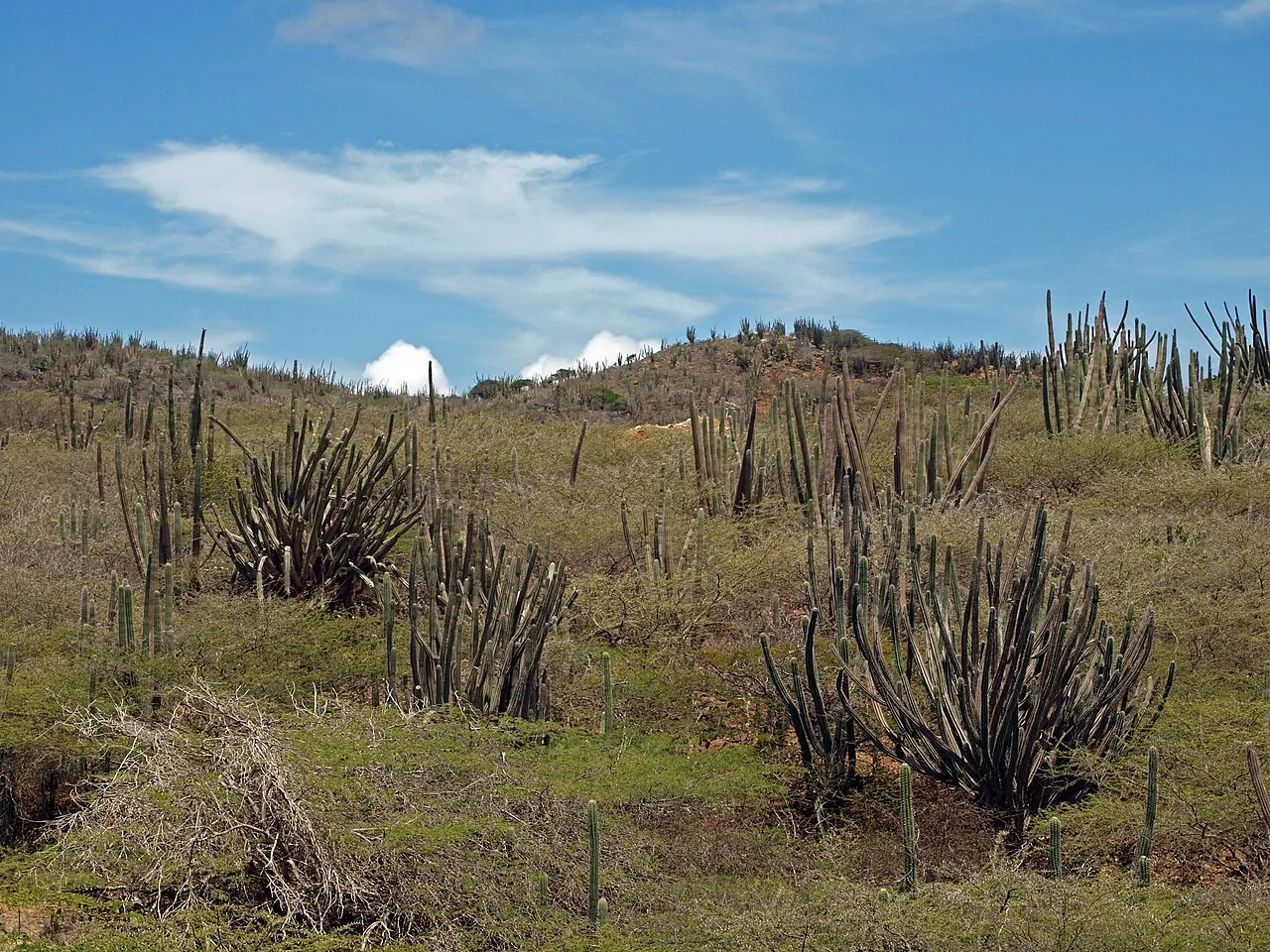
Cacti and open dryland vegetation in Arikok National Park, Aruba.

Aruba · The country atlas

Aruba

Aruba supports its endemic rattlesnake and the native cat-eyed snake alongside introduced boas and Brahminy blindsnakes. Each is linked to a shared species account, with introduced status retained.

4species with extracted evidence
4families
1island guides

Cacti and open dryland vegetation in Arikok National Park, Aruba.

Photograph: $Mathe94$ · Image source · CC BY-SA 3.0. Cropped to fill the hero; darkened for text legibility.

Geography & biotopes

Discover Aruba.

Aruba supports its endemic rattlesnake and the native cat-eyed snake alongside introduced boas and Brahminy blindsnakes. Each is linked to a shared species account, with introduced status retained.

Arikok’s cactus and drought-adapted vegetation contrast with the mangrove-lined inlet of Spaans Lagoen and coastal saliñas. These are habitat guides, not a claim that every snake inhabits every wetland.

Aruba Conservation Foundation →

Aruba Conservation Foundation · Annual Report 2024 →

Van Buurt & Dilrosun (2017) · Predation on Leptodeira bakeri →

Wallach (2021) · global Brahminy blindsnake locality review →

Geography is part of the record

Find your way through Aruba.

Select a named island to open its evidence page. The complete directory below keeps every guide accessible, including places where locality evidence has not yet been extracted.

4 of 4 listed species have at least one indexed island record. 0 remain country-only. Even a nonzero count is not a complete regional inventory.

Habitats & living landscapes

Explore the living
landscapes.

Explore 2 guides to the environments, places and conservation pressures that shape this country. Each guide connects to the regional map and shared species accounts.

Landscape photographs & credits

Cacti and open dryland vegetation in Arikok National Park, Aruba. — $Mathe94$. Original photograph · CC BY-SA 3.0. Cropped for the cards; photographs do not establish snake occurrence.

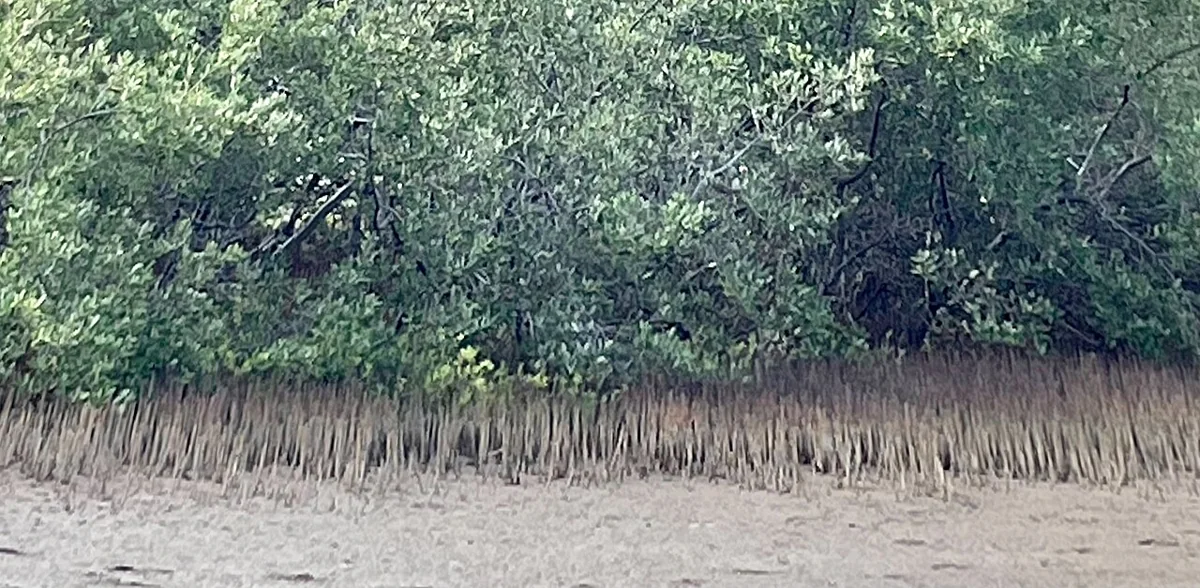
Mangrove forest at Spaans Lagoen (Spanish Lagoon), Aruba, with exposed breathing roots along the tidal margin. — Caribiana. Original photograph · CC BY-SA 4.0. Cropped for the cards; photographs do not establish snake occurrence.

The species catalogue

Meet the snakes of Aruba.

Search scientific names, historical names, common names and families. Every card opens one shared account across its documented countries.

This source review supports 2 native and 2 introduced species records. 0 additional historical or uncertain records are excluded from current counts. These are documented atlas records, not a claim of an exhaustive living population census. Aruba Conservation Foundation ↗

4 species · showing 4

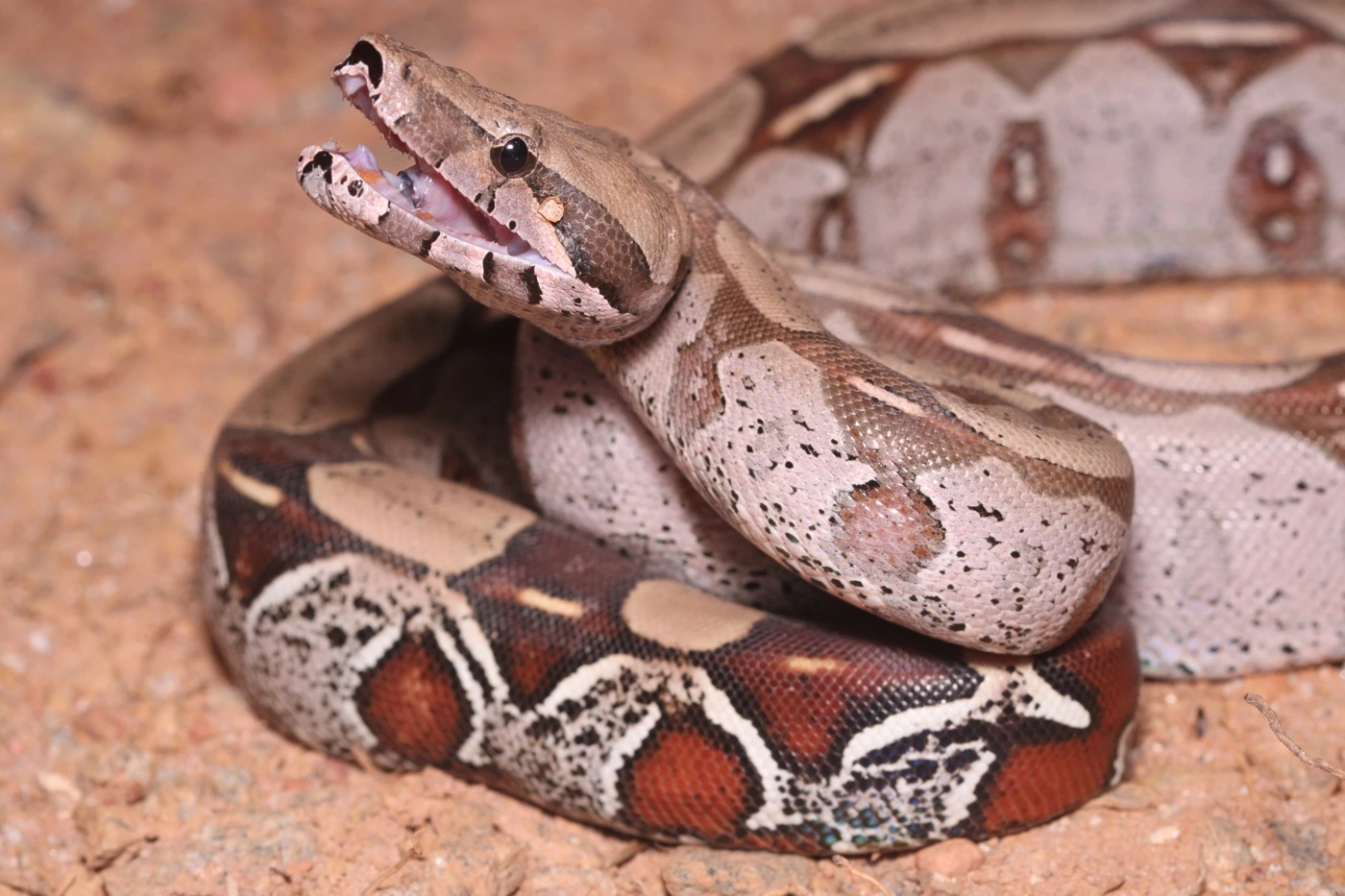
Boa constrictor. Species portrait from the credited source. No additional state, province or wild occurrence is inferred. Original watermarks, where present, are retained.

001 · Boidae

Boa Constrictor

Boa constrictor

LINNAEUS, 1758

Non-venomous

Established introduced Boa constrictor; the conservation foundation documents continued population management in 2024. Not counted as a native boa.

Read the species account →

Arnaud Aury · CC BY 4.0 · https://creativecommons.org/licenses/by/4.0

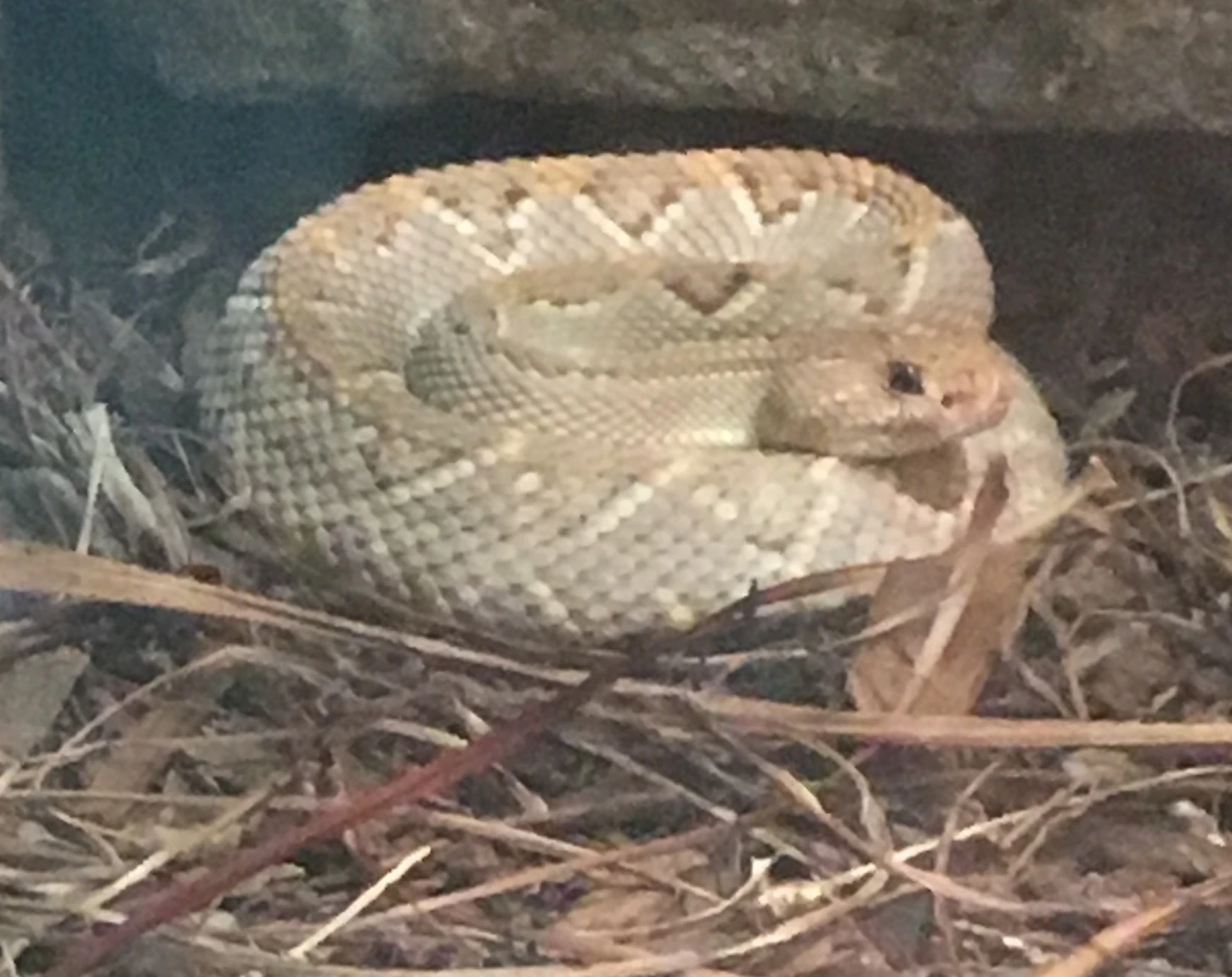
Crotalus unicolor in captivity at Jacksonville Zoo, Florida, 18 July 2018.

002 · Viperidae

Aruba Island Rattlesnake

Crotalus unicolor

LIDTH DE JEUDE, 1887

VenomousClinical severity not established

Native Aruba endemic; the conservation foundation identifies the Cascabel in Arikok. Aruba is not Indonesia’s Aru Islands.

Read the species account →

Matthew Inabinett · CC BY 4.0 · https://creativecommons.org/licenses/by/4.0/

Indotyphlops braminus — photographed on Ko Pha-ngan, Thailand.

003 · Typhlopidae

Flowerpot Snake

Indotyphlops braminus

(DAUDIN, 1803)

Non-venomous

Introduced; the locality review names Bakval, Druif Beach and Malmok on Aruba.

Read the species account →

Cook-Price, Makchai & Suwanwaree (2026); photographs credited collectively to the author, James Covert and Vikas Kumar · CC BY 4.0 · https://creativecommons.org/licenses/by/4.0/

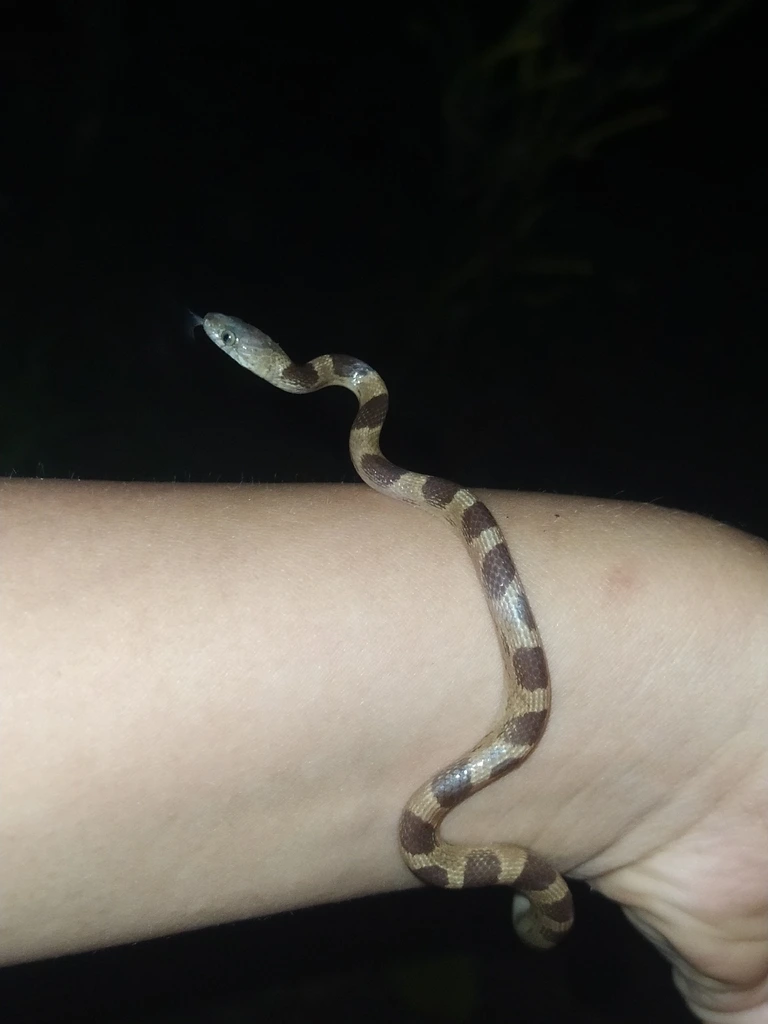
Leptodeira bakeri. Juvenile resting on a forearm. Original observation dated 2026-05-11. No additional geographic occurrence is inferred.

004 · Colubridae

Aruban Cat-eyed Snake, Baker's Cat-eyed Snake

Leptodeira bakeri

RUTHVEN, 1936

Venom unknownNot yet assessed

Native Aruban cat-eyed snake supported by a primary natural-history observation from Aruba.

Read the species account →

Laurimar Sepulveda · CC BY 4.0 · https://creativecommons.org/licenses/by/4.0/

The research library

Sources & the checklist.

This edition lists 4 species with supported country records from checked taxonomic treatments and cited field studies. This total includes 2 records marked as introduced; it is not a native-species total. It is not a claim of a complete national inventory. Each account retains its source and check date; individual evidence entries retain their own review dates.

Range and taxonomy review

Country links use a single accepted species identity. Revised names and disputed records are kept visible here; uncertain records do not enter the listed collection or regional totals.

Boa constrictor

Introduced occurrence

Established introduced Boa constrictor; the conservation foundation documents continued population management in 2024. Not counted as a native boa.

Source 1 ↗

How the map and counts work

Search results were checked against distribution text and taxonomic qualifications. A geographic name alone does not establish a political country: New Guinea, the Solomon archipelago and Micronesia span more than one country or territory. Introduced and unresolved records require separate interpretation.

Place counts require explicit named localities, including valid type localities. Counts can overlap where sources name multiple places. Regional maps group historical boundary snapshots for navigation, while island outlines use Natural Earth; neither is a species range or an observation map. Small islands can be below the outline dataset’s resolution, so geographic reference markers and the directory remain available.

Natural Earth country coastline with approximate geographic navigation anchors. Small islands may be omitted from the generalized outline; markers are not snake observations. Map provenance →
  1. Aruba Conservation Foundation ↗
  2. Aruba Conservation Foundation · Annual Report 2024 ↗
  3. Van Buurt & Dilrosun (2017) · Predation on Leptodeira bakeri ↗
  4. Wallach (2021) · global Brahminy blindsnake locality review ↗
  5. The Reptile Database

    Individual treatments and locality evidence are linked from each species account.

  6. Meiri (2024): SquamBase 1.0

    Species-level literature measurements and ecological traits. Exact-name matches only; imputed or ambiguous fields are omitted. These summaries are not local observations.

  7. Natural Earth: public-domain geographic data

Continue through the North America atlas →