Conservation context
The park authority distinguishes protected native snakes from introduced boas during its management work.
Sources: Aruba Conservation Foundation · Aruba Conservation Foundation · Annual Report 2024
Aruba · Habitat field guide
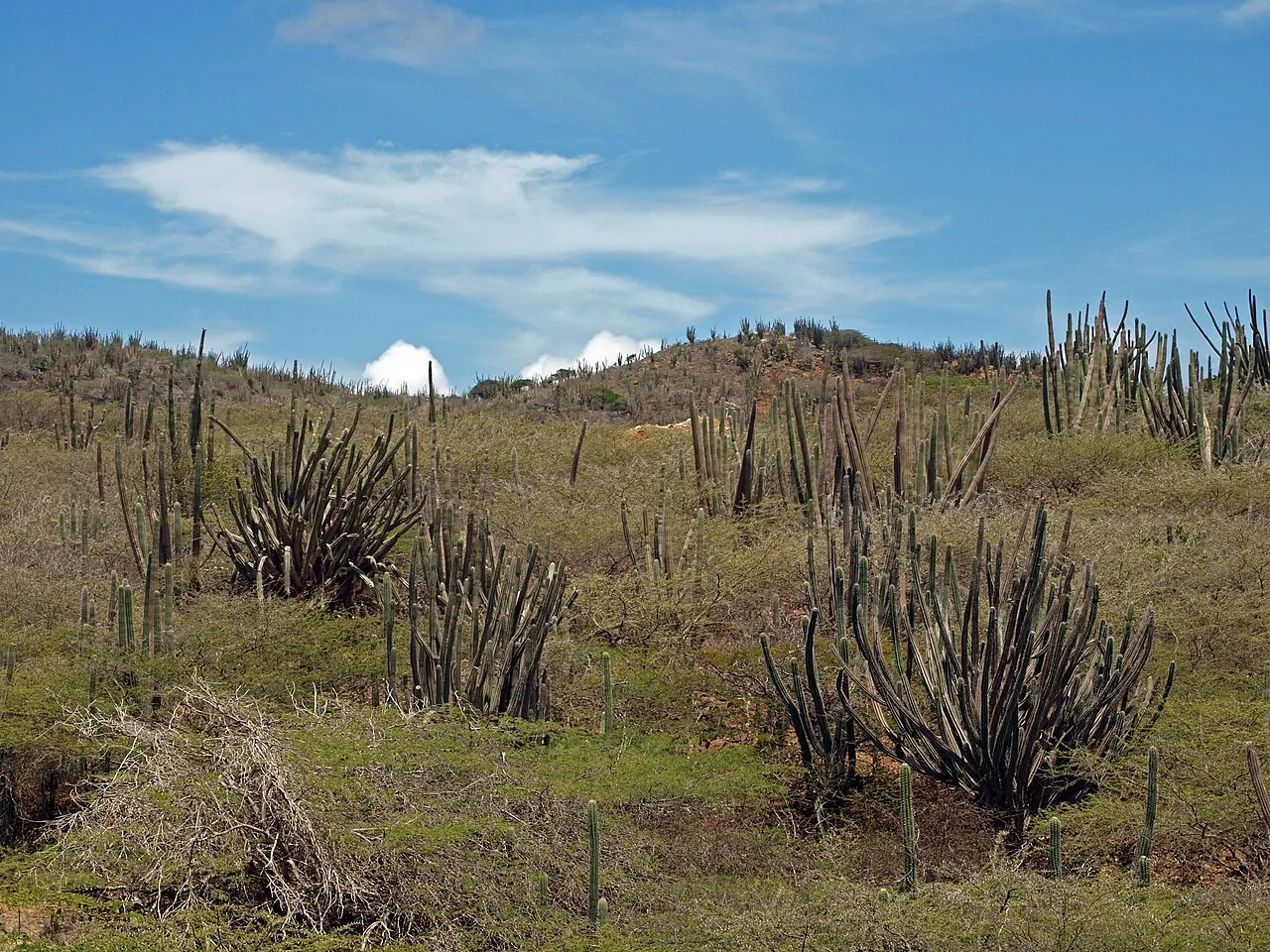
Parke Nacional Arikok protects drought-adapted vegetation including cacti and woody scrub, within the range of Aruba’s endemic rattlesnake.
Cacti and open dryland vegetation in Arikok National Park, Aruba.
Understanding the environment
Parke Nacional Arikok protects drought-adapted vegetation including cacti and woody scrub, within the range of Aruba’s endemic rattlesnake.
Explore the structure · Follow the named landscape settings
Select a zone to see what changes.
Rock
Shelter occurs within rugged terrain.
Use the linked source for the local setting; no animal occurrence follows from this zone alone.
A conceptual habitat reading, not a measured transect or a snake distribution map.
Sources: Aruba Conservation Foundation · Aruba Conservation Foundation · Annual Report 2024
Field notes · 01
Parke Nacional Arikok protects drought-adapted vegetation including cacti and woody scrub, within the range of Aruba’s endemic rattlesnake.
Sources: Aruba Conservation Foundation · Aruba Conservation Foundation · Annual Report 2024
Field notes · 02
The country catalogue uses independently checked snake records. Habitat suitability alone does not establish occupancy, and a published historical record does not establish current abundance.
Sources: Aruba Conservation Foundation · Aruba Conservation Foundation · Annual Report 2024
Pressures on Aruba’s habitats
The park authority distinguishes protected native snakes from introduced boas during its management work.
Sources: Aruba Conservation Foundation · Aruba Conservation Foundation · Annual Report 2024
Keep to established access routes, leave shelter in place and follow local protected-area rules. Report unusual introduced animals to the relevant local conservation authority.
The connected collection
These 2 species have supported country occurrence and an explicit habitat association in the shared account. The association may come from elsewhere in their range. This is not a complete local habitat inventory; the places above are landscape examples, not asserted collecting sites.
2 species · showing 2
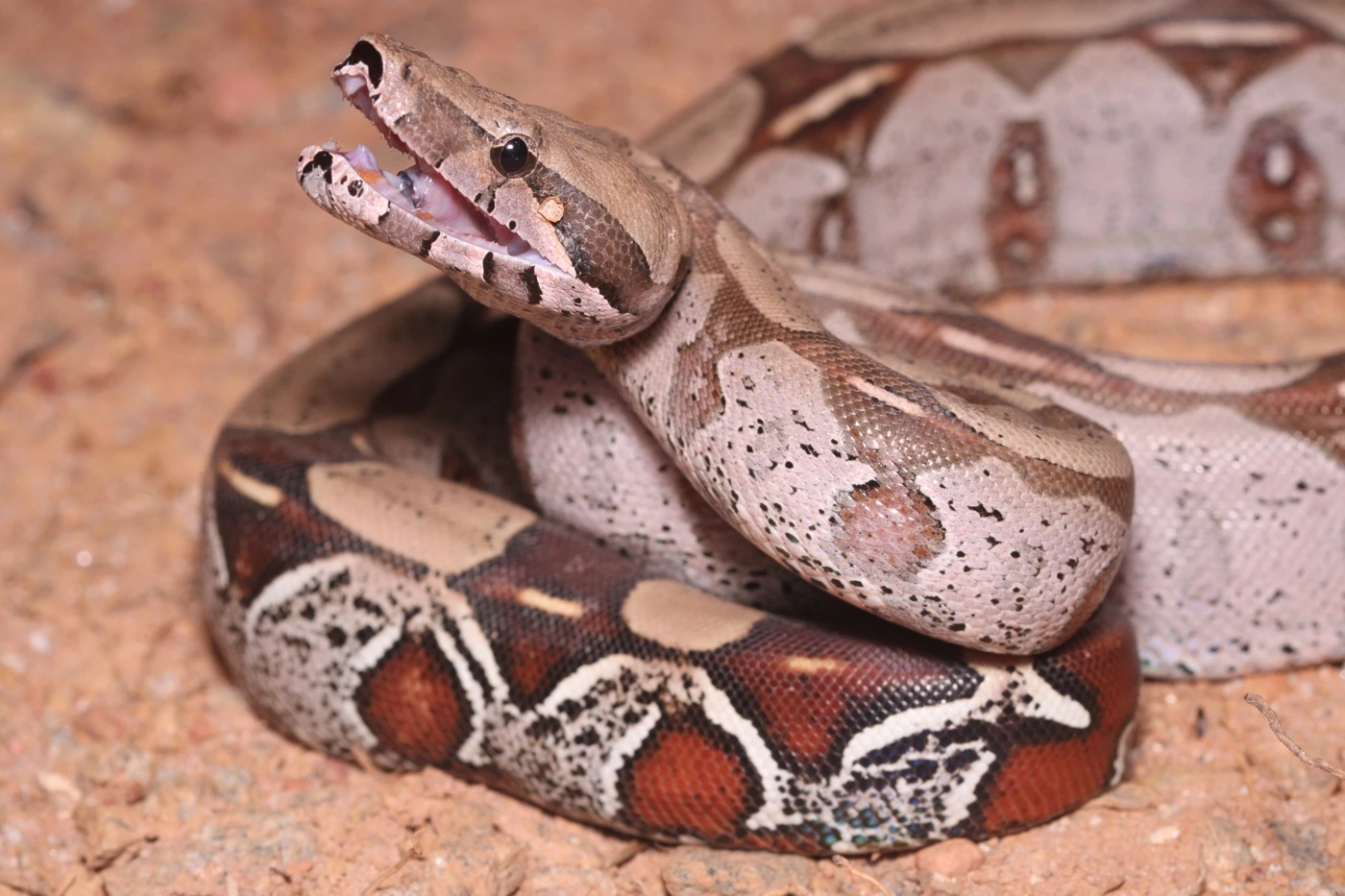
001 · Boidae
Boa Constrictor
Established introduced Boa constrictor; the conservation foundation documents continued population management in 2024. Not counted as a native boa.
Read the species account →Arnaud Aury · CC BY 4.0 · https://creativecommons.org/licenses/by/4.0
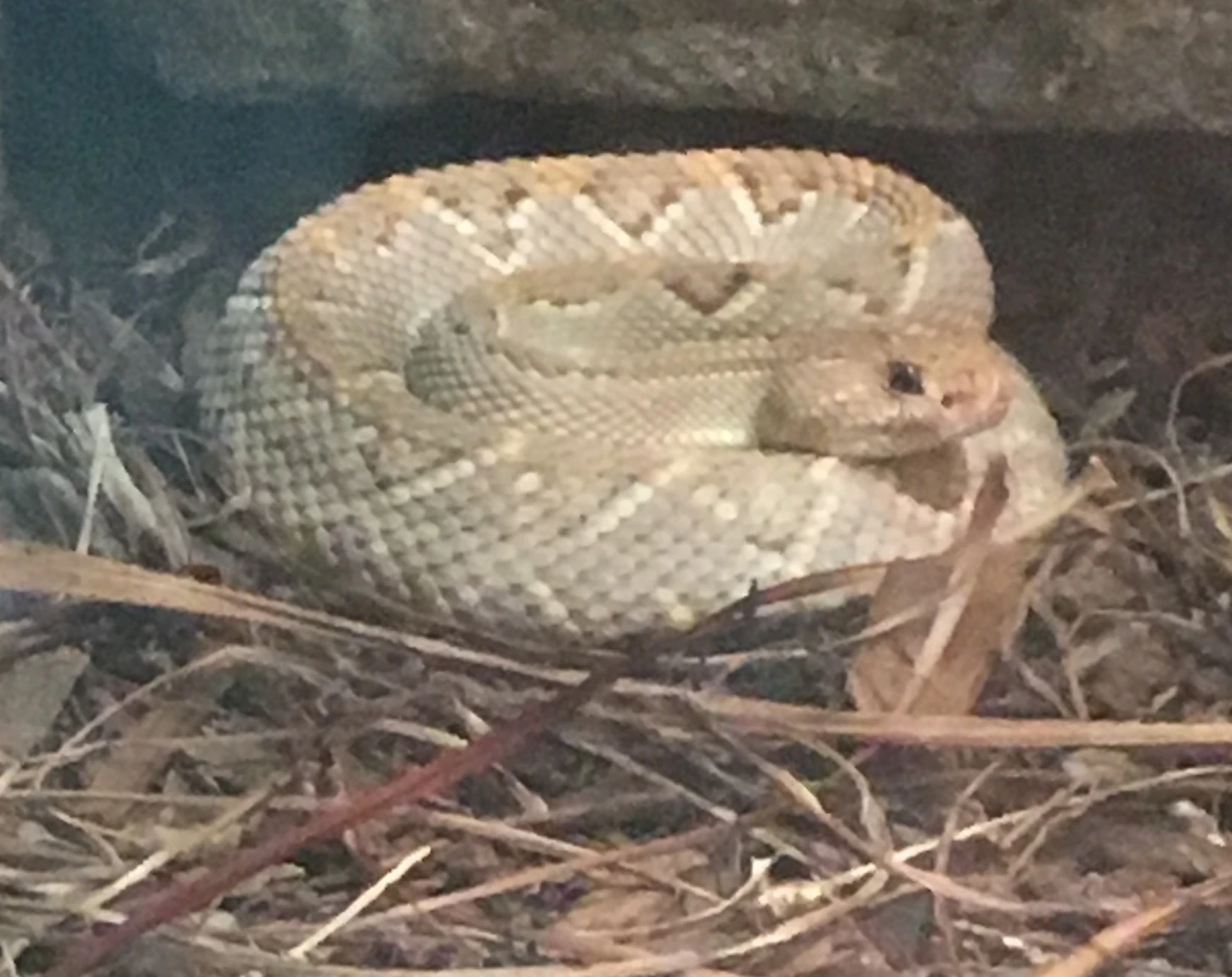
002 · Viperidae
Aruba Island Rattlesnake
Native Aruba endemic; the conservation foundation identifies the Cascabel in Arikok. Aruba is not Indonesia’s Aru Islands.
Read the species account →Matthew Inabinett · CC BY 4.0 · https://creativecommons.org/licenses/by/4.0/
Read further
Guide reviewed 2026-10-28. Source dates and geographic scope matter; landscape photographs do not establish species occurrence.
Parke Nacional Arikok, xeric flora and protected coastal wetlands.
Direct management report: native-snake protection and invasive Boa constrictor control.
Continue through Aruba