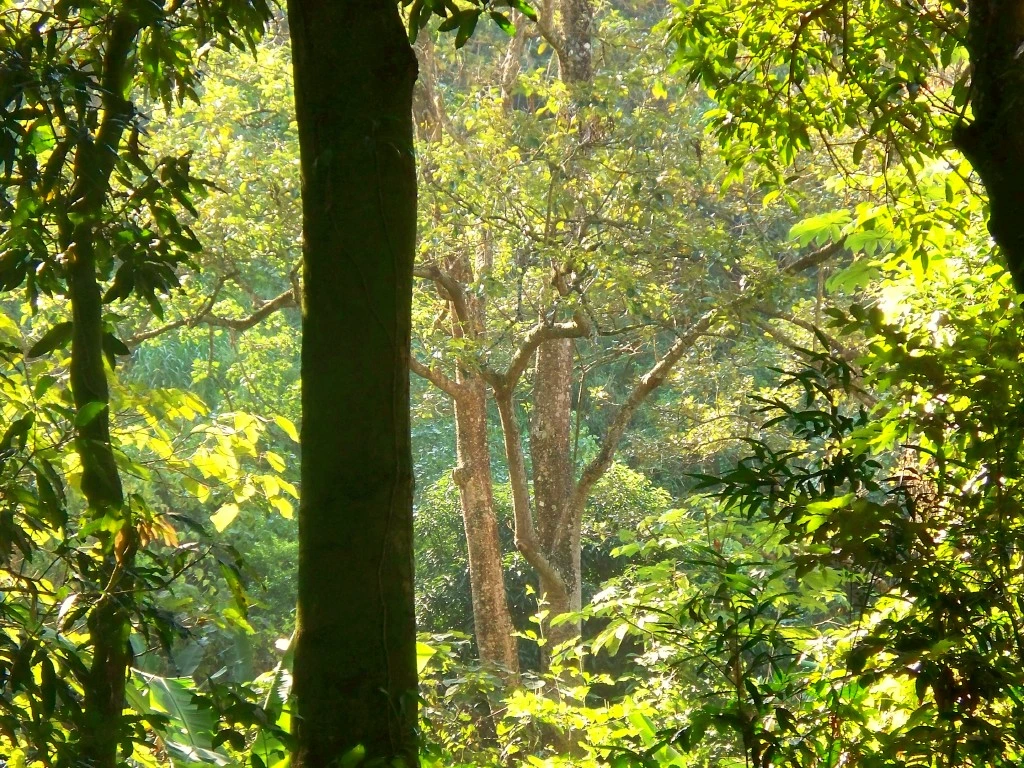
Forest vegetation along the Palmarito area of Henri Pittier National Park, Venezuela.

Venezuela · Habitat field guide

Forest & woodland

The 2024 Canaima management report identifies forest among the park’s principal vegetation units. This is a named protected-area example, not a national inventory of Venezuelan forest.

Forest vegetation along the Palmarito area of Henri Pittier National Park, Venezuela.

Photograph: Roberto Galindo Deshays · Image source · CC BY-SA 4.0. Cropped to fill the hero; darkened for text legibility.

Understanding the environment

A sense of the habitat.

The 2024 Canaima management report identifies forest among the park’s principal vegetation units. This is a named protected-area example, not a national inventory of Venezuelan forest.

Geographic scope
Venezuela; retain the named source locality.
Evidence scale
Landscape descriptions are separate from species records.
Source date
Retain the original publication date; reviewed 17 October 2026.

Explore the structure · Select a layer to compare details retained in a field record.

Read the locality in three layers.

Select a zone to see what changes.

Canopy

Canopy

Distinguish closed crowns, open woodland and planted trees.

Check the original species record before assigning habitat use.

These reading prompts are conceptual, not a transect or an occurrence map.

Sources: INPARQUES / MINEC · Canaima management report 2024, submitted to UNESCO

Field notes · 01

The documented setting

The 2024 Canaima management report identifies forest among the park’s principal vegetation units. This is a named protected-area example, not a national inventory of Venezuelan forest.

Sources: INPARQUES / MINEC · Canaima management report 2024, submitted to UNESCO

Field notes · 02

Connect the setting to a species

The country landscape and a species habitat association answer different questions. Follow the species account for direct habitat evidence. An empty collection indicates missing extracted evidence, not biological absence.

Pressures on Venezuela’s habitats

What is at risk?

A site-specific assessment of pressures has not yet been extracted for this guide. The landscape sources below provide context; they do not establish a current threat level for each snake species.

What helps this habitat

Read conservation pressures with their source date and locality; a landscape-level pressure is not a measured decline for every snake.

The connected collection

Snakes with habitat evidence.

These 38 species have supported country occurrence and an explicit habitat association in the shared account. The association may come from elsewhere in their range. This is not a complete local habitat inventory; the places above are landscape examples, not asserted collecting sites.

38 species · showing 24

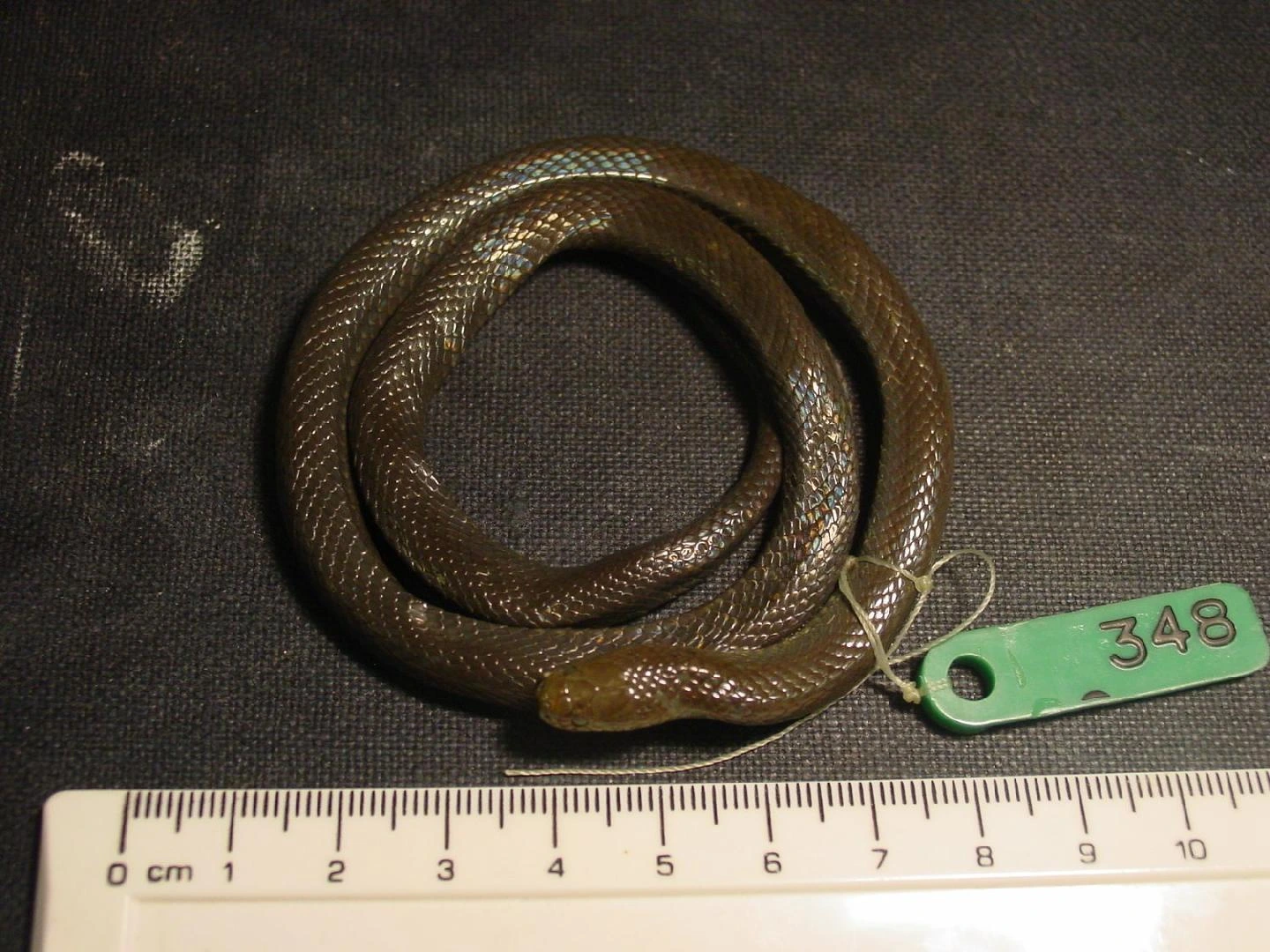
Atractus steyermarki. Preserved museum specimen; preservation may change natural colours. No new locality or habitat inferred. Portrait only.

001 · Colubridae

Species account

Atractus steyermarki

ROZE, 1958

Non-venomous

The checked taxonomic distribution account explicitly lists Venezuela. Country-level evidence does not establish continuous occupancy or a complete national inventory. The treatment names these subdivisions in its Venezuela distribution clause: Bolívar, Bolivar. They are assigned to the declared atlas navigation groups; this is not a field observation, a…

Read the species account →

Patrick Campbell · The Trustees of the Natural History Museum, London · CC BY 4.0 · https://creativecommons.org/licenses/by/4.0/
ColubridaeAtractusPhotograph not yet documented

002 · Colubridae

Species account

Atractus tamessari

KOK, 2006

Non-venomous

The checked taxonomic distribution account explicitly lists Venezuela. Country-level evidence does not establish continuous occupancy or a complete national inventory. The treatment names these subdivisions in its Venezuela distribution clause: Bolívar, Bolivar. They are assigned to the declared atlas navigation groups; this is not a field observation, a…

Read the species account →
Atractus trilineatus. Small brown individual coiled among wet leaves and moss. Original observation dated 2025-06-14. Portrait only; no new locality record is inferred.

003 · Colubridae

Three-lined Groundsnake, Three-lined Ground Snake

Atractus trilineatus

WAGLER, 1828

Non-venomous

The checked taxonomic distribution account explicitly lists Venezuela. Country-level evidence does not establish continuous occupancy or a complete national inventory.

Read the species account →

Whaldener Endo · CC0 1.0 · https://creativecommons.org/publicdomain/zero/1.0/

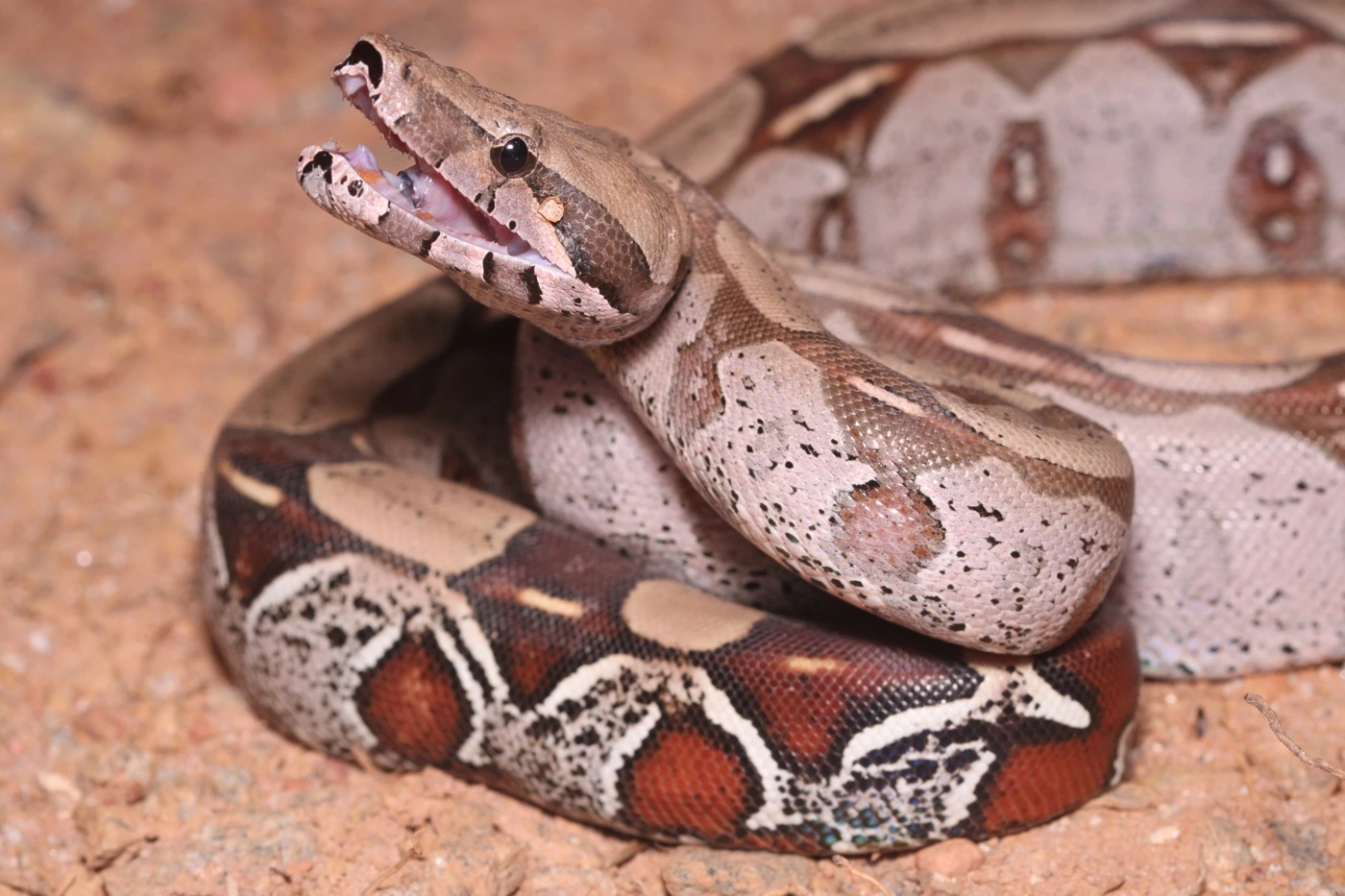
Boa constrictor. Species portrait from the credited source. No additional state, province or wild occurrence is inferred. Original watermarks, where present, are retained.

004 · Boidae

Boa Constrictor

Boa constrictor

LINNAEUS, 1758

Non-venomous

The checked taxonomic distribution account explicitly lists Venezuela. Country-level evidence does not establish continuous occupancy or a complete national inventory.

Read the species account →

Arnaud Aury · CC BY 4.0 · https://creativecommons.org/licenses/by/4.0

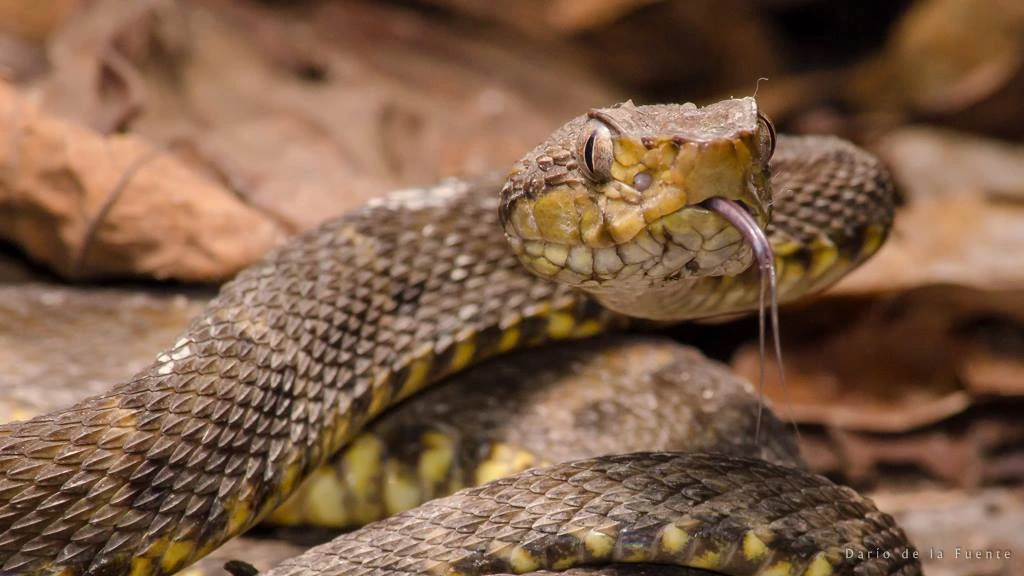
Bothrops atrox, photographed by Darío De la Fuente. Portrait only; no wild locality or habitat record is inferred.

005 · Viperidae

Barba Amarilla, Fer-de-Lance, common lancehead

Bothrops atrox

(LINNAEUS, 1758)

VenomousClinical severity not established

The checked taxonomic distribution account explicitly lists Venezuela. Country-level evidence does not establish continuous occupancy or a complete national inventory.

Read the species account →

Darío De la Fuente · CC BY 4.0 · https://creativecommons.org/licenses/by/4.0

Chironius carinatus. The complete source frame is retained; this portrait is not locality or habitat evidence. Original observation dated 2023-05-17. No additional geographic occurrence is inferred.

006 · Colubridae

Amazon Coachwhip, Sipo, Golden tree snake, Whipsnake

Chironius carinatus

(LINNAEUS, 1758)

Venom unknownNot yet assessed

The checked taxonomic distribution account explicitly lists Venezuela. Country-level evidence does not establish continuous occupancy or a complete national inventory.

Read the species account →

Whaldener Endo · CC0 1.0 · https://creativecommons.org/publicdomain/zero/1.0/

Chironius fuscus. The complete source frame is retained; this portrait is not locality or habitat evidence. Original observation dated 2026-08-05. No additional geographic occurrence is inferred.

007 · Colubridae

Brown Sipo

Chironius fuscus

(LINNAEUS, 1758)

Venom unknownNot yet assessed

The checked taxonomic distribution account explicitly lists Venezuela. Country-level evidence does not establish continuous occupancy or a complete national inventory.

Read the species account →

Sebastian Doak · CC BY 4.0 · https://creativecommons.org/licenses/by/4.0/
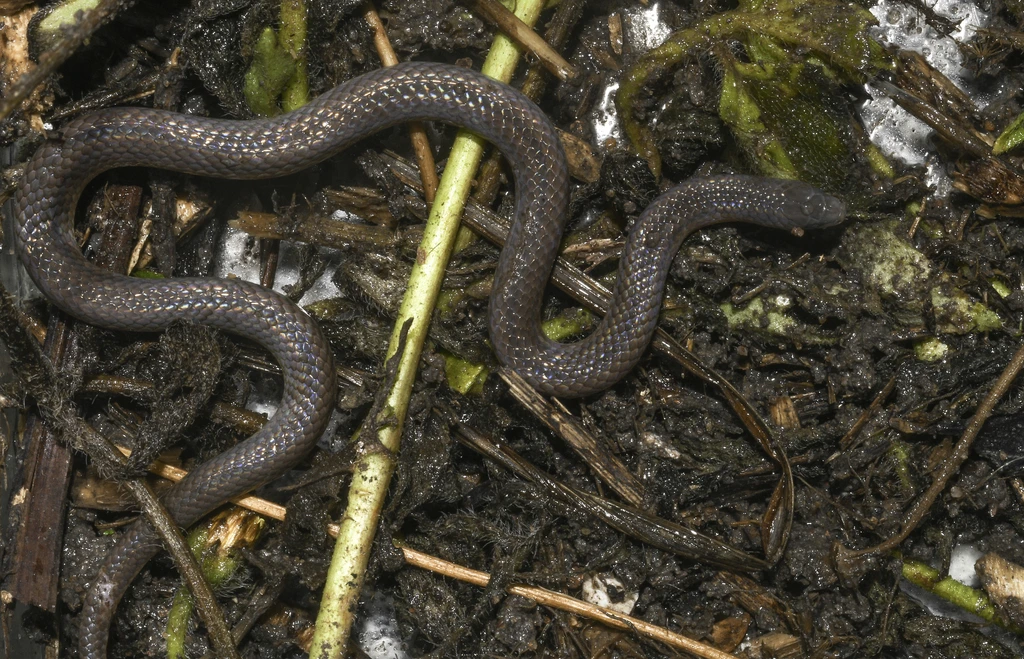
Chironius monticola. Two individuals photographed on ground vegetation and leaf litter. Original observation dated 2023-05-28. No additional geographic occurrence is inferred.

008 · Colubridae

Mountain Sipo

Chironius monticola

ROZE, 1952

Venom unknownNot yet assessed

The checked taxonomic distribution account explicitly lists Venezuela. Country-level evidence does not establish continuous occupancy or a complete national inventory. The treatment names these subdivisions in its Venezuela distribution clause: Mérida, Merida, Táchira, Tachira. They are assigned to the declared atlas navigation groups; this is not a…

Read the species account →

Thibaud Aronson · CC BY-SA 4.0 · https://creativecommons.org/licenses/by-sa/4.0/

Chironius spixii. Close view of the yellow head and patterned neck among grass. Original observation dated 2017-03-05. Portrait only; no new locality record is inferred.

009 · Colubridae

Sipo

Chironius spixii

(HALLOWELL, 1845)

Venom unknownNot yet assessed

The checked taxonomic distribution account explicitly lists Venezuela. Country-level evidence does not establish continuous occupancy or a complete national inventory. The treatment names these subdivisions in its Venezuela distribution clause: Falcón, Falcon. They are assigned to the declared atlas navigation groups; this is not a field observation, a…

Read the species account →

scaup · CC BY 4.0 · https://creativecommons.org/licenses/by/4.0/
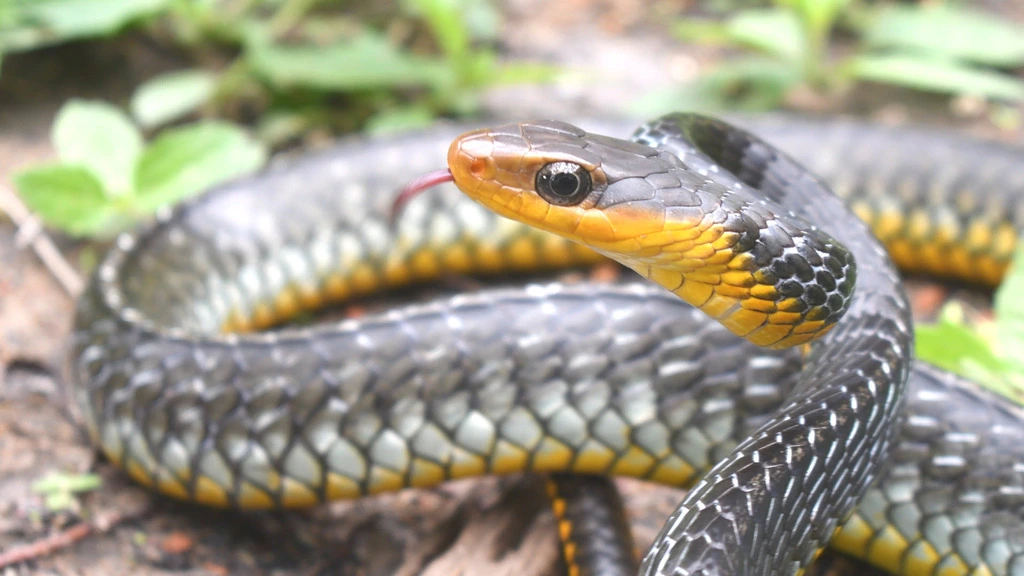
Corallus hortulana. The complete source frame is retained; this portrait is not locality or habitat evidence. Original observation dated 2019-12-18. No additional geographic occurrence is inferred.

010 · Boidae

Garden Tree Boa

Corallus hortulana

(LINNAEUS, 1758)

Non-venomous

The checked taxonomic distribution account explicitly lists Venezuela. Country-level evidence does not establish continuous occupancy or a complete national inventory.

Read the species account →

Henrique Nogueira · CC BY 4.0 · https://creativecommons.org/licenses/by/4.0/
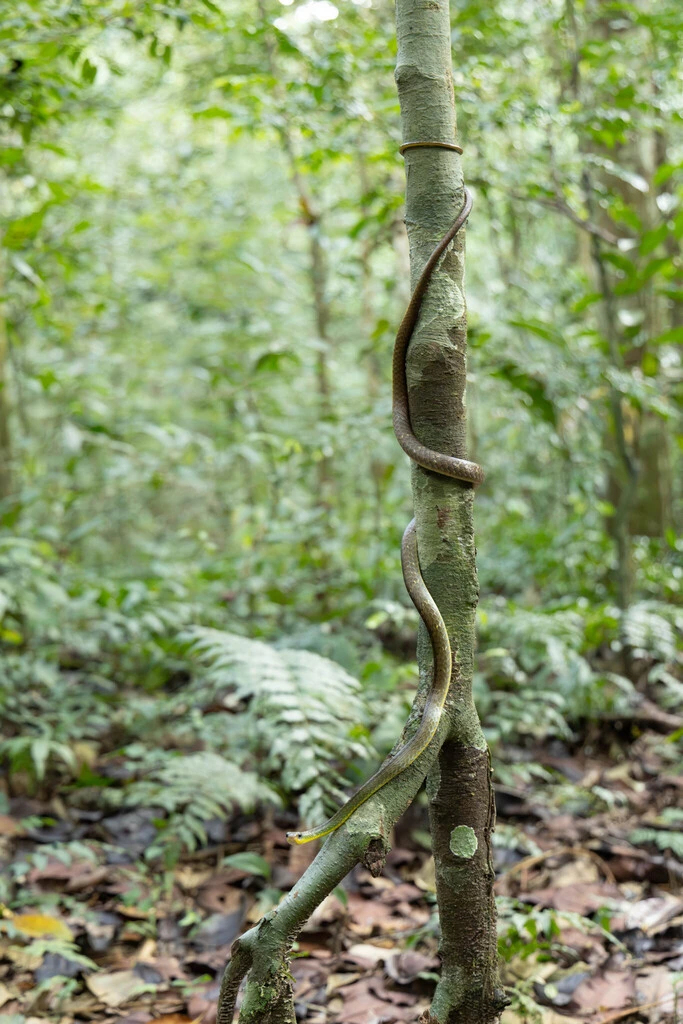
Corallus ruschenbergerii. Yellow individual moving through leafy branches. Original observation dated 2010-12-08. No additional geographic occurrence is inferred.

011 · Boidae

Mangrove Treeboa, Ruschenberger Tree Boa, False Manapare, Dormilona

Corallus ruschenbergerii

(COPE, 1875)

Non-venomous

The checked taxonomic distribution account explicitly lists Venezuela. Country-level evidence does not establish continuous occupancy or a complete national inventory. The treatment names these subdivisions in its Venezuela distribution clause: Cojedes, Mérida, Merida. They are assigned to the declared atlas navigation groups; this is not a field…

Read the species account →

Paul Prior · CC BY 4.0 · https://creativecommons.org/licenses/by/4.0/
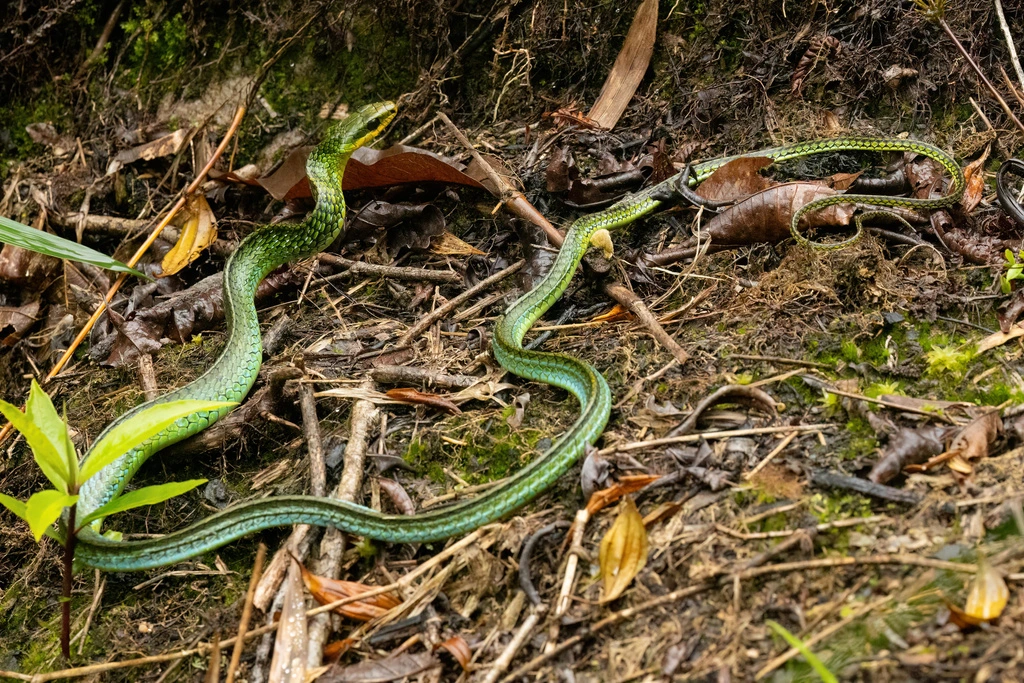
Dendrophidion nuchale. Whole individual photographed among ground vegetation. Original observation dated 2007-07-08. Photograph identification follows the cited observation; it adds no geographic occurrence record.

012 · Colubridae

Peters' Forest Racer

Dendrophidion nuchale

(PETERS, 1863)

Venom unknownNot yet assessed

The checked taxonomic distribution account explicitly lists Venezuela. Country-level evidence does not establish continuous occupancy or a complete national inventory. The treatment names these subdivisions in its Venezuela distribution clause: Carabobo, Guárico, Guarico, Miranda, Yaracuy, Zulia. They are assigned to the declared atlas navigation groups;…

Read the species account →

Steven Bodzin · CC BY 4.0 · https://creativecommons.org/licenses/by/4.0/
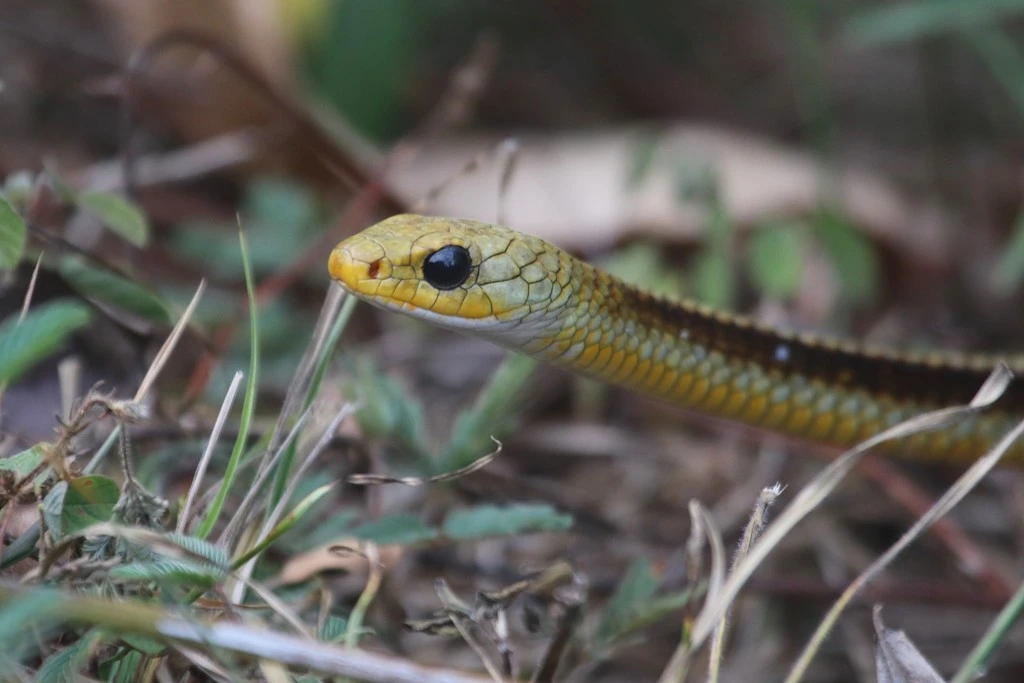
Epicrates maurus. The complete source frame is retained; this portrait is not locality or habitat evidence. Original observation dated 2023-02-06. No additional geographic occurrence is inferred.

013 · Boidae

Brown Rainbow Boa

Epicrates maurus

GRAY, 1849

Non-venomous

The checked taxonomic distribution account explicitly lists Venezuela. Country-level evidence does not establish continuous occupancy or a complete national inventory.

Read the species account →

Whaldener Endo · CC0 1.0 · https://creativecommons.org/publicdomain/zero/1.0/

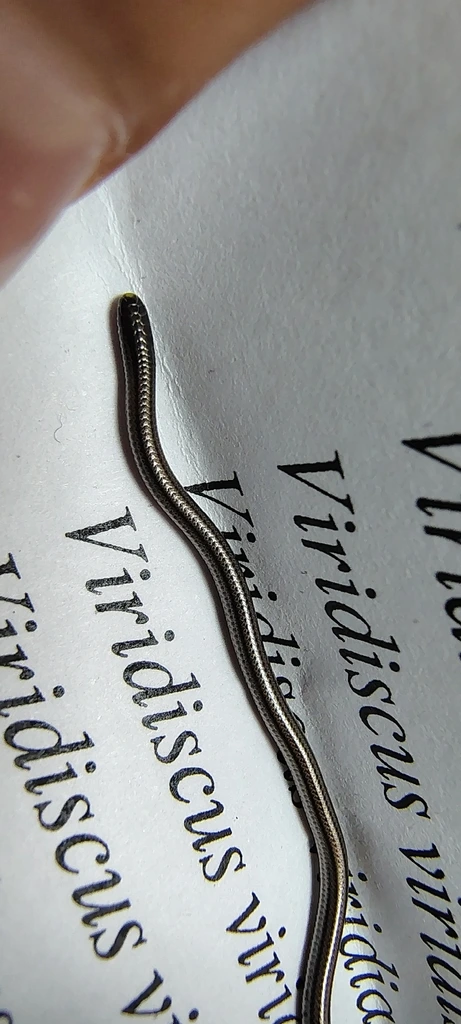
Epictia goudotii. Whole animal on a printed page beside a finger. Original observation dated 2026-01-15. No additional geographic occurrence is inferred.

014 · Leptotyphlopidae

Southern Caribbean Threadsnake, Black Blind Snake

Epictia goudotii

(DUMÉRIL & BIBRON, 1844)

Non-venomous

The checked taxonomic distribution account explicitly lists Venezuela. Country-level evidence does not establish continuous occupancy or a complete national inventory.

Read the species account →

Jorge I. Merchán Mayorga · CC BY-SA 4.0 · https://creativecommons.org/licenses/by-sa/4.0/

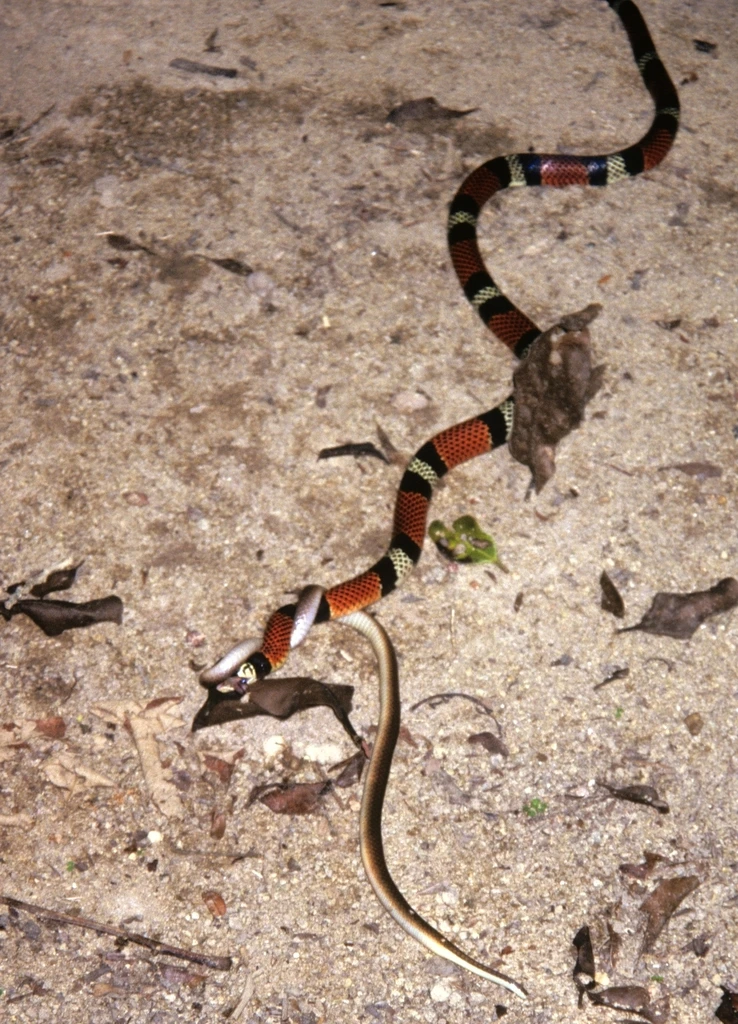
Erythrolamprus aesculapii. Banded individual moving across sandy ground and fallen leaves. Original observation dated 1999-02-23. Portrait only; no new locality record is inferred.

015 · Colubridae

South American False Coralsnake, Aesculapian False Coral Snake

Erythrolamprus aesculapii

(LINNAEUS, 1758)

VenomousMedically significant effects

The checked taxonomic distribution account explicitly lists Venezuela. Country-level evidence does not establish continuous occupancy or a complete national inventory.

Read the species account →

desertnaturalist · CC BY 4.0 · https://creativecommons.org/licenses/by/4.0/
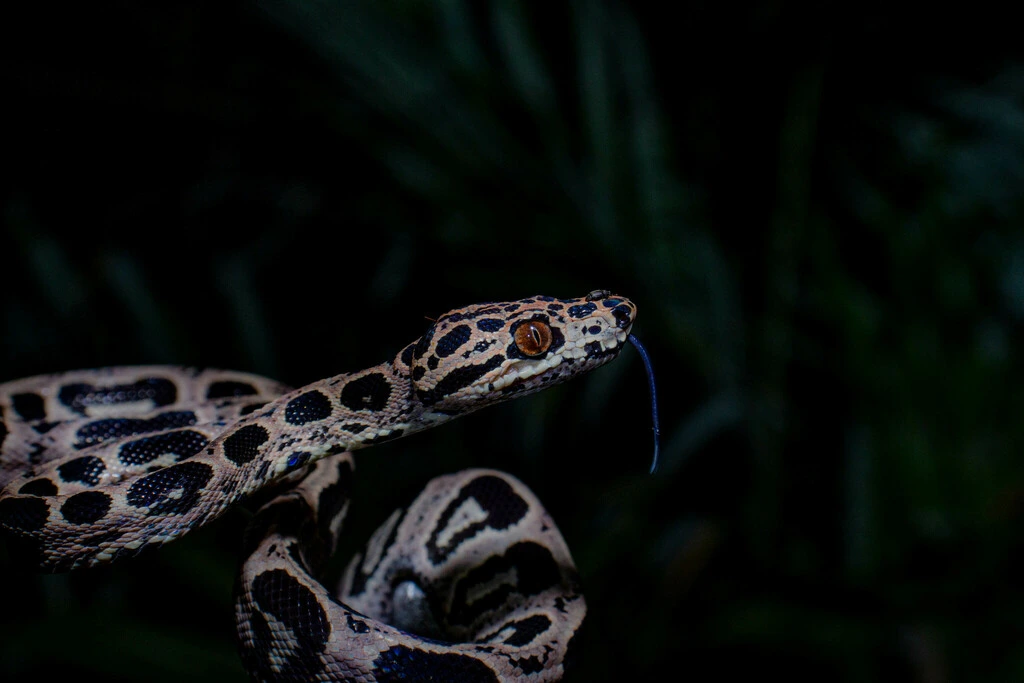
Erythrolamprus bizona. Banded individual coiled on soil and fallen leaves. Original observation dated 2010-04-05. Portrait only; no new locality record is inferred.

016 · Colubridae

False Coral Snake

Erythrolamprus bizona

JAN, 1863

VenomousClinical severity not established

The checked taxonomic distribution account explicitly lists Venezuela. Country-level evidence does not establish continuous occupancy or a complete national inventory.

Read the species account →

Dan Riley · CC BY 4.0 · https://creativecommons.org/licenses/by/4.0/
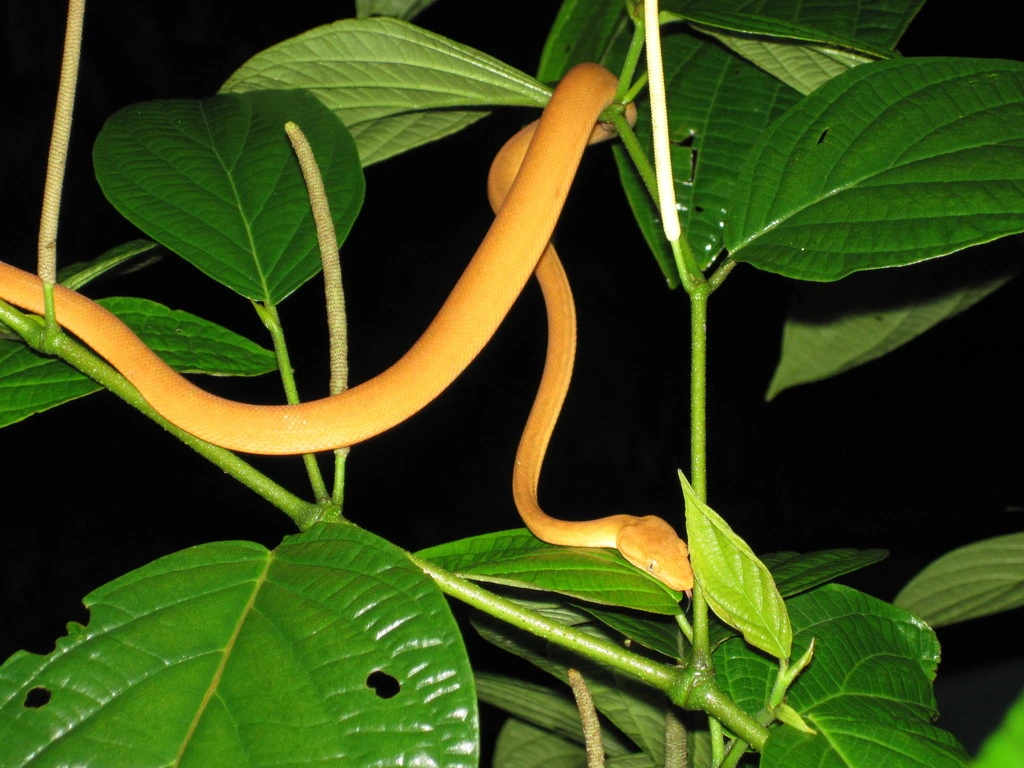
Erythrolamprus melanotus. Head and neck beside leaf litter. Original observation dated 2024-03-25. No additional geographic occurrence is inferred.

017 · Colubridae

Dark Groundsnake, Shaw's Dark Ground Snake

Erythrolamprus melanotus

(SHAW, 1802)

Venom unknownNot yet assessed

The checked taxonomic distribution account explicitly lists Venezuela. Country-level evidence does not establish continuous occupancy or a complete national inventory. The treatment names these subdivisions in its Venezuela distribution clause: Cojedes. They are assigned to the declared atlas navigation groups; this is not a field observation, a…

Read the species account →

Elkin Meriño Florez · CC BY 4.0 · https://creativecommons.org/licenses/by/4.0/
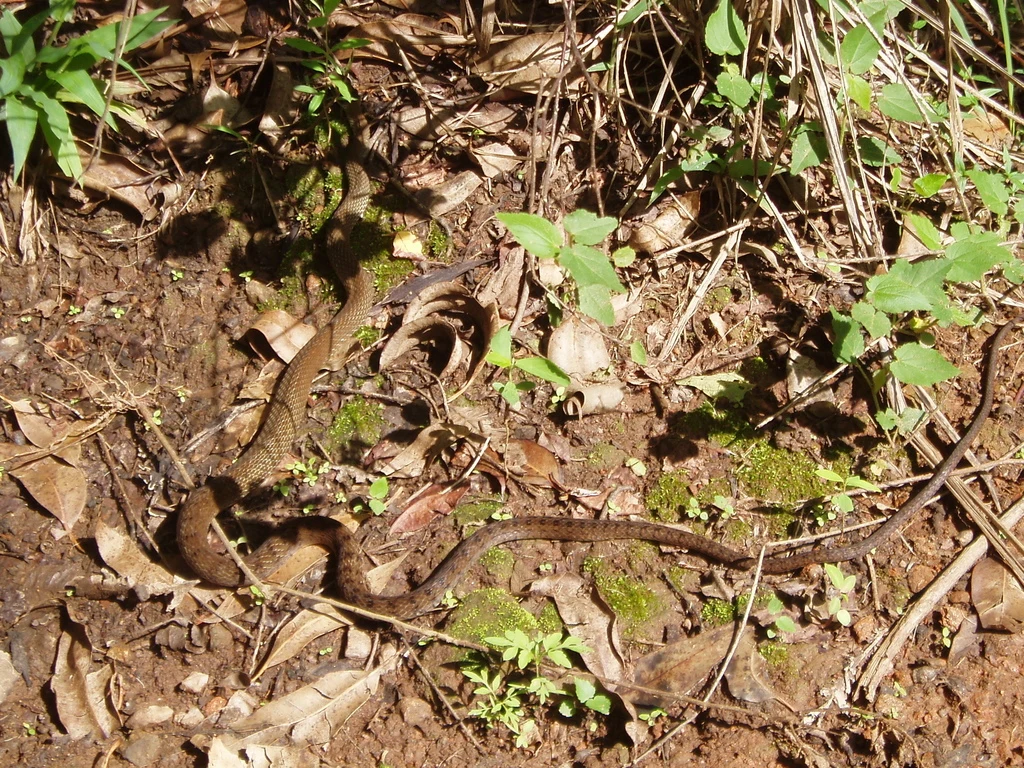
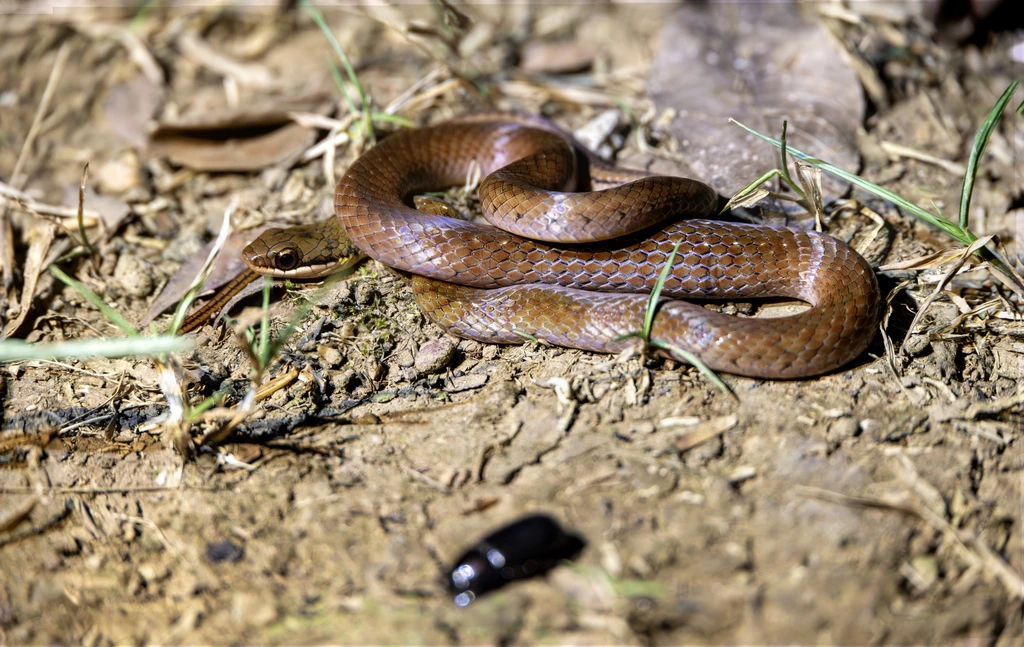
Erythrolamprus oligolepis. Brown individual coiled on dry soil with the head visible. Original observation dated 2024-08-11. Portrait only; no new locality record is inferred.

018 · Colubridae

Species account

Erythrolamprus oligolepis

(BOULENGER, 1905)

Venom unknownNot yet assessed

The checked taxonomic distribution account explicitly lists Venezuela. Country-level evidence does not establish continuous occupancy or a complete national inventory.

Read the species account →

Кирилл · CC BY 4.0 · https://creativecommons.org/licenses/by/4.0/
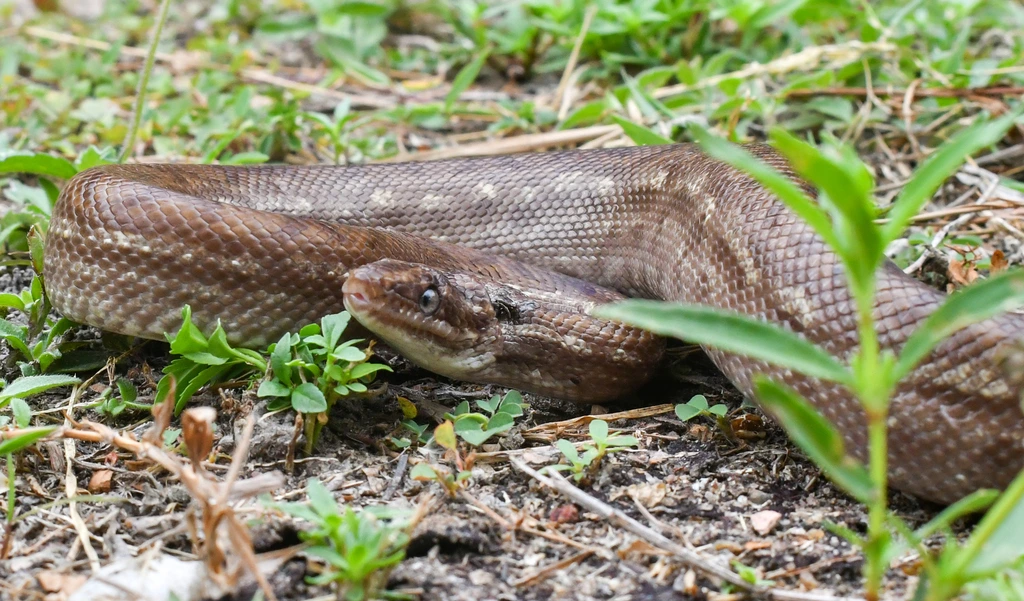
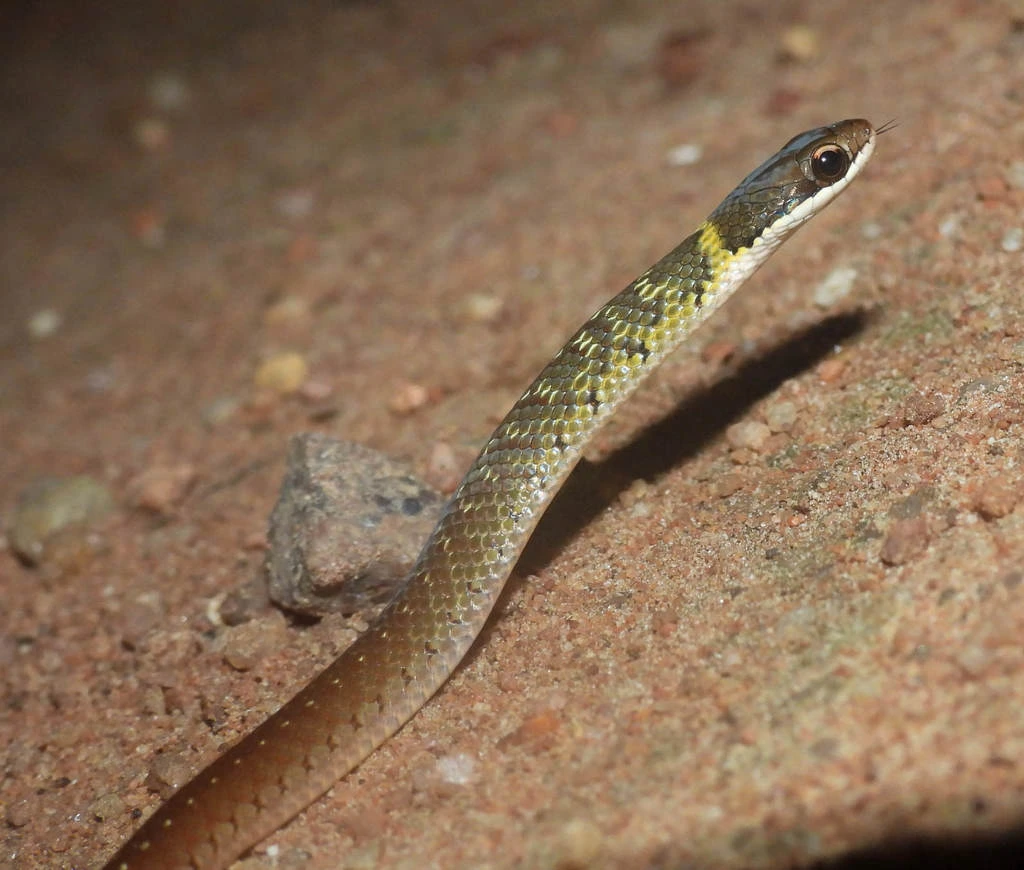
Erythrolamprus reginae. Raised head and forebody on reddish soil. Original observation dated 2022-05-08. Portrait only; no new locality record is inferred.

019 · Colubridae

Royal Ground Snake

Erythrolamprus reginae

(LINNAEUS, 1758)

Venom unknownNot yet assessed

The checked taxonomic distribution account explicitly lists Venezuela. Country-level evidence does not establish continuous occupancy or a complete national inventory. The treatment names these subdivisions in its Venezuela distribution clause: Amazonas, Falcón, Falcon. They are assigned to the declared atlas navigation groups; this is not a field…

Read the species account →

Sidnei Dantas · CC BY-SA 4.0 · https://creativecommons.org/licenses/by-sa/4.0/

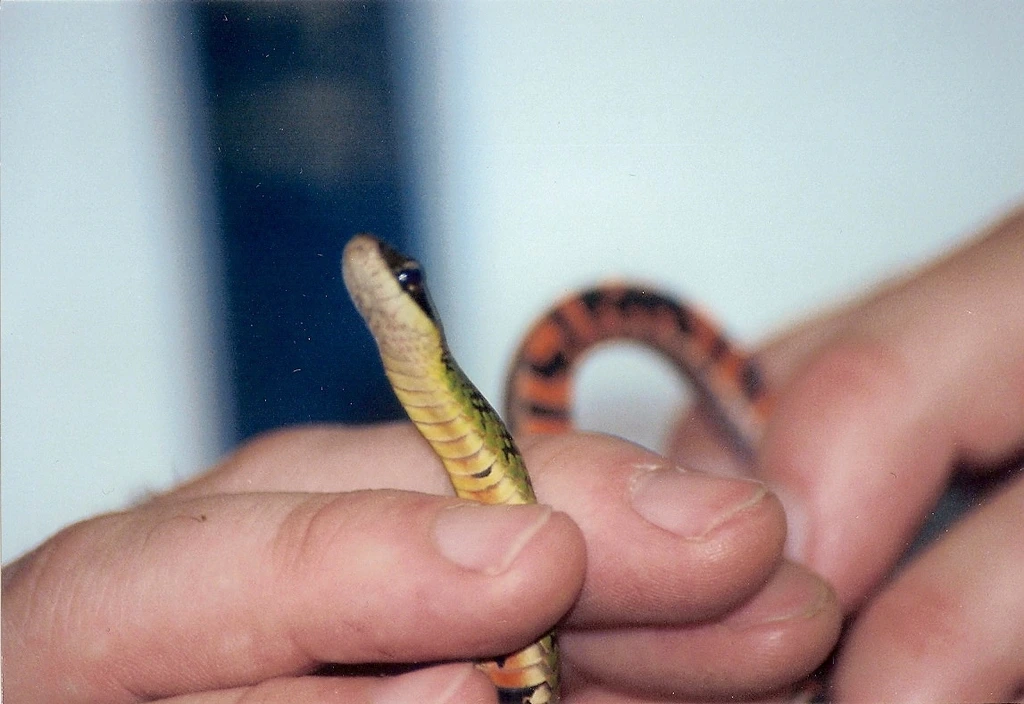
Erythrolamprus zweifeli. Held head and underside; source discussion explicitly separates the mixed photographs and identifies this first image. Original observation dated 2002-07-28. No additional geographic occurrence is inferred.

020 · Colubridae

Braided Groundsnake, Zweifel’s Ground Snake

Erythrolamprus zweifeli

(ROZE, 1959)

Venom unknownNot yet assessed

The checked taxonomic distribution account explicitly lists Venezuela. Country-level evidence does not establish continuous occupancy or a complete national inventory. The treatment names these subdivisions in its Venezuela distribution clause: Amazonas, Falcón, Falcon, Trujillo. They are assigned to the declared atlas navigation groups; this is not a…

Read the species account →

Andrew Durso · CC BY 4.0 · https://creativecommons.org/licenses/by/4.0/
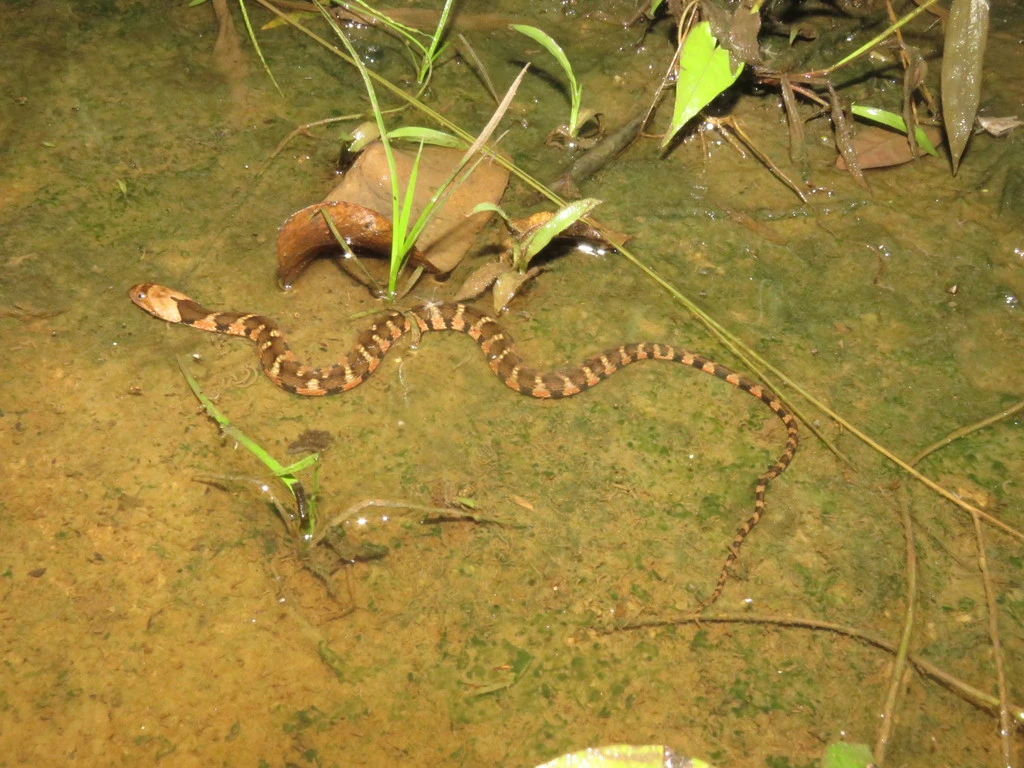
Helicops angulatus. Individual photographed in shallow water. Original observation dated 2020-02-29. Portrait only; no new locality or habitat record is inferred.

021 · Colubridae

Brown-banded watersnake, Mountain Keelback

Helicops angulatus

(LINNAEUS, 1758)

Venom unknownNot yet assessed

The checked taxonomic distribution account explicitly lists Venezuela. Country-level evidence does not establish continuous occupancy or a complete national inventory. The treatment names these subdivisions in its Venezuela distribution clause: Amazonas, Anzoátegui, Anzoategui, Apure, Bolívar, Bolivar, Cojedes, Delta Amacuro, Guárico, Guarico, Monagas,…

Read the species account →

Vincent A. Vos · CC BY 4.0 · https://creativecommons.org/licenses/by/4.0/
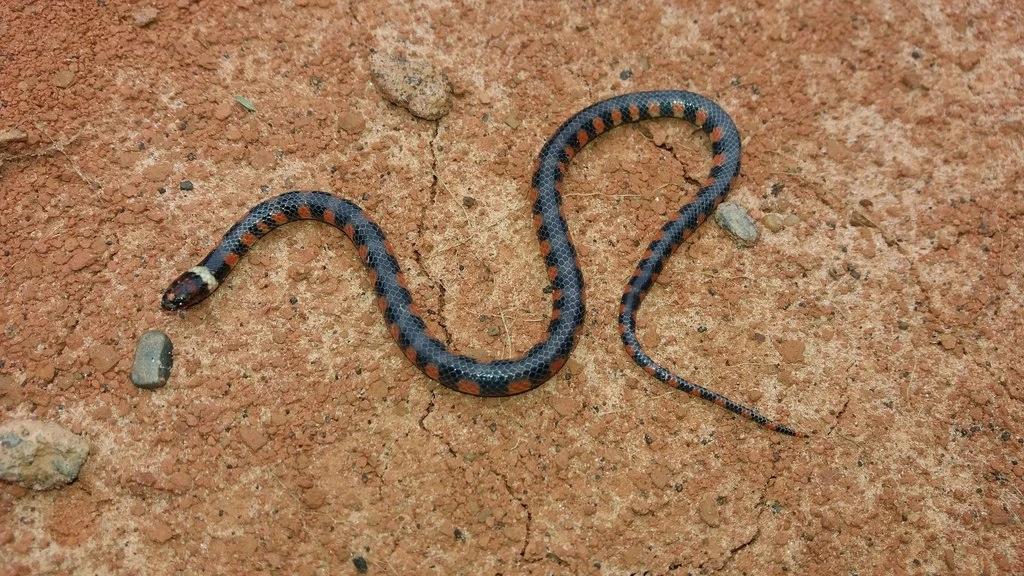
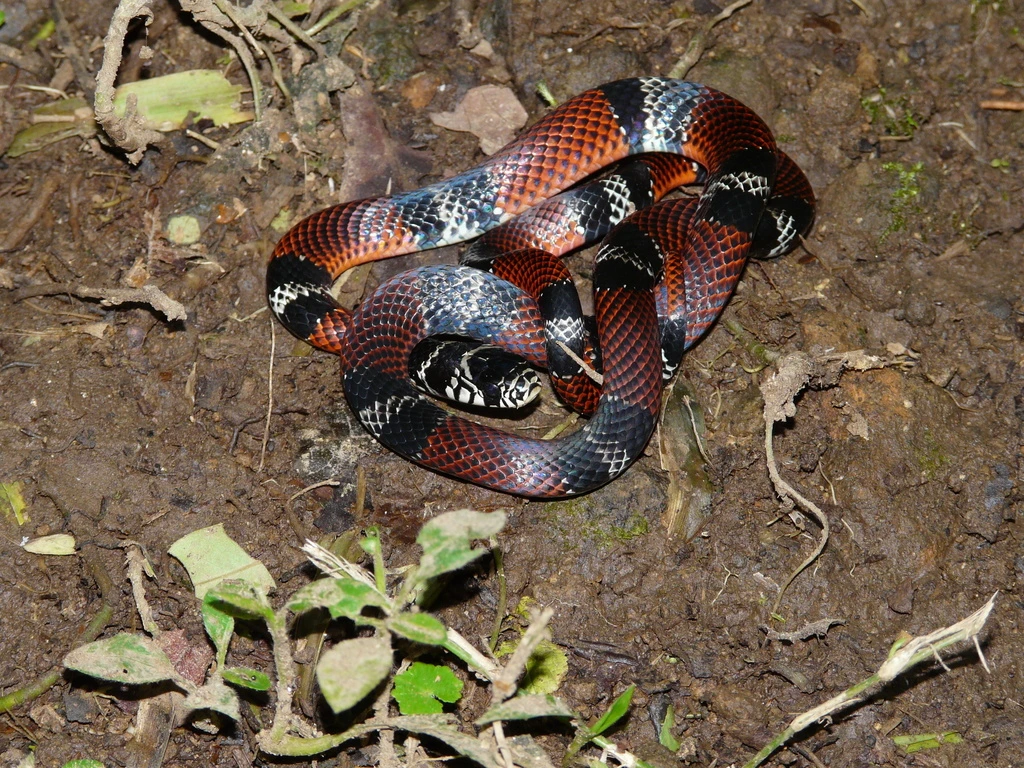
Hydrops triangularis. Blue-black and pale-banded body on reddish ground. Original observation dated 2017-12-16. Portrait only; no new locality record is inferred.

022 · Colubridae

Triangle Watersnake, Triangle Water Snake

Hydrops triangularis

(WAGLER, 1824)

Venom unknownNot yet assessed

The checked taxonomic distribution account explicitly lists Venezuela. Country-level evidence does not establish continuous occupancy or a complete national inventory. The treatment names these subdivisions in its Venezuela distribution clause: Cojedes. They are assigned to the declared atlas navigation groups; this is not a field observation, a…

Read the species account →

Rafael Bernhard · CC BY 4.0 · https://creativecommons.org/licenses/by/4.0/
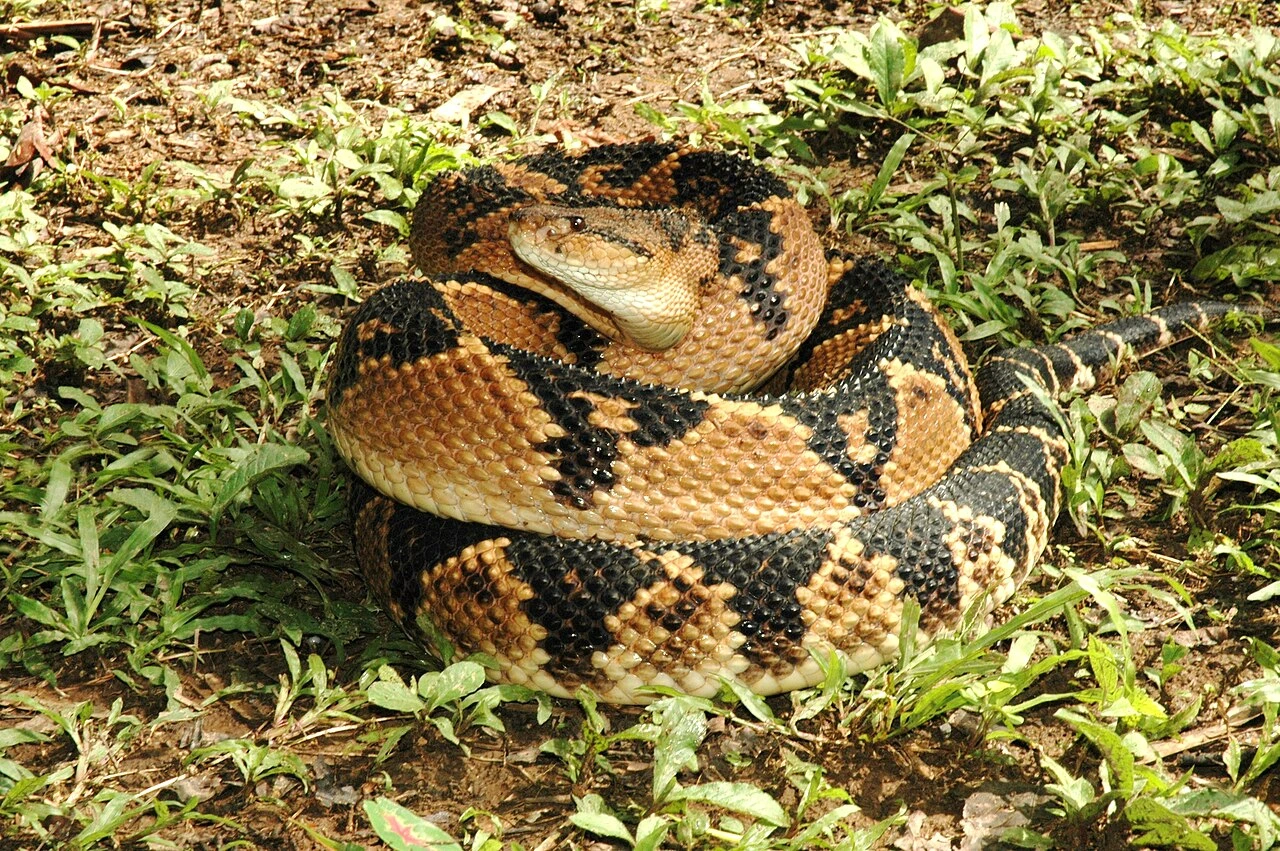
Lachesis muta. Patterned individual coiled on low vegetation. Portrait only; no wild locality or habitat record is inferred.

023 · Viperidae

South American Bushmaster

Lachesis muta

(LINNAEUS, 1766)

VenomousClinical severity not established

The checked taxonomic distribution account explicitly lists Venezuela. Country-level evidence does not establish continuous occupancy or a complete national inventory.

Read the species account →

Christopher Murray · Public domain · https://commons.wikimedia.org/wiki/File:Lachesis_muta_muta.jpg#Licensing

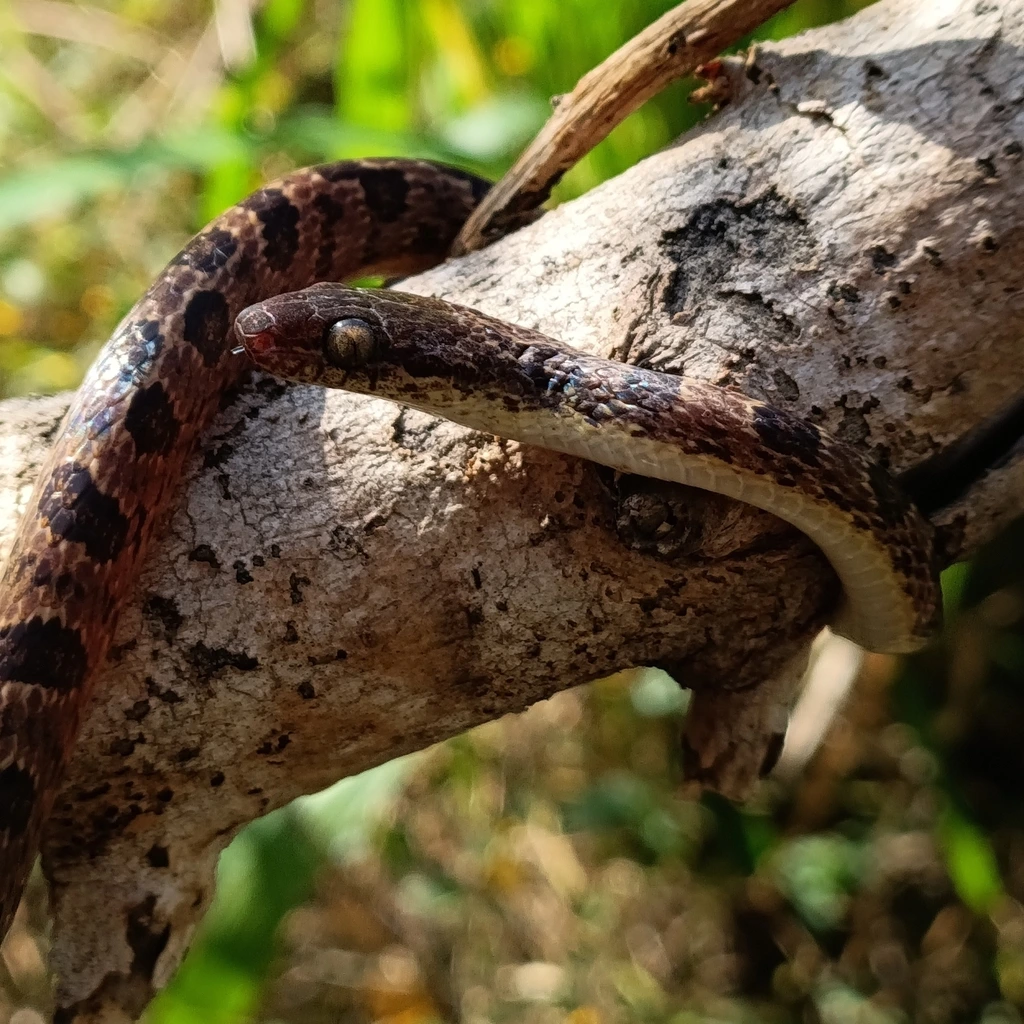
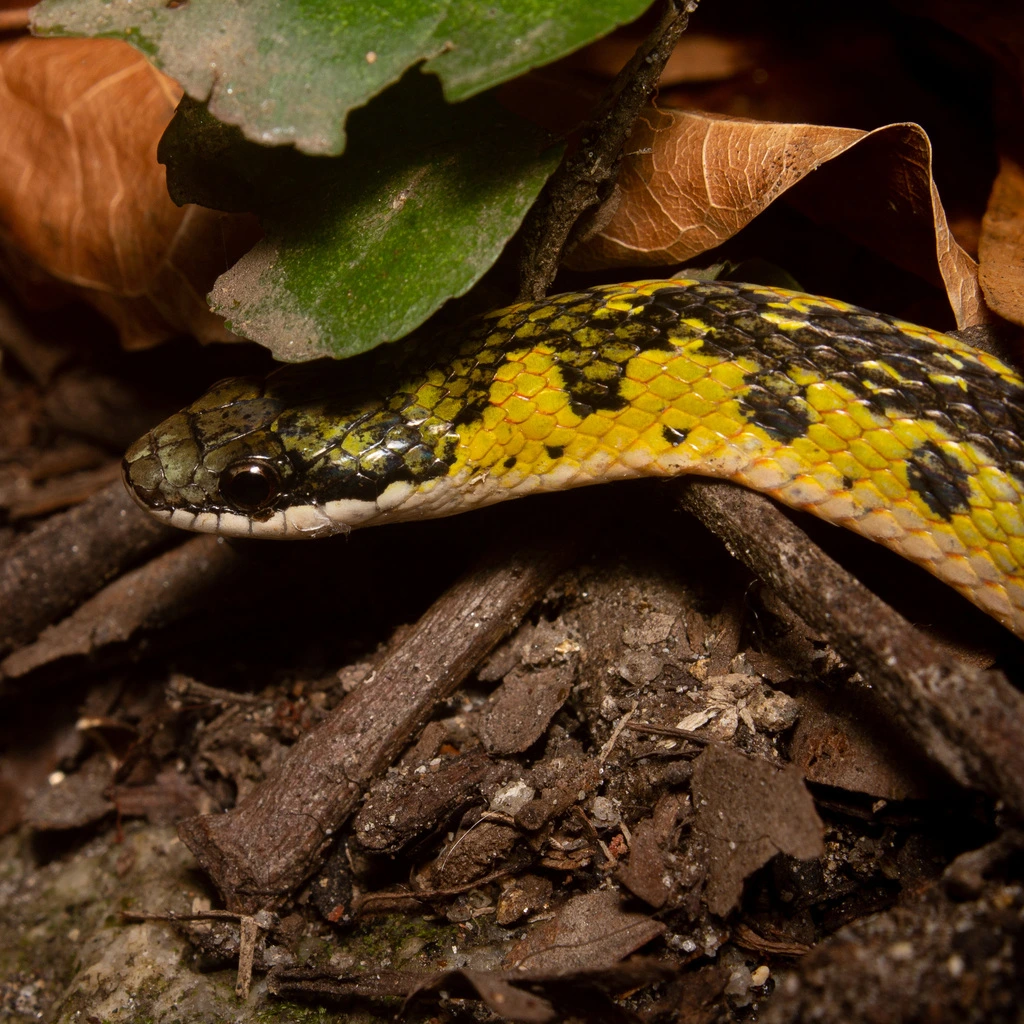
Leptodeira ashmeadii. Head and anterior body along a branch. Original observation dated 2025-01-31. No additional geographic occurrence is inferred.

024 · Colubridae

Banded Cat-eyed Snake

Leptodeira ashmeadii

(HALLOWELL, 1845)

Venom unknownNot yet assessed

The checked taxonomic distribution account explicitly lists Venezuela. Country-level evidence does not establish continuous occupancy or a complete national inventory. The treatment names these subdivisions in its Venezuela distribution clause: Cojedes. They are assigned to the declared atlas navigation groups; this is not a field observation, a…

Read the species account →

Elkin Meriño Florez · CC BY 4.0 · https://creativecommons.org/licenses/by/4.0/
All 191 species in the country collection →

Read further

Evidence & sources.

Guide reviewed 17 October 2026. Source dates and geographic scope matter; landscape photographs do not establish species occurrence.

  1. INPARQUES / MINEC · Canaima management report 2024, submitted to UNESCO

    Named Canaima vegetation units from the 2024 site report; not a nationwide landscape inventory.

Continue through Venezuela

Explore another habitat.

01

Grassland & savanna

Savannas are distinguished from forest and scrub in Canaima’s management report. Their extent within the park does not establish that every regional species uses open vegetation.

02

Rivers & wetlands

Canaima’s report distinguishes moriche palm swamps from other vegetation units. The wetland setting must remain attached to its locality; no aquatic behaviour is inferred from a regional species record.