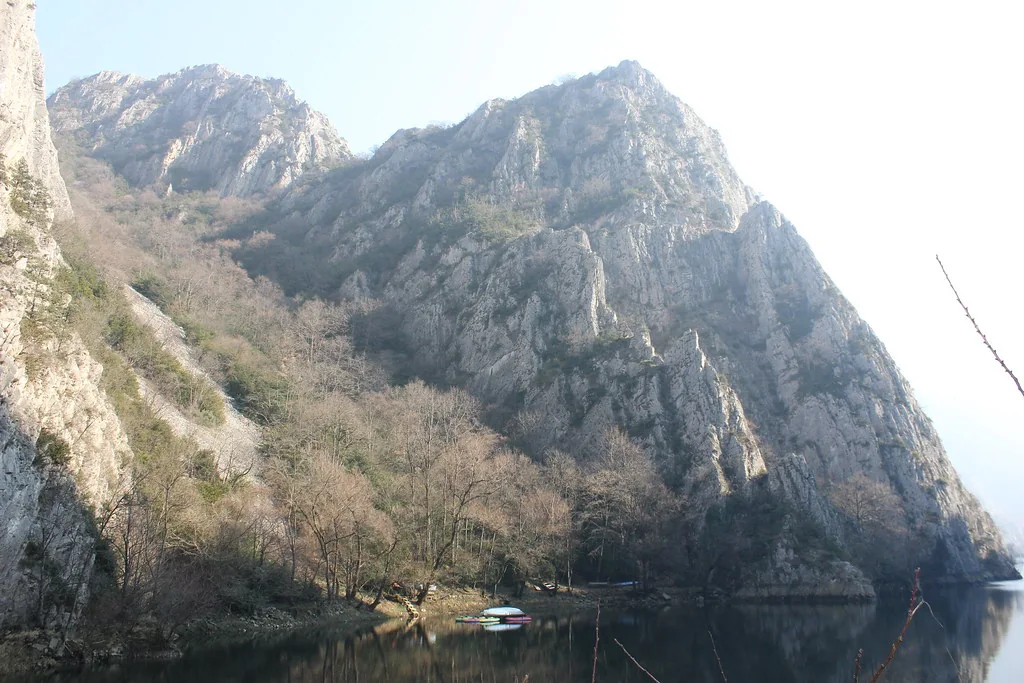
Wooded limestone slopes above still water in Matka Canyon near Skopje, North Macedonia.

North Macedonia · Place guide

Skopje & Vardar

This guide covers Skopje & Vardar using the credited source outlines. Its named source units are Vardar, Skopje.

10species with extracted evidence
5families
3region guides

Wooded limestone slopes above still water in Matka Canyon near Skopje, North Macedonia.

Photograph: Charlie Marchant / charlieontravel.com · Image source · CC BY 2.0. Cropped to fill the hero; darkened for text legibility.

Geography & biotopes

Read the landscape.

This guide covers Skopje & Vardar using the credited source outlines. Its named source units are Vardar, Skopje.

National geographic context: Hills and valleys are connected by canyons and gorges; the Vardar basin dominates the national drainage system. This describes the broader setting; the habitat at an individual locality still needs its own evidence.

Ecological connections

Record the place name, date, elevation where available, and the actual vegetation or substrate at the observation point. Keep a species identification separate from the surrounding landscape description; a suitable-looking habitat is not a presence record.

Explore the setting

Use the responsible local authority’s current access information. Respect restricted sites and avoid disturbing animals or revealing sensitive breeding localities. Historical map boundaries do not establish present access conditions.

This guide indexes these source names: Vardar, Skopje. A country-only record is not automatically assigned to this place. Map markers identify navigation destinations, not collection sites.

Boundary provenance and regional grouping →

Convention on Biological Diversity - North Macedonia profile →

Geography is part of the record

Find your way through North Macedonia.

Select a named region to open its evidence page. The complete directory below keeps every guide accessible, including places where locality evidence has not yet been extracted.

11 of 15 listed species have at least one indexed region record. 4 remain country-only. Even a nonzero count is not a complete regional inventory.

Habitats & living landscapes

Explore the living
landscapes.

Explore 1 guides to the environments, places and conservation pressures that shape this country. Each guide connects to the regional map and shared species accounts.

Landscape photographs & credits

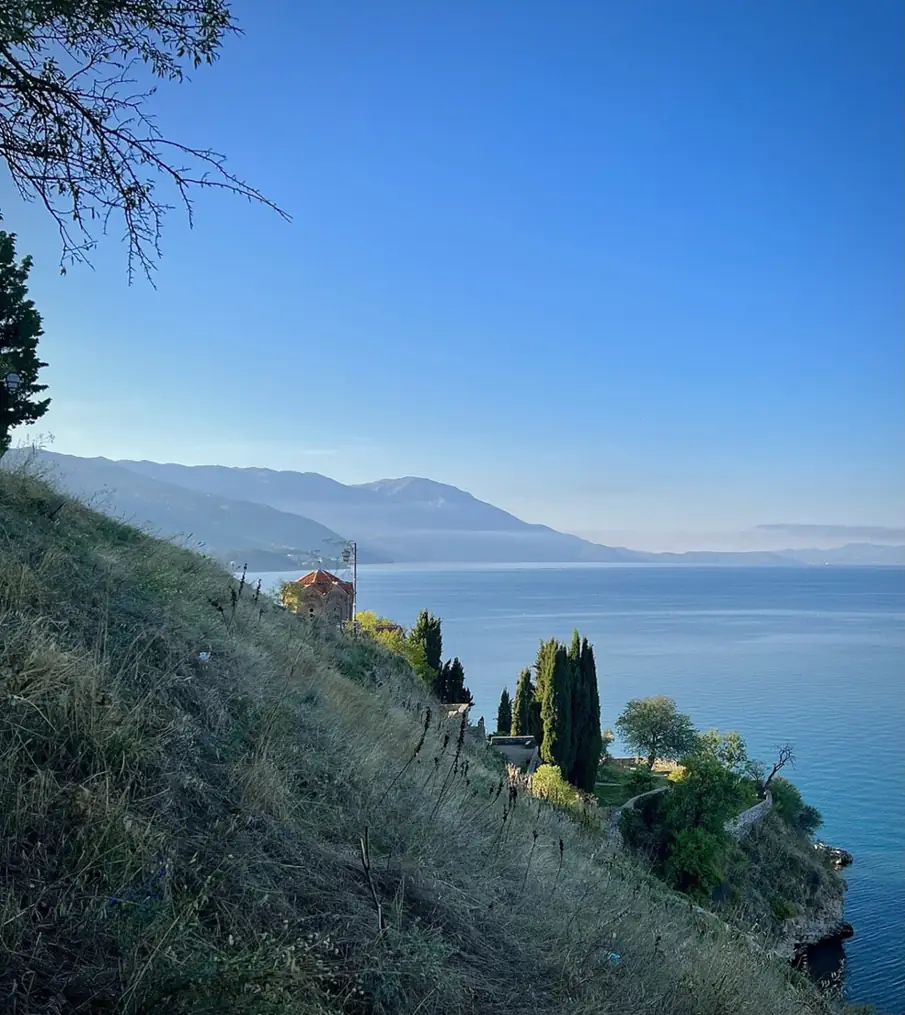
Lake Ohrid from the North Macedonian shore, with trees and a church in the foreground. — Sharon Hahn Darlin. Original photograph · CC BY 2.0. Cropped for the cards; photographs do not establish snake occurrence.

The species catalogue

Snakes · Skopje & Vardar.

Only records naming this place appear below. These are extracted locality records, not complete island or regional inventories.

10 species · showing 10

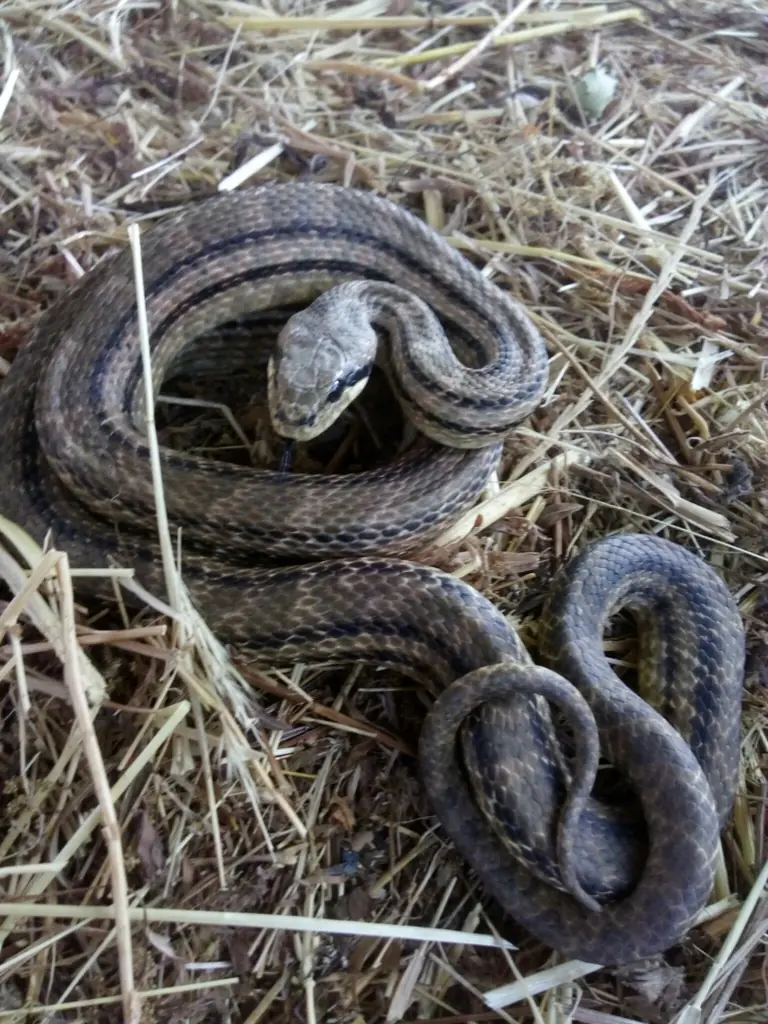
Elaphe quatuorlineata. Identification follows the linked source community.

001 · Colubridae

Four-lined snake (or ratsnake)

Elaphe quatuorlineata

(LACÉPÈDE, 1789)

Non-venomous

Country explicitly listed in the checked taxonomic treatment. Western regions: observation GBIF 6334856586 (2026). The original iNaturalist entry was rechecked for research-grade identification, wild status and unrestricted coordinates; its reported uncertainty footprint lies within the mapped region. This is a community-reviewed observation, not a…

Read the species account →

andrea ungaro · CC BY 4.0 · https://creativecommons.org/licenses/by/4.0/
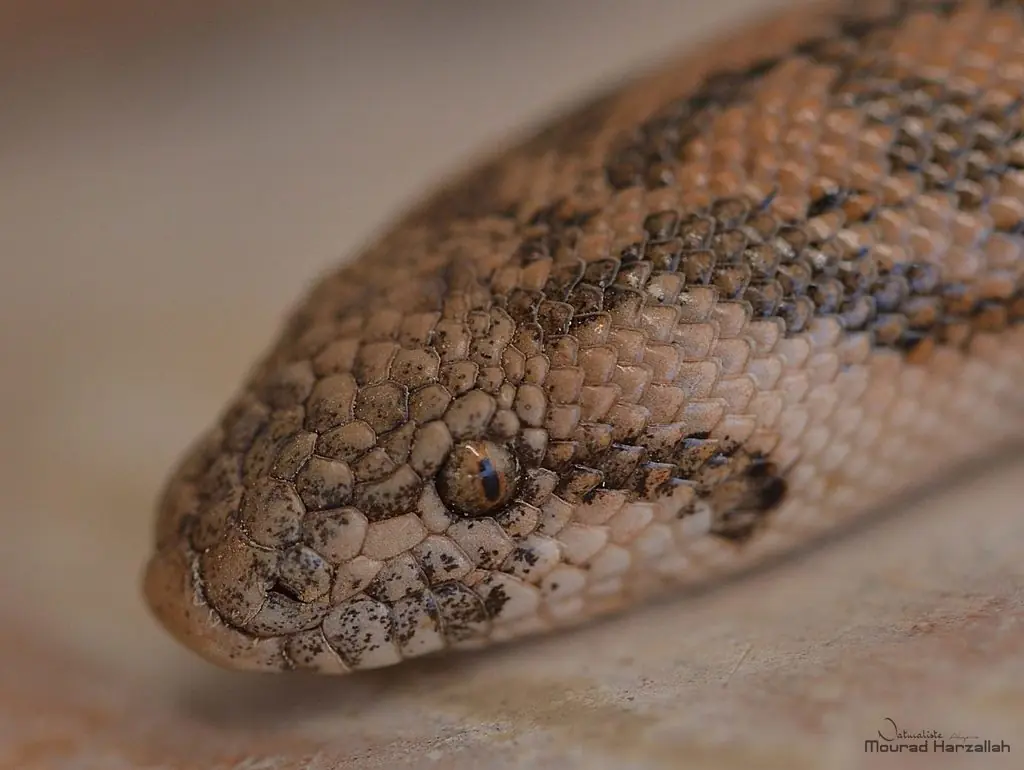
Eryx jaculus. Identification follows the linked source community.

002 · Boidae

Javelin Sand Boa

Eryx jaculus

(LINNAEUS, 1758)

Non-venomous

Country explicitly listed in the checked taxonomic treatment. Skopje & Vardar: observation GBIF 6413223627 (2026). The original iNaturalist entry was rechecked for research-grade identification, wild status and unrestricted coordinates; its reported uncertainty footprint lies within the mapped region. This is a community-reviewed observation, not a…

Read the species account →

Mourad Harzallah · CC BY 4.0 · https://creativecommons.org/licenses/by/4.0/
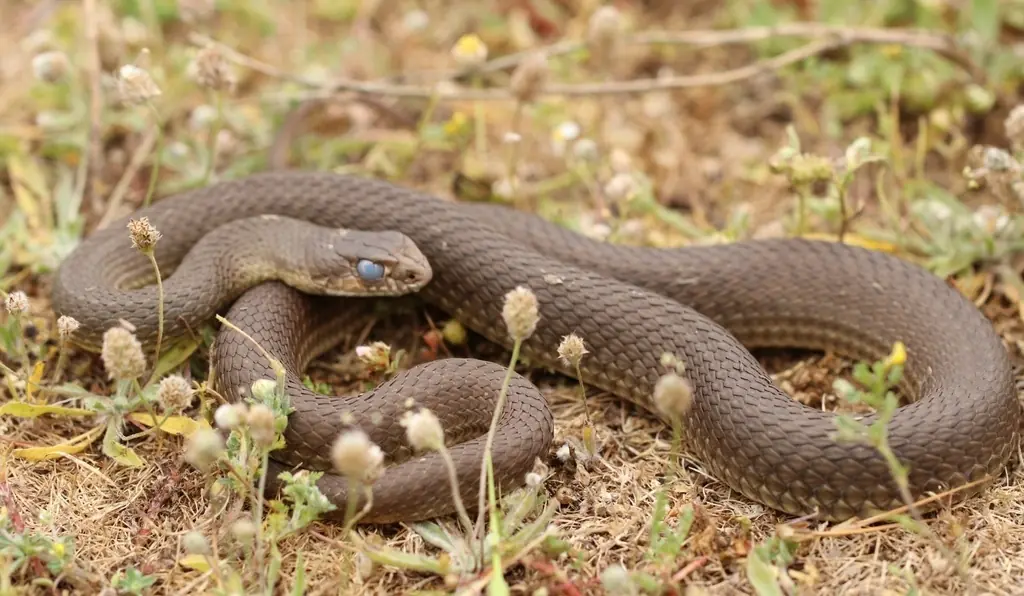
Malpolon insignitus. Identification follows the linked source community.

003 · Psammophiidae

Eastern Montpellier Snake

Malpolon insignitus

(GEOFFROY SAINT-HILAIRE, 1827)

VenomousClinical severity not established

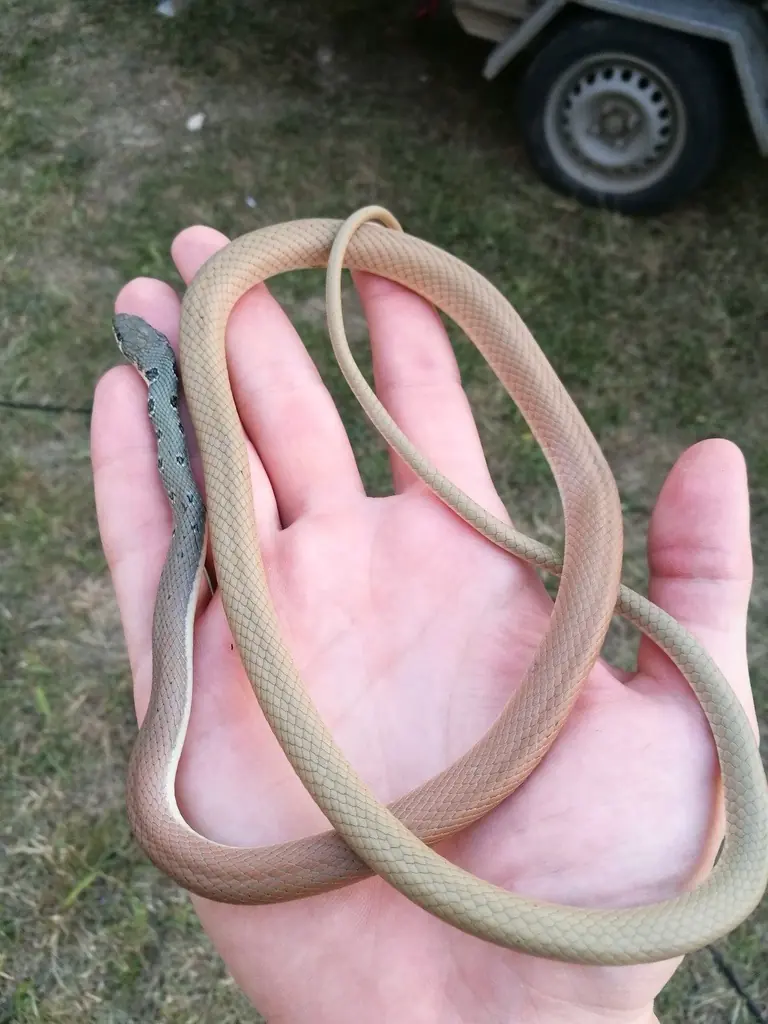
Country explicitly listed in the checked taxonomic treatment. Skopje & Vardar: observation GBIF 5892382255 (2024). The original iNaturalist entry was rechecked for research-grade identification, wild status and unrestricted coordinates; its reported uncertainty footprint lies within the mapped region. This is a community-reviewed observation, not a…

Read the species account →

Ryan van Huyssteen · CC BY 4.0 · https://creativecommons.org/licenses/by/4.0/
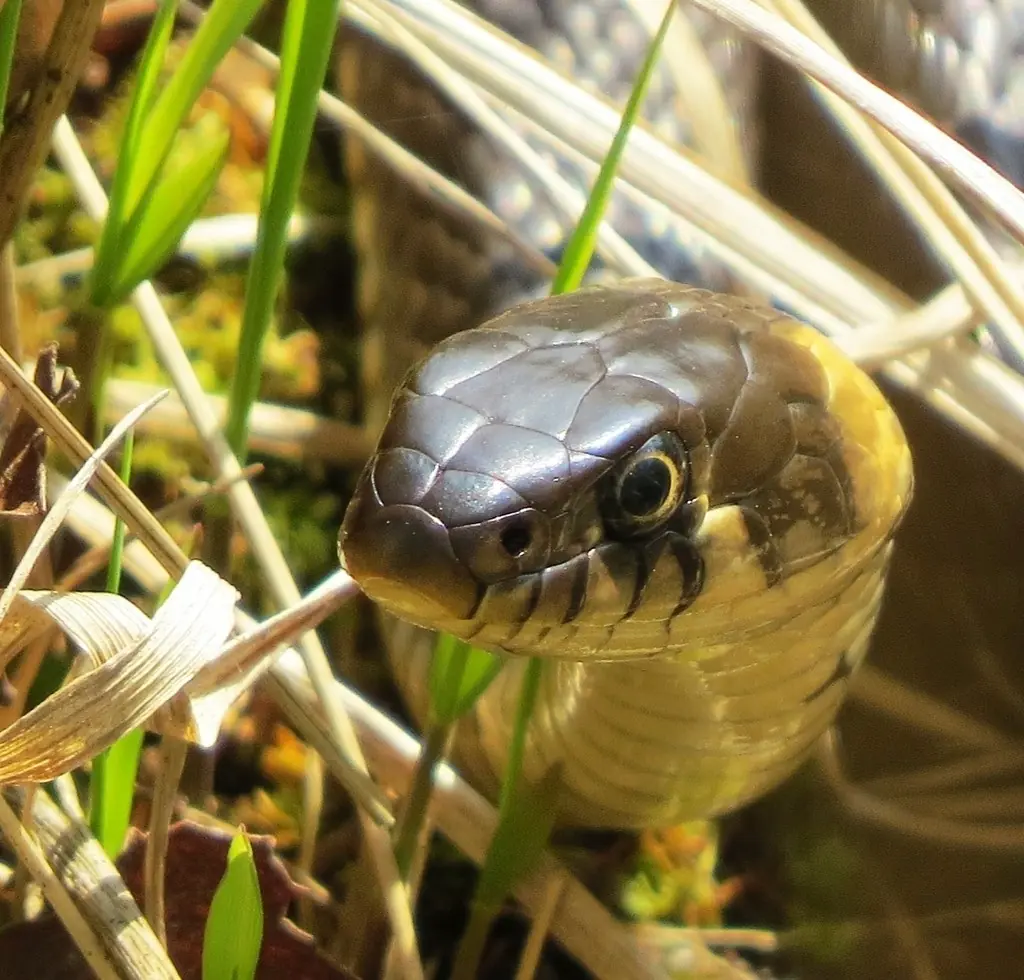
Natrix natrix. Identification follows the linked source community.

004 · Colubridae

Common Grass Snake

Natrix natrix

(LINNAEUS, 1758)

Venom unknownNot yet assessed

Country explicitly listed in the checked taxonomic treatment. Western regions: observation GBIF 5909328682 (2025). The original iNaturalist entry was rechecked for research-grade identification, wild status and unrestricted coordinates; its reported uncertainty footprint lies within the mapped region. This is a community-reviewed observation, not a…

Read the species account →

Micha Baum · CC BY-SA 4.0 · https://creativecommons.org/licenses/by-sa/4.0/

Unspotted dice snake photographed in Dagestan, Russia, in September 2026. Identification follows the linked source community.

005 · Colubridae

Dice Snake

Natrix tessellata

(LAURENTI, 1768)

Venom unknownNot yet assessed

Country explicitly listed in the checked taxonomic treatment. Western regions: observation GBIF 6452340646 (2026). The original iNaturalist entry was rechecked for research-grade identification, wild status and unrestricted coordinates; its reported uncertainty footprint lies within the mapped region. This is a community-reviewed observation, not a…

Read the species account →

KsenoSnake · CC0 1.0 · https://creativecommons.org/publicdomain/zero/1.0/

Platyceps najadum. Identification follows the linked source community.

006 · Colubridae

Slender Whip Snake, Dahl’s Whip Snake

Platyceps najadum

(EICHWALD, 1831)

Venom unknownNot yet assessed

Country explicitly listed in the checked taxonomic treatment. Skopje & Vardar: observation GBIF 2423096324 (2019). The original iNaturalist entry was rechecked for research-grade identification, wild status and unrestricted coordinates; its reported uncertainty footprint lies within the mapped region. This is a community-reviewed observation, not a…

Read the species account →

Matej Vucić · CC BY 4.0 · https://creativecommons.org/licenses/by/4.0/
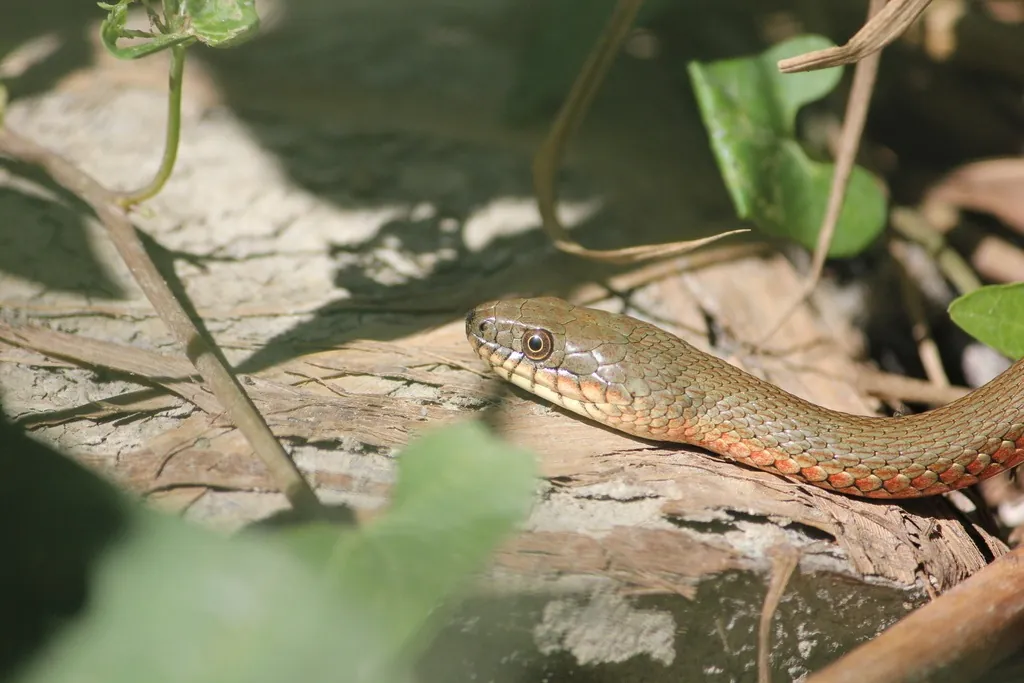
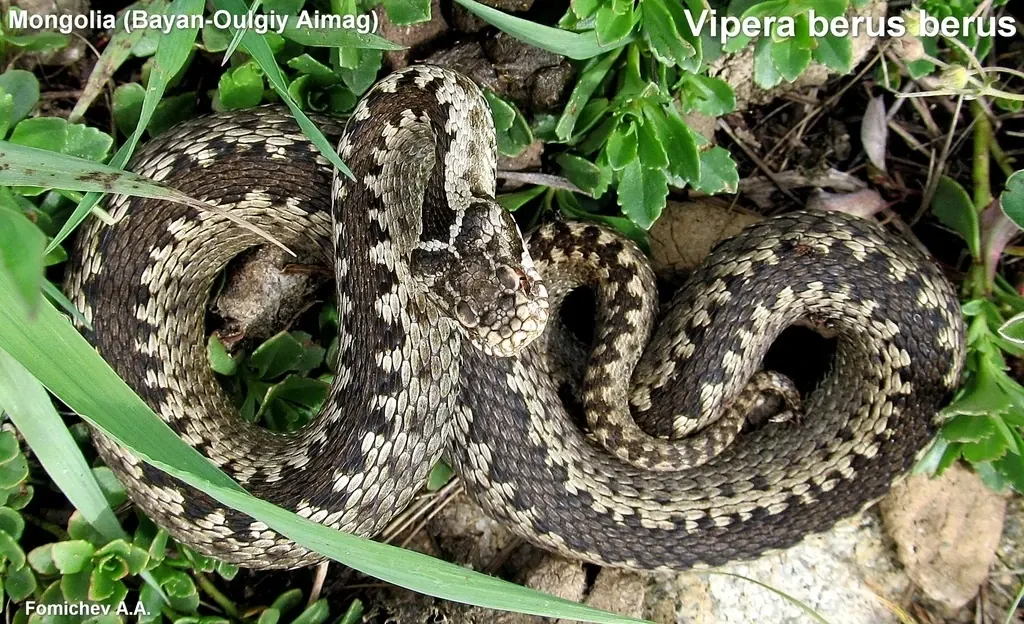
Vipera berus. Identification follows the linked source community.

007 · Viperidae

Adder, Northern Viper

Vipera berus

(LINNAEUS, 1758)

VenomousPotentially life-threatening

Country explicitly listed in the checked taxonomic treatment. Western regions: observation GBIF 6442080501 (2026). The original iNaturalist entry was rechecked for research-grade identification, wild status and unrestricted coordinates; its reported uncertainty footprint lies within the mapped region. This is a community-reviewed observation, not a…

Read the species account →

Alexander A. Fomichev · CC BY 4.0 · https://creativecommons.org/licenses/by/4.0/
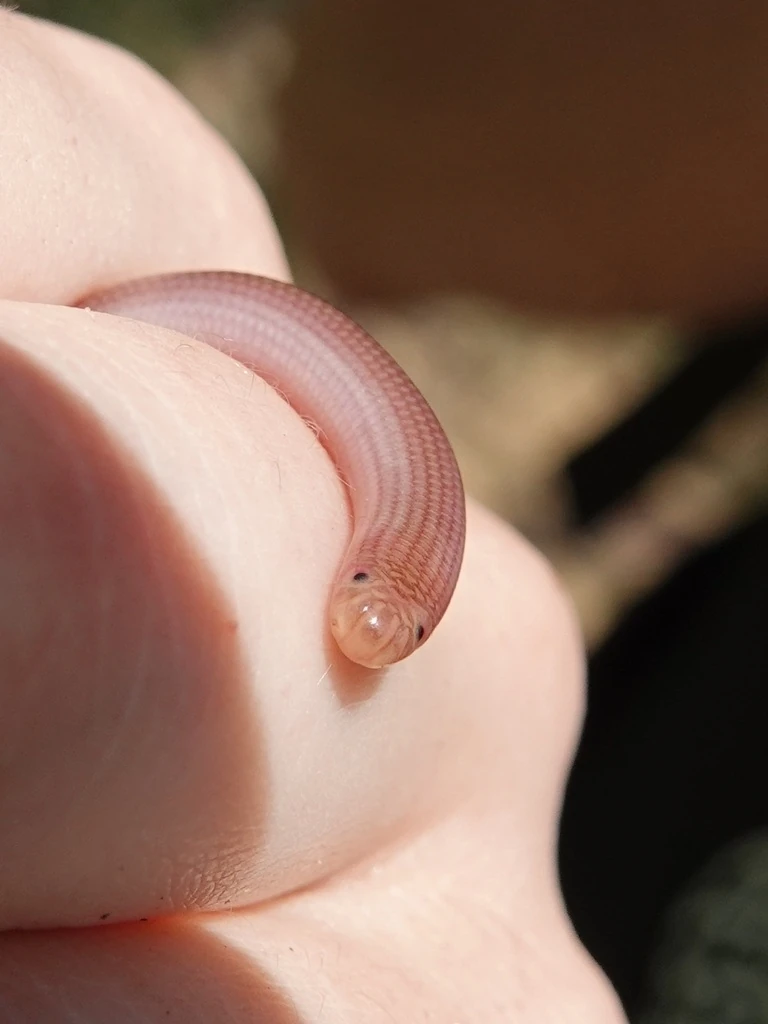
Xerotyphlops vermicularis. Identification follows the linked source community.

008 · Typhlopidae

Eurasian Blind Snake, Greek Blindsnake

Xerotyphlops vermicularis

(MERREM, 1820)

Non-venomous

Country explicitly listed in the checked taxonomic treatment. Skopje & Vardar: observation GBIF 6481285919 (2024). The original iNaturalist entry was rechecked for research-grade identification, wild status and unrestricted coordinates; its reported uncertainty footprint lies within the mapped region. This is a community-reviewed observation, not a…

Read the species account →

Валерия Ковалева · CC BY 4.0 · https://creativecommons.org/licenses/by/4.0/
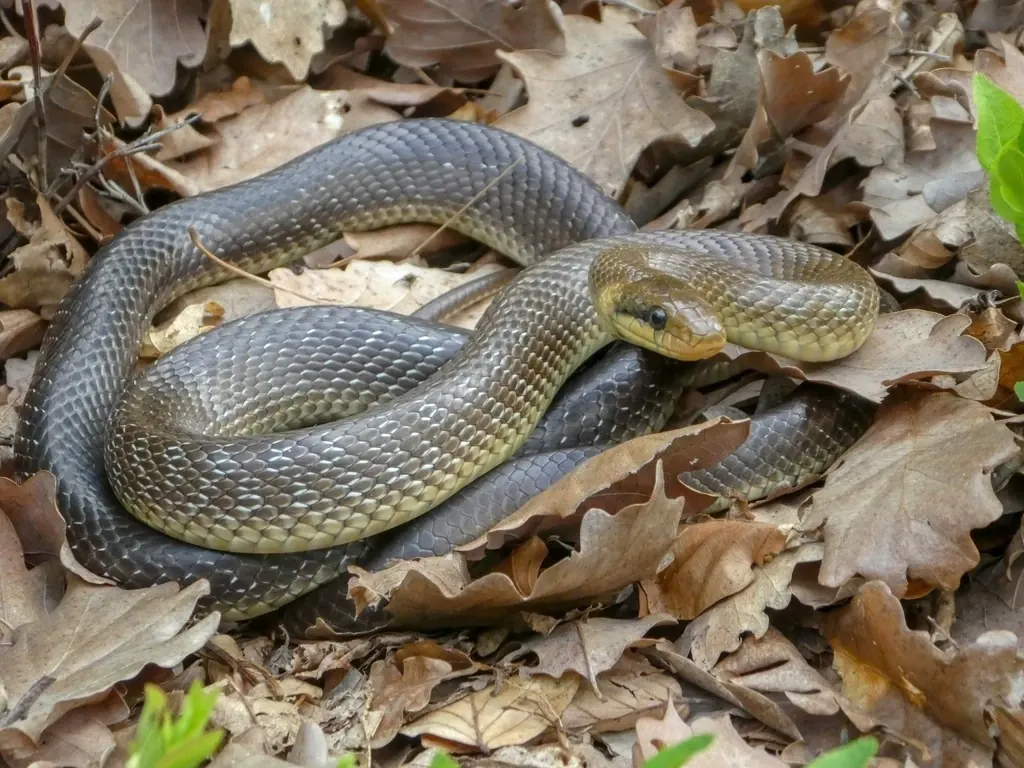
Zamenis longissimus. Identification follows the linked source community.

009 · Colubridae

Aesculapean Snake

Zamenis longissimus

(LAURENTI, 1768)

Venom unknownNot yet assessed

Country explicitly listed in the checked taxonomic treatment. Western regions: observation GBIF 6195406016 (2026). The original iNaturalist entry was rechecked for research-grade identification, wild status and unrestricted coordinates; its reported uncertainty footprint lies within the mapped region. This is a community-reviewed observation, not a…

Read the species account →

Philipp Pavelka · CC BY 4.0 · https://creativecommons.org/licenses/by/4.0/
Zamenis situla. Identification follows the linked source community.

010 · Colubridae

Leopard Snakes, European Ratsnake, Leopard ratsnake

Zamenis situla

(LINNAEUS, 1758)

Venom unknownNot yet assessed

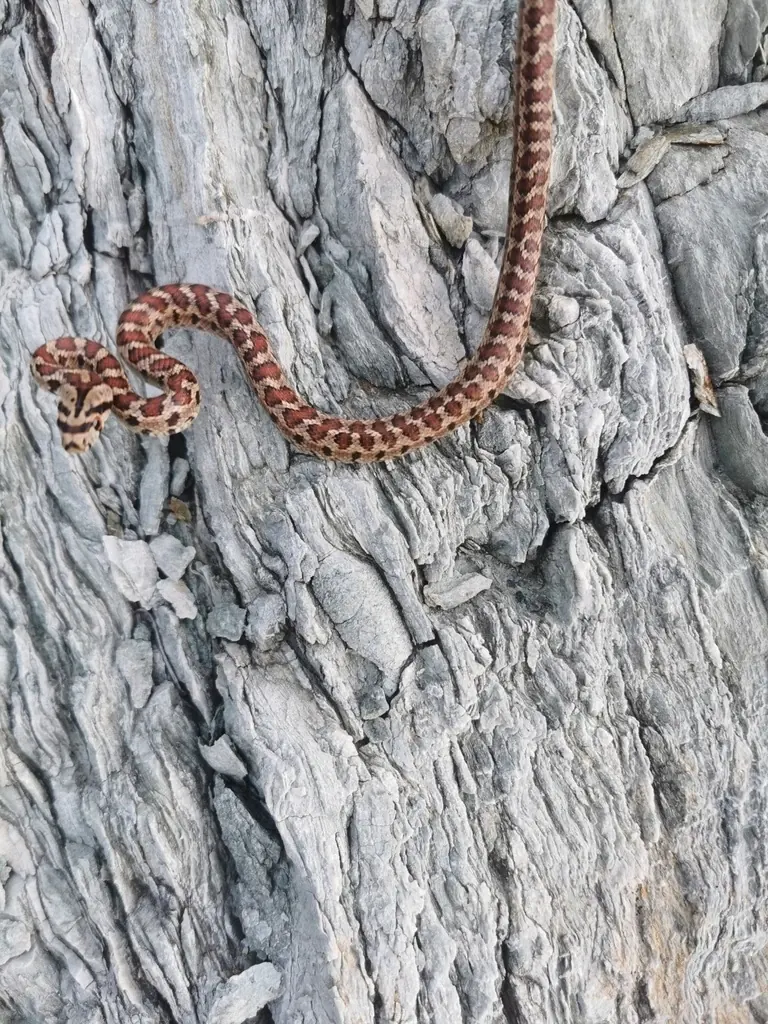
Country explicitly listed in the checked taxonomic treatment. Skopje & Vardar: observation GBIF 4111949838 (2023). The original iNaturalist entry was rechecked for research-grade identification, wild status and unrestricted coordinates; its reported uncertainty footprint lies within the mapped region. This is a community-reviewed observation, not a…

Read the species account →

Chris Taklis · CC BY 4.0 · https://creativecommons.org/licenses/by/4.0/
Explore all 15 country records →

The research library

Sources & the checklist.

This edition lists 15 species with supported country records from checked taxonomic treatments and cited field studies. It is not a claim of a complete national inventory. Each account retains its source and check date; individual evidence entries retain their own review dates.

Independent checklist comparison · 2026-10-11

15 documented current or explicitly qualified country records. This is a source-backed working inventory; recent national completeness and locality coverage remain under review.

Individually reviewed taxonomic treatments and cited primary records ↗

Review still open

How the map and counts work

Search results were checked against distribution text and taxonomic qualifications. A geographic name alone does not establish a political country: New Guinea, the Solomon archipelago and Micronesia span more than one country or territory. Introduced and unresolved records require separate interpretation.

Place counts require explicit named localities, including valid type localities. Counts can overlap where sources name multiple places. Regional maps group historical boundary snapshots for navigation, while island outlines use Natural Earth; neither is a species range or an observation map. Small islands can be below the outline dataset’s resolution, so geographic reference markers and the directory remain available.

EuroGeographics and NTES (Nomenclature of Territorial Units for Statistics - Republic of Macedonia State Statistical Office), Regional IM Working Group - Europe; geoBoundaries gbOpen ADM1; 2016; Creative Commons Attribution 4.0 International (CC BY 4.0). Generalised navigation outlines, not species ranges. Map provenance →

  1. Convention on Biological Diversity - North Macedonia profile ↗

    Historical national biodiversity context; no current percentage, condition, species count or access inference. The CBD Secretariat marks this profile as a draft awaiting party approval.

  2. Boundary snapshot and atlas region membership ↗

    EuroGeographics and NTES (Nomenclature of Territorial Units for Statistics - Republic of Macedonia State Statistical Office), Regional IM Working Group - Europe; geoBoundaries gbOpen ADM1; 2016; Creative Commons Attribution 4.0 International (CC BY 4.0). Generalised navigation outlines, not species ranges.

  3. Boundary provenance and regional grouping ↗
  4. Convention on Biological Diversity - North Macedonia profile ↗
  5. The Reptile Database

    Individual treatments and locality evidence are linked from each species account.

  6. Meiri (2024): SquamBase 1.0

    Species-level literature measurements and ecological traits. Exact-name matches only; imputed or ambiguous fields are omitted. These summaries are not local observations.

  7. Natural Earth: public-domain geographic data

Continue through the Europe atlas →