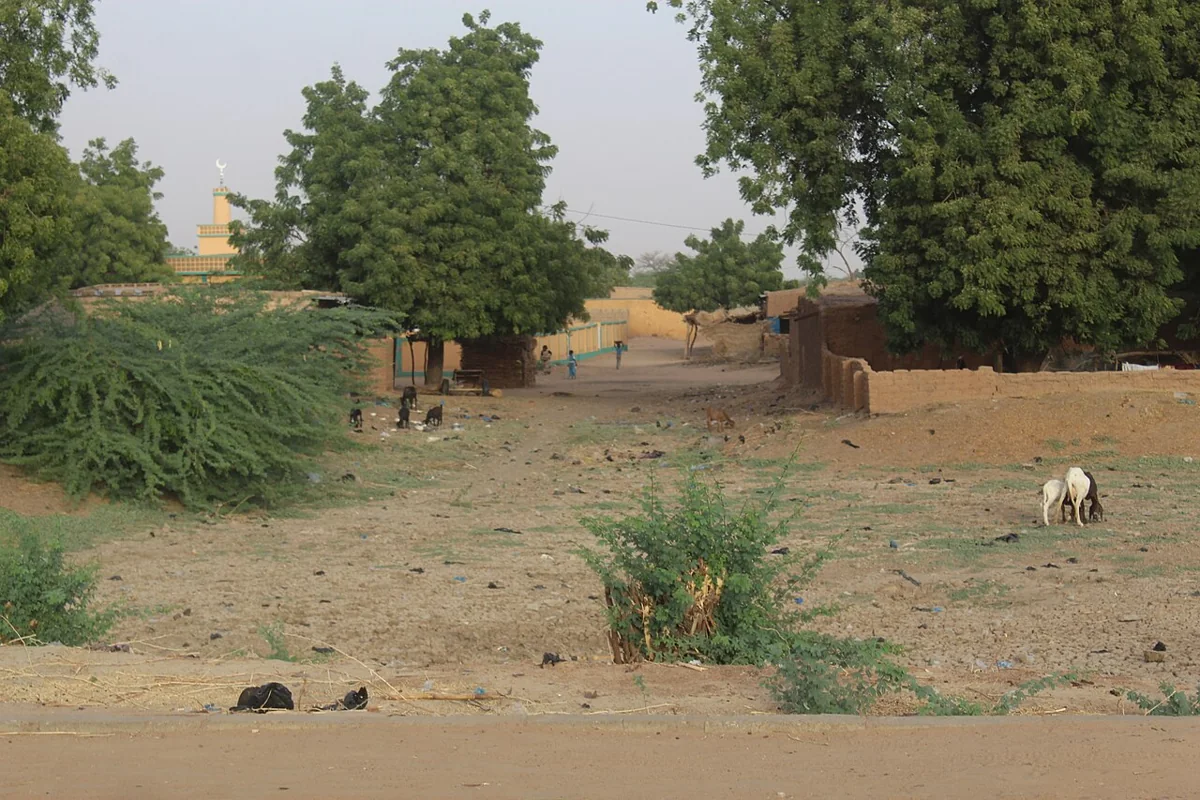
Settlement landscape at Kornaka, Maradi Region, Niger, January 2024.

Niger · Place guide

Maradi

Explore Maradi through the named places in its sourced species records.

14species with extracted evidence
7families
6region guides

Settlement landscape at Kornaka, Maradi Region, Niger, January 2024.

Photograph: Ibrahimassoumane · Image source · CC0. Cropped to fill the hero; darkened for text legibility.

Geography & biotopes

Read the landscape.

Explore Maradi through the named places in its sourced species records.

This navigation guide uses the credited boundary snapshot for Maradi. Its boundaries identify an atlas group, not a single vegetation type. IPUMS DHS; geoBoundaries gbOpen ADM1, 2012 snapshot; Open Data Commons Open Database License 1.0.

Ecological connections

The country habitat guides explain the environments documented in the landscape sources. Only species records assigned to this particular mapped area appear in the regional collection; a shared habitat elsewhere does not establish local occurrence.

Explore the setting

Open an individual species account to retain its original locality, observation or collection date, and source. Historical administrative names are preserved as aliases for this map snapshot. A locality review of Trape & Mané (2015) adds examined specimens from named survey sites and museum localities. Minute-scale coordinates need a 2 km envelope within one mapped group; the national commune register resolves explicitly named towns. The erroneous printed Maradi longitude and the unresolved Niamey-airport boundary are not silently corrected. Historical identities such as Philothamnus semivariegatus smithi, and the qualified Eryx colubrinus country report, remain open for review. These dated records do not establish current occupancy or complete coverage.

This guide indexes these source names: Maradi. A country-only record is not automatically assigned to this place. Map markers identify navigation destinations, not collection sites.

Map boundaries, snapshot and group membership →

Convention on Biological Diversity · Niger national profile →

UNESCO · W–Arly–Pendjari Complex →
Geography is part of the record

Find your way through Niger.

Select a named region to open its evidence page. The complete directory below keeps every guide accessible, including places where locality evidence has not yet been extracted.

41 of 49 listed species have at least one indexed region record. 8 remain country-only. Even a nonzero count is not a complete regional inventory.

Habitats & living landscapes

Explore the living
landscapes.

Explore 2 guides to the environments, places and conservation pressures that shape this country. Each guide connects to the regional map and shared species accounts.

Landscape photographs & credits

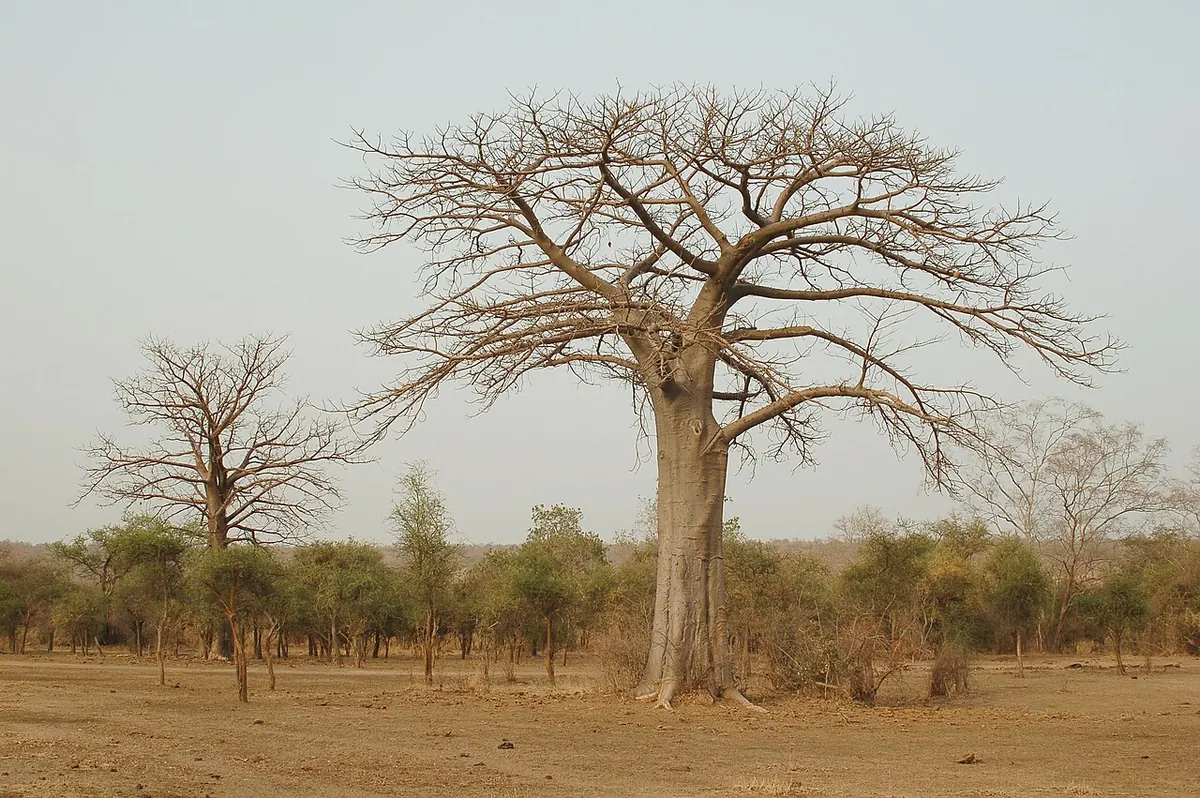
Baobabs and scattered trees in the dry-season savanna of W National Park, Niger, in March 2006. — diasUndKompott from Germany. Original photograph · CC BY-SA 2.0. Cropped for the cards; photographs do not establish snake occurrence.

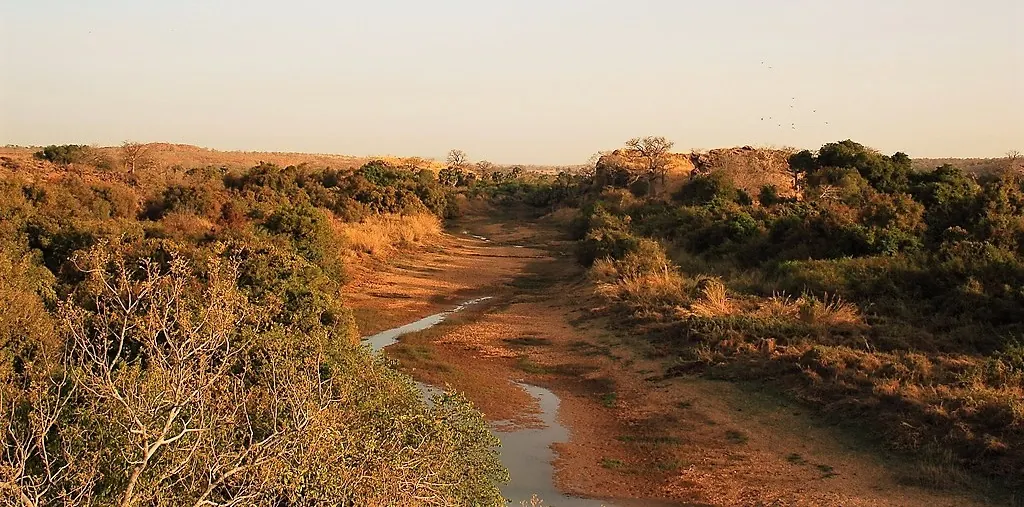
A partly dry stream in W National Park, Niger, photographed near the end of March 2006. The remaining water and exposed channel show a dry-season stage, not year-round flow. — Roland Hunziker https://www.flickr.com/photos/rolandh/. Original photograph · CC BY-SA 2.0. Cropped for the cards; photographs do not establish snake occurrence.

The species catalogue

Snakes · Maradi.

Only records naming this place appear below. These are extracted locality records, not complete island or regional inventories.

14 species · showing 14

AtractaspididaeAtractaspisPhotograph not yet documented

001 · Atractaspididae

Sahelian Burrowing Asp

Atractaspis micropholis

GÜNTHER, 1872

VenomousClinical severity not established

The current taxonomic treatment explicitly lists this country. This is country-scale checklist evidence, not a claim of continuous occupancy or a complete regional inventory. Trape & Mané (2015), account p. 42: examined specimens from Kusa; Maradi; Saboulayi. Table 1 locates the 2004–2008 survey sites; separately examined museum material may be older.…

Read the species account →
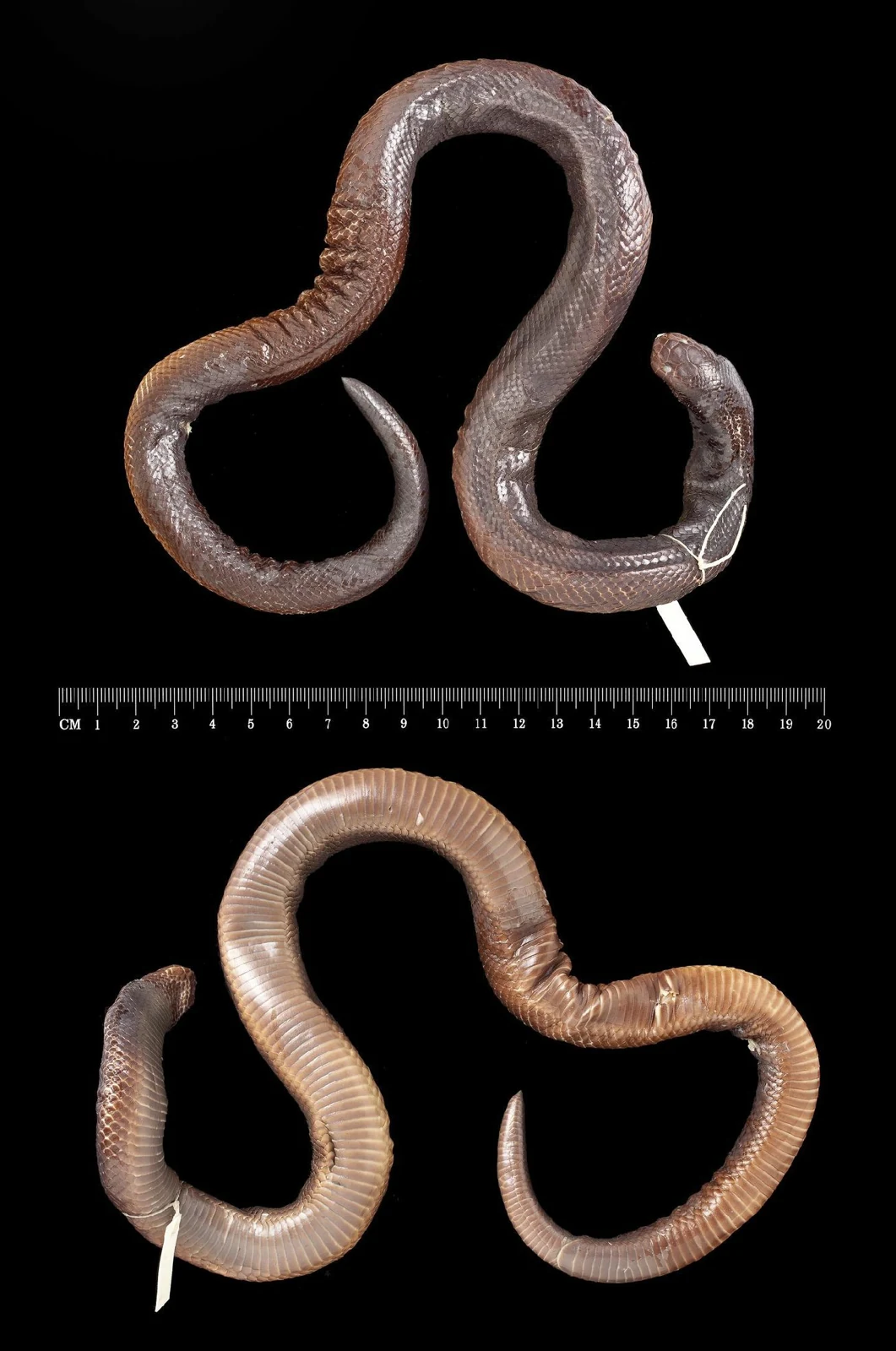
Atractaspis watsoni. Preserved museum specimen, Natural History Museum, London, 1946.1.18.5. Colours may have changed in preservative. This collection image adds no geographic occurrence record.

002 · Atractaspididae

Watson’s Burrowing Asp

Atractaspis watsoni

BOULENGER, 1908

VenomousClinical severity not established

The current taxonomic treatment explicitly lists this country. This is country-scale checklist evidence, not a claim of continuous occupancy or a complete regional inventory. Trape & Mané (2015), account p. 43: examined specimens from Birni N’Konni; Chetimari; Cissia; Karosofoua; Malbaza; Piliki; Saboulayi; Tékhé. Table 1 locates the 2004–2008 survey…

Read the species account →

Patrick Campbell / The Trustees of the Natural History Museum, London · CC BY 4.0 · https://creativecommons.org/licenses/by/4.0/

Boaedon fuliginosus, photographed 2020-08-12. Identification follows the linked research-grade observation.

003 · Lamprophiidae

Brown House Snake, African House Snake

Boaedon fuliginosus

(BOIE, 1827)

Non-venomous

Listed in the reviewed taxonomic treatment. The current taxonomic treatment explicitly lists this country. This is country-scale checklist evidence, not a claim of continuous occupancy or a complete regional inventory. Trape & Mané (2015), account p. 43: examined specimens from Chetimari; Cissia; Karosofoua; Piliki; Tékhé; Téla. Table 1 locates the…

Read the species account →

Diossina · CC BY 4.0 · https://creativecommons.org/licenses/by/4.0/

Dasypeltis sahelensis, Morocco (public location obscured); photographed 2024-04-20.

004 · Colubridae

Sahel Egg Eater

Dasypeltis sahelensis

TRAPE & MANÉ, 2006

Venom unknownNot yet assessed

Listed in the reviewed taxonomic treatment. The current taxonomic treatment explicitly lists this country. This is country-scale checklist evidence, not a claim of continuous occupancy or a complete regional inventory. Trape & Mané (2015), account p. 46: examined specimens from Aholé; Baboul; Cissia; Karosofoua; Piliki; Korri Solomi; Saboulayi; Tarka…

Read the species account →

Teddy Gilbert · CC BY 4.0 · https://creativecommons.org/licenses/by/4.0/

Echis leucogaster, Niamey, Niger; photographed 2016-10-31.

005 · Viperidae

Roman's Saw-scaled Viper

Echis leucogaster

ROMAN, 1972

VenomousClinical severity not established

Listed in the reviewed taxonomic treatment. The current taxonomic treatment explicitly lists this country. This is country-scale checklist evidence, not a claim of continuous occupancy or a complete regional inventory. The checked taxonomic treatment gives Boubon near Niamey as the type-locality area. Its published place or administrative label places it…

Read the species account →

B. P. White · CC BY-SA 4.0 · https://creativecommons.org/licenses/by-sa/4.0/

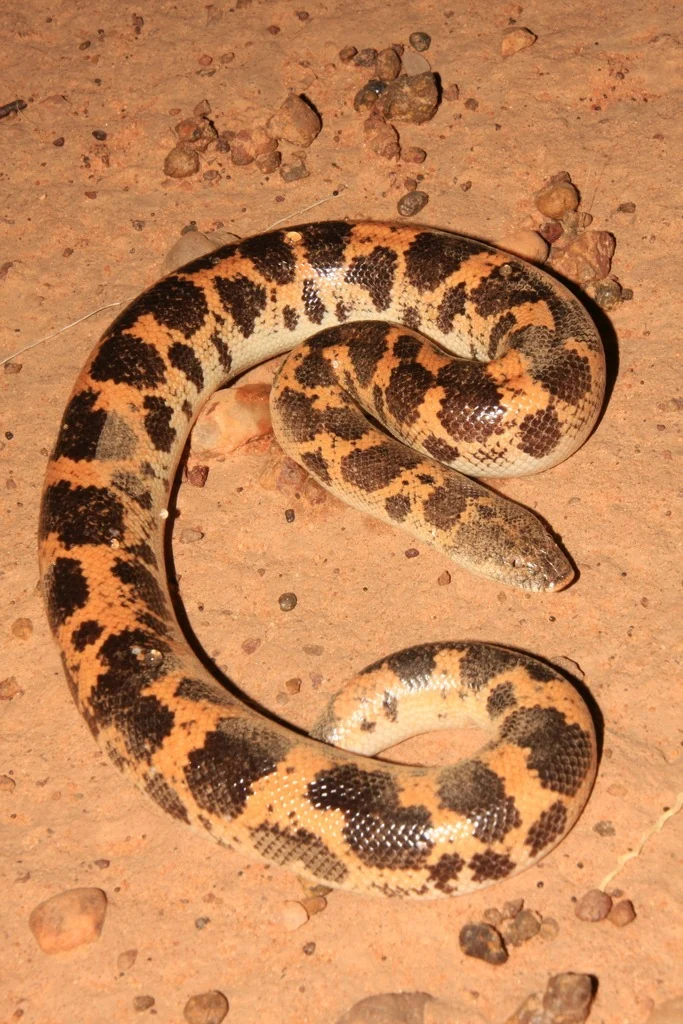
Eryx muelleri; Poudriere, Niamey, Niger; photographed 2016-11-24.

006 · Boidae

Müller’s sand boa

Eryx muelleri

(BOULENGER, 1892)

Non-venomous

The current taxonomic treatment explicitly lists this country. This is country-scale checklist evidence, not a claim of continuous occupancy or a complete regional inventory. Niamey: observation 35960377, 2016-11-24. Original records have agreeing research-grade identifications, wild status and open coordinates. Points and sampled reported uncertainty…

Read the species account →

B. P. White · CC BY-SA 4.0 · https://creativecommons.org/licenses/by-sa/4.0/

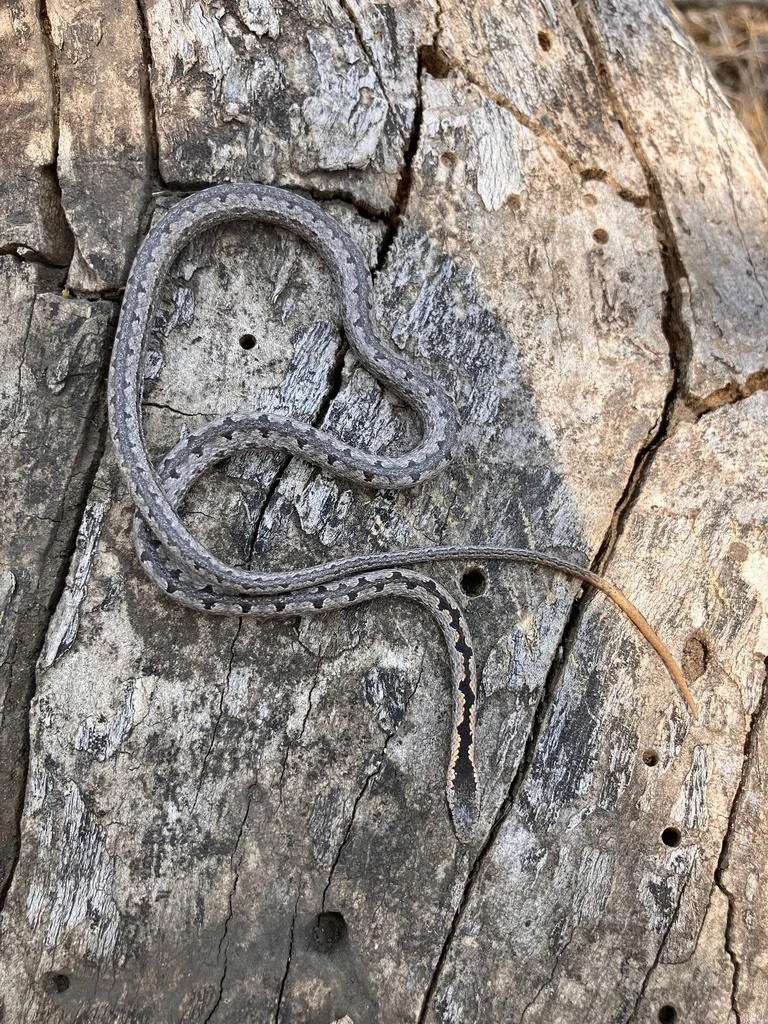
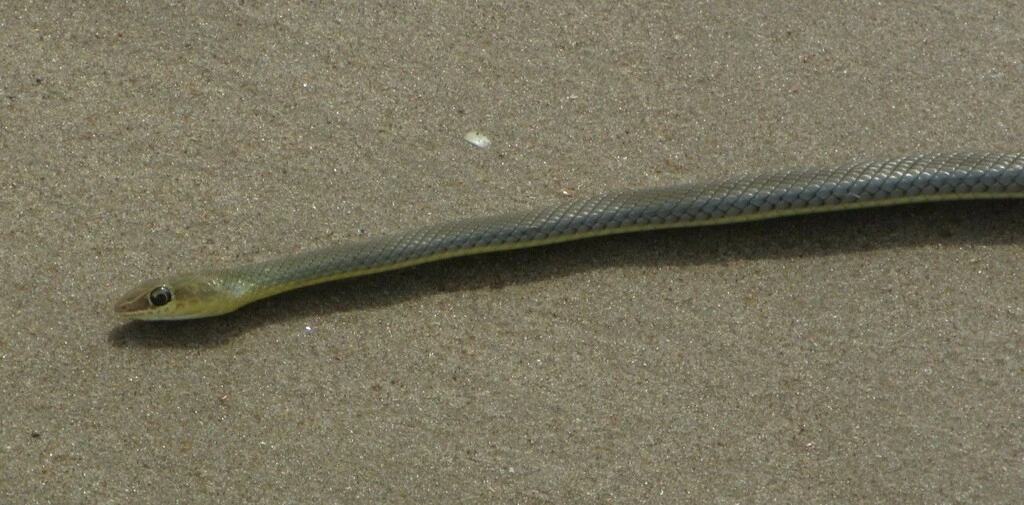
Hemirhagerrhis nototaenia; Kruger National Park, Musina, LP, ZA; photographed 2022-09-30.

007 · Psammophiidae

(South-) Eastern Bark Snake, Mopane Snake

Hemirhagerrhis nototaenia

(GÜNTHER, 1864)

Venom unknownNot yet assessed

The current taxonomic treatment explicitly lists this country. This is country-scale checklist evidence, not a claim of continuous occupancy or a complete regional inventory. Trape & Mané (2015), account p. 44: examined specimens from Maradi. Table 1 locates the 2004–2008 survey sites; separately examined museum material may be older. Minute-scale…

Read the species account →

no rights reserved · CC0 · https://creativecommons.org/publicdomain/zero/1.0/

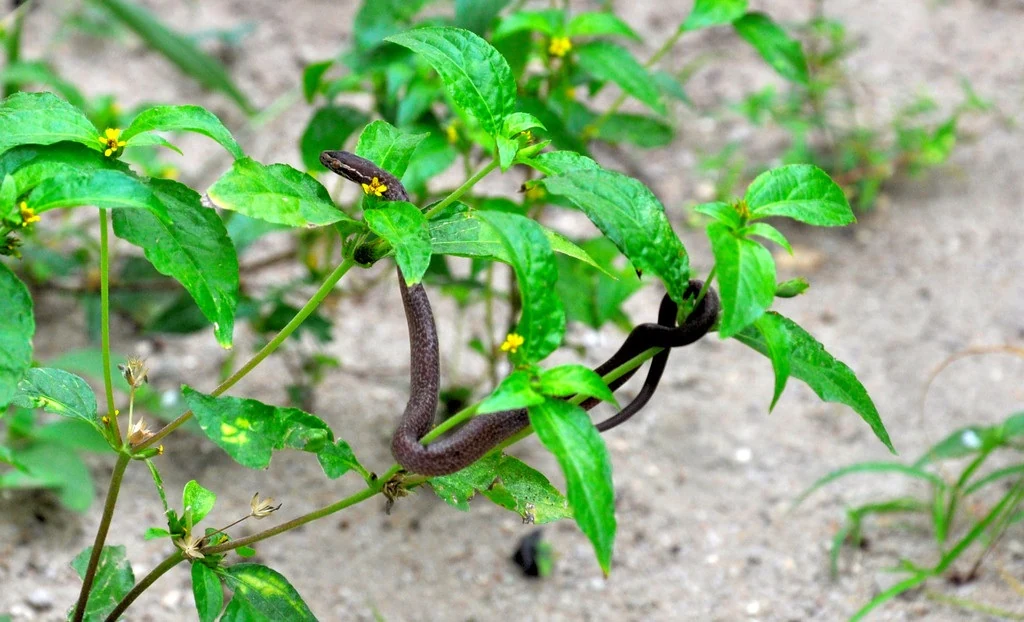
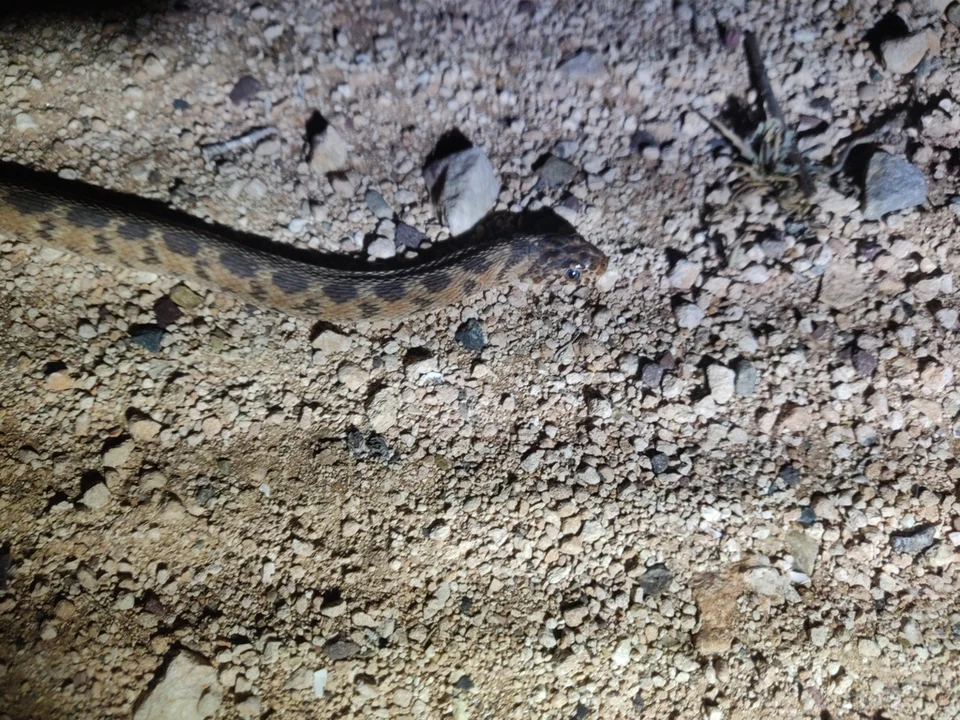
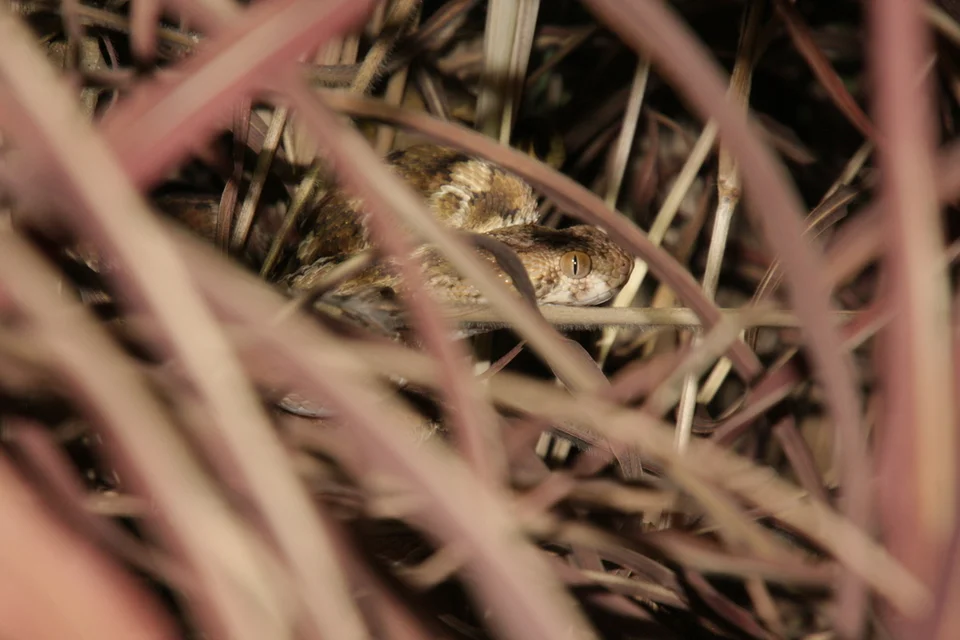
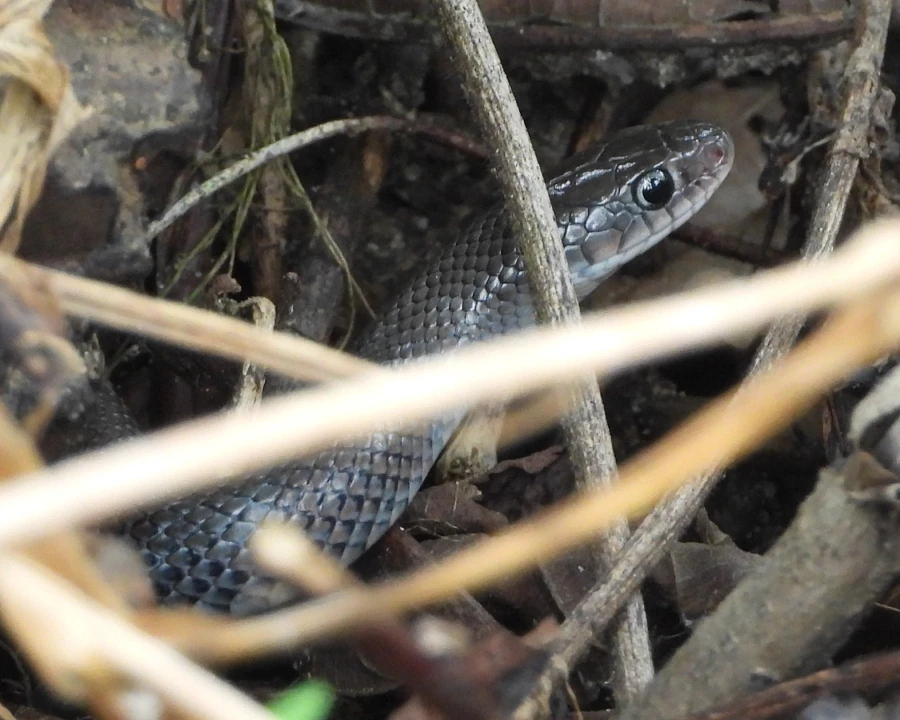
Meizodon coronatus, head and anterior body among ground vegetation in Ghana. The original branches and vegetation partly obscure the body.

008 · Colubridae

Western Crowned Snake

Meizodon coronatus

(SCHLEGEL, 1837)

Venom unknownNot yet assessed

The current taxonomic treatment explicitly lists this country. This is country-scale checklist evidence, not a claim of continuous occupancy or a complete regional inventory. Trape & Mané (2015), account p. 46: examined specimens from Karosofoua; Téla. Table 1 locates the 2004–2008 survey sites; separately examined museum material may be older.…

Read the species account →

James Telford · CC BY 4.0 · https://creativecommons.org/licenses/by/4.0/

ElapidaeNajaPhotograph not yet documented

009 · Elapidae

West-African Cobra

Naja senegalensis

TRAPE, CHIRIO & WÜSTER, 2009

VenomousClinical severity not established

The current taxonomic treatment explicitly lists this country. This is country-scale checklist evidence, not a claim of continuous occupancy or a complete regional inventory. Trape & Mané (2015), account p. 48: examined specimens from Karosofoua; Téla. Table 1 locates the 2004–2008 survey sites; separately examined museum material may be older.…

Read the species account →
Psammophis afroccidentalis. Photographed in Senegal. The current identification replaces the observer’s earlier P. sibilans identification. Original observation dated 2023-01-04; this portrait does not establish occurrence in other countries.

010 · Psammophiidae

West-African Whip Snake

Psammophis afroccidentalis

TRAPE, BÖHME & MEDIANNIKOV, 2019

VenomousClinical severity not established

The current taxonomic treatment explicitly lists this country. This is country-scale checklist evidence, not a claim of continuous occupancy or a complete regional inventory. Trape & Mané (2015), account p. 45: examined specimens from Aholé; Baboul; Chetimari; Cissia; Goudoumaria; Karosofoua; Kéllé; Kusa; Malbaza; Piliki; Saboulayi; Saouna; Tarka…

Read the species account →

Lucy Keith-Diagne · CC BY 4.0 · https://creativecommons.org/licenses/by/4.0/

PsammophiidaeRhamphiophisPhotograph not yet documented

011 · Psammophiidae

Species account

Rhamphiophis maradiensis

CHIRIO & INEICH, 1991

Venom unknownNot yet assessed

The current taxonomic treatment explicitly lists this country. This is country-scale checklist evidence, not a claim of continuous occupancy or a complete regional inventory. The checked taxonomic treatment gives Gari'n Bakwai near Maradi as the type-locality area. Its published place or administrative label places it within this atlas group (Maradi).…

Read the species account →
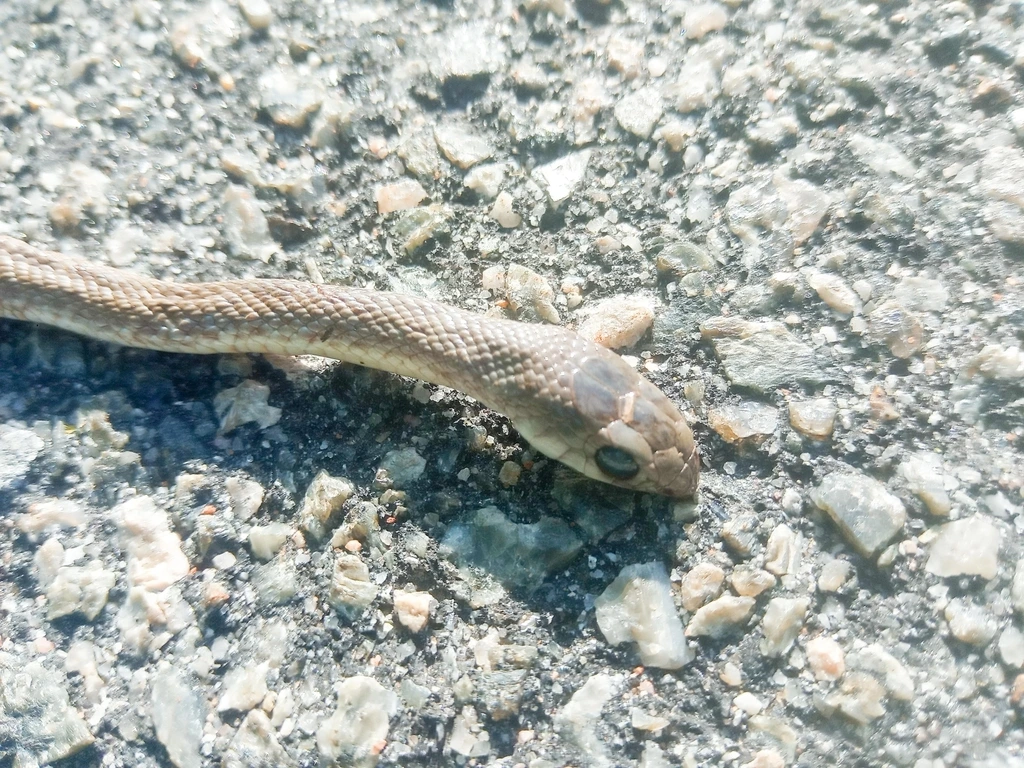
Rhamphiophis oxyrhynchus. Road-surface specimen portrait from Nigeria. No claim that the animal was alive is made. Original observation dated 2022-08-04; this portrait does not establish occurrence in other countries.

012 · Psammophiidae

Western beaked snake

Rhamphiophis oxyrhynchus

(REINHARDT, 1843)

Venom unknownNot yet assessed

The current taxonomic treatment explicitly lists this country. This is country-scale checklist evidence, not a claim of continuous occupancy or a complete regional inventory. Trape & Mané (2015), account p. 45: examined specimens from Aholé; Karosofoua; Simiri; Tékhé; Téla; Tounga Yacouba. Table 1 locates the 2004–2008 survey sites; separately examined…

Read the species account →

Lucky Okpanachi Atabo · CC BY 4.0 · https://creativecommons.org/licenses/by/4.0/

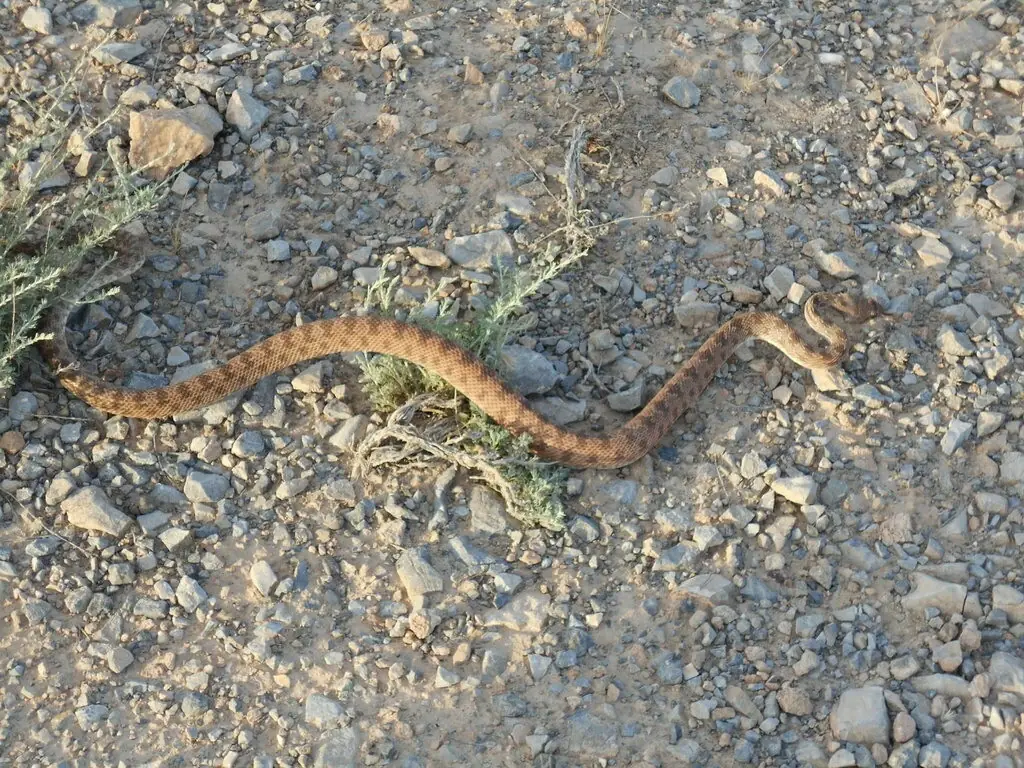
Spalerosophis diadema. Identification follows the linked source community.

013 · Colubridae

Diadem Snake, Royal Snake

Spalerosophis diadema

(SCHLEGEL, 1837)

Venom unknownNot yet assessed

The individual treatment explicitly lists Niger. No within-country region or coordinate is inferred from this country-level record. The current taxonomic treatment explicitly lists this country. This is country-scale checklist evidence, not a claim of continuous occupancy or a complete regional inventory. Trape & Mané (2015), account p. 47: examined…

Read the species account →

Askar Akhmedov · CC BY 4.0 · https://creativecommons.org/licenses/by/4.0/

ColubridaeTelescopusPhotograph not yet documented

014 · Colubridae

Species account

Telescopus tripolitanus

(WERNER, 1909)

Venom unknownNot yet assessed

Listed in the reviewed taxonomic treatment. The current taxonomic treatment explicitly lists this country. This is country-scale checklist evidence, not a claim of continuous occupancy or a complete regional inventory. Trape & Mané (2015), account p. 47: examined specimens from Aholé; Baboul; Karosofoua; Kéllé; Malbaza; Piliki; Saboulayi; Tarka Dakouara;…

Read the species account →

Explore all 49 country records →

The research library

Sources & the checklist.

This edition lists 49 species with supported country records from checked taxonomic treatments and cited field studies. It is not a claim of a complete national inventory. Each account retains its source and check date; individual evidence entries retain their own review dates.

Range and taxonomy review

Country links use a single accepted species identity. Revised names and disputed records are kept visible here; uncertain records do not enter the listed collection or regional totals.

Psammophis sibilans

Uncertain — excluded from the listed total

The checked treatment contains a conflicting, superseded or insufficiently corroborated country report. It is retained for review and excluded from positive counts; this is not an assertion of absence.

Source 1 ↗

Amblyodipsas unicolor

Uncertain — excluded from the listed total

The checked treatment contains a conflicting, superseded or insufficiently corroborated country report. It is retained for review and excluded from positive counts; this is not an assertion of absence.

Source 1 ↗

Eryx colubrinus

Uncertain — excluded from the listed total

The checked treatment contains a conflicting, superseded or insufficiently corroborated country report. It is retained for review and excluded from positive counts; this is not an assertion of absence.

Source 1 ↗

Myriopholis narirostris

Uncertain — excluded from the listed total

The checked treatment contains a conflicting, superseded or insufficiently corroborated country report. It is retained for review and excluded from positive counts; this is not an assertion of absence.

Source 1 ↗

Naja katiensis

Uncertain — excluded from the listed total

The checked treatment contains a conflicting, superseded or insufficiently corroborated country report. It is retained for review and excluded from positive counts; this is not an assertion of absence.

Source 1 ↗

Psammophis rukwae

Uncertain — excluded from the listed total

The checked treatment contains a conflicting, superseded or insufficiently corroborated country report. It is retained for review and excluded from positive counts; this is not an assertion of absence.

Source 1 ↗

Psammophis schokari

Uncertain — excluded from the listed total

The checked treatment contains a conflicting, superseded or insufficiently corroborated country report. It is retained for review and excluded from positive counts; this is not an assertion of absence.

Source 1 ↗

Telescopus variegatus

Uncertain — excluded from the listed total

The checked treatment contains a conflicting, superseded or insufficiently corroborated country report. It is retained for review and excluded from positive counts; this is not an assertion of absence.

Source 1 ↗

How the map and counts work

Search results were checked against distribution text and taxonomic qualifications. A geographic name alone does not establish a political country: New Guinea, the Solomon archipelago and Micronesia span more than one country or territory. Introduced and unresolved records require separate interpretation.

Place counts require explicit named localities, including valid type localities. Counts can overlap where sources name multiple places. Regional maps group historical boundary snapshots for navigation, while island outlines use Natural Earth; neither is a species range or an observation map. Small islands can be below the outline dataset’s resolution, so geographic reference markers and the directory remain available.

IPUMS DHS; geoBoundaries gbOpen ADM1, 2012 snapshot; Open Data Commons Open Database License 1.0. Map provenance →

Exclusions & qualifications (8)

Amblyodipsas unicolor

The checked treatment contains a conflicting, superseded or insufficiently corroborated country report. It is retained for review and excluded from positive counts; this is not an assertion of absence.

Read source 1 ↗

Eryx colubrinus

The checked treatment contains a conflicting, superseded or insufficiently corroborated country report. It is retained for review and excluded from positive counts; this is not an assertion of absence.

Read source 1 ↗

Myriopholis narirostris

The checked treatment contains a conflicting, superseded or insufficiently corroborated country report. It is retained for review and excluded from positive counts; this is not an assertion of absence.

Read source 1 ↗

Naja katiensis

The checked treatment contains a conflicting, superseded or insufficiently corroborated country report. It is retained for review and excluded from positive counts; this is not an assertion of absence.

Read source 1 ↗

Psammophis rukwae

The checked treatment contains a conflicting, superseded or insufficiently corroborated country report. It is retained for review and excluded from positive counts; this is not an assertion of absence.

Read source 1 ↗

Psammophis schokari

The checked treatment contains a conflicting, superseded or insufficiently corroborated country report. It is retained for review and excluded from positive counts; this is not an assertion of absence.

Read source 1 ↗

Psammophis sibilans

The checked treatment contains a conflicting, superseded or insufficiently corroborated country report. It is retained for review and excluded from positive counts; this is not an assertion of absence.

Read source 1 ↗

Telescopus variegatus

The checked treatment contains a conflicting, superseded or insufficiently corroborated country report. It is retained for review and excluded from positive counts; this is not an assertion of absence.

Read source 1 ↗
  1. Boundary source and declared group membership ↗

    Historical geography and navigation only.

  2. Convention on Biological Diversity · Niger national profile ↗

    Historical draft prepared by the CBD Secretariat; awaiting Party approval. Used for landscape context; older statistics are not presented as current monitoring or a snake inventory.

  3. UNESCO · W–Arly–Pendjari Complex ↗

    Savanna and riverine forest in the trinational protected-area complex.

  4. Trape & Mané (2015) · The snakes of Niger ↗

    Table 1 and individual specimen accounts, pp. 40–48; no countrywide-to-region inference.

  5. Niger statistics institute · Commune register ↗

    Named-town administrative geography only; no new snake occurrence evidence.

  6. Map boundaries, snapshot and group membership ↗
  7. Convention on Biological Diversity · Niger national profile ↗
  8. UNESCO · W–Arly–Pendjari Complex ↗
  9. The Reptile Database

    Individual treatments and locality evidence are linked from each species account.

  10. Meiri (2024): SquamBase 1.0

    Species-level literature measurements and ecological traits. Exact-name matches only; imputed or ambiguous fields are omitted. These summaries are not local observations.

  11. Natural Earth: public-domain geographic data

Continue through the Africa atlas →