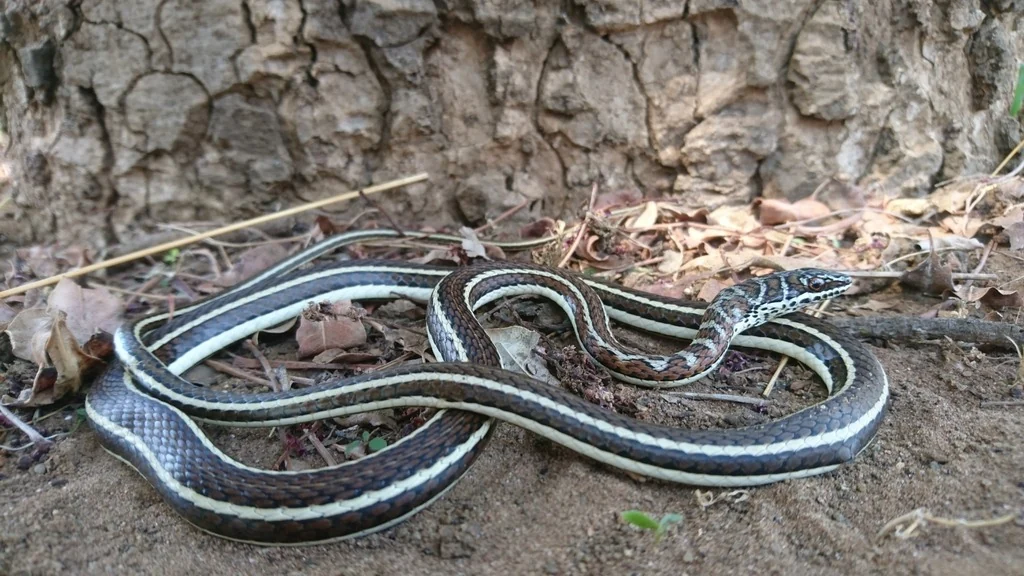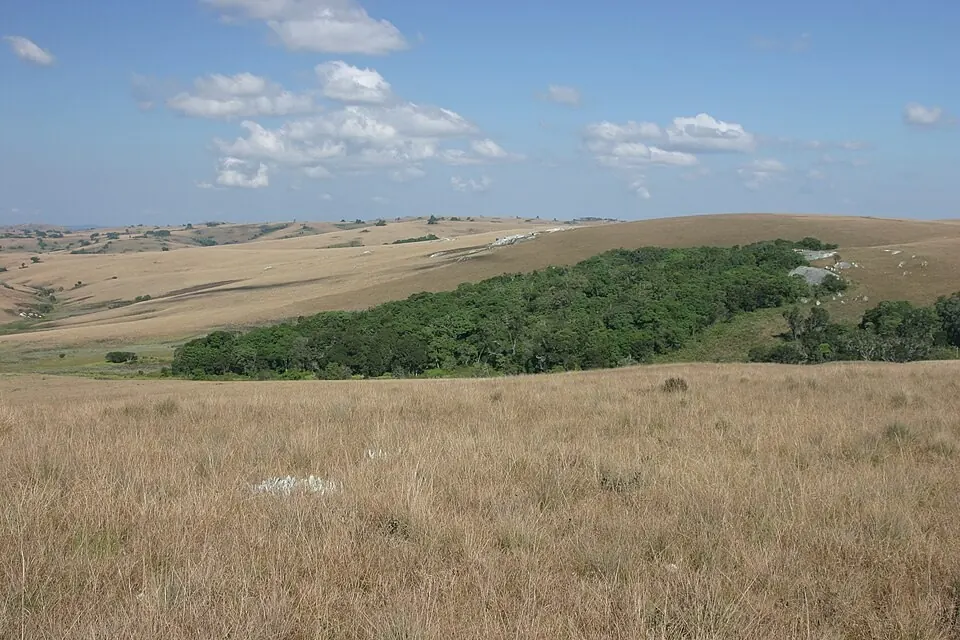
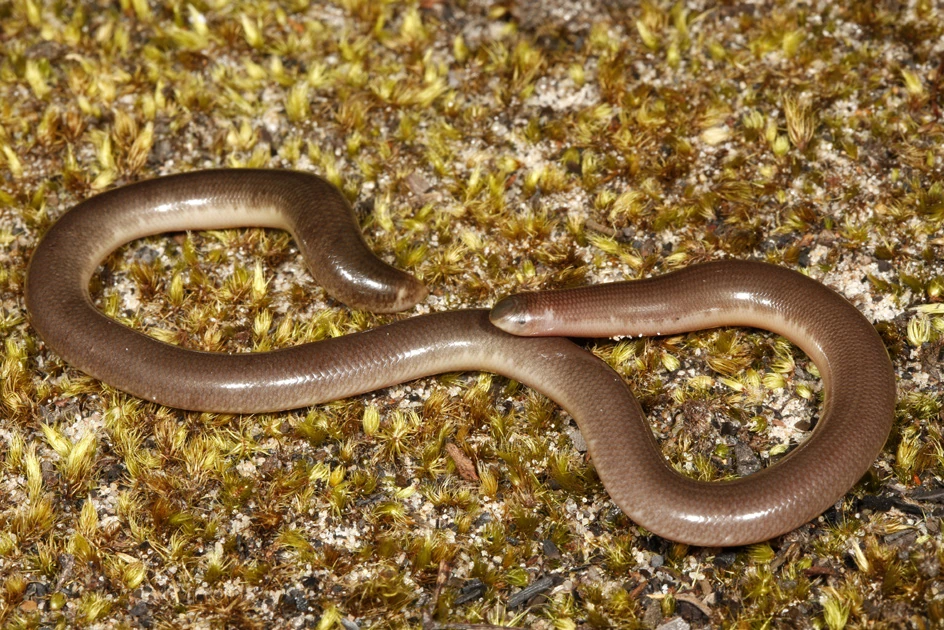
A patch of afromontane forest within the grassland mosaic of the Nyika Plateau, Malawi.

Malawi · Habitat field guide

Forest & woodland

The national account describes forest reserves and degradation of tree cover around them. A reserve name is not a guarantee of continuous forest.

A patch of afromontane forest within the grassland mosaic of the Nyika Plateau, Malawi.

Photograph: Dr. Thomas Wagner, Environmental and Agricultural Consulting and Research · Image source · CC BY-SA 3.0. Cropped to fill the hero; darkened for text legibility.

Understanding the environment

A sense of the habitat.

The national account describes forest reserves and degradation of tree cover around them. A reserve name is not a guarantee of continuous forest.

Geographic scope
Malawi; named examples and source scope matter.
Evidence scale
Landscape context is separate from species locality evidence.
Source chronology
Consult the original publication date; checked 12 October 2026.

Explore the structure · Select a layer to compare the details a locality record can preserve.

Read the setting in three layers.

Select a zone to see what changes.

Tree cover

Tree cover

Separate closed forest, open woodland and planted trees.

Compare this detail with the original field or museum record before assigning a habitat association.

These reading prompts explain how to interpret evidence; they do not assert that every feature occurs at every site.

Sources: Convention on Biological Diversity · Malawi national profile

Field notes · 01

The documented landscape

The national account describes forest reserves and degradation of tree cover around them. A reserve name is not a guarantee of continuous forest.

Sources: Convention on Biological Diversity · Malawi national profile

Field notes · 02

Connect habitat and locality

Use the species account to check whether a habitat statement applies to this country or elsewhere in the species’ range. A landscape photograph illustrates its own named place; it is not evidence of snake presence.

Pressures on Malawi’s habitats

What is at risk?

A site-specific assessment of pressures has not yet been extracted for this guide. The landscape sources below provide context; they do not establish a current threat level for each snake species.

What helps this habitat

Retain natural vegetation and water connections where local conservation evidence supports them. Consult the linked national or site account for the pressures and management actions actually reported there.

The connected collection

Snakes with habitat evidence.

These 28 species have supported country occurrence and an explicit habitat association in the shared account. The association may come from elsewhere in their range. This is not a complete local habitat inventory; the places above are landscape examples, not asserted collecting sites.

28 species · showing 24

Afrotyphlops angolensis. Photographed alive. Figure 5, PEM R23357, en route to Cuito River source, Angola. Conradie et al. (2021), Amphibian & Reptile Conservation 15(2): 244–278 (e292). No new occurrence record is inferred.

001 · Typhlopidae

Angola blind snake

Afrotyphlops angolensis

(BOCAGE, 1866)

Non-venomous

The current taxonomic treatment explicitly lists this country. This is country-scale checklist evidence, not a claim of continuous occupancy or a complete regional inventory.

Read the species account →

Werner Conradie · CC BY 4.0 · https://creativecommons.org/licenses/by/4.0/
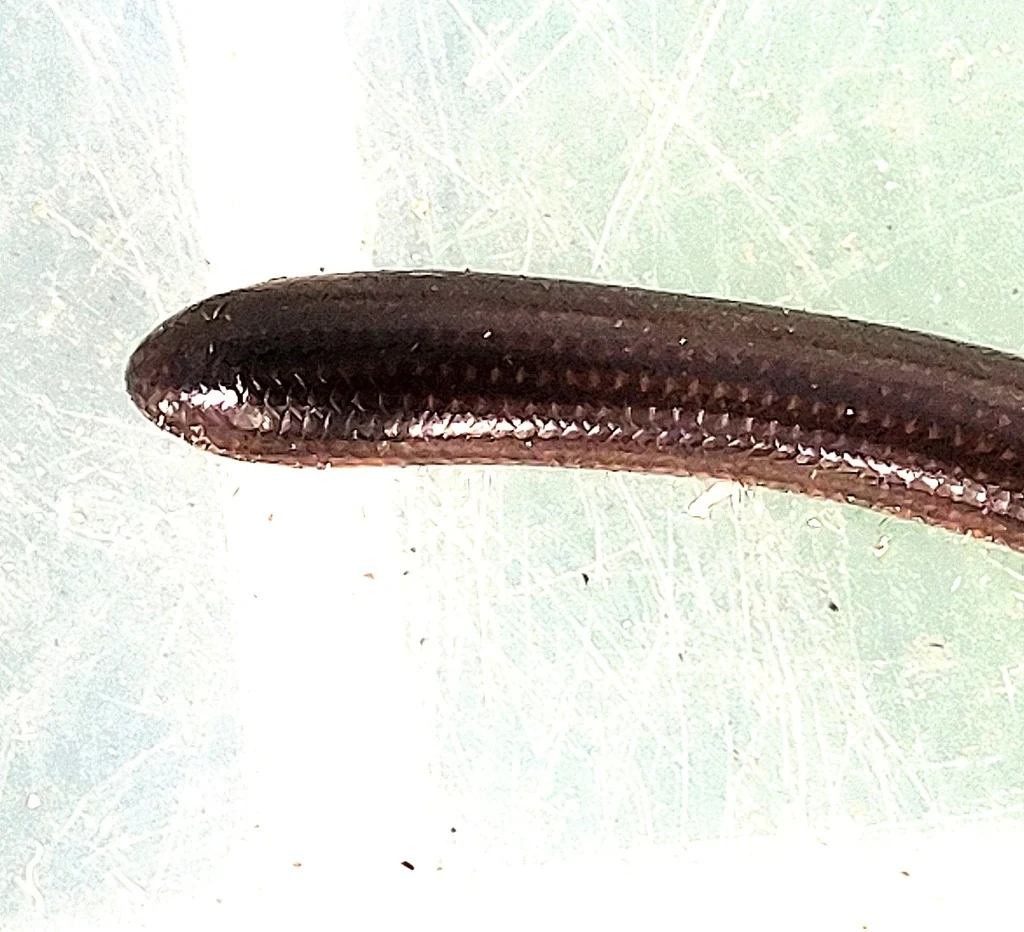
Afrotyphlops obtusus, photographed 2024-11-14. Identification follows the linked research-grade observation.

002 · Typhlopidae

Southern gracile blind-snake, Slender Blind Snake

Afrotyphlops obtusus

(PETERS, 1865)

Non-venomous

The current taxonomic treatment explicitly lists this country. This is country-scale checklist evidence, not a claim of continuous occupancy or a complete regional inventory.

Read the species account →

Eric (iNaturalist contributor) · CC0 1.0 · https://creativecommons.org/publicdomain/zero/1.0/

Afrotyphlops schmidti from Lungwebungu River, Angola. Fig. 6 in Conradie et al. (2021), Amphibian & Reptile Conservation 15(2):244–278.

003 · Typhlopidae

Schmidt’s blind-snake

Afrotyphlops schmidti

(LAURENT, 1956)

Non-venomous

The current taxonomic treatment explicitly lists this country. This is country-scale checklist evidence, not a claim of continuous occupancy or a complete regional inventory.

Read the species account →

Werner Conradie · CC BY 4.0 · https://creativecommons.org/licenses/by/4.0/
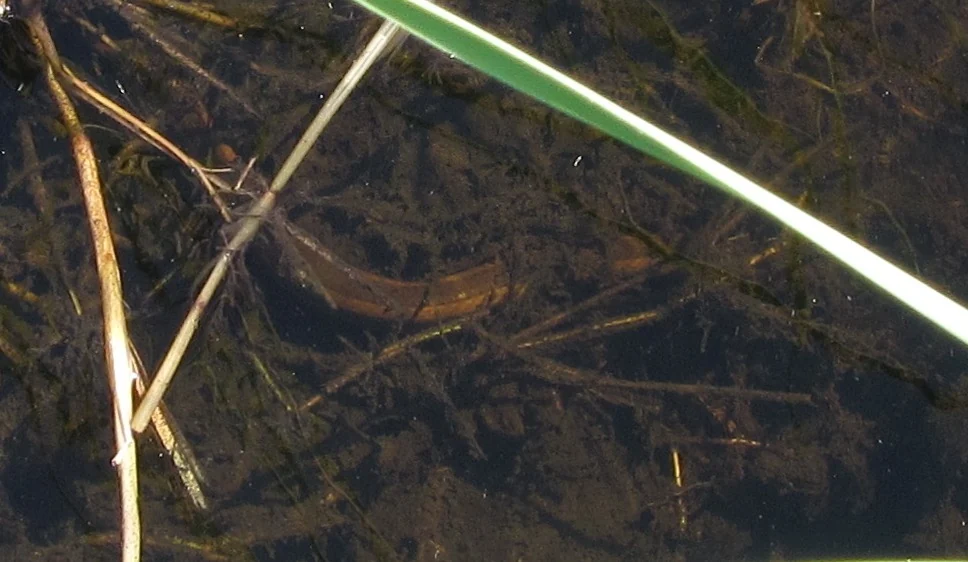
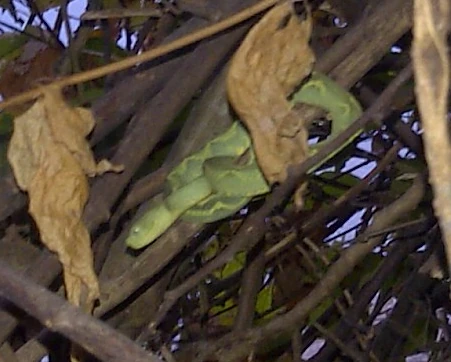
Atheris rungweensis. Photographed alive. Source community identification; no new geographic occurrence record is inferred.

005 · Viperidae

Mt Rungwe bush viper

Atheris rungweensis

BOGERT, 1940

VenomousClinical severity not established

The current taxonomic treatment explicitly lists this country. This is country-scale checklist evidence, not a claim of continuous occupancy or a complete regional inventory. Northern Region: observation GBIF 6185447765 (2025). The original iNaturalist entry was rechecked for research-grade identification, wild status and unrestricted coordinates; its…

Read the species account →

Eric Matthews · CC BY 4.0 · https://creativecommons.org/licenses/by/4.0/
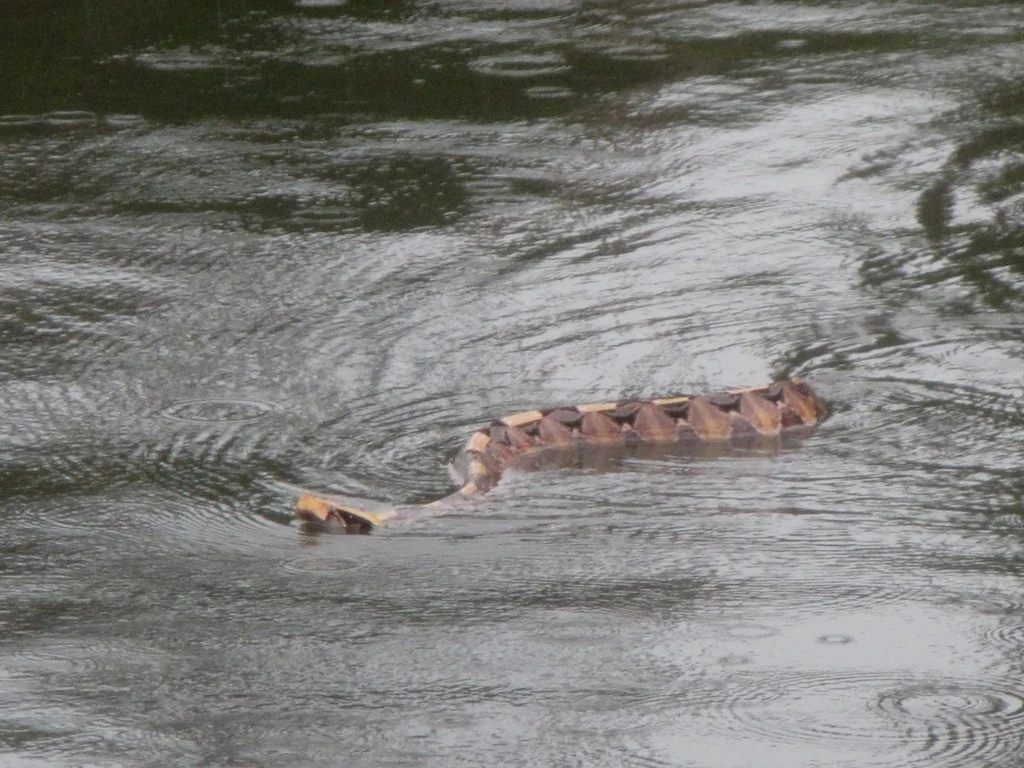
Bitis gabonica; Lake Tissongo, Cameroon; photographed 2016-05-18.

006 · Viperidae

Gaboon Adder, Gaboon Viper

Bitis gabonica

(DUMÉRIL, BIBRON & DUMÉRIL, 1854)

VenomousClinical severity not established

The current taxonomic treatment explicitly lists this country. This is country-scale checklist evidence, not a claim of continuous occupancy or a complete regional inventory.

Read the species account →

Lucy Keith-Diagne · CC BY 4.0 · https://creativecommons.org/licenses/by/4.0/
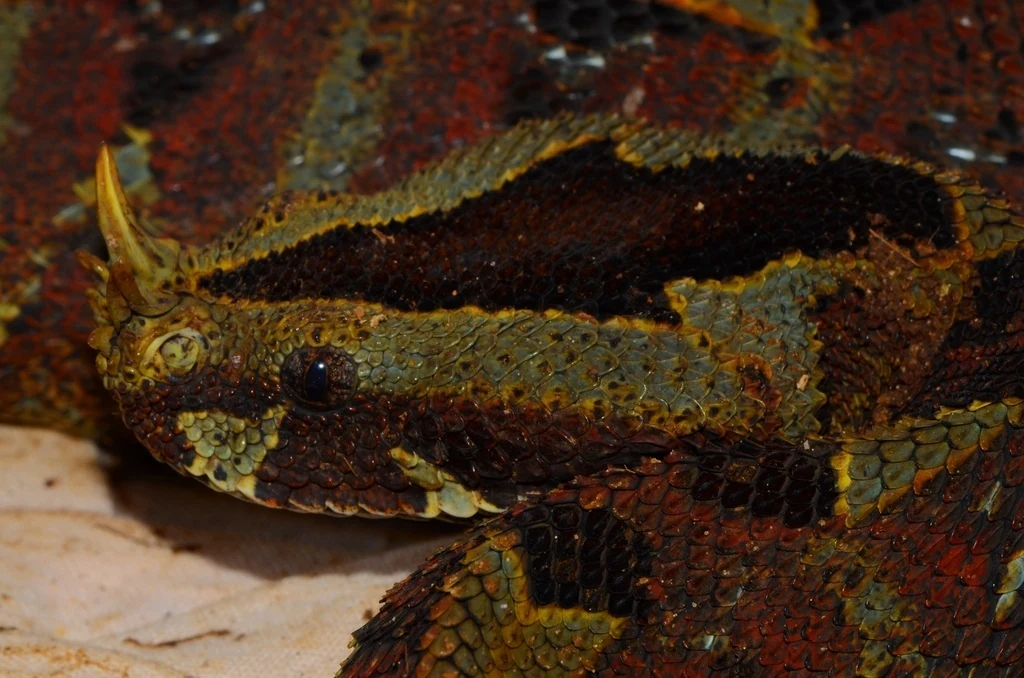
Bitis nasicornis, photographed 2012-10-08. Identification follows the linked research-grade observation.

007 · Viperidae

Rhinoceros Viper

Bitis nasicornis

(SHAW & NODDER, 1792)

VenomousClinical severity not established

The current taxonomic treatment explicitly lists this country. This is country-scale checklist evidence, not a claim of continuous occupancy or a complete regional inventory.

Read the species account →

Marius Burger (iNaturalist contributor) · CC0 1.0 · https://creativecommons.org/publicdomain/zero/1.0/

Boaedon fradei from Quembo River source, Angola. Fig. 25 in Conradie et al. (2021), Amphibian & Reptile Conservation 15(2):244–278.

008 · Lamprophiidae

Frade’s Brown House Snake

Boaedon fradei

HALLERMANN, CERÍACO, SCHMITZ, ERNST, CONRADIE, VERBURGT, MARQUES & BAUER, 2020

Non-venomous

The current taxonomic treatment explicitly lists this country. This is country-scale checklist evidence, not a claim of continuous occupancy or a complete regional inventory.

Read the species account →

Werner Conradie · CC BY 4.0 · https://creativecommons.org/licenses/by/4.0/
Crotaphopeltis hotamboeia; Campher's Drift, George, 6529, South Africa; photographed 2023-10-13.

009 · Colubridae

White-lipped Herald Snake, Red-lipped Snake

Crotaphopeltis hotamboeia

(LAURENTI, 1768)

Venom unknownNot yet assessed

The current taxonomic treatment explicitly lists this country. This is country-scale checklist evidence, not a claim of continuous occupancy or a complete regional inventory. Central Region: observation GBIF 6519698907 (2026). The original iNaturalist entry was rechecked for research-grade identification, wild status and unrestricted coordinates; its…

Read the species account →

no rights reserved · CC0 · https://creativecommons.org/publicdomain/zero/1.0/

Dasypeltis confusa. Photographed through a transparent container in Angola; this is a handled specimen portrait. Original observation dated 2024-10-30; this portrait does not establish occurrence in other countries.

010 · Colubridae

Diamond-back Egg-eater, Confusing Egg Eater

Dasypeltis confusa

TRAPE & MANÉ, 2006

Venom unknownNot yet assessed

The current taxonomic treatment explicitly lists this country. This is country-scale checklist evidence, not a claim of continuous occupancy or a complete regional inventory.

Read the species account →

Robert Taylor · CC BY 4.0 · https://creativecommons.org/licenses/by/4.0/
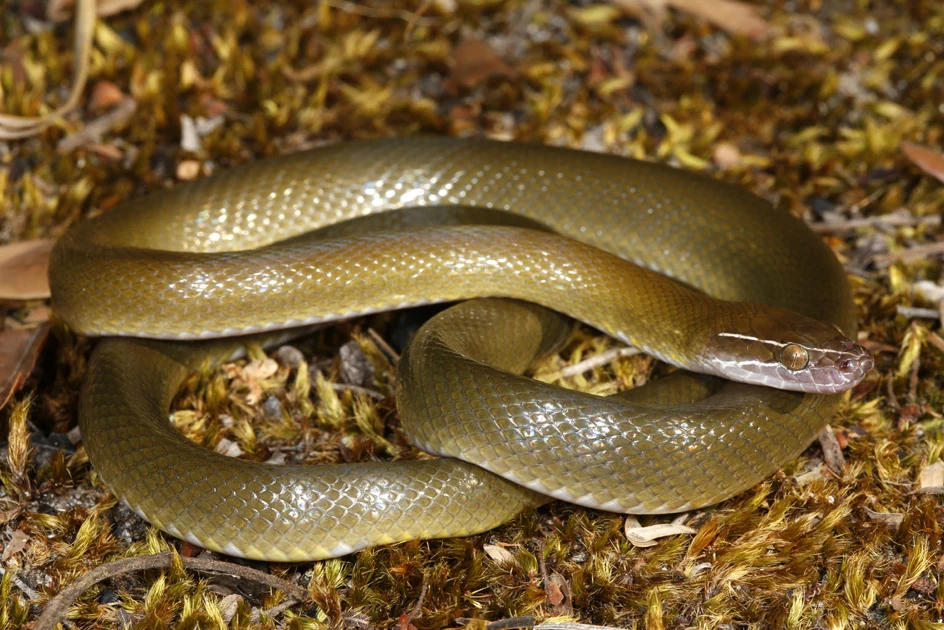
Dasypeltis medici; Eastern Shores, isimangaliso Wetland Park; photographed 2019-03-30.

011 · Colubridae

Eastern Forest Egg-eater, East African Egg Eater

Dasypeltis medici

BIANCONI, 1859

Venom unknownNot yet assessed

The current taxonomic treatment explicitly lists this country. This is country-scale checklist evidence, not a claim of continuous occupancy or a complete regional inventory.

Read the species account →

Nick Schaller · CC BY 4.0 · https://creativecommons.org/licenses/by/4.0/
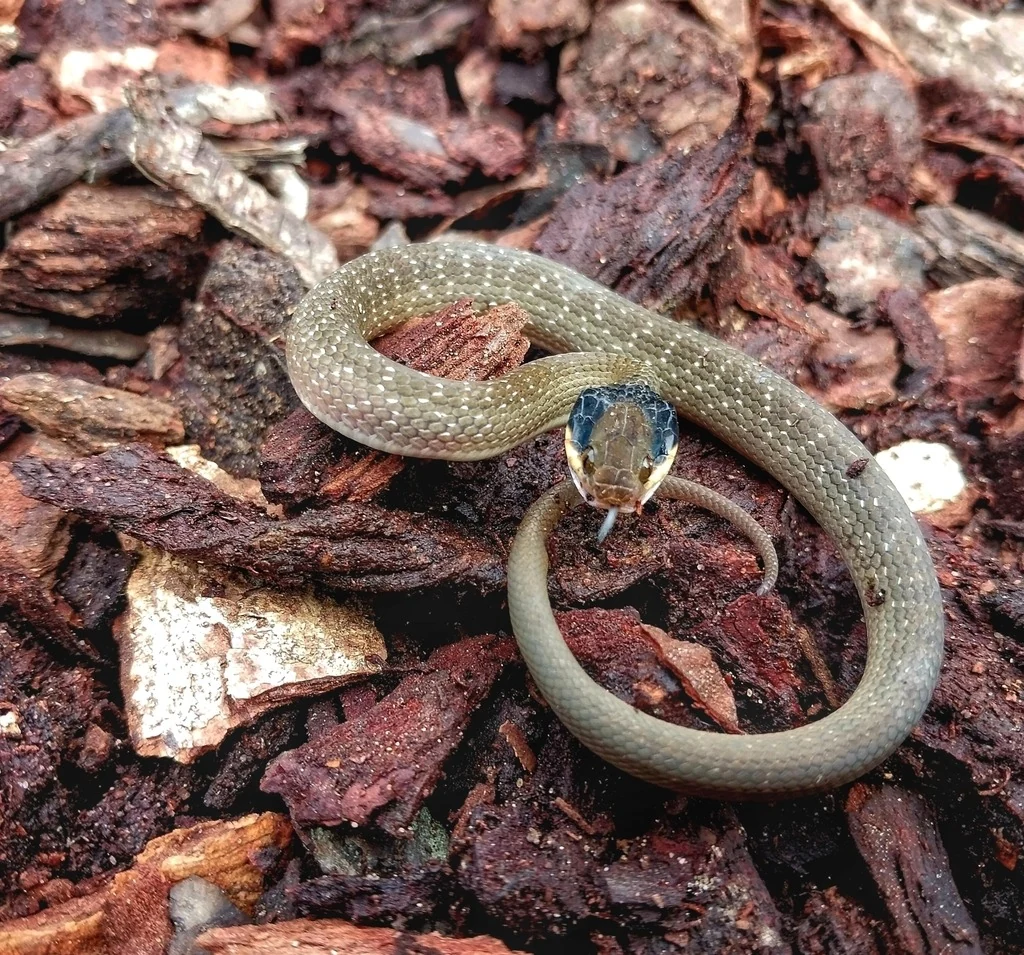
Dendroaspis angusticeps, photographed 2022-02-12. Identification follows the linked research-grade observation.

012 · Elapidae

Green Mamba

Dendroaspis angusticeps

(SMITH, 1849)

VenomousClinical severity not established

The current taxonomic treatment explicitly lists this country. This is country-scale checklist evidence, not a claim of continuous occupancy or a complete regional inventory.

Read the species account →

Ewout Knoester · CC BY-SA 4.0 · https://creativecommons.org/licenses/by-sa/4.0/

Dendroaspis jamesoni, photographed 2025-06-28. Identification follows the linked research-grade observation.

013 · Elapidae

Jameson’s (Green) Mamba

Dendroaspis jamesoni

(TRAILL, 1843)

VenomousClinical severity not established

The current taxonomic treatment explicitly lists this country. This is country-scale checklist evidence, not a claim of continuous occupancy or a complete regional inventory.

Read the species account →

Kristof Zyskowski · CC BY 4.0 · https://creativecommons.org/licenses/by/4.0/
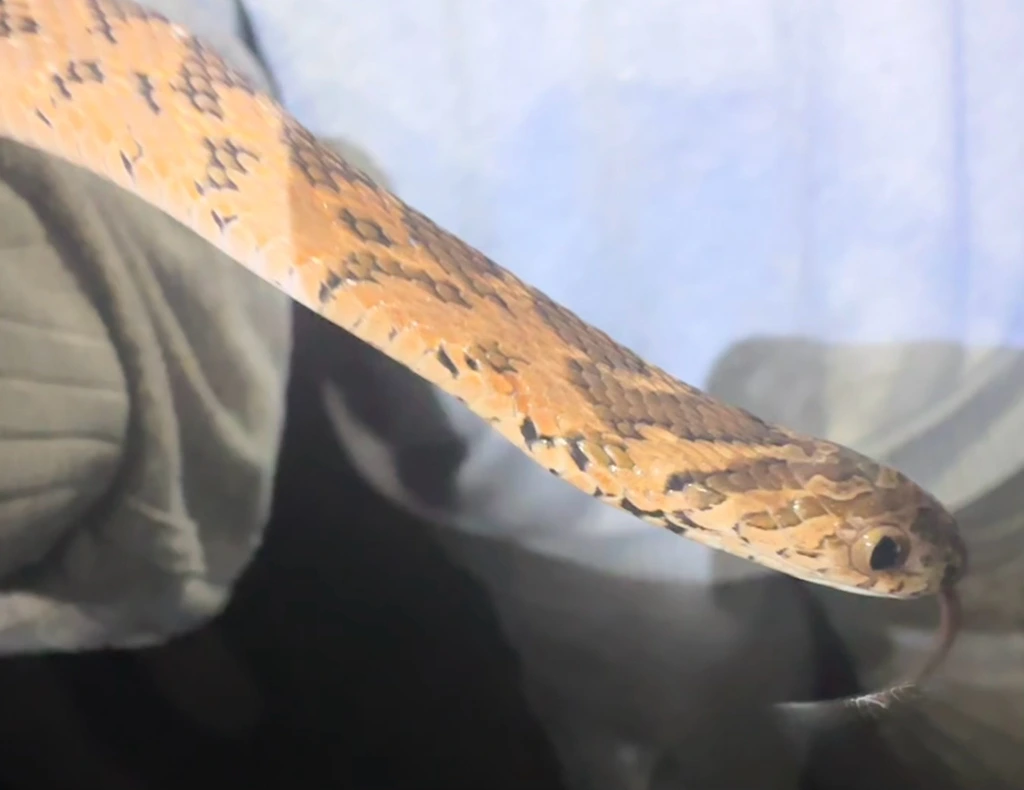
Grayia ornata; Madingo-Kayes, CG-KO, CG; photographed 2012-05-08.

014 · Colubridae

Ornate African Water Snake

Grayia ornata

(BOCAGE, 1866)

Venom unknownNot yet assessed

The current taxonomic treatment explicitly lists this country. This is country-scale checklist evidence, not a claim of continuous occupancy or a complete regional inventory.

Read the species account →

no rights reserved · CC0 · https://creativecommons.org/publicdomain/zero/1.0/

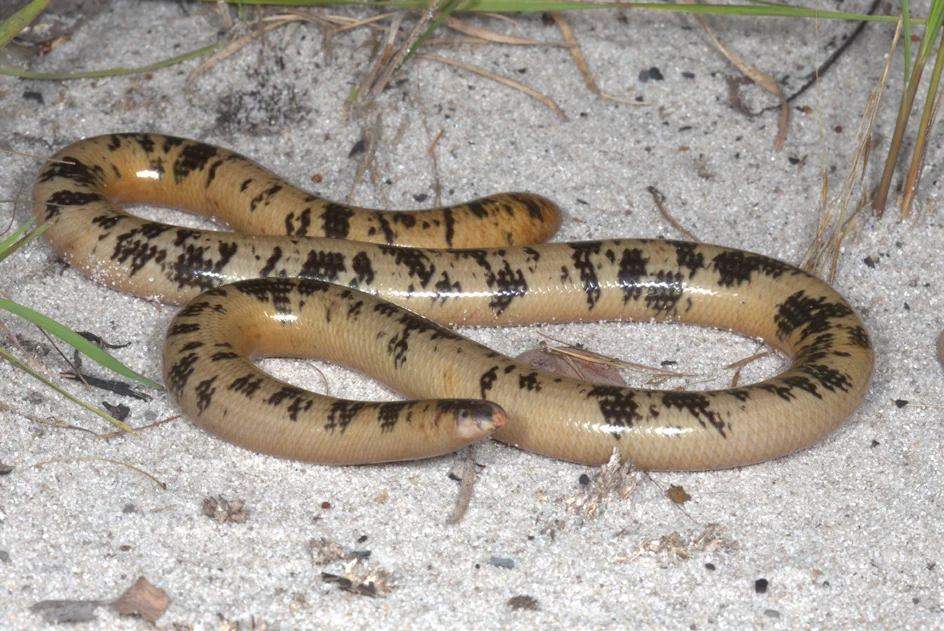
Leptotyphlops kafubi. Photographed while held in Zambia. The identifying reviewer documented the discrete prefrontal scale. Original observation dated 2023-06-06; this portrait does not establish occurrence in other countries.

015 · Leptotyphlopidae

Shaba thread snake

Leptotyphlops kafubi

(BOULENGER, 1919)

Non-venomous

The current taxonomic treatment explicitly lists this country. This is country-scale checklist evidence, not a claim of continuous occupancy or a complete regional inventory.

Read the species account →

Mahomed Desai · CC BY 4.0 · https://creativecommons.org/licenses/by/4.0/
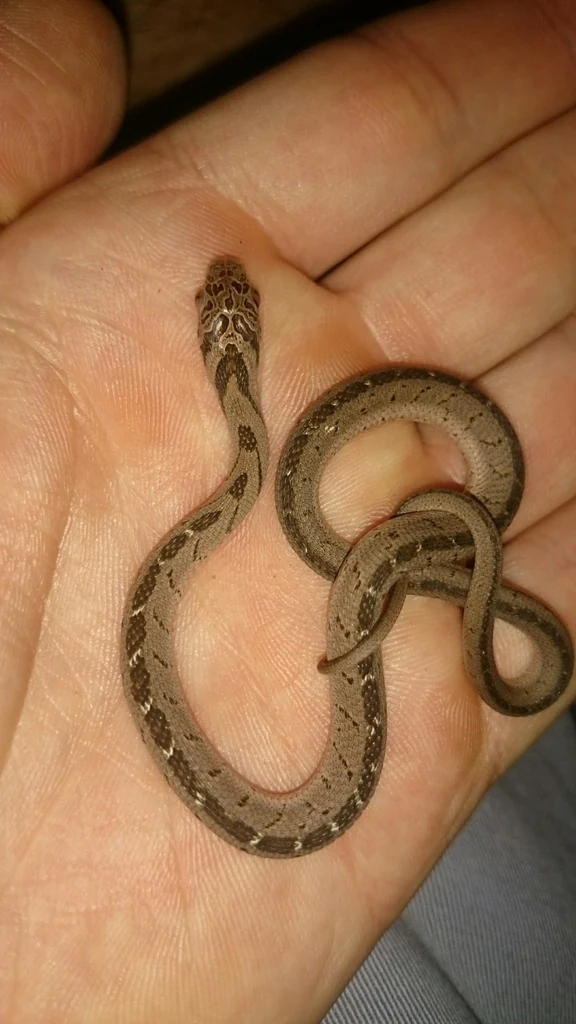
Mehelya poensis; Lekoko, Gabon; photographed 2022-10-08.

016 · Lamprophiidae

Western Forest File Snake

Mehelya poensis

(SMITH, 1849)

Non-venomous

The current taxonomic treatment explicitly lists this country. This is country-scale checklist evidence, not a claim of continuous occupancy or a complete regional inventory.

Read the species account →

Ryan van Huyssteen · CC BY 4.0 · https://creativecommons.org/licenses/by/4.0/
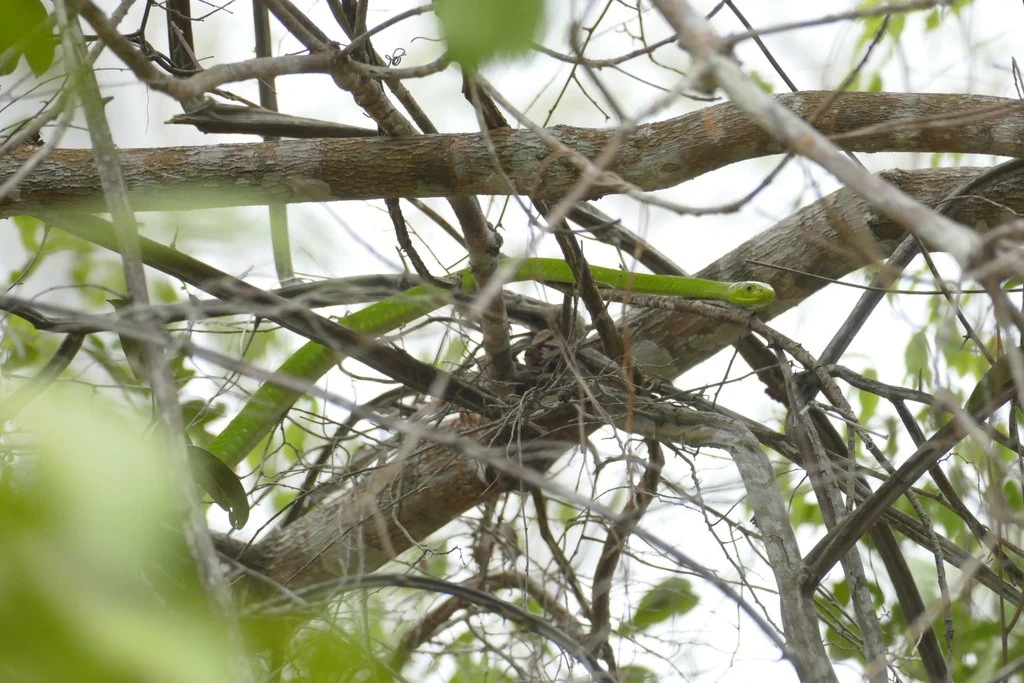
Naja subfulva; Katunguru Queen Elizabeth National Park, Katunguru, Uganda; photographed 2023-03-05.

018 · Elapidae

Brown forest cobra

Naja subfulva

LAURENT, 1955

VenomousClinical severity not established

The current taxonomic treatment explicitly lists this country. This is country-scale checklist evidence, not a claim of continuous occupancy or a complete regional inventory.

Read the species account →

Sidnei Dantas · CC BY-SA 4.0 · https://creativecommons.org/licenses/by-sa/4.0/

Natriciteres olivacea; Ngamiland North, Botswana; photographed 2018-12-15.

019 · Colubridae

Olive Marsh Snake

Natriciteres olivacea

(PETERS, 1854)

Venom unknownNot yet assessed

The current taxonomic treatment explicitly lists this country. This is country-scale checklist evidence, not a claim of continuous occupancy or a complete regional inventory. Central Region: observation GBIF 6184789998 (2025). The original iNaturalist entry was rechecked for research-grade identification, wild status and unrestricted coordinates; its…

Read the species account →

Robert Taylor · CC BY 4.0 · https://creativecommons.org/licenses/by/4.0/
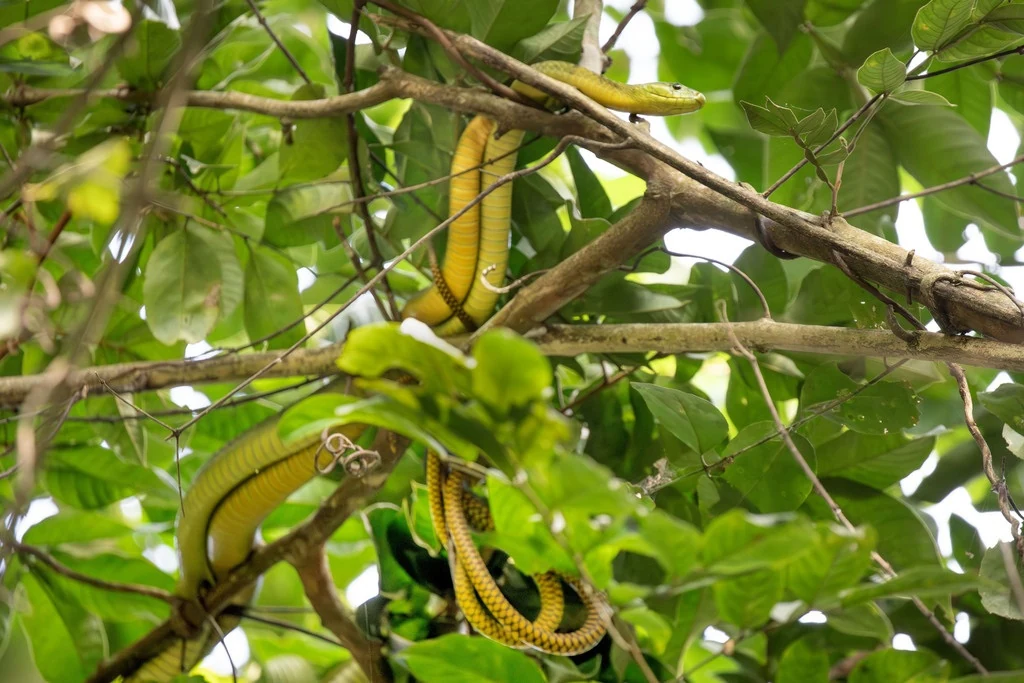
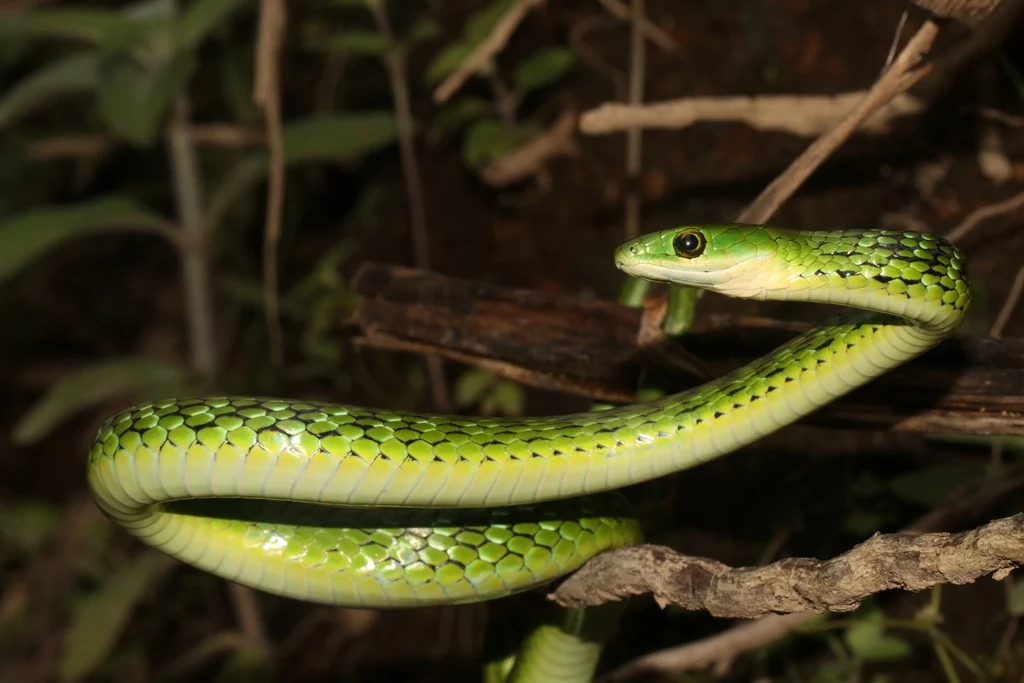
Philothamnus angolensis; Rungwe, Tanzania; photographed 2024-04-28.

020 · Colubridae

Angola Green Snake, Western Green Snake

Philothamnus angolensis

BOCAGE, 1882

Venom unknownNot yet assessed

The current taxonomic treatment explicitly lists this country. This is country-scale checklist evidence, not a claim of continuous occupancy or a complete regional inventory. Central Region: museum voucher MCZ R-51117 (1949). The museum record's reported coordinate uncertainty footprint lies within the mapped region. Central Region: observation GBIF…

Read the species account →

Ryan van Huyssteen · CC BY 4.0 · https://creativecommons.org/licenses/by/4.0/
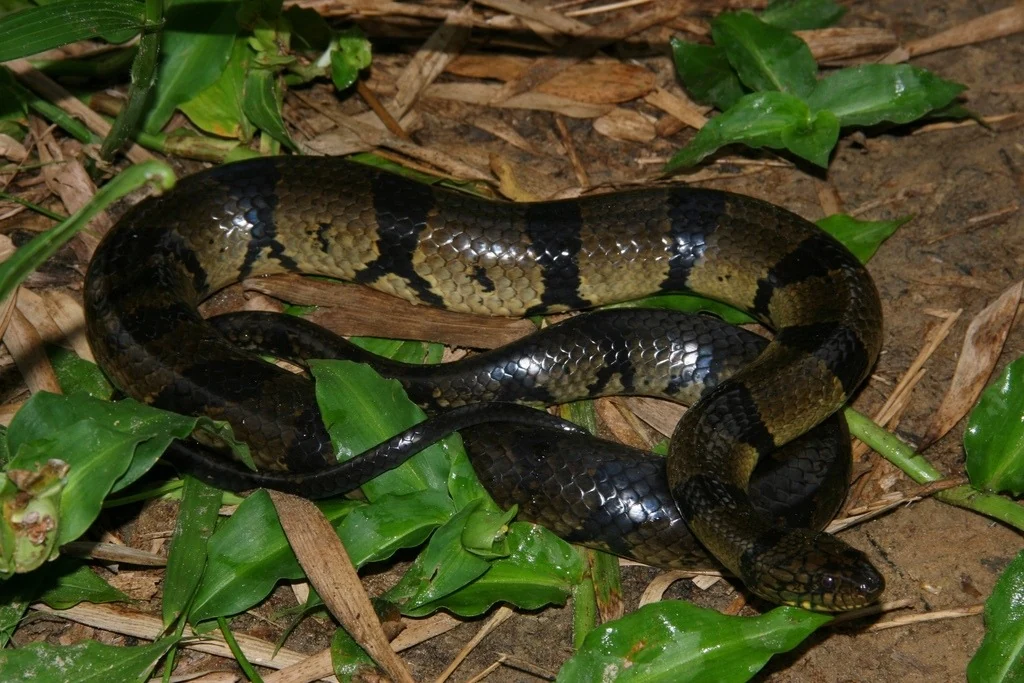
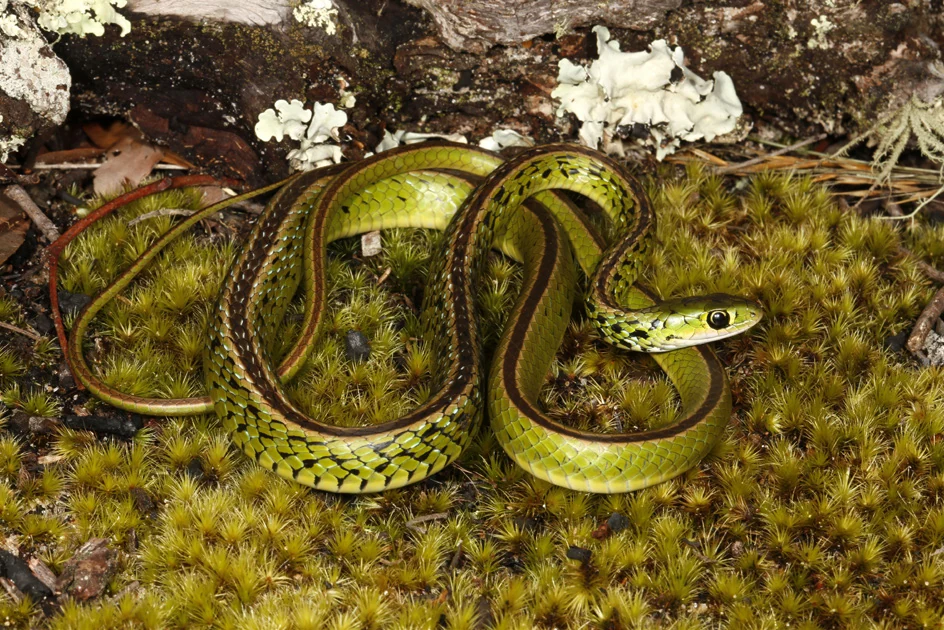
Philothamnus ornatus from Cuito River source, Angola. Fig. 15 in Conradie et al. (2021), Amphibian & Reptile Conservation 15(2):244–278.

021 · Colubridae

Ornate Green Snake

Philothamnus ornatus

BOCAGE, 1872

Venom unknownNot yet assessed

The current taxonomic treatment explicitly lists this country. This is country-scale checklist evidence, not a claim of continuous occupancy or a complete regional inventory.

Read the species account →

Werner Conradie · CC BY 4.0 · https://creativecommons.org/licenses/by/4.0/
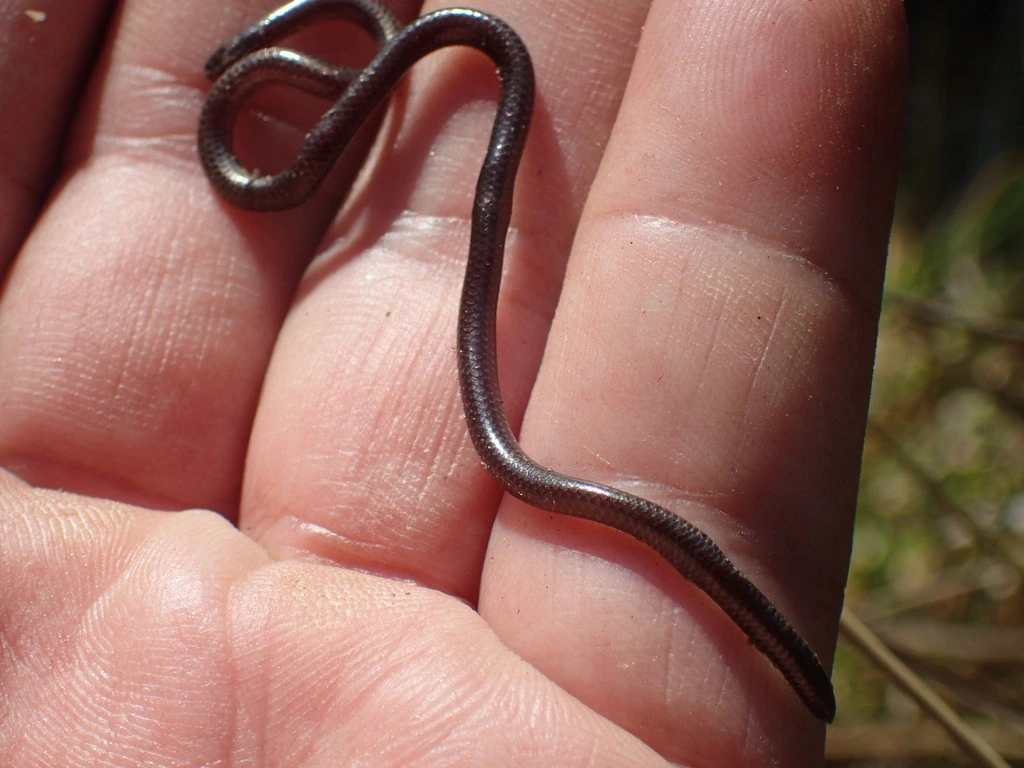
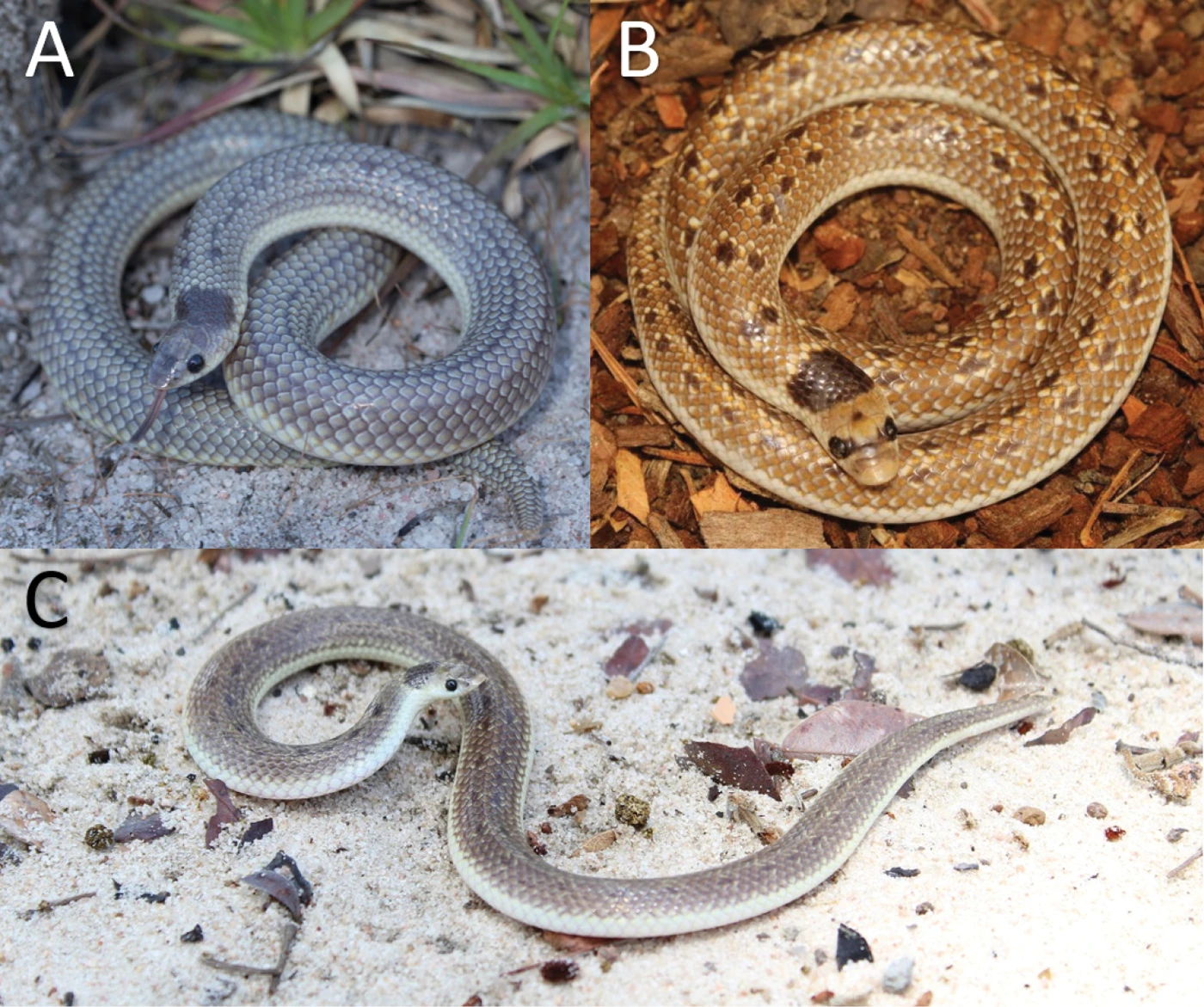
Conradie et al. (2022), Figure 4: documented colour variation in Prosymna angolensis from Tundavala (A), Grootfontein (B) and Bicuar National Park (C). All three panels identify the same revised species.

023 · Prosymnidae

Angolan Shovel-snout snake

Prosymna angolensis

BOULENGER, 1915

Venom unknownNot yet assessed

The current taxonomic treatment explicitly lists this country. This is country-scale checklist evidence, not a claim of continuous occupancy or a complete regional inventory.

Read the species account →

Justin R. Nicolau (A); Francois Theart (B); Ninda L. Baptista (C) · CC BY 4.0 · https://creativecommons.org/licenses/by/4.0/
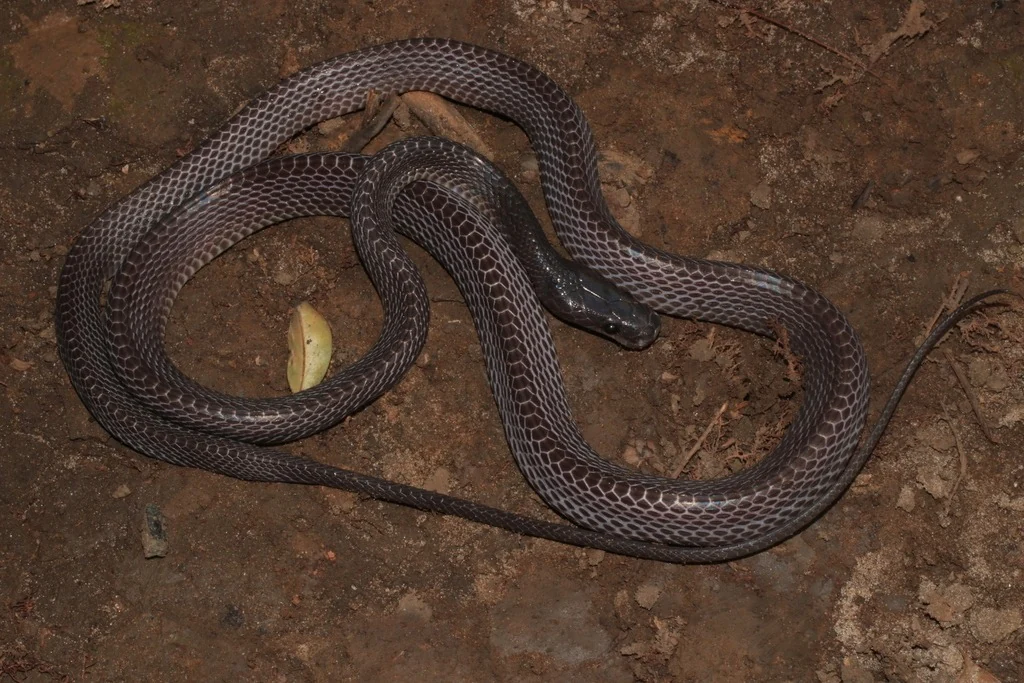
Psammophis subtaeniatus; Mkhuze Game Reserve; photographed 2019-10-20.

024 · Psammophiidae

Western Yellow-bellied Sand Snake, Stripe-bellied Sand Snake

Psammophis subtaeniatus

PETERS, 1882

VenomousClinical severity not established

The current taxonomic treatment explicitly lists this country. This is country-scale checklist evidence, not a claim of continuous occupancy or a complete regional inventory.

Read the species account →

Nick Schaller · CC BY 4.0 · https://creativecommons.org/licenses/by/4.0/
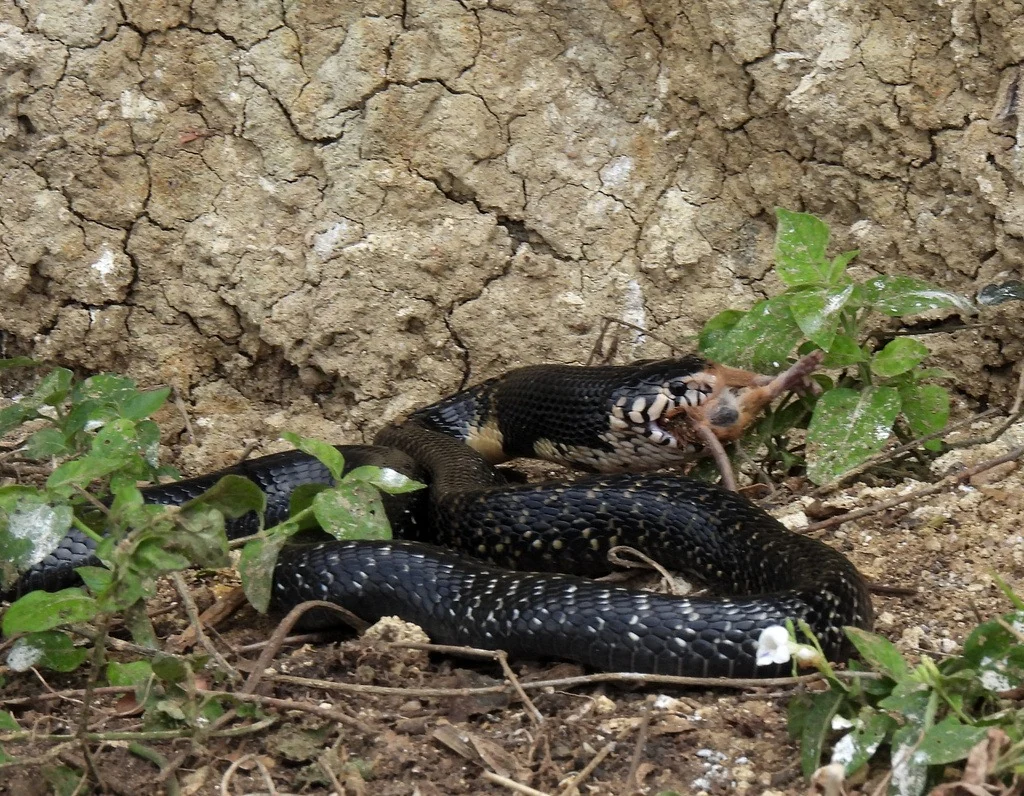
All 117 species in the country collection →

Read further

Evidence & sources.

Guide reviewed 12 October 2026. Source dates and geographic scope matter; landscape photographs do not establish species occurrence.

  1. Convention on Biological Diversity · Malawi national profile

    National biodiversity profile based on the reporting sources identified by the CBD. Used for landscape context; older statistics are not presented as current monitoring or a snake inventory.

Continue through Malawi

Explore another habitat.

01

Rivers, lakes & wetlands

Lake Chilwa can undergo major drying episodes. Water levels, catchment condition and observation date are essential context for wetland records.