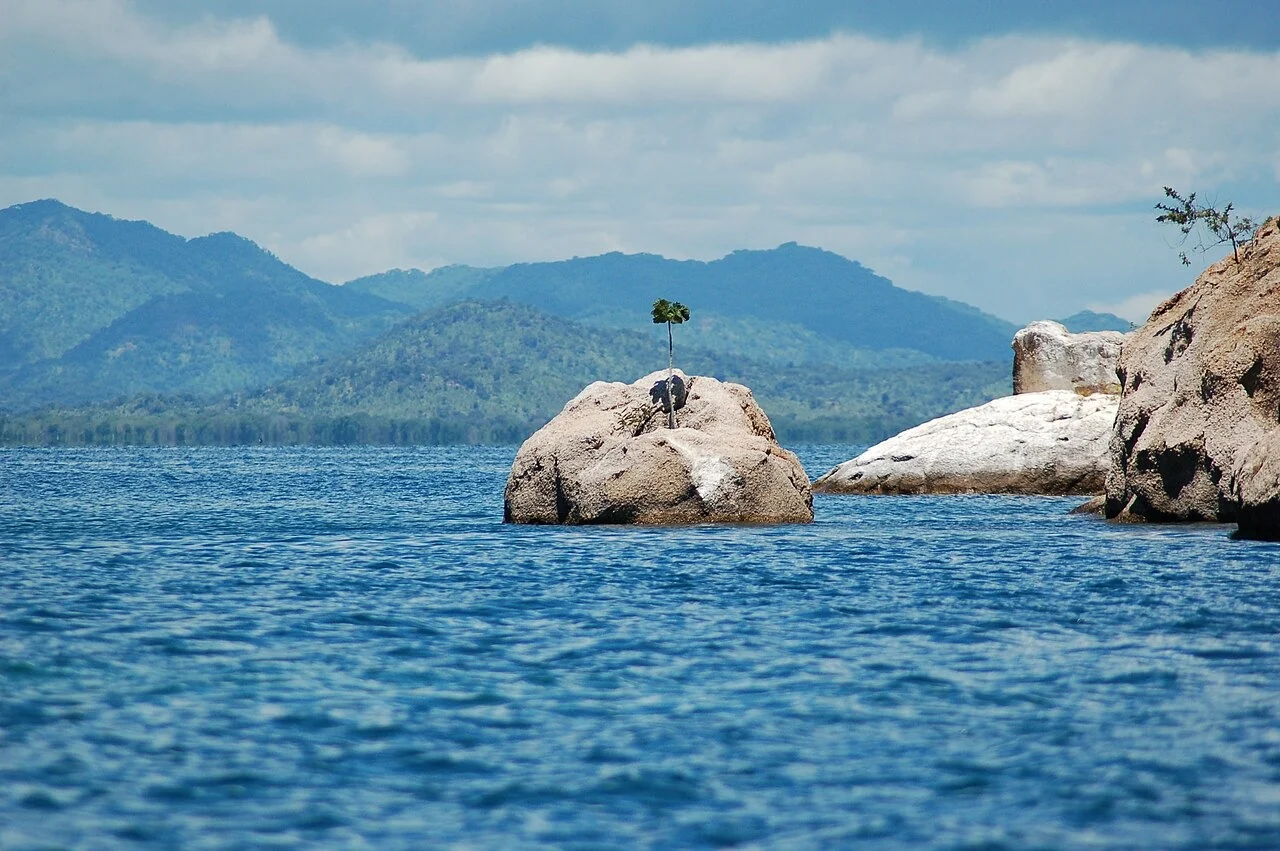
Lake Malawi at Cape Maclear, Malawi.

Malawi · The country atlas

Malawi

Malawi connects forested land and uplands with lakes, catchments and other aquatic landscapes.

117species with extracted evidence
12families
3region guides

Lake Malawi at Cape Maclear, Malawi.

Photograph: Joachim Huber from Switzerland · Image source · CC BY-SA 2.0. Cropped to fill the hero; darkened for text legibility.

Geography & biotopes

Discover Malawi.

Malawi connects forested land and uplands with lakes, catchments and other aquatic landscapes.

Historical administrative outlines are grouped for navigation. They are not ecological boundaries, species ranges or a statement of present administrative arrangements.

Map boundaries, snapshot and group membership →

Convention on Biological Diversity · Malawi national profile →

Geography is part of the record

Find your way through Malawi.

Select a named region to open its evidence page. The complete directory below keeps every guide accessible, including places where locality evidence has not yet been extracted.

20 of 117 listed species have at least one indexed region record. 97 remain country-only. Even a nonzero count is not a complete regional inventory.

Habitats & living landscapes

Explore the living
landscapes.

Explore 2 guides to the environments, places and conservation pressures that shape this country. Each guide connects to the regional map and shared species accounts.

Landscape photographs & credits

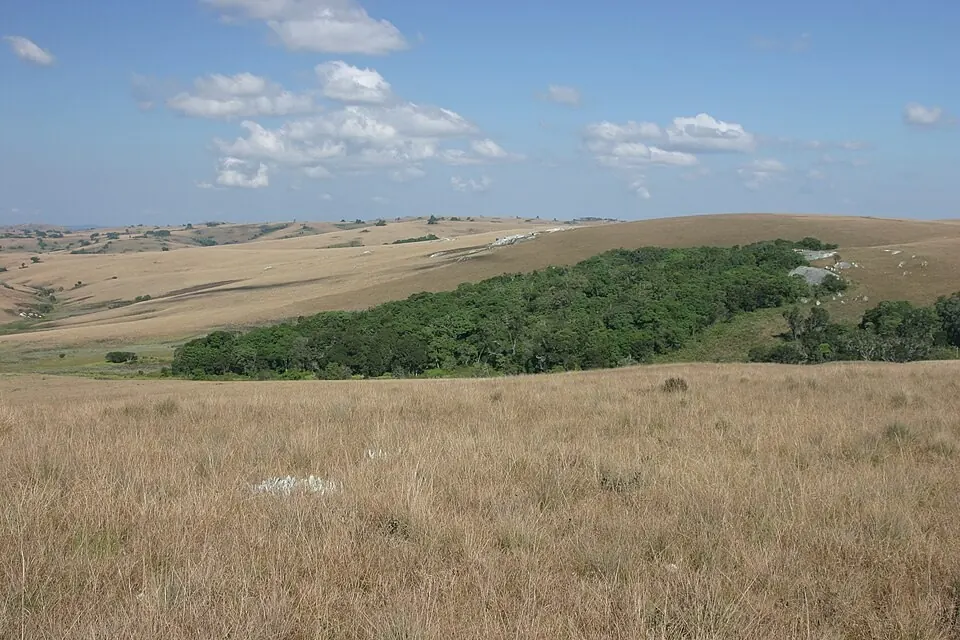
A patch of afromontane forest within the grassland mosaic of the Nyika Plateau, Malawi. — Dr. Thomas Wagner, Environmental and Agricultural Consulting and Research. Original photograph · CC BY-SA 3.0. Cropped for the cards; photographs do not establish snake occurrence.

Lake Malawi at Cape Maclear, Malawi. — Joachim Huber from Switzerland. Original photograph · CC BY-SA 2.0. Cropped for the cards; photographs do not establish snake occurrence.

The species catalogue

Meet the snakes of Malawi.

Search scientific names, historical names, common names and families. Every card opens one shared account across its documented countries.

117 species · showing 24

Afrotyphlops angolensis. Photographed alive. Figure 5, PEM R23357, en route to Cuito River source, Angola. Conradie et al. (2021), Amphibian & Reptile Conservation 15(2): 244–278 (e292). No new occurrence record is inferred.

001 · Typhlopidae

Angola blind snake

Afrotyphlops angolensis

(BOCAGE, 1866)

Non-venomous

The current taxonomic treatment explicitly lists this country. This is country-scale checklist evidence, not a claim of continuous occupancy or a complete regional inventory.

Read the species account →

Werner Conradie · CC BY 4.0 · https://creativecommons.org/licenses/by/4.0/
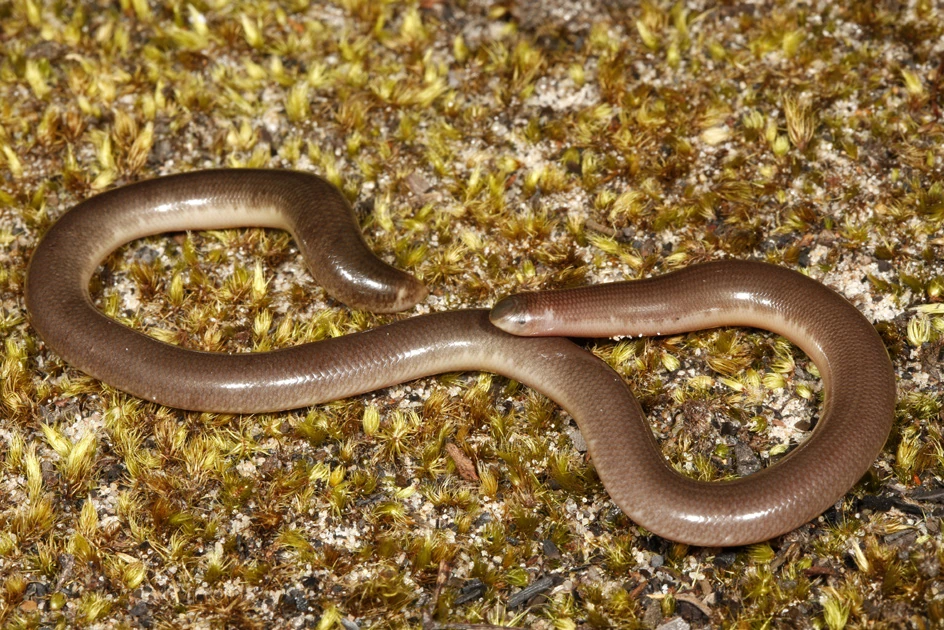
Afrotyphlops dinga, photographed 2020-10-15. Identification follows the linked research-grade observation.

002 · Typhlopidae

Zambezi Blind Snake

Afrotyphlops dinga

(PETERS, 1854)

Non-venomous

The current taxonomic treatment explicitly lists this country. This is country-scale checklist evidence, not a claim of continuous occupancy or a complete regional inventory.

Read the species account →

Jonathan Whitaker (iNaturalist contributor) · CC0 1.0 · https://creativecommons.org/publicdomain/zero/1.0/

Afrotyphlops lineolatus; Hoima, Ouganda; photographed 2022-09-21.

003 · Typhlopidae

Common Lined Worm Snake, Lineolate Blind Snake

Afrotyphlops lineolatus

(JAN, 1864)

Non-venomous

The current taxonomic treatment explicitly lists this country. This is country-scale checklist evidence, not a claim of continuous occupancy or a complete regional inventory.

Read the species account →

Tommy Andriollo · CC BY 4.0 · https://creativecommons.org/licenses/by/4.0/
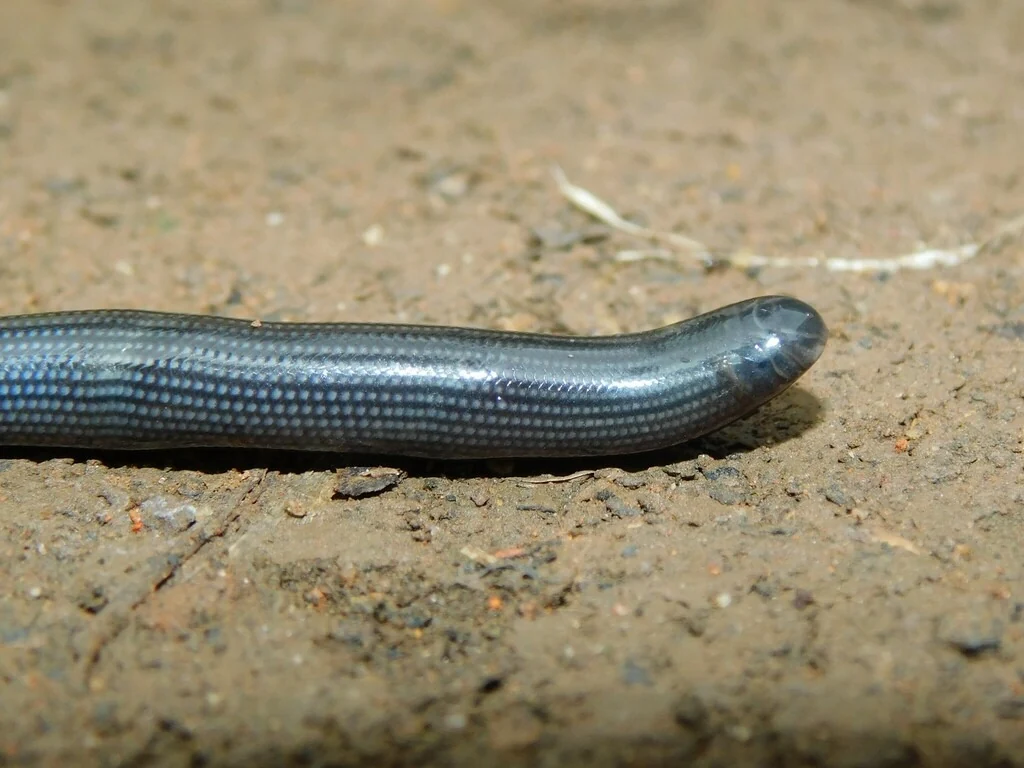
Afrotyphlops obtusus, photographed 2024-11-14. Identification follows the linked research-grade observation.

004 · Typhlopidae

Southern gracile blind-snake, Slender Blind Snake

Afrotyphlops obtusus

(PETERS, 1865)

Non-venomous

The current taxonomic treatment explicitly lists this country. This is country-scale checklist evidence, not a claim of continuous occupancy or a complete regional inventory.

Read the species account →

Eric (iNaturalist contributor) · CC0 1.0 · https://creativecommons.org/publicdomain/zero/1.0/

Afrotyphlops schmidti from Lungwebungu River, Angola. Fig. 6 in Conradie et al. (2021), Amphibian & Reptile Conservation 15(2):244–278.

005 · Typhlopidae

Schmidt’s blind-snake

Afrotyphlops schmidti

(LAURENT, 1956)

Non-venomous

The current taxonomic treatment explicitly lists this country. This is country-scale checklist evidence, not a claim of continuous occupancy or a complete regional inventory.

Read the species account →

Werner Conradie · CC BY 4.0 · https://creativecommons.org/licenses/by/4.0/
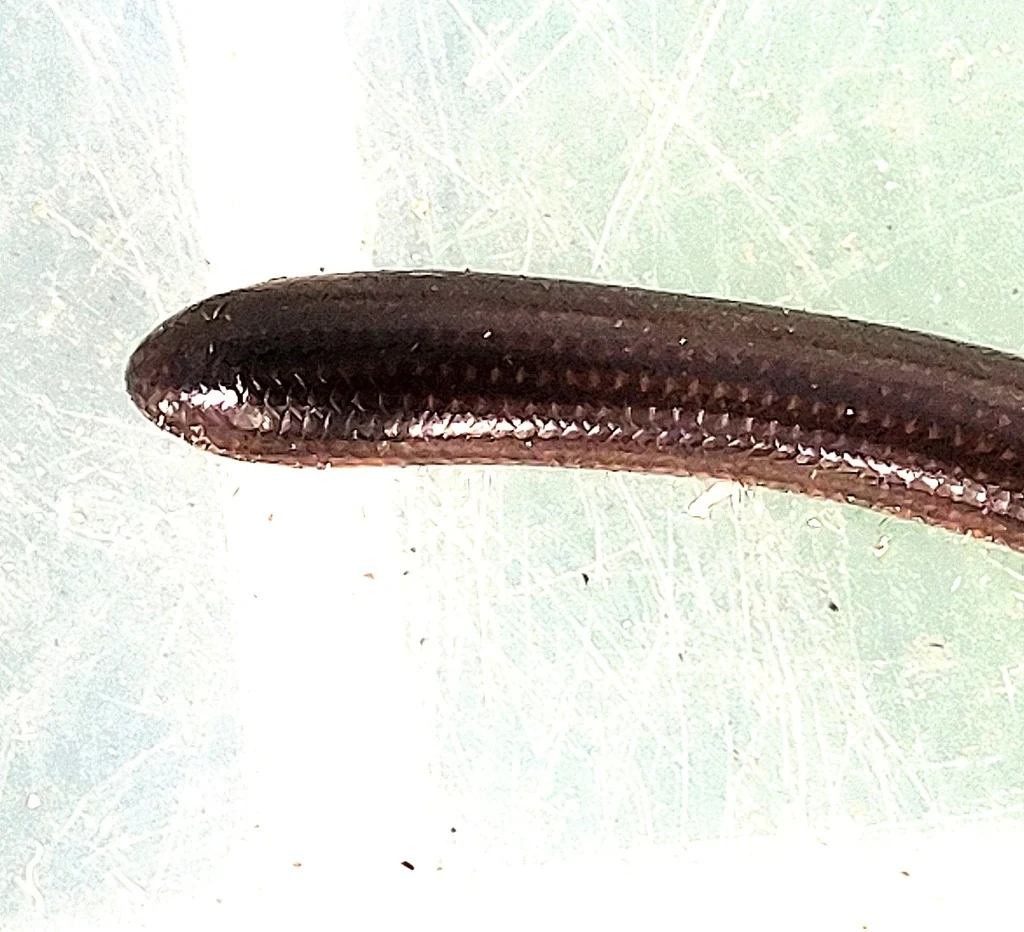
Amblyodipsas polylepis; Ngamiland South District, Botswana; photographed 2018-02-22.

007 · Atractaspididae

Species account

Amblyodipsas polylepis

(BOCAGE, 1873)

Venom unknownNot yet assessed

The current taxonomic treatment explicitly lists this country. This is country-scale checklist evidence, not a claim of continuous occupancy or a complete regional inventory.

Read the species account →

Robert Taylor · CC BY 4.0 · https://creativecommons.org/licenses/by/4.0/
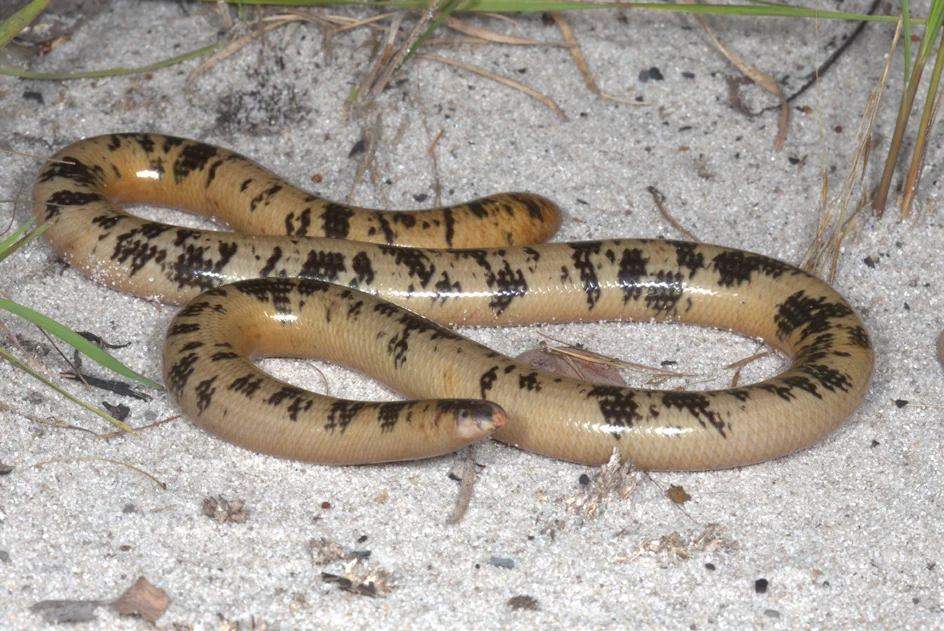
Amblyodipsas ventrimaculata; North West, BW; photographed 2024-04-07.

008 · Atractaspididae

Kalahari Purple-glossed Snake

Amblyodipsas ventrimaculata

(ROUX, 1907)

VenomousClinical severity not established

The current taxonomic treatment explicitly lists this country. This is country-scale checklist evidence, not a claim of continuous occupancy or a complete regional inventory.

Read the species account →

Robert Taylor · CC BY 4.0 · https://creativecommons.org/licenses/by/4.0/
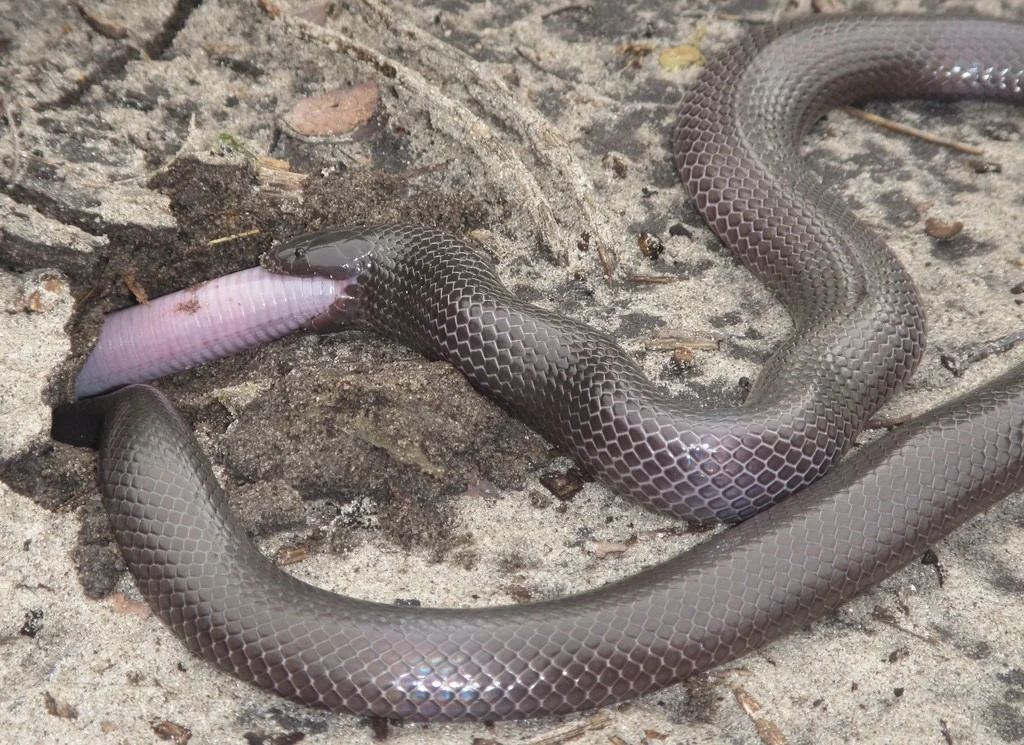
Aparallactus guentheri; Mwenga, Tanzania; photographed 2024-01-24.

009 · Atractaspididae

Black Centipede Eater

Aparallactus guentheri

BOULENGER, 1895

VenomousClinical severity not established

The current taxonomic treatment explicitly lists this country. This is country-scale checklist evidence, not a claim of continuous occupancy or a complete regional inventory. Northern Region: observation GBIF 6499243929 (2010). The original iNaturalist entry was rechecked for research-grade identification, wild status and unrestricted coordinates; its…

Read the species account →

no rights reserved · CC0 · https://creativecommons.org/publicdomain/zero/1.0/

Aparallactus lunulatus; Mopani, South Africa; photographed 2014-01-05.

010 · Atractaspididae

Plumbeous or Reticulated Centipede Eater

Aparallactus lunulatus

(PETERS, 1854)

VenomousClinical severity not established

The current taxonomic treatment explicitly lists this country. This is country-scale checklist evidence, not a claim of continuous occupancy or a complete regional inventory.

Read the species account →

Cole Wolf · CC BY 4.0 · https://creativecommons.org/licenses/by/4.0/
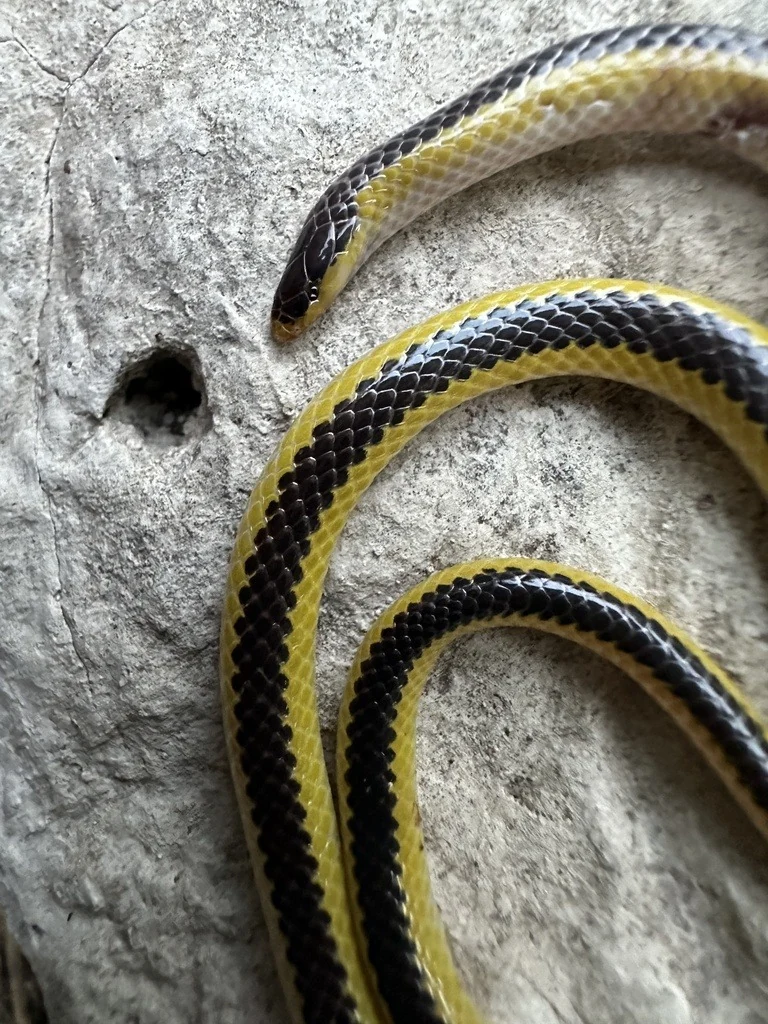
Atheris rungweensis. Photographed alive. Source community identification; no new geographic occurrence record is inferred.

013 · Viperidae

Mt Rungwe bush viper

Atheris rungweensis

BOGERT, 1940

VenomousClinical severity not established

The current taxonomic treatment explicitly lists this country. This is country-scale checklist evidence, not a claim of continuous occupancy or a complete regional inventory. Northern Region: observation GBIF 6185447765 (2025). The original iNaturalist entry was rechecked for research-grade identification, wild status and unrestricted coordinates; its…

Read the species account →

Eric Matthews · CC BY 4.0 · https://creativecommons.org/licenses/by/4.0/
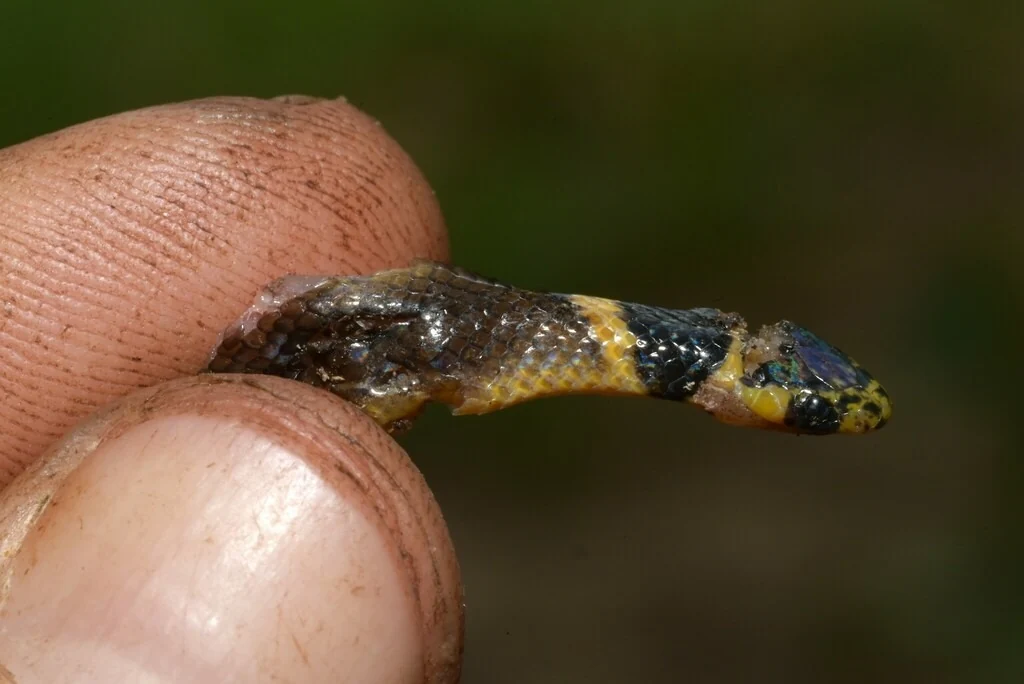
Atractaspis bibronii, photographed 2010-12-10. Identification follows the linked research-grade observation.

014 · Atractaspididae

Bibron’s Stiletto Snake, Southern or Bibron's Burrowing Asp, Mole Viper

Atractaspis bibronii

SMITH, 1849

VenomousClinical severity not established

The current taxonomic treatment explicitly lists this country. This is country-scale checklist evidence, not a claim of continuous occupancy or a complete regional inventory.

Read the species account →

Marius Burger (iNaturalist contributor) · CC0 1.0 · https://creativecommons.org/publicdomain/zero/1.0/

Atractaspis congica; Mufulira, Zambia; photographed 2021-03-06.

015 · Atractaspididae

Congo Stiletto Snake

Atractaspis congica

PETERS, 1877

VenomousClinical severity not established

The current taxonomic treatment explicitly lists this country. This is country-scale checklist evidence, not a claim of continuous occupancy or a complete regional inventory.

Read the species account →

Mahomed Desai · CC BY 4.0 · https://creativecommons.org/licenses/by/4.0/
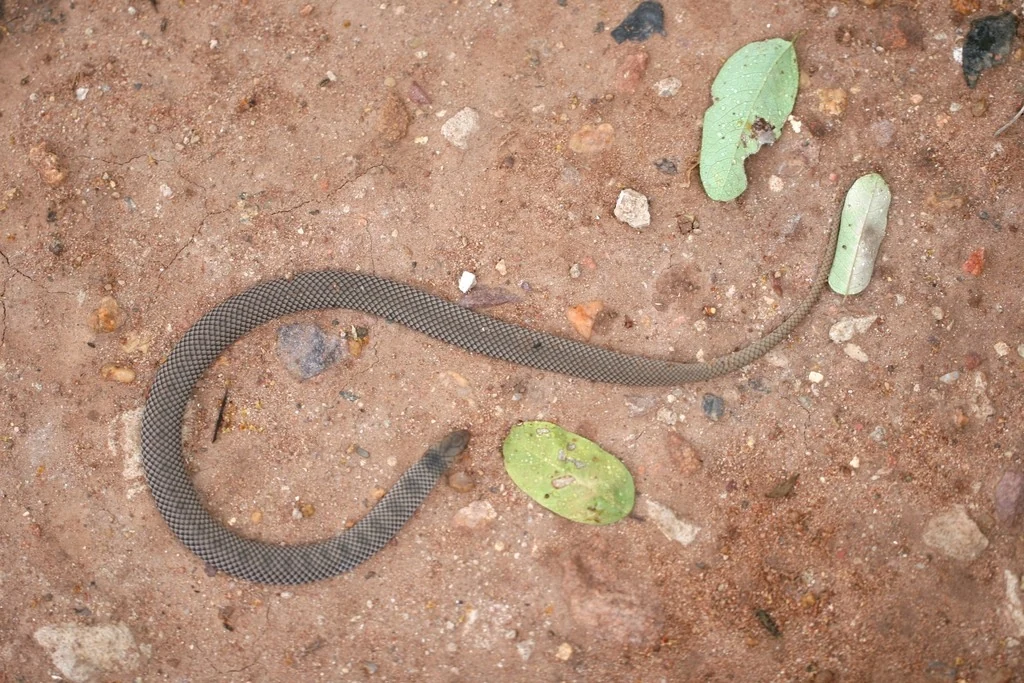
Bitis arietans. Identification follows the linked source community.

016 · Viperidae

Puff Adder

Bitis arietans

(MERREM, 1820)

VenomousClinical severity not established

Explicit country record in the current species treatment. The current taxonomic treatment explicitly lists this country. This is country-scale checklist evidence, not a claim of continuous occupancy or a complete regional inventory.

Read the species account →

Cricket Raspet · CC BY 4.0 · https://creativecommons.org/licenses/by/4.0/
Bitis gabonica; Lake Tissongo, Cameroon; photographed 2016-05-18.

017 · Viperidae

Gaboon Adder, Gaboon Viper

Bitis gabonica

(DUMÉRIL, BIBRON & DUMÉRIL, 1854)

VenomousClinical severity not established

The current taxonomic treatment explicitly lists this country. This is country-scale checklist evidence, not a claim of continuous occupancy or a complete regional inventory.

Read the species account →

Lucy Keith-Diagne · CC BY 4.0 · https://creativecommons.org/licenses/by/4.0/
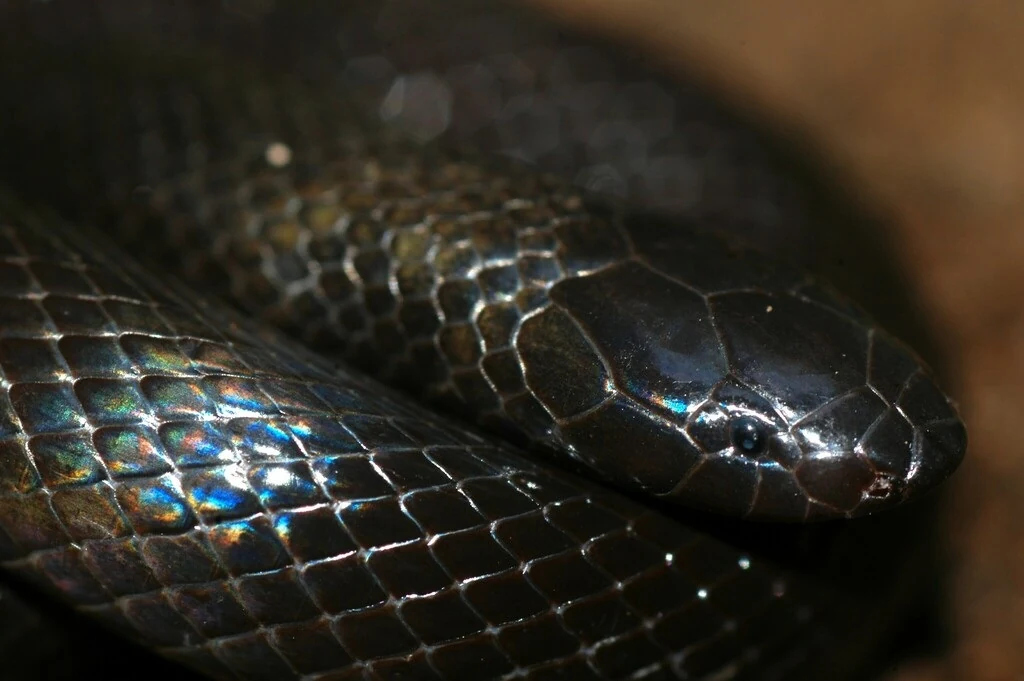
Bitis nasicornis, photographed 2012-10-08. Identification follows the linked research-grade observation.

018 · Viperidae

Rhinoceros Viper

Bitis nasicornis

(SHAW & NODDER, 1792)

VenomousClinical severity not established

The current taxonomic treatment explicitly lists this country. This is country-scale checklist evidence, not a claim of continuous occupancy or a complete regional inventory.

Read the species account →

Marius Burger (iNaturalist contributor) · CC0 1.0 · https://creativecommons.org/publicdomain/zero/1.0/

Boaedon capensis; Mopani, South Africa; photographed 2018-11-23.

019 · Lamprophiidae

Common House Snake, Brown House Snake

Boaedon capensis

DUMÉRIL, BIBRON & DUMÉRIL, 1854

Non-venomous

The current taxonomic treatment explicitly lists this country. This is country-scale checklist evidence, not a claim of continuous occupancy or a complete regional inventory.

Read the species account →

Wynand Uys · CC BY 4.0 · https://creativecommons.org/licenses/by/4.0/
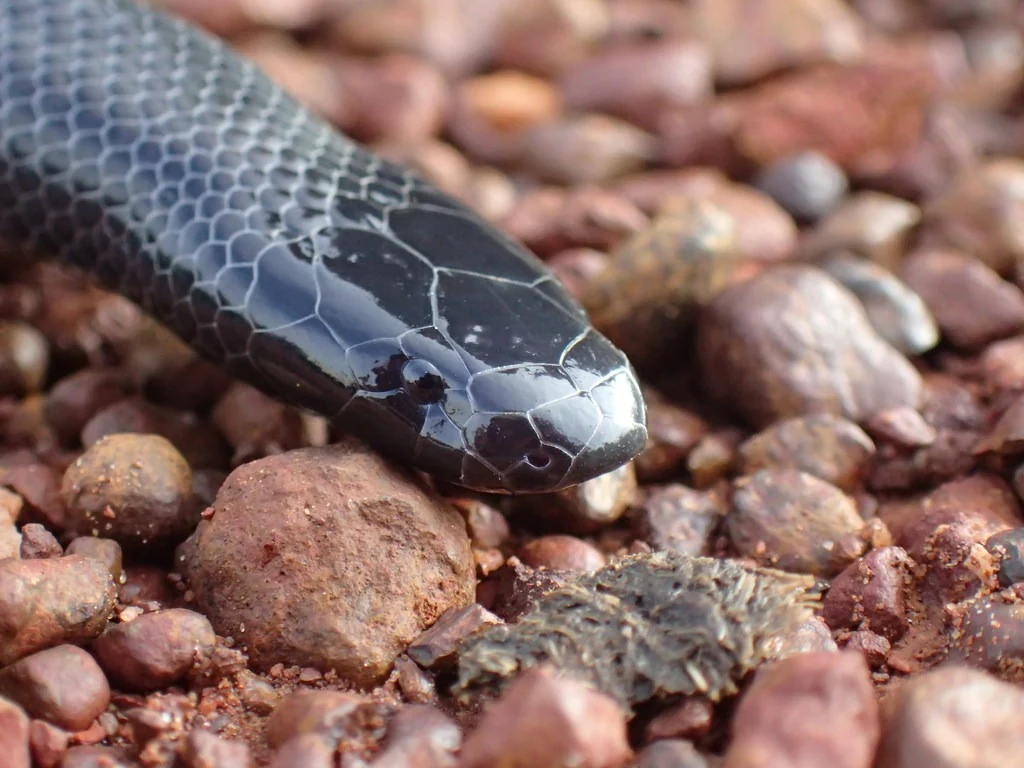
Boaedon fradei from Quembo River source, Angola. Fig. 25 in Conradie et al. (2021), Amphibian & Reptile Conservation 15(2):244–278.

020 · Lamprophiidae

Frade’s Brown House Snake

Boaedon fradei

HALLERMANN, CERÍACO, SCHMITZ, ERNST, CONRADIE, VERBURGT, MARQUES & BAUER, 2020

Non-venomous

The current taxonomic treatment explicitly lists this country. This is country-scale checklist evidence, not a claim of continuous occupancy or a complete regional inventory.

Read the species account →

Werner Conradie · CC BY 4.0 · https://creativecommons.org/licenses/by/4.0/
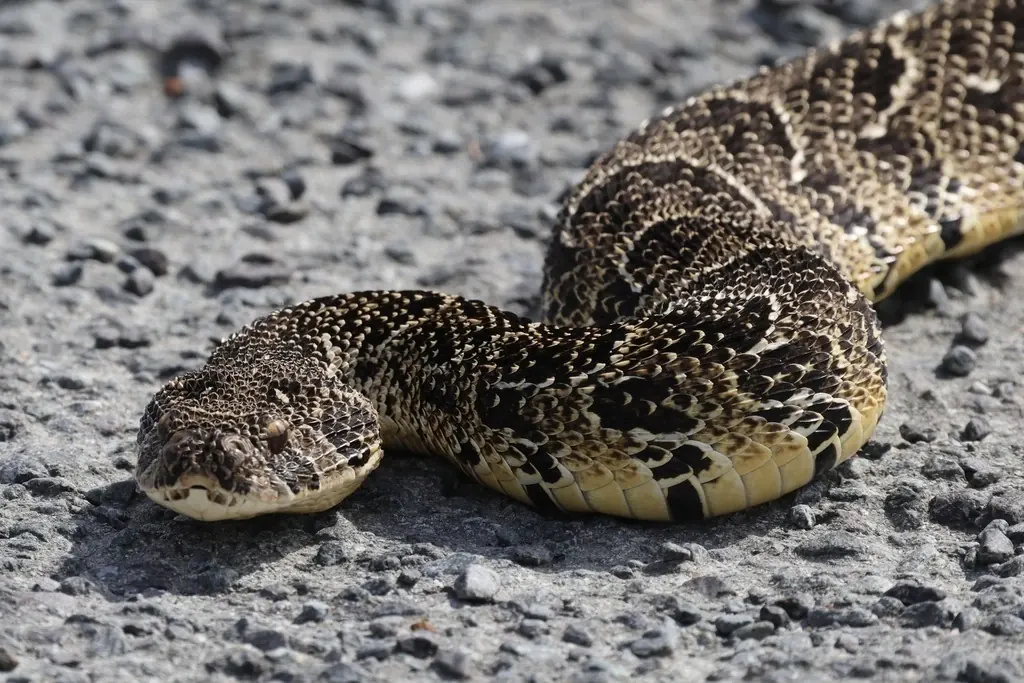
Causus bilineatus; Kangumbe, Moxico, AO; photographed 2024-11-01.

021 · Viperidae

Two-Striped Night Adder, Two-lined Night Adder

Causus bilineatus

BOULENGER, 1905

VenomousClinical severity not established

The current taxonomic treatment explicitly lists this country. This is country-scale checklist evidence, not a claim of continuous occupancy or a complete regional inventory.

Read the species account →

Robert Taylor · CC BY 4.0 · https://creativecommons.org/licenses/by/4.0/
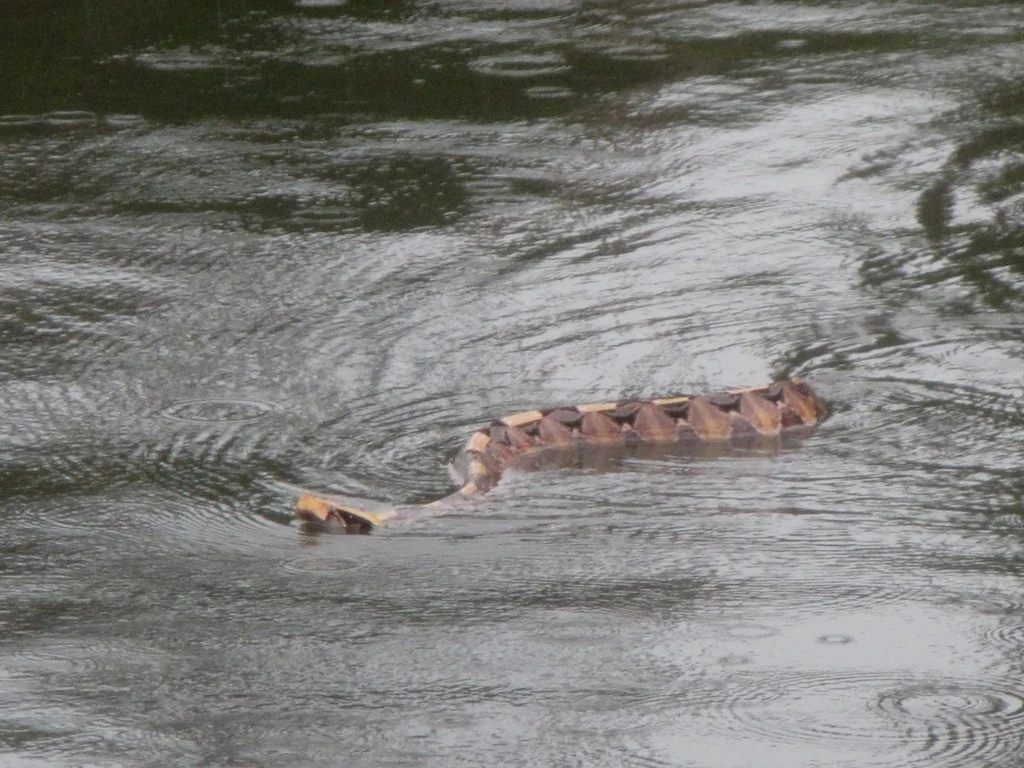
Causus defilippii; Selati; photographed 2013-04-12.

022 · Viperidae

Snouted Night Adder

Causus defilippii

(JAN, 1863)

VenomousClinical severity not established

The current taxonomic treatment explicitly lists this country. This is country-scale checklist evidence, not a claim of continuous occupancy or a complete regional inventory.

Read the species account →

Ryan van Huyssteen · CC BY 4.0 · https://creativecommons.org/licenses/by/4.0/
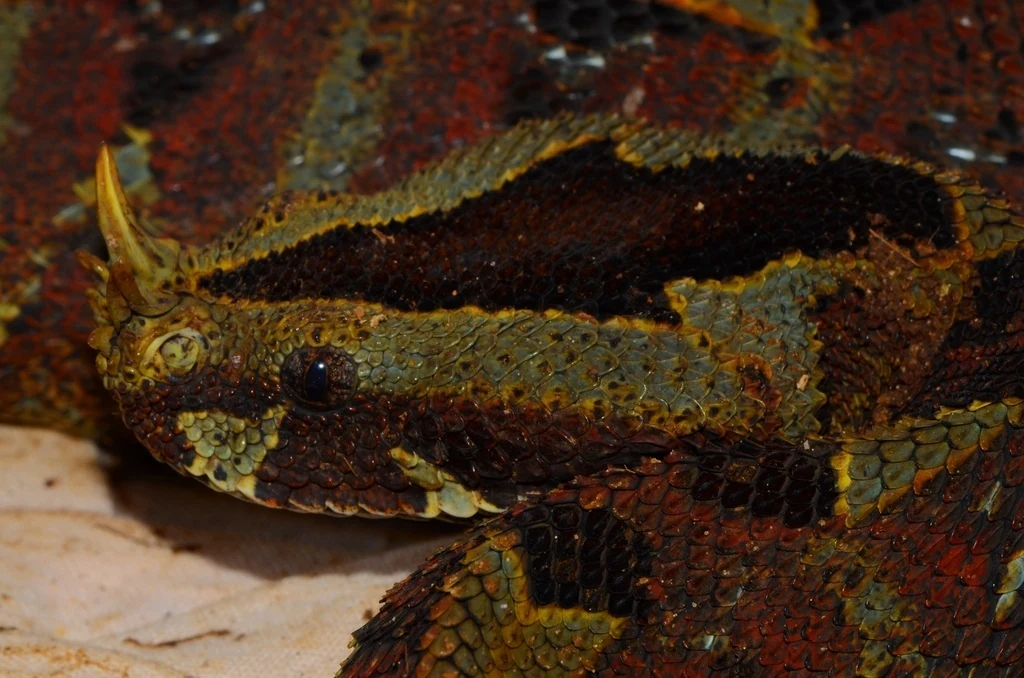
Causus lichtensteinii; Karuma Fr, Buruli, Western, UG; photographed 2022-07-29.

023 · Viperidae

Forest night adder

Causus lichtensteinii

(JAN, 1859)

VenomousClinical severity not established

The current taxonomic treatment explicitly lists this country. This is country-scale checklist evidence, not a claim of continuous occupancy or a complete regional inventory.

Read the species account →

tlaloc27 · CC BY 4.0 · https://creativecommons.org/licenses/by/4.0/
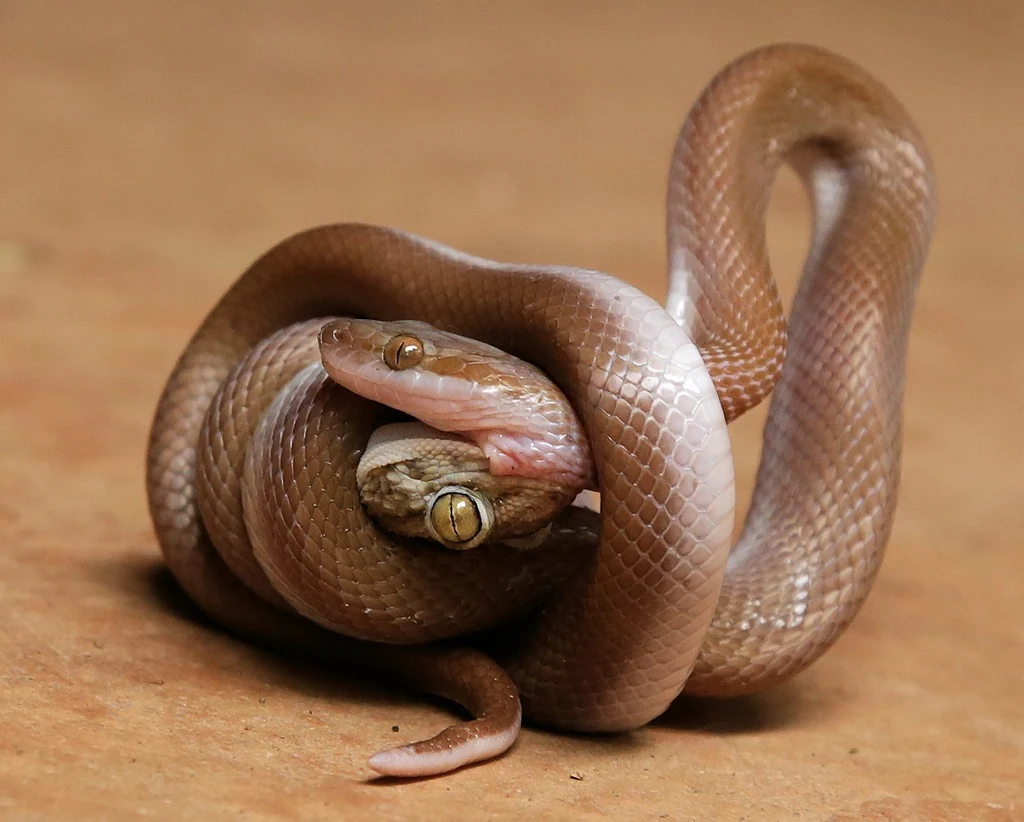
The research library

Sources & the checklist.

This edition lists 117 species with supported country records from checked taxonomic treatments and cited field studies. It is not a claim of a complete national inventory. Each account retains its source and check date; individual evidence entries retain their own review dates.

Range and taxonomy review

Country links use a single accepted species identity. Revised names and disputed records are kept visible here; uncertain records do not enter the listed collection or regional totals.

Boaedon fuliginosus

Uncertain — excluded from the listed total

Broad older range conflicts with the revised western species limits; identity remains under review.

Source 1 ↗

Afrotyphlops schlegelii

Uncertain — excluded from the listed total

The checked treatment contains a conflicting, superseded or insufficiently corroborated country report. It is retained for review and excluded from positive counts; this is not an assertion of absence.

Source 1 ↗

How the map and counts work

Search results were checked against distribution text and taxonomic qualifications. A geographic name alone does not establish a political country: New Guinea, the Solomon archipelago and Micronesia span more than one country or territory. Introduced and unresolved records require separate interpretation.

Place counts require explicit named localities, including valid type localities. Counts can overlap where sources name multiple places. Regional maps group historical boundary snapshots for navigation, while island outlines use Natural Earth; neither is a species range or an observation map. Small islands can be below the outline dataset’s resolution, so geographic reference markers and the directory remain available.

OpenStreetMap, Wambacher; geoBoundaries gbOpen ADM1, 2017 snapshot; Open Data Commons Open Database License 1.0. Map provenance →

Exclusions & qualifications (3)

Boaedon fuliginosus

Broad older range conflicts with the revised western species limits; identity remains under review.

Read source 1 ↗

Afrotyphlops schlegelii

The checked treatment contains a conflicting, superseded or insufficiently corroborated country report. It is retained for review and excluded from positive counts; this is not an assertion of absence.

Read source 1 ↗

Boaedon fuliginosus

Broad older range conflicts with the revised western species limits; identity remains under review.

Read source 1 ↗
  1. Map boundaries, snapshot and group membership ↗
  2. Convention on Biological Diversity · Malawi national profile ↗
  3. The Reptile Database

    Individual treatments and locality evidence are linked from each species account.

  4. Meiri (2024): SquamBase 1.0

    Species-level literature measurements and ecological traits. Exact-name matches only; imputed or ambiguous fields are omitted. These summaries are not local observations.

  5. Natural Earth: public-domain geographic data

Continue through the Africa atlas →