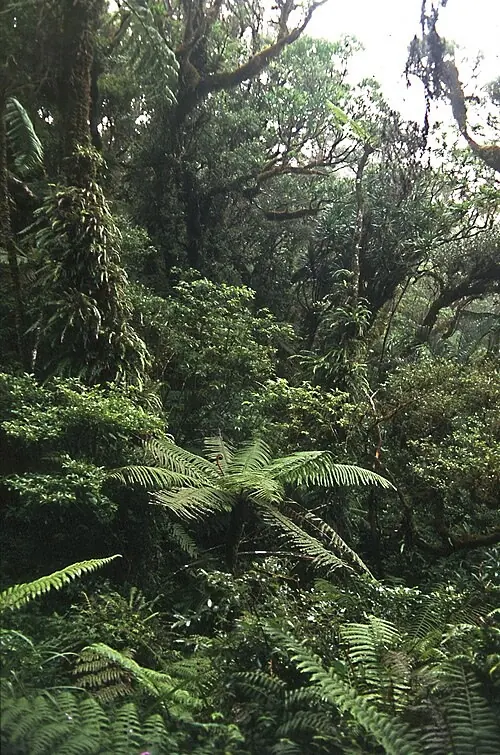
Montane rainforest with tree ferns in Montagne d'Ambre National Park, Madagascar.

Madagascar · Habitat field guide

Forest & woodland

Madagascar has multiple forest formations rather than a single island-wide forest habitat. Habitat loss can affect narrowly distributed species disproportionately.

Montane rainforest with tree ferns in Montagne d'Ambre National Park, Madagascar.

Photograph: Frank Vassen from Brussels, Belgium · Image source · CC BY 2.0. Cropped to fill the hero; darkened for text legibility.

Understanding the environment

A sense of the habitat.

Madagascar has multiple forest formations rather than a single island-wide forest habitat. Habitat loss can affect narrowly distributed species disproportionately.

Geographic scope
Madagascar; named examples and source scope matter.
Evidence scale
Landscape context is separate from species locality evidence.
Source chronology
Consult the original publication date; checked 12 October 2026.

Explore the structure · Select a layer to compare the details a locality record can preserve.

Read the setting in three layers.

Select a zone to see what changes.

Tree cover

Tree cover

Separate closed forest, open woodland and planted trees.

Compare this detail with the original field or museum record before assigning a habitat association.

These reading prompts explain how to interpret evidence; they do not assert that every feature occurs at every site.

Sources: Convention on Biological Diversity · Madagascar national profile

Field notes · 01

The documented landscape

Madagascar has multiple forest formations rather than a single island-wide forest habitat. Habitat loss can affect narrowly distributed species disproportionately.

Sources: Convention on Biological Diversity · Madagascar national profile

Field notes · 02

Connect habitat and locality

Use the species account to check whether a habitat statement applies to this country or elsewhere in the species’ range. A landscape photograph illustrates its own named place; it is not evidence of snake presence.

Pressures on Madagascar’s habitats

What is at risk?

A site-specific assessment of pressures has not yet been extracted for this guide. The landscape sources below provide context; they do not establish a current threat level for each snake species.

What helps this habitat

Retain natural vegetation and water connections where local conservation evidence supports them. Consult the linked national or site account for the pressures and management actions actually reported there.

The connected collection

Snakes with habitat evidence.

These 15 species have supported country occurrence and an explicit habitat association in the shared account. The association may come from elsewhere in their range. This is not a complete local habitat inventory; the places above are landscape examples, not asserted collecting sites.

15 species · showing 15

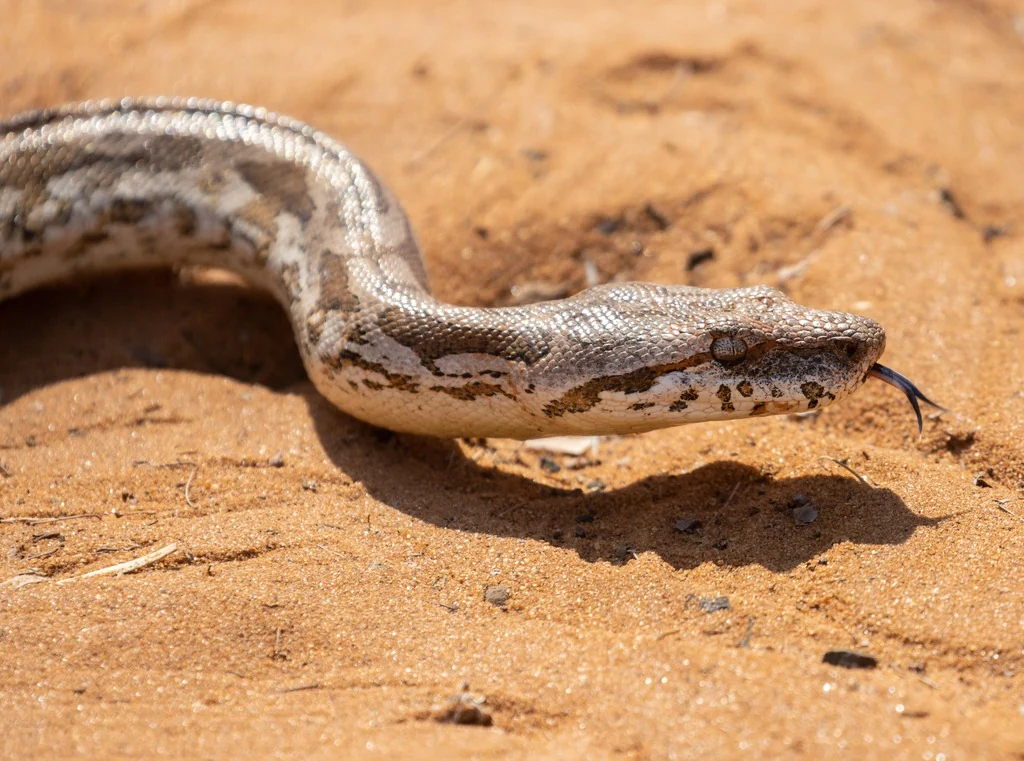
Acrantophis dumerili; Atsimo-Andrefana, Toliary, Madagascar; photographed 2022-10-10.

001 · Boidae

Dumeril's boa

Acrantophis dumerili

JAN, 1860

Non-venomous

The current taxonomic treatment explicitly lists this country. This is country-scale checklist evidence, not a claim of continuous occupancy or a complete regional inventory. Menabe & southwest: observation GBIF 6518455122 (2026). The original iNaturalist entry was rechecked for research-grade identification, wild status and unrestricted coordinates; its…

Read the species account →

avocat · CC BY 4.0 · https://creativecommons.org/licenses/by/4.0/
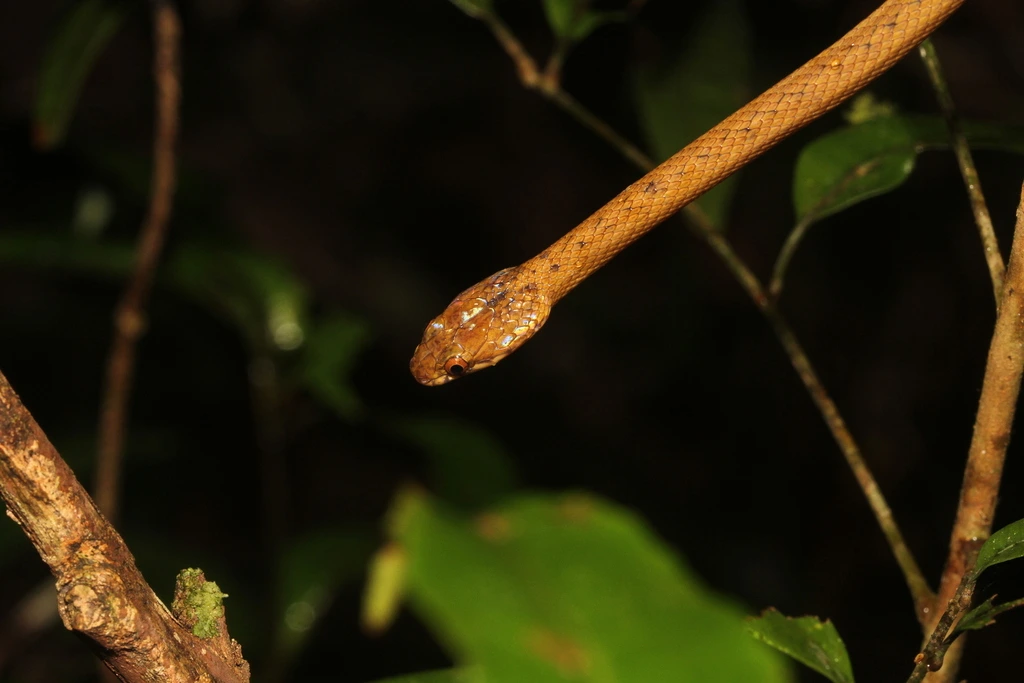
Compsophis infralineatus. Photographed in Madagascar; the original head and anterior-body view is retained. Original observation dated 2025-11-27; this portrait does not establish occurrence in other countries.

002 · Pseudoxyrhophiidae

Lined Forest Snake

Compsophis infralineatus

(GÜNTHER, 1882)

Venom unknownNot yet assessed

The current taxonomic treatment explicitly lists this country. This is country-scale checklist evidence, not a claim of continuous occupancy or a complete regional inventory. Central highlands: observation GBIF 6163250194 (2026). The original iNaturalist entry was rechecked for research-grade identification, wild status and unrestricted coordinates; its…

Read the species account →

Samuel GUIRAUDOU · CC BY 4.0 · https://creativecommons.org/licenses/by/4.0/

Indotyphlops braminus — photographed on Ko Pha-ngan, Thailand.

003 · Typhlopidae

Flowerpot Snake

Indotyphlops braminus

(DAUDIN, 1803)

Non-venomous

Cosmopolitan transported species: countries denotes supported occurrence, not a claim of native status. IntroducedCountries captures explicit source introductions; native/introduced status of the remaining localities is unresolved. Broad New Guinea and Micronesia are not converted to countries. The current taxonomic treatment explicitly lists this…

Read the species account →

Cook-Price, Makchai & Suwanwaree (2026); photographs credited collectively to the author, James Covert and Vikas Kumar · CC BY 4.0 · https://creativecommons.org/licenses/by/4.0/
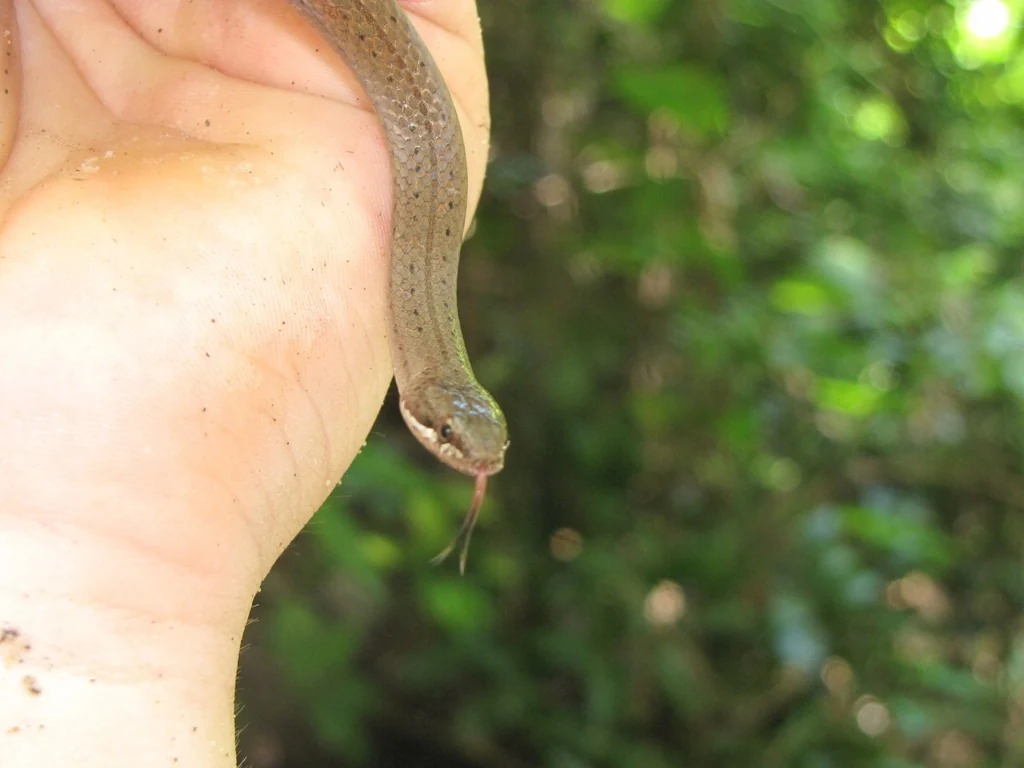
Liophidium torquatum; Nosy Tanikely, Madagaskar; photographed 2016-03-18.

004 · Pseudoxyrhophiidae

Species account

Liophidium torquatum

(BOULENGER, 1888)

Venom unknownNot yet assessed

The current taxonomic treatment explicitly lists this country. This is country-scale checklist evidence, not a claim of continuous occupancy or a complete regional inventory. Menabe & southwest: observation GBIF 6334075625 (2026). The original iNaturalist entry was rechecked for research-grade identification, wild status and unrestricted coordinates; its…

Read the species account →

Lennart Hudel · CC BY 4.0 · https://creativecommons.org/licenses/by/4.0/
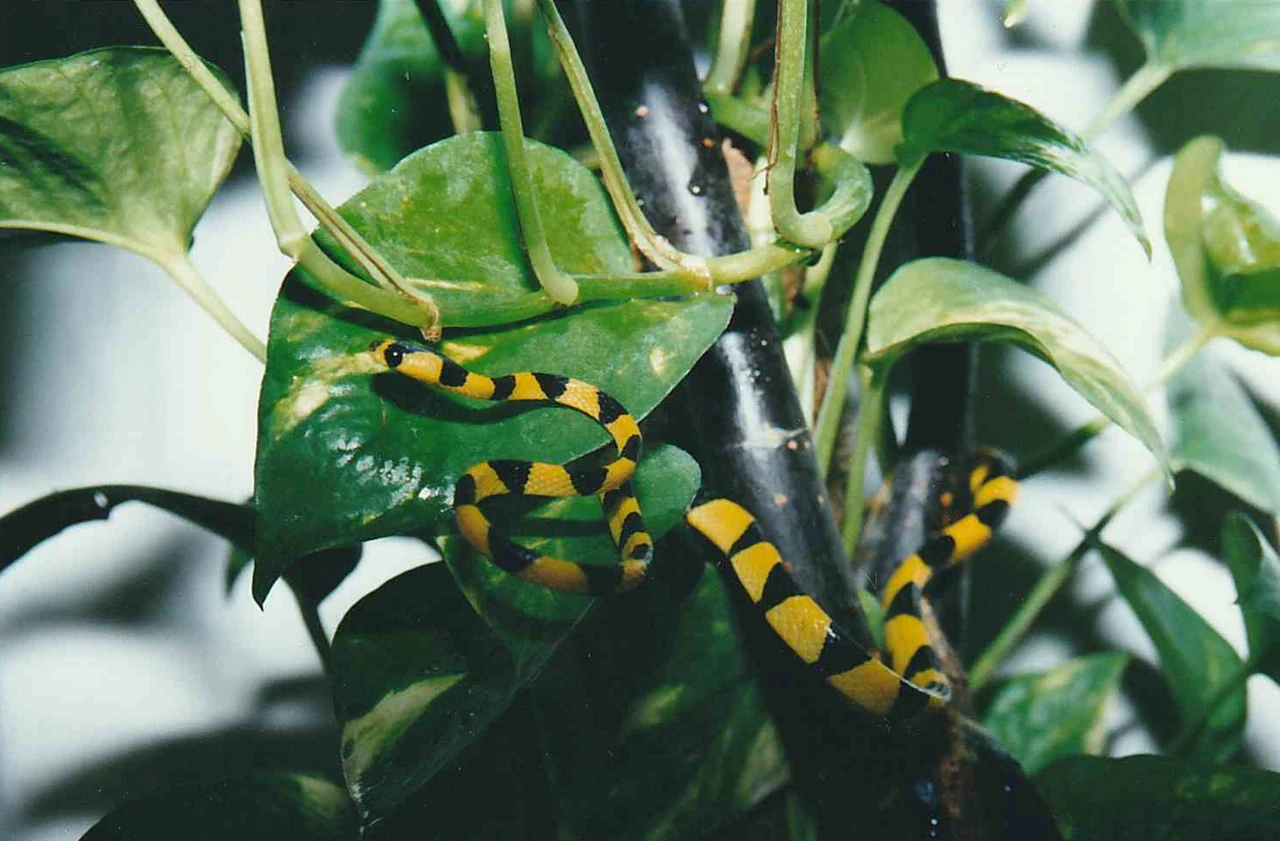
Lycodryas citrinus in a terrarium (captive specimen).

005 · Pseudoxyrhophiidae

Species account

Lycodryas citrinus

(DOMERGUE, 1995)

Venom unknownNot yet assessed

The current taxonomic treatment explicitly lists this country. This is country-scale checklist evidence, not a claim of continuous occupancy or a complete regional inventory.

Read the species account →

Fabien Cordier · CC BY-SA 4.0 · https://creativecommons.org/licenses/by-sa/4.0

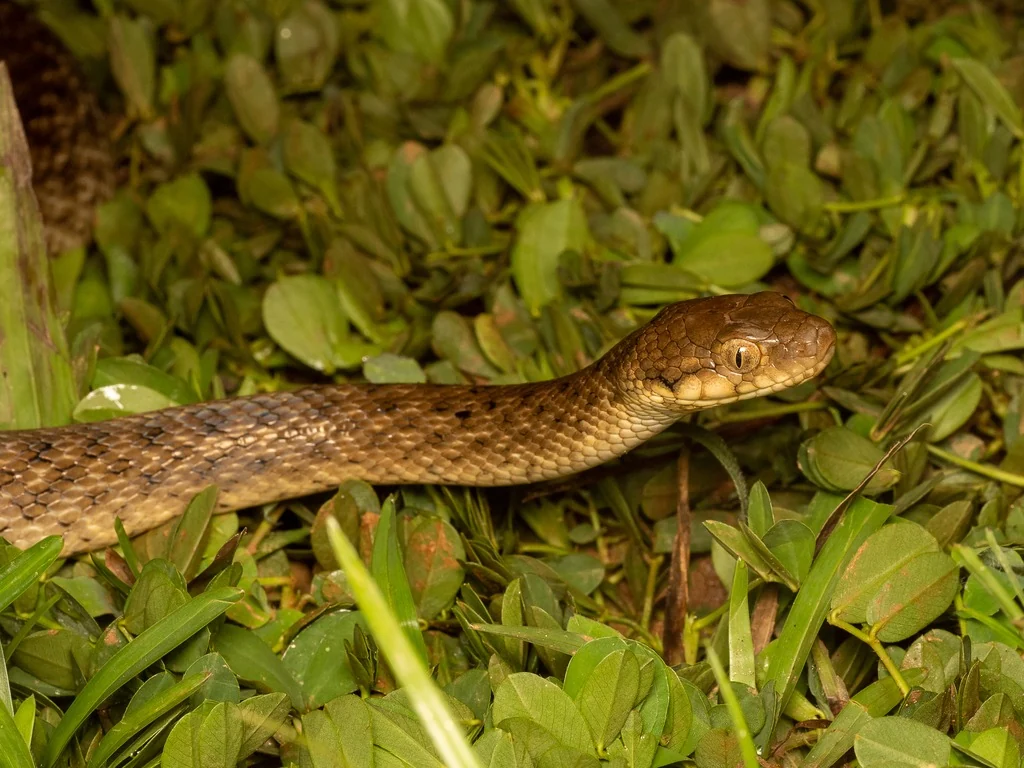
Madagascarophis colubrinus; Ranomafana, Madagascar; photographed 2023-01-15.

006 · Pseudoxyrhophiidae

Species account

Madagascarophis colubrinus

(SCHLEGEL, 1837)

Venom unknownNot yet assessed

The current taxonomic treatment explicitly lists this country. This is country-scale checklist evidence, not a claim of continuous occupancy or a complete regional inventory. Eastern forests & coast: observation GBIF 6147165501 (2026). The original iNaturalist entry was rechecked for research-grade identification, wild status and unrestricted…

Read the species account →

Piotr Lukasik · CC BY 4.0 · https://creativecommons.org/licenses/by/4.0/
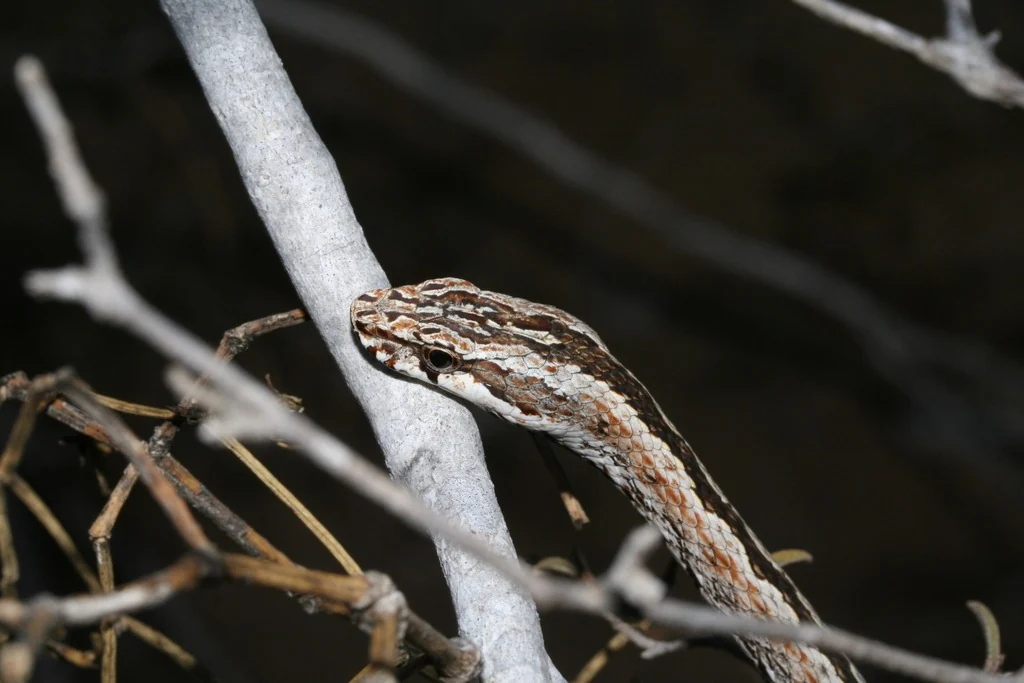
Madatyphlops domerguei. Specimen portrait from Madagascar; identification is corroborated by Mark Scherz. Original observation dated 2007-12-29; this portrait does not establish occurrence in other countries.

008 · Typhlopidae

Species account

Madatyphlops domerguei

(ROUX-ESTÈVE, 1980)

Non-venomous

The current taxonomic treatment explicitly lists this country. This is country-scale checklist evidence, not a claim of continuous occupancy or a complete regional inventory. Eastern forests & coast: observation GBIF 1836695807 (2007). The original iNaturalist entry was rechecked for research-grade identification, wild status and unrestricted…

Read the species account →

Julien Renoult · CC BY 4.0 · https://creativecommons.org/licenses/by/4.0/
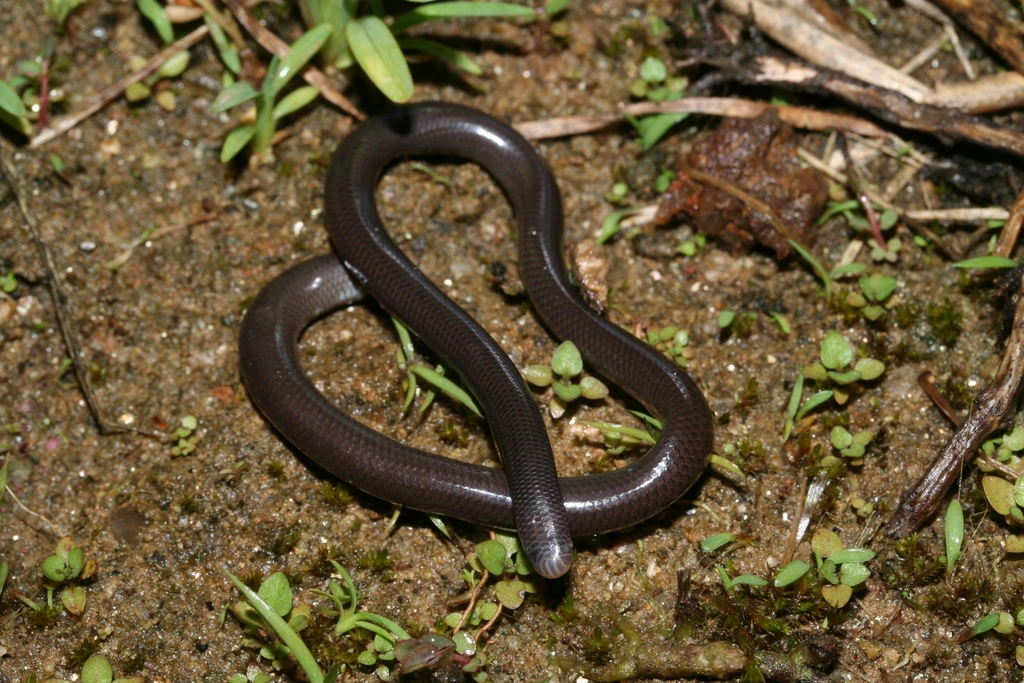
Madatyphlops microcephalus. Specimen portrait from Madagascar; another frame in the observation shows the animal being held. Original observation dated 2005-10-09; this portrait does not establish occurrence in other countries.

010 · Typhlopidae

Species account

Madatyphlops microcephalus

(WERNER, 1909)

Non-venomous

The current taxonomic treatment explicitly lists this country. This is country-scale checklist evidence, not a claim of continuous occupancy or a complete regional inventory. Diana & Sava: observation GBIF 3759084069 (2005). The original iNaturalist entry was rechecked for research-grade identification, wild status and unrestricted coordinates; its…

Read the species account →

no rights reserved · CC0 1.0 · https://creativecommons.org/publicdomain/zero/1.0/

Mimophis mahfalensis; Atsimo-Andrefana, Madagaskar; photographed 2007-12-18.

014 · Psammophiidae

Species account

Mimophis mahfalensis

(GRANDIDIER, 1867)

Venom unknownNot yet assessed

The current taxonomic treatment explicitly lists this country. This is country-scale checklist evidence, not a claim of continuous occupancy or a complete regional inventory. Menabe & southwest: observation GBIF 6400324842 (2026). The original iNaturalist entry was rechecked for research-grade identification, wild status and unrestricted coordinates; its…

Read the species account →

Julien Renoult · CC BY 4.0 · https://creativecommons.org/licenses/by/4.0/
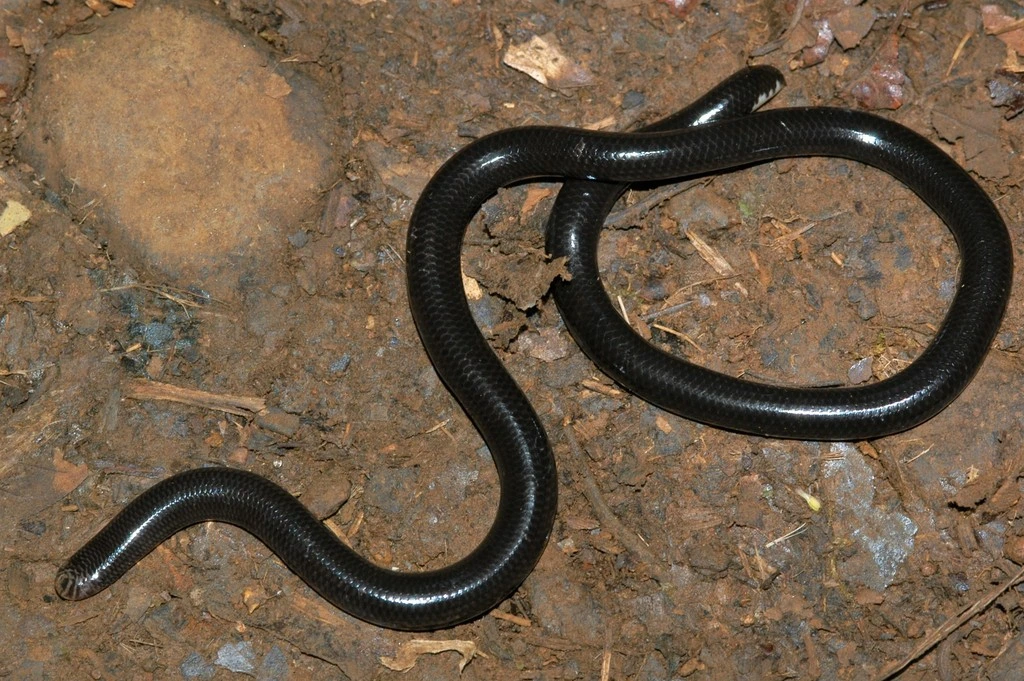
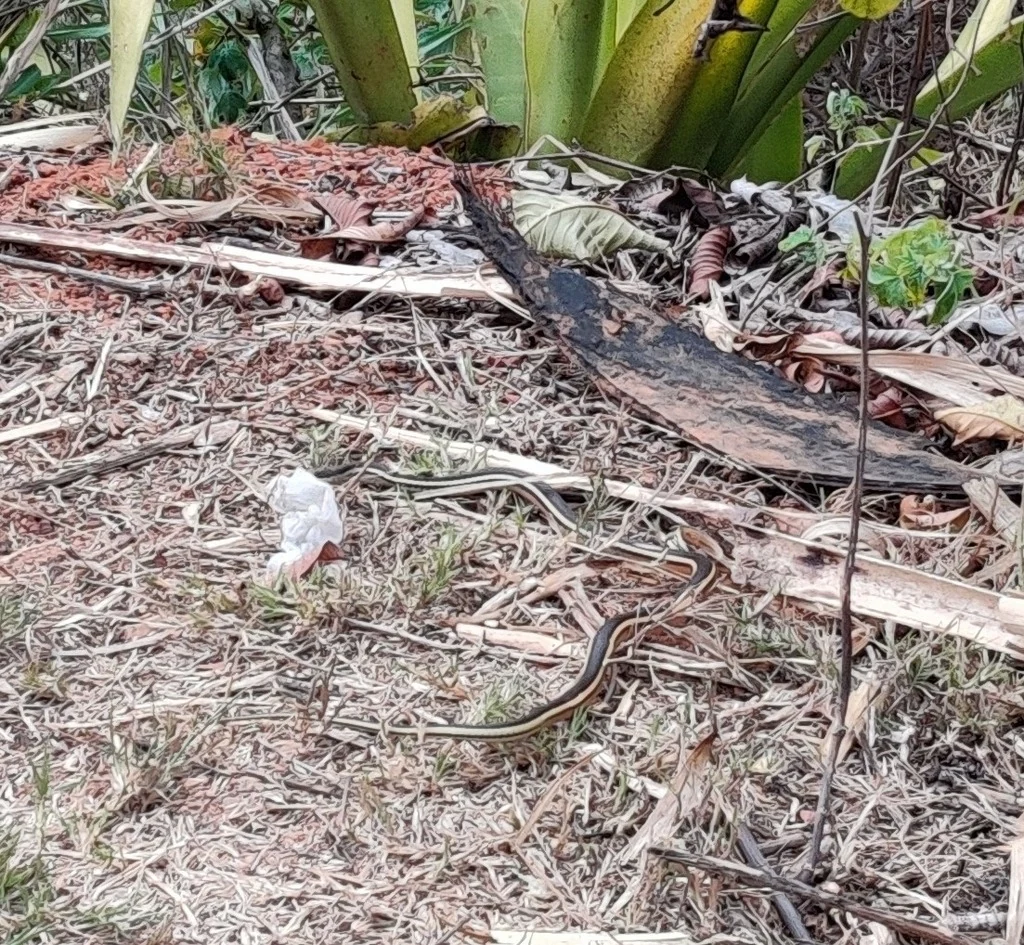
Thamnosophis lateralis; Manandriana, Madagascar; photographed 2021-11-21.

015 · Pseudoxyrhophiidae

Lateral Water Snake

Thamnosophis lateralis

(DUMÉRIL, BIBRON & DUMÉRIL, 1854)

Venom unknownNot yet assessed

The current taxonomic treatment explicitly lists this country. This is country-scale checklist evidence, not a claim of continuous occupancy or a complete regional inventory. Central highlands: observation GBIF 6185660704 (2026). The original iNaturalist entry was rechecked for research-grade identification, wild status and unrestricted coordinates; its…

Read the species account →

Chris All · CC BY-SA 4.0 · https://creativecommons.org/licenses/by-sa/4.0/

All 99 species in the country collection →

Read further

Evidence & sources.

Guide reviewed 12 October 2026. Source dates and geographic scope matter; landscape photographs do not establish species occurrence.

  1. Convention on Biological Diversity · Madagascar national profile

    National biodiversity profile based on the reporting sources identified by the CBD. Used for landscape context; older statistics are not presented as current monitoring or a snake inventory.

Continue through Madagascar

Explore another habitat.

01

Deserts & dry country

Drylands, steppe and savanna are distinguished from forest in the national ecosystem account. Open cover alone does not identify the original vegetation.

02

Mangroves & tidal woodland

Coastal mangroves occur alongside estuaries, marshes, seagrass and reefs. Terrestrial and marine environments require separate species evidence.