Pressures and evidence limits
The source describes historical river regulation and marsh drainage as important changes to this landscape. Present water levels require dated local observations.
Hungary · Habitat field guide
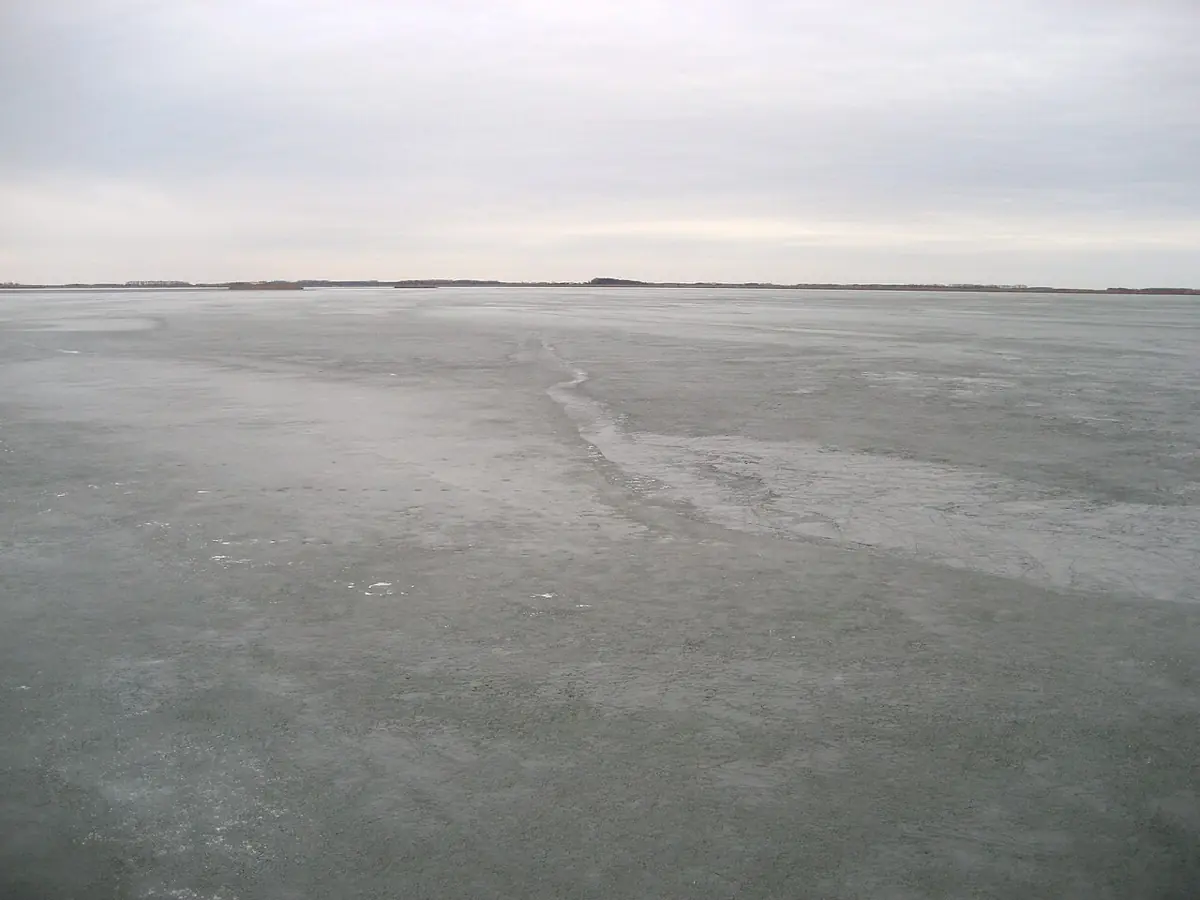
Explore Hortobágy marsh and fishponds through the documented landscape and its visible structure. The named example anchors this guide; it does not represent every habitat in the country.
The frozen Hortobágy-halastó fishponds in Hortobágy National Park, Hungary, photographed in January 2009. The winter ice surface does not describe summer water or vegetation conditions.
Understanding the environment
Explore Hortobágy marsh and fishponds through the documented landscape and its visible structure. The named example anchors this guide; it does not represent every habitat in the country.
Explore the structure · Open water → margin → catchment
Select a zone to see what changes.
Flow and salinity
Read the local source before assigning freshwater conditions. Still water, a river channel and a salt lake are not interchangeable.
Keep observation date, photographed place and the source description distinct.
A conceptual reading sequence, not a mapped transect or an invitation to enter restricted terrain.
Field notes · 01
Marshes and managed fishponds add wetland habitats to Hortobágy's open steppe. Historical river regulation changed the wider plain's water regime; this is not a current water-level report.
Field notes · 02
The atlas groups inland waters and wetlands here for navigation. Confirm salinity, flow and water source at the named site: freshwater, brackish or saline water can have very different margins. Reservoirs, restored pools and supplied wetlands are identified explicitly.
Pressures on Hungary’s habitats
The source describes historical river regulation and marsh drainage as important changes to this landscape. Present water levels require dated local observations.
Keep landform, water, vegetation and land use separate when reading the landscape. Use the linked species accounts for independently sourced distribution evidence.
The connected collection
These 4 species have supported country occurrence and an explicit habitat association in the shared account. The association may come from elsewhere in their range. This is not a complete local habitat inventory; the places above are landscape examples, not asserted collecting sites.
4 species · showing 4
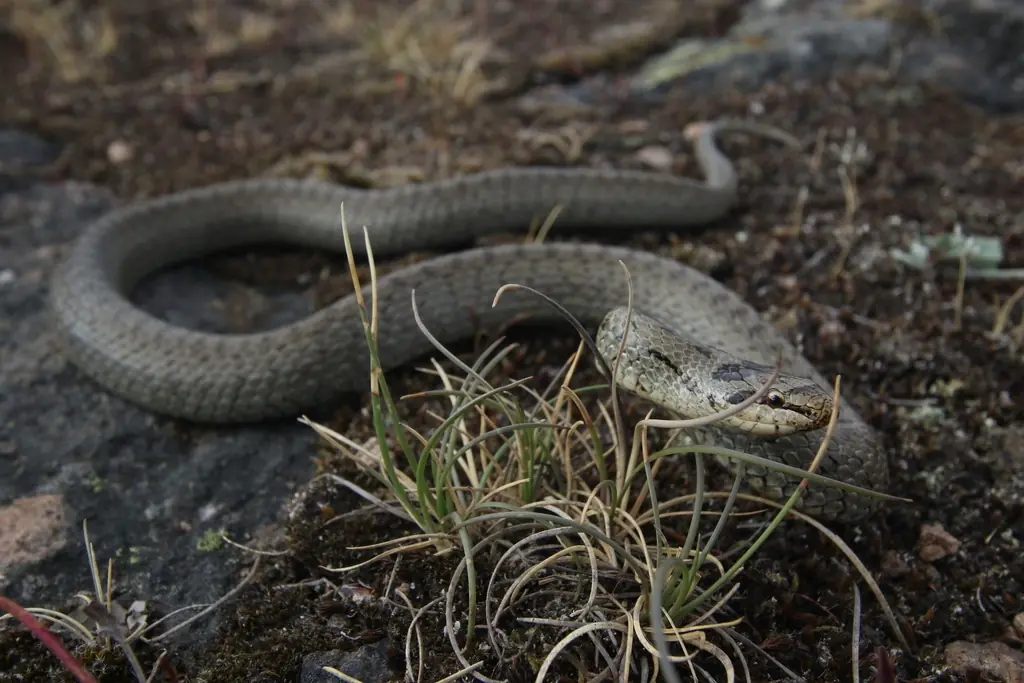
001 · Colubridae
Smooth Snake
Country explicitly listed in the checked taxonomic treatment.
Read the species account →B. P. White · CC BY-SA 4.0 · https://creativecommons.org/licenses/by-sa/4.0/
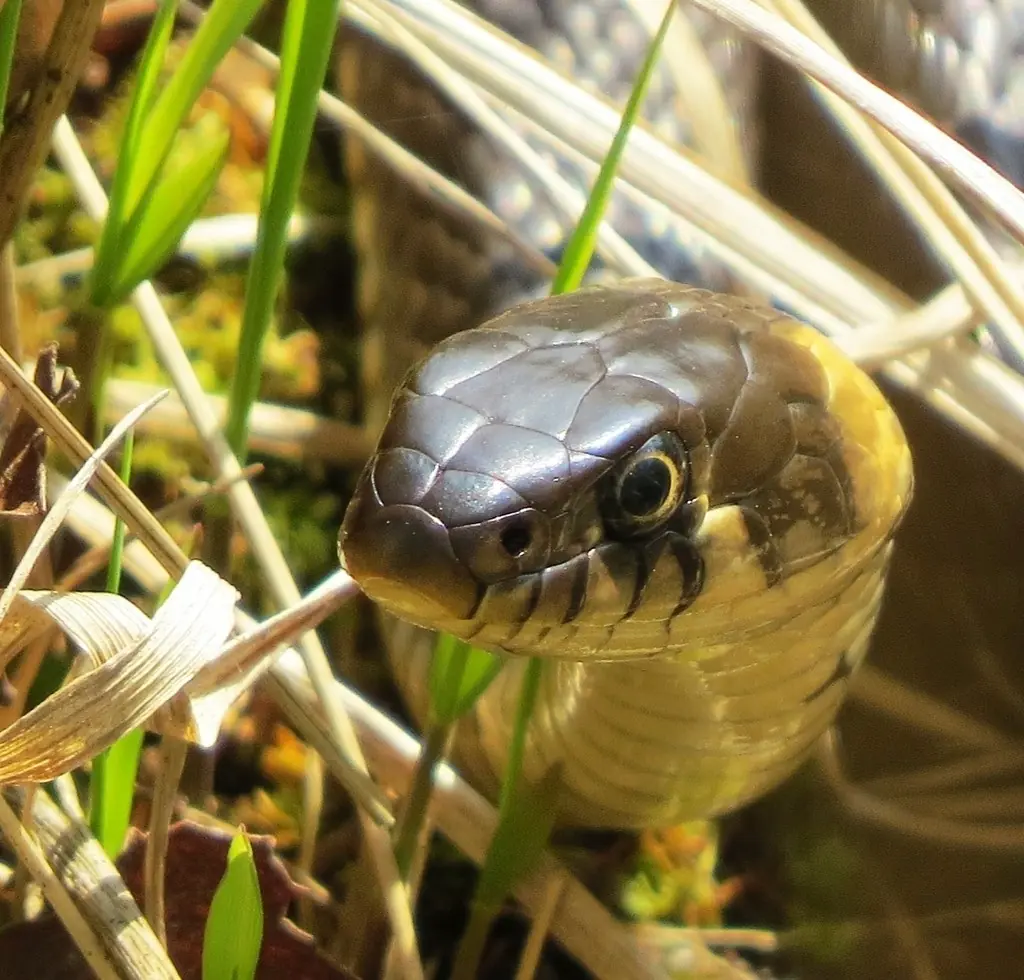
002 · Colubridae
Common Grass Snake
Country explicitly listed in the checked taxonomic treatment.
Read the species account →Micha Baum · CC BY-SA 4.0 · https://creativecommons.org/licenses/by-sa/4.0/
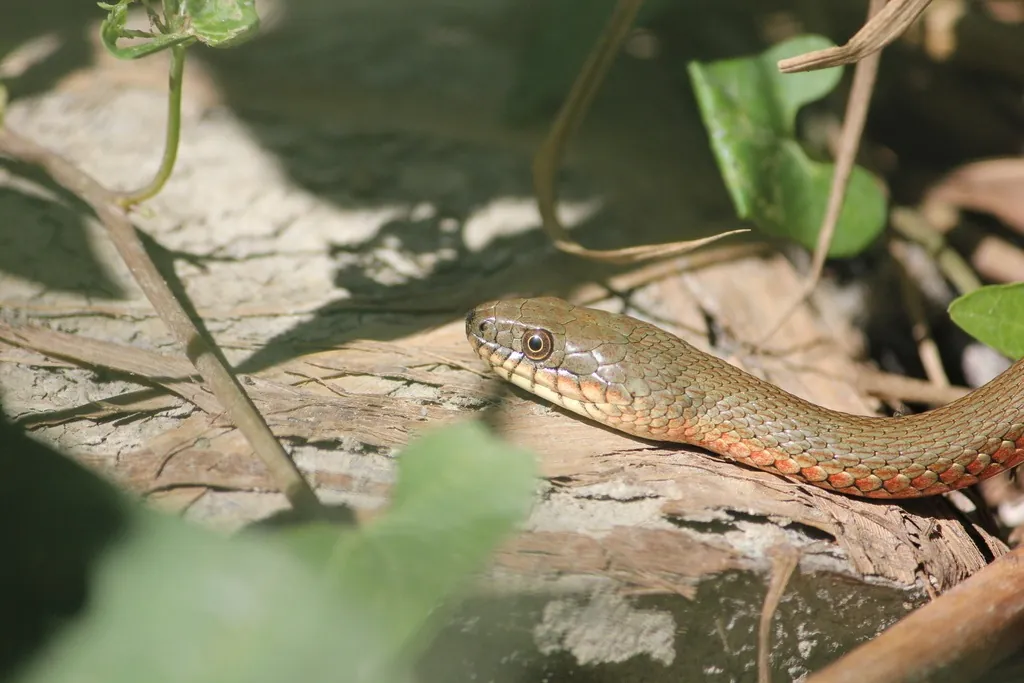
003 · Colubridae
Dice Snake
Country explicitly listed in the checked taxonomic treatment.
Read the species account →KsenoSnake · CC0 1.0 · https://creativecommons.org/publicdomain/zero/1.0/
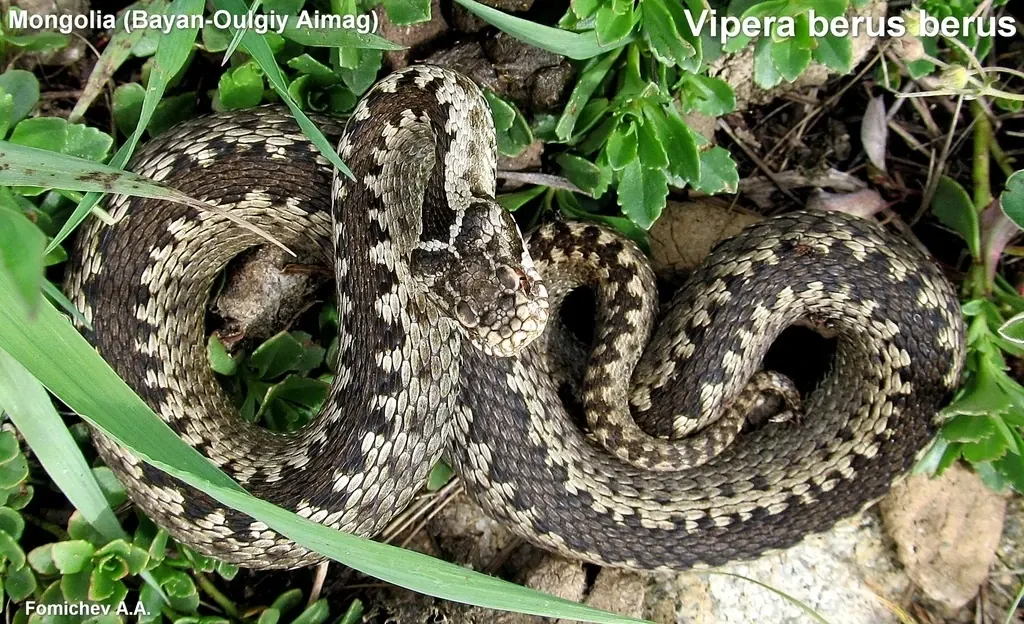
004 · Viperidae
Adder, Northern Viper
Country explicitly listed in the checked taxonomic treatment.
Read the species account →Alexander A. Fomichev · CC BY 4.0 · https://creativecommons.org/licenses/by/4.0/
Read further
Guide reviewed 11 October 2026. Source dates and geographic scope matter; landscape photographs do not establish species occurrence.
Named landscape description, read and checked 11 October 2026. Historic source dates remain explicit; not a snake survey or live access notice.
Continue through Hungary