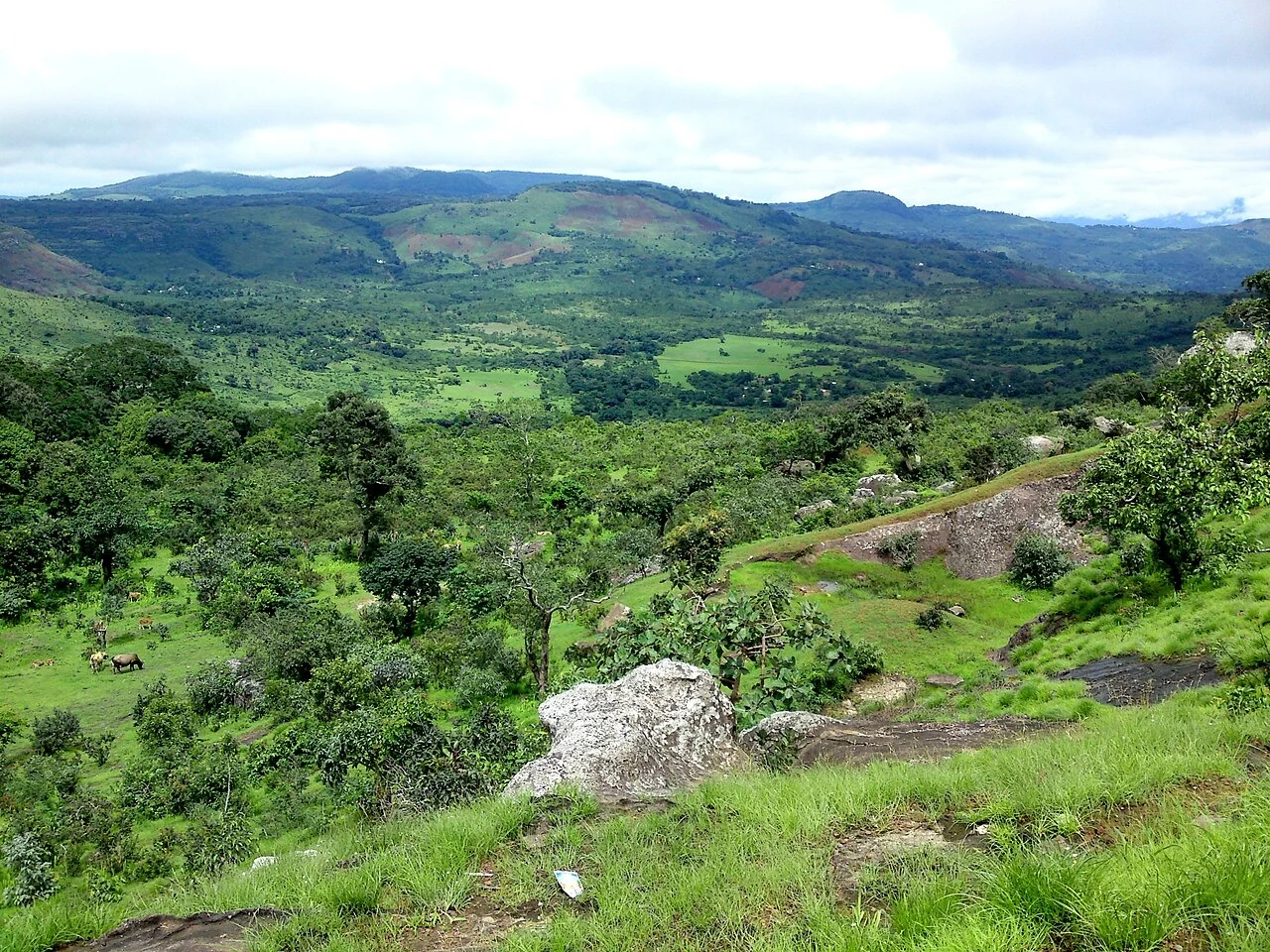
The Fouta Djallon landscape, Guinea.

Guinea · The country atlas

Guinea

Guinea’s rainforest, dry woodland, mountain landscapes and mangroves support a varied geographic chapter.

106species with extracted evidence
11families
8region guides

The Fouta Djallon landscape, Guinea.

Photograph: Maarten van der Bent · Image source · CC BY-SA 2.0. Cropped to fill the hero; darkened for text legibility.

Geography & biotopes

Discover Guinea.

Guinea’s rainforest, dry woodland, mountain landscapes and mangroves support a varied geographic chapter.

Historical administrative outlines are grouped for navigation. They are not ecological boundaries, species ranges or a statement of present administrative arrangements.

Map boundaries, snapshot and group membership →

Convention on Biological Diversity · Guinea national profile →

Geography is part of the record

Find your way through Guinea.

Select a named region to open its evidence page. The complete directory below keeps every guide accessible, including places where locality evidence has not yet been extracted.

31 of 106 listed species have at least one indexed region record. 75 remain country-only. Even a nonzero count is not a complete regional inventory.

Habitats & living landscapes

Explore the living
landscapes.

Explore 3 guides to the environments, places and conservation pressures that shape this country. Each guide connects to the regional map and shared species accounts.

Landscape photographs & credits

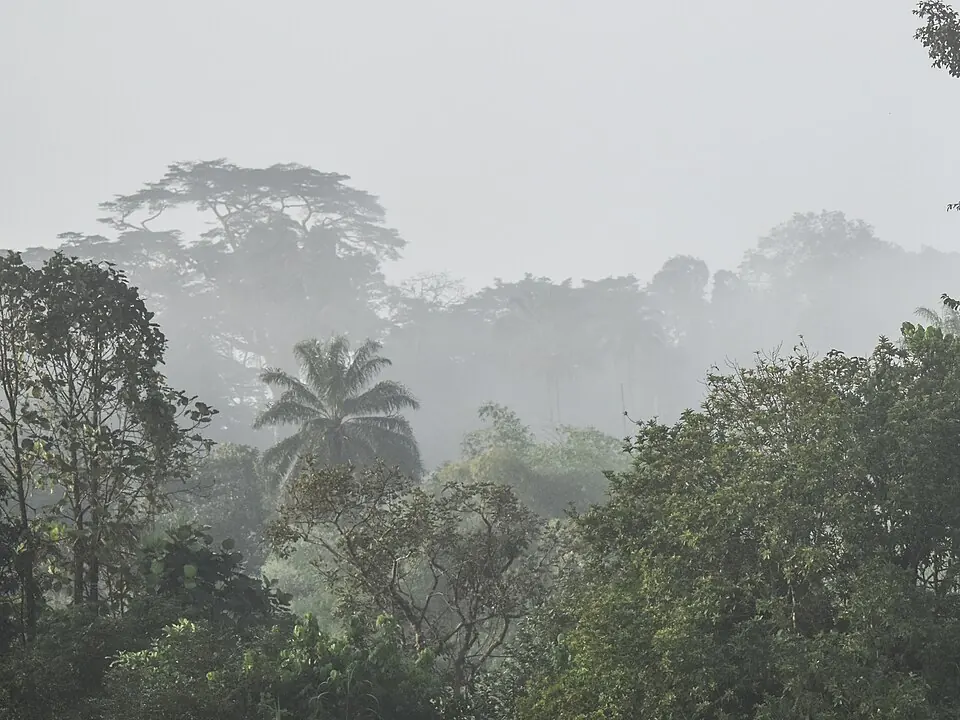
Lowland rainforest vegetation in the Ziama Massif, Guinea, viewed through mist. — Yakoo1986. Original photograph · CC BY-SA 4.0. Cropped for the cards; photographs do not establish snake occurrence.

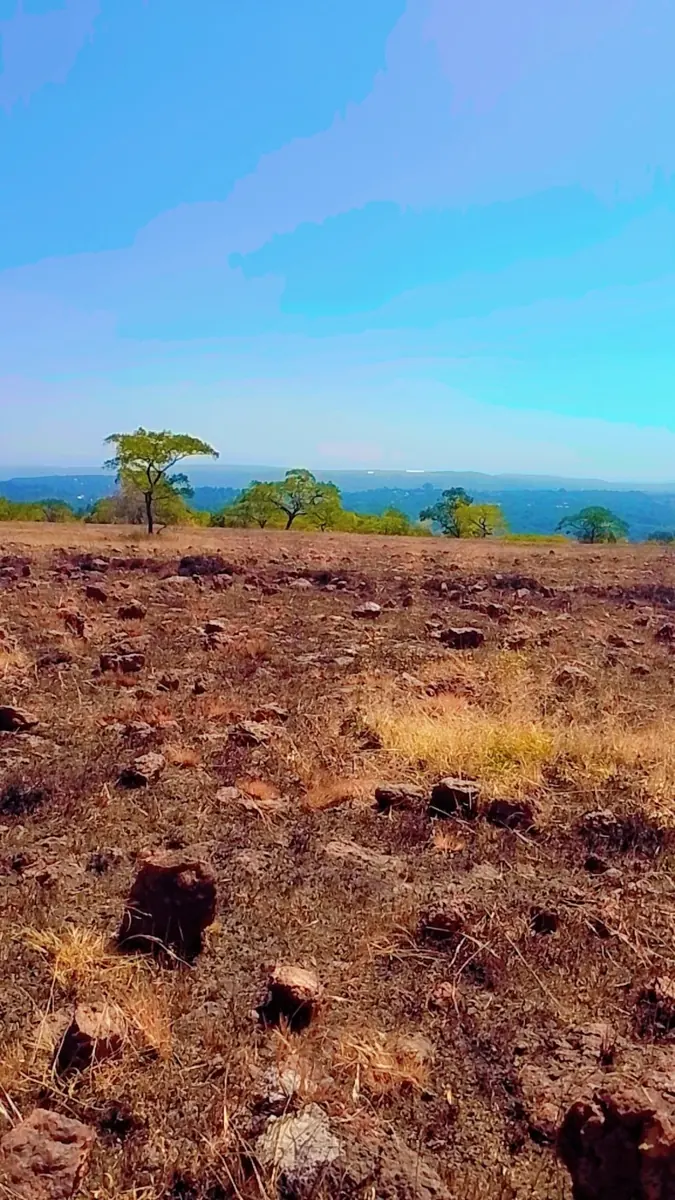
Open, rocky ground with scattered trees in the Fouta Djallon landscape, Guinea. — Fantabinta224. Original photograph · CC0. Cropped for the cards; photographs do not establish snake occurrence.

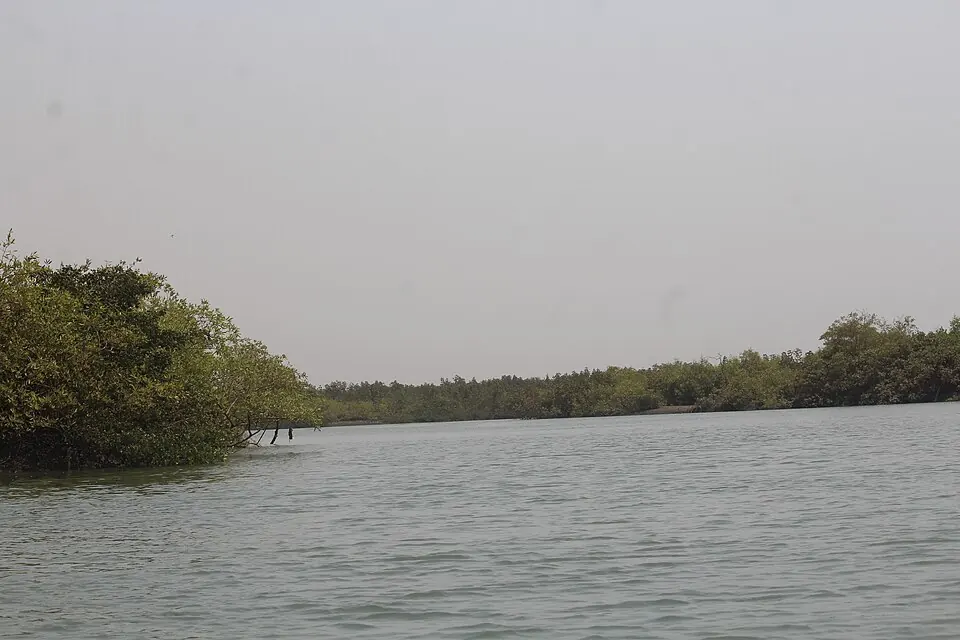
A river channel and mangrove-lined banks near Kamsar, Guinea. — Aboubacarkhoraa. Original photograph · CC BY-SA 4.0. Cropped for the cards; photographs do not establish snake occurrence.

The species catalogue

Meet the snakes of Guinea.

Search scientific names, historical names, common names and families. Every card opens one shared account across its documented countries.

106 species · showing 24

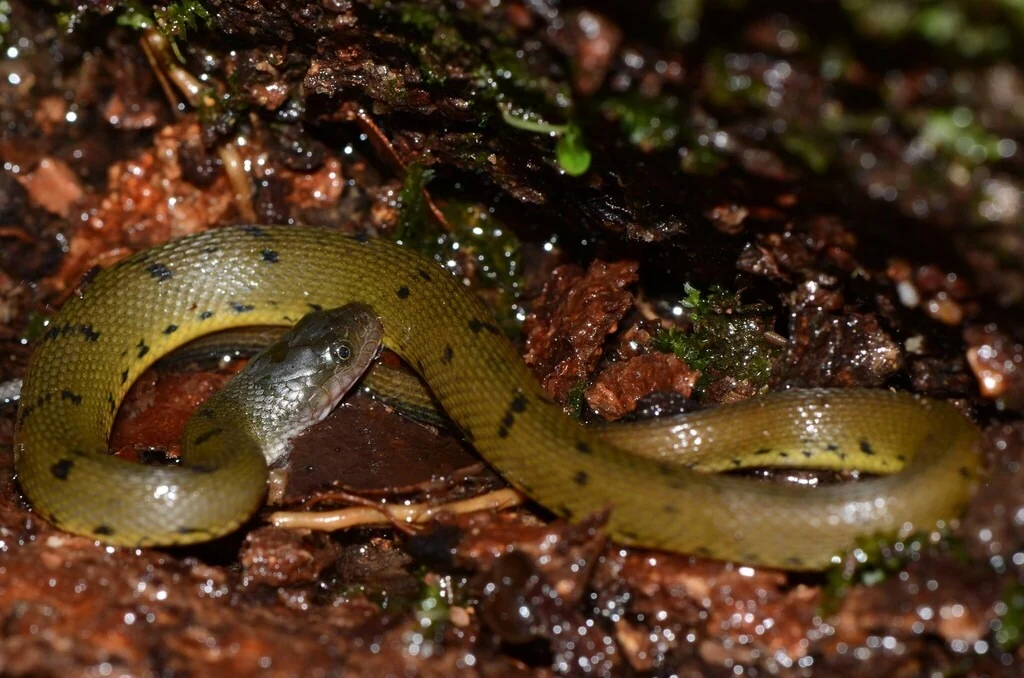
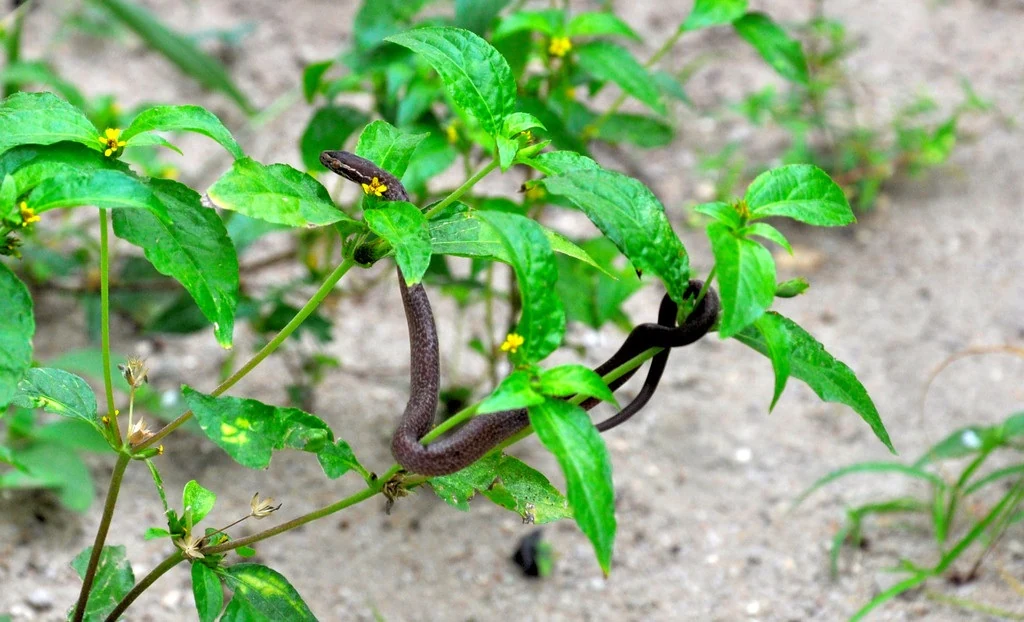
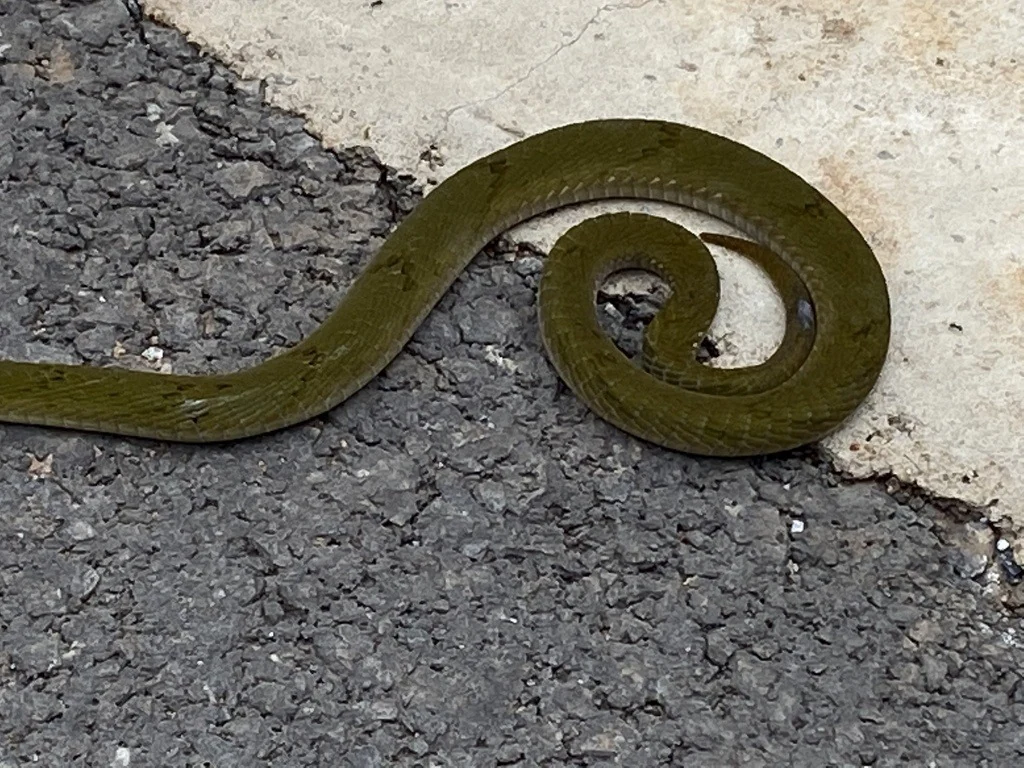
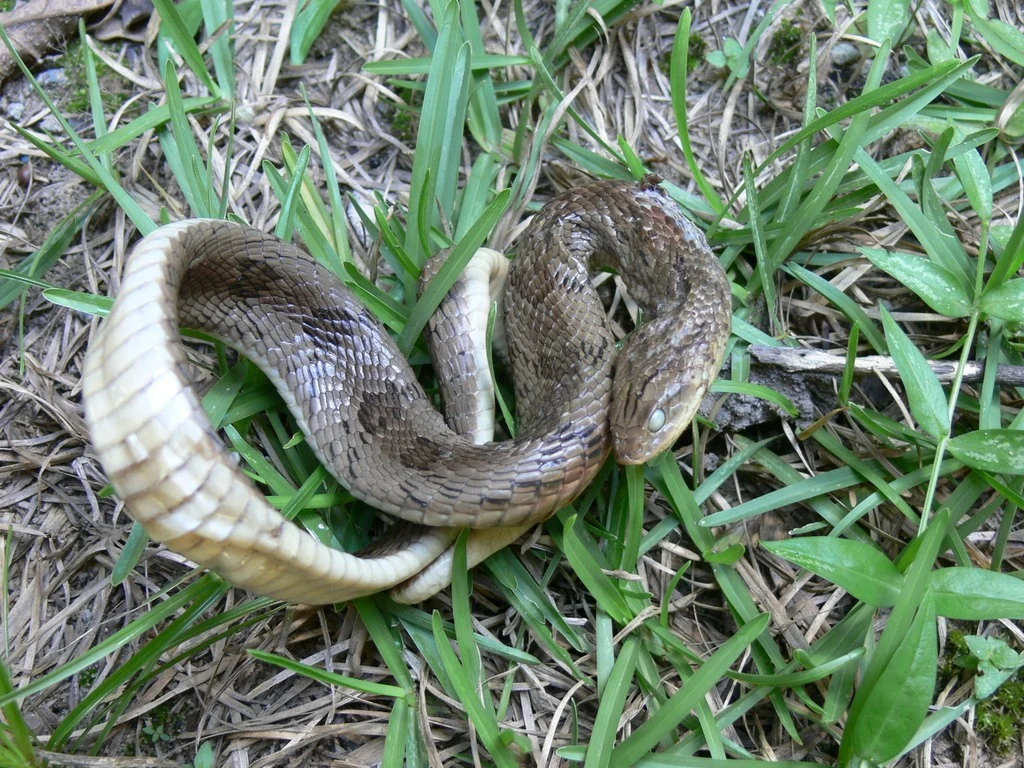
Afronatrix anoscopus; 3FJ6+JP Koakpo, Liberia; photographed 2021-05-13.

001 · Colubridae

African Brown Water Snake

Afronatrix anoscopus

(COPE, 1861)

Venom unknownNot yet assessed

The current taxonomic treatment explicitly lists this country. This is country-scale checklist evidence, not a claim of continuous occupancy or a complete regional inventory. Kindia: observation GBIF 6552961400 (2026). The original iNaturalist entry was rechecked for research-grade identification, wild status and unrestricted coordinates; its reported…

Read the species account →

no rights reserved · CC0 · https://creativecommons.org/publicdomain/zero/1.0/

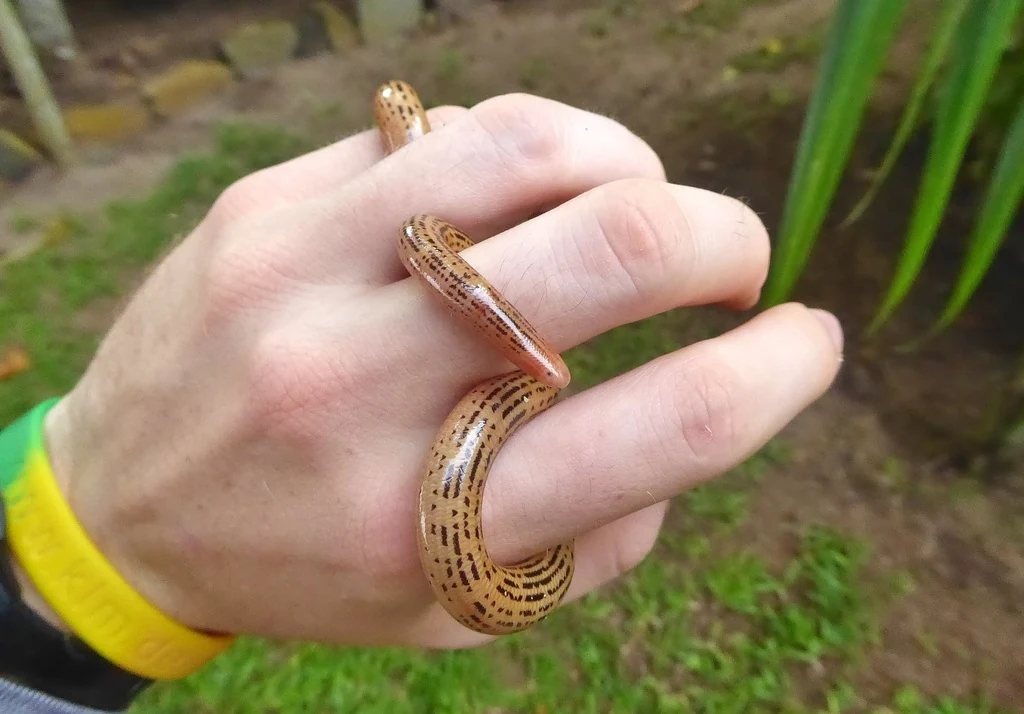
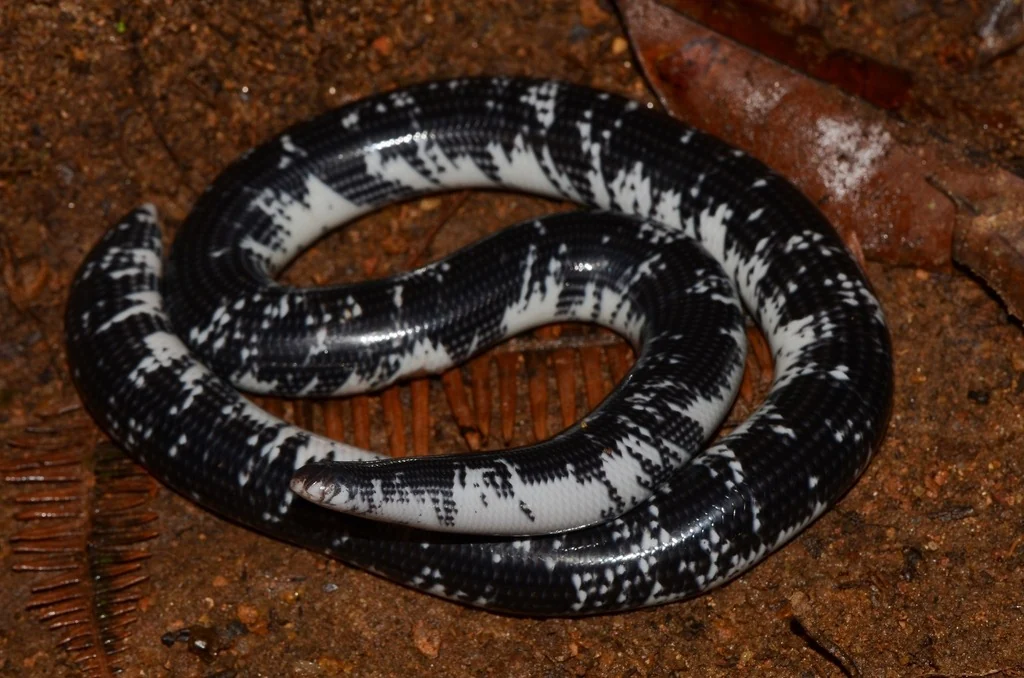
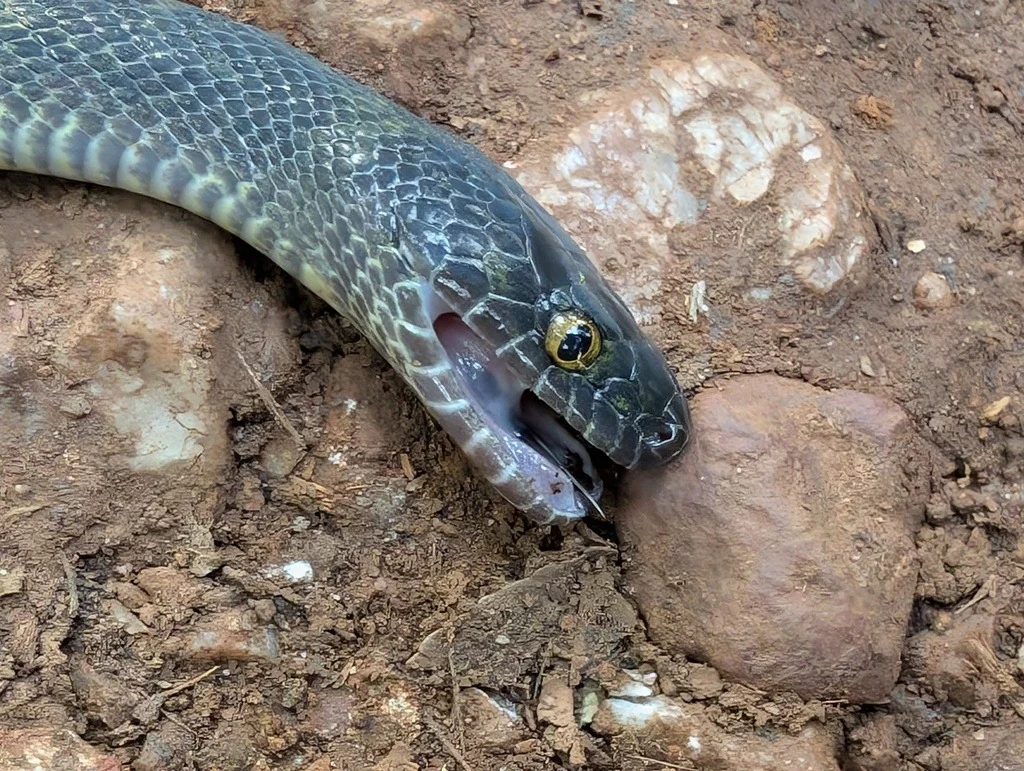
Afrotyphlops elegans, photographed 2018-01-10. Identification follows the linked research-grade observation. The animal is temporarily held in the source photograph.

002 · Typhlopidae

Elegant Worm Snake

Afrotyphlops elegans

(PETERS, 1868)

Non-venomous

The current taxonomic treatment explicitly lists this country. This is country-scale checklist evidence, not a claim of continuous occupancy or a complete regional inventory.

Read the species account →

Thibaud Aronson · CC BY-SA 4.0 · https://creativecommons.org/licenses/by-sa/4.0/

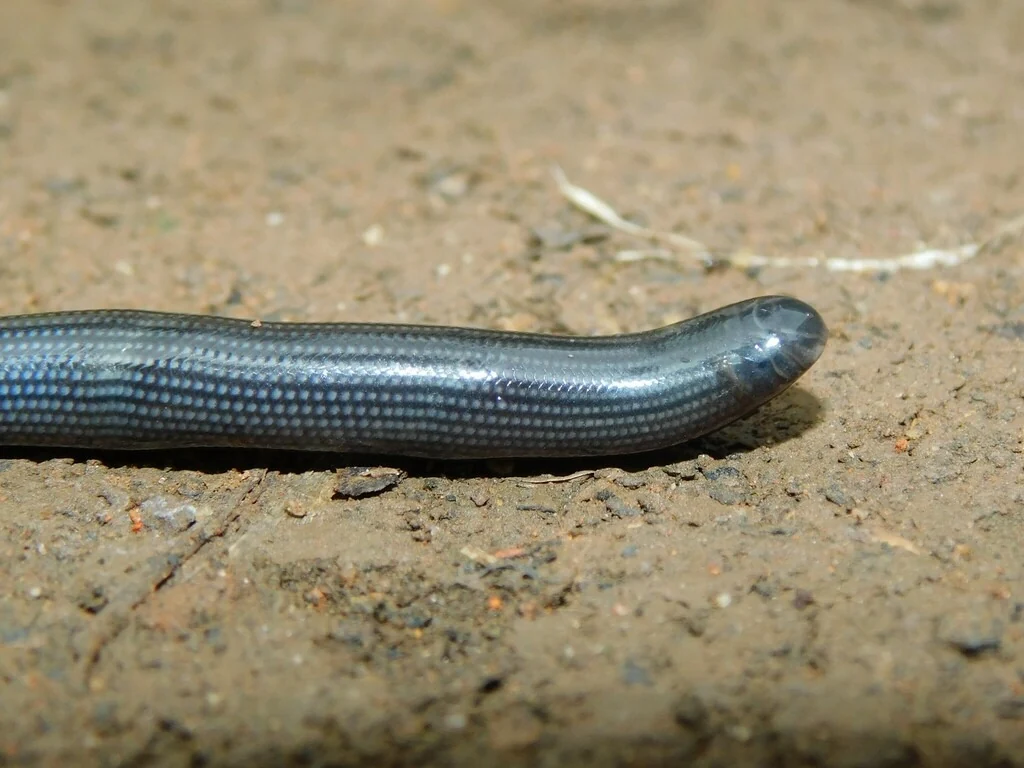
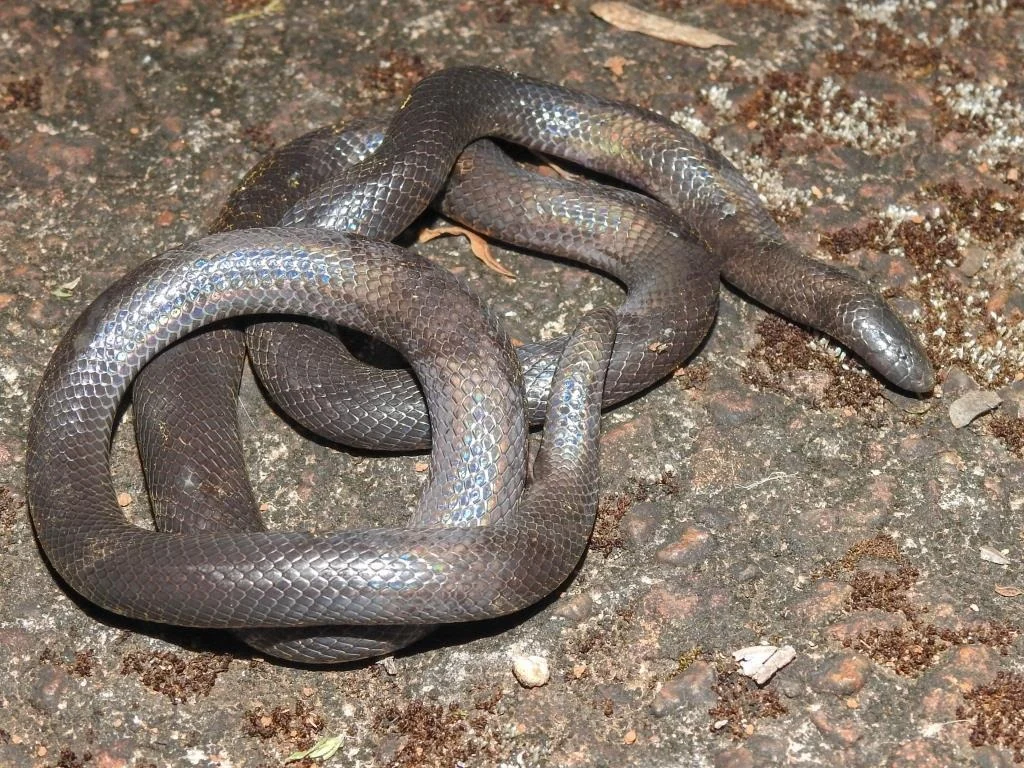
Afrotyphlops liberiensis; 3GV3+74 Dobloke, Liberia; photographed 2021-05-14.

003 · Typhlopidae

Guinea Blind Snake

Afrotyphlops liberiensis

(HALLOWELL, 1848)

Non-venomous

The current taxonomic treatment explicitly lists this country. This is country-scale checklist evidence, not a claim of continuous occupancy or a complete regional inventory.

Read the species account →

no rights reserved · CC0 · https://creativecommons.org/publicdomain/zero/1.0/

Afrotyphlops lineolatus; Hoima, Ouganda; photographed 2022-09-21.

004 · Typhlopidae

Common Lined Worm Snake, Lineolate Blind Snake

Afrotyphlops lineolatus

(JAN, 1864)

Non-venomous

The current taxonomic treatment explicitly lists this country. This is country-scale checklist evidence, not a claim of continuous occupancy or a complete regional inventory.

Read the species account →

Tommy Andriollo · CC BY 4.0 · https://creativecommons.org/licenses/by/4.0/

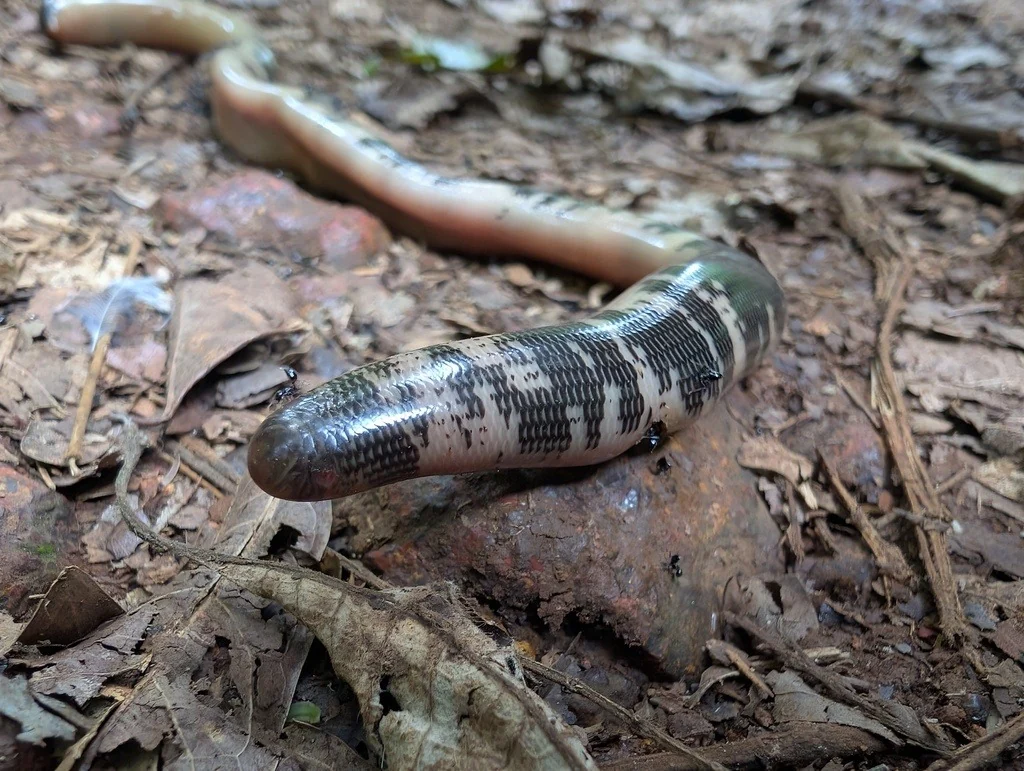
Afrotyphlops punctatus; Atiwa West, Ghana; photographed 2025-02-27.

005 · Typhlopidae

Spotted Blind Snake

Afrotyphlops punctatus

(LEACH, 1819)

Non-venomous

The current taxonomic treatment explicitly lists this country. This is country-scale checklist evidence, not a claim of continuous occupancy or a complete regional inventory.

Read the species account →

Zac Peterson · CC BY 4.0 · https://creativecommons.org/licenses/by/4.0/

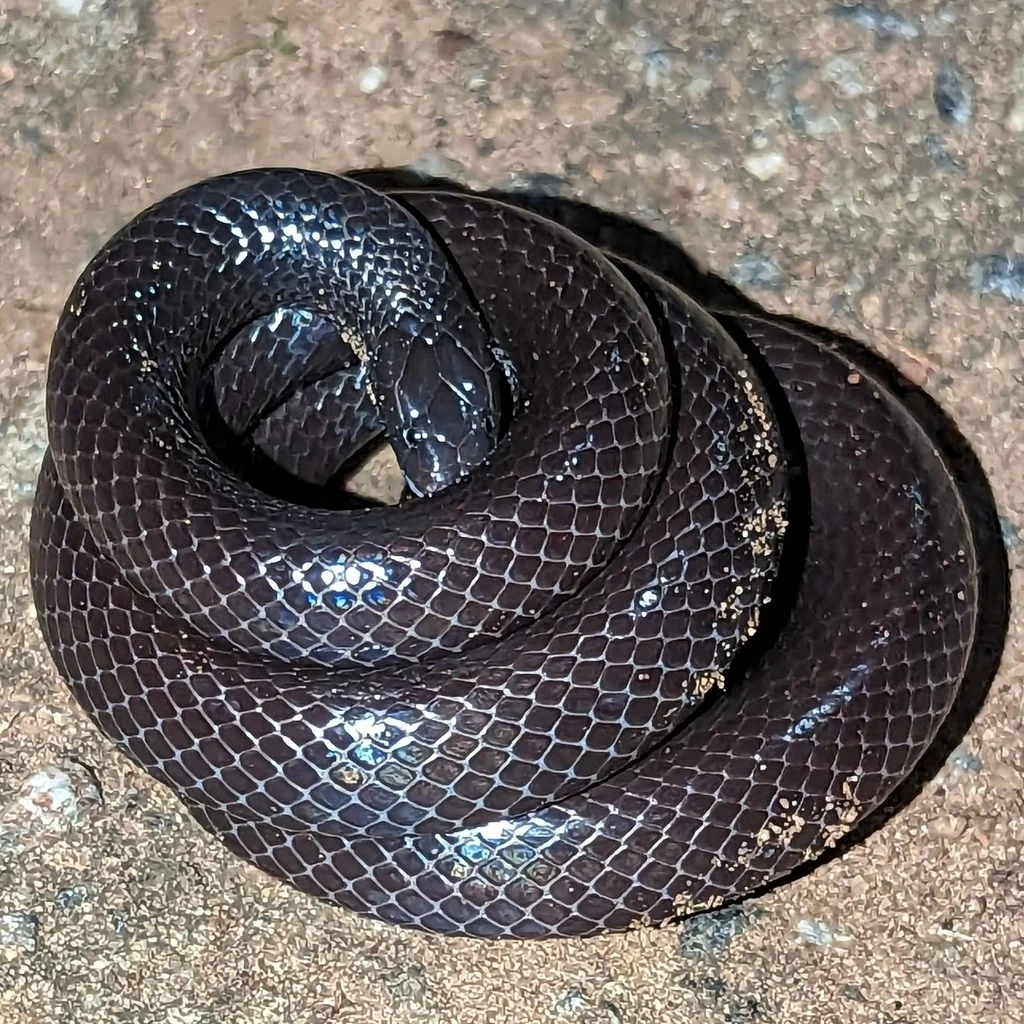
Amblyodipsas unicolor; Ayawaso West Municipal, Accra, Ghana; photographed 2023-09-04.

006 · Atractaspididae

Dull Purple-glossed Snake, Western Purple-glossed Snake

Amblyodipsas unicolor

(REINHARDT, 1843)

Venom unknownNot yet assessed

The current taxonomic treatment explicitly lists this country. This is country-scale checklist evidence, not a claim of continuous occupancy or a complete regional inventory.

Read the species account →

biogeek · CC BY 4.0 · https://creativecommons.org/licenses/by/4.0/

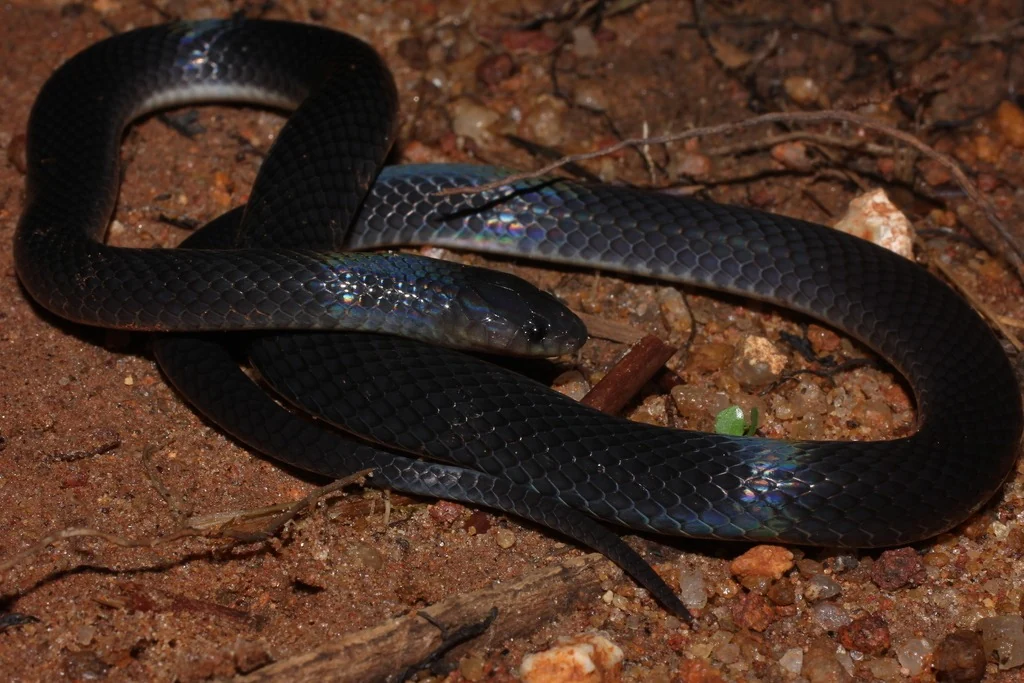
Aparallactus modestus; Jaedae, Liberia; photographed 2021-11-04.

008 · Atractaspididae

Western Forest Centipede-eater

Aparallactus modestus

(GÜNTHER, 1859)

Venom unknownEvidence inconclusive

The current taxonomic treatment explicitly lists this country. This is country-scale checklist evidence, not a claim of continuous occupancy or a complete regional inventory.

Read the species account →

Ryan van Huyssteen · CC BY 4.0 · https://creativecommons.org/licenses/by/4.0/

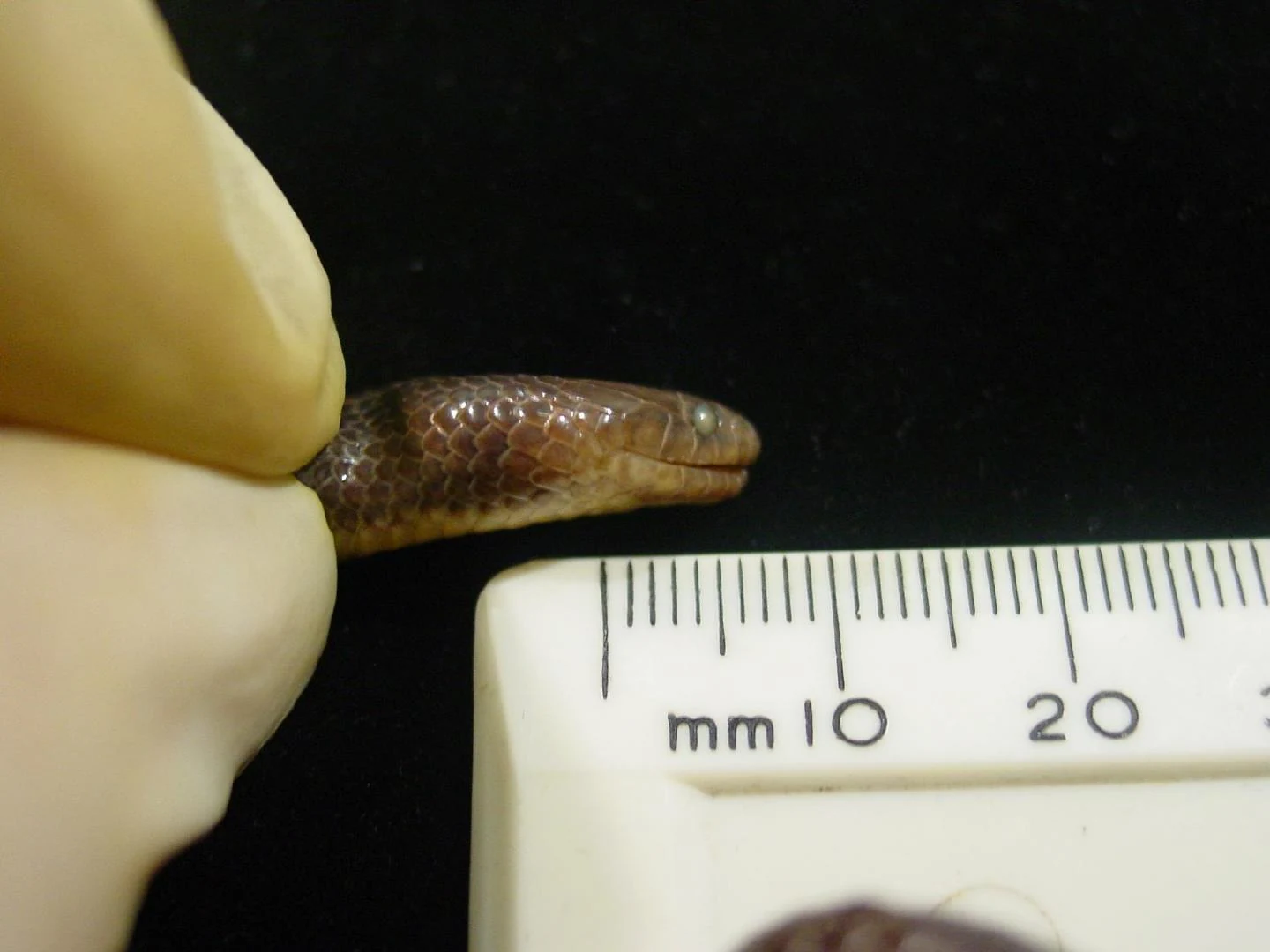
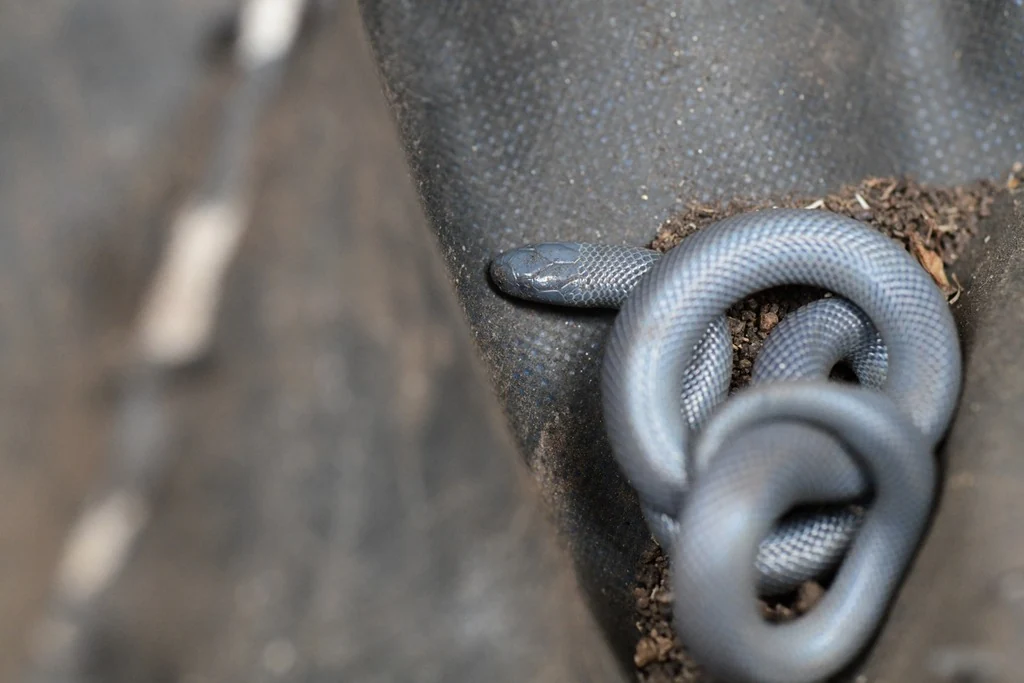
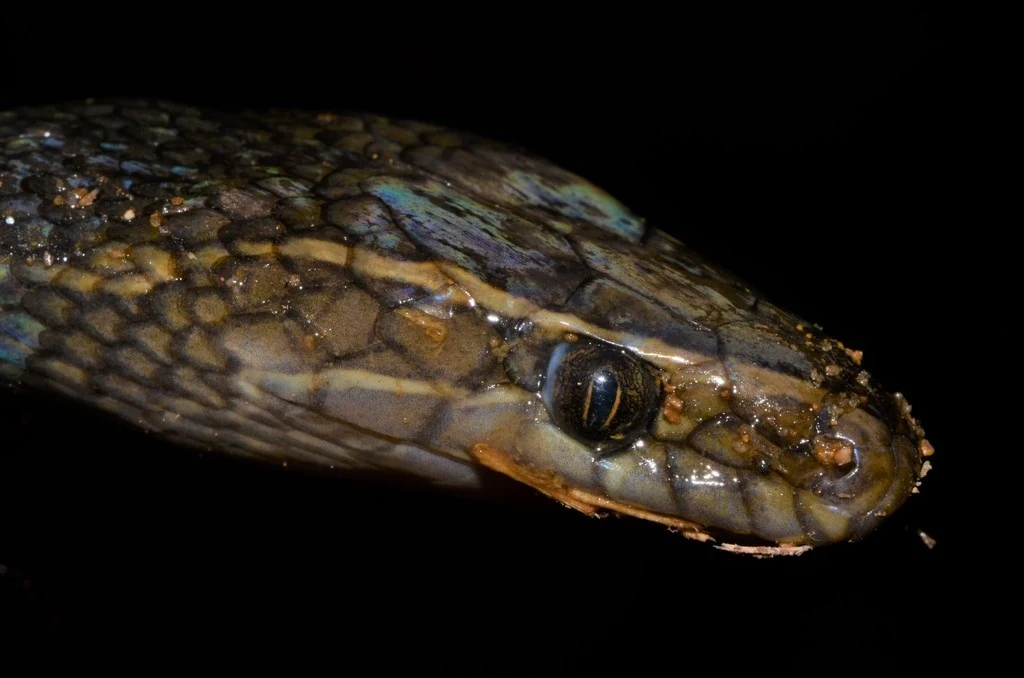
Aparallactus niger. Preserved museum specimen, Natural History Museum, London, 1946.1.6.89. Colours may have changed in preservative. This collection image adds no geographic occurrence record. Lateral head detail with scale bar; the photograph does not show the complete animal.

009 · Atractaspididae

Black Centipede-eater

Aparallactus niger

BOULENGER, 1897

VenomousClinical severity not established

The current taxonomic treatment explicitly lists this country. This is country-scale checklist evidence, not a claim of continuous occupancy or a complete regional inventory.

Read the species account →

Patrick Campbell / The Trustees of the Natural History Museum, London · CC BY 4.0 · https://creativecommons.org/licenses/by/4.0/

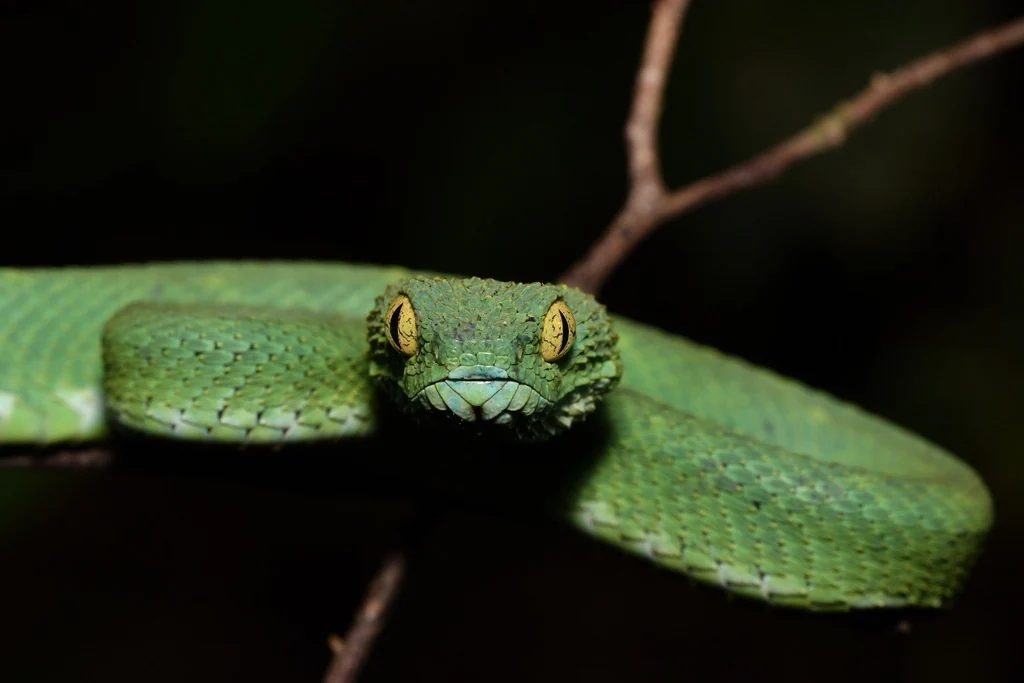
Atheris chlorechis; Cavally, Côte d'Ivoire; photographed 2022-08-13.

010 · Viperidae

Green bush viper

Atheris chlorechis

(PEL, 1852)

VenomousClinical severity not established

The current taxonomic treatment explicitly lists this country. This is country-scale checklist evidence, not a claim of continuous occupancy or a complete regional inventory. Kindia: observation GBIF 6186168886 (2026). The original iNaturalist entry was rechecked for research-grade identification, wild status and unrestricted coordinates; its reported…

Read the species account →

no rights reserved · CC0 · https://creativecommons.org/publicdomain/zero/1.0/

Atractaspis aterrima; Man, Côte d'Ivoire; photographed 2019-11-19.

011 · Atractaspididae

Mole Viper, Slender Burrowing Asp

Atractaspis aterrima

GÜNTHER, 1863

VenomousClinical severity not established

The current taxonomic treatment explicitly lists this country. This is country-scale checklist evidence, not a claim of continuous occupancy or a complete regional inventory. Kindia: observation GBIF 4138258346 (2019). The original iNaturalist entry was rechecked for research-grade identification, wild status and unrestricted coordinates; its reported…

Read the species account →

Dérozier Violette · CC BY 4.0 · https://creativecommons.org/licenses/by/4.0/

Atractaspis irregularis; Central, Kenya; photographed 2021-04-30.

013 · Atractaspididae

Variable Burrowing Asp, Mole Viper

Atractaspis irregularis

(REINHARDT, 1843)

VenomousClinical severity not established

The current taxonomic treatment explicitly lists this country. This is country-scale checklist evidence, not a claim of continuous occupancy or a complete regional inventory.

Read the species account →

James Christian · CC BY 4.0 · https://creativecommons.org/licenses/by/4.0/

ColubridaeBamanophisPhotograph not yet documented

014 · Colubridae

Species account

Bamanophis dorri

(LATASTE, 1888)

Venom unknownNot yet assessed

The current taxonomic treatment explicitly lists this country. This is country-scale checklist evidence, not a claim of continuous occupancy or a complete regional inventory. Labe: observation GBIF 4919329147 (2024). The original iNaturalist entry was rechecked for research-grade identification, wild status and unrestricted coordinates; its reported…

Read the species account →
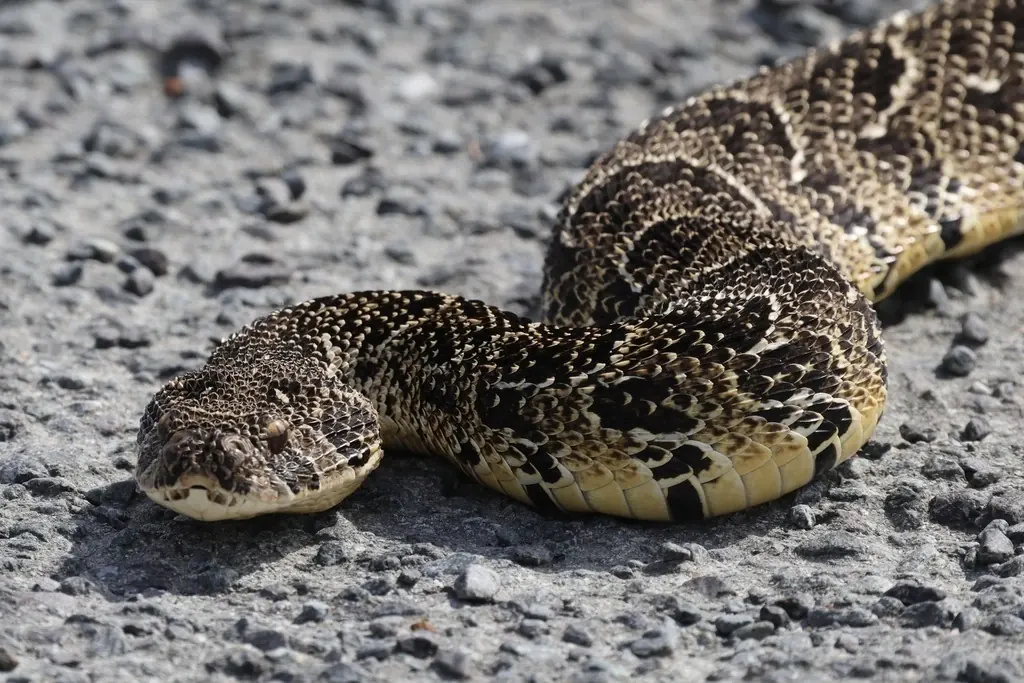
Bitis arietans. Identification follows the linked source community.

015 · Viperidae

Puff Adder

Bitis arietans

(MERREM, 1820)

VenomousClinical severity not established

Explicit country record in the current species treatment. The current taxonomic treatment explicitly lists this country. This is country-scale checklist evidence, not a claim of continuous occupancy or a complete regional inventory. Faranah: observation GBIF 5064074525 (2025). The original iNaturalist entry was rechecked for research-grade…

Read the species account →

Cricket Raspet · CC BY 4.0 · https://creativecommons.org/licenses/by/4.0/

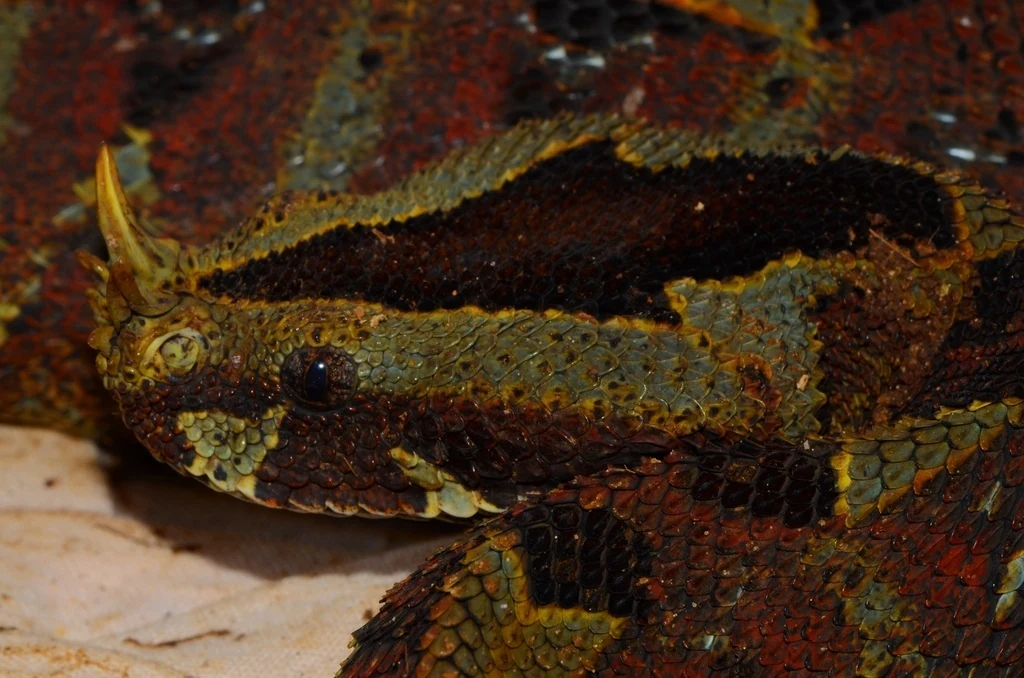
Bitis nasicornis, photographed 2012-10-08. Identification follows the linked research-grade observation.

016 · Viperidae

Rhinoceros Viper

Bitis nasicornis

(SHAW & NODDER, 1792)

VenomousClinical severity not established

The current taxonomic treatment explicitly lists this country. This is country-scale checklist evidence, not a claim of continuous occupancy or a complete regional inventory.

Read the species account →

Marius Burger (iNaturalist contributor) · CC0 1.0 · https://creativecommons.org/publicdomain/zero/1.0/

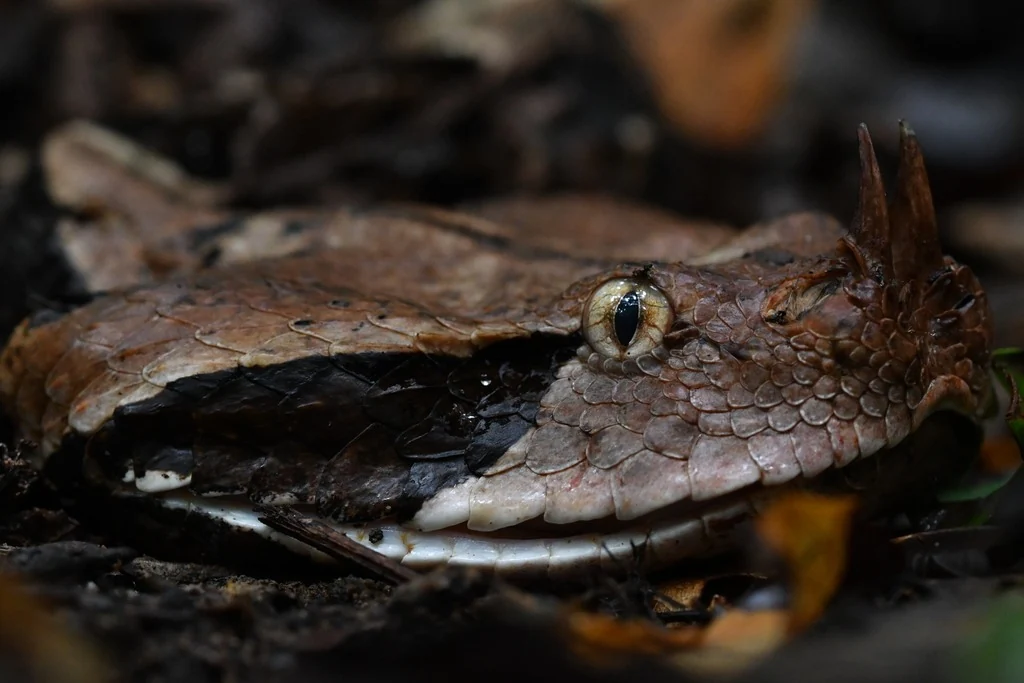
Bitis rhinoceros; Cavally, Côte d'Ivoire; photographed 2022-08-14.

017 · Viperidae

Species account

Bitis rhinoceros

(SCHLEGEL, 1855)

VenomousClinical severity not established

The current taxonomic treatment explicitly lists this country. This is country-scale checklist evidence, not a claim of continuous occupancy or a complete regional inventory. Kindia: observation GBIF 5759854880 (2025). The original iNaturalist entry was rechecked for research-grade identification, wild status and unrestricted coordinates; its reported…

Read the species account →

no rights reserved · CC0 · https://creativecommons.org/publicdomain/zero/1.0/

Boaedon fuliginosus, photographed 2020-08-12. Identification follows the linked research-grade observation.

018 · Lamprophiidae

Brown House Snake, African House Snake

Boaedon fuliginosus

(BOIE, 1827)

Non-venomous

Listed in the reviewed taxonomic treatment. The current taxonomic treatment explicitly lists this country. This is country-scale checklist evidence, not a claim of continuous occupancy or a complete regional inventory.

Read the species account →

Diossina · CC BY 4.0 · https://creativecommons.org/licenses/by/4.0/

LamprophiidaeBoaedonPhotograph not yet documented

019 · Lamprophiidae

Striped House Snake

Boaedon lineatus

DUMÉRIL, BIBRON & DUMÉRIL, 1854

Non-venomous

The current taxonomic treatment explicitly lists this country. This is country-scale checklist evidence, not a claim of continuous occupancy or a complete regional inventory. Kindia: observation GBIF 5897190552 (2025). The original iNaturalist entry was rechecked for research-grade identification, wild status and unrestricted coordinates; its reported…

Read the species account →
Boaedon olivaceus; Atiwa West, Ghana; photographed 2025-02-26.

020 · Lamprophiidae

Olive House Snake

Boaedon olivaceus

(DUMÉRIL, 1856)

Non-venomous

The current taxonomic treatment explicitly lists this country. This is country-scale checklist evidence, not a claim of continuous occupancy or a complete regional inventory.

Read the species account →

Zac Peterson · CC BY 4.0 · https://creativecommons.org/licenses/by/4.0/

Boaedon virgatus, photographed 2012-10-07. Identification follows the linked research-grade observation.

021 · Lamprophiidae

Hallowell's House Snake, Dark-bellied House Snake

Boaedon virgatus

(HALLOWELL, 1854)

Non-venomous

The current taxonomic treatment explicitly lists this country. This is country-scale checklist evidence, not a claim of continuous occupancy or a complete regional inventory.

Read the species account →

Marius Burger (iNaturalist contributor) · CC0 1.0 · https://creativecommons.org/publicdomain/zero/1.0/

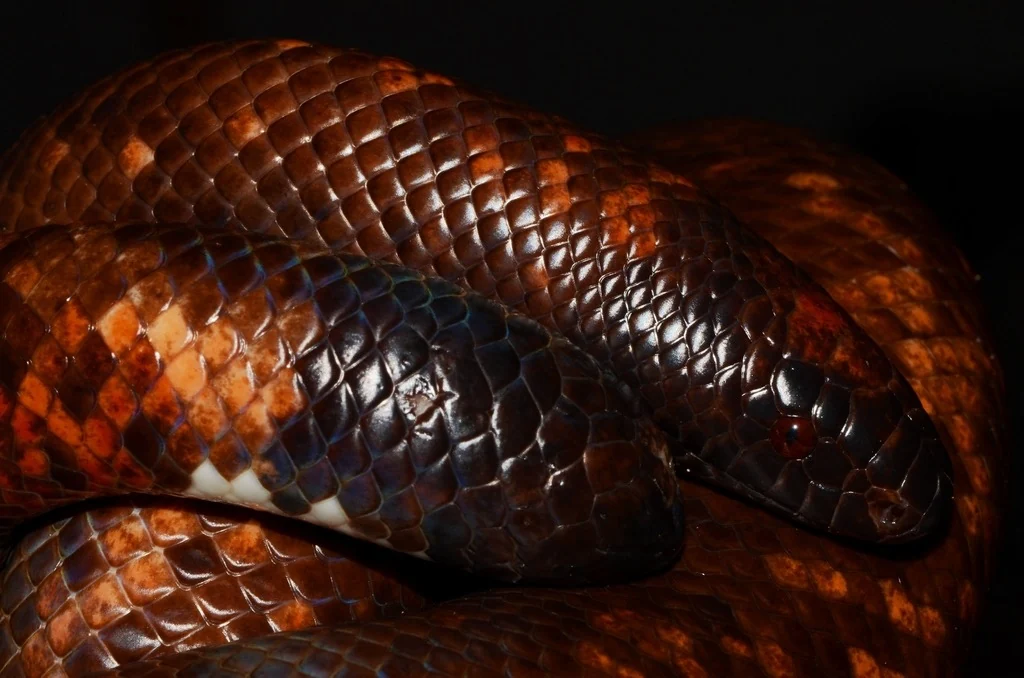
Calabaria reinhardtii; Loandjili, CG-KO, CG; photographed 2014-04-30.

022 · Boidae

Calabar Ground Python, African Burrowing Python

Calabaria reinhardtii

(SCHLEGEL, 1851)

Non-venomous

The current taxonomic treatment explicitly lists this country. This is country-scale checklist evidence, not a claim of continuous occupancy or a complete regional inventory.

Read the species account →

no rights reserved · CC0 · https://creativecommons.org/publicdomain/zero/1.0/

Causus lichtensteinii; Karuma Fr, Buruli, Western, UG; photographed 2022-07-29.

023 · Viperidae

Forest night adder

Causus lichtensteinii

(JAN, 1859)

VenomousClinical severity not established

The current taxonomic treatment explicitly lists this country. This is country-scale checklist evidence, not a claim of continuous occupancy or a complete regional inventory. Nzerekore: observation GBIF 5839953108 (2025). The original iNaturalist entry was rechecked for research-grade identification, wild status and unrestricted coordinates; its reported…

Read the species account →

tlaloc27 · CC BY 4.0 · https://creativecommons.org/licenses/by/4.0/

Causus maculatus; Lesio-Louna Reserve - Iboubikro, Republic of the Congo; photographed 2006-07-20.

024 · Viperidae

Spotted Night Adder, West-African Night Adder

Causus maculatus

(HALLOWELL, 1842)

VenomousClinical severity not established

The current taxonomic treatment explicitly lists this country. This is country-scale checklist evidence, not a claim of continuous occupancy or a complete regional inventory. Kindia: observation GBIF 5759568733 (2025). The original iNaturalist entry was rechecked for research-grade identification, wild status and unrestricted coordinates; its reported…

Read the species account →

Tony King · CC BY 4.0 · https://creativecommons.org/licenses/by/4.0/

The research library

Sources & the checklist.

This edition lists 106 species with supported country records from checked taxonomic treatments and cited field studies. It is not a claim of a complete national inventory. Each account retains its source and check date; individual evidence entries retain their own review dates.

Range and taxonomy review

Country links use a single accepted species identity. Revised names and disputed records are kept visible here; uncertain records do not enter the listed collection or regional totals.

Philothamnus semivariegatus

Uncertain — excluded from the listed total

The checked treatment contains a conflicting, superseded or insufficiently corroborated country report. It is retained for review and excluded from positive counts; this is not an assertion of absence.

Source 1 ↗

How the map and counts work

Search results were checked against distribution text and taxonomic qualifications. A geographic name alone does not establish a political country: New Guinea, the Solomon archipelago and Micronesia span more than one country or territory. Introduced and unresolved records require separate interpretation.

Place counts require explicit named localities, including valid type localities. Counts can overlap where sources name multiple places. Regional maps group historical boundary snapshots for navigation, while island outlines use Natural Earth; neither is a species range or an observation map. Small islands can be below the outline dataset’s resolution, so geographic reference markers and the directory remain available.

World Food Programme, OCHA ROWCA; geoBoundaries gbOpen ADM1, 2017 snapshot; Creative Commons Attribution 3.0 Intergovernmental Organisations (CC BY 3.0 IGO). Map provenance →
Exclusions & qualifications (1)

Philothamnus semivariegatus

The checked treatment contains a conflicting, superseded or insufficiently corroborated country report. It is retained for review and excluded from positive counts; this is not an assertion of absence.

Read source 1 ↗
  1. Map boundaries, snapshot and group membership ↗
  2. Convention on Biological Diversity · Guinea national profile ↗
  3. The Reptile Database

    Individual treatments and locality evidence are linked from each species account.

  4. Meiri (2024): SquamBase 1.0

    Species-level literature measurements and ecological traits. Exact-name matches only; imputed or ambiguous fields are omitted. These summaries are not local observations.

  5. Natural Earth: public-domain geographic data

Continue through the Africa atlas →