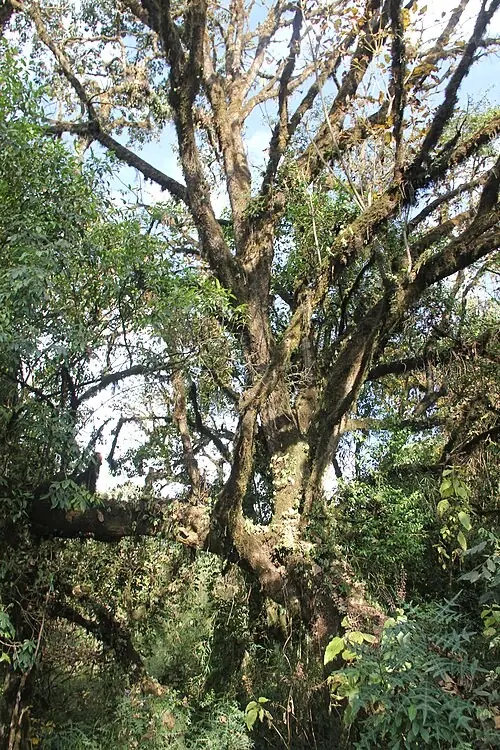
Mossy trunks and dense vegetation in Harenna Forest, Ethiopia.

Ethiopia · Habitat field guide

Forest & woodland

Ethiopia’s forest account includes wild and partly managed coffee forests. Managed forest and other wooded land need separate locality context.

Mossy trunks and dense vegetation in Harenna Forest, Ethiopia.

Photograph: Laika ac from UK · Image source · CC BY-SA 2.0. Cropped to fill the hero; darkened for text legibility.

Understanding the environment

A sense of the habitat.

Ethiopia’s forest account includes wild and partly managed coffee forests. Managed forest and other wooded land need separate locality context.

Geographic scope
Ethiopia; named examples and source scope matter.
Evidence scale
Landscape context is separate from species locality evidence.
Source chronology
Consult the original publication date; checked 12 October 2026.

Explore the structure · Select a layer to compare the details a locality record can preserve.

Read the setting in three layers.

Select a zone to see what changes.

Tree cover

Tree cover

Separate closed forest, open woodland and planted trees.

Compare this detail with the original field or museum record before assigning a habitat association.

These reading prompts explain how to interpret evidence; they do not assert that every feature occurs at every site.

Sources: Convention on Biological Diversity · Ethiopia national profile

Field notes · 01

The documented landscape

Ethiopia’s forest account includes wild and partly managed coffee forests. Managed forest and other wooded land need separate locality context.

Sources: Convention on Biological Diversity · Ethiopia national profile

Field notes · 02

Connect habitat and locality

Use the species account to check whether a habitat statement applies to this country or elsewhere in the species’ range. A landscape photograph illustrates its own named place; it is not evidence of snake presence.

Pressures on Ethiopia’s habitats

What is at risk?

A site-specific assessment of pressures has not yet been extracted for this guide. The landscape sources below provide context; they do not establish a current threat level for each snake species.

What helps this habitat

Retain natural vegetation and water connections where local conservation evidence supports them. Consult the linked national or site account for the pressures and management actions actually reported there.

The connected collection

Snakes with habitat evidence.

These 15 species have supported country occurrence and an explicit habitat association in the shared account. The association may come from elsewhere in their range. This is not a complete local habitat inventory; the places above are landscape examples, not asserted collecting sites.

15 species · showing 15

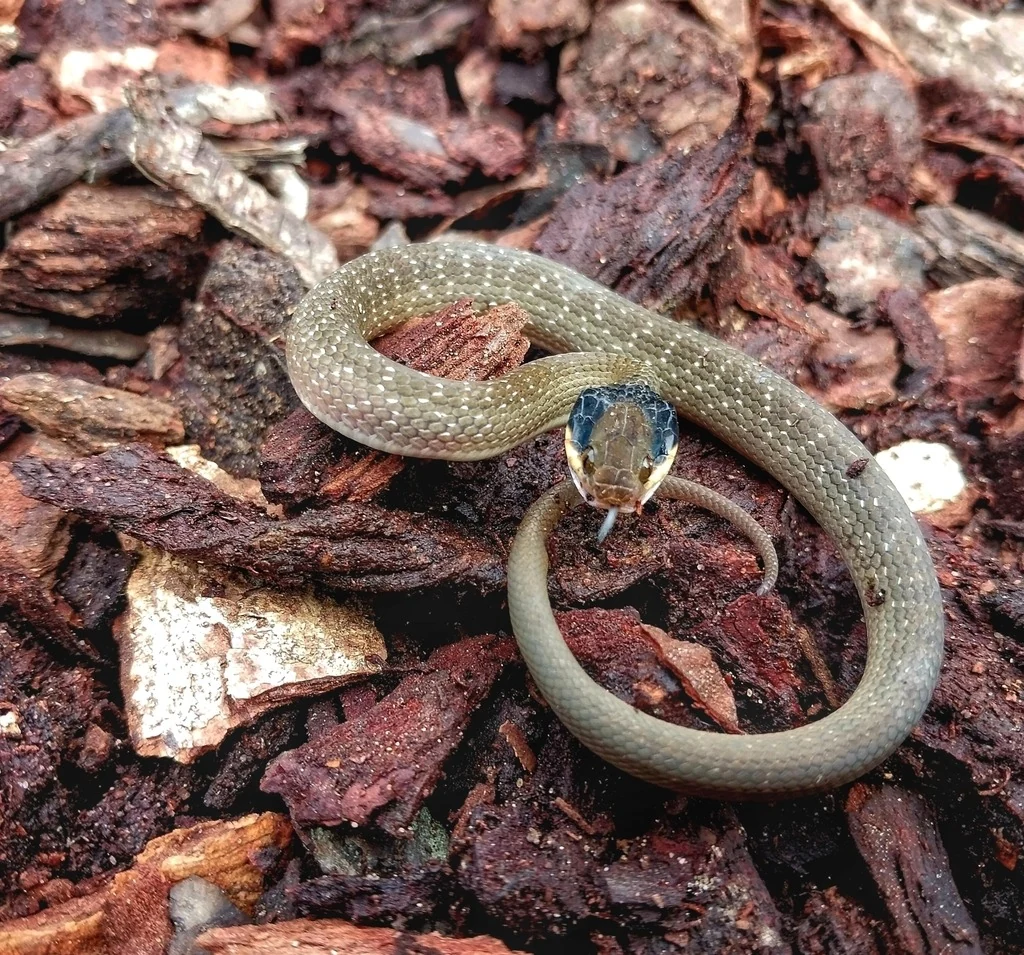
Female Ethiopian Forest Snake (Bofa erlangeri), photographed in Hawo, Harenna Forest, Ethiopia

001 · Lamprophiidae

Ethiopian forest snake

Bofa erlangeri

(STERNFELD, 1908)

Non-venomous

The current taxonomic treatment explicitly lists this country. This is country-scale checklist evidence, not a claim of continuous occupancy or a complete regional inventory.

Read the species account →

Arthur Tiutenko (Tiutenko) · CC BY 4.0 · https://creativecommons.org/licenses/by/4.0
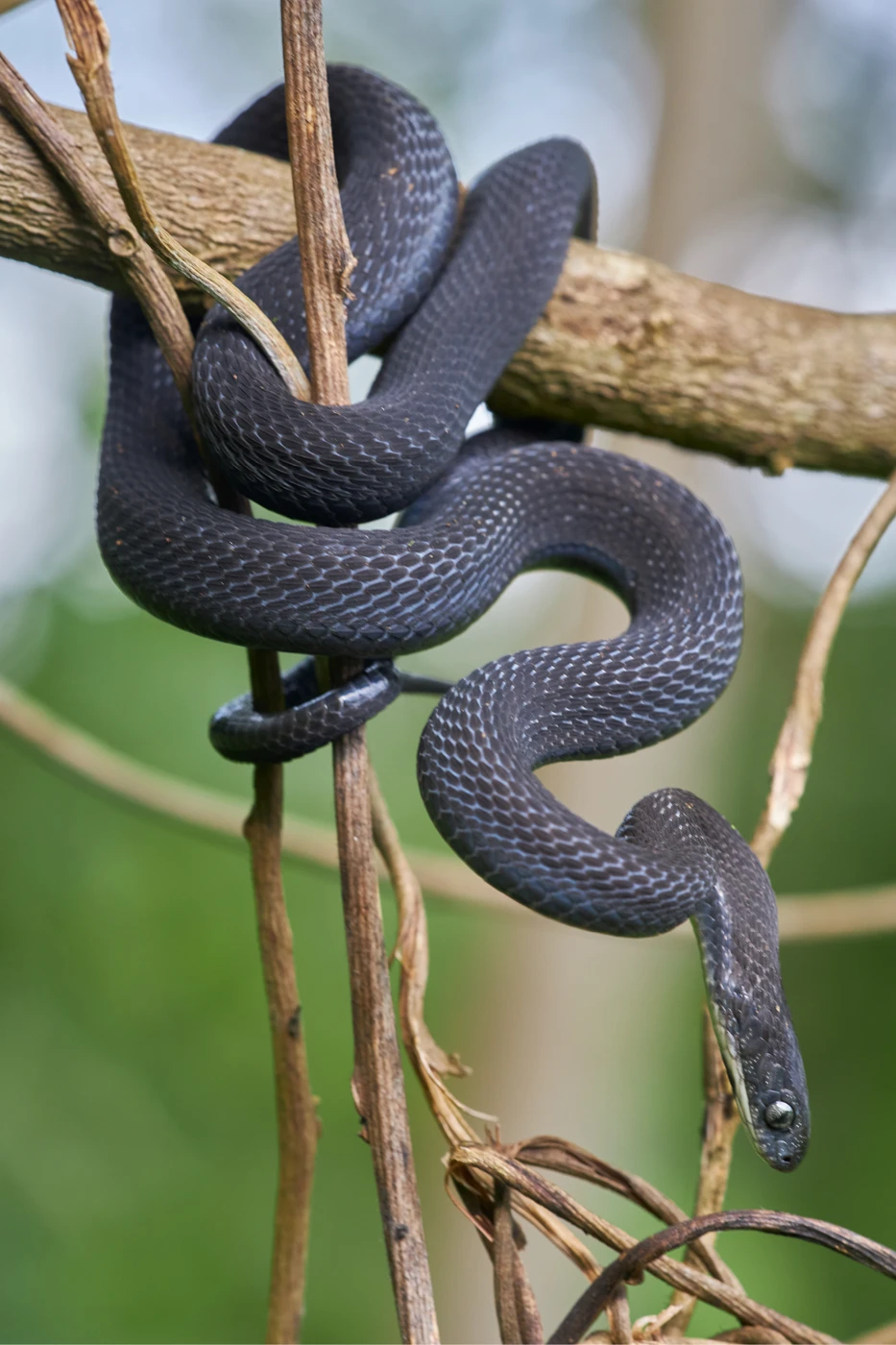
Causus maculatus; Lesio-Louna Reserve - Iboubikro, Republic of the Congo; photographed 2006-07-20.

002 · Viperidae

Spotted Night Adder, West-African Night Adder

Causus maculatus

(HALLOWELL, 1842)

VenomousClinical severity not established

The current taxonomic treatment explicitly lists this country. This is country-scale checklist evidence, not a claim of continuous occupancy or a complete regional inventory. Gambela: observation GBIF 1993709963 (1992). The original iNaturalist entry was rechecked for research-grade identification, wild status and unrestricted coordinates; its reported…

Read the species account →

Tony King · CC BY 4.0 · https://creativecommons.org/licenses/by/4.0/

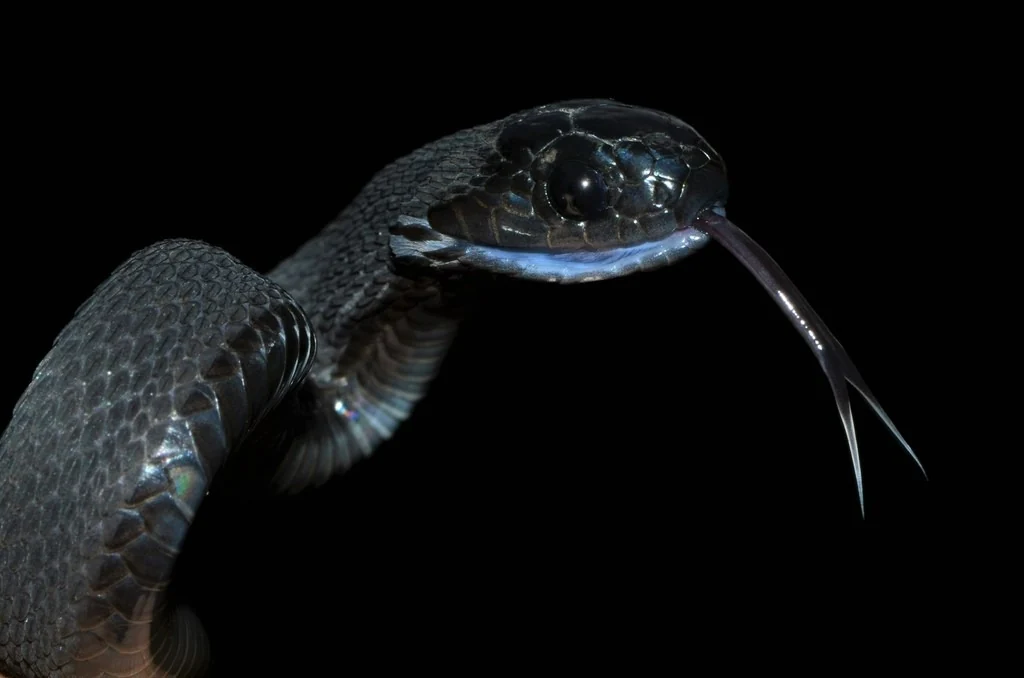
Crotaphopeltis hotamboeia; Campher's Drift, George, 6529, South Africa; photographed 2023-10-13.

003 · Colubridae

White-lipped Herald Snake, Red-lipped Snake

Crotaphopeltis hotamboeia

(LAURENTI, 1768)

Venom unknownNot yet assessed

The current taxonomic treatment explicitly lists this country. This is country-scale checklist evidence, not a claim of continuous occupancy or a complete regional inventory. Addis Ababa: observation GBIF 3705438642 (2022). The original iNaturalist entry was rechecked for research-grade identification, wild status and unrestricted coordinates; its…

Read the species account →

no rights reserved · CC0 · https://creativecommons.org/publicdomain/zero/1.0/

Tiutenko et al. (2026), Figure 11: male Dasypeltis albigularis HFE2025-002 from Manyate, Harenna Forest, Ethiopia. Image rights follow the original CC BY 4.0 publication.

004 · Colubridae

White-throated Egg-eater

Dasypeltis albigularis

TIUTENKO, HELLER & BATES, 2026

Venom unknownNot yet assessed

The current taxonomic treatment explicitly lists this country. This is country-scale checklist evidence, not a claim of continuous occupancy or a complete regional inventory.

Read the species account →

Arthur Tiutenko, Tim L. Heller & Michael F. Bates (publication credit) · CC BY 4.0 · https://creativecommons.org/licenses/by/4.0/

Dasypeltis atra; Karatu Simba Lodge, Karatu, Tanzania; photographed 2015-09-12.

005 · Colubridae

African Egg-eating Snake, Montane Egg-eater

Dasypeltis atra

STERNFELD, 1912

Venom unknownNot yet assessed

The current taxonomic treatment explicitly lists this country. This is country-scale checklist evidence, not a claim of continuous occupancy or a complete regional inventory.

Read the species account →

no rights reserved · CC0 · https://creativecommons.org/publicdomain/zero/1.0/

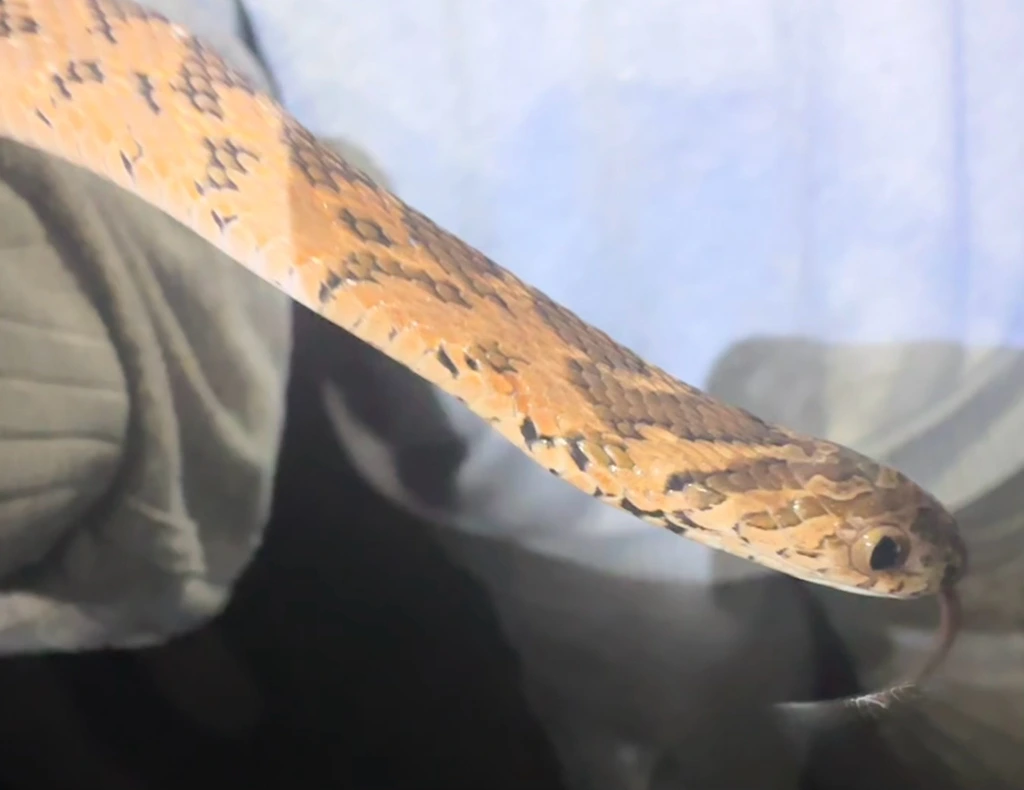
Dasypeltis confusa. Photographed through a transparent container in Angola; this is a handled specimen portrait. Original observation dated 2024-10-30; this portrait does not establish occurrence in other countries.

006 · Colubridae

Diamond-back Egg-eater, Confusing Egg Eater

Dasypeltis confusa

TRAPE & MANÉ, 2006

Venom unknownNot yet assessed

The current taxonomic treatment explicitly lists this country. This is country-scale checklist evidence, not a claim of continuous occupancy or a complete regional inventory.

Read the species account →

Robert Taylor · CC BY 4.0 · https://creativecommons.org/licenses/by/4.0/

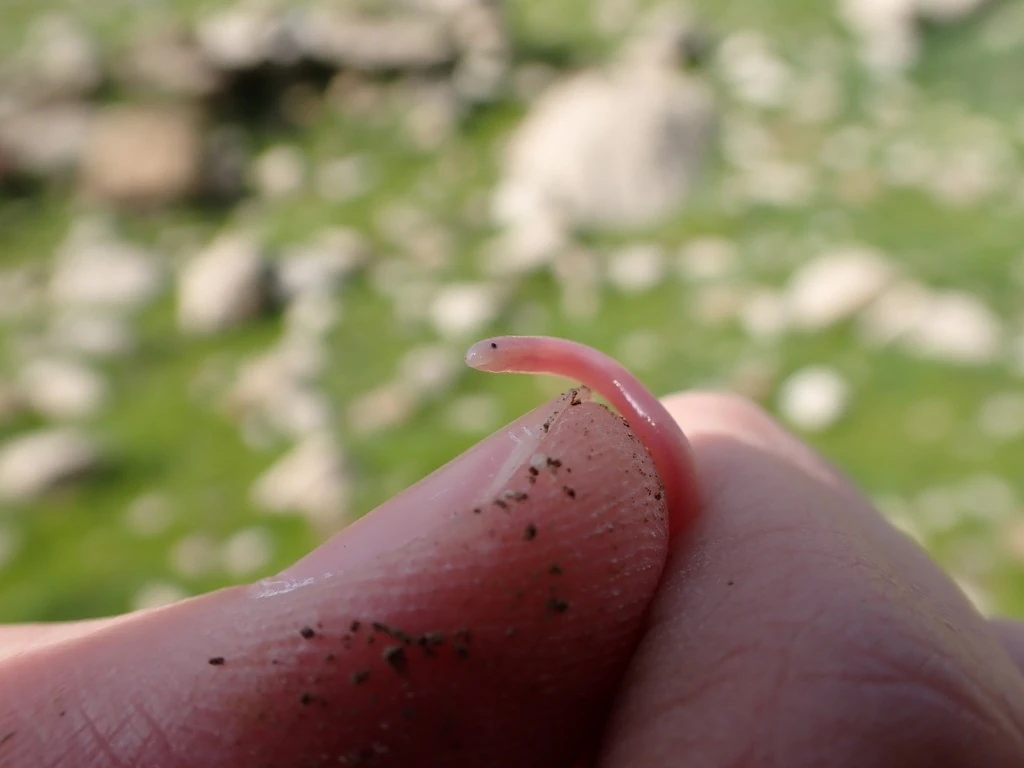
TyphlopidaeLetheobiaPhotograph not yet documented

007 · Typhlopidae

Highland Beaked Snake, Ethiopian Blind Snake

Letheobia somalica

(BOULENGER, 1895)

Non-venomous

The current taxonomic treatment explicitly lists this country. This is country-scale checklist evidence, not a claim of continuous occupancy or a complete regional inventory. Oromia: observation GBIF 1668810521 (2017). The original iNaturalist entry was rechecked for research-grade identification, wild status and unrestricted coordinates; its reported…

Read the species account →
Limaformosa savorgnani; Mayoko, CG-NI, CG; photographed 2012-10-02.

008 · Lamprophiidae

Congo File Snake

Limaformosa savorgnani

(MOCQUARD, 1887)

Non-venomous

The current taxonomic treatment explicitly lists this country. This is country-scale checklist evidence, not a claim of continuous occupancy or a complete regional inventory.

Read the species account →

no rights reserved · CC0 · https://creativecommons.org/publicdomain/zero/1.0/

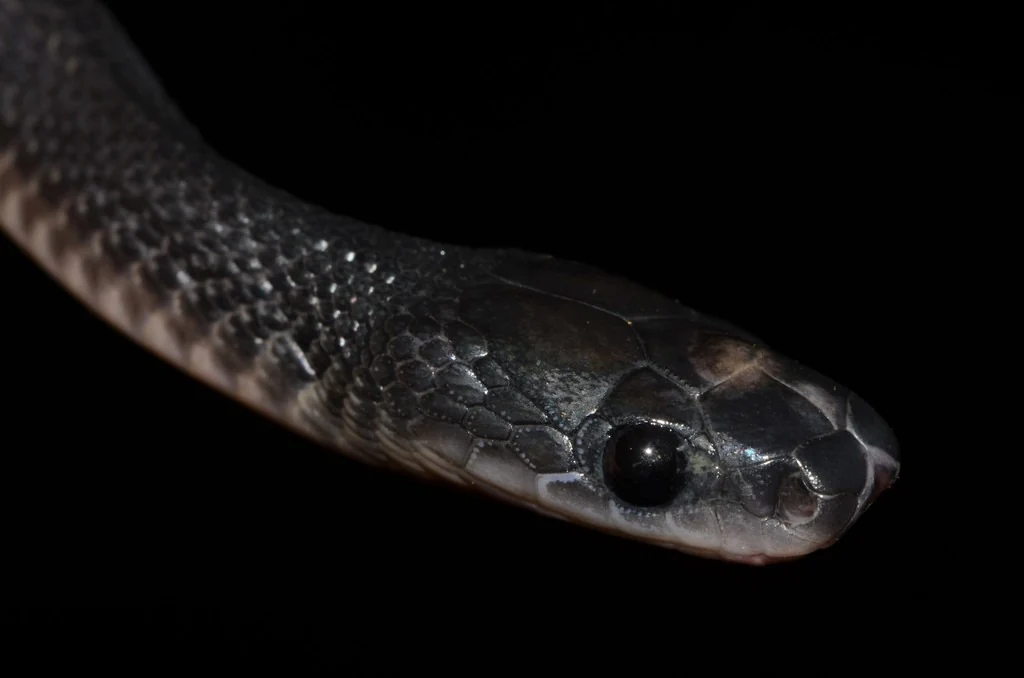
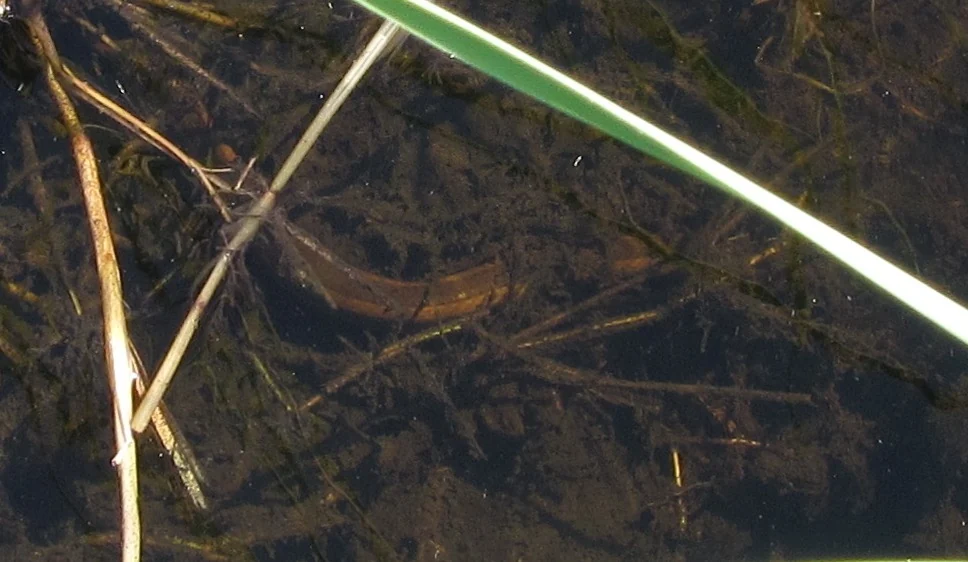
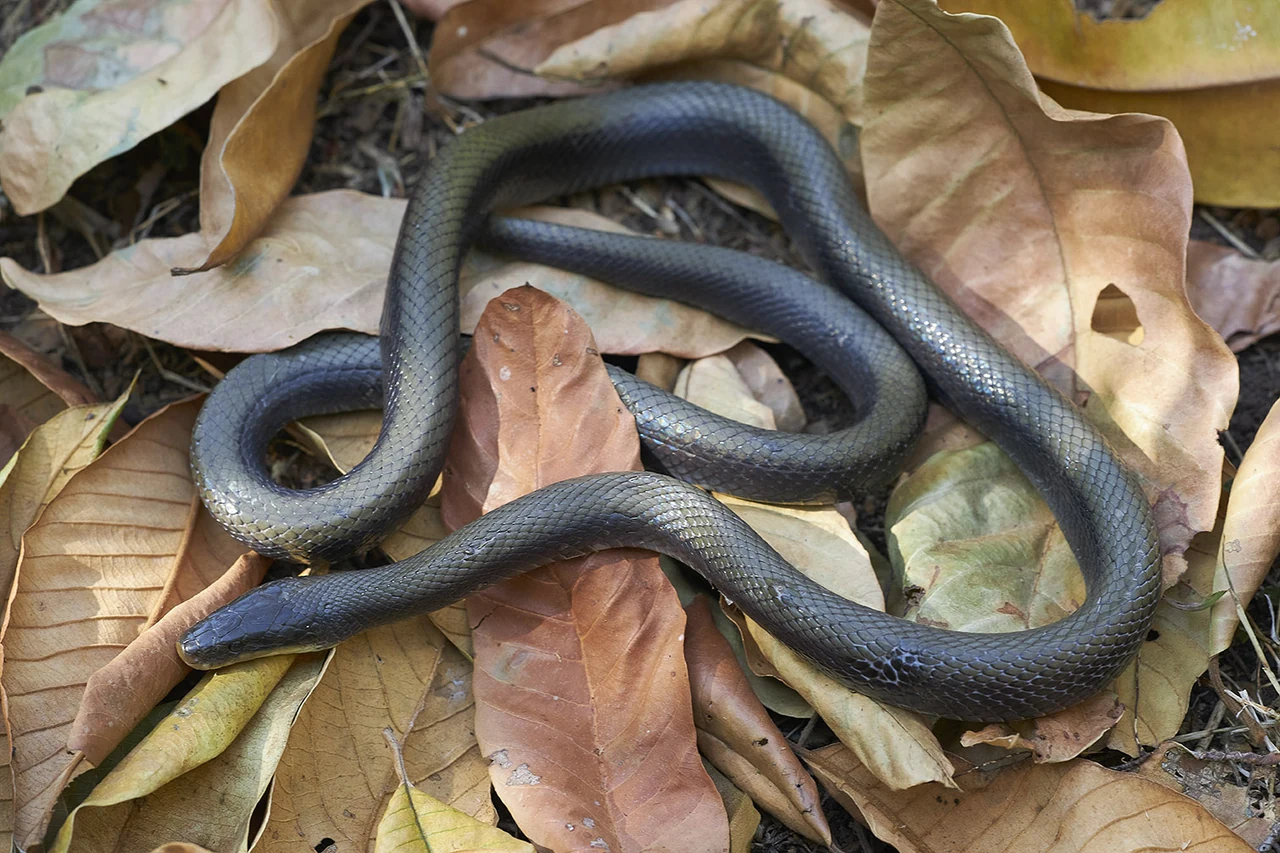
Myriopholis macrorhyncha. Identification follows the linked source community.

010 · Leptotyphlopidae

Longnosed Worm Snake, Hook-snouted worm snake

Myriopholis macrorhyncha

(JAN, 1860)

Non-venomous

The individual treatment explicitly lists Ethiopia. No within-country region or coordinate is inferred from this country-level record. The current taxonomic treatment explicitly lists this country. This is country-scale checklist evidence, not a claim of continuous occupancy or a complete regional inventory.

Read the species account →

Kian · CC BY 4.0 · https://creativecommons.org/licenses/by/4.0/

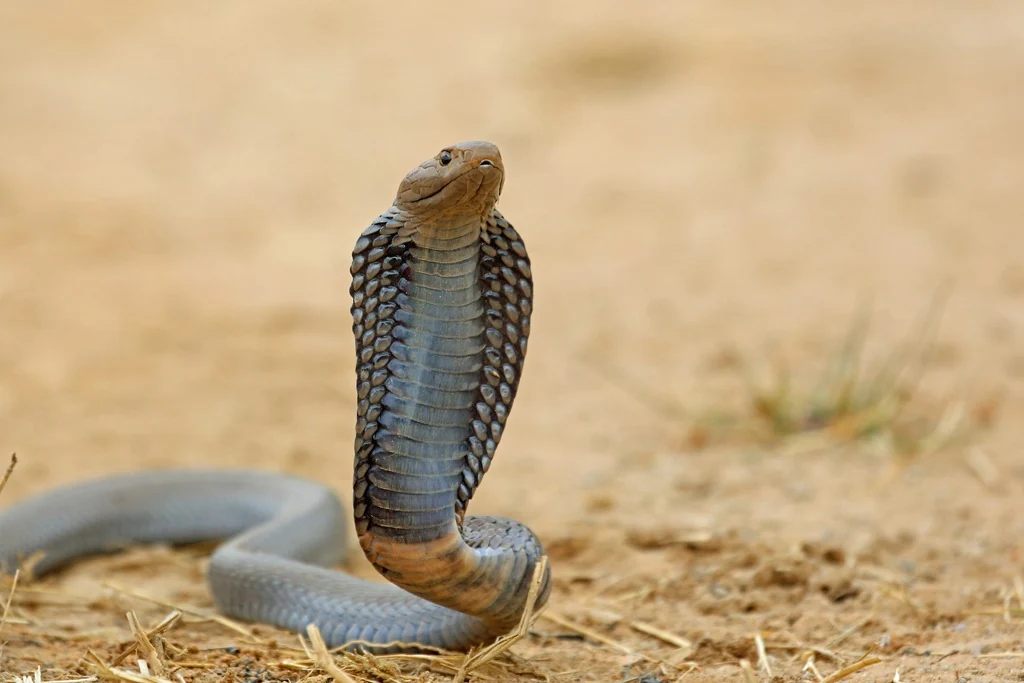
Naja nigricollis; Katanga Province, Democratic Republic of Congo; photographed 2014-08-20.

011 · Elapidae

Black-necked Spitting Cobra

Naja nigricollis

REINHARDT, 1843

VenomousClinical severity not established

The current taxonomic treatment explicitly lists this country. This is country-scale checklist evidence, not a claim of continuous occupancy or a complete regional inventory. Gambela: observation GBIF 6441072466 (2026). The original iNaturalist entry was rechecked for research-grade identification, wild status and unrestricted coordinates; its reported…

Read the species account →

Nigel Voaden · CC BY 4.0 · https://creativecommons.org/licenses/by/4.0/

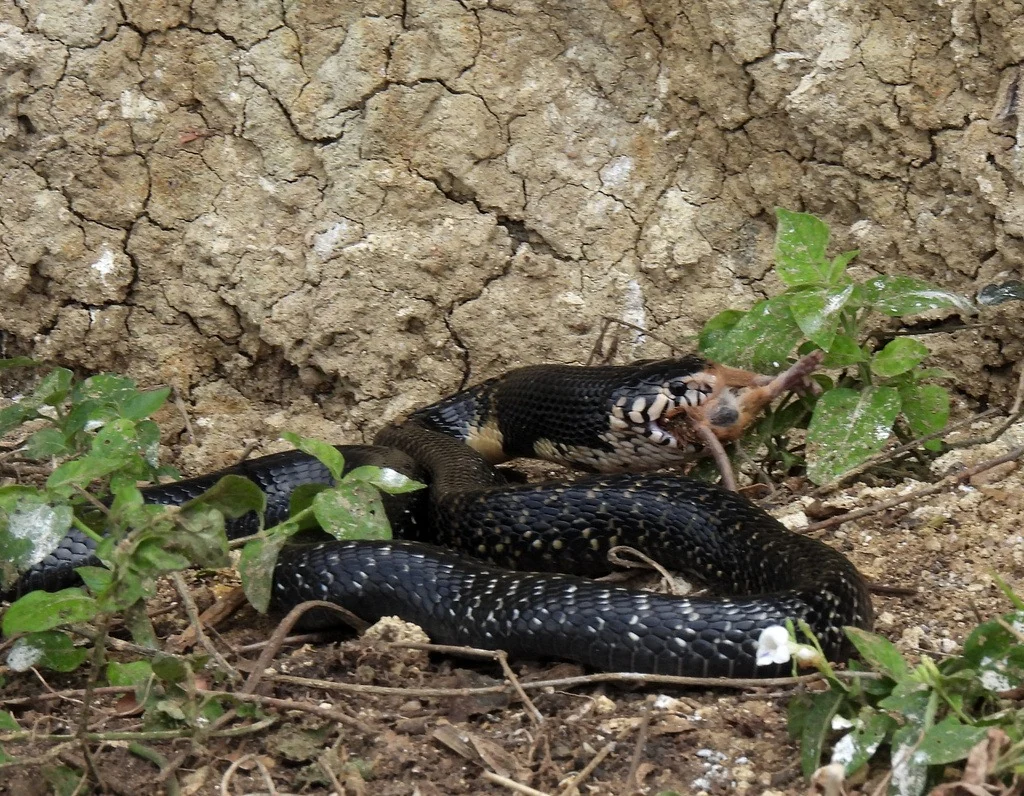
Naja subfulva; Katunguru Queen Elizabeth National Park, Katunguru, Uganda; photographed 2023-03-05.

012 · Elapidae

Brown forest cobra

Naja subfulva

LAURENT, 1955

VenomousClinical severity not established

The current taxonomic treatment explicitly lists this country. This is country-scale checklist evidence, not a claim of continuous occupancy or a complete regional inventory. Oromia: observation GBIF 2006050673 (2019). The original iNaturalist entry was rechecked for research-grade identification, wild status and unrestricted coordinates; its reported…

Read the species account →

Sidnei Dantas · CC BY-SA 4.0 · https://creativecommons.org/licenses/by-sa/4.0/

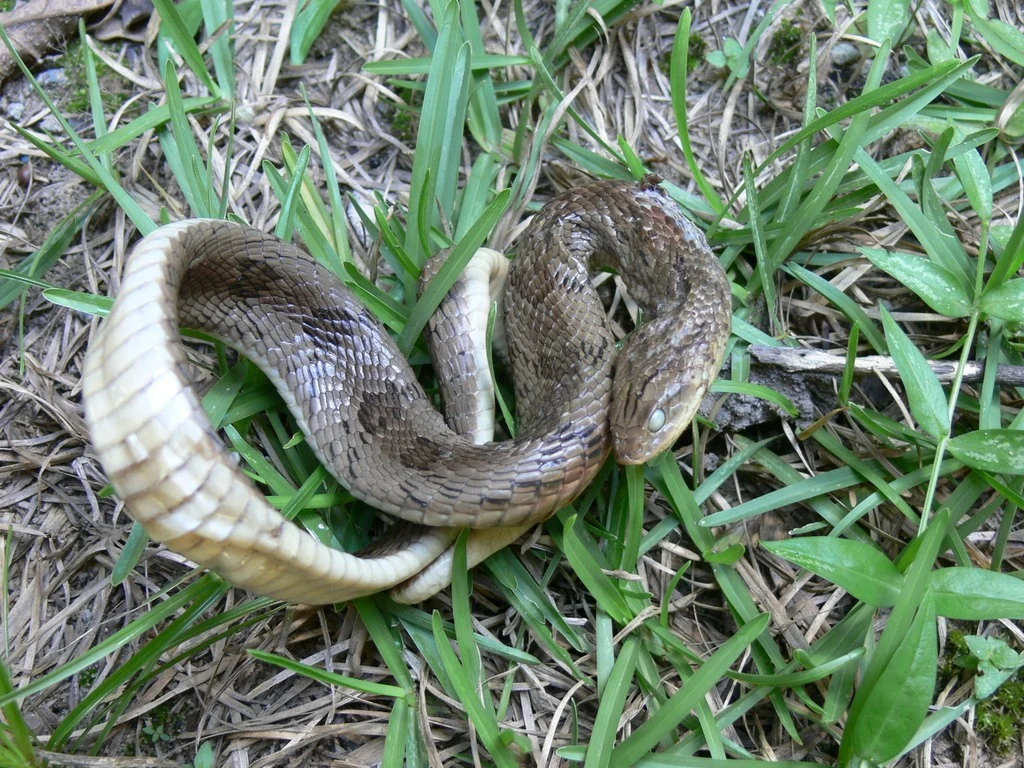
Natriciteres olivacea; Ngamiland North, Botswana; photographed 2018-12-15.

013 · Colubridae

Olive Marsh Snake

Natriciteres olivacea

(PETERS, 1854)

Venom unknownNot yet assessed

The current taxonomic treatment explicitly lists this country. This is country-scale checklist evidence, not a claim of continuous occupancy or a complete regional inventory. Oromia: observation GBIF 2543001925 (2019). The original iNaturalist entry was rechecked for research-grade identification, wild status and unrestricted coordinates; its reported…

Read the species account →

Robert Taylor · CC BY 4.0 · https://creativecommons.org/licenses/by/4.0/

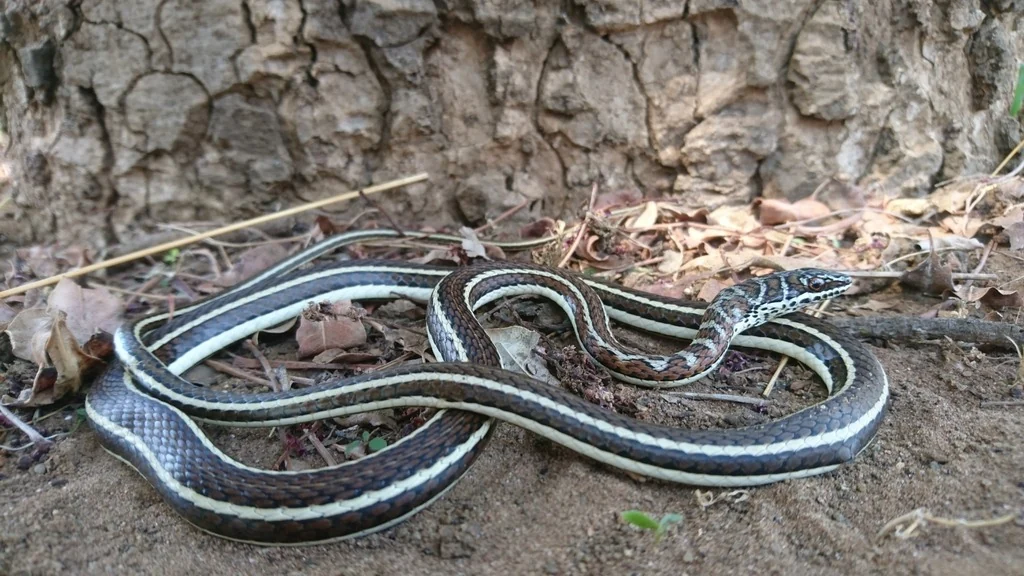
Psammophis subtaeniatus; Mkhuze Game Reserve; photographed 2019-10-20.

014 · Psammophiidae

Western Yellow-bellied Sand Snake, Stripe-bellied Sand Snake

Psammophis subtaeniatus

PETERS, 1882

VenomousClinical severity not established

The current taxonomic treatment explicitly lists this country. This is country-scale checklist evidence, not a claim of continuous occupancy or a complete regional inventory.

Read the species account →

Nick Schaller · CC BY 4.0 · https://creativecommons.org/licenses/by/4.0/

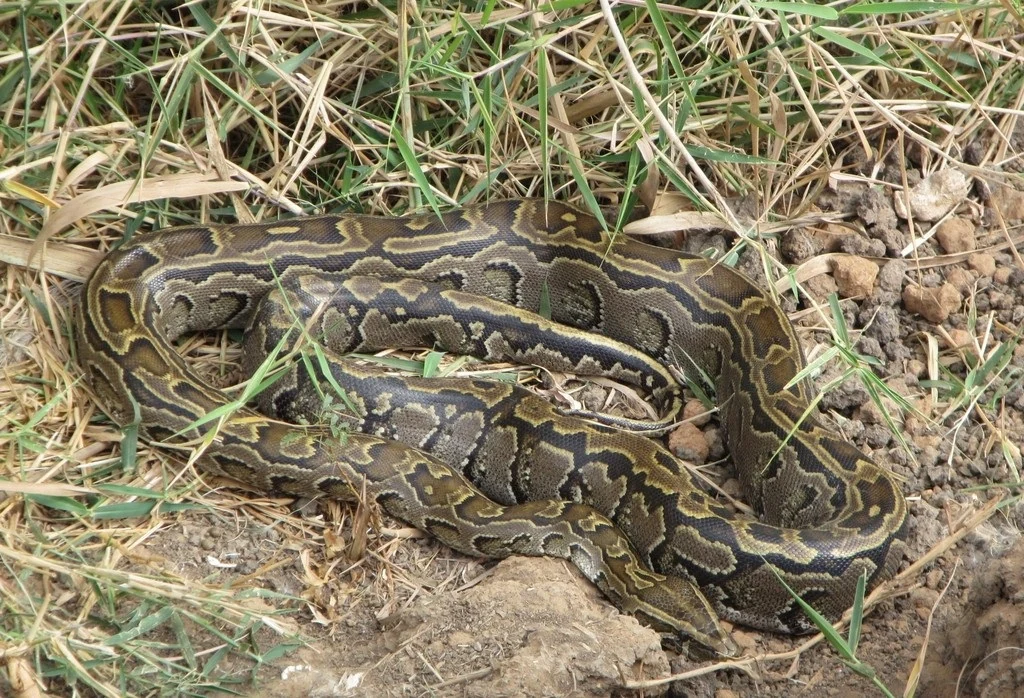
Python sebae, photographed 2019-01-13. Identification follows the linked research-grade observation.

015 · Pythonidae

African (Rock) Python

Python sebae

(GMELIN, 1789)

Non-venomous

The current taxonomic treatment explicitly lists this country. This is country-scale checklist evidence, not a claim of continuous occupancy or a complete regional inventory.

Read the species account →

Lucy Keith-Diagne · CC BY 4.0 · https://creativecommons.org/licenses/by/4.0/

All 106 species in the country collection →

Read further

Evidence & sources.

Guide reviewed 12 October 2026. Source dates and geographic scope matter; landscape photographs do not establish species occurrence.

  1. Convention on Biological Diversity · Ethiopia national profile

    Historical draft prepared by the CBD Secretariat; awaiting Party approval. Used for landscape context; older statistics are not presented as current monitoring or a snake inventory.

Continue through Ethiopia

Explore another habitat.

01

Highland environments

Afroalpine and subafroalpine environments differ from lower forest belts. Elevation matters when interpreting highland records.

02

Deserts & dry country

Desert, semi-desert scrub and Acacia–Commiphora woodland are distinguished in the national ecosystem account.