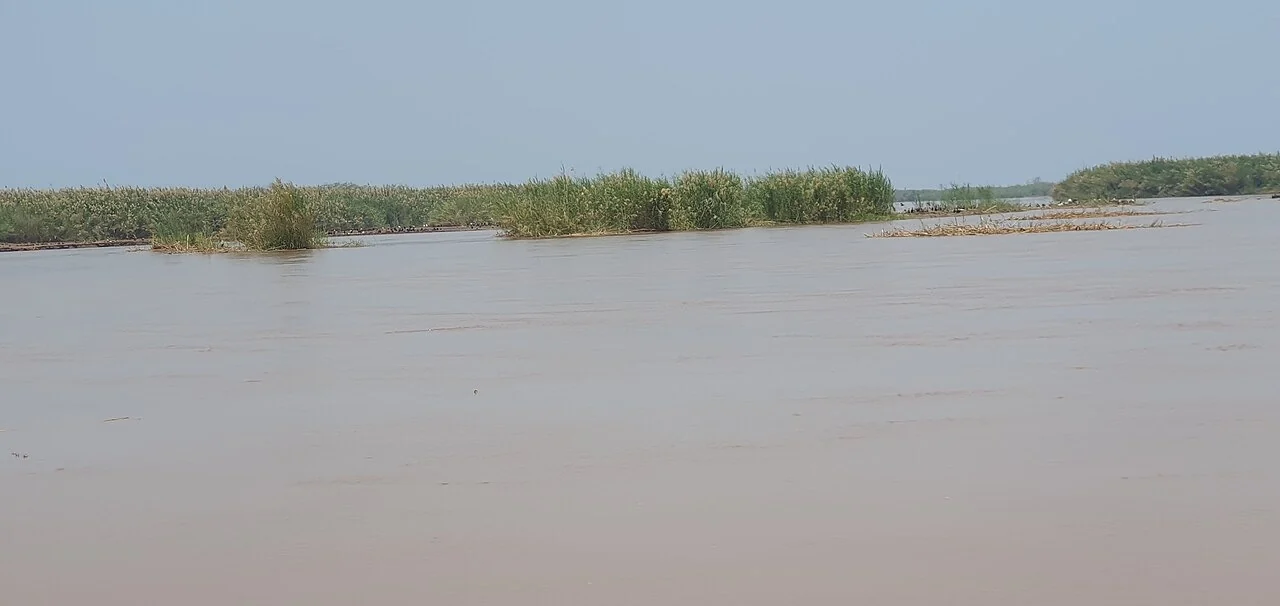
River margins in Rusizi National Park, Burundi.

Burundi · The country atlas

Burundi

Burundi’s forests, savannas and wetlands sit within an extensively cultivated landscape.

45species with extracted evidence
13families
5region guides

River margins in Rusizi National Park, Burundi.

Photograph: Eloge DM · Image source · CC BY-SA 4.0. Cropped to fill the hero; darkened for text legibility.

Geography & biotopes

Discover Burundi.

Burundi’s forests, savannas and wetlands sit within an extensively cultivated landscape.

Historical administrative outlines are grouped for navigation. They are not ecological boundaries, species ranges or a statement of present administrative arrangements.

Map boundaries, snapshot and group membership →

Convention on Biological Diversity · Burundi national profile →

Ramsar · Burundi site descriptions →

Geography is part of the record

Find your way through Burundi.

Select a named region to open its evidence page. The complete directory below keeps every guide accessible, including places where locality evidence has not yet been extracted.

11 of 45 listed species have at least one indexed region record. 34 remain country-only. Even a nonzero count is not a complete regional inventory.

Habitats & living landscapes

Explore the living
landscapes.

Explore 2 guides to the environments, places and conservation pressures that shape this country. Each guide connects to the regional map and shared species accounts.

Landscape photographs & credits

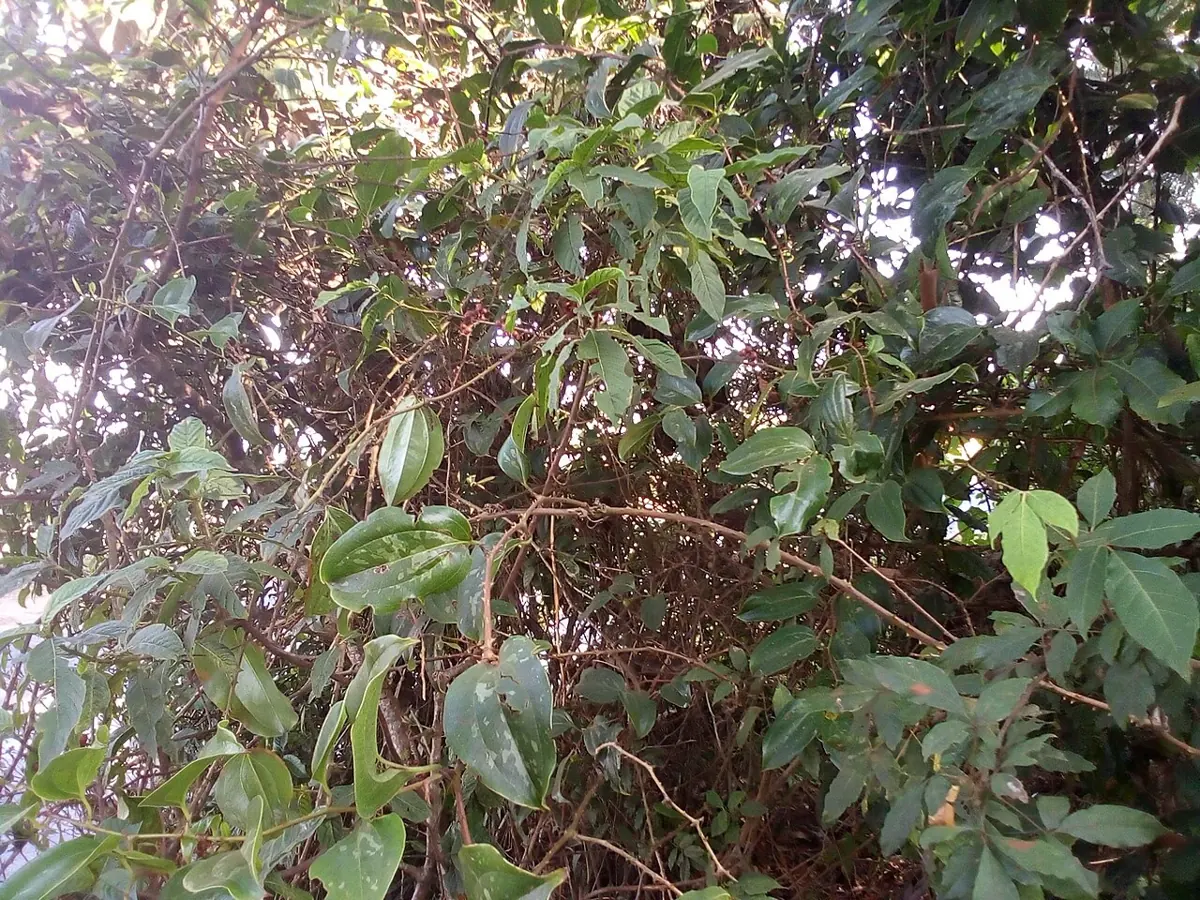
Leafy branches and climbing vegetation in Kibira forest, Burundi, photographed in August 2023. — NZISABIRA Léopold. Original photograph · CC BY-SA 4.0. Cropped for the cards; photographs do not establish snake occurrence.

River margins in Rusizi National Park, Burundi. — Eloge DM. Original photograph · CC BY-SA 4.0. Cropped for the cards; photographs do not establish snake occurrence.

The species catalogue

Meet the snakes of Burundi.

Search scientific names, historical names, common names and families. Every card opens one shared account across its documented countries.

45 species · showing 24

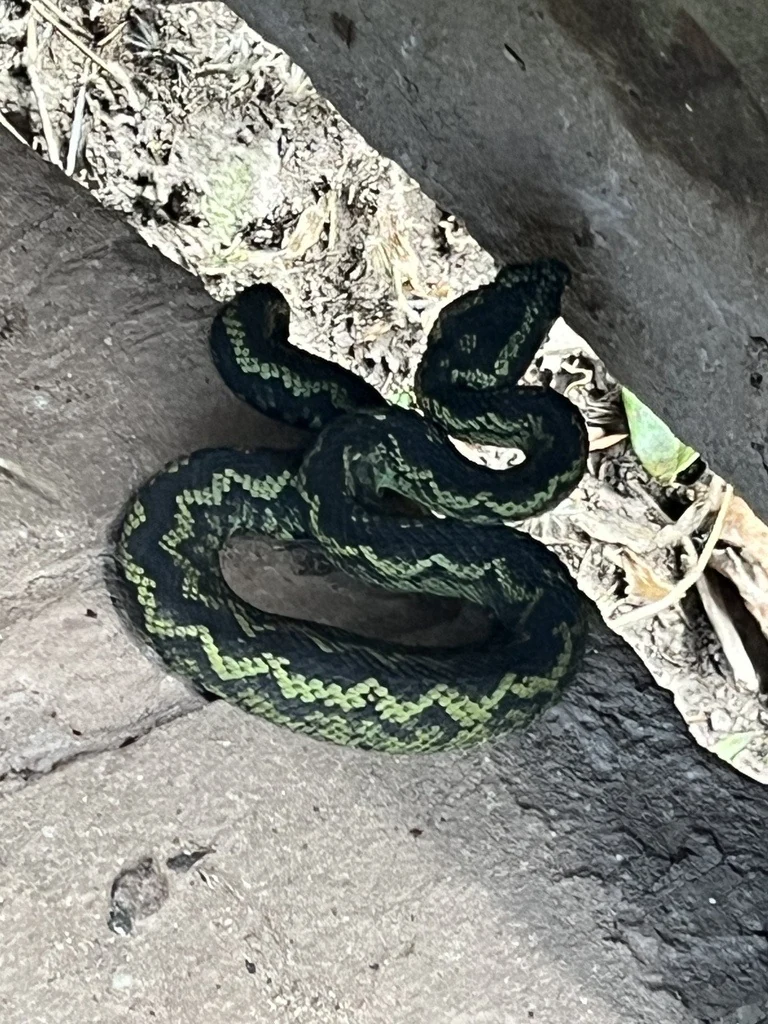
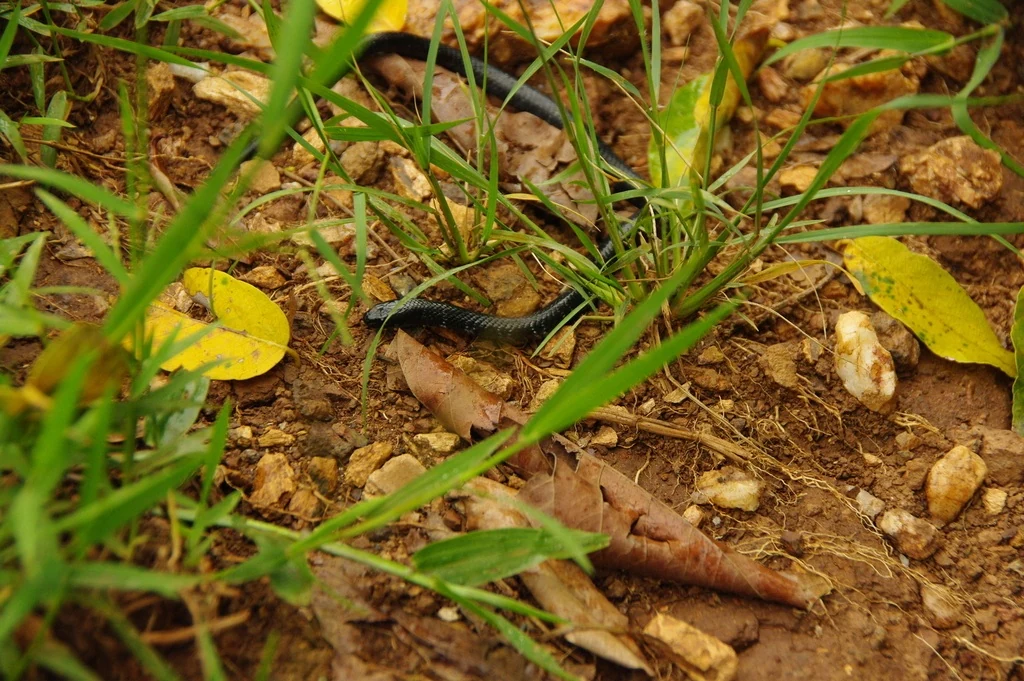
Atheris nitschei, photographed 2024-10-06. Identification follows the linked research-grade observation.

001 · Viperidae

Great Lakes Bush Viper

Atheris nitschei

TORNIER, 1902

VenomousClinical severity not established

The current taxonomic treatment explicitly lists this country. This is country-scale checklist evidence, not a claim of continuous occupancy or a complete regional inventory. CAS catalogue 250690: edge of Bururi Forest Reserve; 2011-12-08. Institution-published preserved-specimen record, rechecked through GBIF. Assignment uses the named locality and…

Read the species account →

Elliot Greiner · CC BY 4.0 · https://creativecommons.org/licenses/by/4.0/

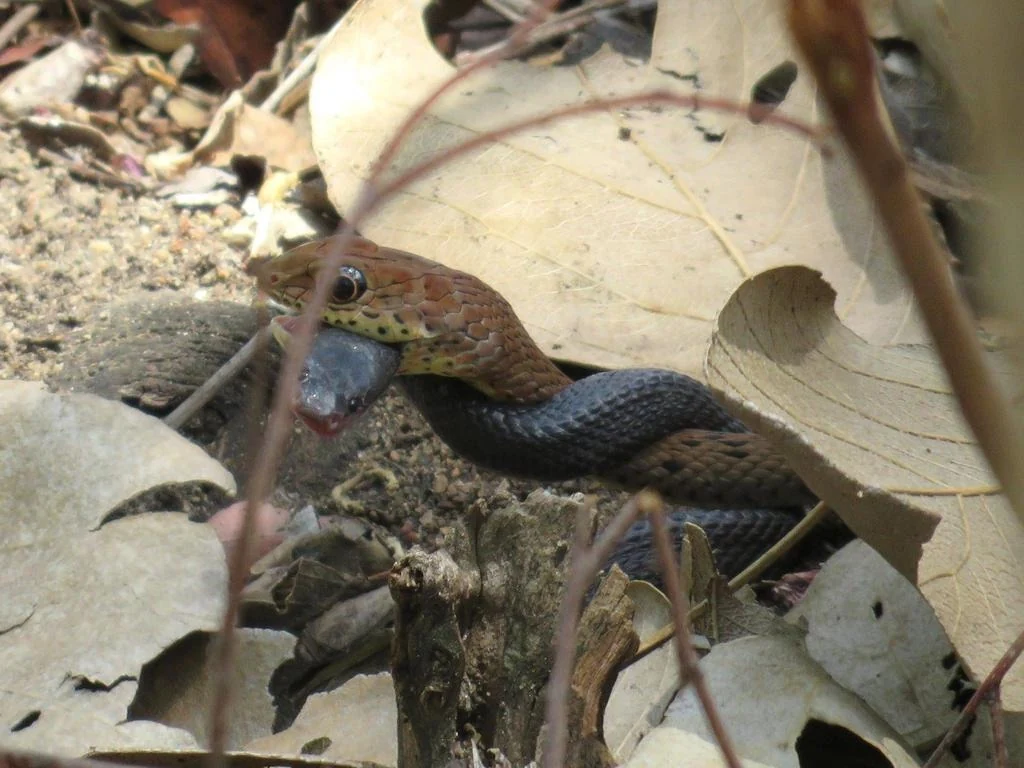
Atractaspis irregularis; Central, Kenya; photographed 2021-04-30.

002 · Atractaspididae

Variable Burrowing Asp, Mole Viper

Atractaspis irregularis

(REINHARDT, 1843)

VenomousClinical severity not established

The current taxonomic treatment explicitly lists this country. This is country-scale checklist evidence, not a claim of continuous occupancy or a complete regional inventory. Western provinces: museum voucher UTEP UTEP:Herp:21654 (2011). The museum record's reported coordinate uncertainty footprint lies within the mapped region. These are dated locality…

Read the species account →

James Christian · CC BY 4.0 · https://creativecommons.org/licenses/by/4.0/

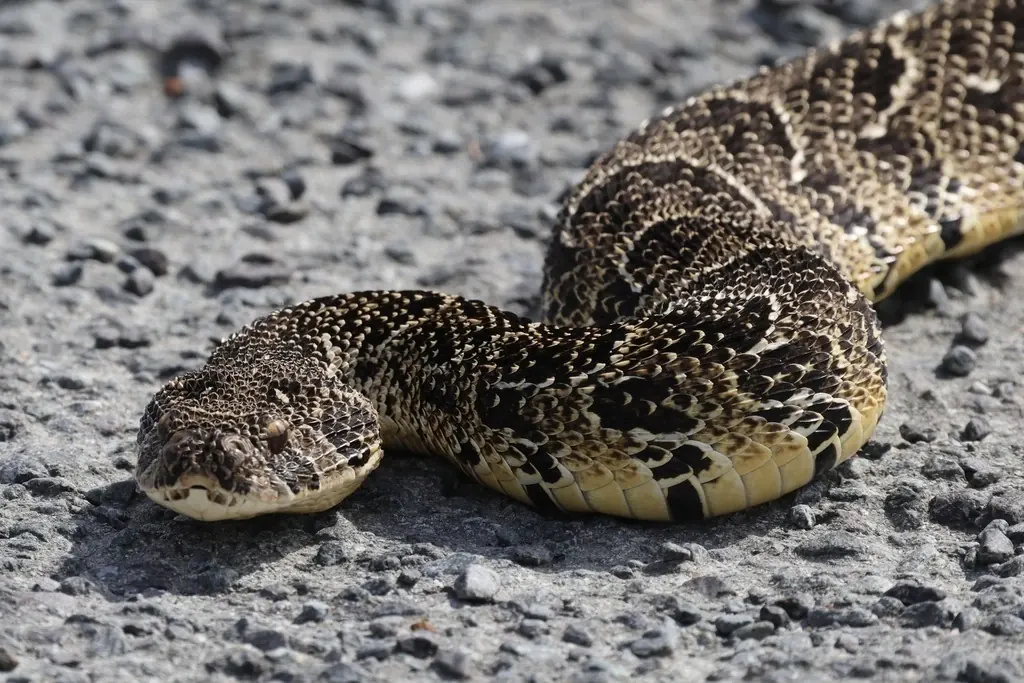
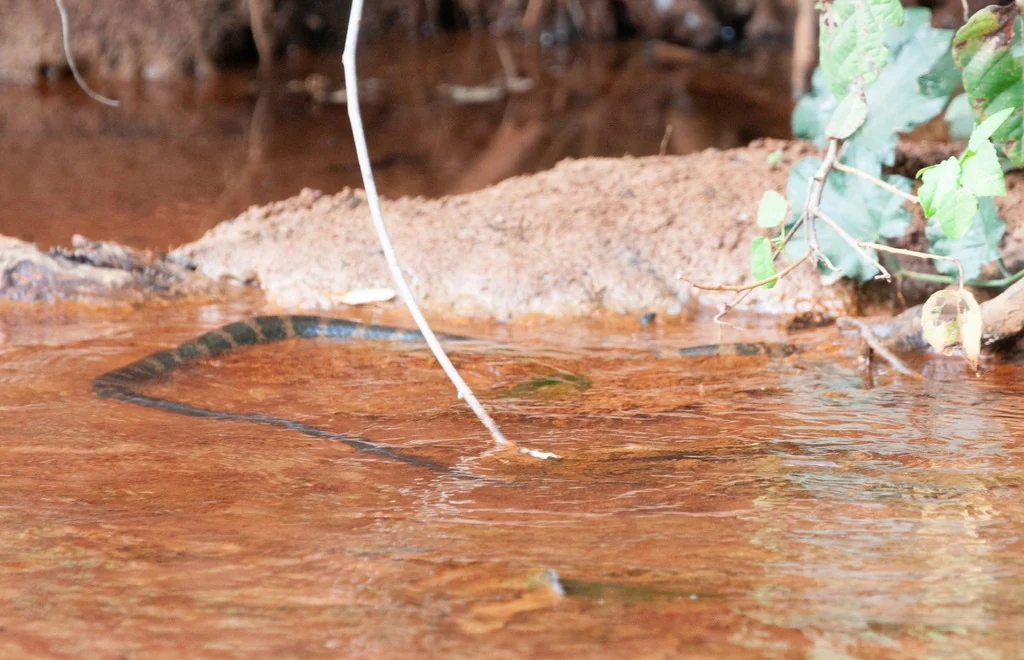
Bitis arietans. Identification follows the linked source community.

003 · Viperidae

Puff Adder

Bitis arietans

(MERREM, 1820)

VenomousClinical severity not established

Explicit country record in the current species treatment. The current taxonomic treatment explicitly lists this country. This is country-scale checklist evidence, not a claim of continuous occupancy or a complete regional inventory. Western provinces: observation GBIF 5062511386 (2013). The original iNaturalist entry was rechecked for research-grade…

Read the species account →

Cricket Raspet · CC BY 4.0 · https://creativecommons.org/licenses/by/4.0/

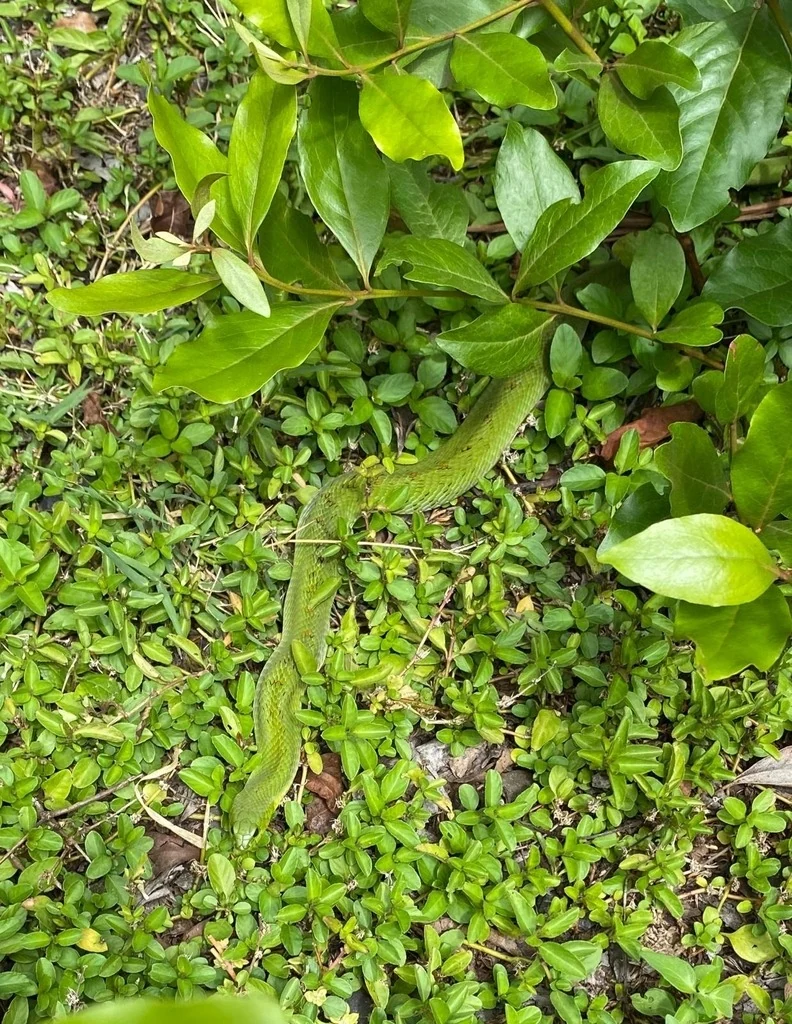
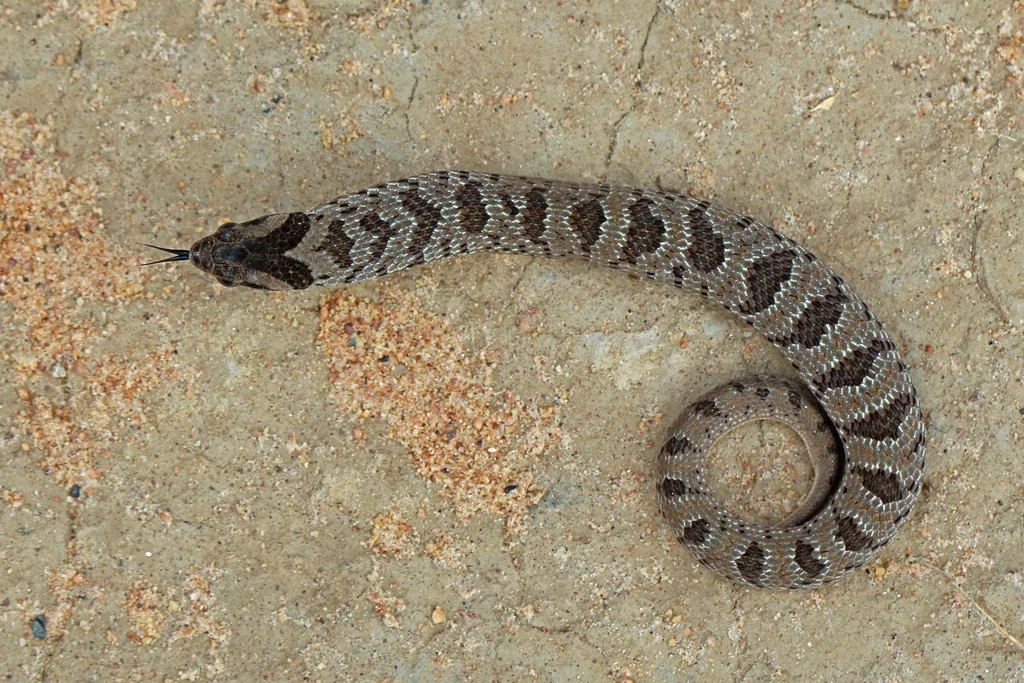
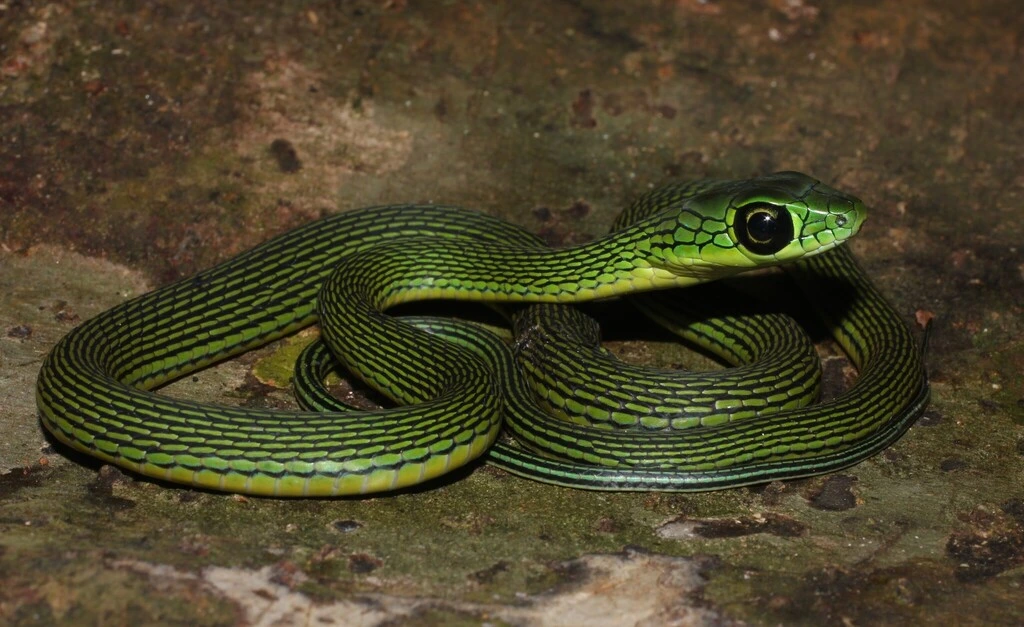
Causus resimus; C14, Kenia; photographed 2020-11-18.

005 · Viperidae

Green Night Adder

Causus resimus

(PETERS, 1862)

VenomousClinical severity not established

The current taxonomic treatment explicitly lists this country. This is country-scale checklist evidence, not a claim of continuous occupancy or a complete regional inventory.

Read the species account →

le0p0ld_d · CC BY 4.0 · https://creativecommons.org/licenses/by/4.0/

Causus rhombeatus, photographed 2014-11-21. Identification follows the linked research-grade observation.

006 · Viperidae

Common or Rhombic Night Adder

Causus rhombeatus

(LICHTENSTEIN, 1823)

VenomousClinical severity not established

The current taxonomic treatment explicitly lists this country. This is country-scale checklist evidence, not a claim of continuous occupancy or a complete regional inventory.

Read the species account →

Nigel Voaden · CC BY 4.0 · https://creativecommons.org/licenses/by/4.0/

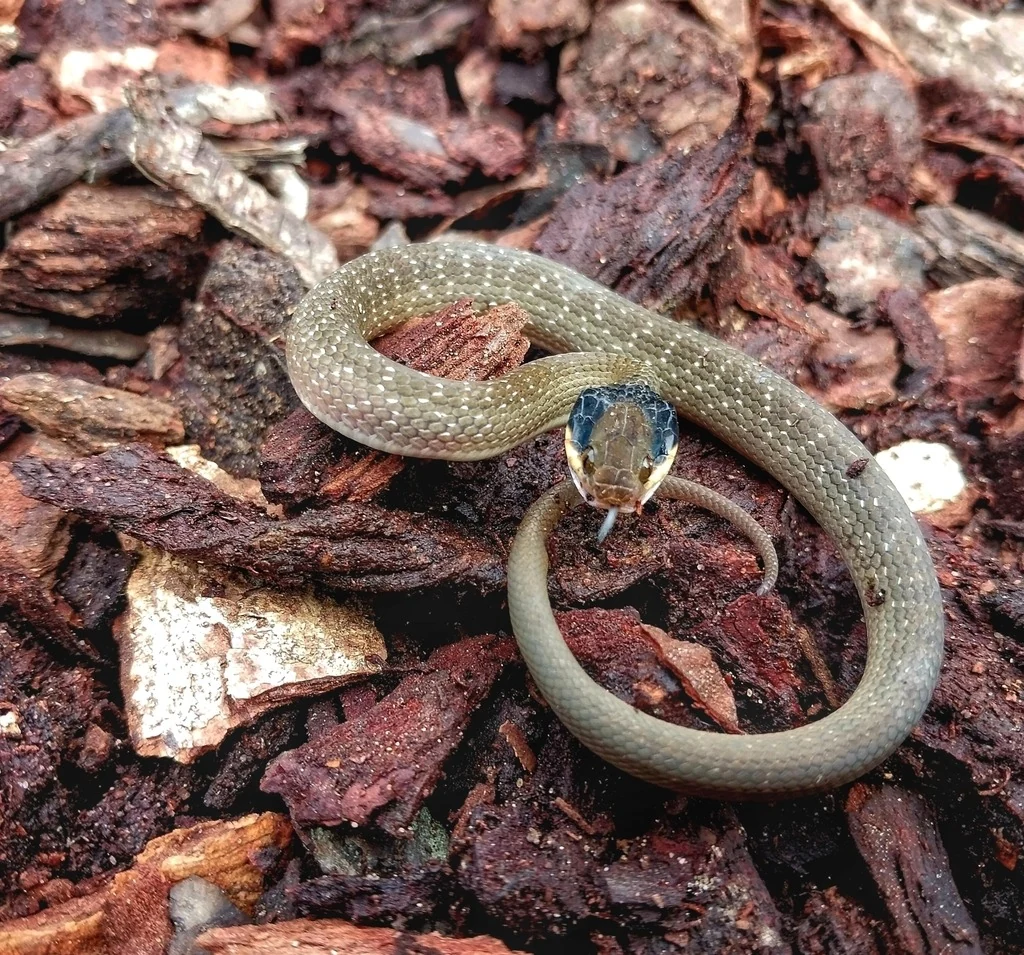
Crotaphopeltis hotamboeia; Campher's Drift, George, 6529, South Africa; photographed 2023-10-13.

007 · Colubridae

White-lipped Herald Snake, Red-lipped Snake

Crotaphopeltis hotamboeia

(LAURENTI, 1768)

Venom unknownNot yet assessed

The current taxonomic treatment explicitly lists this country. This is country-scale checklist evidence, not a claim of continuous occupancy or a complete regional inventory.

Read the species account →

no rights reserved · CC0 · https://creativecommons.org/publicdomain/zero/1.0/

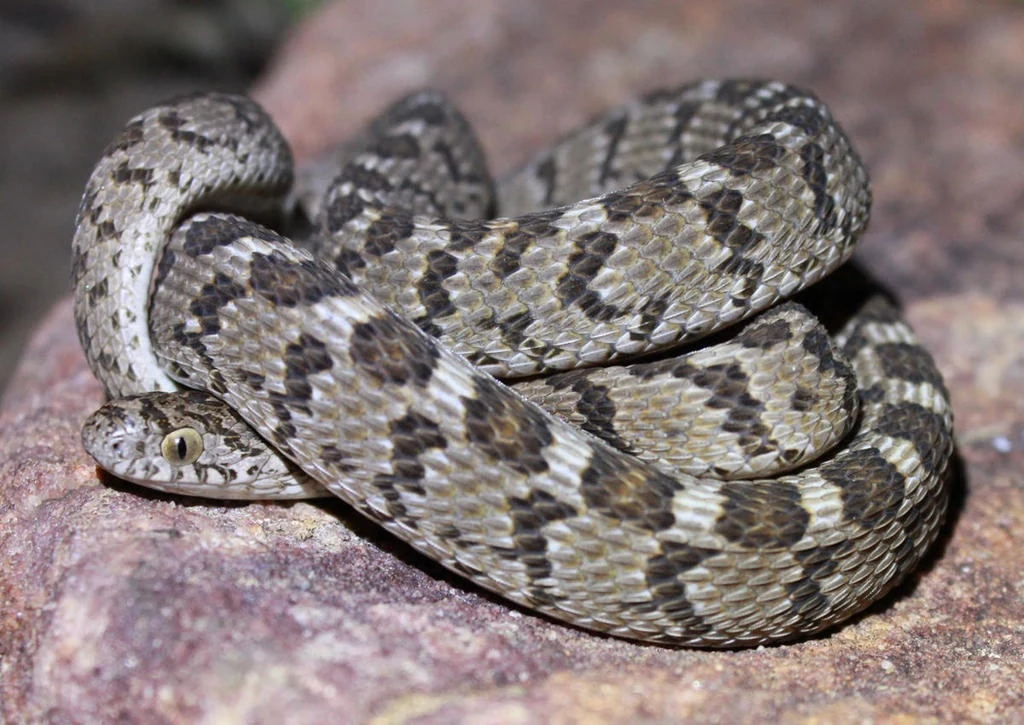
Dasypeltis atra; Karatu Simba Lodge, Karatu, Tanzania; photographed 2015-09-12.

008 · Colubridae

African Egg-eating Snake, Montane Egg-eater

Dasypeltis atra

STERNFELD, 1912

Venom unknownNot yet assessed

The current taxonomic treatment explicitly lists this country. This is country-scale checklist evidence, not a claim of continuous occupancy or a complete regional inventory.

Read the species account →

no rights reserved · CC0 · https://creativecommons.org/publicdomain/zero/1.0/

Dasypeltis scabra, photographed 2014-12-15. Identification follows the linked research-grade observation.

009 · Colubridae

Common Egg Eater, Rhombic Egg Eater

Dasypeltis scabra

(LINNAEUS, 1758)

Venom unknownNot yet assessed

The current taxonomic treatment explicitly lists this country. This is country-scale checklist evidence, not a claim of continuous occupancy or a complete regional inventory. Bates & Broadley (2018): Mugera, MRAC 18564. Reviewed historical museum locality; no present-day population confirmation implied.

Read the species account →

Ryan van Huyssteen · CC BY 4.0 · https://creativecommons.org/licenses/by/4.0/

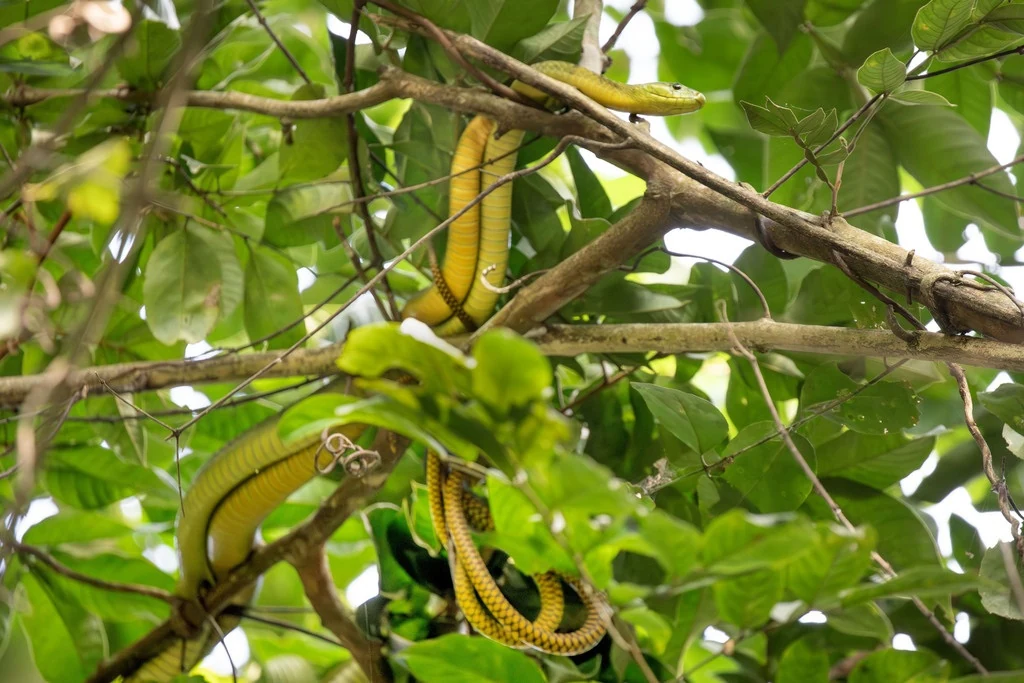
Dendroaspis jamesoni, photographed 2025-06-28. Identification follows the linked research-grade observation.

010 · Elapidae

Jameson’s (Green) Mamba

Dendroaspis jamesoni

(TRAILL, 1843)

VenomousClinical severity not established

The current taxonomic treatment explicitly lists this country. This is country-scale checklist evidence, not a claim of continuous occupancy or a complete regional inventory.

Read the species account →

Kristof Zyskowski · CC BY 4.0 · https://creativecommons.org/licenses/by/4.0/

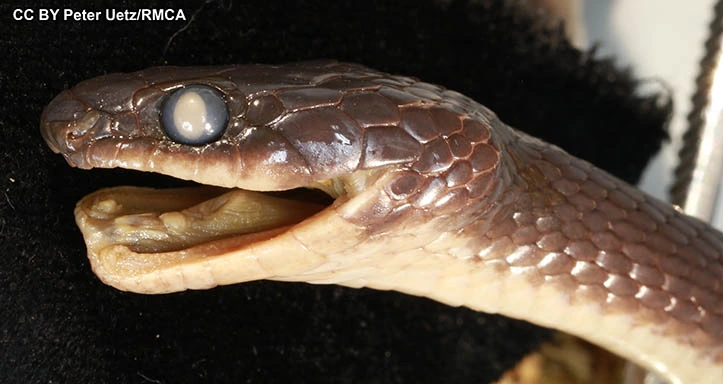
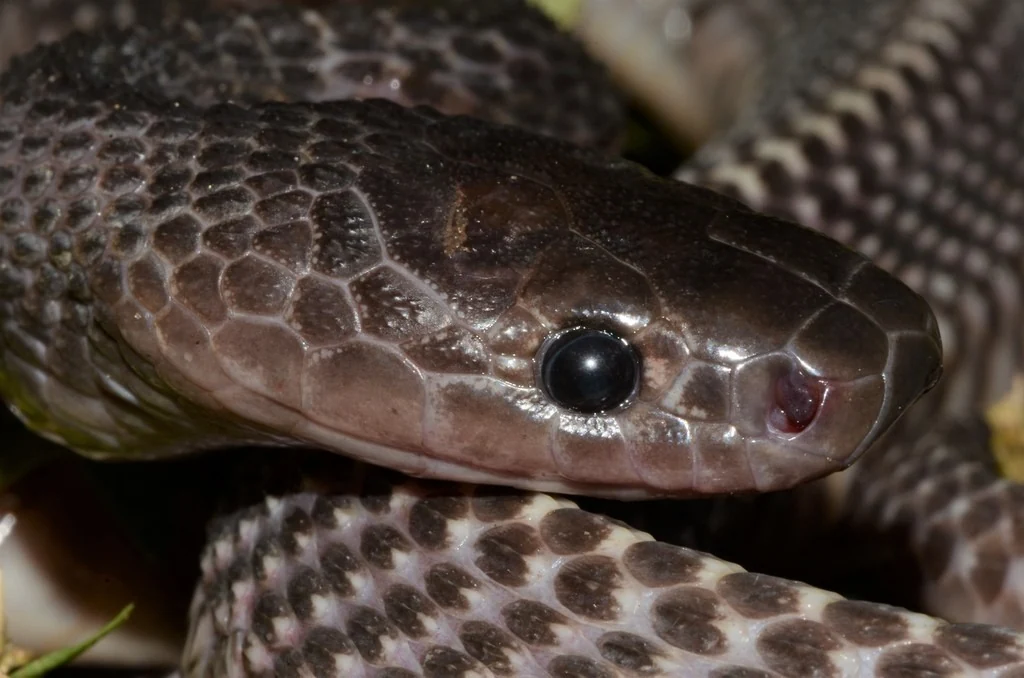
Dipsadoboa unicolor, preserved museum specimen RMCA 9386, head and anterior body, left lateral view. Photograph from the reference-image collection of Uetz et al. (2024).

011 · Colubridae

Günther's Green Tree Snake

Dipsadoboa unicolor

GÜNTHER, 1858

Venom unknownNot yet assessed

The current taxonomic treatment explicitly lists this country. This is country-scale checklist evidence, not a claim of continuous occupancy or a complete regional inventory.

Read the species account →

Peter Uetz / RMCA · CC BY 4.0 · https://creativecommons.org/licenses/by/4.0/

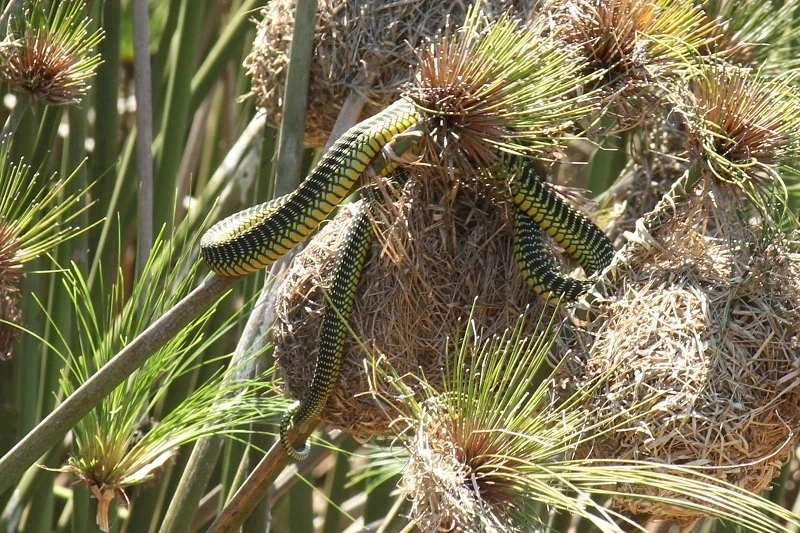
Dispholidus typus; South Cape DC, South Africa; photographed 2013-01-02.

012 · Colubridae

Boomslang

Dispholidus typus

(SMITH, 1828)

VenomousClinical severity not established

The current taxonomic treatment explicitly lists this country. This is country-scale checklist evidence, not a claim of continuous occupancy or a complete regional inventory.

Read the species account →

Karen Eichholz · CC BY 4.0 · https://creativecommons.org/licenses/by/4.0/

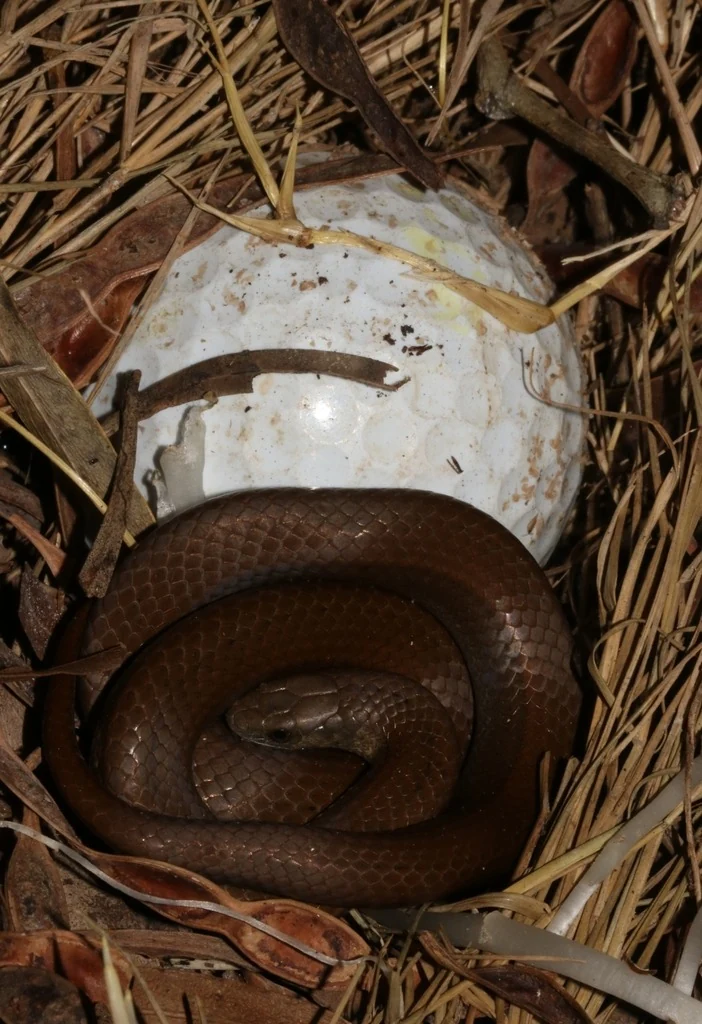
Duberria lutrix; Stonehurst Mountain Estate Entrance, Westlake, Cape Town, 7945, South Africa; photographed 2023-08-15.

013 · Pseudoxyrhophiidae

Common Slug Eater

Duberria lutrix

(LINNAEUS, 1758)

Venom unknownNot yet assessed

The current taxonomic treatment explicitly lists this country. This is country-scale checklist evidence, not a claim of continuous occupancy or a complete regional inventory.

Read the species account →

Ryan van Huyssteen · CC BY 4.0 · https://creativecommons.org/licenses/by/4.0/

Elapsoidea loveridgei, photographed 2009-09-01. Identification follows the linked research-grade observation.

014 · Elapidae

Loveridge's Garter Snake, East African Garter Snake

Elapsoidea loveridgei

PARKER, 1949

VenomousClinical severity not established

The current taxonomic treatment explicitly lists this country. This is country-scale checklist evidence, not a claim of continuous occupancy or a complete regional inventory.

Read the species account →

Doug Macaulay · CC BY 4.0 · https://creativecommons.org/licenses/by/4.0/

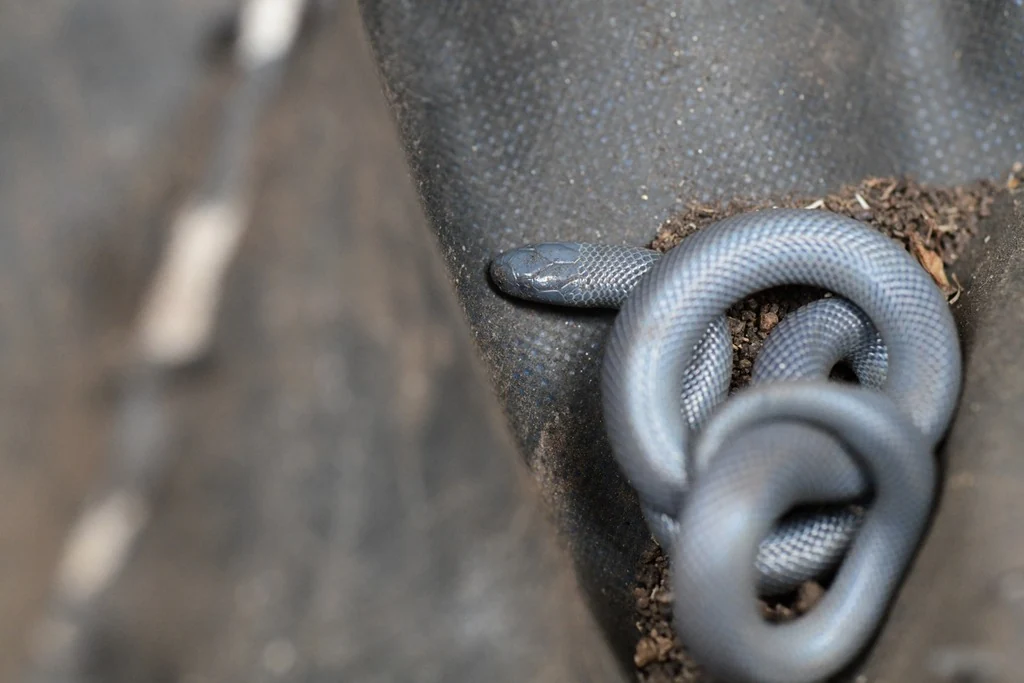
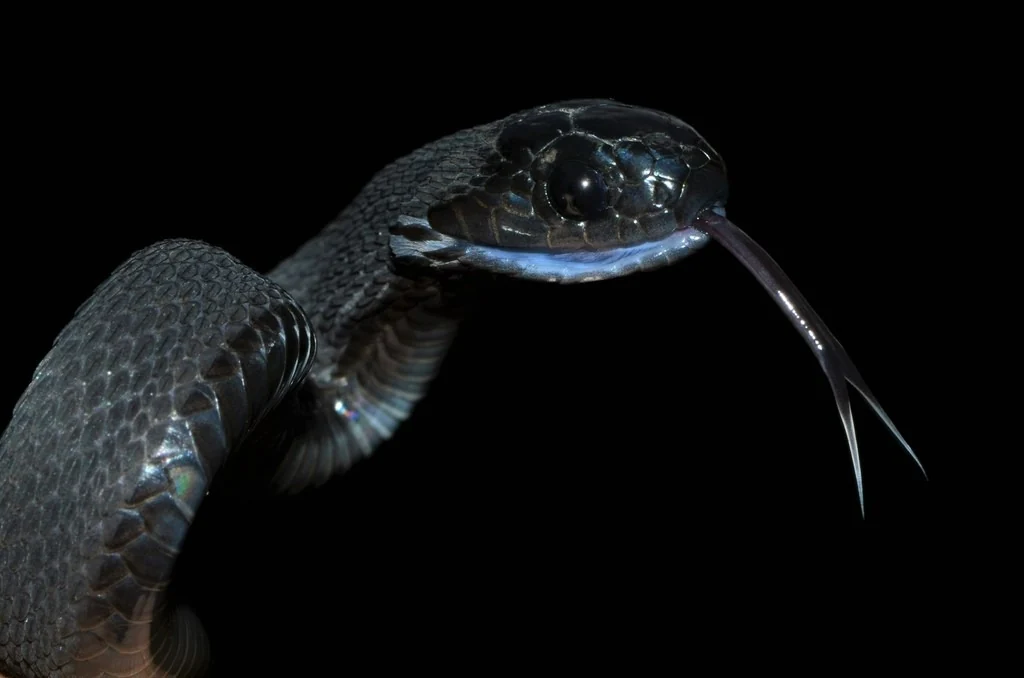
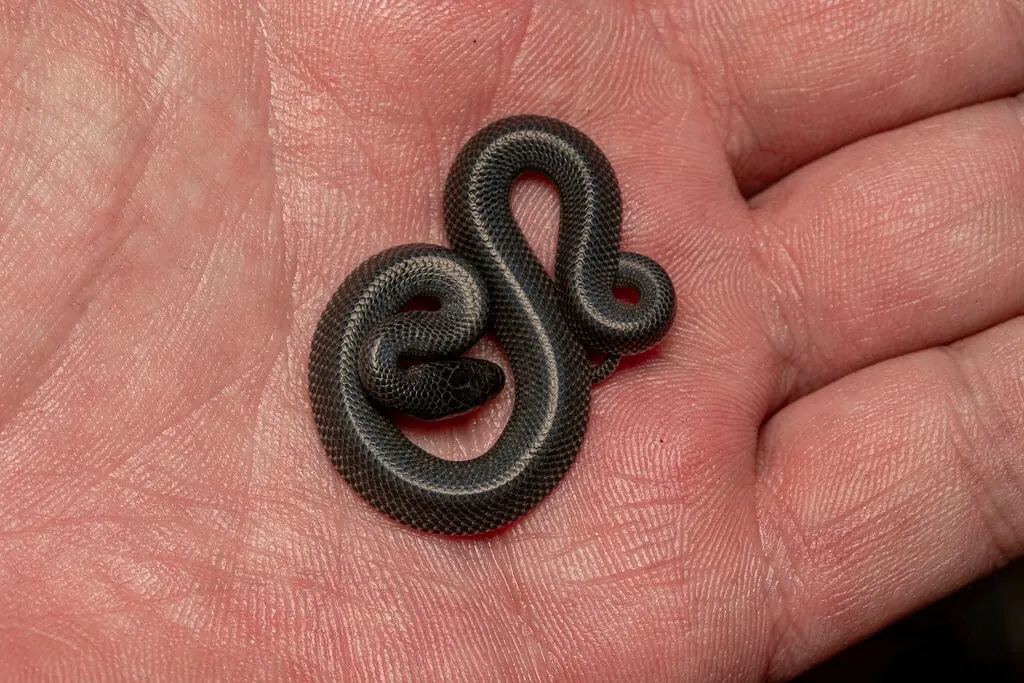
Gracililima nyassae; Lake Panic Bird Hide, Kruger NP, South Africa; photographed 2016-11-05.

015 · Lamprophiidae

Black File Snake, Dwarf File Snake

Gracililima nyassae

(GÜNTHER, 1888)

Non-venomous

The current taxonomic treatment explicitly lists this country. This is country-scale checklist evidence, not a claim of continuous occupancy or a complete regional inventory.

Read the species account →

Nick Schaller · CC BY 4.0 · https://creativecommons.org/licenses/by/4.0/

Grayia smithii; Forêt Classée du Kou, Burkina Faso; photographed 2010-02-09.

016 · Colubridae

Smith's African Water Snake

Grayia smithii

(LEACH, 1818)

Venom unknownNot yet assessed

The current taxonomic treatment explicitly lists this country. This is country-scale checklist evidence, not a claim of continuous occupancy or a complete regional inventory.

Read the species account →

martin ingemansson · CC BY 4.0 · https://creativecommons.org/licenses/by/4.0/

ColubridaeGrayiaPhotograph not yet documented

017 · Colubridae

Tholloni's African Water Snake

Grayia tholloni

MOCQUARD, 1897

Venom unknownNot yet assessed

Explicit named locality evidence links the existing shared species to this country. Norman Barrett, 26 August 2021, ReptileMAP 200238, now Observation.org 379184963. The original observation is marked “Accepted (with evidence)” and explicitly names Cankuzo, Burundi. The assignment uses this named province in the eastern atlas group; coordinate accuracy…

Read the species account →
Hapsidophrys lineata. Specimen portrait from Liberia; another frame in the observation shows the animal being held. Original observation dated 2021-10-26; this portrait does not establish occurrence in other countries.

018 · Colubridae

Black-lined Green Snake

Hapsidophrys lineata

FISCHER, 1856

Venom unknownNot yet assessed

The current taxonomic treatment explicitly lists this country. This is country-scale checklist evidence, not a claim of continuous occupancy or a complete regional inventory.

Read the species account →

Ryan van Huyssteen · CC BY 4.0 · https://creativecommons.org/licenses/by/4.0/

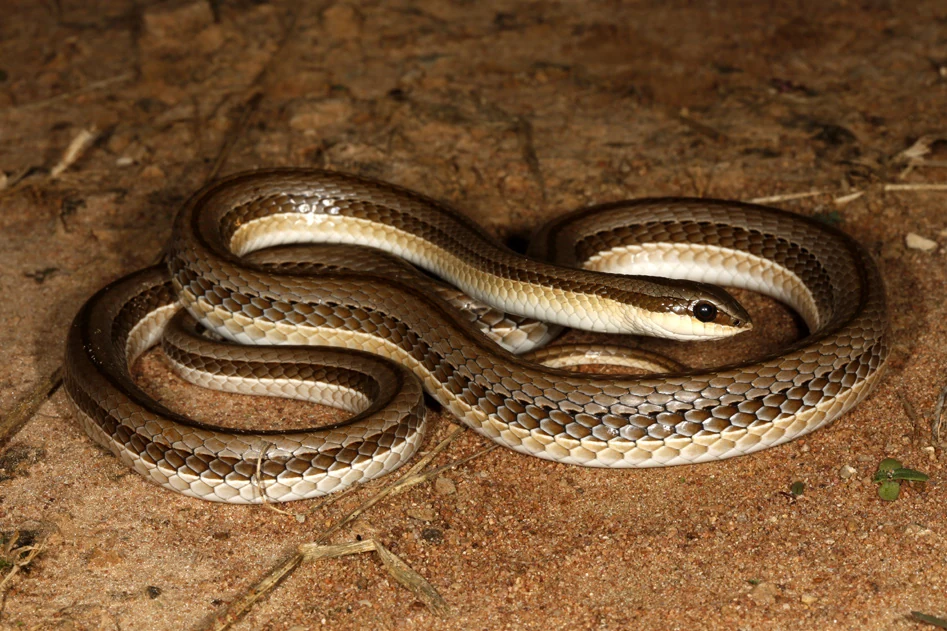
Kladirostratus acutus from Cuando River source, Angola. Fig. 28 in Conradie et al. (2021), Amphibian & Reptile Conservation 15(2):244–278.

019 · Psammophiidae

Striped Beaked Snake, Beaked skaapstekker

Kladirostratus acutus

(GÜNTHER, 1888)

Venom unknownNot yet assessed

The current taxonomic treatment explicitly lists this country. This is country-scale checklist evidence, not a claim of continuous occupancy or a complete regional inventory.

Read the species account →

Werner Conradie · CC BY 4.0 · https://creativecommons.org/licenses/by/4.0/

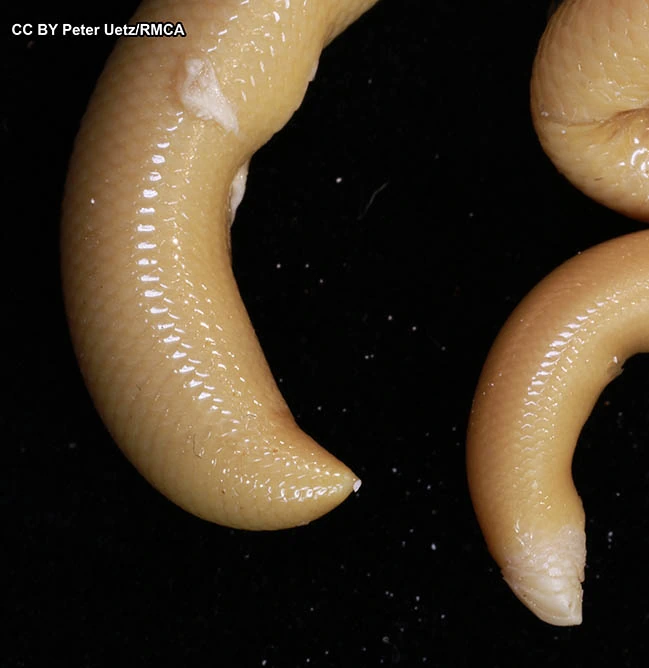
Letheobia graueri, preserved museum specimen RMCA 3787, head and tail detail. Photograph from the reference-image collection of Uetz et al. (2024).

021 · Typhlopidae

Sternfeld's Beaked Snake

Letheobia graueri

(STERNFELD, 1912)

Non-venomous

The current taxonomic treatment explicitly lists this country. This is country-scale checklist evidence, not a claim of continuous occupancy or a complete regional inventory.

Read the species account →

Peter Uetz / RMCA · CC BY 4.0 · https://creativecommons.org/licenses/by/4.0/

Limaformosa chanleri; Loandjili, CG-KO, CG; photographed 2014-06-23.

022 · Lamprophiidae

Unicolor File Snake

Limaformosa chanleri

(STEJNEGER, 1893)

Non-venomous

The current taxonomic treatment explicitly lists this country. This is country-scale checklist evidence, not a claim of continuous occupancy or a complete regional inventory. Western provinces: observation GBIF 3415835685 (1992). The original iNaturalist entry was rechecked for research-grade identification, wild status and unrestricted coordinates; its…

Read the species account →

no rights reserved · CC0 · https://creativecommons.org/publicdomain/zero/1.0/

Lycophidion capense. Identification follows the linked source community.

023 · Lamprophiidae

Cape Wolf Snake

Lycophidion capense

(SMITH, 1831)

Non-venomous

Explicit country record in the current species treatment. The current taxonomic treatment explicitly lists this country. This is country-scale checklist evidence, not a claim of continuous occupancy or a complete regional inventory.

Read the species account →

Rudolph Steenkamp · CC BY-SA 4.0 · https://creativecommons.org/licenses/by-sa/4.0/

Lycophidion jacksoni; Loitokitok, Kenya; photographed 2015-09-14.

024 · Lamprophiidae

Western Jackson’s Wolf Snake

Lycophidion jacksoni

BOULENGER, 1893

Non-venomous

The current taxonomic treatment explicitly lists this country. This is country-scale checklist evidence, not a claim of continuous occupancy or a complete regional inventory.

Read the species account →

Stephanie Dolrenry · CC BY-SA 4.0 · https://creativecommons.org/licenses/by-sa/4.0/

The research library

Sources & the checklist.

This edition lists 45 species with supported country records from checked taxonomic treatments and cited field studies. It is not a claim of a complete national inventory. Each account retains its source and check date; individual evidence entries retain their own review dates.

Range and taxonomy review

Country links use a single accepted species identity. Revised names and disputed records are kept visible here; uncertain records do not enter the listed collection or regional totals.

Chilorhinophis butleri

Uncertain — excluded from the listed total

The checked treatment contains a conflicting, superseded or insufficiently corroborated country report. It is retained for review and excluded from positive counts; this is not an assertion of absence.

Source 1 ↗

How the map and counts work

Search results were checked against distribution text and taxonomic qualifications. A geographic name alone does not establish a political country: New Guinea, the Solomon archipelago and Micronesia span more than one country or territory. Introduced and unresolved records require separate interpretation.

Place counts require explicit named localities, including valid type localities. Counts can overlap where sources name multiple places. Regional maps group historical boundary snapshots for navigation, while island outlines use Natural Earth; neither is a species range or an observation map. Small islands can be below the outline dataset’s resolution, so geographic reference markers and the directory remain available.

geoBoundaries, Wikimedia; geoBoundaries gbOpen ADM1, 2014 snapshot; CC0 1.0 Universal (CC0 1.0) Public Domain Dedication. Map provenance →
Exclusions & qualifications (1)

Chilorhinophis butleri

The checked treatment contains a conflicting, superseded or insufficiently corroborated country report. It is retained for review and excluded from positive counts; this is not an assertion of absence.

Read source 1 ↗
  1. Map boundaries, snapshot and group membership ↗
  2. Convention on Biological Diversity · Burundi national profile ↗
  3. Ramsar · Burundi site descriptions ↗
  4. The Reptile Database

    Individual treatments and locality evidence are linked from each species account.

  5. Meiri (2024): SquamBase 1.0

    Species-level literature measurements and ecological traits. Exact-name matches only; imputed or ambiguous fields are omitted. These summaries are not local observations.

  6. Natural Earth: public-domain geographic data

Continue through the Africa atlas →