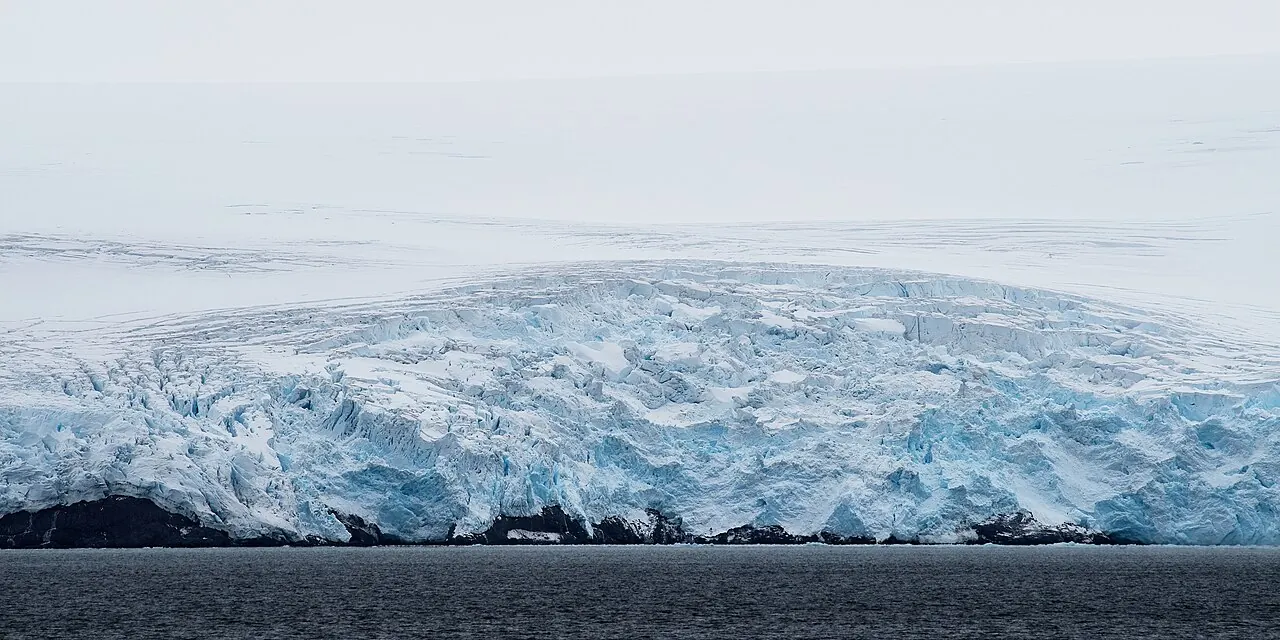
Glacier front in the Antarctic Peninsula area, photographed from a ship in February 2023. This is a peninsula example, not an East Antarctic locality record.

Antarctica · Habitat field guide

Ice sheet, nunataks and meltwater

Antarctic terrestrial habitat occurs in small exposed areas within a much larger ice landscape.

Glacier front in the Antarctic Peninsula area, photographed from a ship in February 2023. This is a peninsula example, not an East Antarctic locality record.

Photograph: Pedro Szekely from Los Angeles, USA · Image source · CC BY-SA 2.0. Cropped to fill the hero; darkened for text legibility.

Understanding the environment

A sense of the habitat.

Antarctic terrestrial habitat occurs in small exposed areas within a much larger ice landscape.

Named example
Continental ice-free margins
Landscape setting
Nunataks and coastal exposed ground differ from continuous ice-sheet terrain.
Evidence scope
Habitat geography; no snake occupancy inferred

Explore the structure · Read the named setting from landform to vegetation and water.

Ice sheet, nunataks and meltwater

Select a zone to see what changes.

Snow and glacier

Ice

Most continental land is ice-covered.

This cue describes the named landscape, without adding animal occurrence evidence.

Conceptual reading guide, not a scale map, species range or field transect.

Sources: Australian Antarctic Program · Plants and microbes · Antarctic Treaty Secretariat · Peaceful use and inspections

Field notes · 01

Landscape context

Antarctic terrestrial habitat occurs in small exposed areas within a much larger ice landscape.

Nunataks and coastal exposed ground differ from continuous ice-sheet terrain.

Sources: Australian Antarctic Program · Plants and microbes · Antarctic Treaty Secretariat · Peaceful use and inspections

Field notes · 02

Keep the evidence local

The place named here is an example within this territory. Habitat resemblance and a photograph do not establish a snake record; any future species entry needs separately reviewed locality evidence.

Sources: Australian Antarctic Program · Plants and microbes · Antarctic Treaty Secretariat · Peaceful use and inspections

Pressures on Antarctica’s habitats

What is at risk?

What helps this habitat

Follow the responsible authority’s site protection and biosecurity guidance; check current access separately from this geographic account.

The connected collection

Snakes with habitat evidence.

These 0 species have supported country occurrence and an explicit habitat association in the shared account. The association may come from elsewhere in their range. This is not a complete local habitat inventory; the places above are landscape examples, not asserted collecting sites.

No species-level association has yet been resolved for this habitat in the collection. That does not mean snakes are absent.

0 species · showing 0

No matching locality records.

Try another name or clear the filters. Absence from a regional list does not establish absence in nature.

All 0 species in the country collection →

Read further

Evidence & sources.

Guide reviewed 2026-10-28. Source dates and geographic scope matter; landscape photographs do not establish species occurrence.

  1. Australian Antarctic Program · Plants and microbes

    Maritime versus continental environments; vegetation on exposed ground and near meltwater.

  2. Antarctic Treaty Secretariat · Peaceful use and inspections

    Article IV qualifications on territorial sovereignty claims; the atlas does not adjudicate claims.

Continue through Antarctica

Explore another habitat.

01

Maritime Antarctic coasts

The Peninsula’s maritime climate is comparatively favourable to mosses and other small terrestrial communities.