Concentrated water use
The Ramsar account emphasises the vulnerability of isolated Saharan water refuges to disturbance. This is ecosystem context, not a measured snake-population trend.
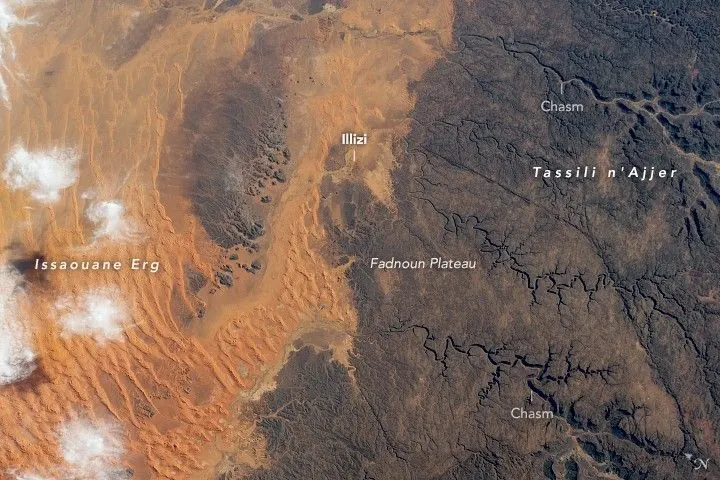
Algeria · Habitat field guide
The Algerian Sahara includes eroded sandstone country and isolated water-bearing gorges. These settings require separate locality descriptions.
Sandstone plateaus and dunes near Illizi, northern Tassili n’Ajjer, Algeria. ISS external-camera image ISS064-E-11821, 11 December 2020. Dated landscape view; not a snake observation.
Understanding the environment
The Algerian Sahara includes eroded sandstone country and isolated water-bearing gorges. These settings require separate locality descriptions.
Explore the structure · Open ground → Vegetated patch → Drainage
Select a zone to see what changes.
Substrate
Separate mobile sand, gravel pavement and exposed bedrock.
The word desert alone is too broad to describe a capture site.
A conceptual comparison, not a measured transect or an animal distribution model.
Field notes · 01
Tassili n’Ajjer is a vast southeastern plateau with strongly eroded sandstone formations. Its rock art documents past environments; animals shown in ancient art are not evidence of their present occurrence.
Field notes · 02
The Issakarassene gueltates occupy narrow gorges in the Ahaggar. The Ramsar sheet describes spring-fed permanent water, supplemented by storm runoff. This local hydrology cannot be extended to every Saharan wadi.
Pressures on Algeria’s habitats
The Ramsar account emphasises the vulnerability of isolated Saharan water refuges to disturbance. This is ecosystem context, not a measured snake-population trend.
Retain the observation date, original habitat wording and source. Landscape protection and a confirmed snake occurrence are different kinds of evidence.
The connected collection
These 16 species have supported country occurrence and an explicit habitat association in the shared account. The association may come from elsewhere in their range. This is not a complete local habitat inventory; the places above are landscape examples, not asserted collecting sites.
16 species · showing 16
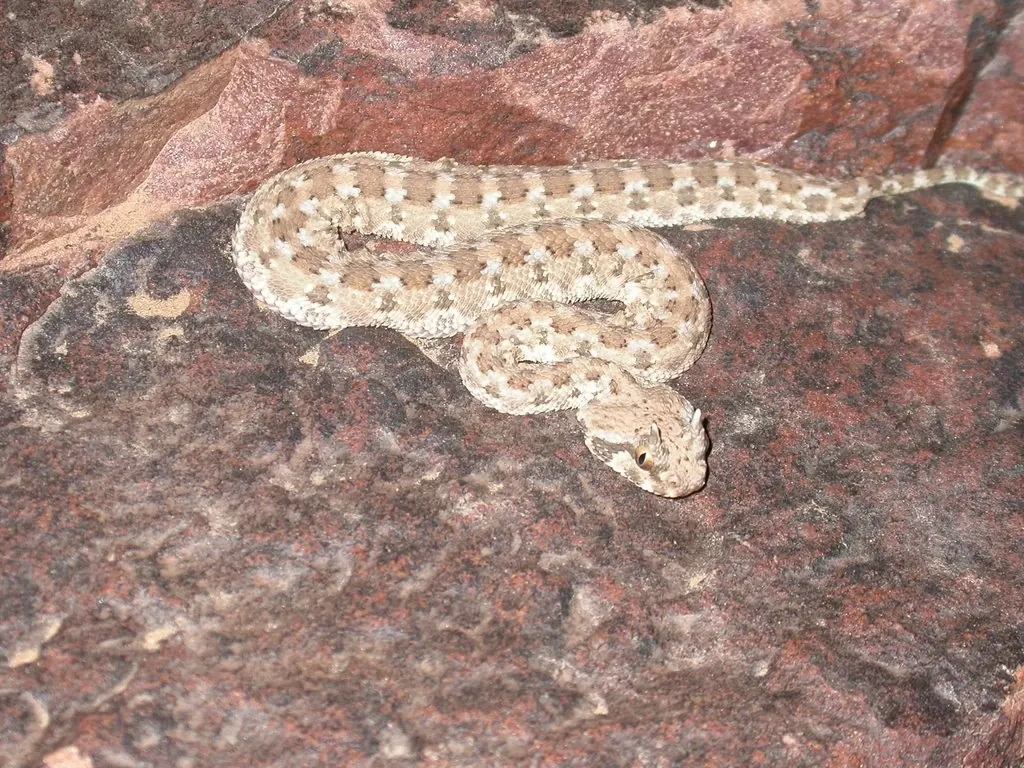
001 · Viperidae
Desert Horned Viper
Listed in the reviewed taxonomic treatment. Documented by the Batna atlas (2025).
Read the species account →Julien Renoult · CC BY 4.0 · https://creativecommons.org/licenses/by/4.0/
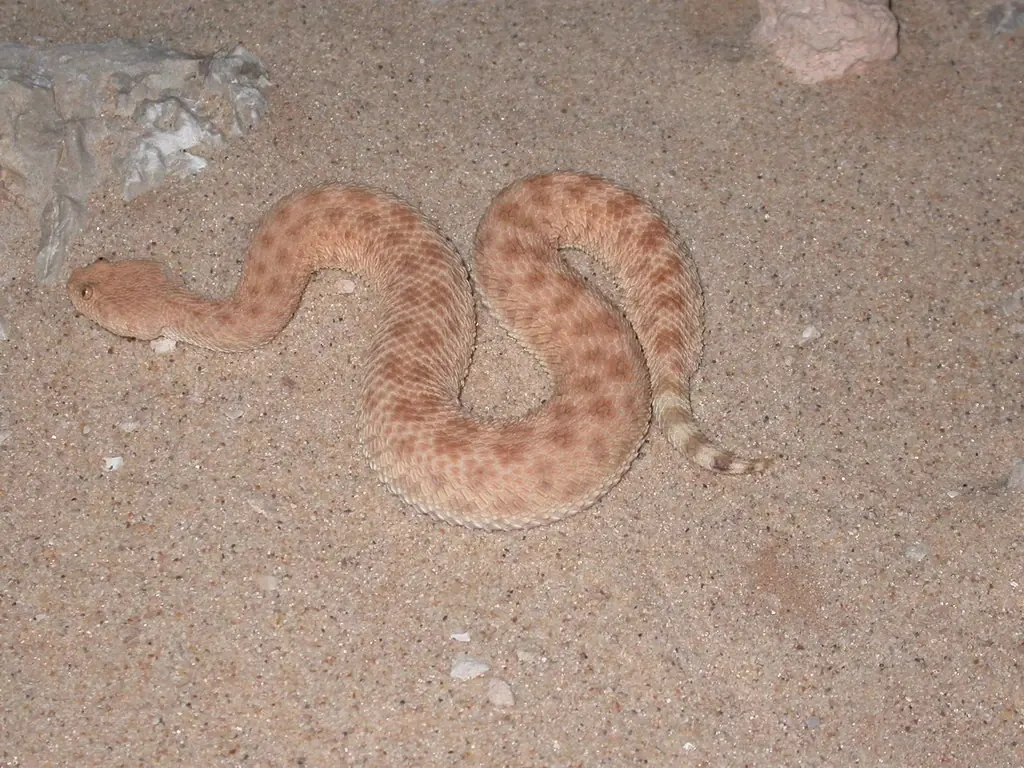
002 · Viperidae
Sahara Sand Viper
Listed in the reviewed taxonomic treatment. Saharan Atlas, desert & oases: museum voucher CAS 138623 (1974). The museum record's reported coordinate uncertainty footprint lies within the mapped region. Saharan Atlas, desert & oases: observation GBIF 3902468014 (2022). The original iNaturalist entry was rechecked for research-grade identification, wild…
Read the species account →Julien Renoult · CC BY 4.0 · https://creativecommons.org/licenses/by/4.0/
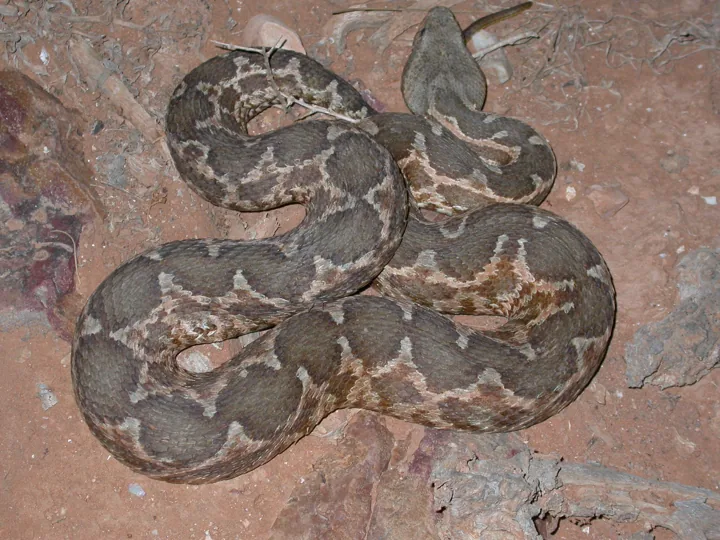
003 · Viperidae
Moorish Viper
Listed in the reviewed taxonomic treatment. Documented by the Batna atlas (2025).
Read the species account →Julien Renoult · CC BY 4.0 · https://creativecommons.org/licenses/by/4.0/
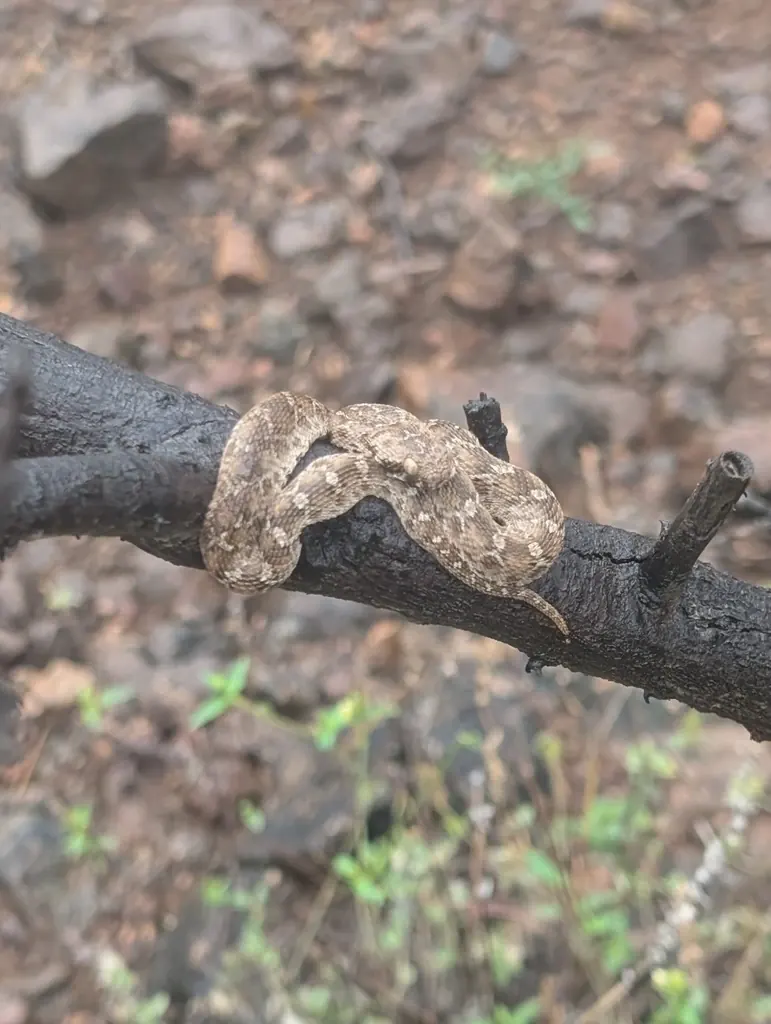
004 · Viperidae
North-East African Carpet Viper, Egyptian Saw-scaled Viper
Listed in the reviewed taxonomic treatment. Saharan Atlas, desert & oases: museum voucher CAS 138680 (1974). The published collecting label names Tamanrasset Prov.; this is a locality-label assignment, not a reconstructed coordinate. These are dated locality records, not evidence of occurrence throughout every part of a region or a complete present-day…
Read the species account →Elliot Kulakow · CC BY 4.0 · https://creativecommons.org/licenses/by/4.0/
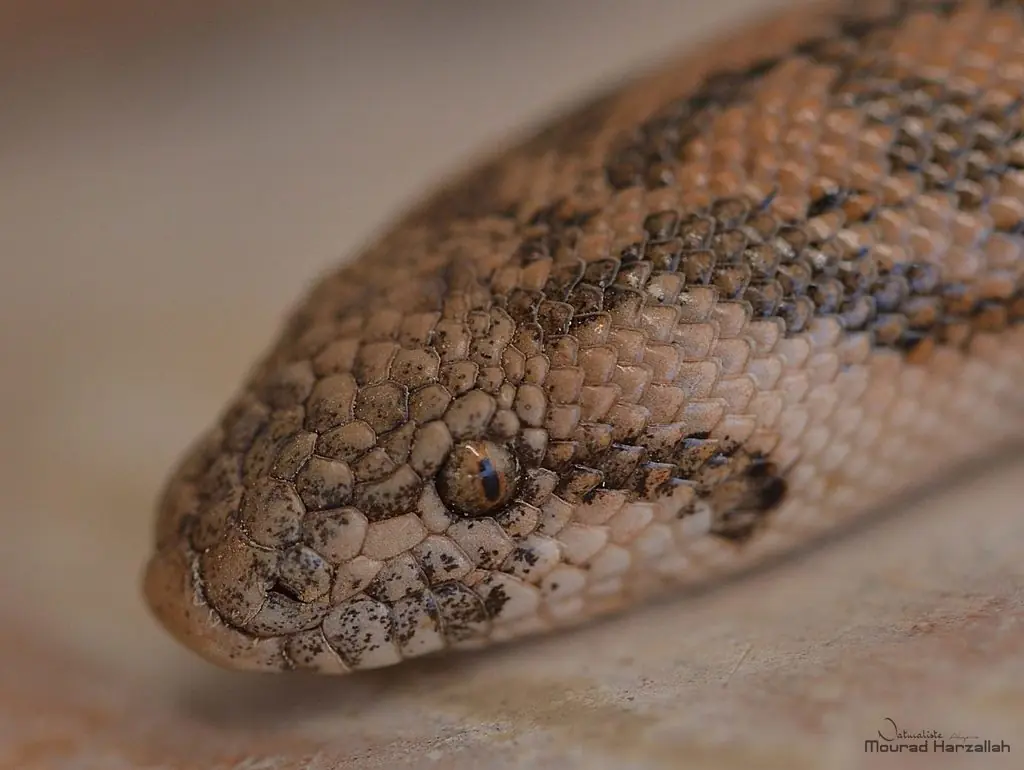
005 · Boidae
Javelin Sand Boa
Listed in the reviewed taxonomic treatment. Documented by the Batna atlas (2025).
Read the species account →Mourad Harzallah · CC BY 4.0 · https://creativecommons.org/licenses/by/4.0/
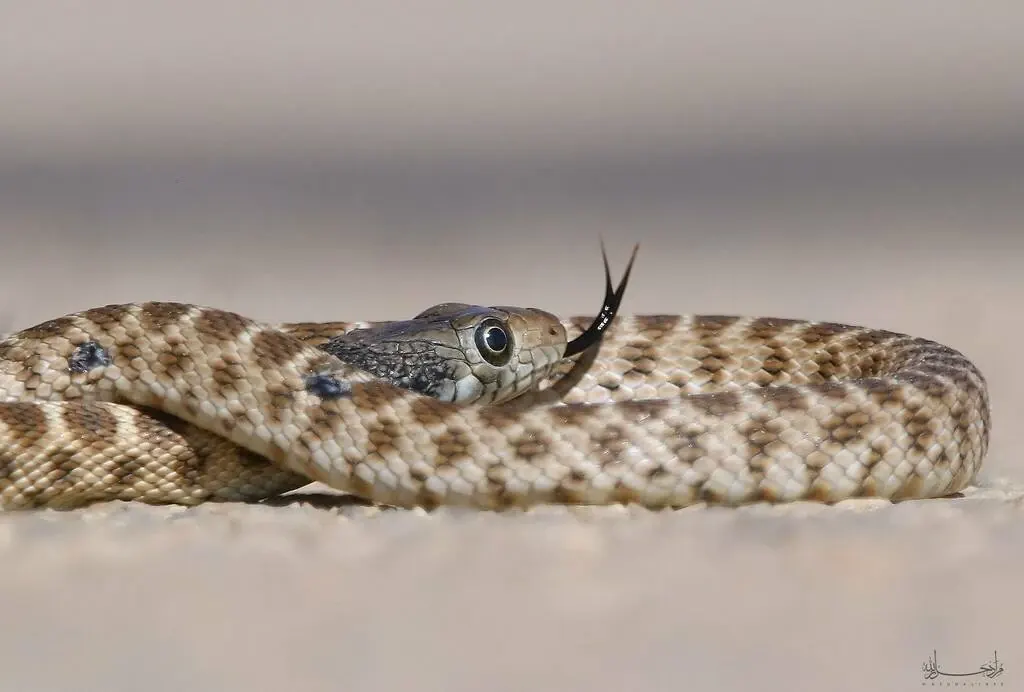
006 · Colubridae
Algerian Whip Snake
Listed in the reviewed taxonomic treatment. Documented by the Batna atlas (2025).
Read the species account →Mourad Harzallah · CC BY 4.0 · https://creativecommons.org/licenses/by/4.0/
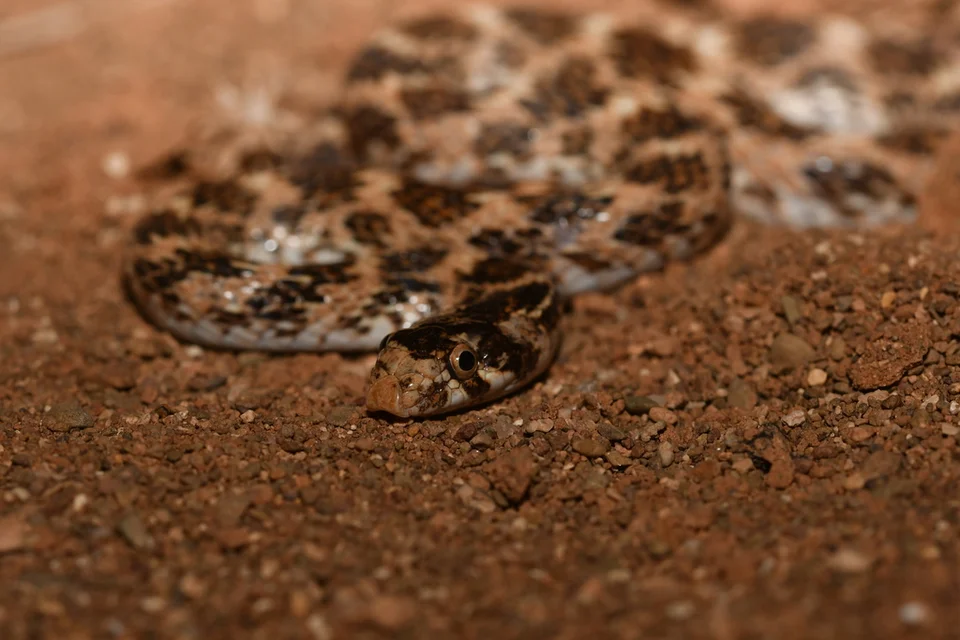
007 · Colubridae
Crowned Leafnose Snake, Diademed Sand Snake, Awl-headed Snake
Listed in the reviewed taxonomic treatment. Documented by the Batna atlas (2025).
Read the species account →Justin Philbois · CC0 1.0 · https://creativecommons.org/publicdomain/zero/1.0/
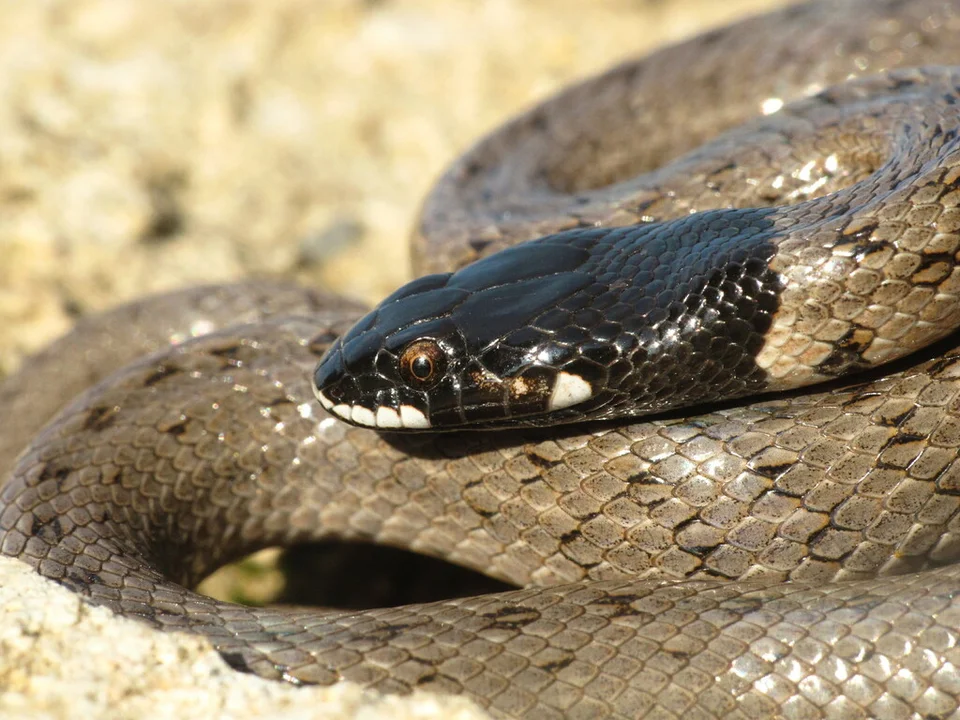
008 · Colubridae
Species account
Listed in the reviewed taxonomic treatment. Western Tell & plateaus: observation GBIF 6171071501 (2025). The original iNaturalist entry was rechecked for research-grade identification, wild status and unrestricted coordinates; its reported uncertainty footprint lies within the mapped region. This is a community-reviewed observation, not a museum voucher.…
Read the species account →Wouter Beukema · CC BY 4.0 · https://creativecommons.org/licenses/by/4.0/
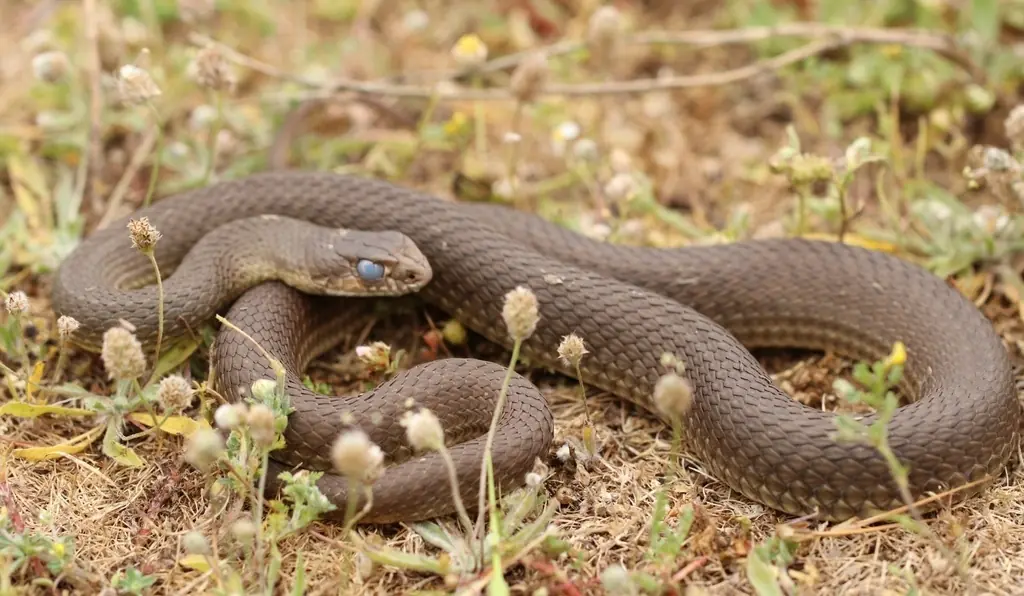
009 · Psammophiidae
Eastern Montpellier Snake
Listed in the reviewed taxonomic treatment. Documented by the Batna atlas (2025).
Read the species account →Ryan van Huyssteen · CC BY 4.0 · https://creativecommons.org/licenses/by/4.0/
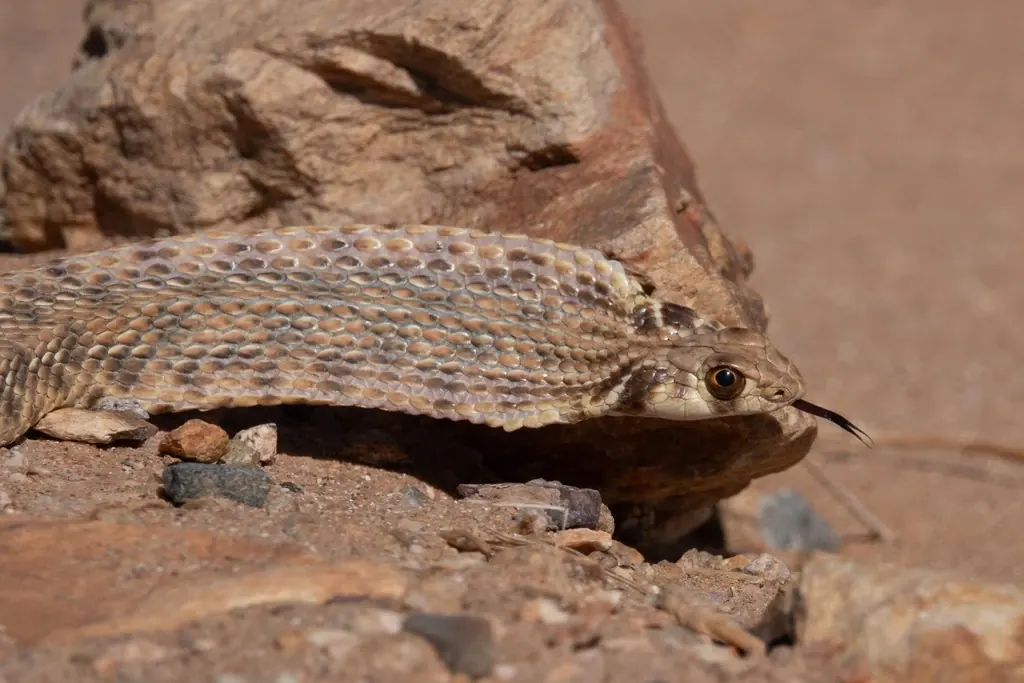
010 · Psammophiidae
Moila Snake
Listed in the reviewed taxonomic treatment. Saharan Atlas, desert & oases: observation GBIF 4872229533 (2024). The original iNaturalist entry was rechecked for research-grade identification, wild status and unrestricted coordinates; its reported uncertainty footprint lies within the mapped region. This is a community-reviewed observation, not a museum…
Read the species account →Demian Hiß · CC BY 4.0 · https://creativecommons.org/licenses/by/4.0/
011 · Leptotyphlopidae
Species account
Listed in the reviewed taxonomic treatment. Saharan Atlas, desert & oases: observation GBIF 5892589321 (2024). The original iNaturalist entry was rechecked for research-grade identification, wild status and unrestricted coordinates; its reported uncertainty footprint lies within the mapped region. This is a community-reviewed observation, not a museum…
Read the species account →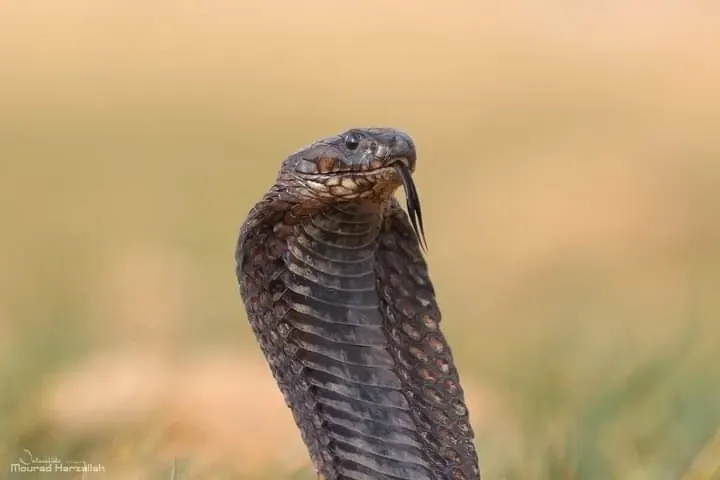
012 · Elapidae
Egyptian Cobra
Listed in the reviewed taxonomic treatment. Documented by the Batna atlas (2025).
Read the species account →Mourad Harzallah · CC BY 4.0 · https://creativecommons.org/licenses/by/4.0/
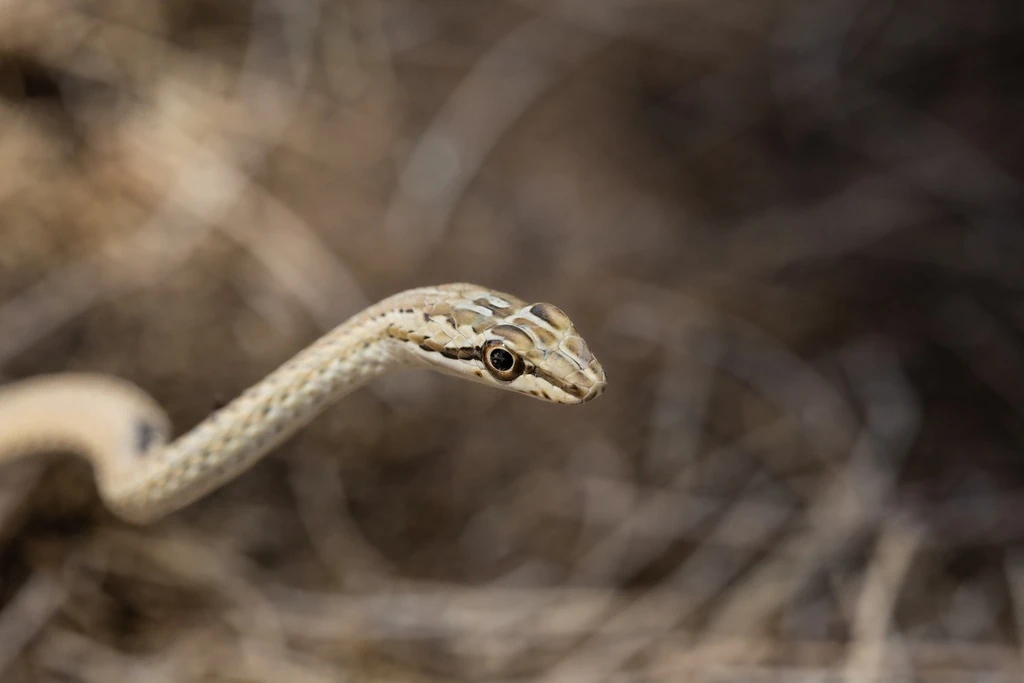
013 · Psammophiidae
Schokari Sand Racer, Forskal Sand Snake
Listed in the reviewed taxonomic treatment. Documented by the Batna atlas (2025).
Read the species account →Mahomed Desai · CC BY 4.0 · https://creativecommons.org/licenses/by/4.0/
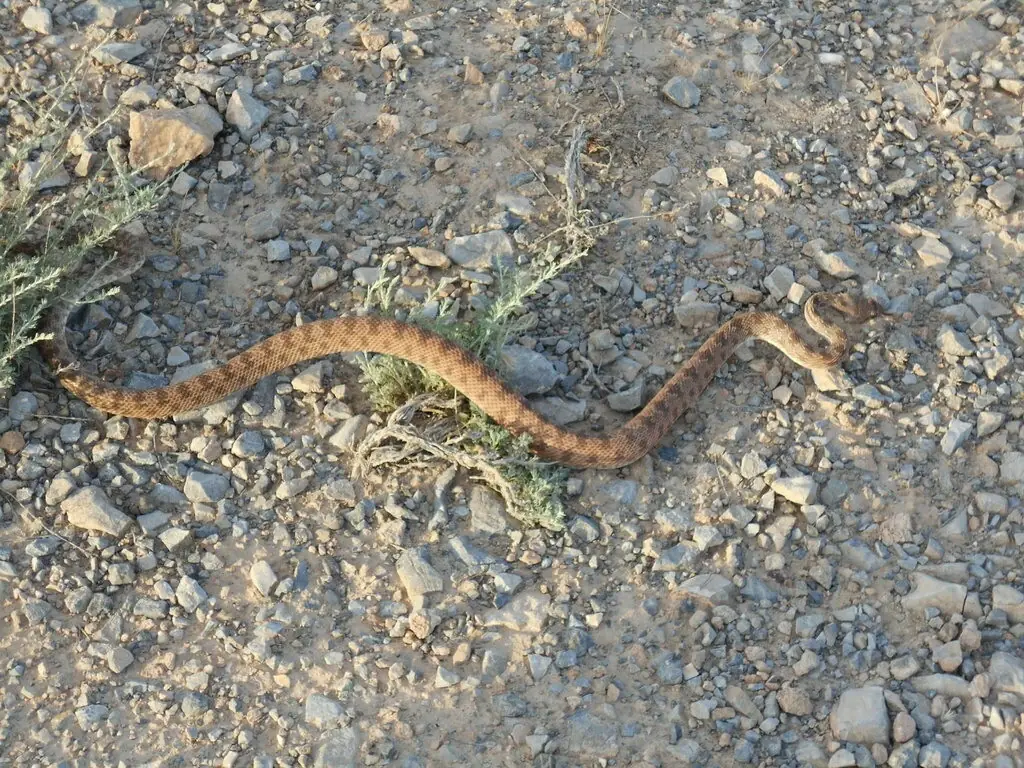
014 · Colubridae
Diadem Snake, Royal Snake
Listed in the reviewed taxonomic treatment. Saharan Atlas, desert & oases: observation GBIF 5167202296 (2025). The original iNaturalist entry was rechecked for research-grade identification, wild status and unrestricted coordinates; its reported uncertainty footprint lies within the mapped region. This is a community-reviewed observation, not a museum…
Read the species account →Askar Akhmedov · CC BY 4.0 · https://creativecommons.org/licenses/by/4.0/
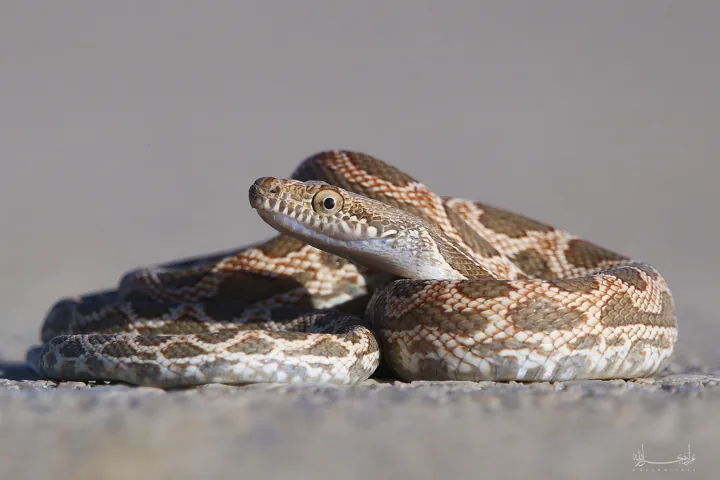
015 · Colubridae
Werner's Diadem Snake
Listed in the reviewed taxonomic treatment. Documented by the Batna atlas (2025).
Read the species account →Mourad Harzallah · CC BY 4.0 · https://creativecommons.org/licenses/by/4.0/
016 · Colubridae
Species account
Included in the national checklist. Saharan Atlas, desert & oases: museum voucher CAS 123408 (1969). The published collecting label names Tindouf Prov.; this is a locality-label assignment, not a reconstructed coordinate. These are dated locality records, not evidence of occurrence throughout every part of a region or a complete present-day inventory.
Read the species account →Read further
Guide reviewed 12 October 2026. Source dates and geographic scope matter; landscape photographs do not establish species occurrence.
Geology and historical environmental context. Checked 12 October 2026.
Site 1058 information sheet; spring and storm-fed hydrology. Checked 12 October 2026.
Continue through Algeria