Pressures in the source record
Land conversion, grazing and water deficits are documented pressures. These are background concerns, not an assessment of the photographed point today.
Uzbekistan · Habitat field guide
Explore the documented landscape around Western Tien Shan. The named example anchors this guide; the country map and separately sourced species accounts answer different questions.
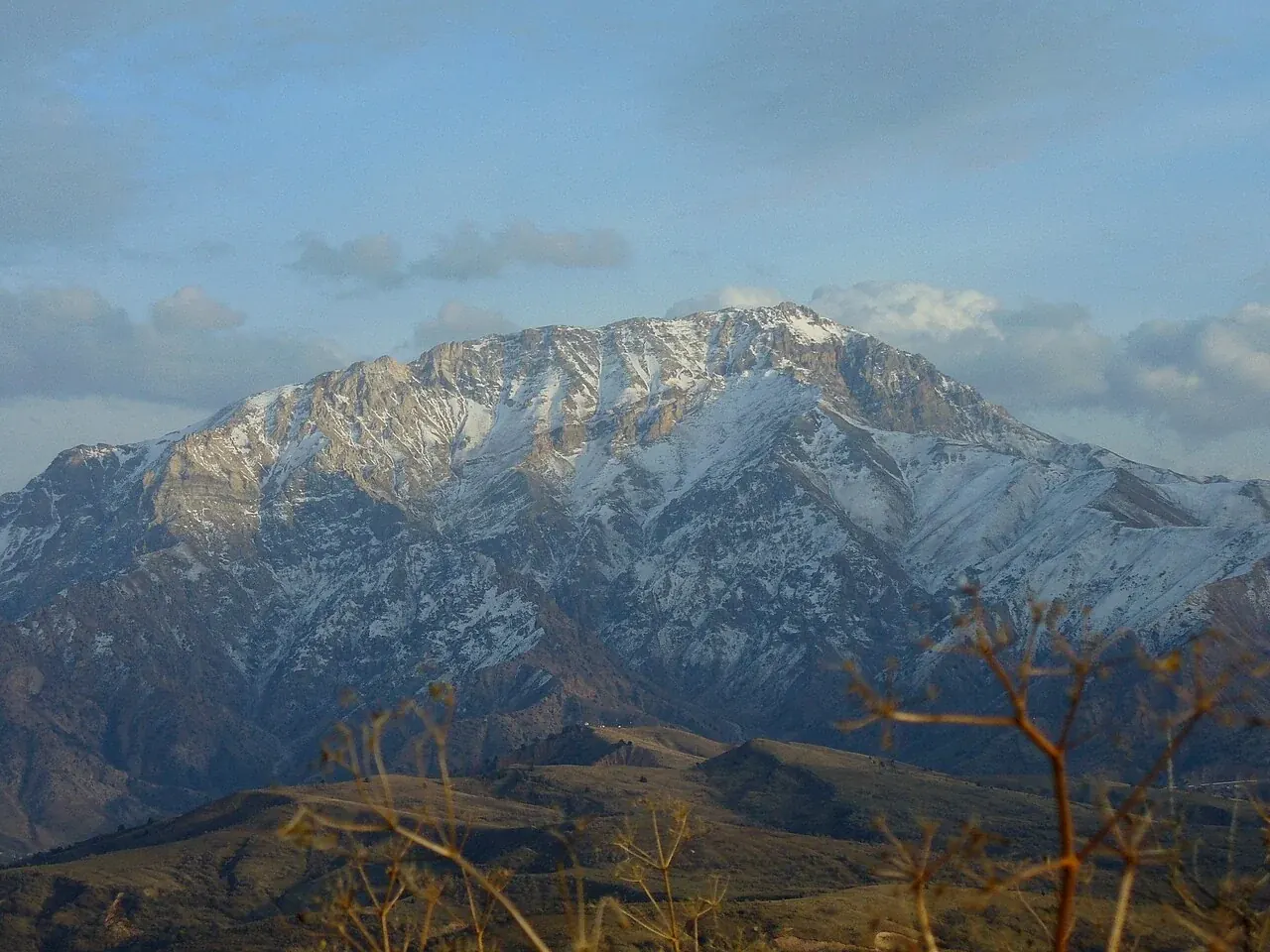
Chimgan peak viewed from Akshuran Pass, Tashkent Region, Uzbekistan.
Understanding the environment
Explore the documented landscape around Western Tien Shan. The named example anchors this guide; the country map and separately sourced species accounts answer different questions.
Explore the structure · Valley → slope → ridge
Select a zone to see what changes.
Cover and land use
Compare woodland, cultivated ground and open rocky patches. Preserve the distinction between natural vegetation and working landscapes.
Compare this unit with the documented local setting and keep the observation date, exact place and source distinct.
These panels are a conceptual reading sequence, not a mapped transect or a recommendation to enter the site.
Sources: UNESCO · Western Tien Shan
Field notes · 01
The Uzbek part of the transboundary Western Tien Shan belongs to a diverse mountain landscape. Its wooded and open slopes should be described locally rather than assigning the serial property's entire vegetation inventory to one valley.
Sources: UNESCO · Western Tien Shan
Field notes · 02
Keep elevation, aspect and vegetation separate. A valley woodland, cultivated terrace, rock slope and alpine summit can occur within one mountain view, yet represent very different conditions. Snow and glacier photographs illustrate geography, not snake habitat at that point.
Pressures on Uzbekistan’s habitats
Land conversion, grazing and water deficits are documented pressures. These are background concerns, not an assessment of the photographed point today.
When revisiting an image or locality, compare the same season, water stage and viewing area before interpreting a change. Keep source dates visible.
Use the country and region maps to orient the landscape, then read each species profile for its independently reviewed habitat and range evidence. Similar scenery does not establish a shared species list.
The connected collection
These 0 species have supported country occurrence and an explicit habitat association in the shared account. The association may come from elsewhere in their range. This is not a complete local habitat inventory; the places above are landscape examples, not asserted collecting sites.
No species-level association has yet been resolved for this habitat in the collection. That does not mean snakes are absent.
0 species · showing 0
Try another name or clear the filters. Absence from a regional list does not establish absence in nature.
Read further
Guide reviewed 11 October 2026. Source dates and geographic scope matter; landscape photographs do not establish species occurrence.
Historical national overview marked draft by the Secretariat; broad pressures and landscape context, not a current local condition survey, current statistics or wildlife locality evidence.
Named landscape, vegetation or hydrological setting only; no snake occurrence inferred. Historical site accounts are not current condition or access assessments.
Continue through Uzbekistan
Explore the documented landscape around Kyzylkum and Turan. The named example anchors this guide; the country map and separately sourced species accounts answer different questions.
02Explore the documented landscape around Aydar–Arnasay. The named example anchors this guide; the country map and separately sourced species accounts answer different questions.