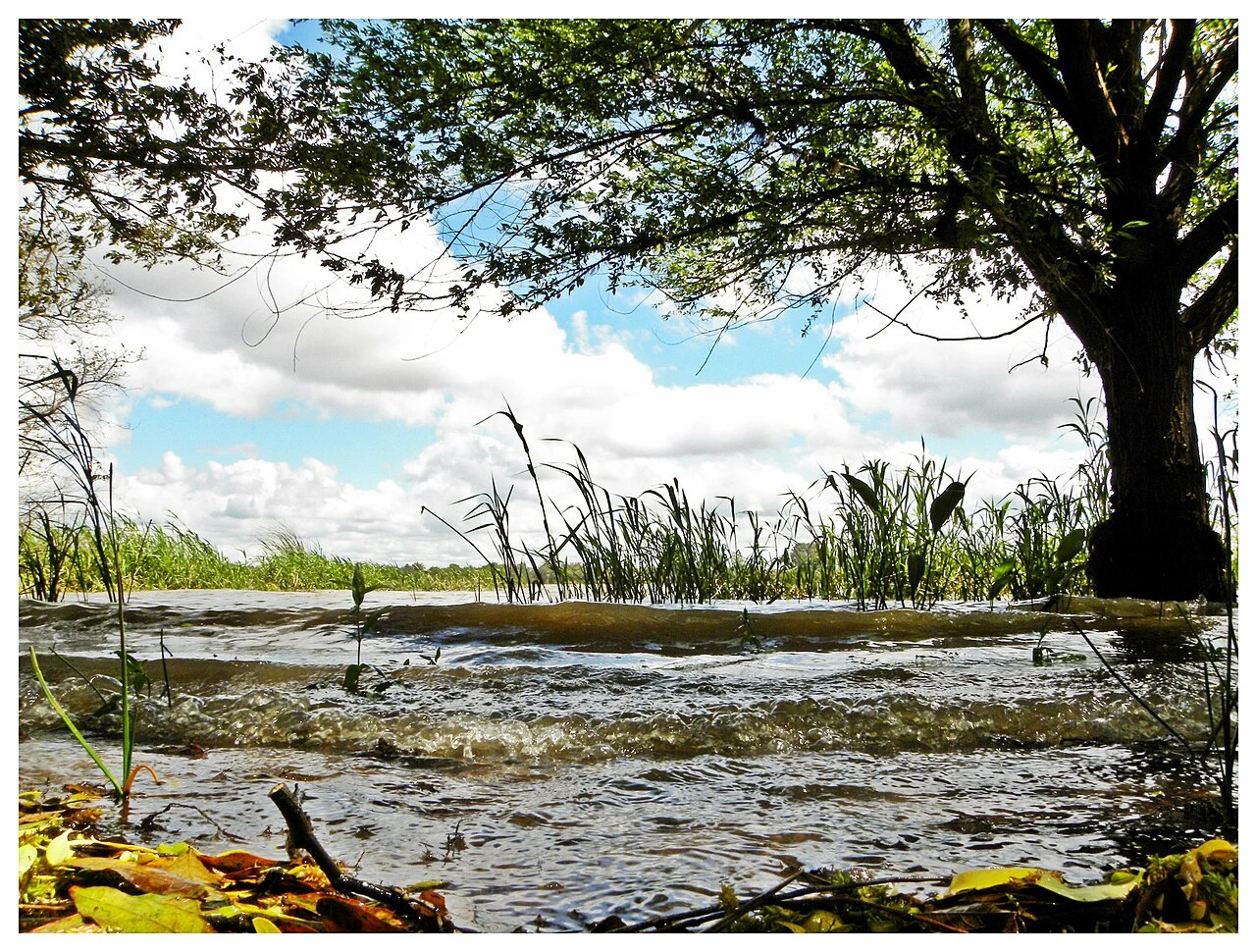
Shallow floodwater and wetland vegetation in Esteros de Farrapos, Uruguay.

Uruguay · Habitat field guide

Rivers & wetlands

The profile distinguishes river basins, wetlands and coastal lagoons. A basin name describes drainage geography; it does not establish an aquatic association for every snake reported within it.

Shallow floodwater and wetland vegetation in Esteros de Farrapos, Uruguay.

Photograph: Lola Cerredelo · Image source · CC BY-SA 3.0. Cropped to fill the hero; darkened for text legibility.

Understanding the environment

A sense of the habitat.

The profile distinguishes river basins, wetlands and coastal lagoons. A basin name describes drainage geography; it does not establish an aquatic association for every snake reported within it.

Geographic scope
Uruguay; retain the named source locality.
Evidence scale
Landscape descriptions are separate from species records.
Source date
Retain the original publication date; reviewed 17 October 2026.

Explore the structure · Select a layer to compare details retained in a field record.

Read the locality in three layers.

Select a zone to see what changes.

Waterbody

Waterbody

Keep the name and distinguish stream, lake, marsh and channel.

Check the original species record before assigning habitat use.

These reading prompts are conceptual, not a transect or an occurrence map.

Sources: Convention on Biological Diversity · Uruguay national profile

Field notes · 01

The documented setting

The profile distinguishes river basins, wetlands and coastal lagoons. A basin name describes drainage geography; it does not establish an aquatic association for every snake reported within it.

Sources: Convention on Biological Diversity · Uruguay national profile

Field notes · 02

Connect the setting to a species

The country landscape and a species habitat association answer different questions. Follow the species account for direct habitat evidence. An empty collection indicates missing extracted evidence, not biological absence.

Pressures on Uruguay’s habitats

What is at risk?

A site-specific assessment of pressures has not yet been extracted for this guide. The landscape sources below provide context; they do not establish a current threat level for each snake species.

What helps this habitat

Read conservation pressures with their source date and locality; a landscape-level pressure is not a measured decline for every snake.

The connected collection

Snakes with habitat evidence.

These 12 species have supported country occurrence and an explicit habitat association in the shared account. The association may come from elsewhere in their range. This is not a complete local habitat inventory; the places above are landscape examples, not asserted collecting sites.

12 species · showing 12

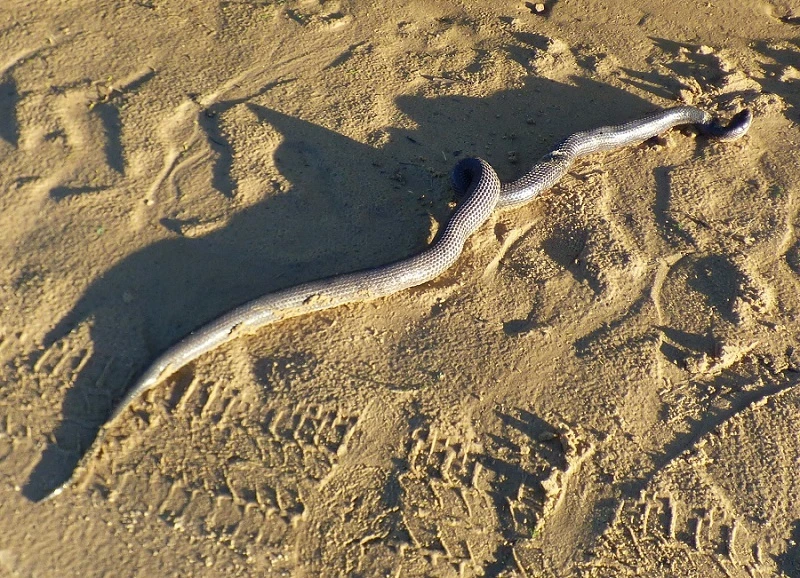
Boiruna maculata. Dark and pale individual on sandy ground. Portrait only; no wild locality or habitat record is inferred.

001 · Colubridae

Mussurana

Boiruna maculata

(BOULENGER, 1896)

Venom unknownNot yet assessed

The checked taxonomic distribution account explicitly lists Uruguay. Country-level evidence does not establish continuous occupancy or a complete national inventory.

Read the species account →

Pablo H Capovilla · CC BY-SA 4.0 · https://creativecommons.org/licenses/by-sa/4.0
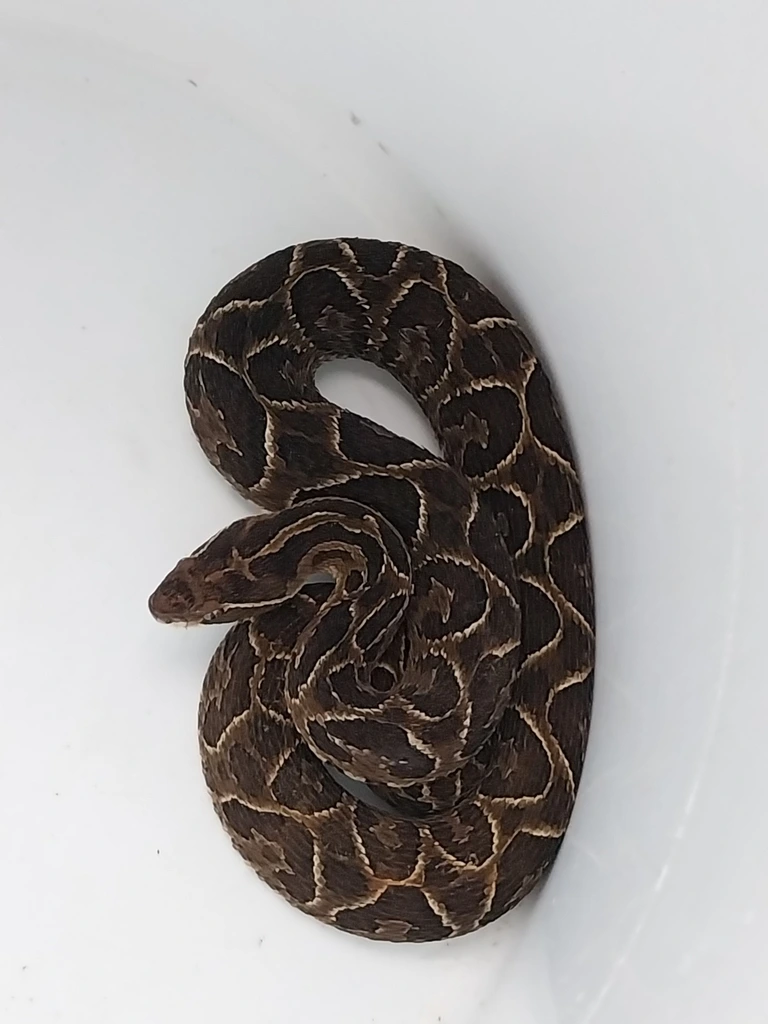
Bothrops alternatus. Coiled individual in a plain container; this is not a habitat illustration. Original observation dated 2024-04-30. No additional geographic occurrence is inferred.

002 · Viperidae

Urutu

Bothrops alternatus

DUMÉRIL, BIBRON & DUMÉRIL, 1854

VenomousClinical severity not established

The checked taxonomic distribution account explicitly lists Uruguay. Country-level evidence does not establish continuous occupancy or a complete national inventory.

Read the species account →

Edson Luis Fabro Gasperin · CC BY-SA 4.0 · https://creativecommons.org/licenses/by-sa/4.0/

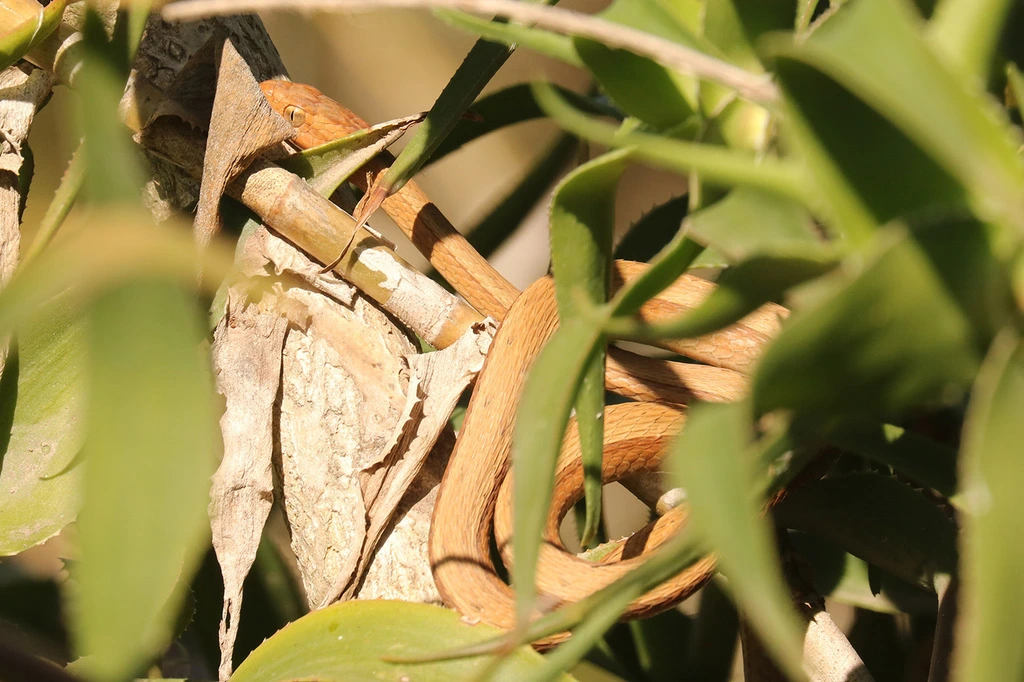
Dryophylax hypoconia. Head and neck beside dry plant stems. Original observation dated 2022-07-30. No additional geographic occurrence is inferred.

003 · Colubridae

Species account

Dryophylax hypoconia

(COPE, 1860)

Venom unknownNot yet assessed

The checked taxonomic distribution account explicitly lists Uruguay. Country-level evidence does not establish continuous occupancy or a complete national inventory.

Read the species account →

Holger Braun · CC BY 4.0 · https://creativecommons.org/licenses/by/4.0/

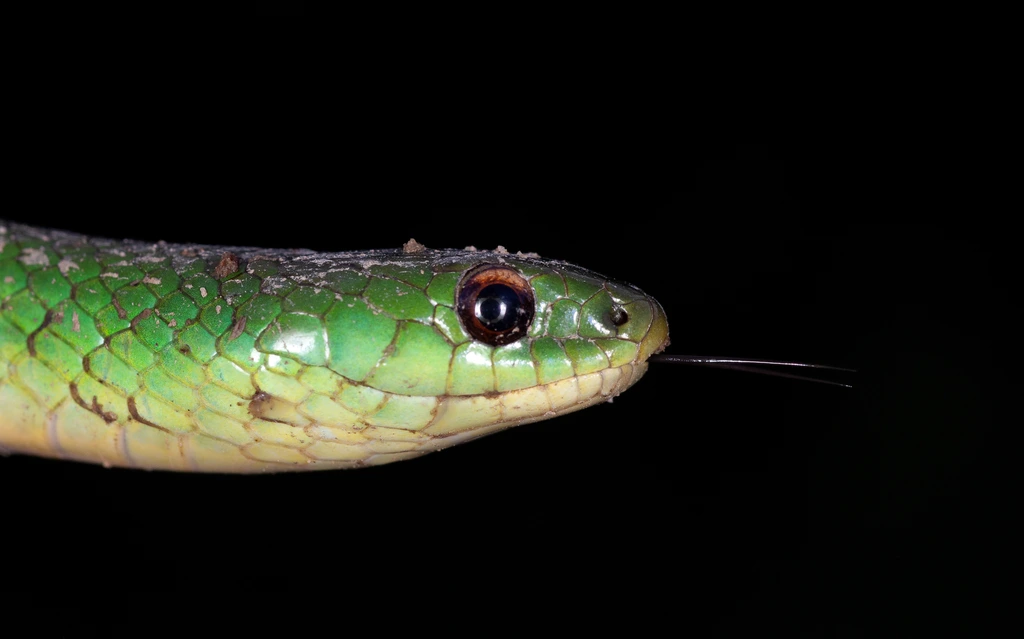
Erythrolamprus jaegeri. Close profile of the head against a dark background. Original observation dated 2024-07-18. No additional geographic occurrence is inferred.

004 · Colubridae

Jaeger's Ground Snake

Erythrolamprus jaegeri

(GÜNTHER, 1858)

Venom unknownNot yet assessed

The checked taxonomic distribution account explicitly lists Uruguay. Country-level evidence does not establish continuous occupancy or a complete national inventory.

Read the species account →

Guilherme Cameis Freda · CC BY-SA 4.0 · https://creativecommons.org/licenses/by-sa/4.0/

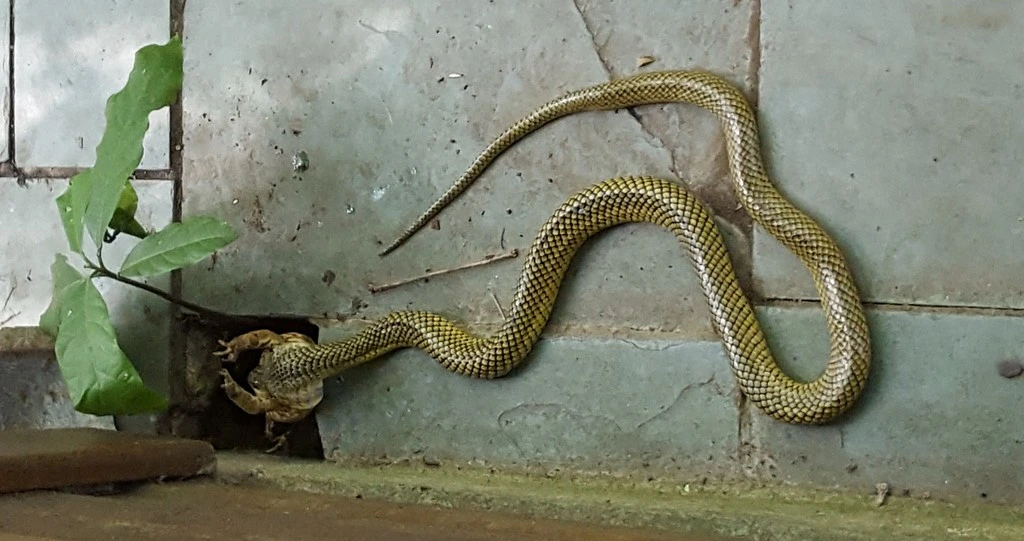
Erythrolamprus miliaris. Yellow-and-dark patterned body beside a wall during a feeding observation. Original observation dated 2018-01-04. Portrait only; no new locality record is inferred.

005 · Colubridae

Military Ground Snake

Erythrolamprus miliaris

(LINNAEUS, 1758)

VenomousClinical severity not established

The checked taxonomic distribution account explicitly lists Uruguay. Country-level evidence does not establish continuous occupancy or a complete national inventory.

Read the species account →

alessandradalia · CC BY-SA 4.0 · https://creativecommons.org/licenses/by-sa/4.0/

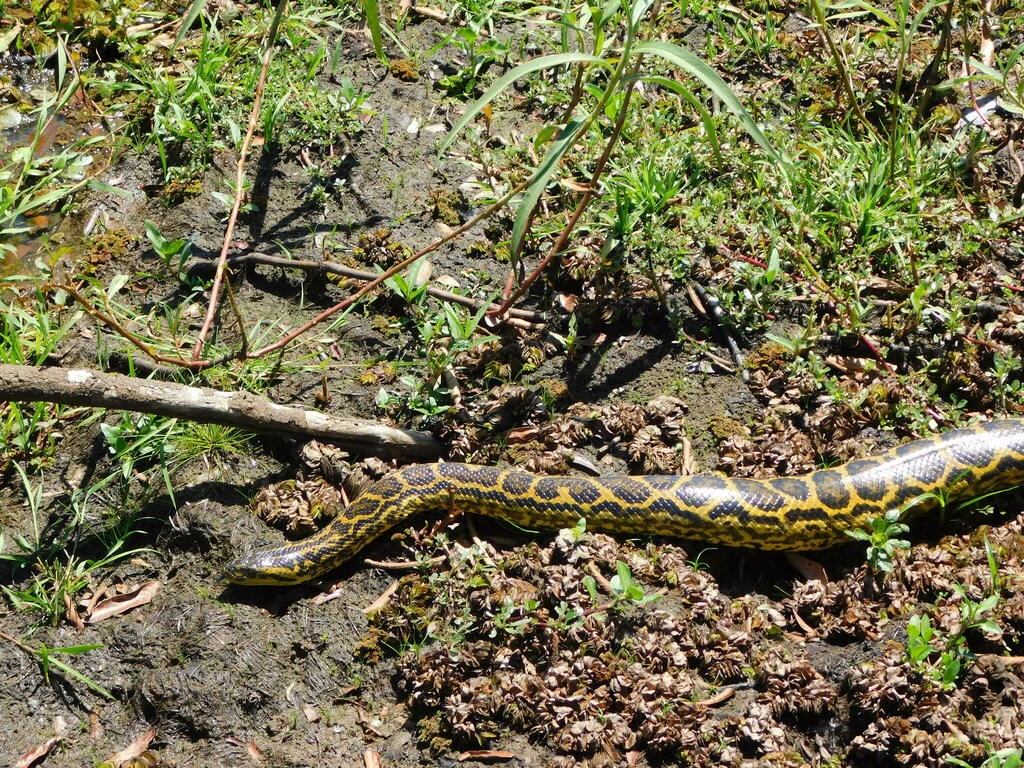
Eunectes notaeus. Head and patterned anterior body beside low vegetation. Original observation dated 2022-10-31. No additional geographic occurrence is inferred.

006 · Boidae

Yellow Anaconda

Eunectes notaeus

COPE, 1862

Non-venomous

The checked taxonomic distribution account explicitly lists Uruguay. Country-level evidence does not establish continuous occupancy or a complete national inventory.

Read the species account →

Sebastián Gómez Barboza Silveira · CC0 1.0 · https://creativecommons.org/publicdomain/zero/1.0/

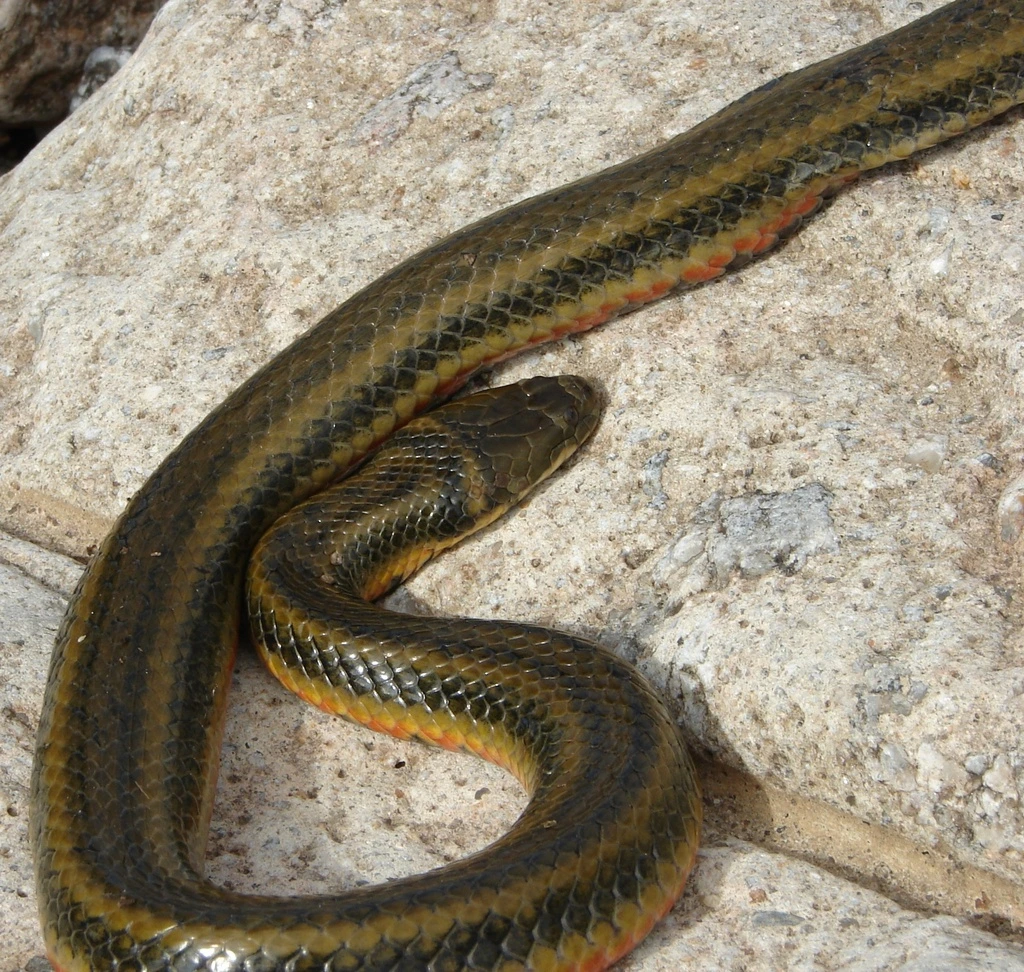
Helicops infrataeniatus. Patterned body and head on a pale surface. Original observation dated 2007-08-18. No additional geographic occurrence is inferred.

007 · Colubridae

Species account

Helicops infrataeniatus

JAN, 1865

Venom unknownNot yet assessed

The checked taxonomic distribution account explicitly lists Uruguay. Country-level evidence does not establish continuous occupancy or a complete national inventory.

Read the species account →

Nicolas Olejnik · CC BY 4.0 · https://creativecommons.org/licenses/by/4.0/

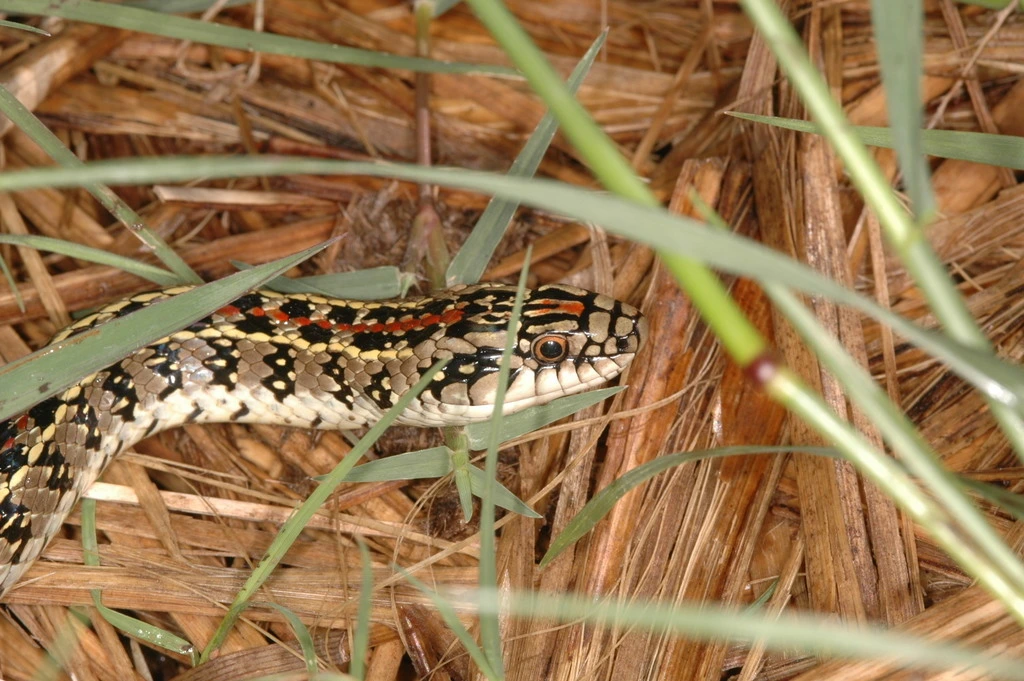
Lygophis anomalus. Head partly framed by grass stems. Original observation dated 2006-10-15. No additional geographic occurrence is inferred.

008 · Colubridae

Golden-belly snake

Lygophis anomalus

(GÜNTHER, 1858)

Venom unknownNot yet assessed

The checked taxonomic distribution account explicitly lists Uruguay. Country-level evidence does not establish continuous occupancy or a complete national inventory.

Read the species account →

aacocucci · CC BY 4.0 · https://creativecommons.org/licenses/by/4.0/

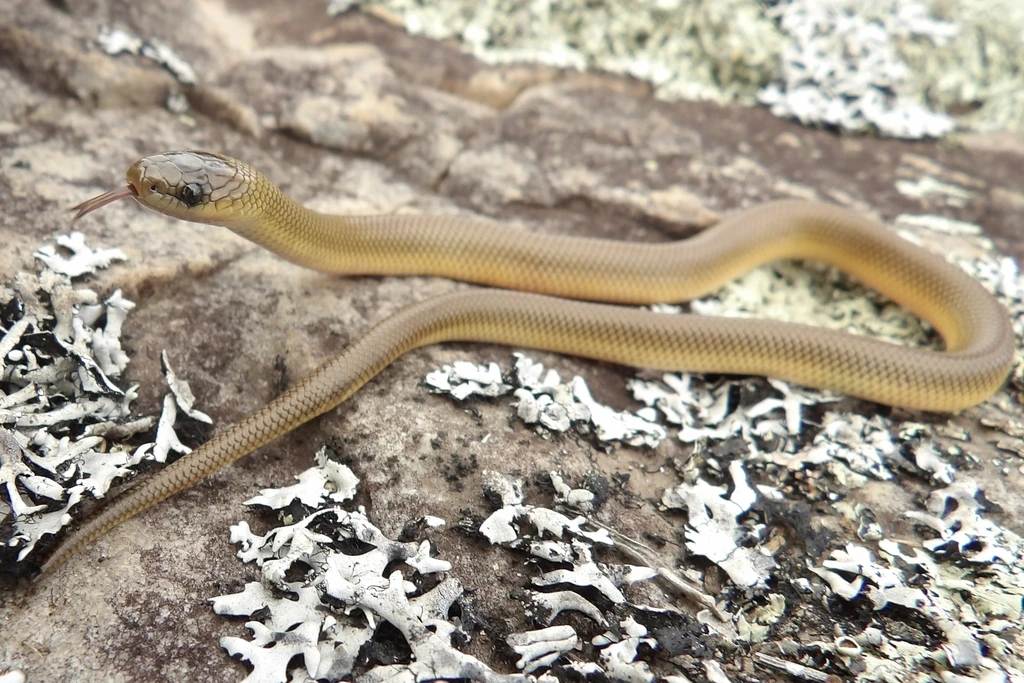
Paraphimophis rusticus. Brown individual with the head raised on lichen-covered rock. Original observation dated 2022-09-20. Portrait only; no new locality record is inferred.

009 · Colubridae

Culebra

Paraphimophis rusticus

(COPE, 1878)

Venom unknownNot yet assessed

The checked taxonomic distribution account explicitly lists Uruguay. Country-level evidence does not establish continuous occupancy or a complete national inventory.

Read the species account →

micaharkes · CC BY 4.0 · https://creativecommons.org/licenses/by/4.0/

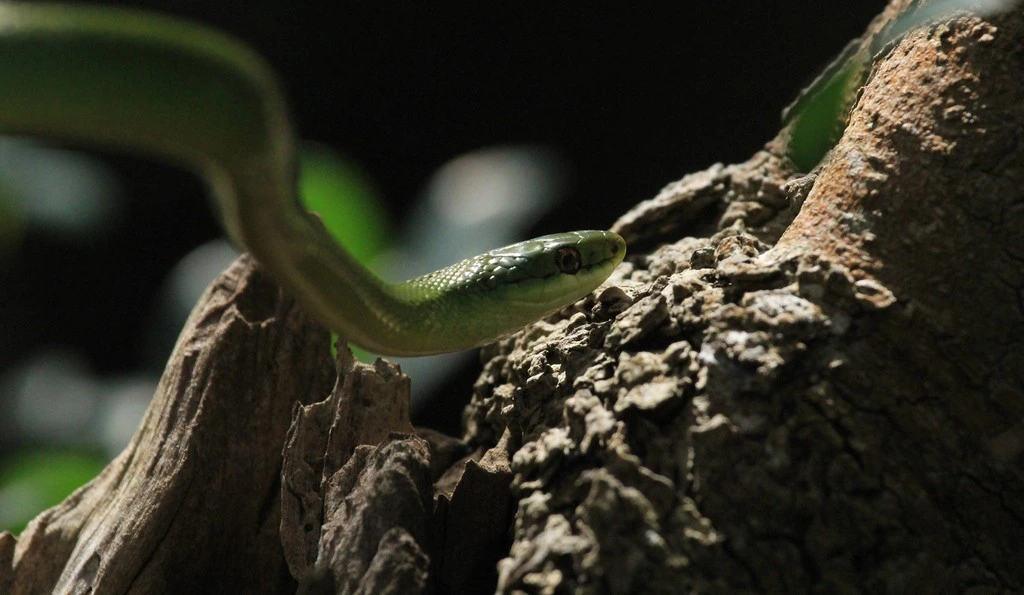
Philodryas aestiva. Head and neck beside textured wood. Original observation dated 2020-02-22. No additional geographic occurrence is inferred.

010 · Colubridae

Brazilian Green Racer, Common Green Racer

Philodryas aestiva

(DUMÉRIL, BIBRON & DUMÉRIL, 1854)

Venom unknownNot yet assessed

The checked taxonomic distribution account explicitly lists Uruguay. Country-level evidence does not establish continuous occupancy or a complete national inventory.

Read the species account →

Leo Lagos · CC BY 4.0 · https://creativecommons.org/licenses/by/4.0/

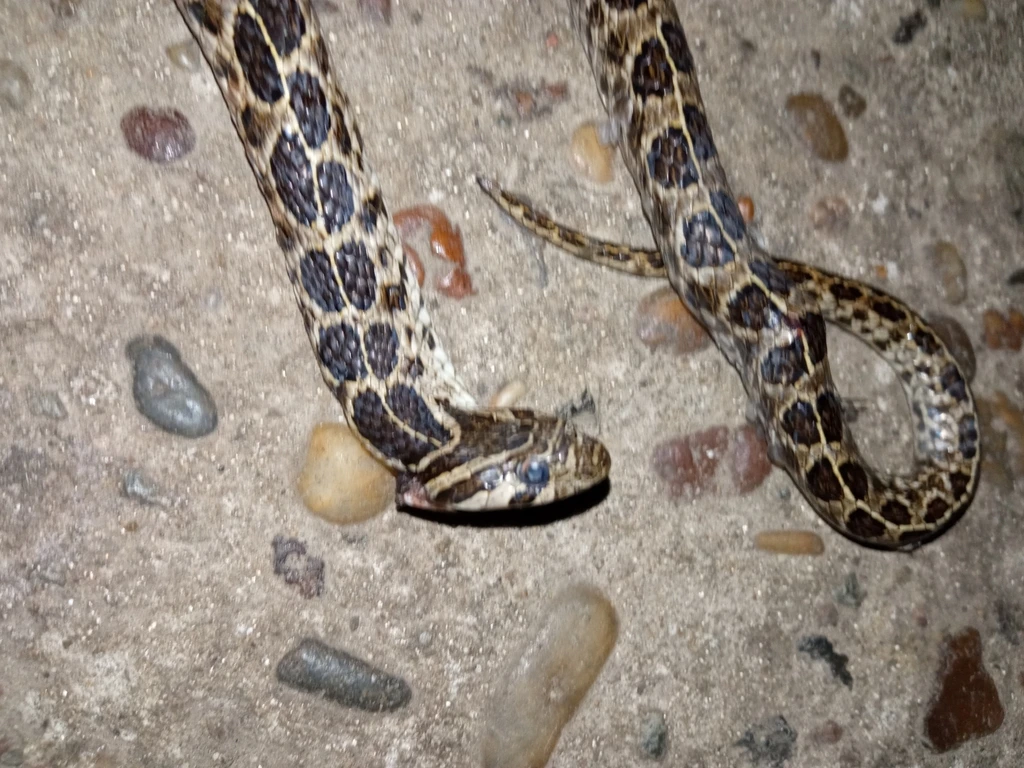
Tachymenis ocellata. Close view of the patterned head and neck on stony ground. Original observation dated 2022-04-12. Portrait only; no new locality record is inferred.

011 · Colubridae

Ocellated Pampas Snake

Tachymenis ocellata

DUMÉRIL, BIBRON & DUMÉRIL, 1854

Venom unknownNot yet assessed

The checked taxonomic distribution account explicitly lists Uruguay. Country-level evidence does not establish continuous occupancy or a complete national inventory.

Read the species account →

Gonzalo Rodriguez · CC BY 4.0 · https://creativecommons.org/licenses/by/4.0/

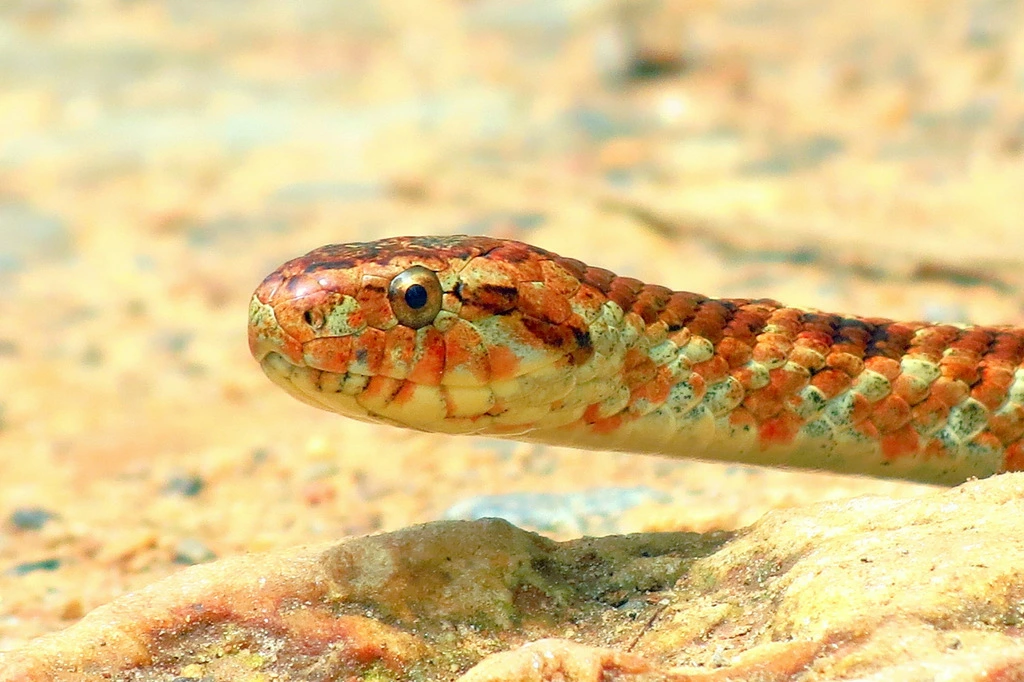
Tomodon dorsatus. Close view of the head and anterior body. Original observation dated 2022-10-12. No additional geographic occurrence is inferred.

012 · Colubridae

Pampas Snake

Tomodon dorsatus

DUMÉRIL, BIBRON & DUMÉRIL, 1854

Venom unknownNot yet assessed

The checked taxonomic distribution account explicitly lists Uruguay. Country-level evidence does not establish continuous occupancy or a complete national inventory.

Read the species account →

Rodrigo Paiva Lázaro · CC BY 4.0 · https://creativecommons.org/licenses/by/4.0/

All 45 species in the country collection →

Read further

Evidence & sources.

Guide reviewed 17 October 2026. Source dates and geographic scope matter; landscape photographs do not establish species occurrence.

  1. Convention on Biological Diversity · Uruguay national profile

    National biodiversity reporting synthesis. Landscape context only; historical statistics are not presented as current measurements. Reviewed 17 October 2026.

Continue through Uruguay

Explore another habitat.

01

Forest & woodland

Native woodland is interspersed with grasslands and wetlands in the national account. Retain woodland type and the named site instead of assigning a single habitat to an entire department.

02

Grassland & savanna

Uruguay’s profile identifies natural temperate grasslands, or Pampas, as a major landscape component. Pasture management and cultivation alter their structure; open ground is not automatically intact grassland.