Pressures and evidence limits
This guide does not yet include a quantified local pressure assessment. Record observed land use separately from demonstrated ecological effects, and compare dated observations from the same season.
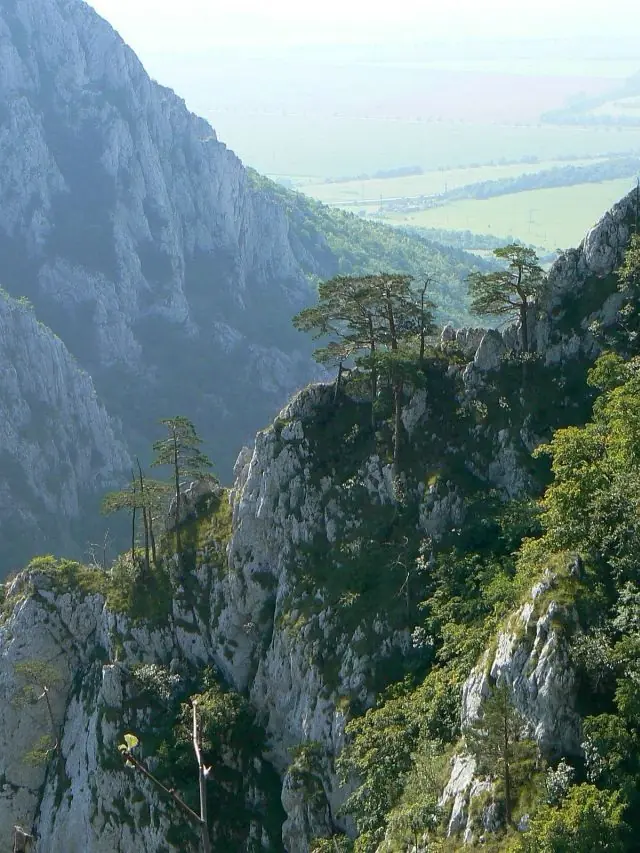
Slovakia · Habitat field guide
Explore Slovak Karst woodland through the documented landscape and its visible structure. The named example anchors this guide; it does not represent every habitat in the country.
Trees and exposed limestone at the mouth of Zádielska Gorge in the Slovak Karst, August 2008. Woodland occurs as part of this rocky slope mosaic.
Understanding the environment
Explore Slovak Karst woodland through the documented landscape and its visible structure. The named example anchors this guide; it does not represent every habitat in the country.
Explore the structure · Canopy → edge → drainage
Select a zone to see what changes.
Shade and cover
Describe the structure that is visible: canopy continuity, understory and ground cover. Do not infer an animal community from tree cover alone.
Keep observation date, photographed place and the source description distinct.
A conceptual reading sequence, not a mapped transect or an invitation to enter restricted terrain.
Sources: UNESCO · Slovak Karst woodland
Field notes · 01
Oak-hornbeam, mixed oak and beech woods cover parts of the Slovak Karst. Rock cracks and open grassland are separate components of the limestone landscape.
Sources: UNESCO · Slovak Karst woodland
Field notes · 02
Compare closed canopy, open woodland and planted trees. Record leaf litter, fallen wood and the width of exposed edges separately. A green satellite patch or distant treeline cannot establish forest quality.
Pressures on Slovakia’s habitats
This guide does not yet include a quantified local pressure assessment. Record observed land use separately from demonstrated ecological effects, and compare dated observations from the same season.
Keep landform, water, vegetation and land use separate when reading the landscape. Use the linked species accounts for independently sourced distribution evidence.
The connected collection
These 4 species have supported country occurrence and an explicit habitat association in the shared account. The association may come from elsewhere in their range. This is not a complete local habitat inventory; the places above are landscape examples, not asserted collecting sites.
4 species · showing 4
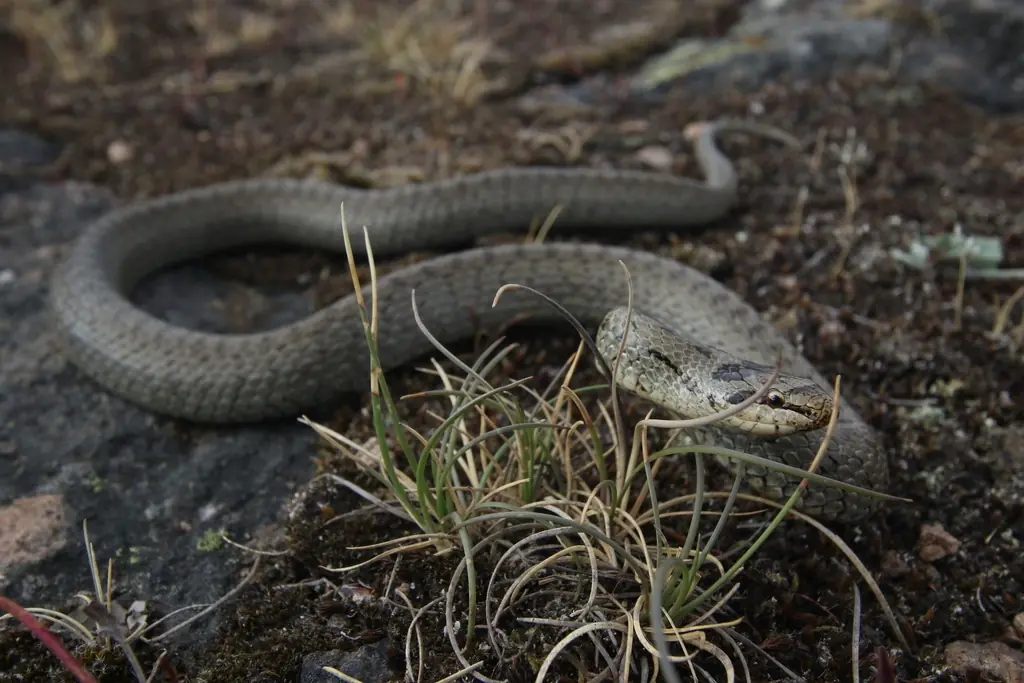
001 · Colubridae
Smooth Snake
Country explicitly listed in the checked taxonomic treatment. The Poloniny National Park authority explicitly includes Coronella austriaca in its local reptile fauna. Poloniny is within the eastern regional guide; this is a park-level record without a new collection date. These are dated locality records, not evidence of occurrence throughout every part…
Read the species account →B. P. White · CC BY-SA 4.0 · https://creativecommons.org/licenses/by-sa/4.0/
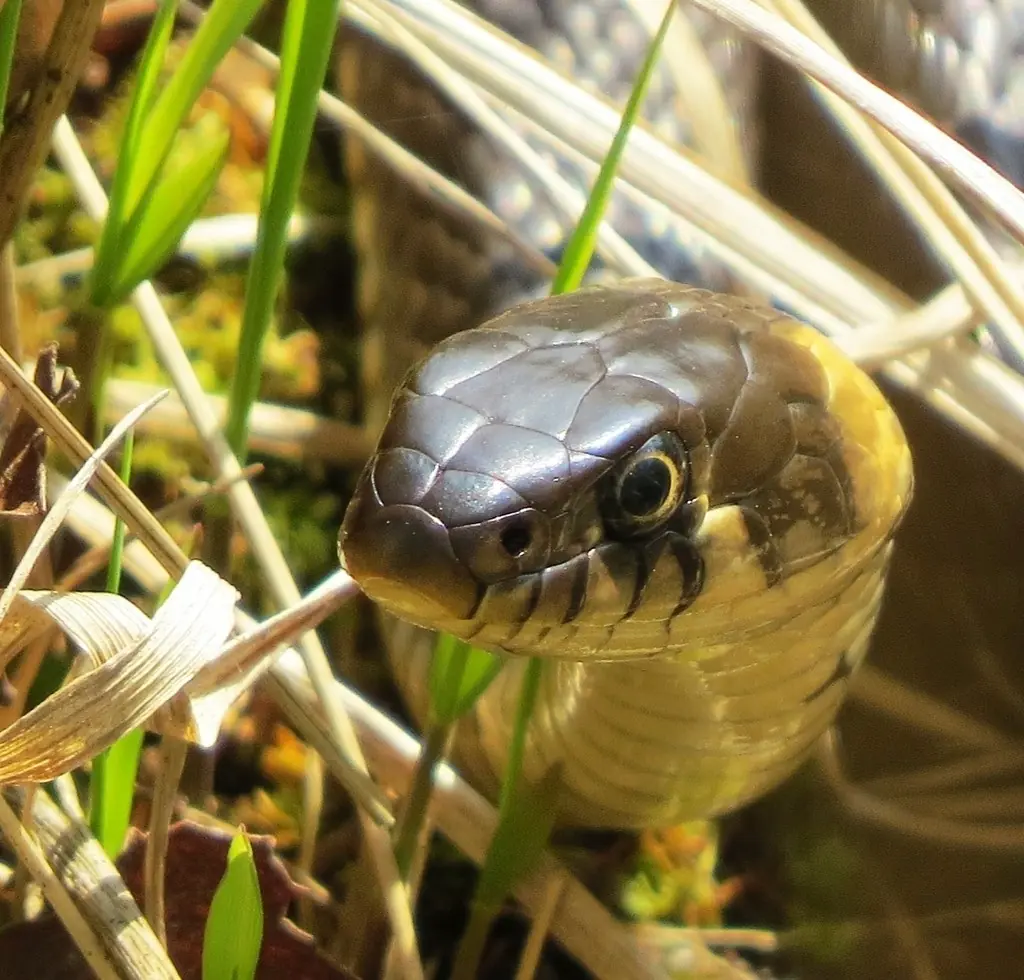
002 · Colubridae
Common Grass Snake
Country explicitly listed in the checked taxonomic treatment. Western regions: observation GBIF 6422540793 (2026). The original iNaturalist entry was rechecked for research-grade identification, wild status and unrestricted coordinates; its reported uncertainty footprint lies within the mapped region. This is a community-reviewed observation, not a…
Read the species account →Micha Baum · CC BY-SA 4.0 · https://creativecommons.org/licenses/by-sa/4.0/
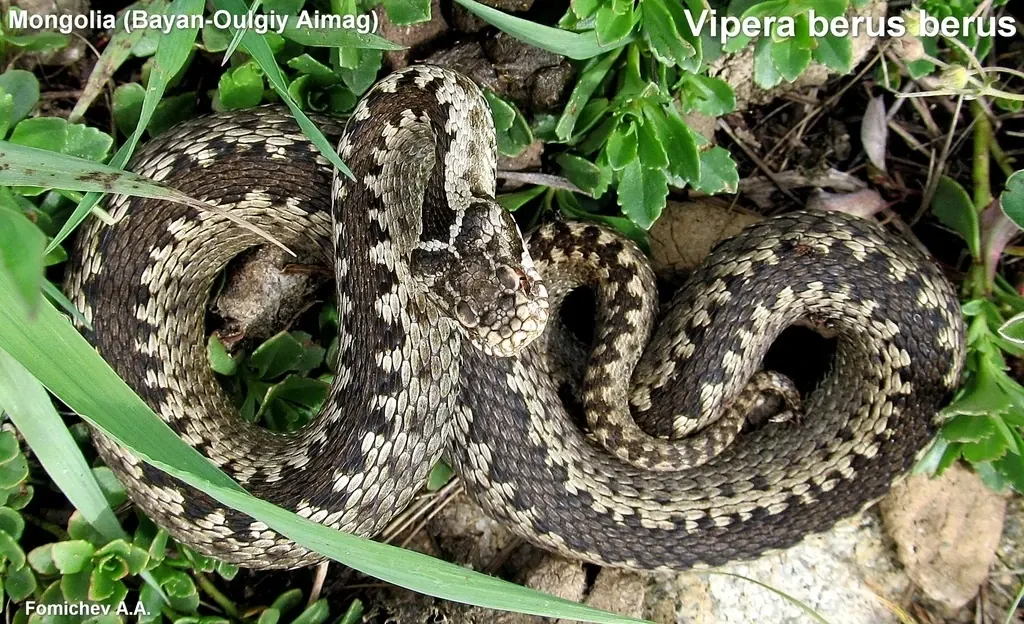
003 · Viperidae
Adder, Northern Viper
Country explicitly listed in the checked taxonomic treatment. Central regions: observation GBIF 6334700776 (2026). The original iNaturalist entry was rechecked for research-grade identification, wild status and unrestricted coordinates; its reported uncertainty footprint lies within the mapped region. This is a community-reviewed observation, not a…
Read the species account →Alexander A. Fomichev · CC BY 4.0 · https://creativecommons.org/licenses/by/4.0/
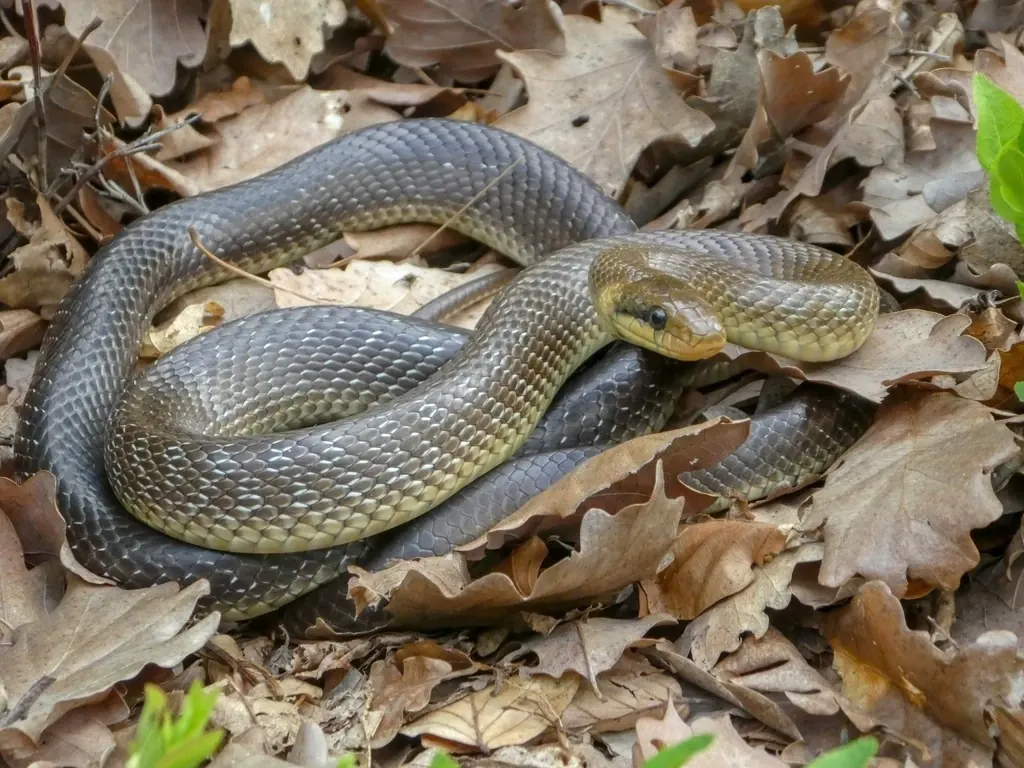
004 · Colubridae
Aesculapean Snake
Country explicitly listed in the checked taxonomic treatment. Western regions: observation GBIF 6178956092 (2026). The original iNaturalist entry was rechecked for research-grade identification, wild status and unrestricted coordinates; its reported uncertainty footprint lies within the mapped region. This is a community-reviewed observation, not a…
Read the species account →Philipp Pavelka · CC BY 4.0 · https://creativecommons.org/licenses/by/4.0/
Read further
Guide reviewed 11 October 2026. Source dates and geographic scope matter; landscape photographs do not establish species occurrence.
Named landscape description, read and checked 11 October 2026. Historic source dates remain explicit; not a snake survey or live access notice.
Continue through Slovakia