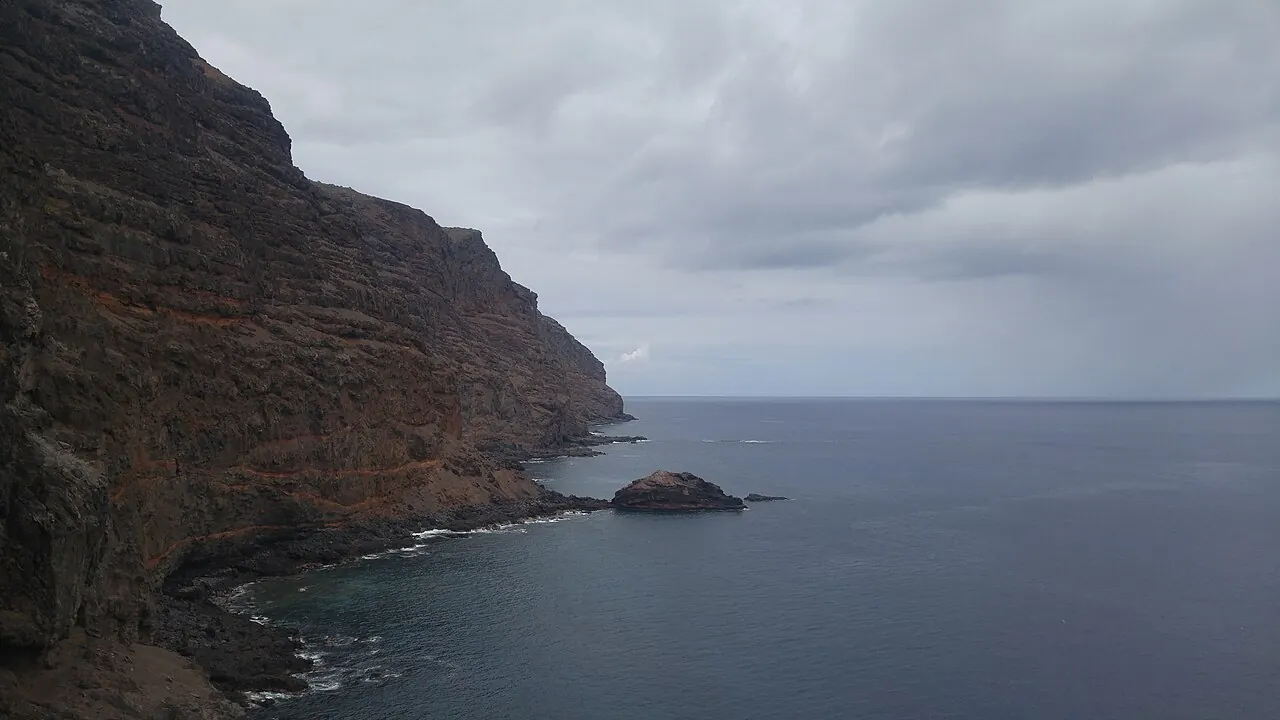
St Helena north coast, looking west from Lemon Valley Bay at the Half Moon battery. This is St Helena Island, not Ascension or Tristan da Cunha.

Saint Helena · Habitat field guide

Separated South Atlantic island shores

St Helena, Ascension and the Tristan group have separate volcanic shorelines and very different climates.

St Helena north coast, looking west from Lemon Valley Bay at the Half Moon battery. This is St Helena Island, not Ascension or Tristan da Cunha.

Photograph: Kevstan · Image source · CC BY-SA 4.0. Cropped to fill the hero; darkened for text legibility.

Understanding the environment

A sense of the habitat.

St Helena, Ascension and the Tristan group have separate volcanic shorelines and very different climates.

Named example
St Helena coast
Landscape setting
The named coastal example is not a surrogate for every island in the territory.
Evidence scope
Habitat geography; no snake occupancy inferred

Explore the structure · Read the named setting from landform to vegetation and water.

Separated South Atlantic island shores

Select a zone to see what changes.

Volcanic rock

Cliffs

St Helena has exposed steep coastal faces.

This cue describes the named landscape, without adding animal occurrence evidence.

Conceptual reading guide, not a scale map, species range or field transect.

Sources: St Helena Government · Island environment · Tristan da Cunha · Vegetation

Field notes · 01

Landscape context

St Helena, Ascension and the Tristan group have separate volcanic shorelines and very different climates.

The named coastal example is not a surrogate for every island in the territory.

Sources: St Helena Government · Island environment · Tristan da Cunha · Vegetation

Field notes · 02

Keep the evidence local

The place named here is an example within this territory. Habitat resemblance and a photograph do not establish a snake record; any future species entry needs separately reviewed locality evidence.

Sources: St Helena Government · Island environment · Tristan da Cunha · Vegetation

Pressures on Saint Helena’s habitats

What is at risk?

What helps this habitat

Follow the responsible authority’s site protection and biosecurity guidance; check current access separately from this geographic account.

The connected collection

Snakes with habitat evidence.

These 0 species have supported country occurrence and an explicit habitat association in the shared account. The association may come from elsewhere in their range. This is not a complete local habitat inventory; the places above are landscape examples, not asserted collecting sites.

No species-level association has yet been resolved for this habitat in the collection. That does not mean snakes are absent.

0 species · showing 0

No matching locality records.

Try another name or clear the filters. Absence from a regional list does not establish absence in nature.

All 0 species in the country collection →

Read further

Evidence & sources.

Guide reviewed 2026-10-28. Source dates and geographic scope matter; landscape photographs do not establish species occurrence.

  1. St Helena Government · Island environment

    Volcanic slopes, microclimates and cloud forest; applies to St Helena island.

  2. Tristan da Cunha · Vegetation

    Tristan, Nightingale, Inaccessible and Gough vegetation; island-specific distinctions.

Continue through Saint Helena

Explore another habitat.

01

St Helena cloud forest and Ascension mist vegetation

St Helena’s central cloud forest and Ascension’s Green Mountain are distinct island environments.

02

Dry volcanic slopes and coastal ground

St Helena includes semi-desert and dry scrub settings in marked contrast to its moist uplands.