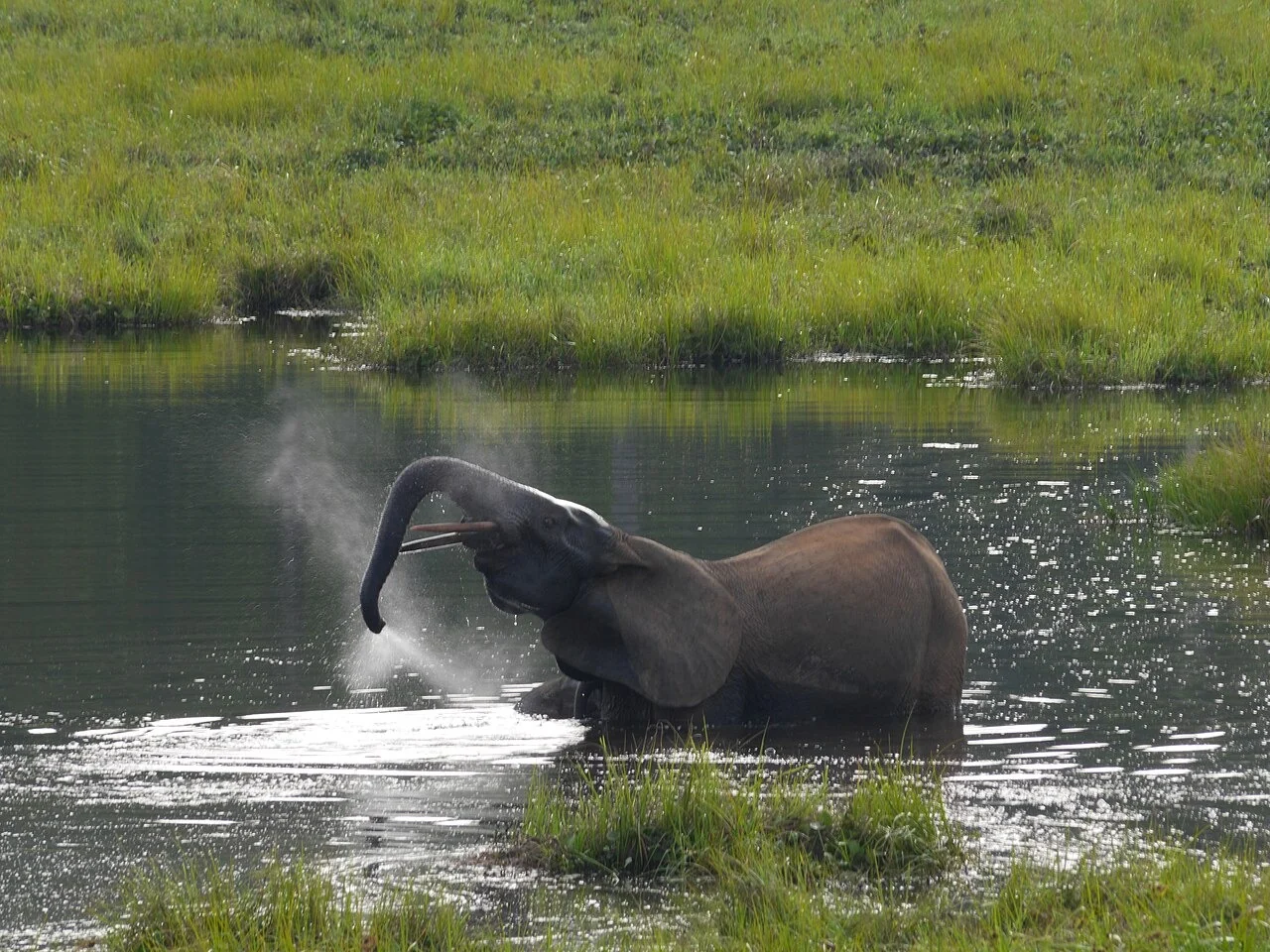
An elephant in the Mbeli Bai wetland, Republic of the Congo.

Republic of the Congo · Habitat field guide

Rivers, lakes & wetlands

The Congo and Kouilou–Niari drainage systems support varied wetland environments. Preserve the original river or collecting locality in each record.

An elephant in the Mbeli Bai wetland, Republic of the Congo.

Photograph: U.S. Fish and Wildlife Service Headquarters · Image source · Public domain. Cropped to fill the hero; darkened for text legibility.

Understanding the environment

A sense of the habitat.

The Congo and Kouilou–Niari drainage systems support varied wetland environments. Preserve the original river or collecting locality in each record.

Geographic scope
Republic of the Congo; named examples and source scope matter.
Evidence scale
Landscape context is separate from species locality evidence.
Source chronology
Consult the original publication date; checked 12 October 2026.

Explore the structure · Select a layer to compare the details a locality record can preserve.

Read the setting in three layers.

Select a zone to see what changes.

Waterbody

Waterbody

Retain the name and distinguish rivers, lakes, marshes and reservoirs.

Compare this detail with the original field or museum record before assigning a habitat association.

These reading prompts explain how to interpret evidence; they do not assert that every feature occurs at every site.

Sources: Convention on Biological Diversity · Republic of the Congo national profile

Field notes · 01

The documented landscape

The Congo and Kouilou–Niari drainage systems support varied wetland environments. Preserve the original river or collecting locality in each record.

Sources: Convention on Biological Diversity · Republic of the Congo national profile

Field notes · 02

Connect habitat and locality

Use the species account to check whether a habitat statement applies to this country or elsewhere in the species’ range. A landscape photograph illustrates its own named place; it is not evidence of snake presence.

Pressures on Republic of the Congo’s habitats

What is at risk?

A site-specific assessment of pressures has not yet been extracted for this guide. The landscape sources below provide context; they do not establish a current threat level for each snake species.

What helps this habitat

Retain natural vegetation and water connections where local conservation evidence supports them. Consult the linked national or site account for the pressures and management actions actually reported there.

The connected collection

Snakes with habitat evidence.

These 8 species have supported country occurrence and an explicit habitat association in the shared account. The association may come from elsewhere in their range. This is not a complete local habitat inventory; the places above are landscape examples, not asserted collecting sites.

8 species · showing 8

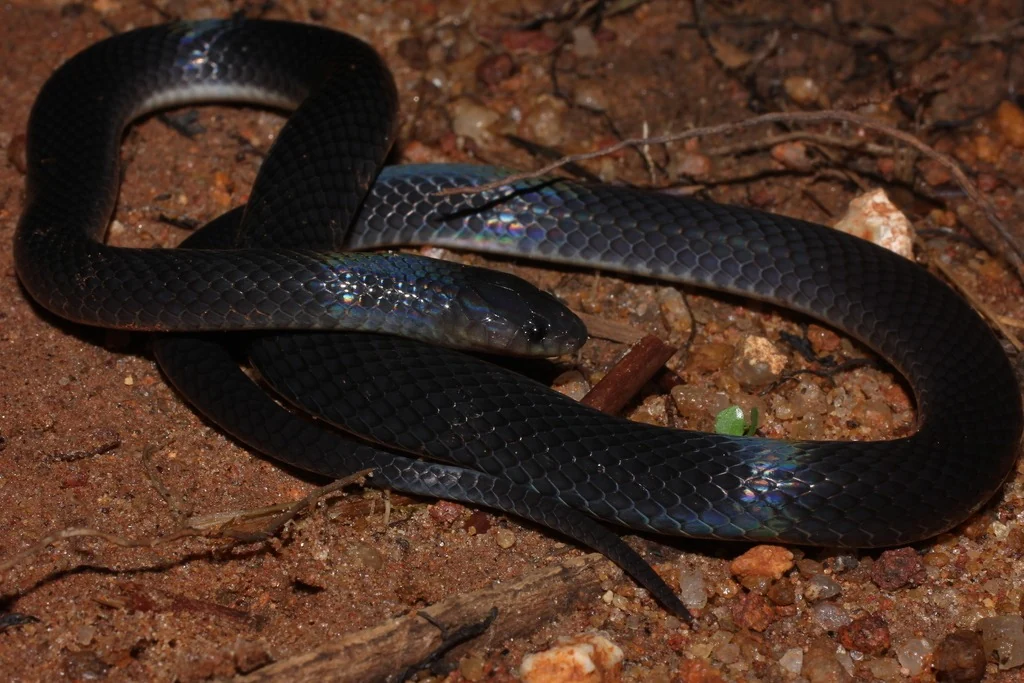
Aparallactus modestus; Jaedae, Liberia; photographed 2021-11-04.

001 · Atractaspididae

Western Forest Centipede-eater

Aparallactus modestus

(GÜNTHER, 1859)

Venom unknownEvidence inconclusive

The current taxonomic treatment explicitly lists this country. This is country-scale checklist evidence, not a claim of continuous occupancy or a complete regional inventory. Sangha: observation GBIF 5140042161 (2025). The original iNaturalist entry was rechecked for research-grade identification, wild status and unrestricted coordinates; its reported…

Read the species account →

Ryan van Huyssteen · CC BY 4.0 · https://creativecommons.org/licenses/by/4.0/
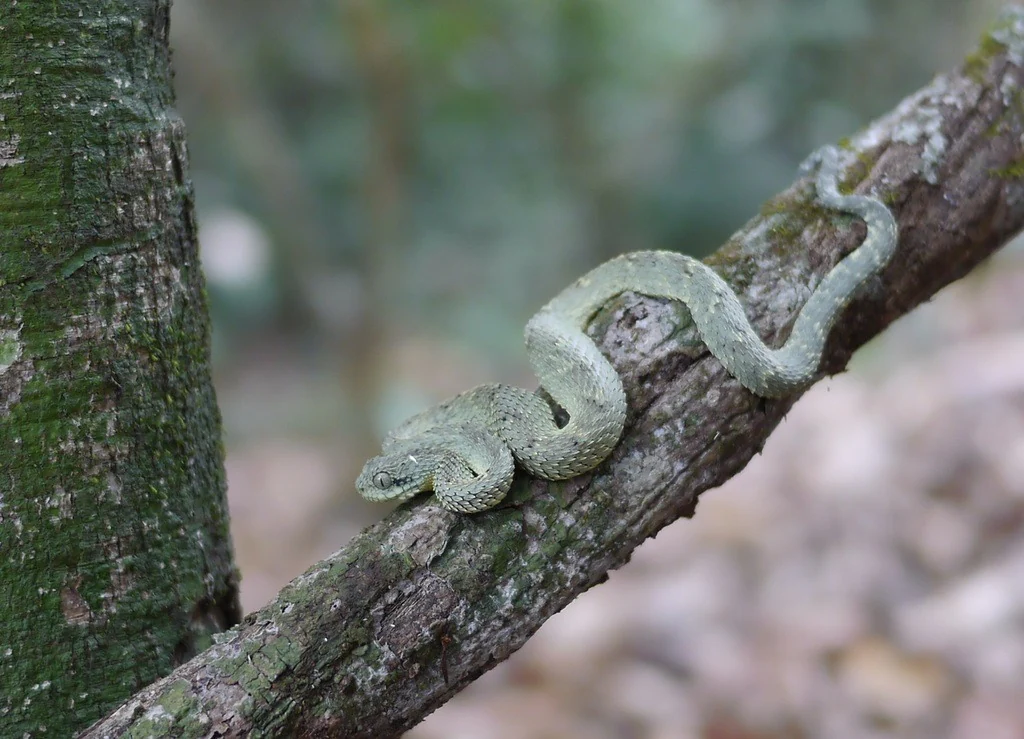
Atheris squamigera; Mawendi Hills, Cameroon; photographed 2012-02-20.

002 · Viperidae

Variable Bush Viper, African Bush Viper, Rough-scaled Bush Viper

Atheris squamigera

HALLOWELL, 1854

VenomousClinical severity not established

The cited named museum locality explicitly supports this country chapter. This links the existing shared taxon; no separate species is created. USNM catalogue USNM 584273: Simombondo village, NE of; 2010-05-31. Institution-published preserved-specimen record, rechecked through GBIF. Assignment uses the named locality and province, not an assumed precise…

Read the species account →

Matt Muir · CC BY 4.0 · https://creativecommons.org/licenses/by/4.0/
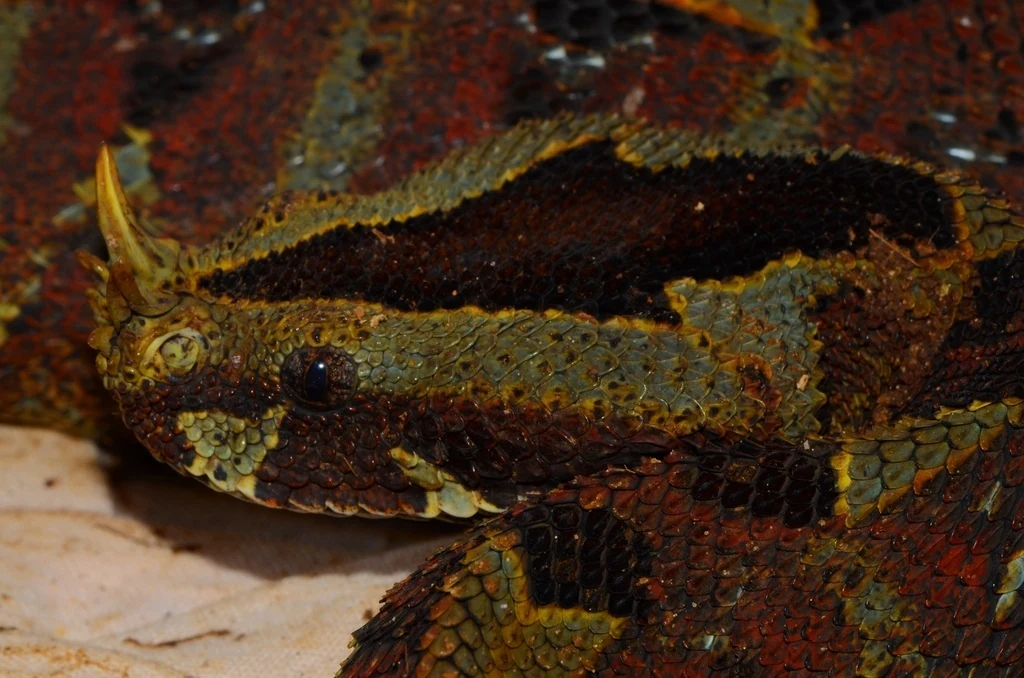
Bitis nasicornis, photographed 2012-10-08. Identification follows the linked research-grade observation.

003 · Viperidae

Rhinoceros Viper

Bitis nasicornis

(SHAW & NODDER, 1792)

VenomousClinical severity not established

The cited named museum locality explicitly supports this country chapter. This links the existing shared taxon; no separate species is created. USNM catalogue USNM 584275: Bambama village, near; 2010-05-25. Institution-published preserved-specimen record, rechecked through GBIF. Assignment uses the named locality and province, not an assumed precise…

Read the species account →

Marius Burger (iNaturalist contributor) · CC0 1.0 · https://creativecommons.org/publicdomain/zero/1.0/

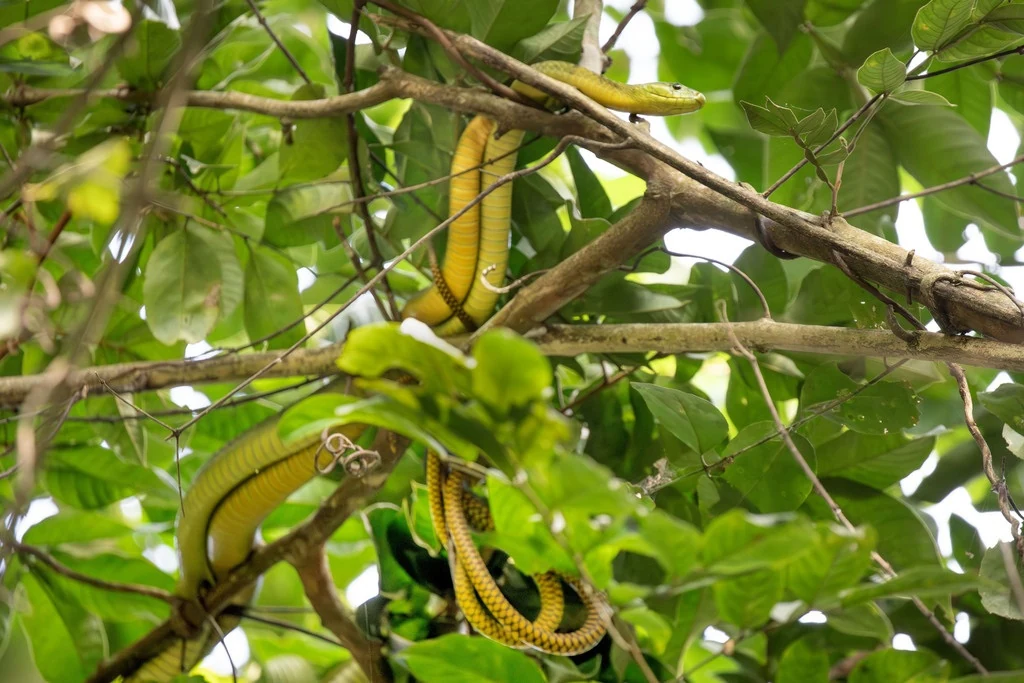
Dendroaspis jamesoni, photographed 2025-06-28. Identification follows the linked research-grade observation.

004 · Elapidae

Jameson’s (Green) Mamba

Dendroaspis jamesoni

(TRAILL, 1843)

VenomousClinical severity not established

Explicit named locality evidence links the existing shared species to this country. Mavoungou, Jackson & Goma-Tchimbakala (2024), discussion, explicitly includes Bouenza among published localities for Dendroaspis jamesoni. This is a department-level literature record, not a new Bouenza capture from their four-site survey. No village, coordinate or…

Read the species account →

Kristof Zyskowski · CC BY 4.0 · https://creativecommons.org/licenses/by/4.0/
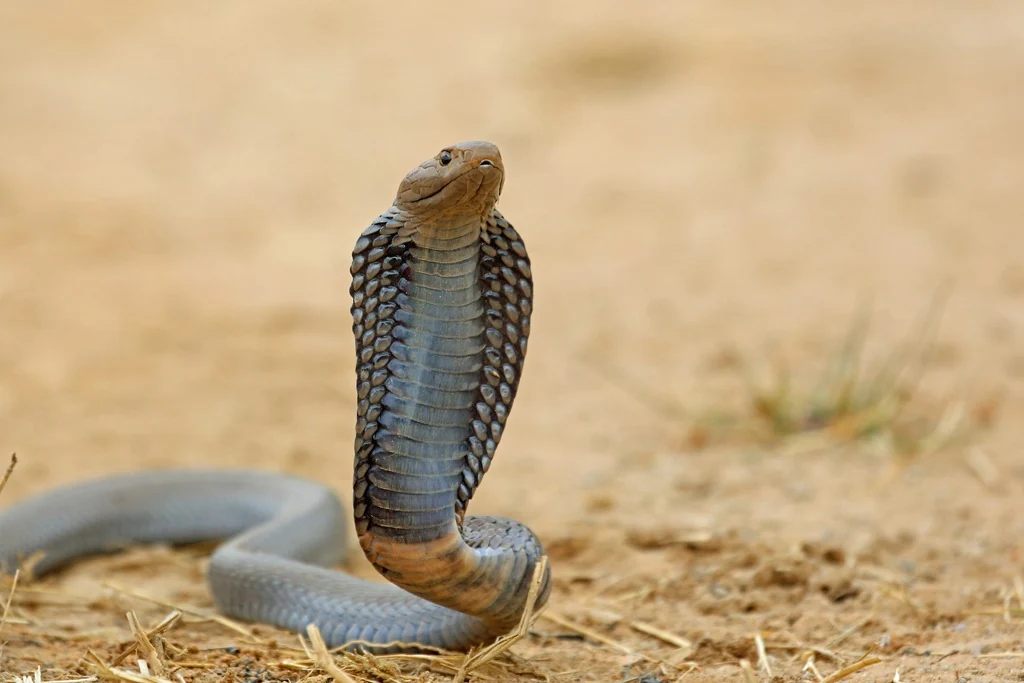
Naja nigricollis; Katanga Province, Democratic Republic of Congo; photographed 2014-08-20.

005 · Elapidae

Black-necked Spitting Cobra

Naja nigricollis

REINHARDT, 1843

VenomousClinical severity not established

The current taxonomic treatment explicitly lists this country. This is country-scale checklist evidence, not a claim of continuous occupancy or a complete regional inventory.

Read the species account →

Nigel Voaden · CC BY 4.0 · https://creativecommons.org/licenses/by/4.0/
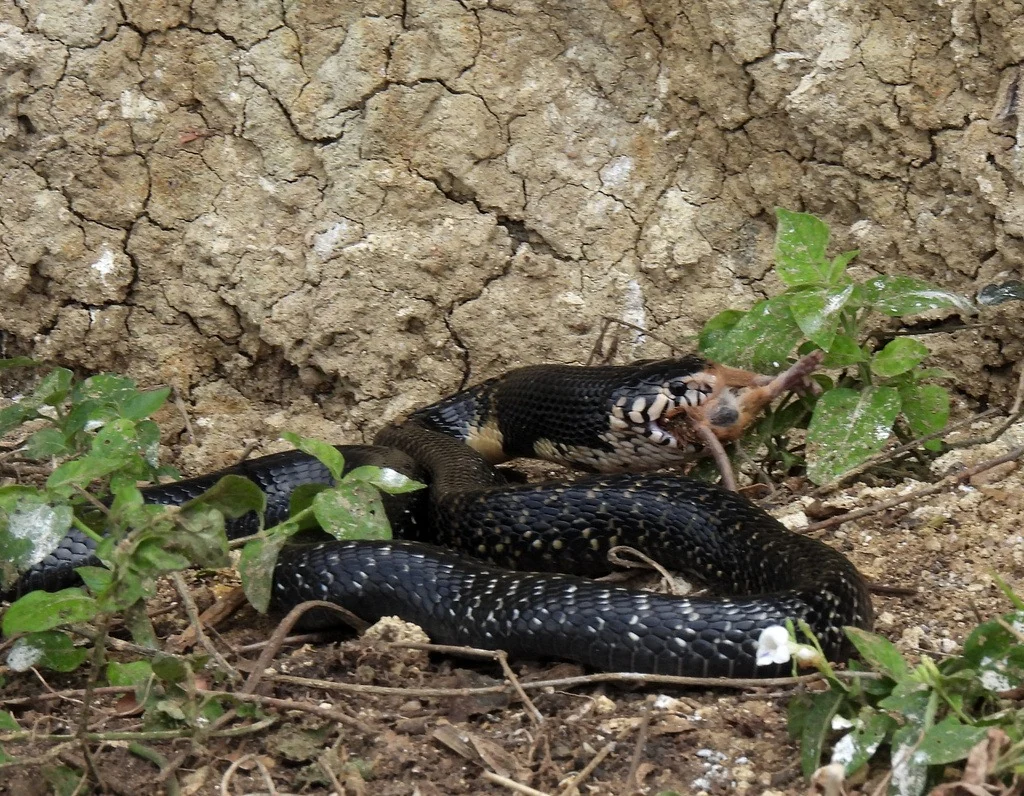
Naja subfulva; Katunguru Queen Elizabeth National Park, Katunguru, Uganda; photographed 2023-03-05.

006 · Elapidae

Brown forest cobra

Naja subfulva

LAURENT, 1955

VenomousClinical severity not established

The current taxonomic treatment explicitly lists this country. This is country-scale checklist evidence, not a claim of continuous occupancy or a complete regional inventory.

Read the species account →

Sidnei Dantas · CC BY-SA 4.0 · https://creativecommons.org/licenses/by-sa/4.0/

ColubridaeNatriciteresPhotograph not yet documented

007 · Colubridae

Collared Marsh-Snake, (Forest) Marsh Snake

Natriciteres fuliginoides

(GÜNTHER, 1858)

Venom unknownNot yet assessed

The cited named museum locality explicitly supports this country chapter. This links the existing shared taxon; no separate species is created. USNM catalogue USNM 584270: Bambama village, near; 2010-05-23. Institution-published preserved-specimen record, rechecked through GBIF. Assignment uses the named locality and province, not an assumed precise…

Read the species account →
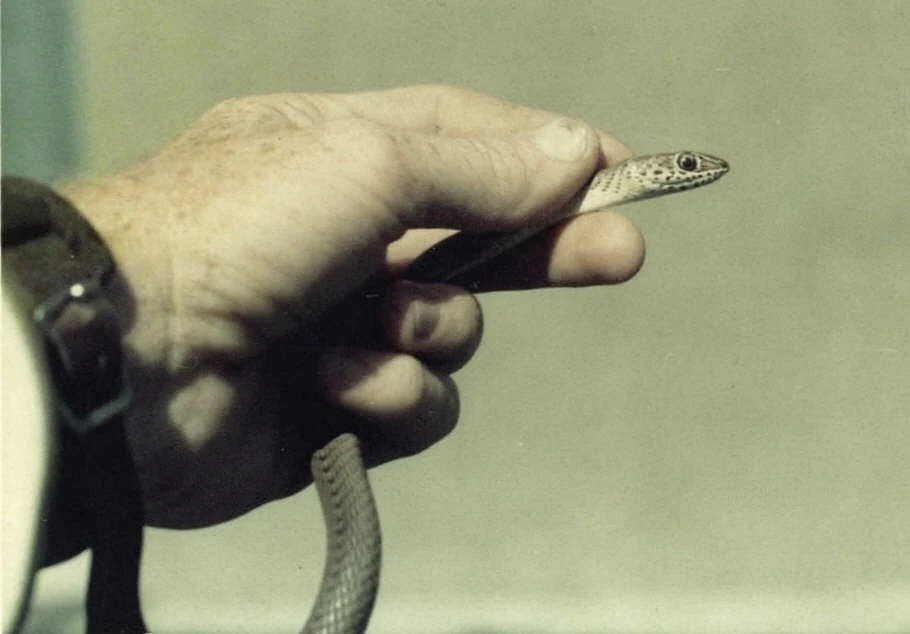
Psammophis mossambicus; Chizarira National Park; photographed 1980-11-30.

008 · Psammophiidae

Olive Whip Snake, Olive Grass Snake,

Psammophis mossambicus

PETERS, 1882

VenomousClinical severity not established

The current taxonomic treatment explicitly lists this country. This is country-scale checklist evidence, not a claim of continuous occupancy or a complete regional inventory.

Read the species account →

i_c_riddell · CC BY 4.0 · https://creativecommons.org/licenses/by/4.0/
All 32 species in the country collection →

Read further

Evidence & sources.

Guide reviewed 12 October 2026. Source dates and geographic scope matter; landscape photographs do not establish species occurrence.

  1. Convention on Biological Diversity · Republic of the Congo national profile

    Historical draft prepared by the CBD Secretariat; awaiting Party approval. Used for landscape context; older statistics are not presented as current monitoring or a snake inventory.

Continue through Republic of the Congo

Explore another habitat.

01

Forest & woodland

Mayombe, Chaillu and northern Congo are named forest blocks. Logging histories and local forest types differ between these landscapes.

02

Savanna & grassland

Savanna grasslands occur alongside forest in the national landscape. Their boundary is not represented by administrative region outlines.