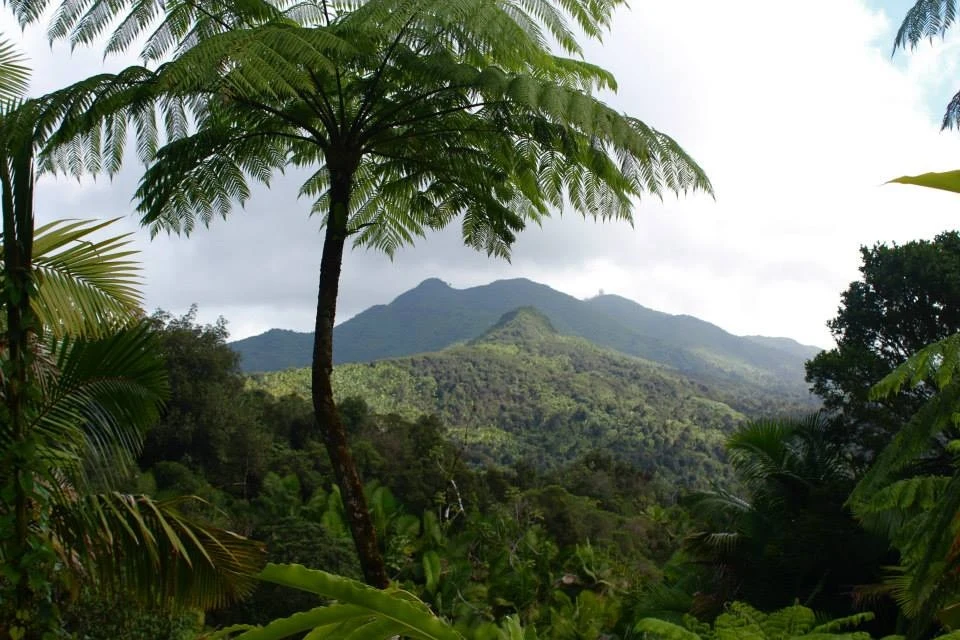
Forested mountains and tree ferns in El Yunque National Forest, Puerto Rico.

Puerto Rico · The country atlas

Puerto Rico

Explore Puerto Rico and coastal cays, Vieques, Culebra and nearby cays, and Mona through separate island groups and shared species profiles.

13species with extracted evidence
3families
4island guides

Forested mountains and tree ferns in El Yunque National Forest, Puerto Rico.

Photograph: Ligocsicnarf89 · Image source · CC BY-SA 4.0. Cropped to fill the hero; darkened for text legibility.

Geography & biotopes

Discover Puerto Rico.

Explore Puerto Rico and coastal cays, Vieques, Culebra and nearby cays, and Mona through separate island groups and shared species profiles.

Historical boundary snapshots are grouped for navigation, not ecological zones, species ranges or a statement of current administrative arrangements. Markers identify guide pages, not animal observations. Puerto Rico and coastal cays, Vieques, Culebra and nearby cays, and Mona are separate geographic groups. Tiny islands below the source resolution remain unrepresented.

Map provenance and declared navigation groups →

USDA Forest Service · Guide to the ecological systems of Puerto Rico (2009) →

Geography is part of the record

Find your way through Puerto Rico.

Select a named island to open its evidence page. The complete directory below keeps every guide accessible, including places where locality evidence has not yet been extracted.

1 of 13 listed species have at least one indexed island record. 12 remain country-only. Even a nonzero count is not a complete regional inventory.

Habitats & living landscapes

Explore the living
landscapes.

Explore 3 guides to the environments, places and conservation pressures that shape this country. Each guide connects to the regional map and shared species accounts.

Landscape photographs & credits

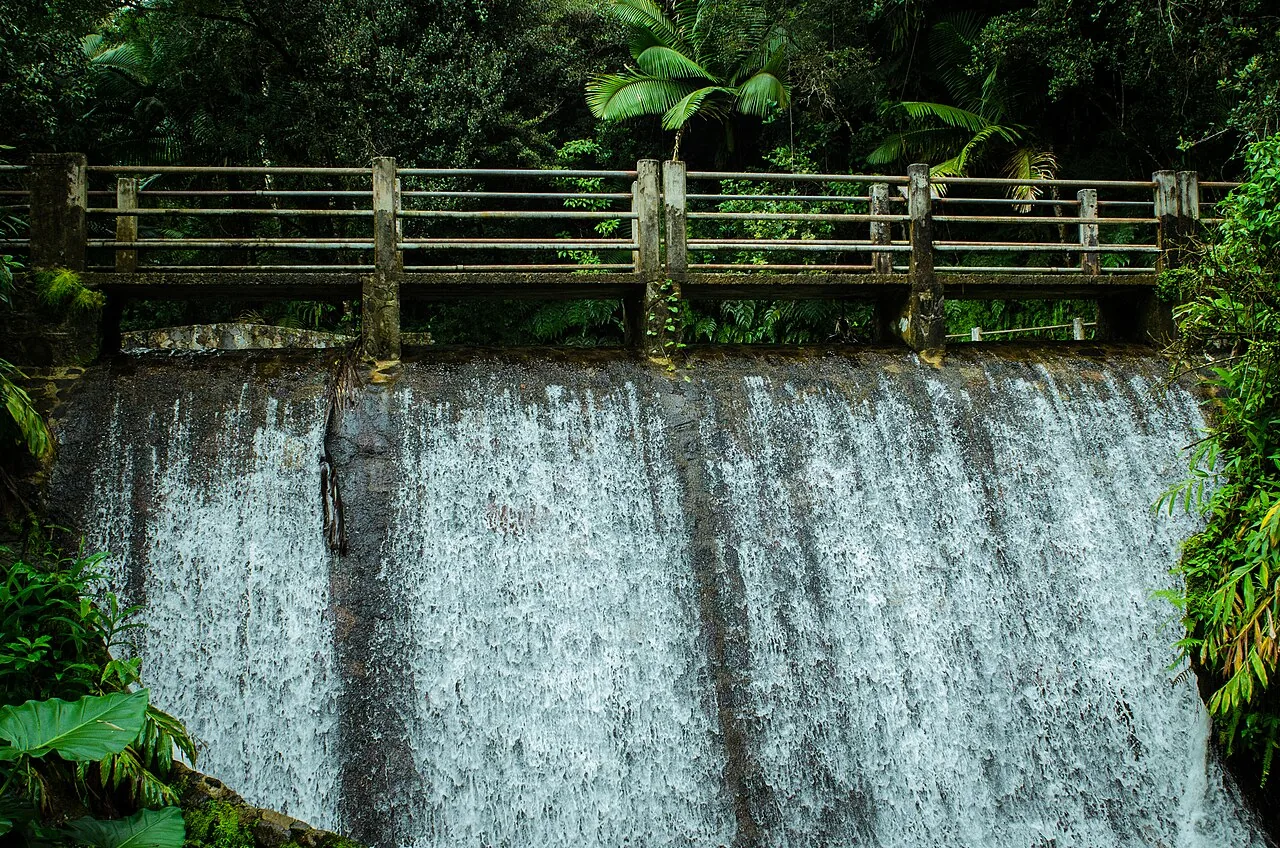
Bano Grande and surrounding rainforest in El Yunque, Puerto Rico. — Jeff Hitchcock. Original photograph · CC BY 2.0. Cropped for the cards; photographs do not establish snake occurrence.

Forested mountains and tree ferns in El Yunque National Forest, Puerto Rico. — Ligocsicnarf89. Original photograph · CC BY-SA 4.0. Cropped for the cards; photographs do not establish snake occurrence.

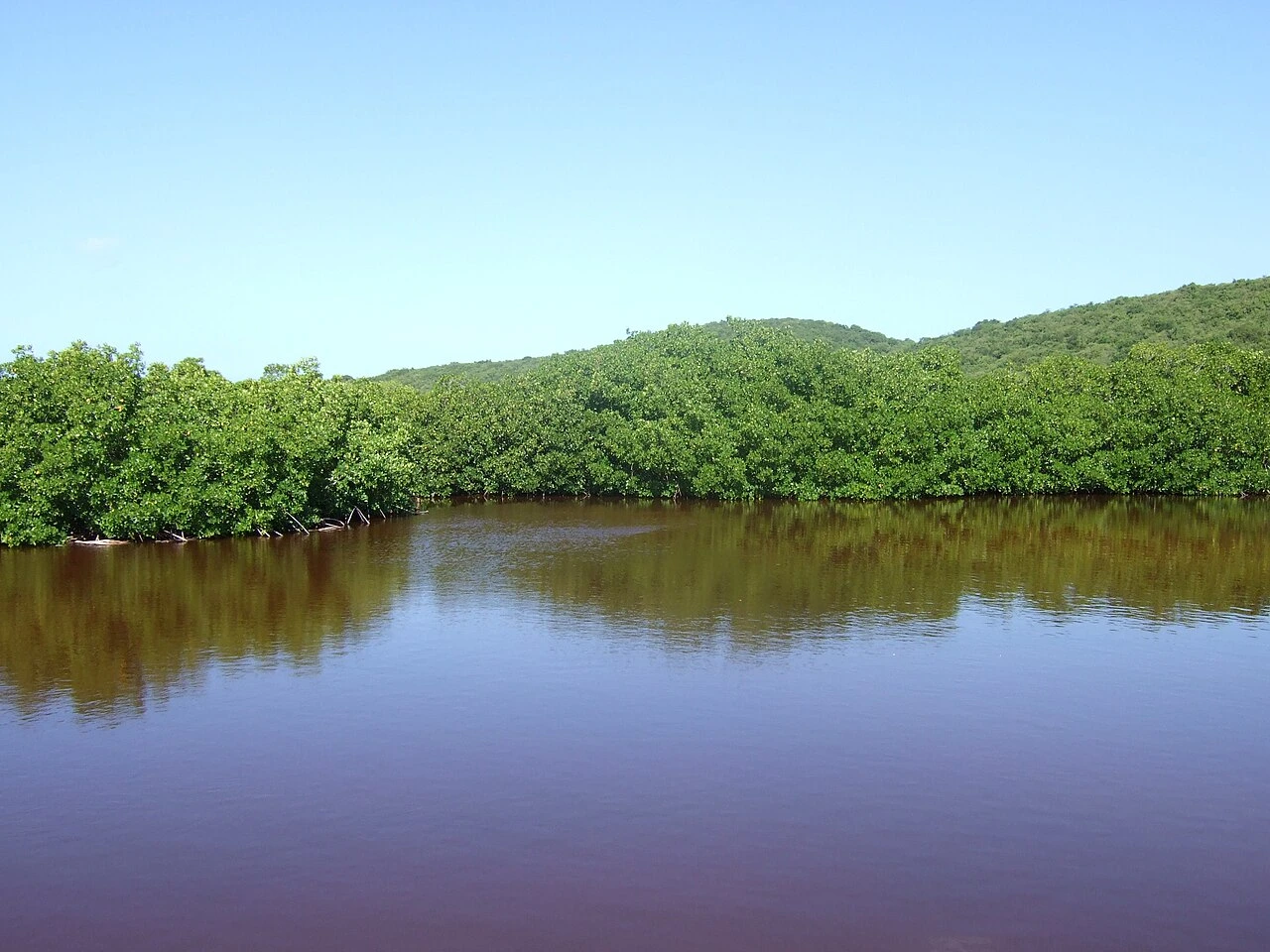
Red mangrove woodland in Cabezas de San Juan Nature Reserve, Fajardo, Puerto Rico. — Boricuaeddie. Original photograph · CC BY-SA 3.0. Cropped for the cards; photographs do not establish snake occurrence.

The species catalogue

Meet the snakes of Puerto Rico.

Search scientific names, historical names, common names and families. Every card opens one shared account across its documented countries.

13 species · showing 13

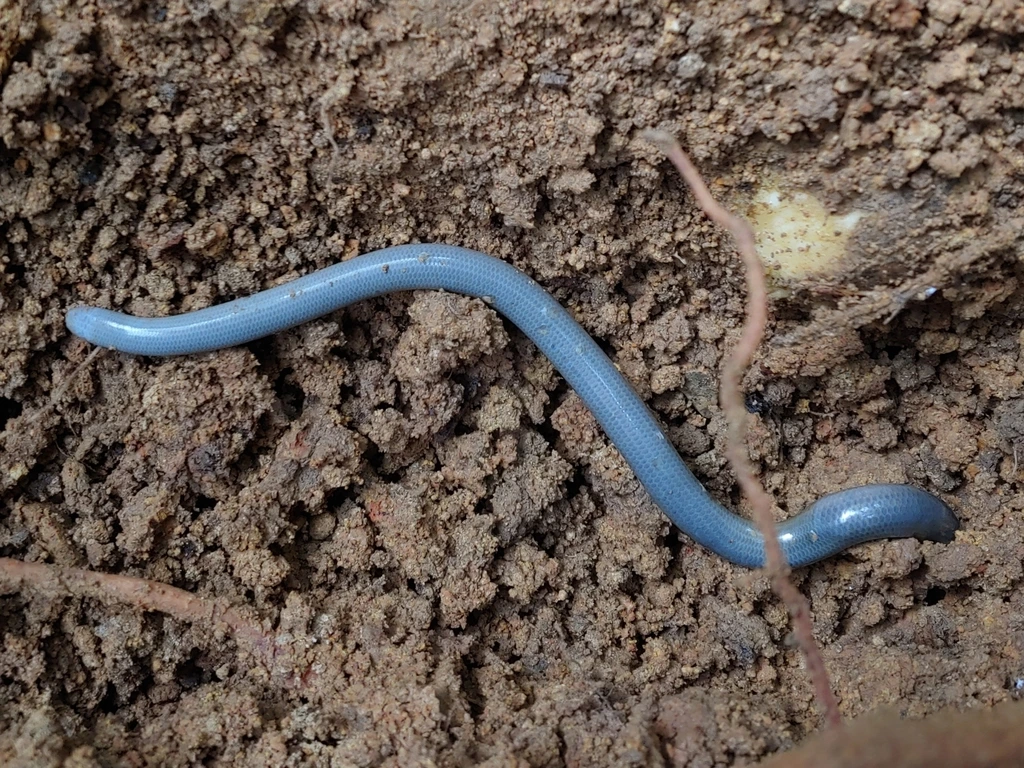
Antillotyphlops platycephalus. Whole animal on loose soil. Original observation dated 2025-01-01. No additional geographic occurrence is inferred.

004 · Typhlopidae

Puerto Rican White-tailed Blindsnake, Flathead Worm Snake

Antillotyphlops platycephalus

(DUMÉRIL & BIBRON, 1844)

Non-venomous

The Puerto Rico DRNA draft State Wildlife Action Plan 2025, page 53, independently lists this species. The taxonomic treatment names the broader Puerto Rico Bank; that bank name is not used to infer a territorial or regional record.

Read the species account →

Kurt Miller · CC BY-SA 4.0 · https://creativecommons.org/licenses/by-sa/4.0/

Borikenophis portoricensis. Coiled individual on soil and leaf litter. Original observation dated 2017-06-30. Portrait only; no new locality record is inferred.

005 · Colubridae

Puerto Rican Racer

Borikenophis portoricensis

(REINHARDT & LÜTKEN, 1862)

Venom unknownNot yet assessed

The checked taxonomic distribution account explicitly lists Puerto Rico. Country-level evidence does not establish continuous occupancy or a complete national inventory.

Read the species account →

ritirene · CC BY 4.0 · https://creativecommons.org/licenses/by/4.0/

Chilabothrus granti. U.S. Fish and Wildlife Service photograph by Jan Zegarra. Portrait only; no wild locality or habitat record is inferred.

008 · Boidae

Virgin Islands boa

Chilabothrus granti

(STULL, 1933)

Non-venomous

The checked taxonomic distribution account explicitly lists Puerto Rico. Country-level evidence does not establish continuous occupancy or a complete national inventory.

Read the species account →

Jan Zegarra/USFWS · Public domain · https://commons.wikimedia.org/wiki/File:Usfws-virgin-islands-tree-boa-large.jpg#Licensing

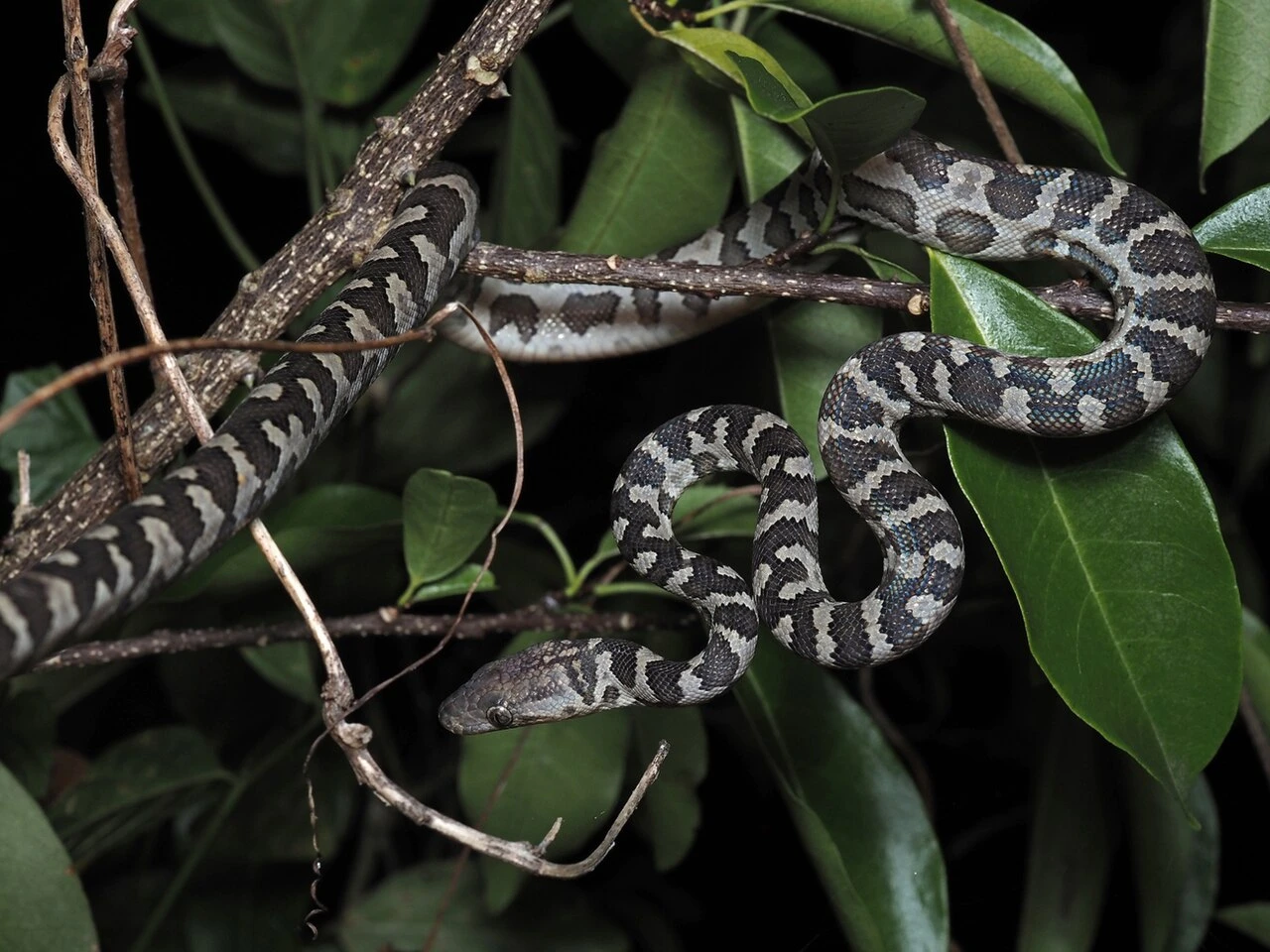
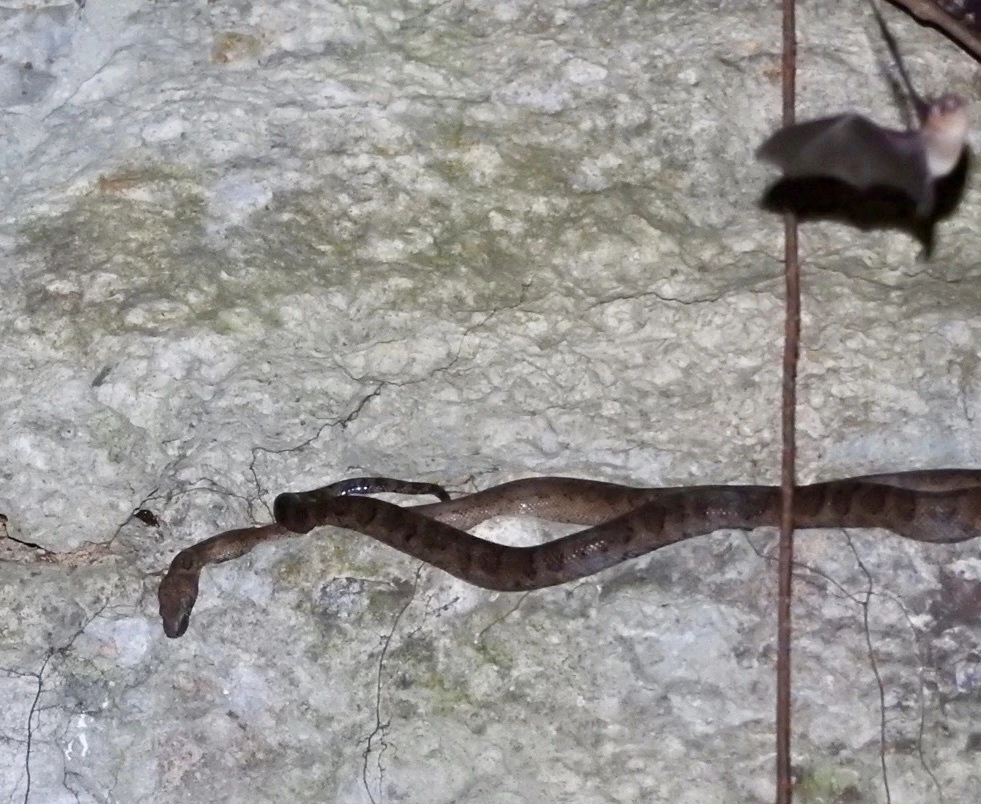
Chilabothrus inornatus. Animal beside a cave wall; the source includes separate individuals and this image creates no new occurrence. Original observation dated 2015-07-08. No additional geographic occurrence is inferred.

009 · Boidae

Puerto Rican Boa

Chilabothrus inornatus

(REINHARDT, 1843)

Non-venomous

The checked taxonomic distribution account explicitly lists Puerto Rico. Country-level evidence does not establish continuous occupancy or a complete national inventory.

Read the species account →

nmoorhatch · CC BY 4.0 · https://creativecommons.org/licenses/by/4.0/

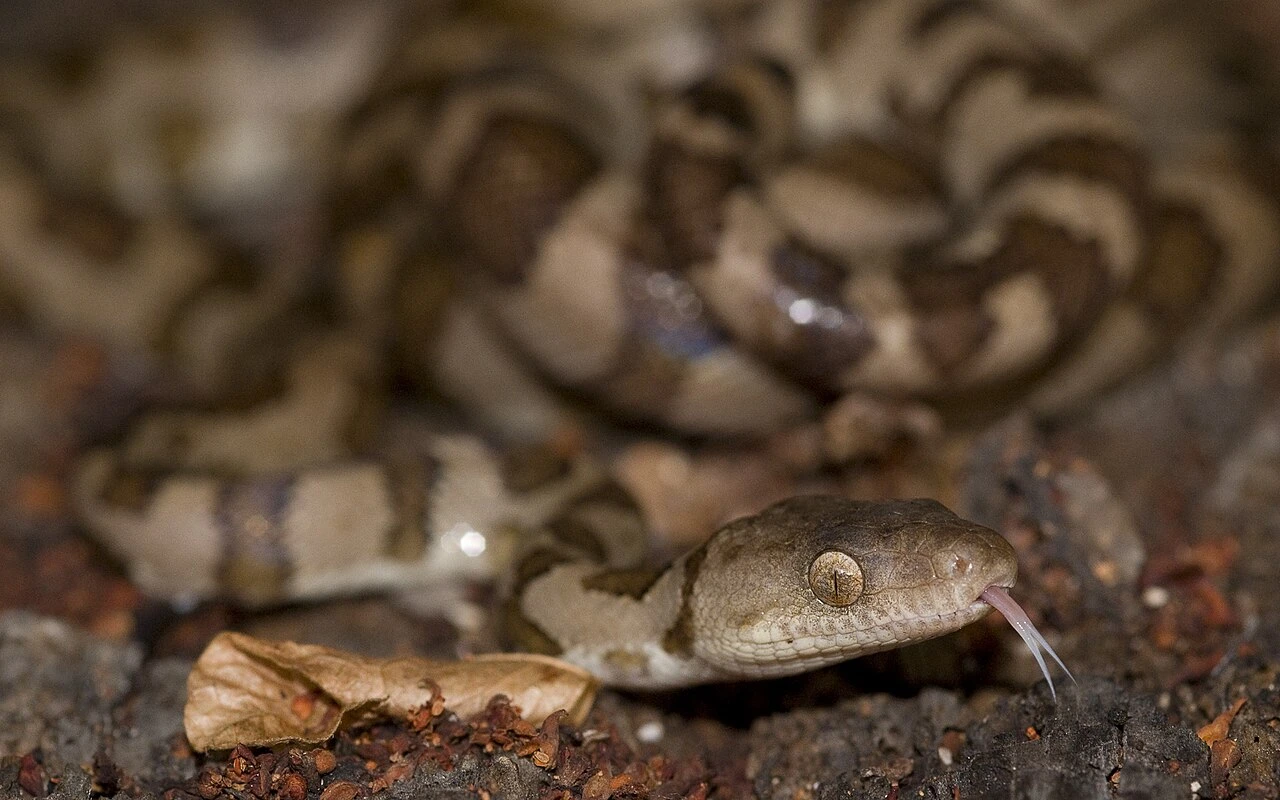
Chilabothrus monensis. Mona Island boa photographed by Jan P. Zegarra, U.S. Fish and Wildlife Service. Portrait only; no wild locality or habitat record is inferred.

010 · Boidae

Mona Boa, Mona Island Boa; granti: Virgin Islands boa

Chilabothrus monensis

(ZENNECK, 1898)

Non-venomous

The checked taxonomic distribution account explicitly lists Puerto Rico. Country-level evidence does not establish continuous occupancy or a complete national inventory. The treatment names these subdivisions in its Puerto Rico distribution clause: Mona. They are assigned to the declared atlas navigation groups; this is not a field observation, a…

Read the species account →

Zegarra, Jan P · Public domain · https://commons.wikimedia.org/wiki/File:Mona_Boa_coiled_with_tongue_extended.jpg#Licensing

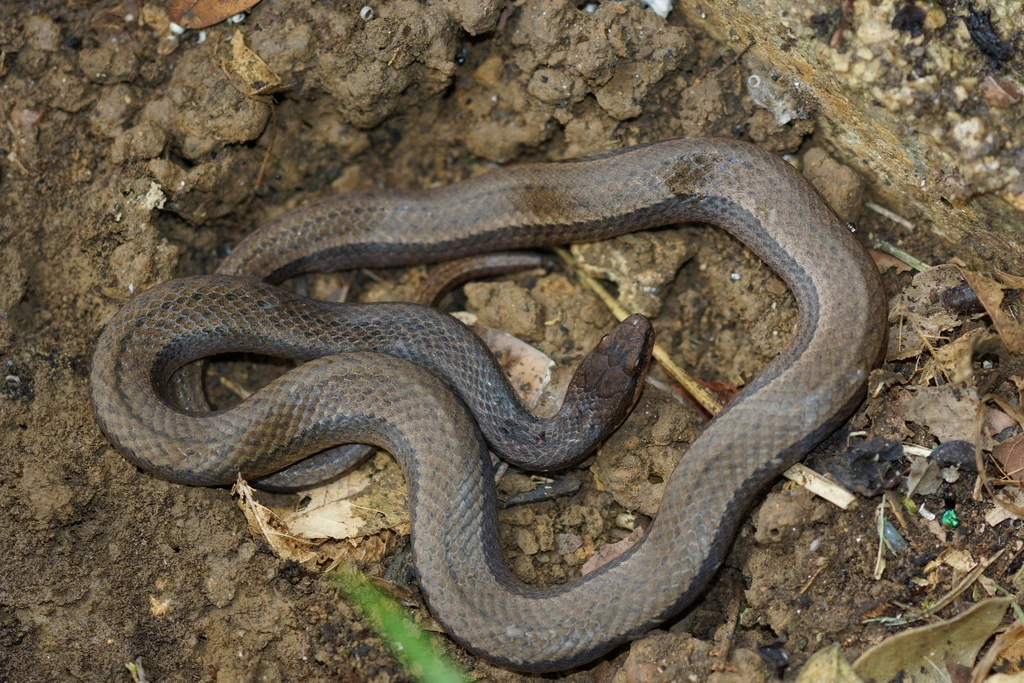
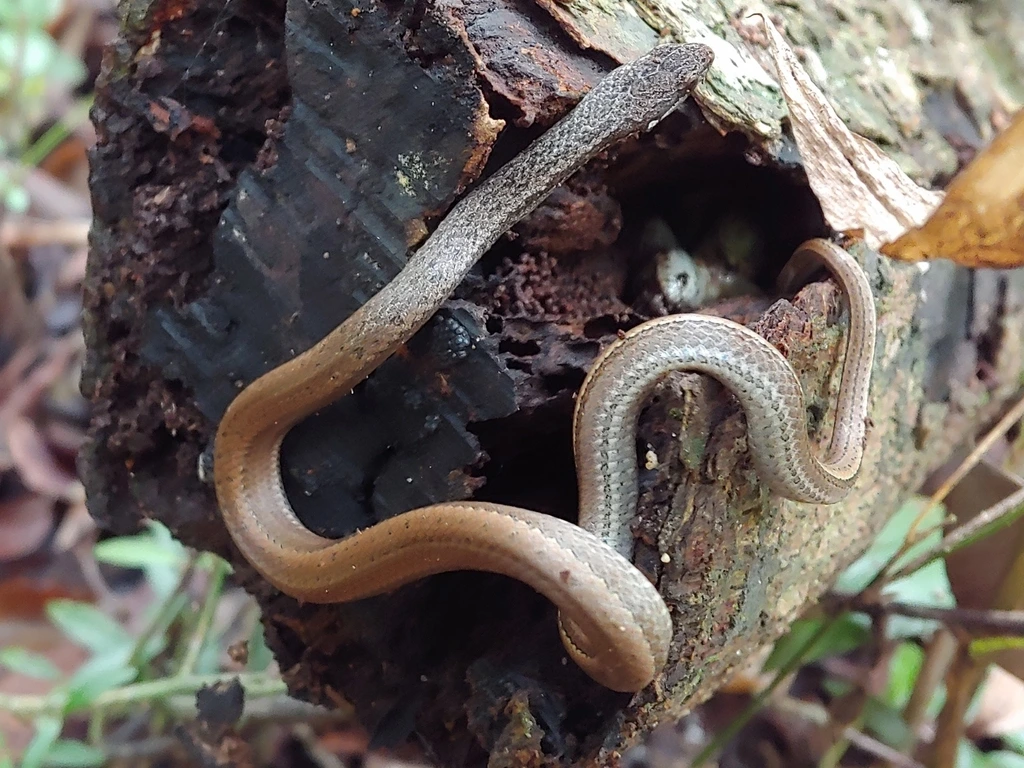
Magliophis stahli. Head and coiled body on weathered wood. Original observation dated 2025-01-09. No additional geographic occurrence is inferred.

011 · Colubridae

Puerto Rican Miniracer

Magliophis stahli

(STEJNEGER, 1904)

Venom unknownNot yet assessed

The checked taxonomic distribution account explicitly lists Puerto Rico. Country-level evidence does not establish continuous occupancy or a complete national inventory.

Read the species account →

Kurt Miller · CC BY-SA 4.0 · https://creativecommons.org/licenses/by-sa/4.0/

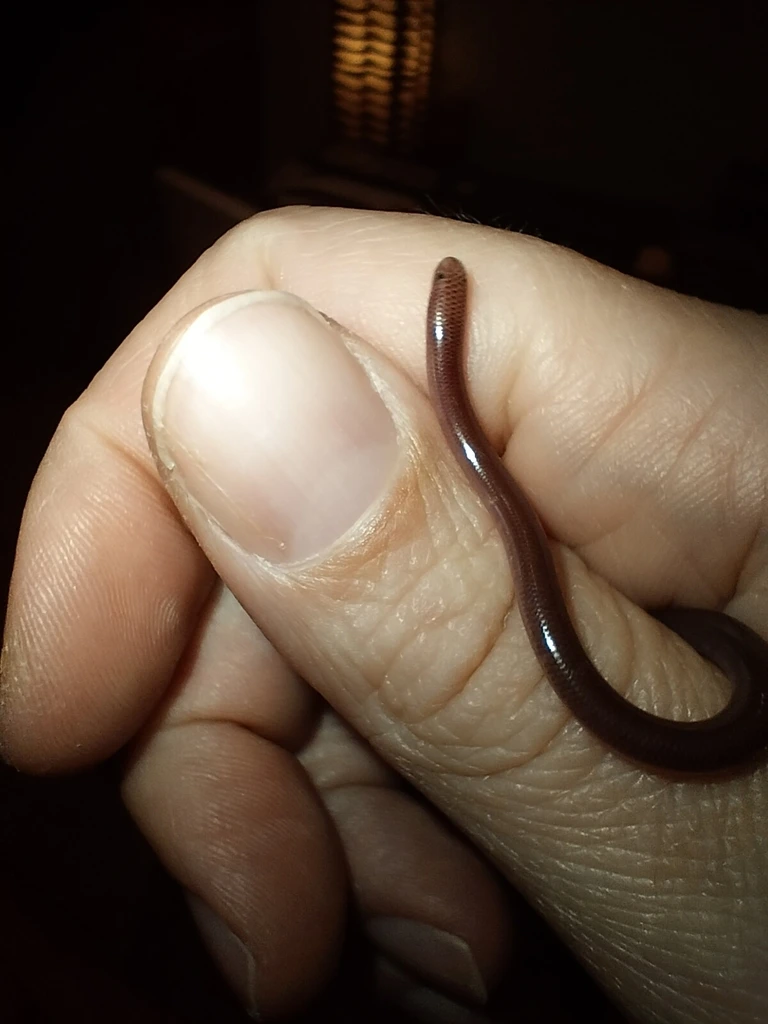
Typhlops rostellatus. Small handled individual showing the head. Original observation dated 2026-03-20. Portrait only; no new locality record is inferred.

012 · Typhlopidae

Puerto Rican Brown-bellied Blindsnake, Puerto Rican Worm Snake

Typhlops rostellatus

STEJNEGER, 1904

Non-venomous

The checked taxonomic distribution account explicitly lists Puerto Rico. Country-level evidence does not establish continuous occupancy or a complete national inventory.

Read the species account →

Sara Lovotti · CC BY 4.0 · https://creativecommons.org/licenses/by/4.0/

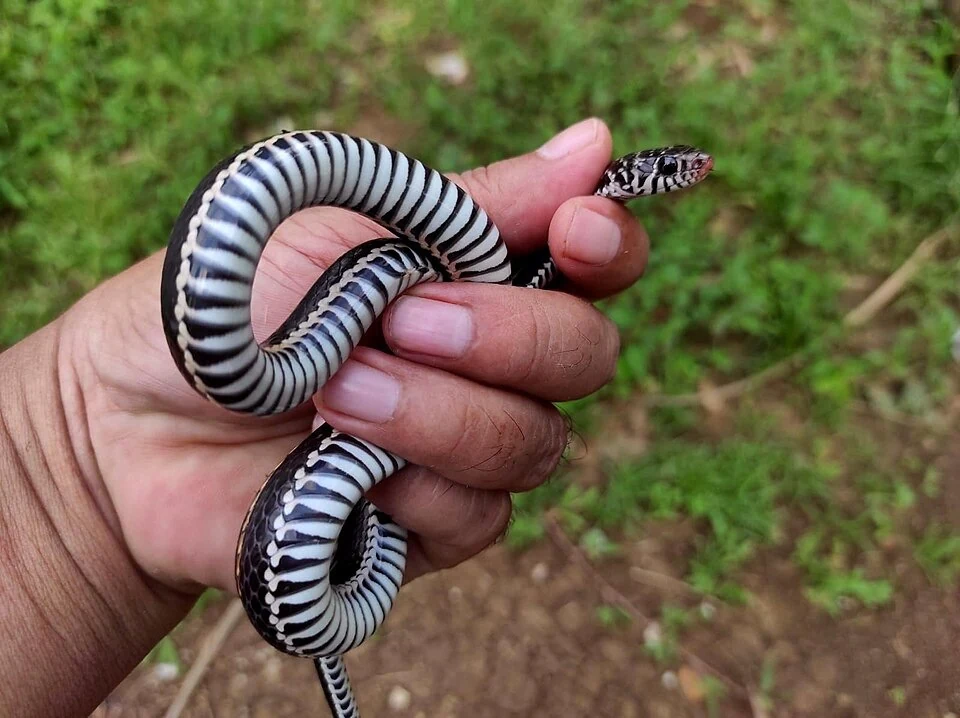
Xenochrophis vittatus — specimen photograph; identification follows the linked source.

013 · Colubridae

Banded Keelback

Xenochrophis vittatus

(LINNAEUS, 1758)

Venom unknownNot yet assessed

The checked taxonomic distribution account explicitly lists Puerto Rico. Country-level evidence does not establish continuous occupancy or a complete national inventory. The source population is treated as introduced.

Read the species account →

Abu Hamas · CC BY-SA 4.0 · https://creativecommons.org/licenses/by-sa/4.0

The research library

Sources & the checklist.

This edition lists 13 species with supported country records from checked taxonomic treatments and cited field studies. This total includes 1 record marked as introduced; it is not a native-species total. It is not a claim of a complete national inventory. Each account retains its source and check date; individual evidence entries retain their own review dates.

Range and taxonomy review

Country links use a single accepted species identity. Revised names and disputed records are kept visible here; uncertain records do not enter the listed collection or regional totals.

Xenochrophis vittatus

Introduced occurrence

The checked taxonomic distribution account explicitly lists Puerto Rico. Country-level evidence does not establish continuous occupancy or a complete national inventory. The source population is treated as introduced.

Source 1 ↗

How the map and counts work

Search results were checked against distribution text and taxonomic qualifications. A geographic name alone does not establish a political country: New Guinea, the Solomon archipelago and Micronesia span more than one country or territory. Introduced and unresolved records require separate interpretation.

Place counts require explicit named localities, including valid type localities. Counts can overlap where sources name multiple places. Regional maps group historical boundary snapshots for navigation, while island outlines use Natural Earth; neither is a species range or an observation map. Small islands can be below the outline dataset’s resolution, so geographic reference markers and the directory remain available.

Puerto Rico component of United States Census Bureau, MAF/TIGER Database; geoBoundaries gbOpen USA ADM1, 2018 snapshot; Public Domain. Disconnected island polygons grouped separately. Map provenance →
Exclusions & qualifications (5)

Antillotyphlops catapontus

Puerto Rico Bank is a biogeographic unit including separately indexed Virgin Islands. The bank name alone does not establish a current Puerto Rico territory record.

Read source 1 ↗

Antillotyphlops richardii

The leading range retains Puerto Rico while the taxonomic history and Virgin Island material require reconciliation with the split Puerto Rican blindsnakes. Retained outside current national counts until independently resolved.

Read source 1 ↗

Borikenophis sanctaecrucis

Puerto Rico Bank is a biogeographic unit including separately indexed Virgin Islands. The bank name alone does not establish a current Puerto Rico territory record.

Read source 1 ↗

Magliophis exiguus

Puerto Rico Bank is a biogeographic unit including separately indexed Virgin Islands. The bank name alone does not establish a current Puerto Rico territory record.

Read source 1 ↗

Atractus pearti

Search candidate only: the leading current distribution account does not independently resolve this country. Retained for manual taxonomic/locality review; not evidence of absence.

Read source 1 ↗
  1. Map provenance and declared navigation groups ↗
  2. USDA Forest Service · Guide to the ecological systems of Puerto Rico (2009) ↗
  3. The Reptile Database

    Individual treatments and locality evidence are linked from each species account.

  4. Meiri (2024): SquamBase 1.0

    Species-level literature measurements and ecological traits. Exact-name matches only; imputed or ambiguous fields are omitted. These summaries are not local observations.

  5. Natural Earth: public-domain geographic data

Continue through the North America atlas →