Pressures and evidence limits
Restoring water regimes and wetland habitats is identified as a management priority in the UNESCO account.
Sources: UNESCO · Žuvintas wooded wetlands
Lithuania · Habitat field guide
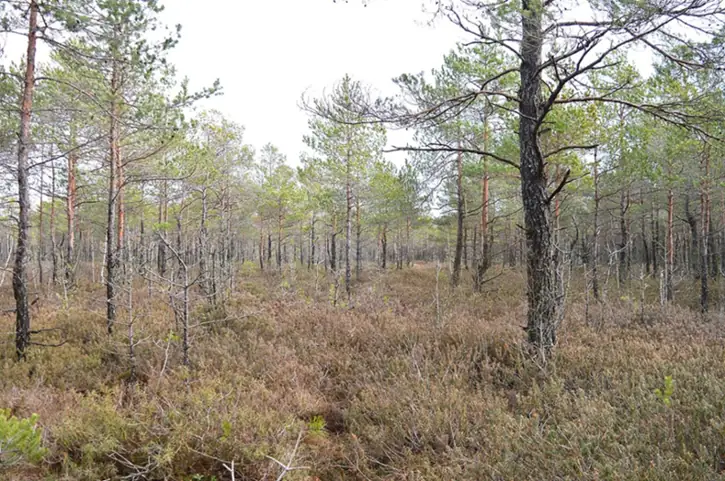
Explore Žuvintas wooded wetlands through the documented landscape and its visible structure. The named example anchors this guide; it does not represent every habitat in the country.
Bogmoss pine woodland in Žuvintas Biosphere Reserve, Lithuania, photographed in February 2024.
Understanding the environment
Explore Žuvintas wooded wetlands through the documented landscape and its visible structure. The named example anchors this guide; it does not represent every habitat in the country.
Explore the structure · Canopy → edge → drainage
Select a zone to see what changes.
Shade and cover
Describe the structure that is visible: canopy continuity, understory and ground cover. Do not infer an animal community from tree cover alone.
Keep observation date, photographed place and the source description distinct.
A conceptual reading sequence, not a mapped transect or an invitation to enter restricted terrain.
Sources: UNESCO · Žuvintas wooded wetlands
Field notes · 01
Alder on wet ground and pine on drier hummocks illustrate contrasting woodland settings in Žuvintas. The same wetland boundary can enclose substantially different ground conditions.
Sources: UNESCO · Žuvintas wooded wetlands
Field notes · 02
Compare closed canopy, open woodland and planted trees. Record leaf litter, fallen wood and the width of exposed edges separately. A green satellite patch or distant treeline cannot establish forest quality.
Pressures on Lithuania’s habitats
Restoring water regimes and wetland habitats is identified as a management priority in the UNESCO account.
Sources: UNESCO · Žuvintas wooded wetlands
Keep landform, water, vegetation and land use separate when reading the landscape. Use the linked species accounts for independently sourced distribution evidence.
The connected collection
These 3 species have supported country occurrence and an explicit habitat association in the shared account. The association may come from elsewhere in their range. This is not a complete local habitat inventory; the places above are landscape examples, not asserted collecting sites.
3 species · showing 3
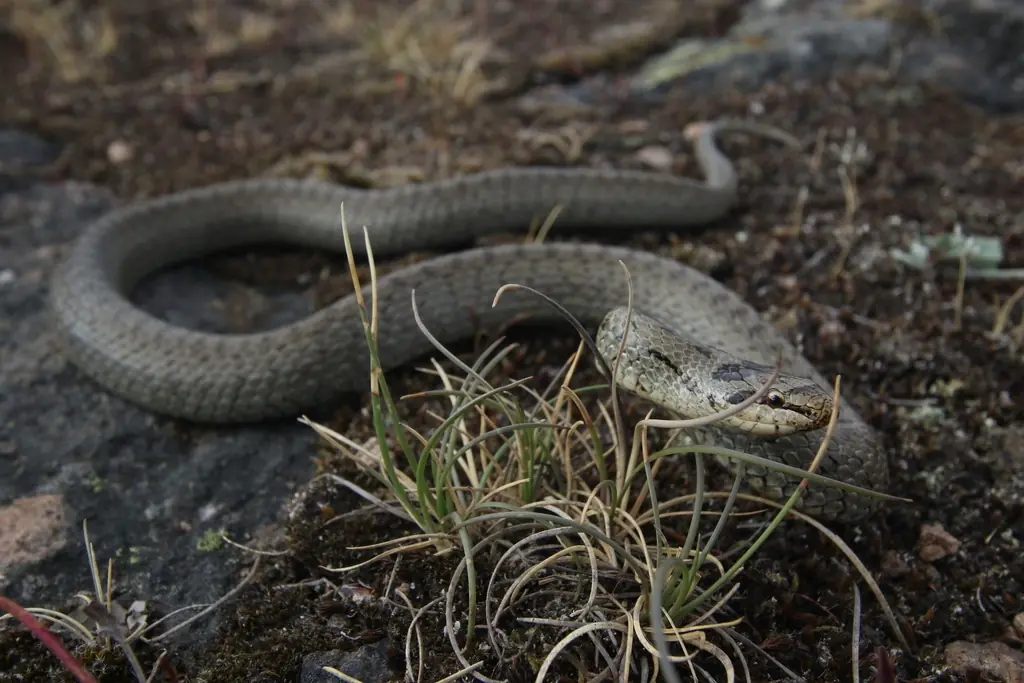
001 · Colubridae
Smooth Snake
Country explicitly listed in the checked taxonomic treatment. Lithuania’s protected-species account names Čepkeliai, Rūdninkai and Eičių forest as known localities, while noting that regular observations are concentrated at Čepkeliai. These locality records do not imply continuous occupation between them.
Read the species account →B. P. White · CC BY-SA 4.0 · https://creativecommons.org/licenses/by-sa/4.0/
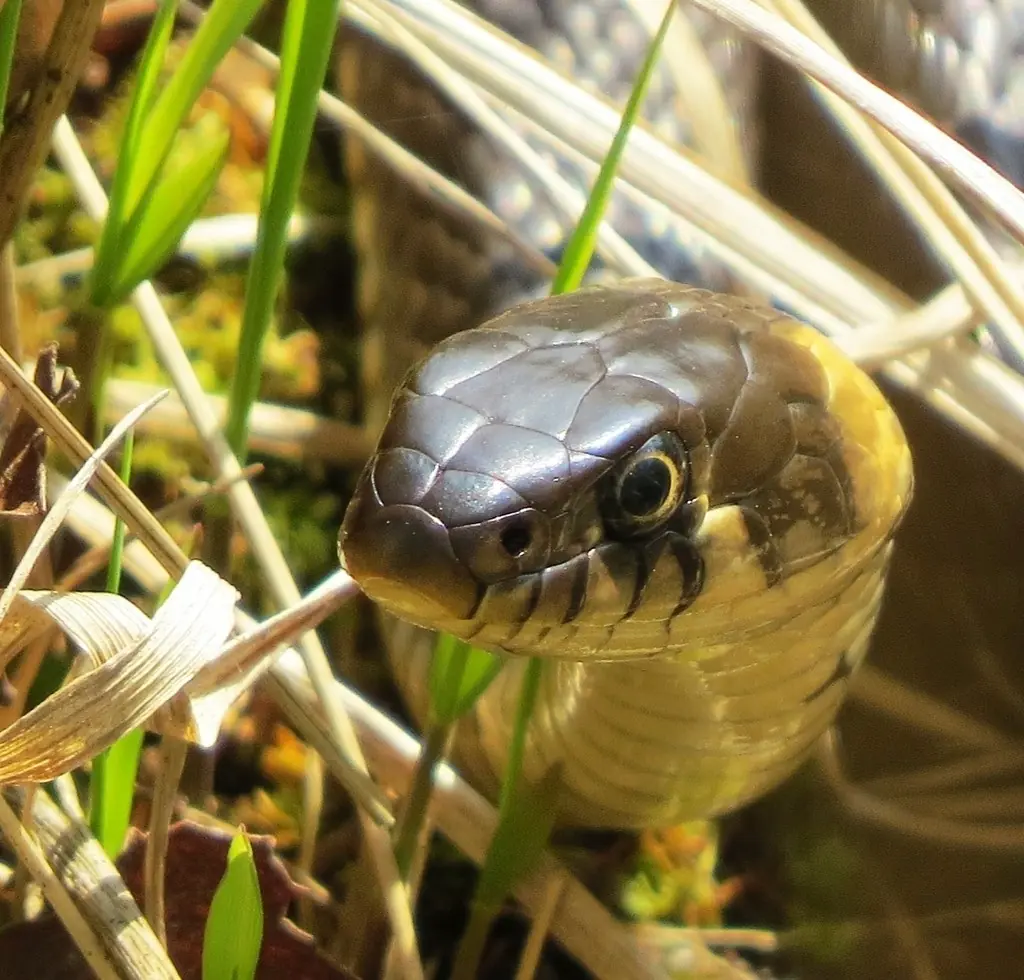
002 · Colubridae
Common Grass Snake
Country explicitly listed in the checked taxonomic treatment.
Read the species account →Micha Baum · CC BY-SA 4.0 · https://creativecommons.org/licenses/by-sa/4.0/
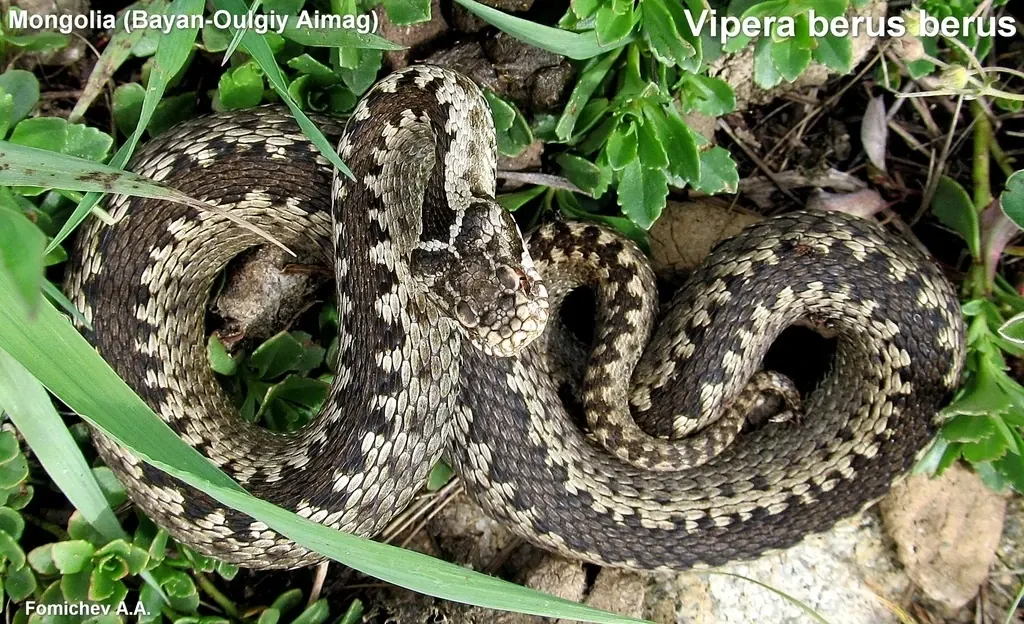
003 · Viperidae
Adder, Northern Viper
Country explicitly listed in the checked taxonomic treatment.
Read the species account →Alexander A. Fomichev · CC BY 4.0 · https://creativecommons.org/licenses/by/4.0/
Read further
Guide reviewed 11 October 2026. Source dates and geographic scope matter; landscape photographs do not establish species occurrence.
Named landscape description, read and checked 11 October 2026. Historic source dates remain explicit; not a snake survey or live access notice.
Continue through Lithuania