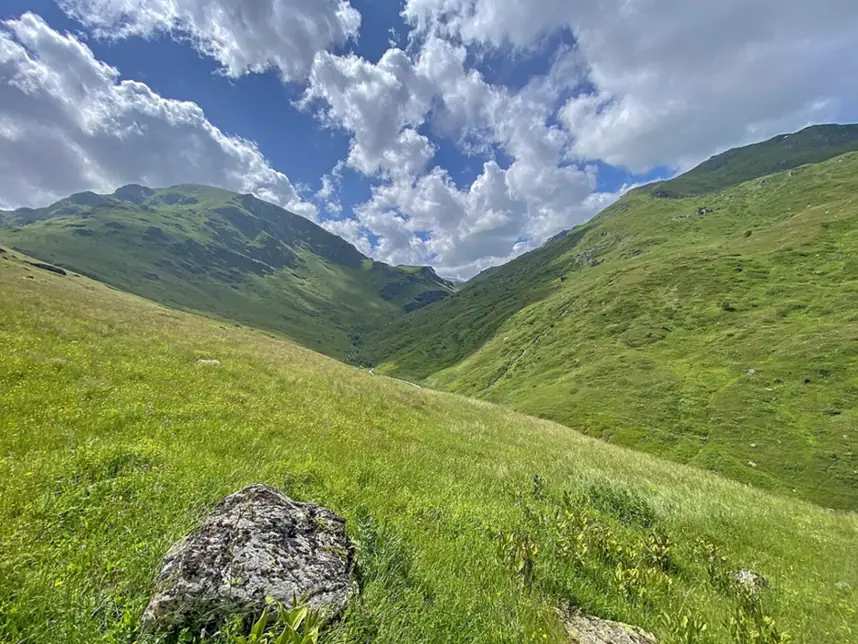
Grassy mountain slopes near Brod in the Sharr landscape, Kosovo.

Kosovo · The country atlas

Kosovo

The Sharr Mountains form a protected southern mountain landscape along the border with North Macedonia. Explore the regional guides and country-scoped species records below.

12species with extracted evidence
2families
5region guides

Grassy mountain slopes near Brod in the Sharr landscape, Kosovo.

Photograph: Atdhebuja · Image source · CC BY-SA 4.0. Cropped to fill the hero; darkened for text legibility.

Geography & biotopes

Discover Kosovo.

The Sharr Mountains form a protected southern mountain landscape along the border with North Macedonia. Explore the regional guides and country-scoped species records below.

Regional groups retain the credited administrative snapshot. They are navigation areas, not ecological boundaries or claims of snake occurrence throughout each area. Serbia and Kosovo have separate navigation chapters; the credited boundary treatment is not a statement of diplomatic recognition.

Boundary provenance and regional grouping →

Kosovo Environmental Protection Agency - Sharr →

Geography is part of the record

Find your way through Kosovo.

Select a named region to open its evidence page. The complete directory below keeps every guide accessible, including places where locality evidence has not yet been extracted.

5 of 12 listed species have at least one indexed region record. 7 remain country-only. Even a nonzero count is not a complete regional inventory.

Habitats & living landscapes

Explore the living
landscapes.

Explore 1 guides to the environments, places and conservation pressures that shape this country. Each guide connects to the regional map and shared species accounts.

Landscape photographs & credits

Grassy mountain slopes near Brod in the Sharr landscape, Kosovo. — Atdhebuja. Original photograph · CC BY-SA 4.0. Cropped for the cards; photographs do not establish snake occurrence.

The species catalogue

Meet the snakes of Kosovo.

Search scientific names, historical names, common names and families. Every card opens one shared account across its documented countries.

12 species · showing 12

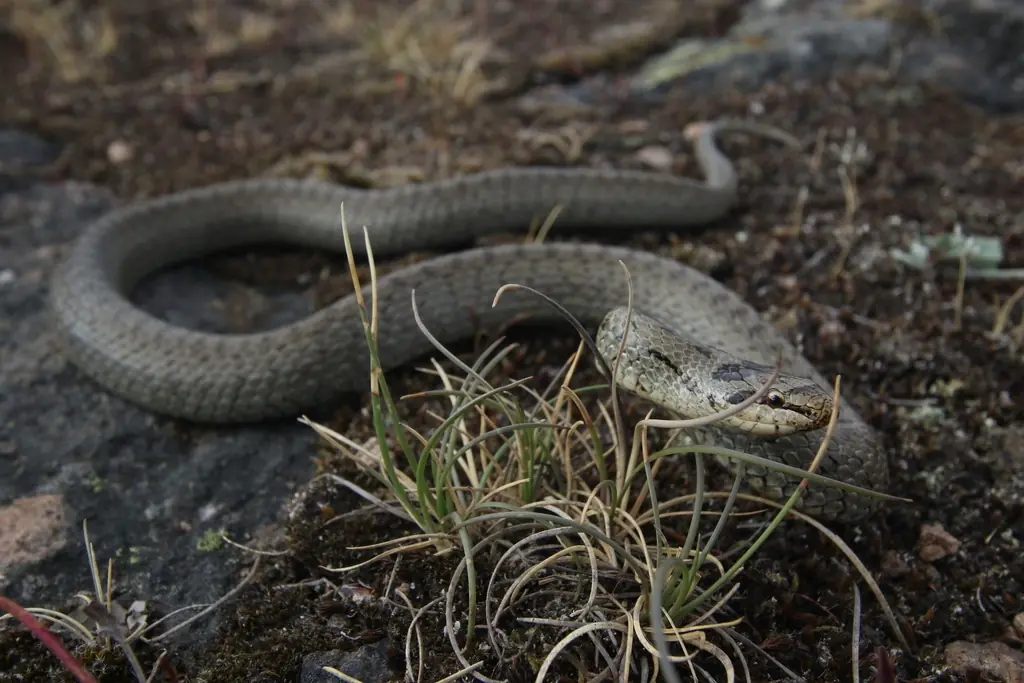
Coronella austriaca. Identification follows the linked source community.

001 · Colubridae

Smooth Snake

Coronella austriaca

LAURENTI, 1768

Venom unknownNot yet assessed

Field and published occurrences included in the 2018 regional distribution dataset.

Read the species account →

B. P. White · CC BY-SA 4.0 · https://creativecommons.org/licenses/by-sa/4.0/

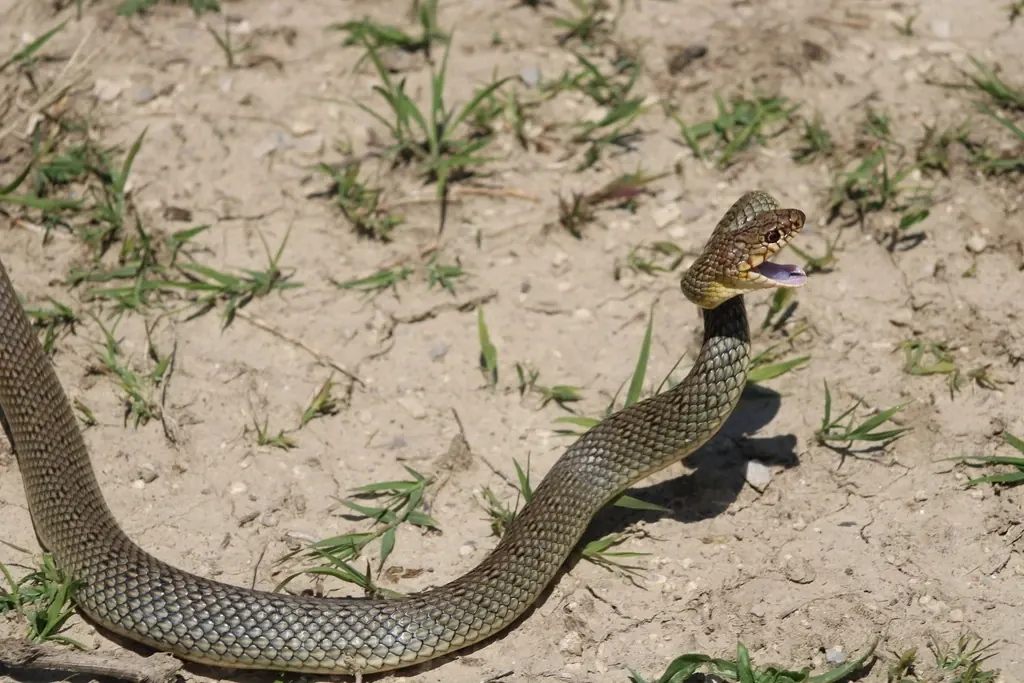
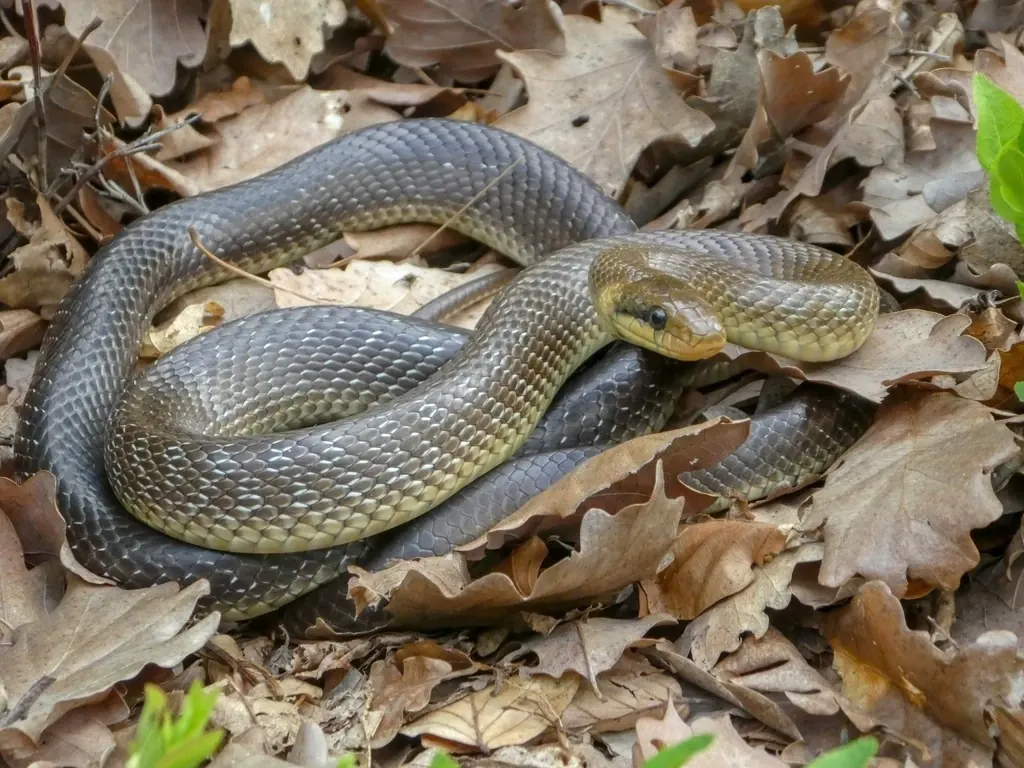
Dolichophis caspius. Identification follows the linked source community.

002 · Colubridae

Species account

Dolichophis caspius

(GMELIN, 1789)

Venom unknownNot yet assessed

Field and published occurrences included in the 2018 regional distribution dataset. Prizren & Ferizaj: observation GBIF 6398732985 (2026). The original iNaturalist entry was rechecked for research-grade identification, wild status and unrestricted coordinates; its reported uncertainty footprint lies within the mapped region. This is a community-reviewed…

Read the species account →

Philip Schaffer · CC BY 4.0 · https://creativecommons.org/licenses/by/4.0/

Hierophis gemonensis. Identification follows the linked source community.

003 · Colubridae

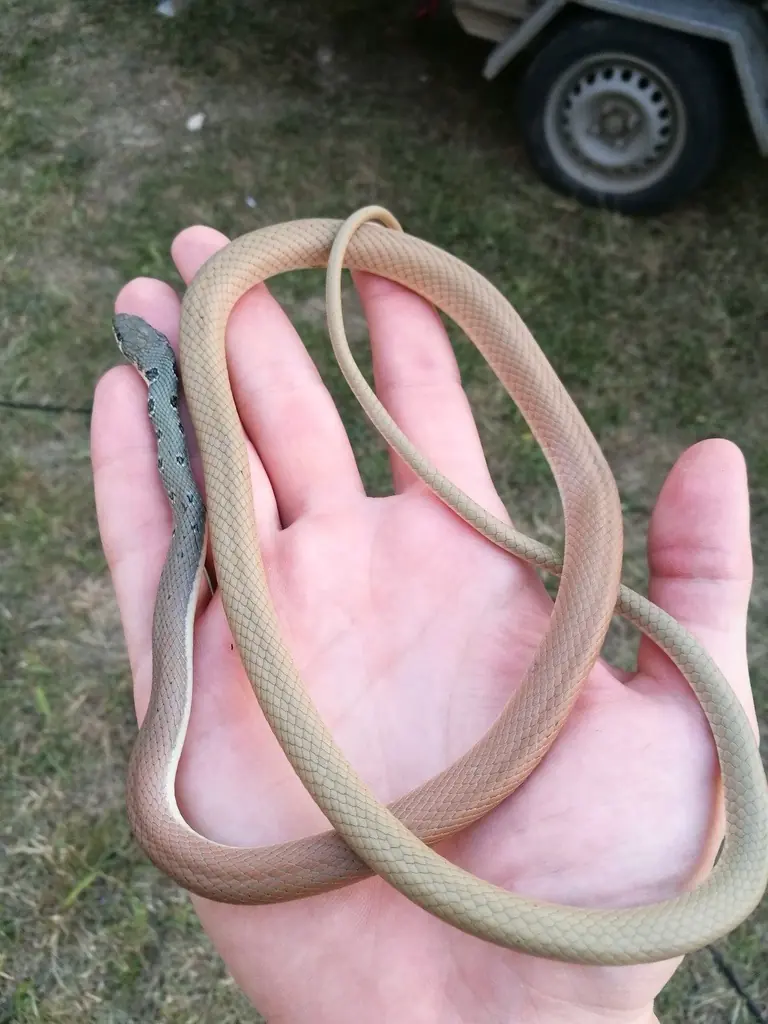
Balkan Racer, Balkan Whip Snake

Hierophis gemonensis

(LAURENTI, 1768)

Venom unknownNot yet assessed

First published country record in the July 2026 field report.

Read the species account →

Ryan van Huyssteen · CC BY 4.0 · https://creativecommons.org/licenses/by/4.0/

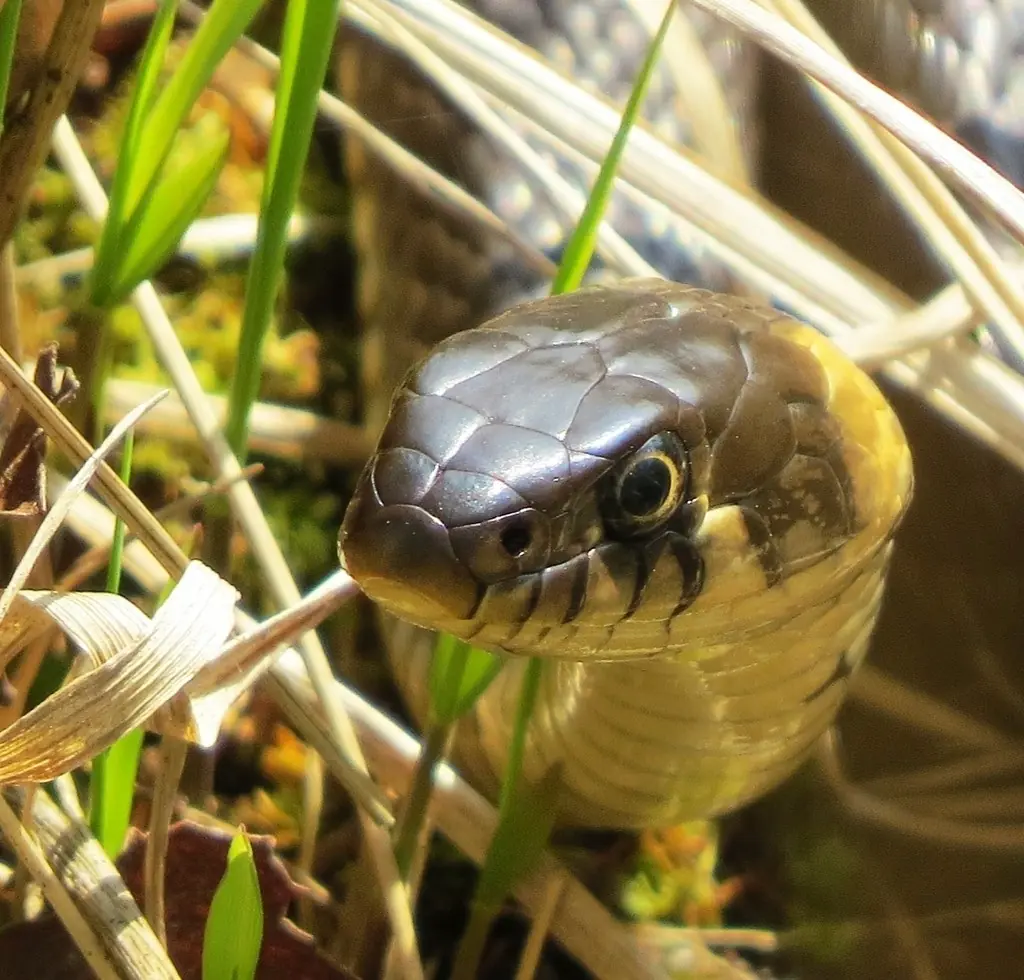
Natrix natrix. Identification follows the linked source community.

004 · Colubridae

Common Grass Snake

Natrix natrix

(LINNAEUS, 1758)

Venom unknownNot yet assessed

Field and published occurrences included in the 2018 regional distribution dataset.

Read the species account →

Micha Baum · CC BY-SA 4.0 · https://creativecommons.org/licenses/by-sa/4.0/

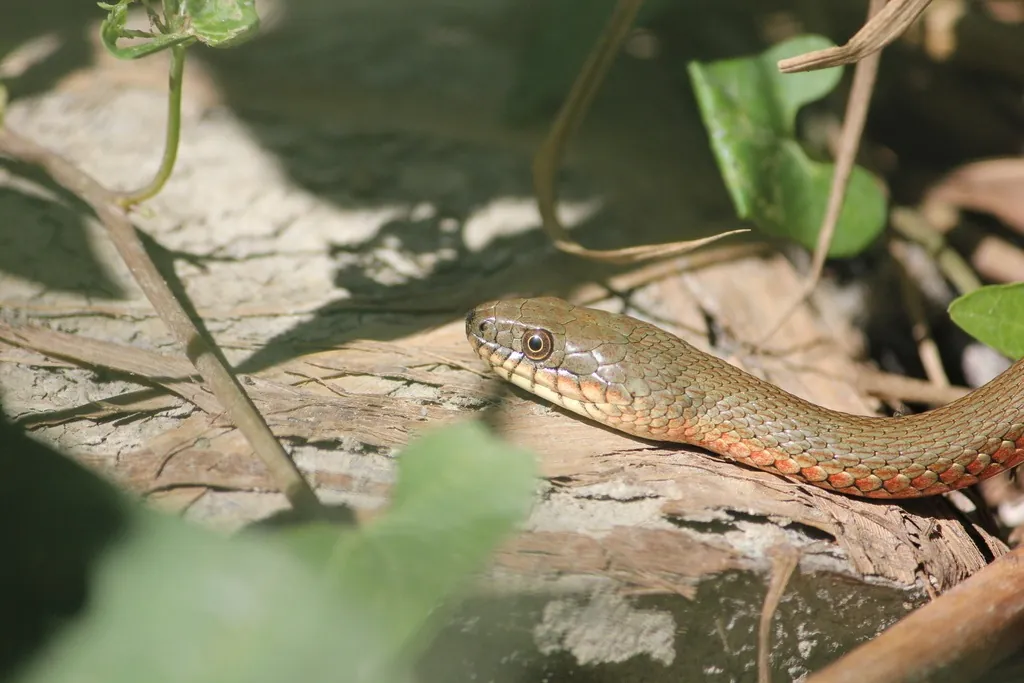
Unspotted dice snake photographed in Dagestan, Russia, in September 2026. Identification follows the linked source community.

005 · Colubridae

Dice Snake

Natrix tessellata

(LAURENTI, 1768)

Venom unknownNot yet assessed

Field and published occurrences included in the 2018 regional distribution dataset. Peja & Gjakova: observation GBIF 6441840967 (2026). The original iNaturalist entry was rechecked for research-grade identification, wild status and unrestricted coordinates; its reported uncertainty footprint lies within the mapped region. This is a community-reviewed…

Read the species account →

KsenoSnake · CC0 1.0 · https://creativecommons.org/publicdomain/zero/1.0/

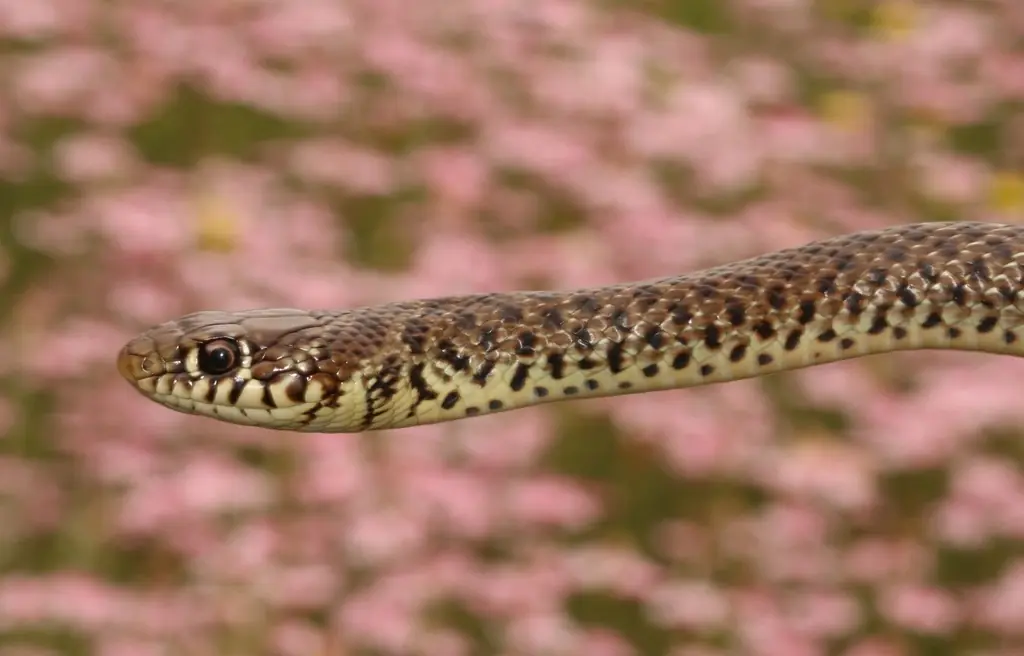
Platyceps najadum. Identification follows the linked source community.

006 · Colubridae

Slender Whip Snake, Dahl’s Whip Snake

Platyceps najadum

(EICHWALD, 1831)

Venom unknownNot yet assessed

First published country record in the 2025 field report; its publisher-supplied abstract and digitized treatment establish country presence.

Read the species account →

Matej Vucić · CC BY 4.0 · https://creativecommons.org/licenses/by/4.0/

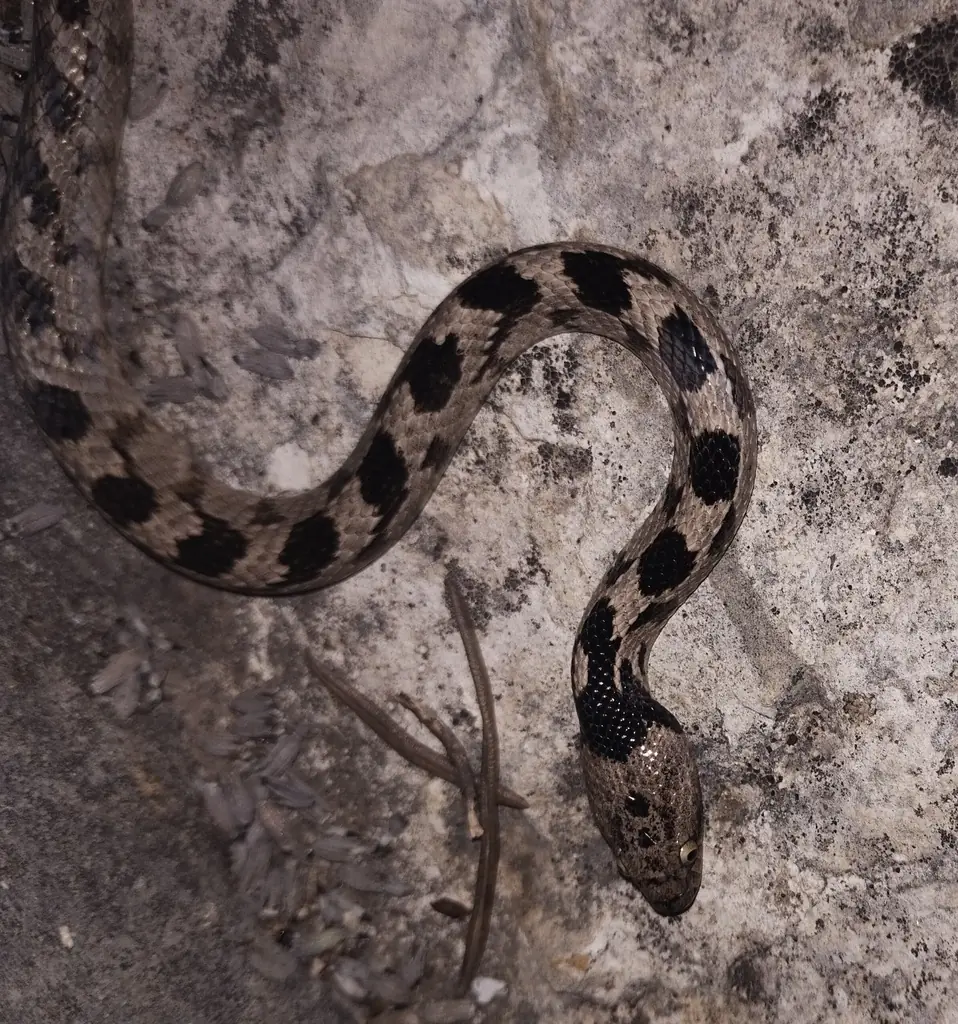
Telescopus fallax. Identification follows the linked source community.

007 · Colubridae

Mediterranean Cat Snake, European Catsnake

Telescopus fallax

FLEISCHMANN, 1831

Venom unknownNot yet assessed

First published country record in the 2025 field report; its publisher-supplied abstract and digitized treatment establish country presence.

Read the species account →

Karlo Ostojcic · CC BY 4.0 · https://creativecommons.org/licenses/by/4.0/

Vipera ammodytes. Identification follows the linked source community.

008 · Viperidae

Nose-horned Viper, Sand Viper

Vipera ammodytes

(LINNAEUS, 1758)

VenomousClinical severity not established

Field and published occurrences included in the 2018 regional distribution dataset. Mitrovica: observation GBIF 6518904031 (2026). The original iNaturalist entry was rechecked for research-grade identification, wild status and unrestricted coordinates; its reported uncertainty footprint lies within the mapped region. This is a community-reviewed…

Read the species account →

Mirko Ubović · CC0 1.0 · https://creativecommons.org/publicdomain/zero/1.0/

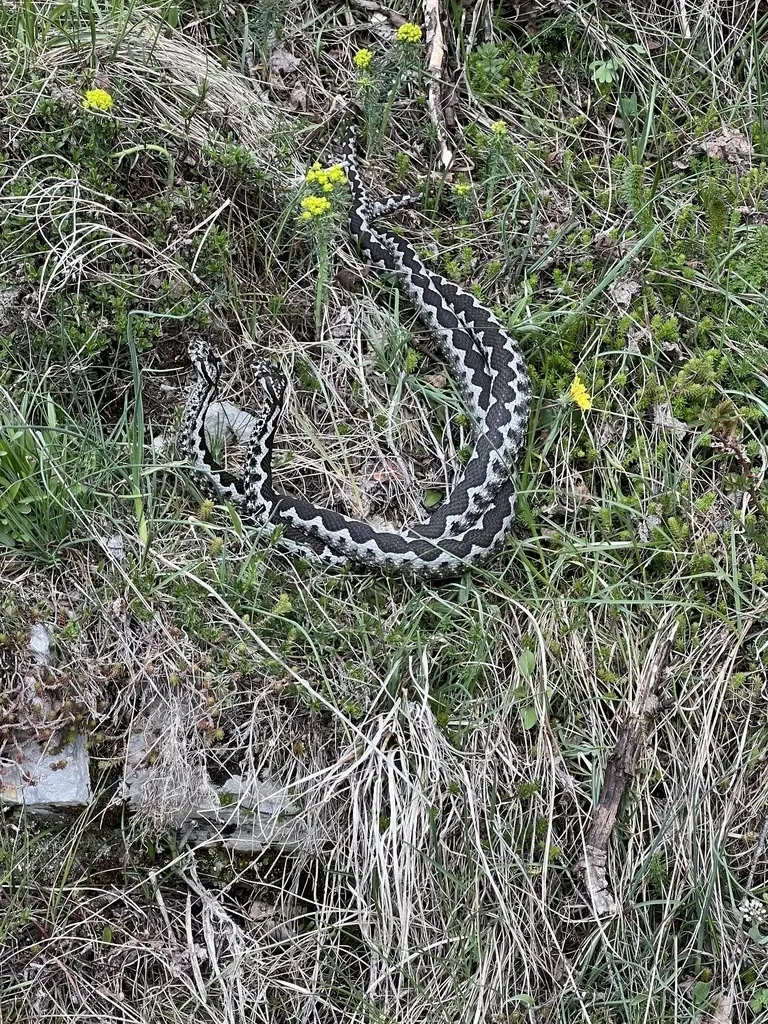
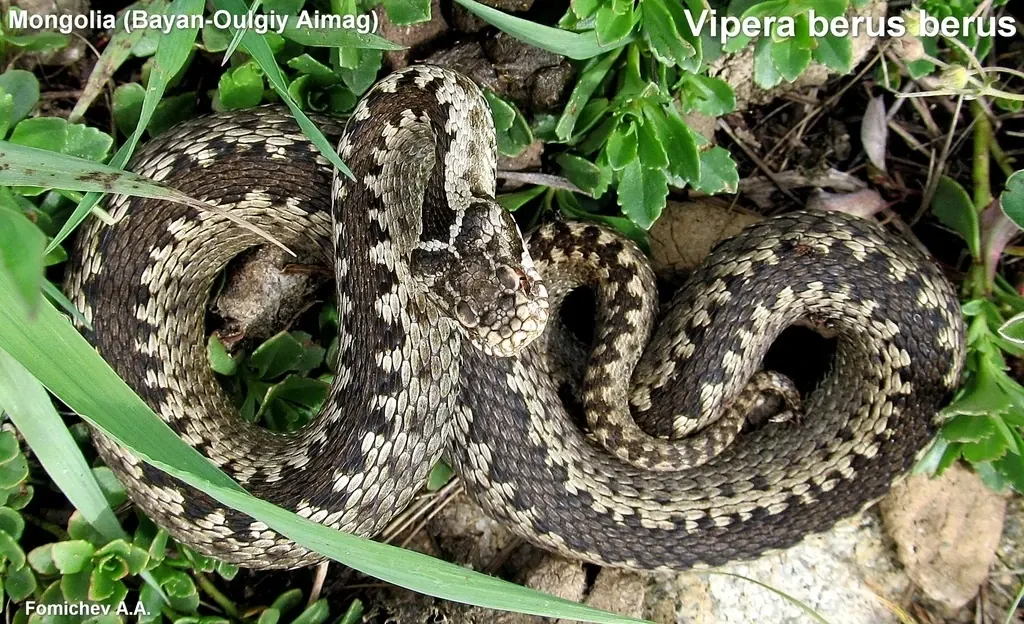
Vipera berus. Identification follows the linked source community.

009 · Viperidae

Adder, Northern Viper

Vipera berus

(LINNAEUS, 1758)

VenomousPotentially life-threatening

The 2019 viper survey documents Kosovo mountain populations; the source uses its historical regional terminology. Prizren & Ferizaj: observation GBIF 5828482004 (2025). The original iNaturalist entry was rechecked for research-grade identification, wild status and unrestricted coordinates; its reported uncertainty footprint lies within the mapped region.…

Read the species account →

Alexander A. Fomichev · CC BY 4.0 · https://creativecommons.org/licenses/by/4.0/

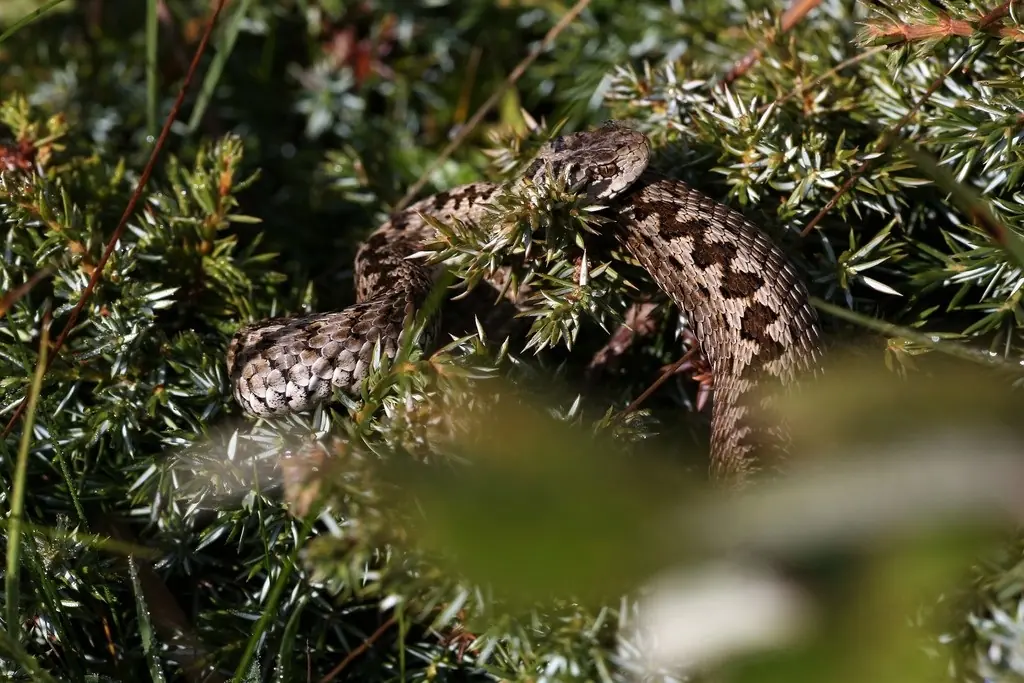
Vipera ursinii. Identification follows the linked source community.

010 · Viperidae

Meadow Viper, Orsinis Viper

Vipera ursinii

(BONAPARTE, 1835)

VenomousClinical severity not established

The 2019 viper survey documents Kosovo mountain populations; the source uses its historical regional terminology.

Read the species account →

Lennart Hudel · CC BY 4.0 · https://creativecommons.org/licenses/by/4.0/

Zamenis longissimus. Identification follows the linked source community.

011 · Colubridae

Aesculapean Snake

Zamenis longissimus

(LAURENTI, 1768)

Venom unknownNot yet assessed

Field and published occurrences included in the 2018 regional distribution dataset. Peja & Gjakova: observation GBIF 6479565263 (2026). The original iNaturalist entry was rechecked for research-grade identification, wild status and unrestricted coordinates; its reported uncertainty footprint lies within the mapped region. This is a community-reviewed…

Read the species account →

Philipp Pavelka · CC BY 4.0 · https://creativecommons.org/licenses/by/4.0/

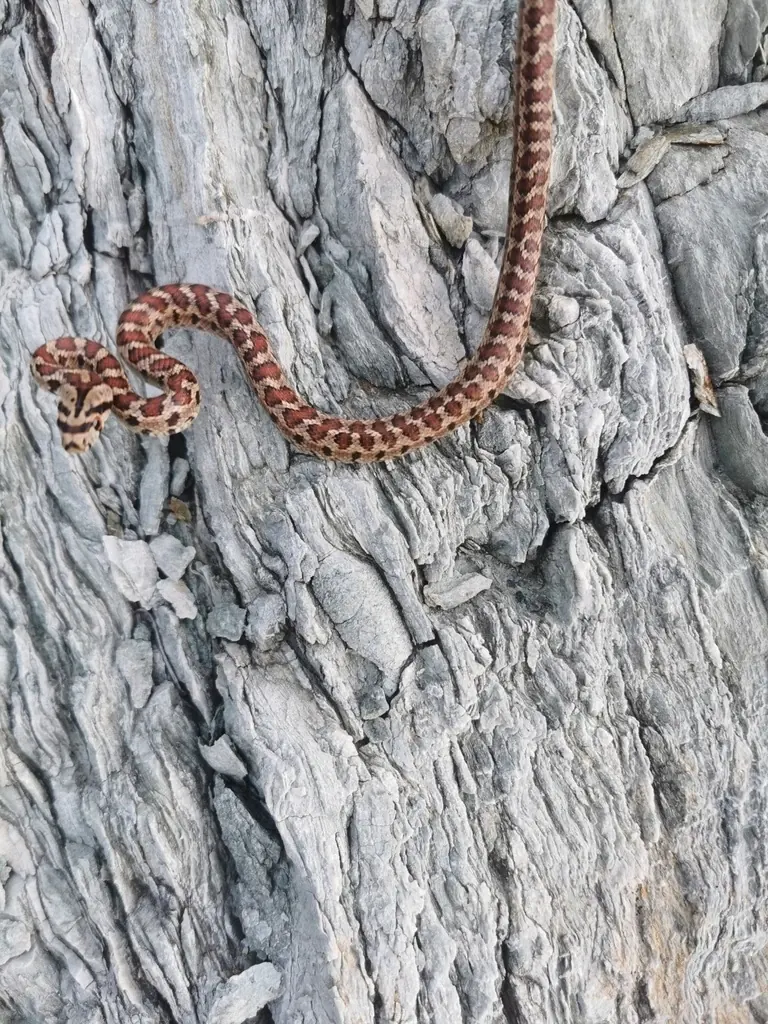
Zamenis situla. Identification follows the linked source community.

012 · Colubridae

Leopard Snakes, European Ratsnake, Leopard ratsnake

Zamenis situla

(LINNAEUS, 1758)

Venom unknownNot yet assessed

First published country record in the 2025 field report; its publisher-supplied abstract and digitized treatment establish country presence.

Read the species account →

Chris Taklis · CC BY 4.0 · https://creativecommons.org/licenses/by/4.0/

The research library

Sources & the checklist.

This edition lists 12 species with supported country records from checked taxonomic treatments and cited field studies. It is not a claim of a complete national inventory. Each account retains its source and check date; individual evidence entries retain their own review dates.

Independent checklist comparison · 2026-10-11

12 documented current or explicitly qualified country records. This is a source-backed working inventory; recent national completeness and locality coverage remain under review.

Individually reviewed taxonomic treatments and cited primary records ↗

Review still open

How the map and counts work

Search results were checked against distribution text and taxonomic qualifications. A geographic name alone does not establish a political country: New Guinea, the Solomon archipelago and Micronesia span more than one country or territory. Introduced and unresolved records require separate interpretation.

Place counts require explicit named localities, including valid type localities. Counts can overlap where sources name multiple places. Regional maps group historical boundary snapshots for navigation, while island outlines use Natural Earth; neither is a species range or an observation map. Small islands can be below the outline dataset’s resolution, so geographic reference markers and the directory remain available.

Open Street Map; geoBoundaries gbOpen ADM1; 2021; Creative Commons Attribution-ShareAlike 2.0. Generalised navigation outlines, not species ranges. Map provenance →
  1. Boundary provenance and regional grouping ↗
  2. Kosovo Environmental Protection Agency - Sharr ↗
  3. The Reptile Database

    Individual treatments and locality evidence are linked from each species account.

  4. Meiri (2024): SquamBase 1.0

    Species-level literature measurements and ecological traits. Exact-name matches only; imputed or ambiguous fields are omitted. These summaries are not local observations.

  5. Natural Earth: public-domain geographic data

Continue through the Europe atlas →