Ireland · The country atlas
Ireland
Marine, wetland and other scarce European habitat types support distinctive communities on this Atlantic island. Explore the regional guides and country-scoped species records below.
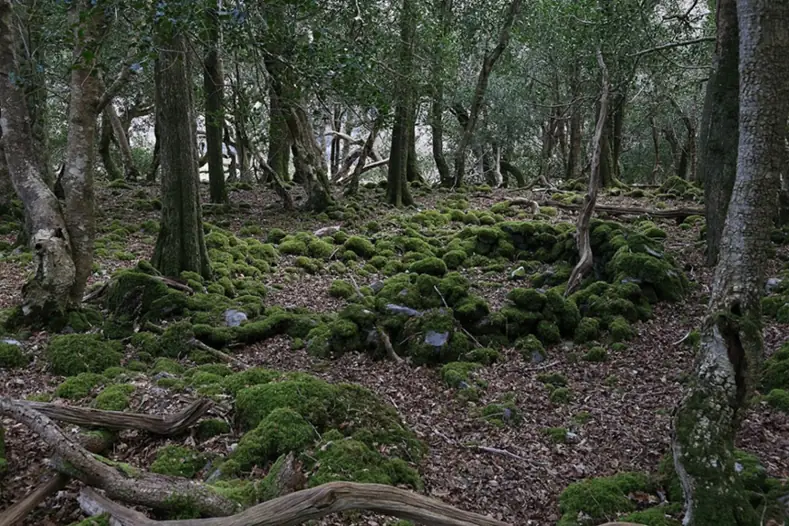
Woodland at Reenadina, Killarney, Ireland, with moss-covered ground and trees.
Geography & biotopes
Discover Ireland.
Marine, wetland and other scarce European habitat types support distinctive communities on this Atlantic island. Explore the regional guides and country-scoped species records below.
Regional groups retain the credited administrative snapshot. They are navigation areas, not ecological boundaries or claims of snake occurrence throughout each area.
Habitats & living landscapes
Explore the living
landscapes.
Explore 2 guides to the environments, places and conservation pressures that shape this country. Each guide connects to the regional map and shared species accounts.
Habitat · 01
Killarney woodland · woodland
Explore Killarney woodland through the documented landscape and its visible structure. The named example anchors this guide; it does not represent every habitat in the country.
Explore the habitat ↗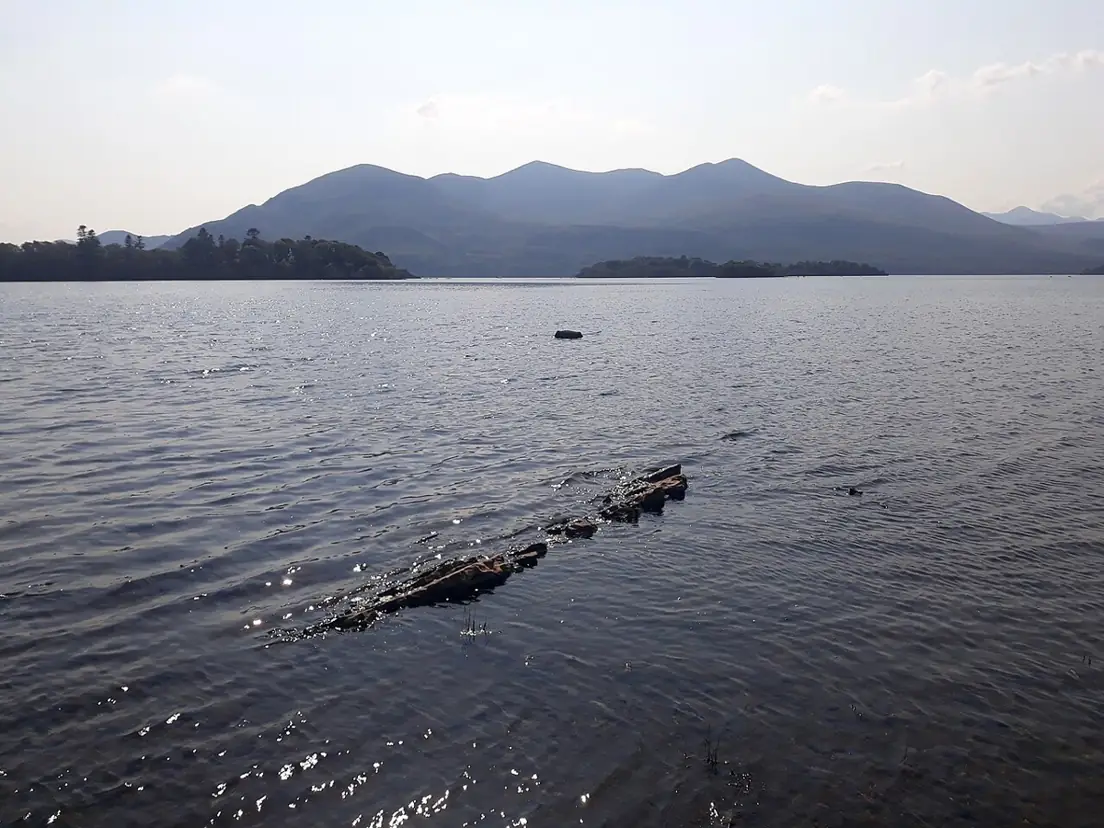
Habitat · 02
Killarney lakes · waters and wetlands
Explore Killarney lakes through the documented landscape and its visible structure. The named example anchors this guide; it does not represent every habitat in the country.
Explore the habitat ↗Landscape photographs & credits
Woodland at Reenadina, Killarney, Ireland, with moss-covered ground and trees. — Nilachseall. Original photograph · CC BY-SA 4.0. Cropped for the cards; photographs do not establish snake occurrence.

Lough Leane near Killarney, County Kerry, Ireland, photographed in August 2021. — acediscovery. Original photograph · CC BY 4.0. Cropped for the cards; photographs do not establish snake occurrence.

The species catalogue
Snake status · Ireland.
Read the documented status of wild snakes and continue through the landscape guides.
Ireland has no native snakes. Captive animals and isolated escapes do not establish a native or breeding population. National Museum of Ireland: reptile collection ↗
The research library
Sources & the checklist.
This edition lists 0 species with supported country records from checked taxonomic treatments and cited field studies. It is not a claim of a complete national inventory. Each account retains its source and check date; individual evidence entries retain their own review dates.
Independent checklist comparison · 2026-10-11
Ireland has no native snakes. Captive animals and isolated escapes do not establish a native or breeding population.
National Museum of Ireland: reptile collection ↗
Review still open
How the map and counts work
Search results were checked against distribution text and taxonomic qualifications. A geographic name alone does not establish a political country: New Guinea, the Solomon archipelago and Micronesia span more than one country or territory. Introduced and unresolved records require separate interpretation.
Place counts require explicit named localities, including valid type localities. Counts can overlap where sources name multiple places. Regional maps group historical boundary snapshots for navigation, while island outlines use Natural Earth; neither is a species range or an observation map. Small islands can be below the outline dataset’s resolution, so geographic reference markers and the directory remain available.
Ordce Survey Ireland; geoBoundaries gbOpen ADM1; 2022; Creative Commons Attribution 4.0 (CC BY 4.0). Generalised navigation outlines, not species ranges. Map provenance →
- Boundary provenance and regional grouping ↗
- Convention on Biological Diversity - Ireland profile ↗
- The Reptile Database
Individual treatments and locality evidence are linked from each species account.
- Meiri (2024): SquamBase 1.0
Species-level literature measurements and ecological traits. Exact-name matches only; imputed or ambiguous fields are omitted. These summaries are not local observations.
- Natural Earth: public-domain geographic data