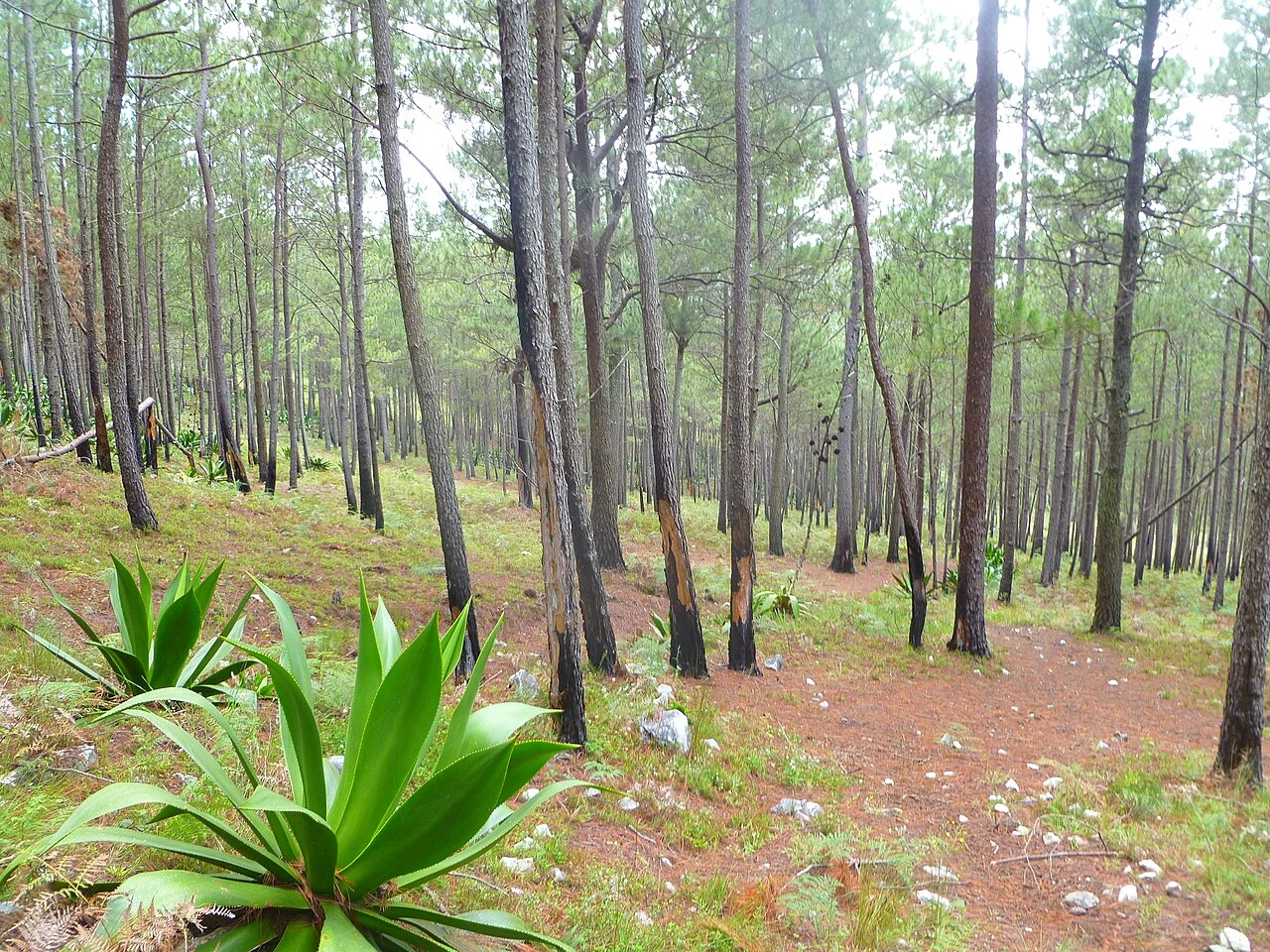
Pine forest in La Visite National Park, Haiti, photographed in August 2012.

Haiti · Habitat field guide

Forest & woodland

Haiti’s profile distinguishes multiple forest formations and highlights the Macaya landscape. A broad Hispaniolan forest record does not establish a Haitian locality.

Pine forest in La Visite National Park, Haiti, photographed in August 2012.

Photograph: Alex Carroll · Image source · CC BY-SA 3.0. Cropped to fill the hero; darkened for text legibility.

Understanding the environment

A sense of the habitat.

Haiti’s profile distinguishes multiple forest formations and highlights the Macaya landscape. A broad Hispaniolan forest record does not establish a Haitian locality.

Geographic scope
Haiti; source locality matters.
Evidence scale
Landscape descriptions are separate from species records.
Source date
Retain the cited publication date; reviewed 16 October 2026.

Explore the structure · Select a layer to compare details retained in a field record.

Read the locality in three layers.

Select a zone to see what changes.

Canopy

Canopy

Distinguish closed crowns, open woodland and planted trees.

Check this detail in the original record before assigning a species to the habitat.

These reading prompts are conceptual, not a transect or an occurrence map.

Sources: Convention on Biological Diversity · Haiti national profile

Field notes · 01

The documented setting

Haiti’s profile distinguishes multiple forest formations and highlights the Macaya landscape. A broad Hispaniolan forest record does not establish a Haitian locality.

Sources: Convention on Biological Diversity · Haiti national profile

Field notes · 02

Connect the setting to a species

A habitat description and a country record answer different questions. Follow the linked species account for evidence of habitat use; an empty filtered collection indicates missing extracted evidence, not biological absence.

Pressures on Haiti’s habitats

What is at risk?

A site-specific assessment of pressures has not yet been extracted for this guide. The landscape sources below provide context; they do not establish a current threat level for each snake species.

What helps this habitat

Consult the source’s own conservation context and dates before interpreting habitat change. A broad landscape pressure does not establish a measured decline for every snake.

The connected collection

Snakes with habitat evidence.

These 1 species have supported country occurrence and an explicit habitat association in the shared account. The association may come from elsewhere in their range. This is not a complete local habitat inventory; the places above are landscape examples, not asserted collecting sites.

1 species · showing 1

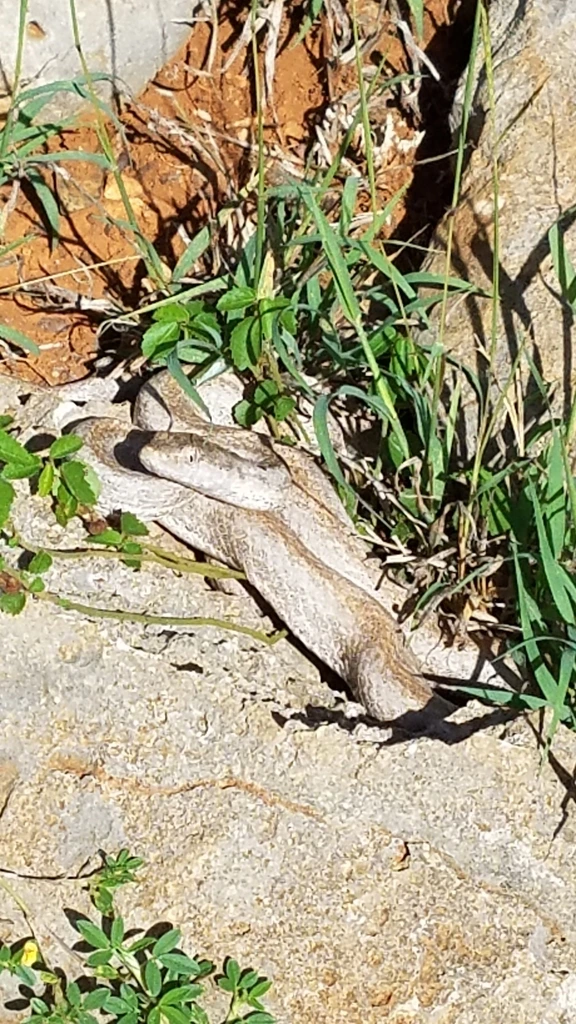
Hypsirhynchus ferox. Individual beside grass and stones. Original observation dated 2020-03-07. Portrait only; no new locality record is inferred.

001 · Colubridae

Hispaniolan Hog-nosed Racer, Hispaniola Cat-eyed Snake

Hypsirhynchus ferox

GÜNTHER, 1858

Venom unknownNot yet assessed

The checked taxonomic distribution account explicitly lists Haiti. Country-level evidence does not establish continuous occupancy or a complete national inventory.

Read the species account →

Yolanda M. Leon · CC0 1.0 · https://creativecommons.org/publicdomain/zero/1.0/

All 24 species in the country collection →

Read further

Evidence & sources.

Guide reviewed 16 October 2026. Source dates and geographic scope matter; landscape photographs do not establish species occurrence.

  1. Convention on Biological Diversity · Haiti national profile

    Historical Secretariat draft, pending Party approval. Landscape context only; dated statistics and projections are not presented as current measurements. Checked 16 October 2026.

Continue through Haiti

Explore another habitat.

01

Mangroves & estuaries

Mangroves and reefs are discussed as important coastal protection systems. This guide concerns the mangrove environment; reef context is not evidence of snake occupancy.