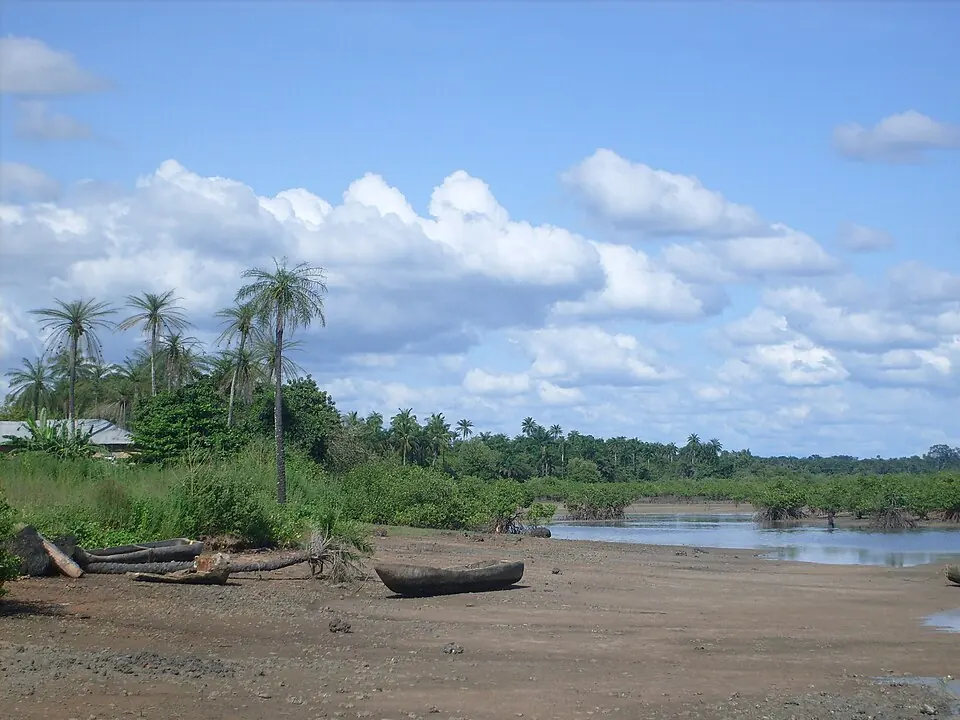
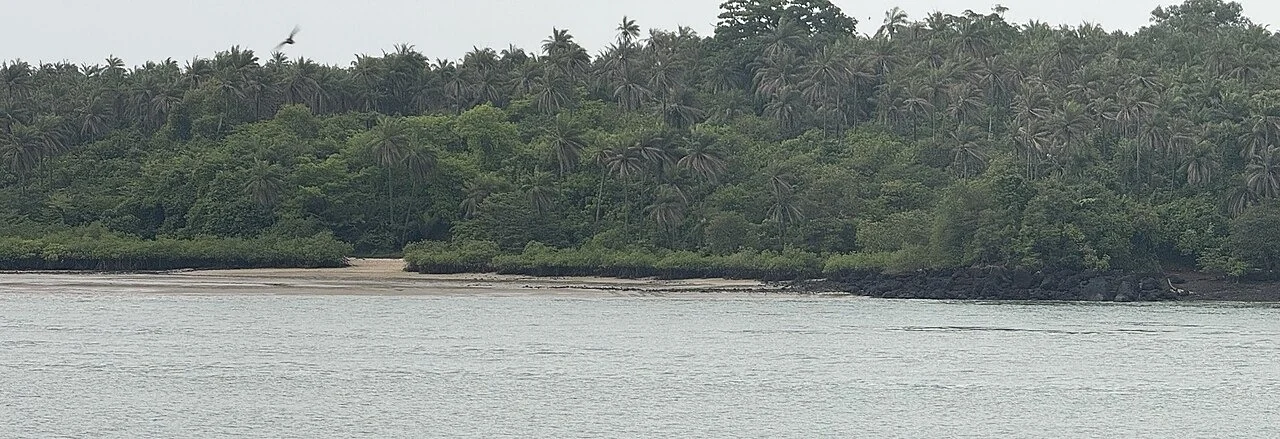
Rubane viewed from Bubaque in the Bijagos Islands, Guinea-Bissau.

Guinea-Bissau · The country atlas

Guinea-Bissau

Guinea-Bissau’s mangroves, wooded landscapes and island settings connect land use with coastal water systems.

37species with extracted evidence
9families
9region guides

Rubane viewed from Bubaque in the Bijagos Islands, Guinea-Bissau.

Photograph: Mooonswimmer · Image source · CC BY-SA 4.0. Cropped to fill the hero; darkened for text legibility.

Geography & biotopes

Discover Guinea-Bissau.

Guinea-Bissau’s mangroves, wooded landscapes and island settings connect land use with coastal water systems.

Historical administrative outlines are grouped for navigation. They are not ecological boundaries, species ranges or a statement of present administrative arrangements.

Map boundaries, snapshot and group membership →

Convention on Biological Diversity · Guinea-Bissau national profile →

Geography is part of the record

Find your way through Guinea-Bissau.

Select a named region to open its evidence page. The complete directory below keeps every guide accessible, including places where locality evidence has not yet been extracted.

10 of 37 listed species have at least one indexed region record. 27 remain country-only. Even a nonzero count is not a complete regional inventory.

Habitats & living landscapes

Explore the living
landscapes.

Explore 2 guides to the environments, places and conservation pressures that shape this country. Each guide connects to the regional map and shared species accounts.

Landscape photographs & credits

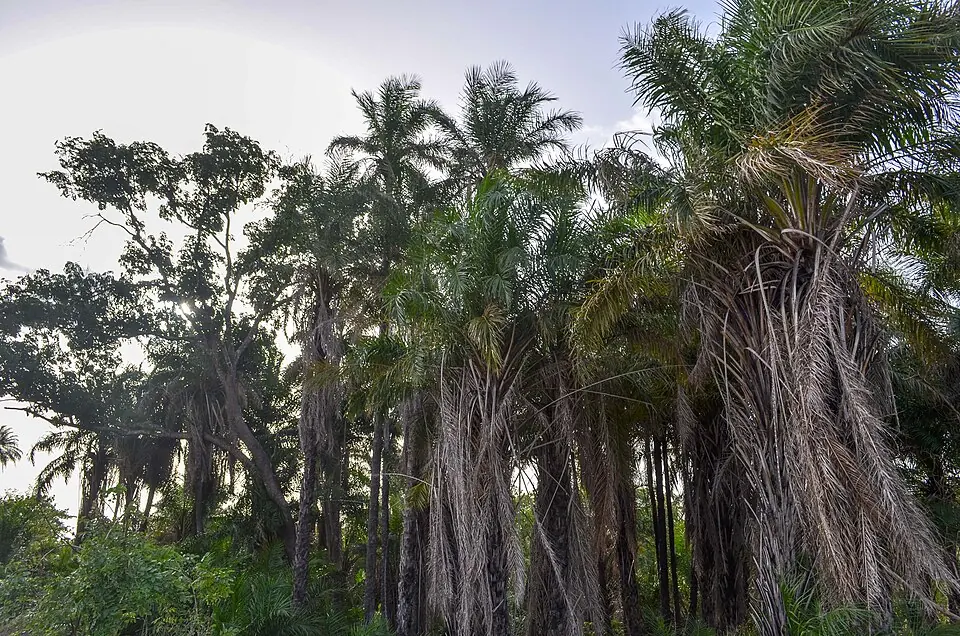
Palms and broadleaf trees form a woodland canopy in Guinea-Bissau, photographed in June 2013. The source does not identify a particular reserve. — jbdodane. Original photograph · CC BY 2.0. Cropped for the cards; photographs do not establish snake occurrence.

A tidal shore, small boats and mangrove-lined water in the Biombo region, Guinea-Bissau. — Nammarci. Original photograph · CC BY 3.0. Cropped for the cards; photographs do not establish snake occurrence.

The species catalogue

Meet the snakes of Guinea-Bissau.

Search scientific names, historical names, common names and families. Every card opens one shared account across its documented countries.

37 species · showing 24

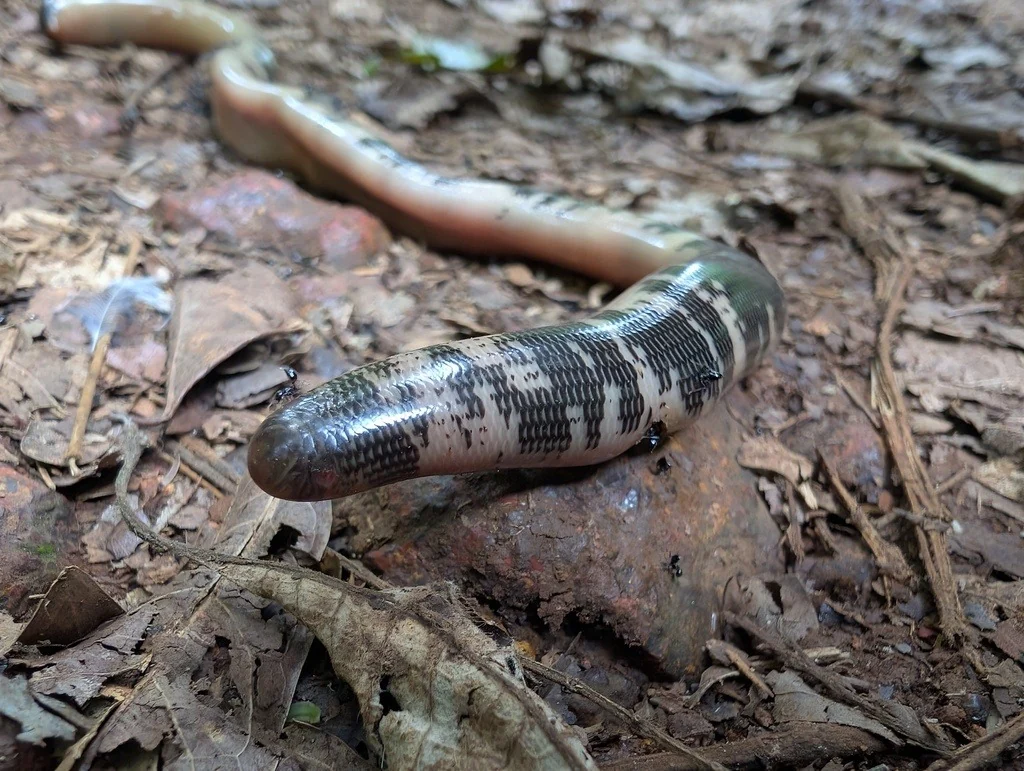
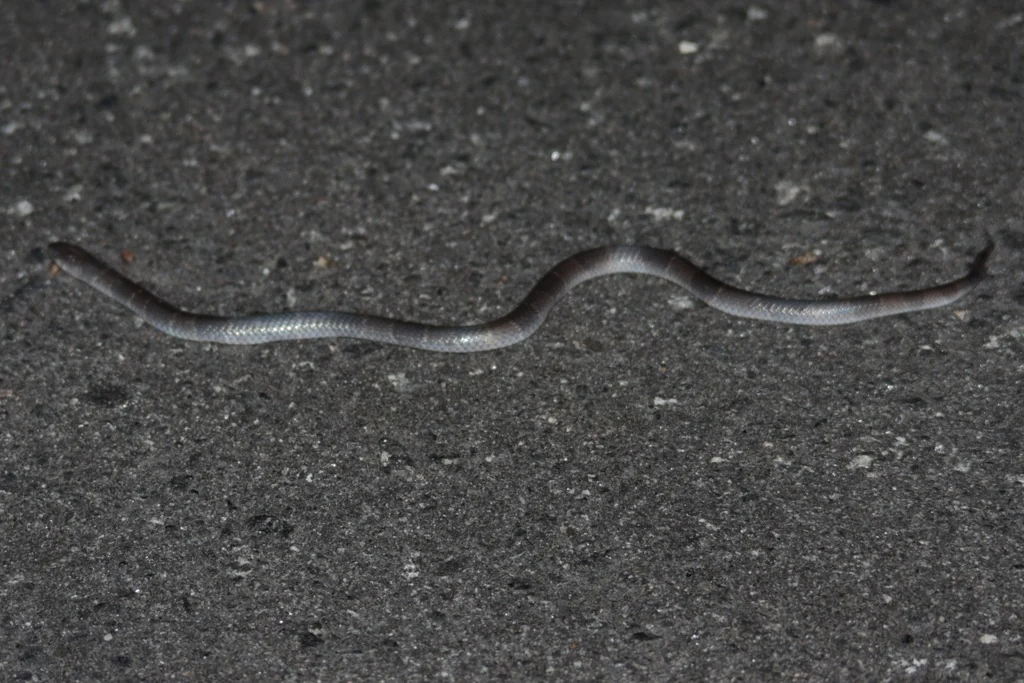
Afrotyphlops punctatus; Atiwa West, Ghana; photographed 2025-02-27.

001 · Typhlopidae

Spotted Blind Snake

Afrotyphlops punctatus

(LEACH, 1819)

Non-venomous

The current taxonomic treatment explicitly lists this country. This is country-scale checklist evidence, not a claim of continuous occupancy or a complete regional inventory.

Read the species account →

Zac Peterson · CC BY 4.0 · https://creativecommons.org/licenses/by/4.0/

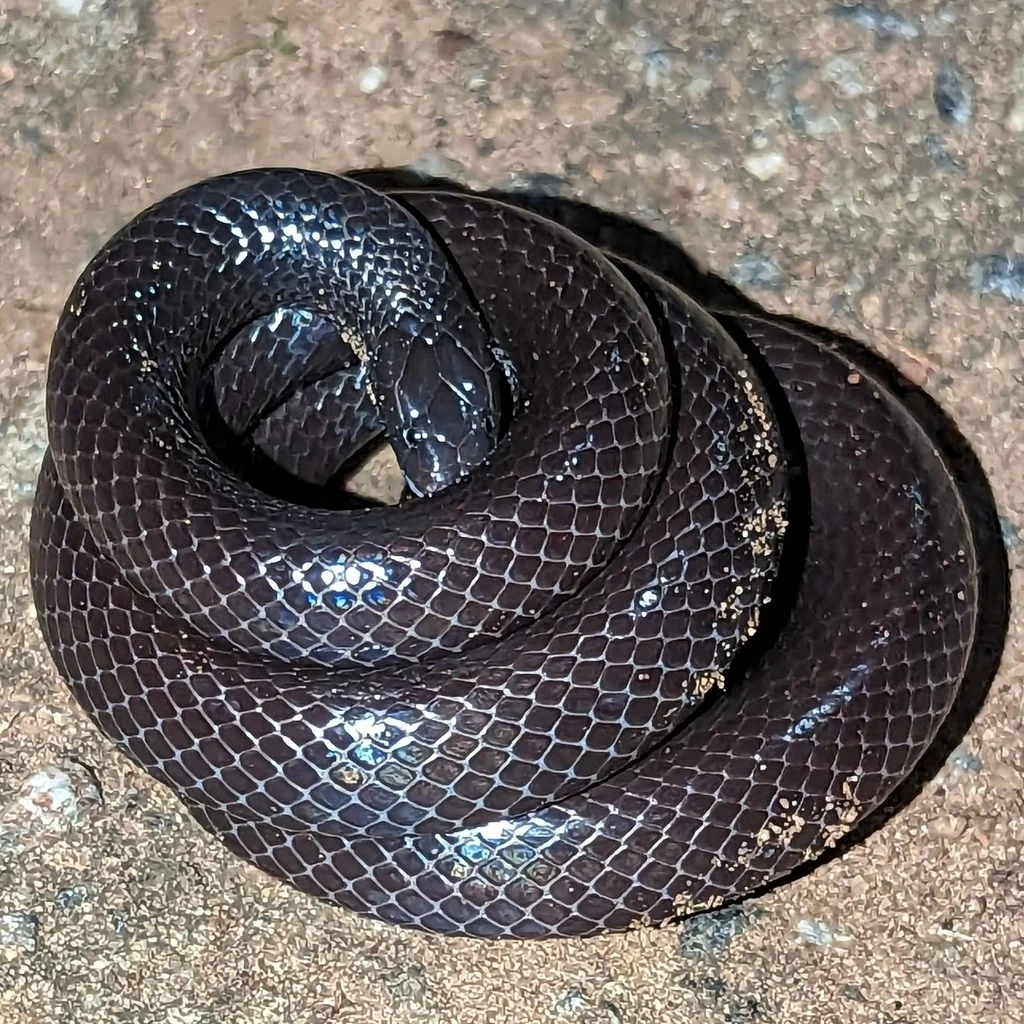
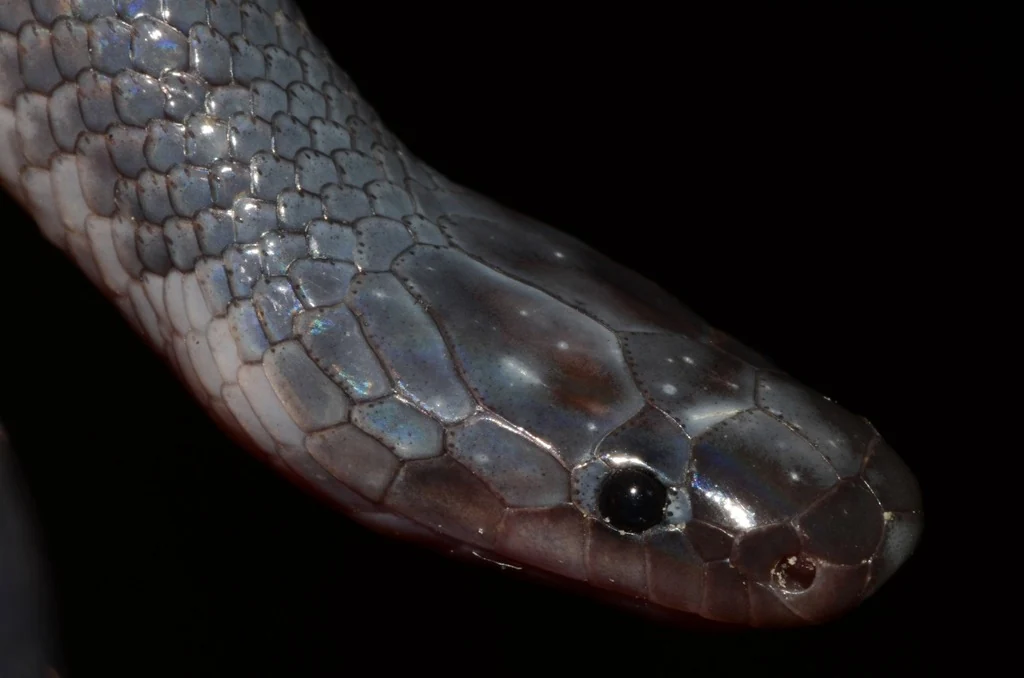
Amblyodipsas unicolor; Ayawaso West Municipal, Accra, Ghana; photographed 2023-09-04.

002 · Atractaspididae

Dull Purple-glossed Snake, Western Purple-glossed Snake

Amblyodipsas unicolor

(REINHARDT, 1843)

Venom unknownNot yet assessed

The current taxonomic treatment explicitly lists this country. This is country-scale checklist evidence, not a claim of continuous occupancy or a complete regional inventory.

Read the species account →

biogeek · CC BY 4.0 · https://creativecommons.org/licenses/by/4.0/

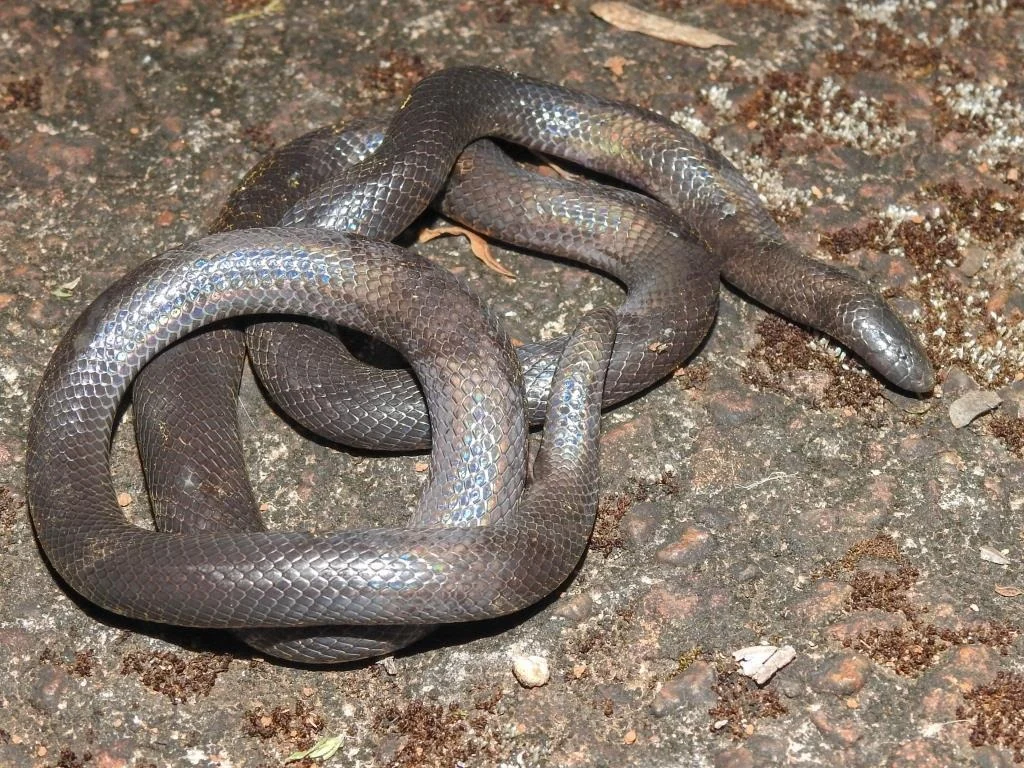
Atractaspis aterrima; Man, Côte d'Ivoire; photographed 2019-11-19.

003 · Atractaspididae

Mole Viper, Slender Burrowing Asp

Atractaspis aterrima

GÜNTHER, 1863

VenomousClinical severity not established

The current taxonomic treatment explicitly lists this country. This is country-scale checklist evidence, not a claim of continuous occupancy or a complete regional inventory. Tombali: museum voucher MUHNAC IICT/R 35-1946 (1946). The museum record's reported coordinate uncertainty footprint lies within the mapped region. These are dated locality records,…

Read the species account →

Dérozier Violette · CC BY 4.0 · https://creativecommons.org/licenses/by/4.0/

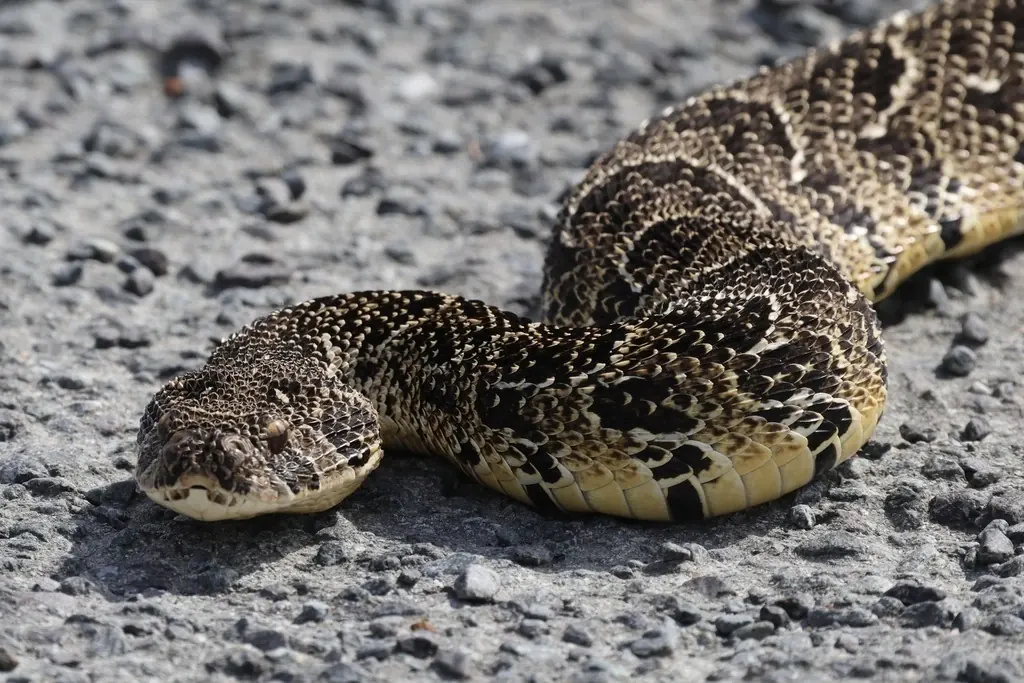
Bitis arietans. Identification follows the linked source community.

004 · Viperidae

Puff Adder

Bitis arietans

(MERREM, 1820)

VenomousClinical severity not established

Explicit country record in the current species treatment. The current taxonomic treatment explicitly lists this country. This is country-scale checklist evidence, not a claim of continuous occupancy or a complete regional inventory. Bolama: observation GBIF 6398960344 (2024). The original iNaturalist entry was rechecked for research-grade identification,…

Read the species account →

Cricket Raspet · CC BY 4.0 · https://creativecommons.org/licenses/by/4.0/

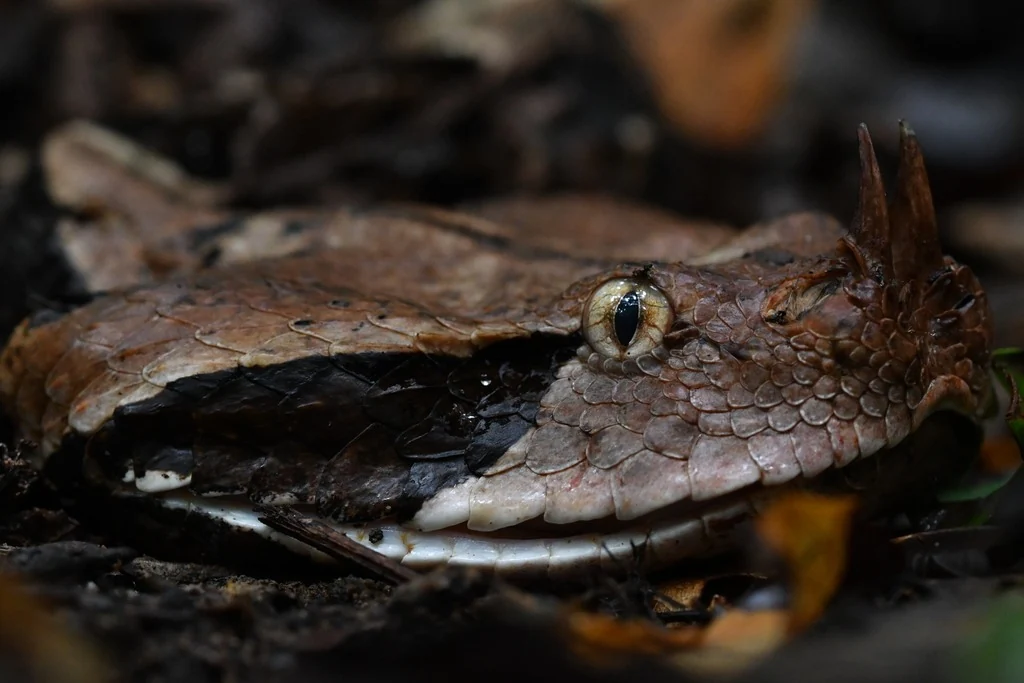
Bitis rhinoceros; Cavally, Côte d'Ivoire; photographed 2022-08-14.

005 · Viperidae

Species account

Bitis rhinoceros

(SCHLEGEL, 1855)

VenomousClinical severity not established

The current taxonomic treatment explicitly lists this country. This is country-scale checklist evidence, not a claim of continuous occupancy or a complete regional inventory.

Read the species account →

no rights reserved · CC0 · https://creativecommons.org/publicdomain/zero/1.0/

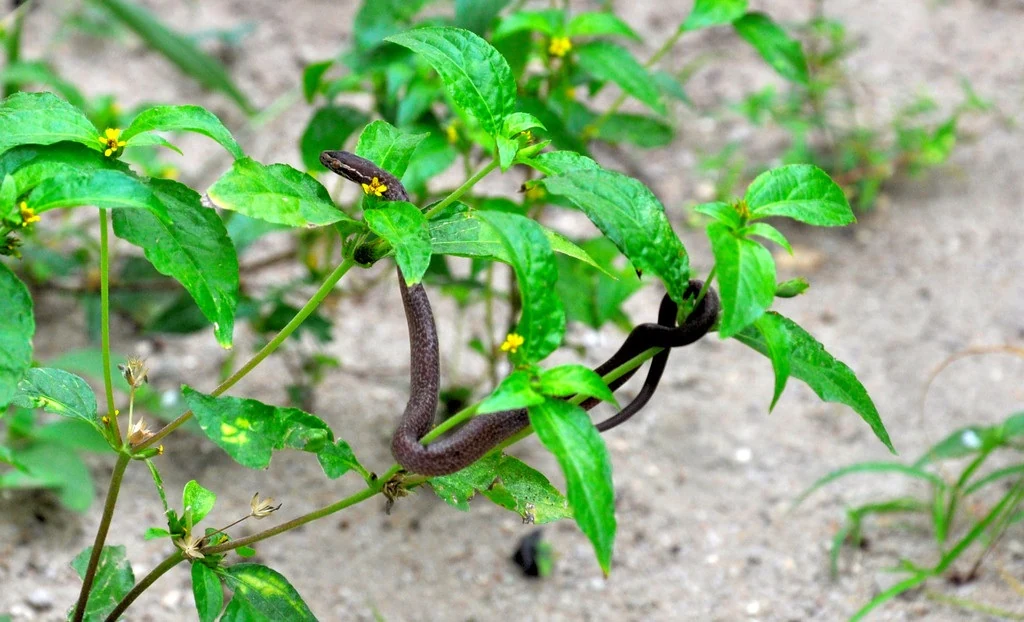
Boaedon fuliginosus, photographed 2020-08-12. Identification follows the linked research-grade observation.

006 · Lamprophiidae

Brown House Snake, African House Snake

Boaedon fuliginosus

(BOIE, 1827)

Non-venomous

Listed in the reviewed taxonomic treatment. The current taxonomic treatment explicitly lists this country. This is country-scale checklist evidence, not a claim of continuous occupancy or a complete regional inventory. Biombo: museum voucher MUHNAC IICT/R 102-1945 (1945). The museum record's reported coordinate uncertainty footprint lies within the…

Read the species account →

Diossina · CC BY 4.0 · https://creativecommons.org/licenses/by/4.0/

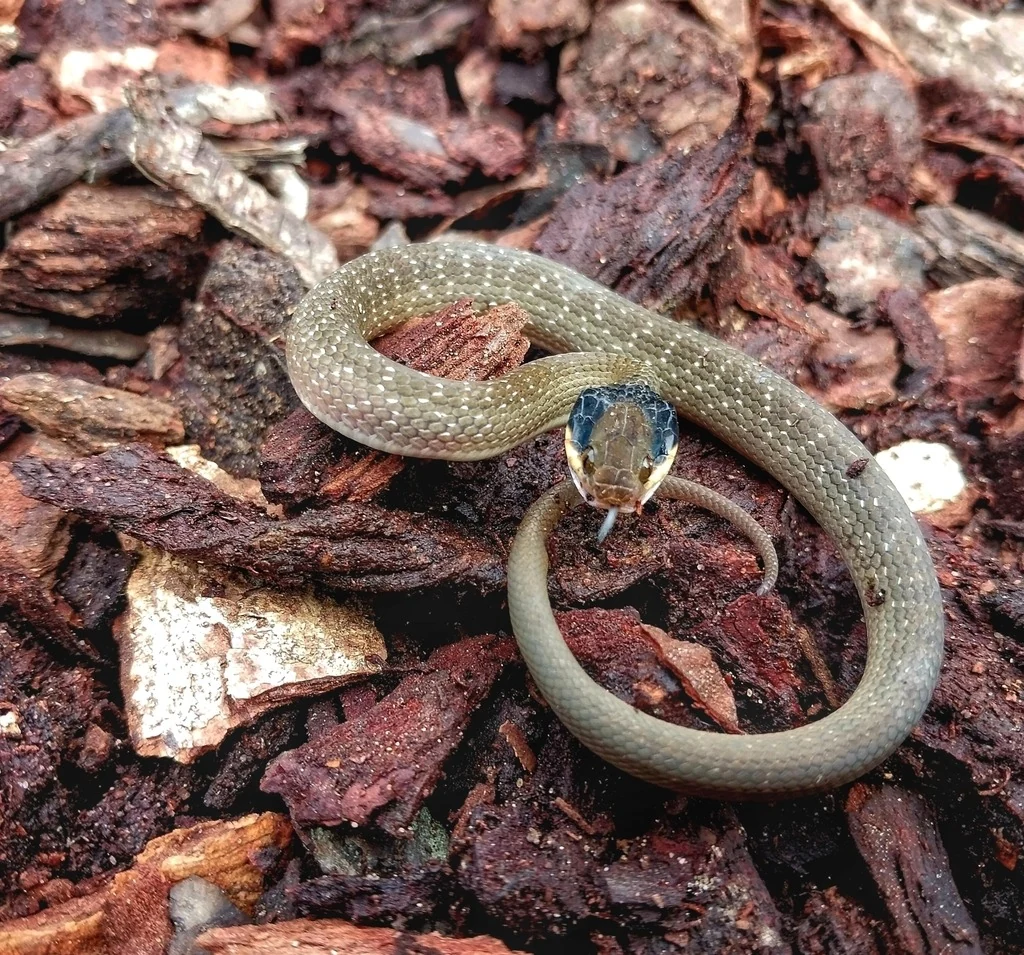
Crotaphopeltis hotamboeia; Campher's Drift, George, 6529, South Africa; photographed 2023-10-13.

008 · Colubridae

White-lipped Herald Snake, Red-lipped Snake

Crotaphopeltis hotamboeia

(LAURENTI, 1768)

Venom unknownNot yet assessed

Auliya et al. (2012) explicitly list Crotaphopeltis hotamboeia from Bissau and Cacheu in the country checklist appendix. This adds a supported country occurrence to the existing shared identity, not a separate species. Auliya et al. (2012), p.278: Bissau and Cacheu are explicitly listed from historical collections and literature. These named-town records…

Read the species account →

no rights reserved · CC0 · https://creativecommons.org/publicdomain/zero/1.0/

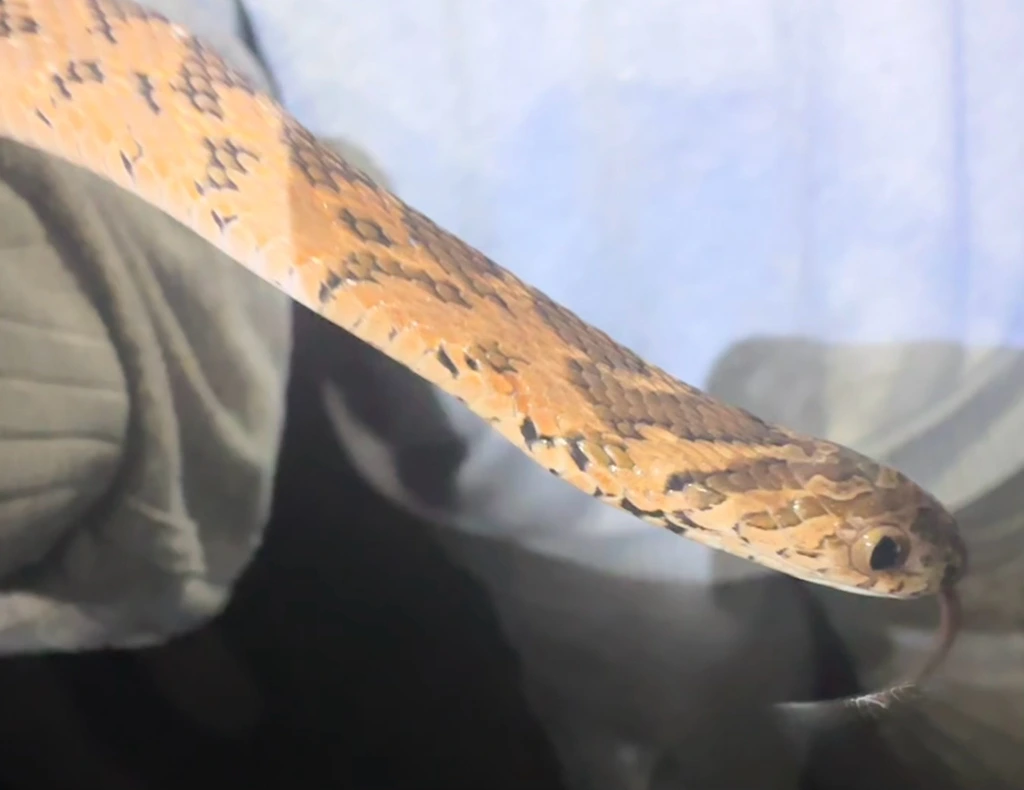
Dasypeltis confusa. Photographed through a transparent container in Angola; this is a handled specimen portrait. Original observation dated 2024-10-30; this portrait does not establish occurrence in other countries.

009 · Colubridae

Diamond-back Egg-eater, Confusing Egg Eater

Dasypeltis confusa

TRAPE & MANÉ, 2006

Venom unknownNot yet assessed

The current taxonomic treatment explicitly lists this country. This is country-scale checklist evidence, not a claim of continuous occupancy or a complete regional inventory.

Read the species account →

Robert Taylor · CC BY 4.0 · https://creativecommons.org/licenses/by/4.0/

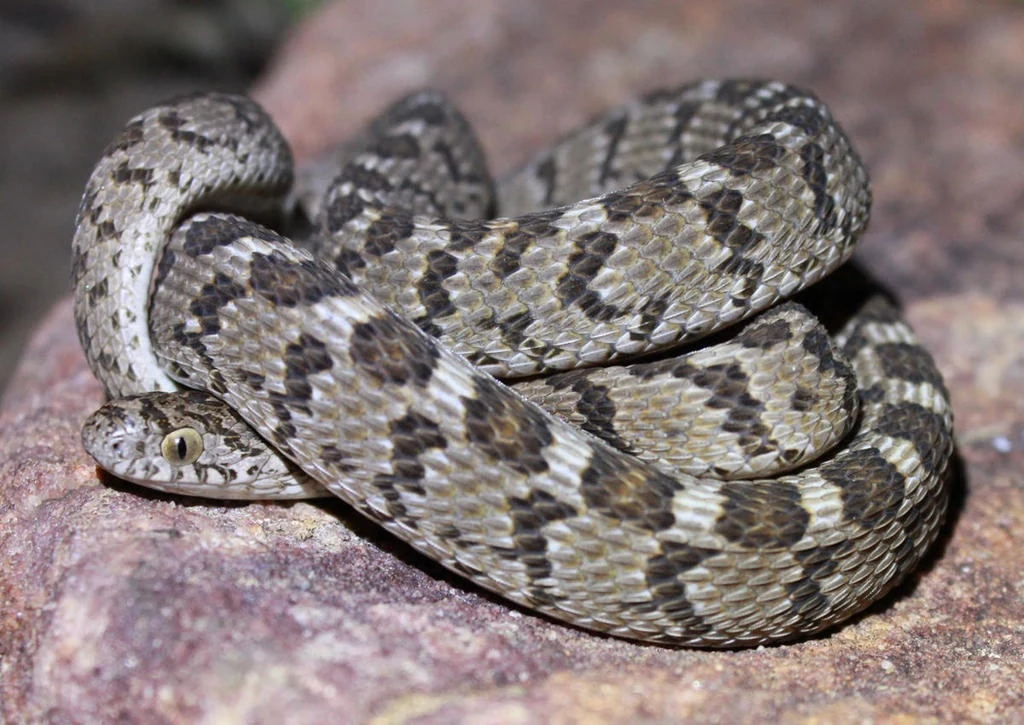
Dasypeltis scabra, photographed 2014-12-15. Identification follows the linked research-grade observation.

011 · Colubridae

Common Egg Eater, Rhombic Egg Eater

Dasypeltis scabra

(LINNAEUS, 1758)

Venom unknownNot yet assessed

The current taxonomic treatment explicitly lists this country. This is country-scale checklist evidence, not a claim of continuous occupancy or a complete regional inventory.

Read the species account →

Ryan van Huyssteen · CC BY 4.0 · https://creativecommons.org/licenses/by/4.0/

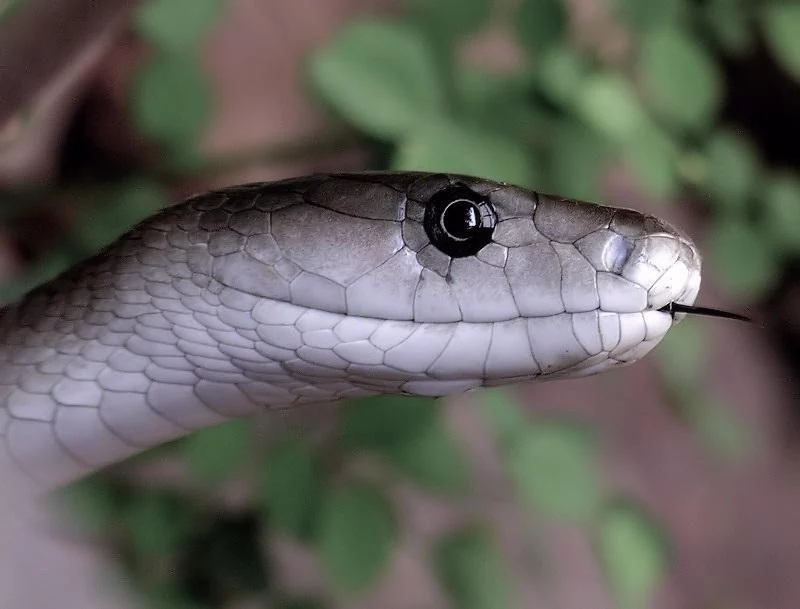
Dendroaspis polylepis; Blyde River bushveld and wetlands near Hoedspruit: Grassy woodland interspersed with seasonal pans, vleis and river channels.; photographed 2014-10-03.

012 · Elapidae

Black Mamba

Dendroaspis polylepis

GÜNTHER, 1864

VenomousPotentially life-threatening

The current taxonomic treatment explicitly lists this country. This is country-scale checklist evidence, not a claim of continuous occupancy or a complete regional inventory.

Read the species account →

Wynand Uys · CC BY 4.0 · https://creativecommons.org/licenses/by/4.0/

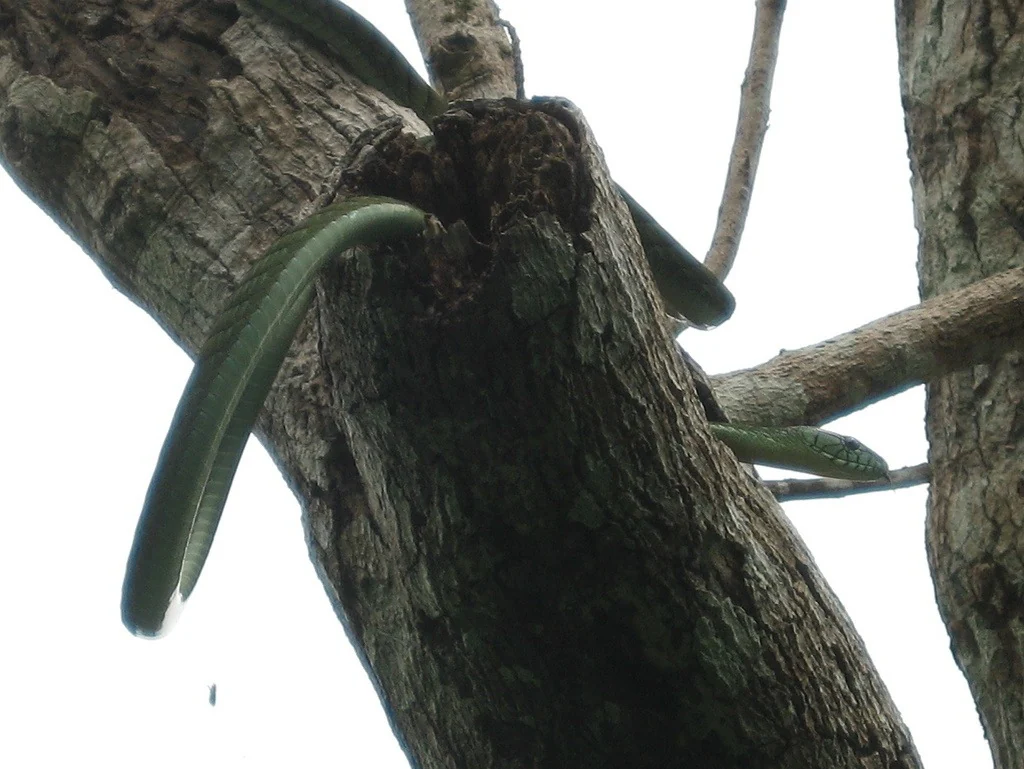
Dendroaspis viridis; Wassa West, Ghana; photographed 2007-08-21.

013 · Elapidae

Western Green Mamba

Dendroaspis viridis

(HALLOWELL, 1844)

VenomousClinical severity not established

The current taxonomic treatment explicitly lists this country. This is country-scale checklist evidence, not a claim of continuous occupancy or a complete regional inventory.

Read the species account →

B. Phalan · CC BY 4.0 · https://creativecommons.org/licenses/by/4.0/

Elapsoidea semiannulata; Yankari, Nigéria; photographed 2008-07-15.

014 · Elapidae

Angolan Garter Snake

Elapsoidea semiannulata

BOCAGE, 1882

VenomousClinical severity not established

The current taxonomic treatment explicitly lists this country. This is country-scale checklist evidence, not a claim of continuous occupancy or a complete regional inventory. Tombali: observation GBIF 4863727708 (2022). The original iNaturalist entry was rechecked for research-grade identification, wild status and unrestricted coordinates; its reported…

Read the species account →

Fábio Olmos · CC BY 4.0 · https://creativecommons.org/licenses/by/4.0/

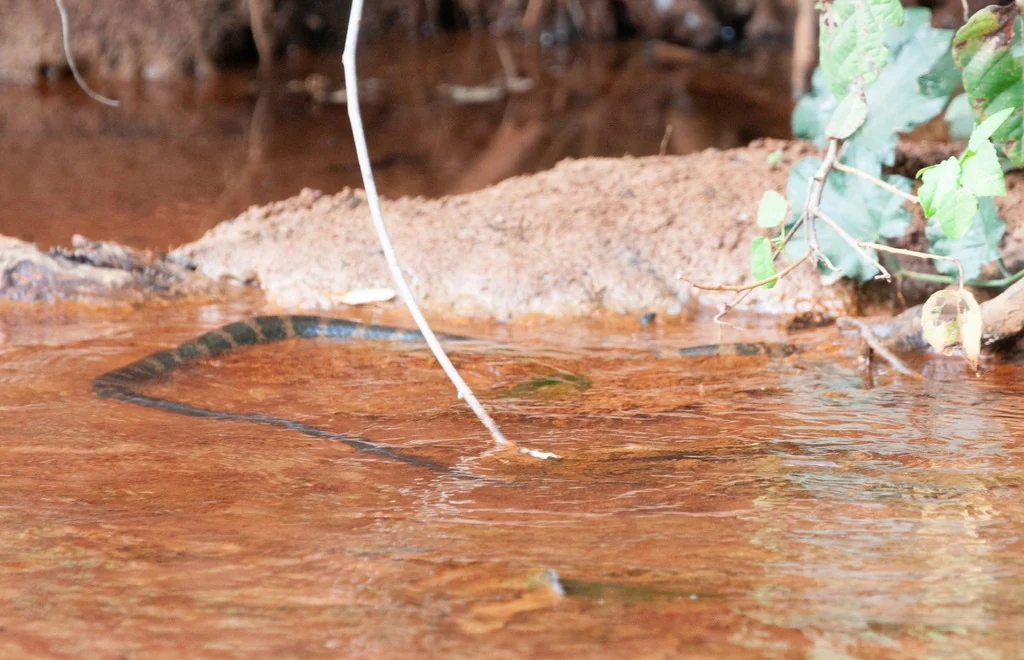
Grayia smithii; Forêt Classée du Kou, Burkina Faso; photographed 2010-02-09.

016 · Colubridae

Smith's African Water Snake

Grayia smithii

(LEACH, 1818)

Venom unknownNot yet assessed

The current taxonomic treatment explicitly lists this country. This is country-scale checklist evidence, not a claim of continuous occupancy or a complete regional inventory. Auliya et al. (2012), p.278: Madina do Boé and Bissau are listed; the authors distinguish these records from G. tholloni using scalation. Historical named-locality evidence.

Read the species account →

martin ingemansson · CC BY 4.0 · https://creativecommons.org/licenses/by/4.0/

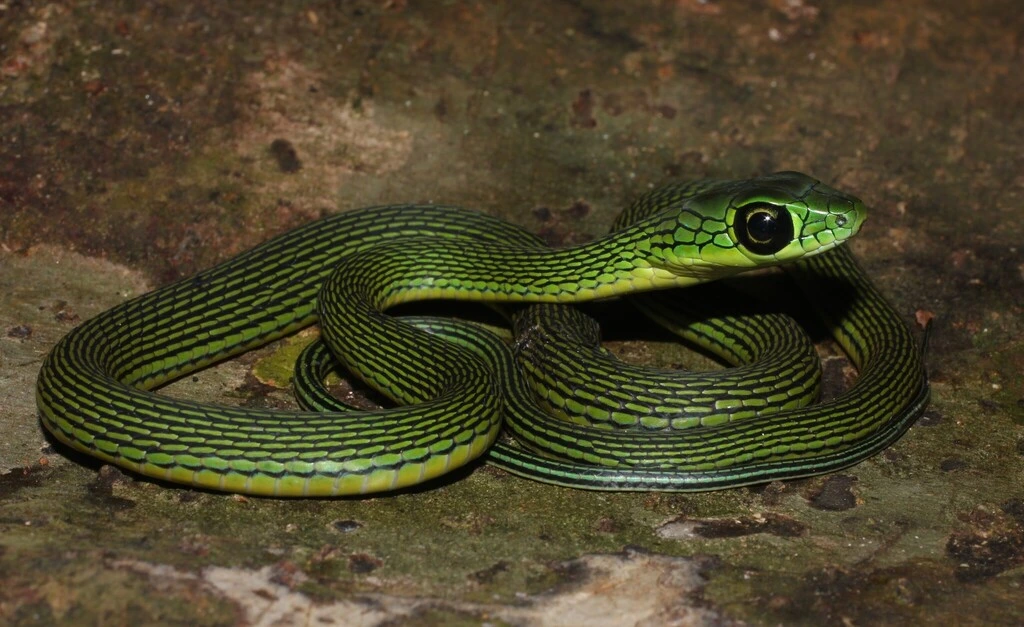
Hapsidophrys lineata. Specimen portrait from Liberia; another frame in the observation shows the animal being held. Original observation dated 2021-10-26; this portrait does not establish occurrence in other countries.

017 · Colubridae

Black-lined Green Snake

Hapsidophrys lineata

FISCHER, 1856

Venom unknownNot yet assessed

The current taxonomic treatment explicitly lists this country. This is country-scale checklist evidence, not a claim of continuous occupancy or a complete regional inventory.

Read the species account →

Ryan van Huyssteen · CC BY 4.0 · https://creativecommons.org/licenses/by/4.0/

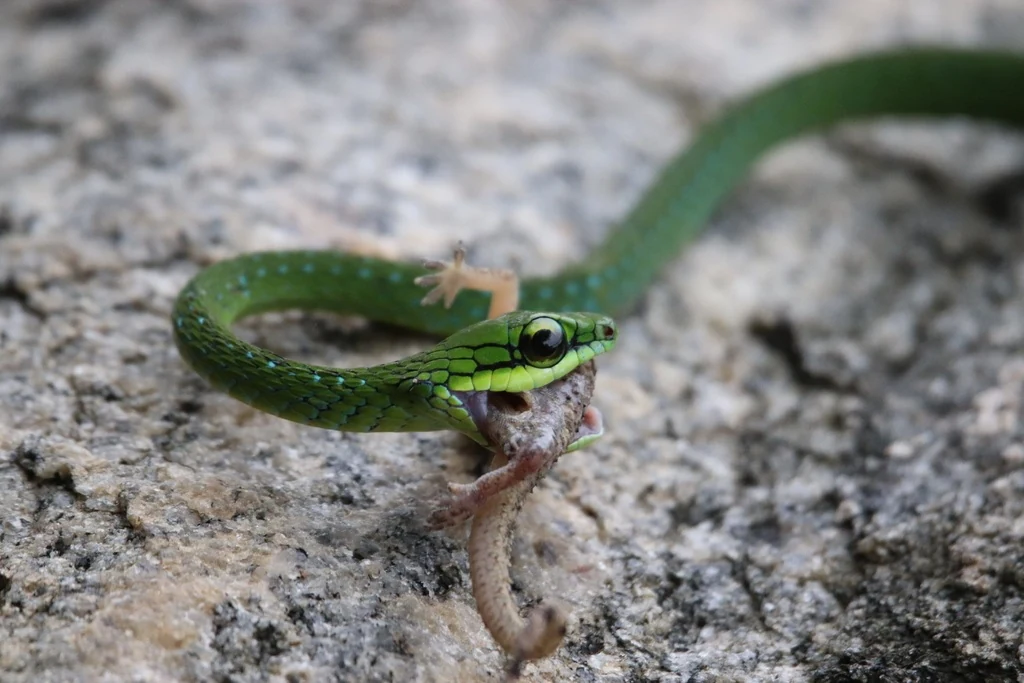
Hapsidophrys smaragdina, photographed 2022-06-25. Identification follows the linked research-grade observation.

018 · Colubridae

Emerald Snake

Hapsidophrys smaragdina

(SCHLEGEL, 1837)

Venom unknownNot yet assessed

The current taxonomic treatment explicitly lists this country. This is country-scale checklist evidence, not a claim of continuous occupancy or a complete regional inventory.

Read the species account →

Roland Godon · CC BY 4.0 · https://creativecommons.org/licenses/by/4.0/

Mehelya stenophthalmus; Loandjili, CG-KO, CG; photographed 2014-05-03.

020 · Lamprophiidae

Small-eyed File Snake

Mehelya stenophthalmus

(MOCQUARD, 1887)

Non-venomous

The current taxonomic treatment explicitly lists this country. This is country-scale checklist evidence, not a claim of continuous occupancy or a complete regional inventory.

Read the species account →

no rights reserved · CC0 · https://creativecommons.org/publicdomain/zero/1.0/

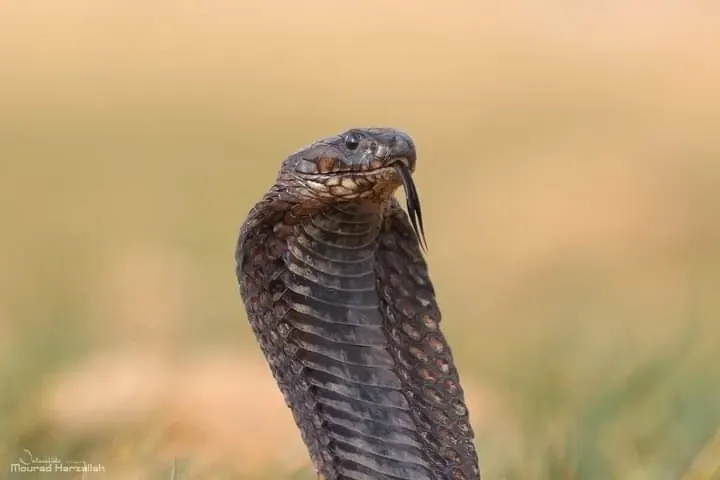
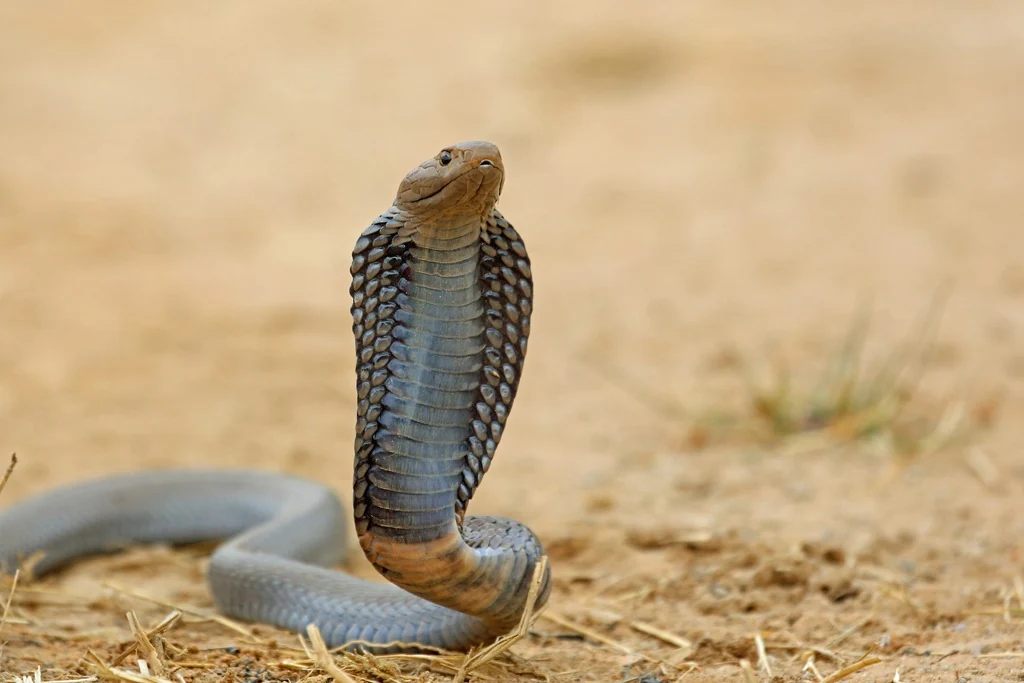
Naja haje. Identification follows the linked source community.

022 · Elapidae

Egyptian Cobra

Naja haje

(LINNAEUS, 1758)

VenomousClinical severity not established

The current taxonomic treatment explicitly lists this country. This is country-scale checklist evidence, not a claim of continuous occupancy or a complete regional inventory.

Read the species account →

Mourad Harzallah · CC BY 4.0 · https://creativecommons.org/licenses/by/4.0/

Naja nigricollis; Katanga Province, Democratic Republic of Congo; photographed 2014-08-20.

023 · Elapidae

Black-necked Spitting Cobra

Naja nigricollis

REINHARDT, 1843

VenomousClinical severity not established

The current taxonomic treatment explicitly lists this country. This is country-scale checklist evidence, not a claim of continuous occupancy or a complete regional inventory. Auliya et al. (2012), p.279: Buba and Bissau are explicitly listed in the locality synthesis. Historical published records, not a current census.

Read the species account →

Nigel Voaden · CC BY 4.0 · https://creativecommons.org/licenses/by/4.0/

The research library

Sources & the checklist.

This edition lists 37 species with supported country records from checked taxonomic treatments and cited field studies. It is not a claim of a complete national inventory. Each account retains its source and check date; individual evidence entries retain their own review dates.

Range and taxonomy review

Country links use a single accepted species identity. Revised names and disputed records are kept visible here; uncertain records do not enter the listed collection or regional totals.

Lycophidion semicinctum

Uncertain — excluded from the listed total

The checked treatment contains a conflicting, superseded or insufficiently corroborated country report. It is retained for review and excluded from positive counts; this is not an assertion of absence.

Source 1 ↗

How the map and counts work

Search results were checked against distribution text and taxonomic qualifications. A geographic name alone does not establish a political country: New Guinea, the Solomon archipelago and Micronesia span more than one country or territory. Introduced and unresolved records require separate interpretation.

Place counts require explicit named localities, including valid type localities. Counts can overlap where sources name multiple places. Regional maps group historical boundary snapshots for navigation, while island outlines use Natural Earth; neither is a species range or an observation map. Small islands can be below the outline dataset’s resolution, so geographic reference markers and the directory remain available.

OpenStreetMap, Wambacher; geoBoundaries gbOpen ADM1, 2017 snapshot; Open Data Commons Open Database License 1.0. Map provenance →
Exclusions & qualifications (1)

Lycophidion semicinctum

The checked treatment contains a conflicting, superseded or insufficiently corroborated country report. It is retained for review and excluded from positive counts; this is not an assertion of absence.

Read source 1 ↗
  1. Map boundaries, snapshot and group membership ↗
  2. Convention on Biological Diversity · Guinea-Bissau national profile ↗
  3. The Reptile Database

    Individual treatments and locality evidence are linked from each species account.

  4. Meiri (2024): SquamBase 1.0

    Species-level literature measurements and ecological traits. Exact-name matches only; imputed or ambiguous fields are omitted. These summaries are not local observations.

  5. Natural Earth: public-domain geographic data

Continue through the Africa atlas →