

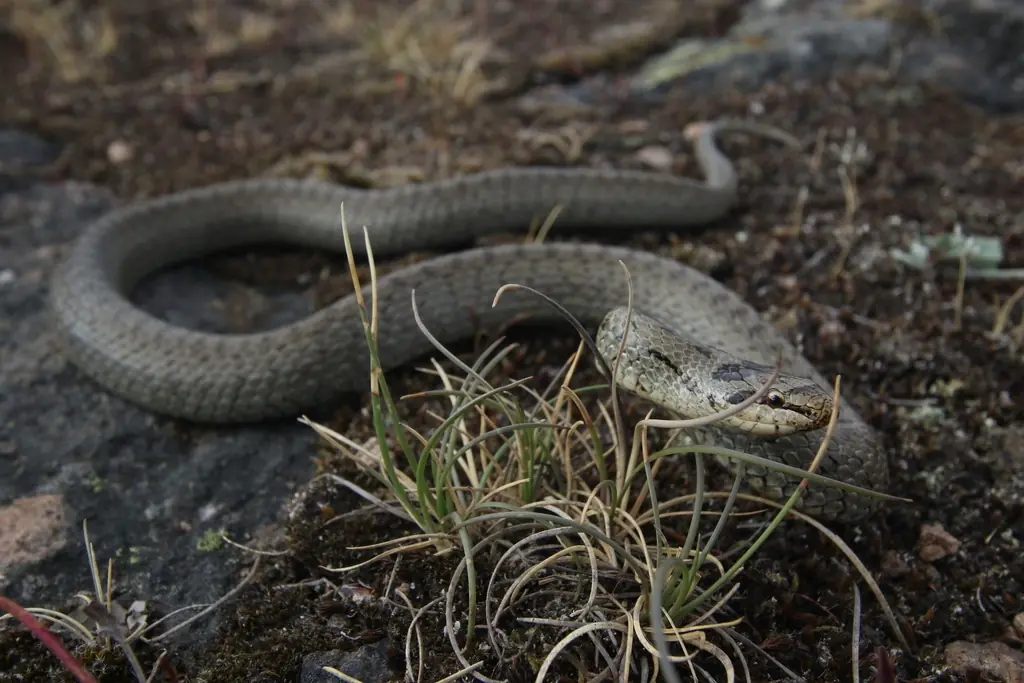
001 · Colubridae
Smooth Snake
Coronella austriaca
Venom unknownNot yet assessedCountry explicitly listed in the checked taxonomic treatment.
Read the species account →B. P. White · CC BY-SA 4.0 · https://creativecommons.org/licenses/by-sa/4.0/
Greece · The country atlas
Coastal development, cultivation and river management have shaped habitats; named sites are essential for interpreting local conditions. Explore the regional guides and country-scoped species records below.
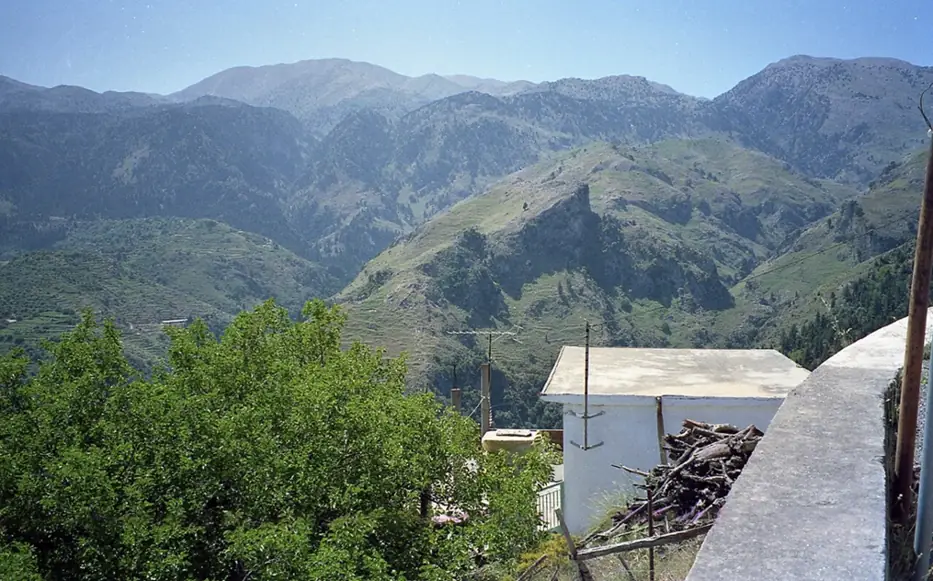
Mountain terrain on the approach to Samaria Gorge, Crete; the road and buildings are part of the photographed view.
Geography & biotopes
Coastal development, cultivation and river management have shaped habitats; named sites are essential for interpreting local conditions. Explore the regional guides and country-scoped species records below.
Regional groups retain the credited administrative snapshot. They are navigation areas, not ecological boundaries or claims of snake occurrence throughout each area.
Habitats & living landscapes
Explore 2 guides to the environments, places and conservation pressures that shape this country. Each guide connects to the regional map and shared species accounts.
Habitat · 01
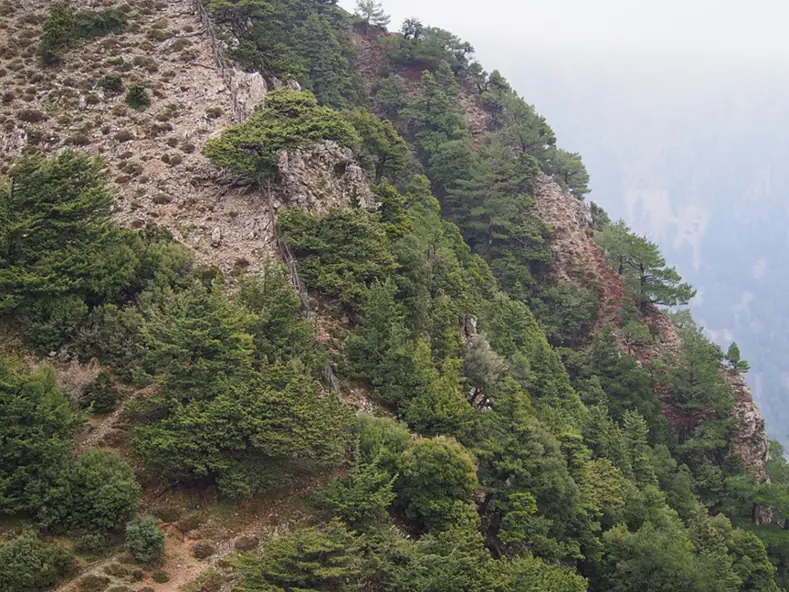
Explore Samaria mountain woodland through the documented landscape and its visible structure. The named example anchors this guide; it does not represent every habitat in the country.
Explore the habitat ↗Habitat · 02
Explore Samaria Gorge through the documented landscape and its visible structure. The named example anchors this guide; it does not represent every habitat in the country.
Explore the habitat ↗Cypress woodland on steep slopes at Xyloskalo, the northern entrance to Samaria Gorge, Crete, December 2014. — C messier. Original photograph · CC BY-SA 4.0. Cropped for the cards; photographs do not establish snake occurrence.
Mountain terrain on the approach to Samaria Gorge, Crete; the road and buildings are part of the photographed view. — Robert Linsdell from St. Andrews, Canada. Original photograph · CC BY 2.0. Cropped for the cards; photographs do not establish snake occurrence.
The species catalogue
Search scientific names, historical names, common names and families. Every card opens one shared account across its documented countries.
24 species · showing 24
001 · Colubridae
Smooth Snake
Country explicitly listed in the checked taxonomic treatment.
Read the species account →B. P. White · CC BY-SA 4.0 · https://creativecommons.org/licenses/by-sa/4.0/
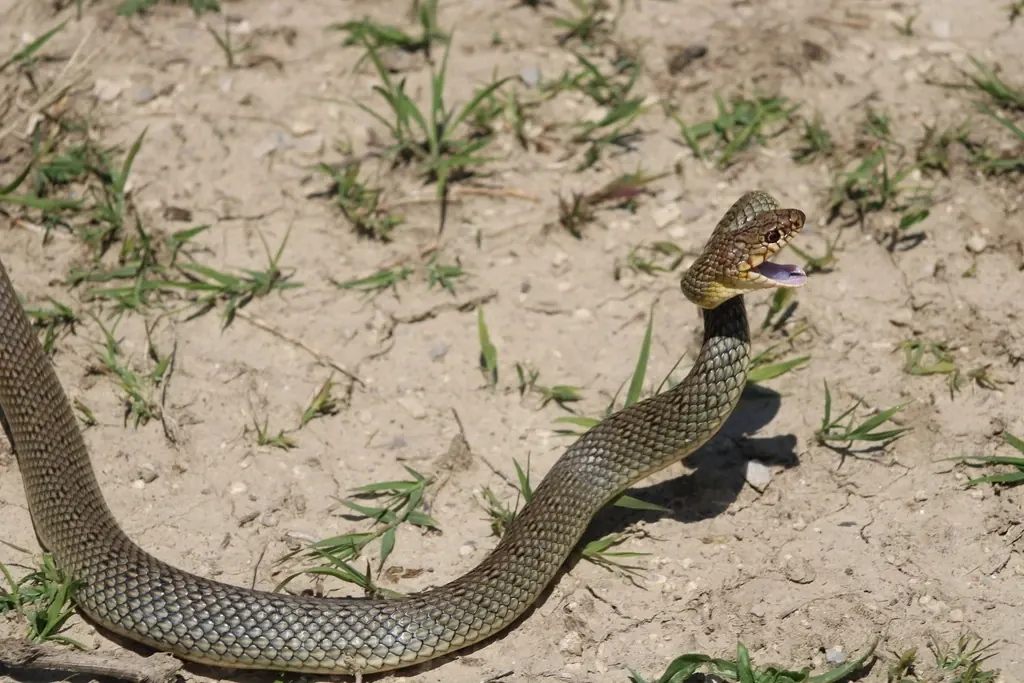
002 · Colubridae
Species account
Country explicitly listed in the checked taxonomic treatment.
Read the species account →Philip Schaffer · CC BY 4.0 · https://creativecommons.org/licenses/by/4.0/
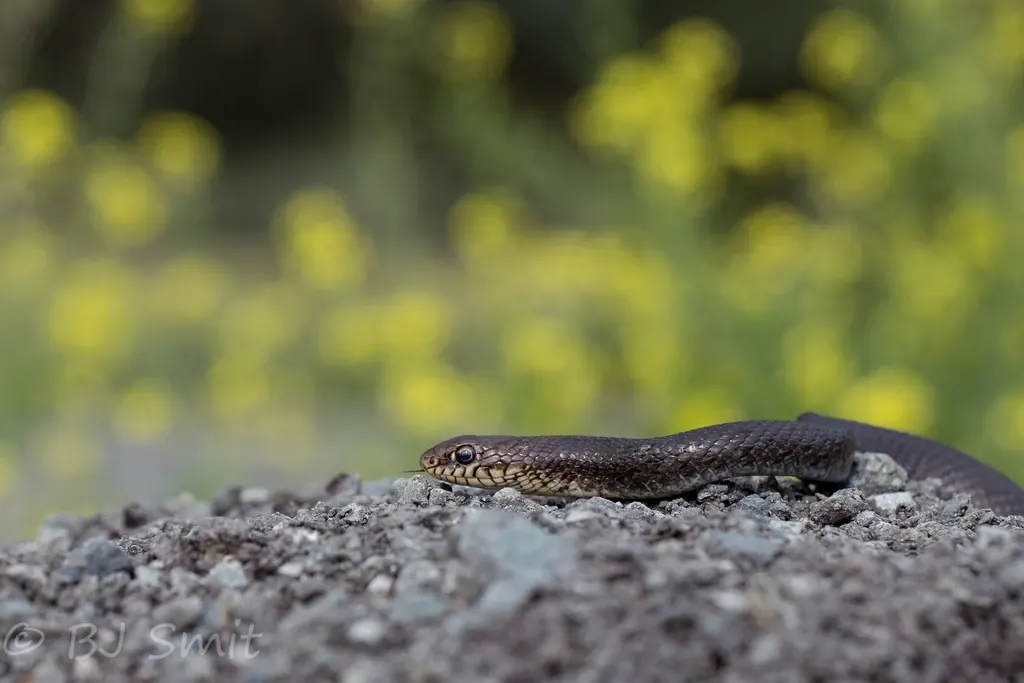
003 · Colubridae
Large Whip Snake
Country explicitly listed in the checked taxonomic treatment. Cattaneo examined snakes from these Dodecanese islands during fieldwork reported in 2018. Island records support the Aegean group, without implying occupancy of every island.
Read the species account →Bart · CC BY 4.0 · https://creativecommons.org/licenses/by/4.0/
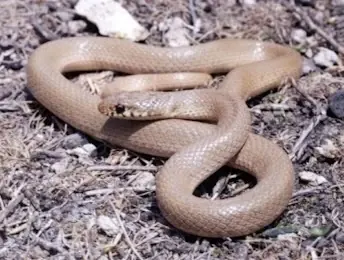
004 · Colubridae
Asia Minor Dwarf Racer
Country explicitly listed in the checked taxonomic treatment. The 2025 paper documents a Telendos observation during the April 2024 survey and illustrates a Kalymnos specimen. Both records belong to the Aegean region.
Read the species account →Tigran Tadevosyan · CC BY 4.0 · https://creativecommons.org/licenses/by/4.0/
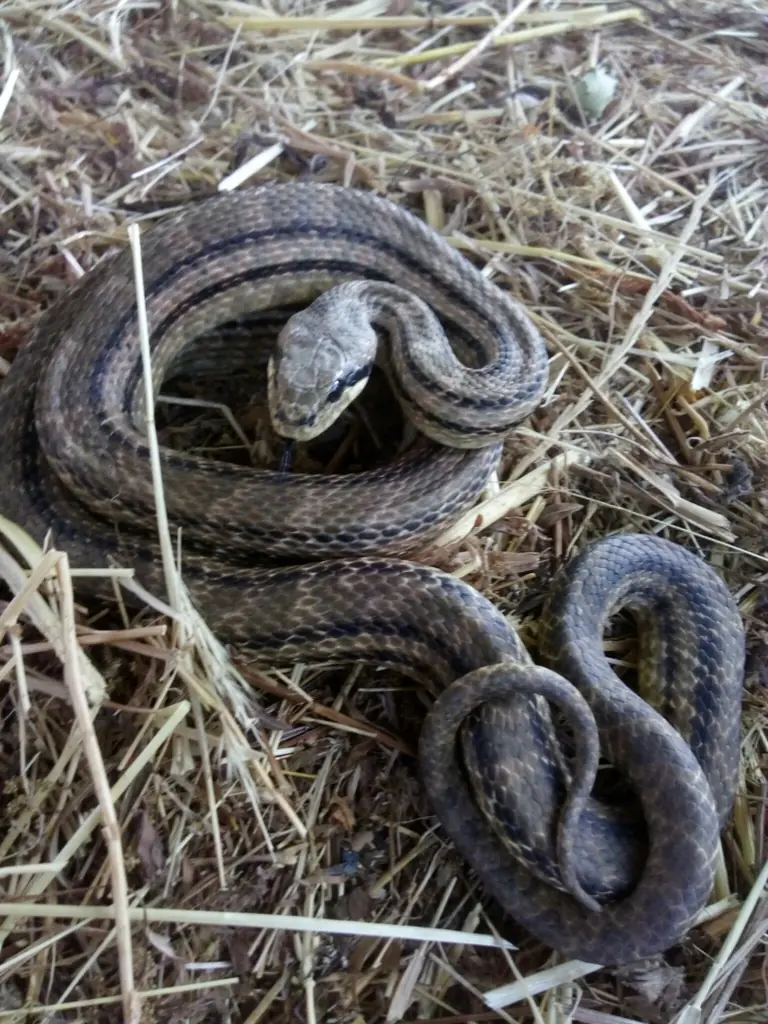
005 · Colubridae
Four-lined snake (or ratsnake)
Country explicitly listed in the checked taxonomic treatment.
Read the species account →andrea ungaro · CC BY 4.0 · https://creativecommons.org/licenses/by/4.0/
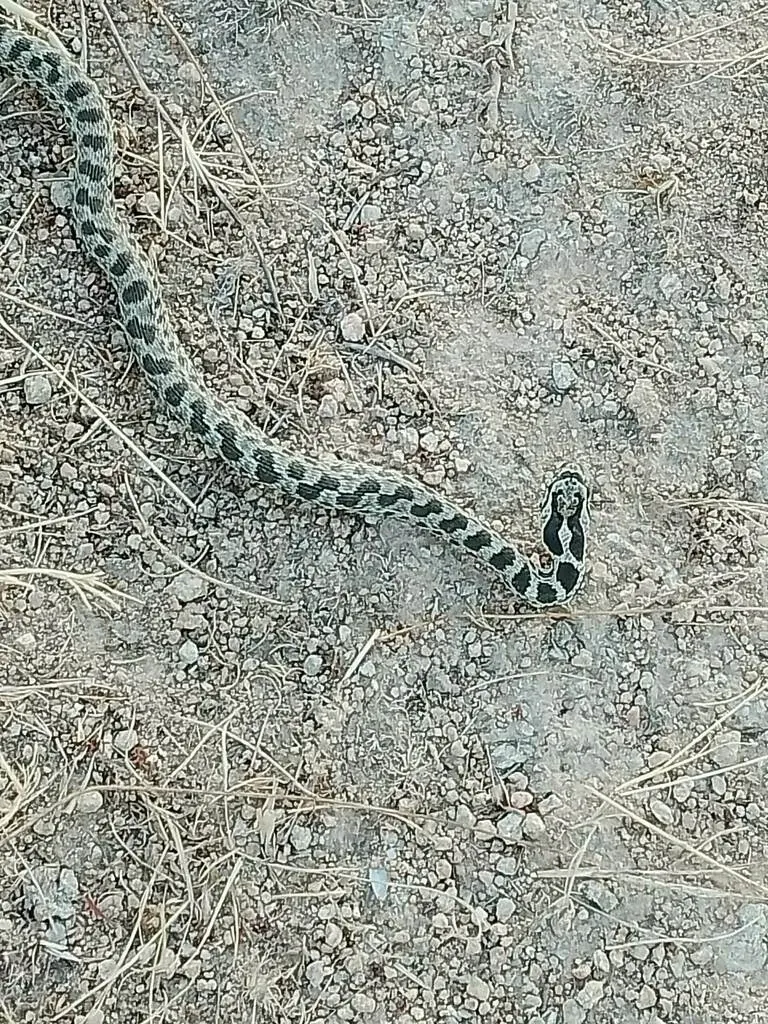
006 · Colubridae
Blotched rat snake, Sarmatian Rat Snake, Eastern Four-lined Ratsnake
Country explicitly listed in the checked taxonomic treatment.
Read the species account →SteveM4560 · CC BY 4.0 · https://creativecommons.org/licenses/by/4.0/
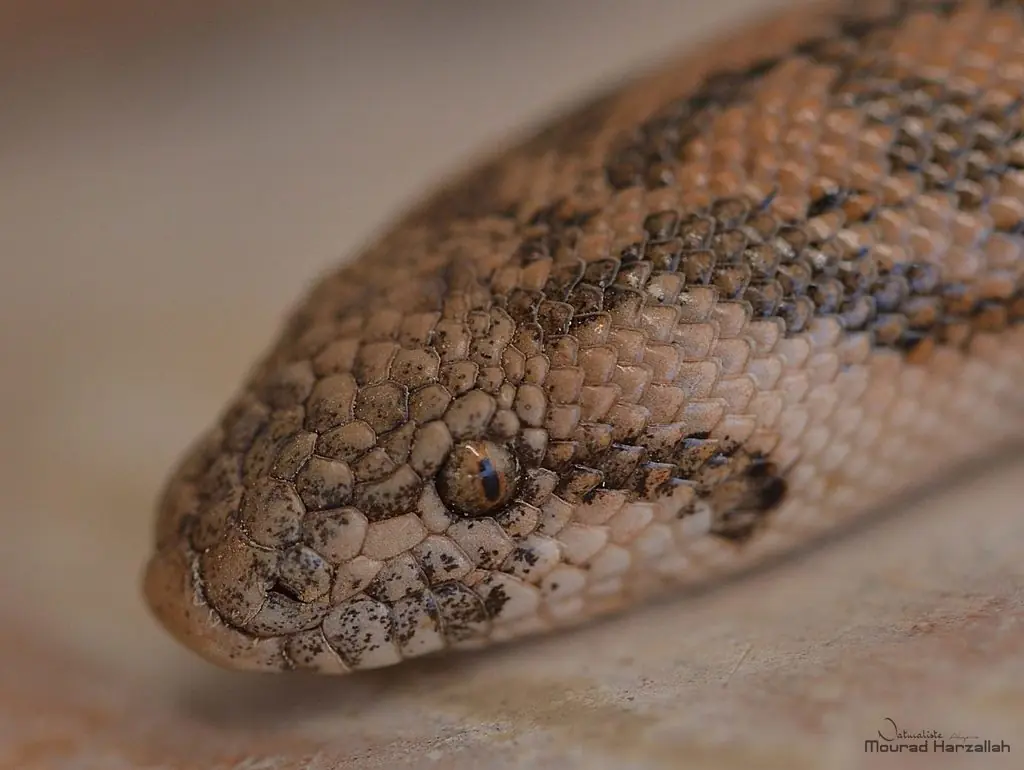
007 · Boidae
Javelin Sand Boa
Country explicitly listed in the checked taxonomic treatment.
Read the species account →Mourad Harzallah · CC BY 4.0 · https://creativecommons.org/licenses/by/4.0/
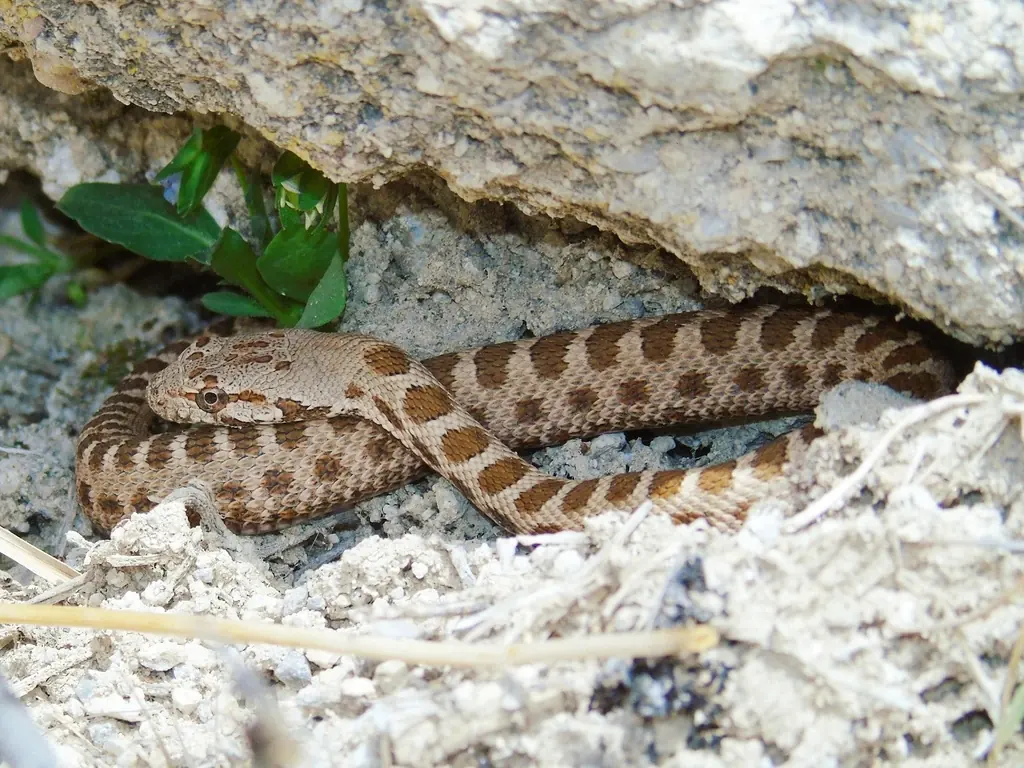
008 · Colubridae
Asian Racer, Coin-Marked Snake
Country explicitly listed in the checked taxonomic treatment. The paper documents a Chios adult in 2009 and a Samothrace juvenile in 2011. Samothrace belongs to the northern region; the authors left the origin of its population unresolved.
Read the species account →Kseniia Marianna Prondzynska · CC BY 4.0 · https://creativecommons.org/licenses/by/4.0/
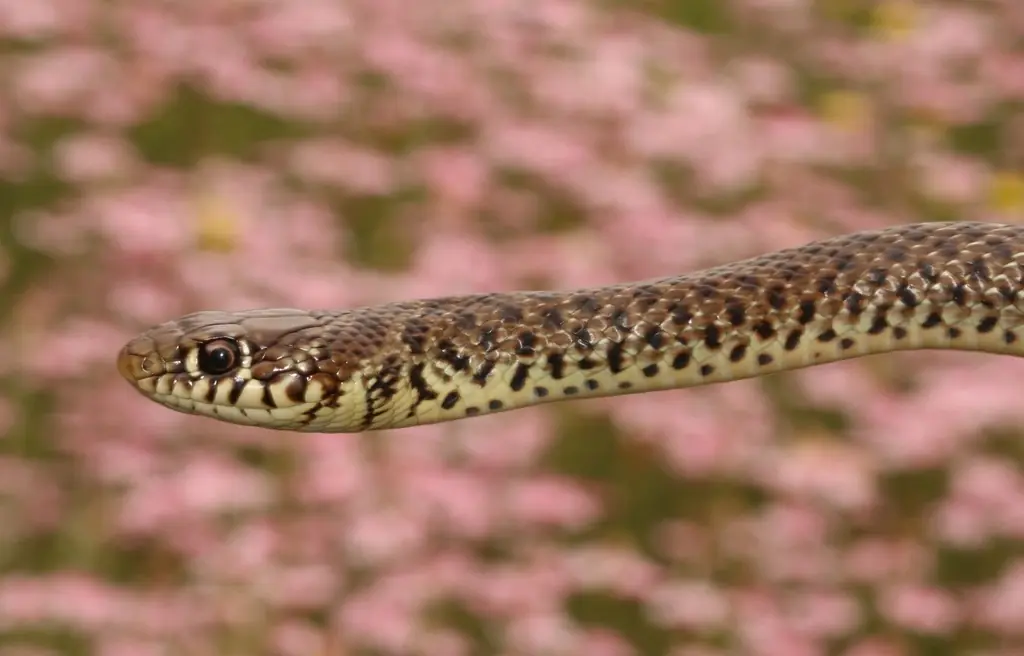
009 · Colubridae
Balkan Racer, Balkan Whip Snake
Country explicitly listed in the checked taxonomic treatment. Recorded during the May–June 2024 island survey. Recorded during the May–June 2024 island survey.
Read the species account →Ryan van Huyssteen · CC BY 4.0 · https://creativecommons.org/licenses/by/4.0/
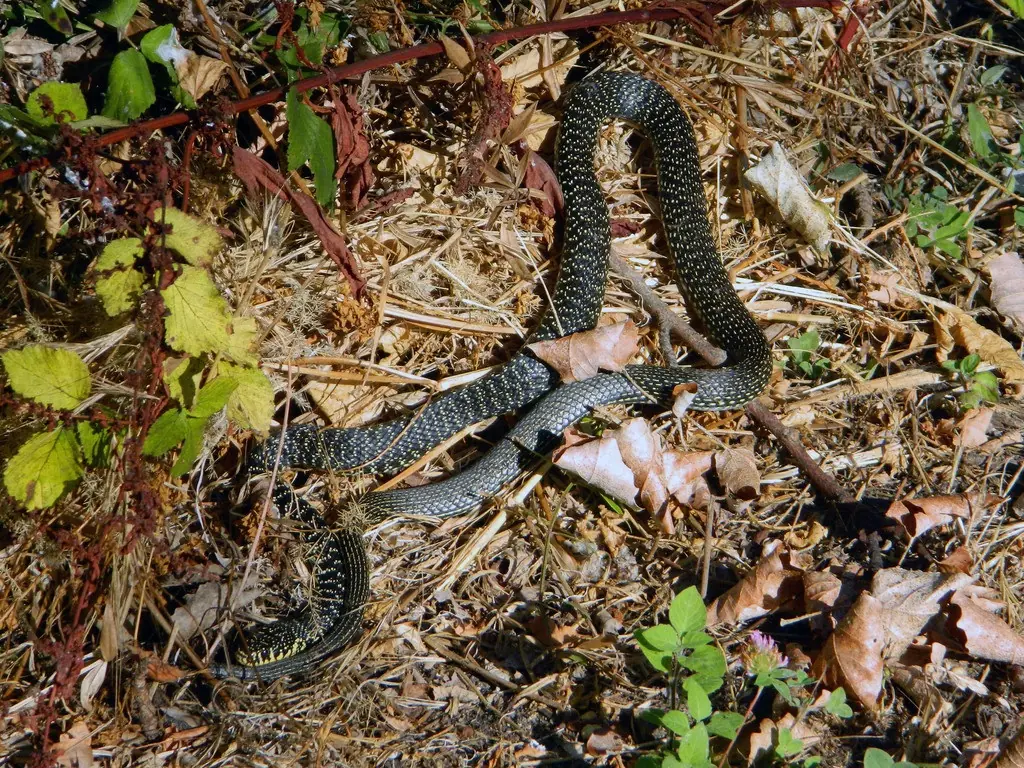
010 · Colubridae
Green Whip Snake, Western Whip Snake, Dark Green Snake
Country explicitly listed in the checked taxonomic treatment.
Read the species account →Louis Imbeau · CC BY 4.0 · https://creativecommons.org/licenses/by/4.0/
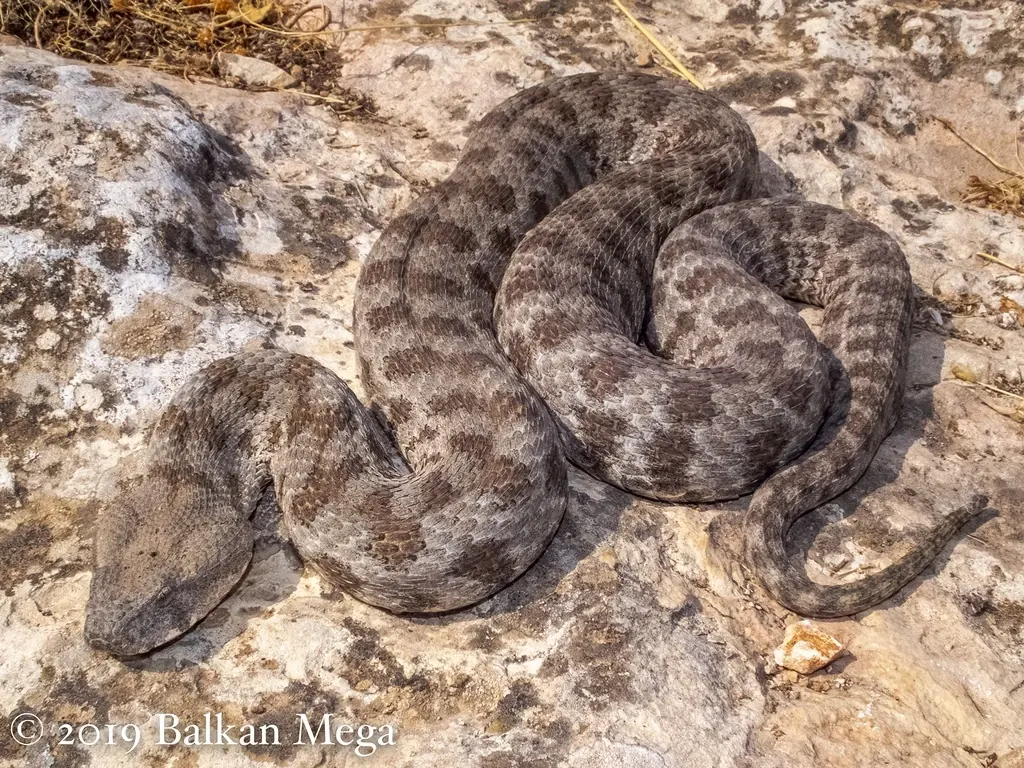
011 · Viperidae
Levantine Viper
Milos-group schweizeri populations follow the shared treatment as a subspecies; not counted again as a separate species. Field observations on Milos in September 2021 were published as Macrovipera schweizeri. They are linked here to the existing M. lebetinus profile following its schweizeri subspecies treatment; species rank remains disputed.
Read the species account →Balkan Mega · CC BY 4.0 · https://creativecommons.org/licenses/by/4.0/
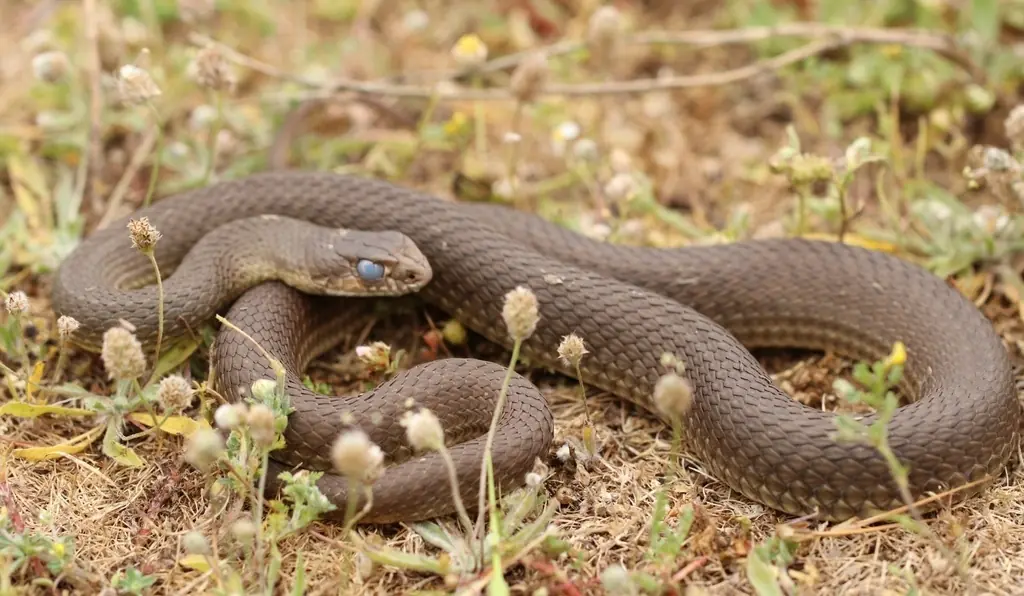
012 · Psammophiidae
Eastern Montpellier Snake
Country explicitly listed in the checked taxonomic treatment. Recorded during the May–June 2024 island survey. Recorded during the May–June 2024 island survey.
Read the species account →Ryan van Huyssteen · CC BY 4.0 · https://creativecommons.org/licenses/by/4.0/
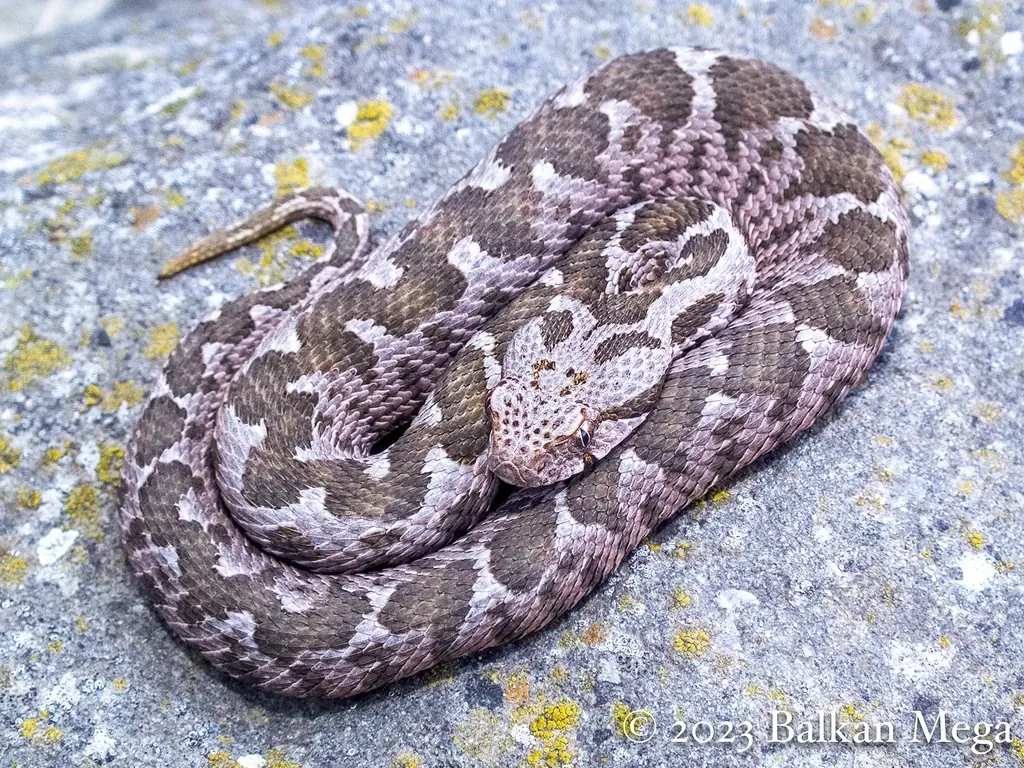
013 · Viperidae
Coastal Viper, Ottoman Viper
Country explicitly listed in the checked taxonomic treatment. Published field evidence includes Aggitis-area observations in 2024–2025 and a juvenile south of Maronia in June 2023. Sensitive precise coordinates are omitted.
Read the species account →Balkan Mega · CC BY 4.0 · https://creativecommons.org/licenses/by/4.0/
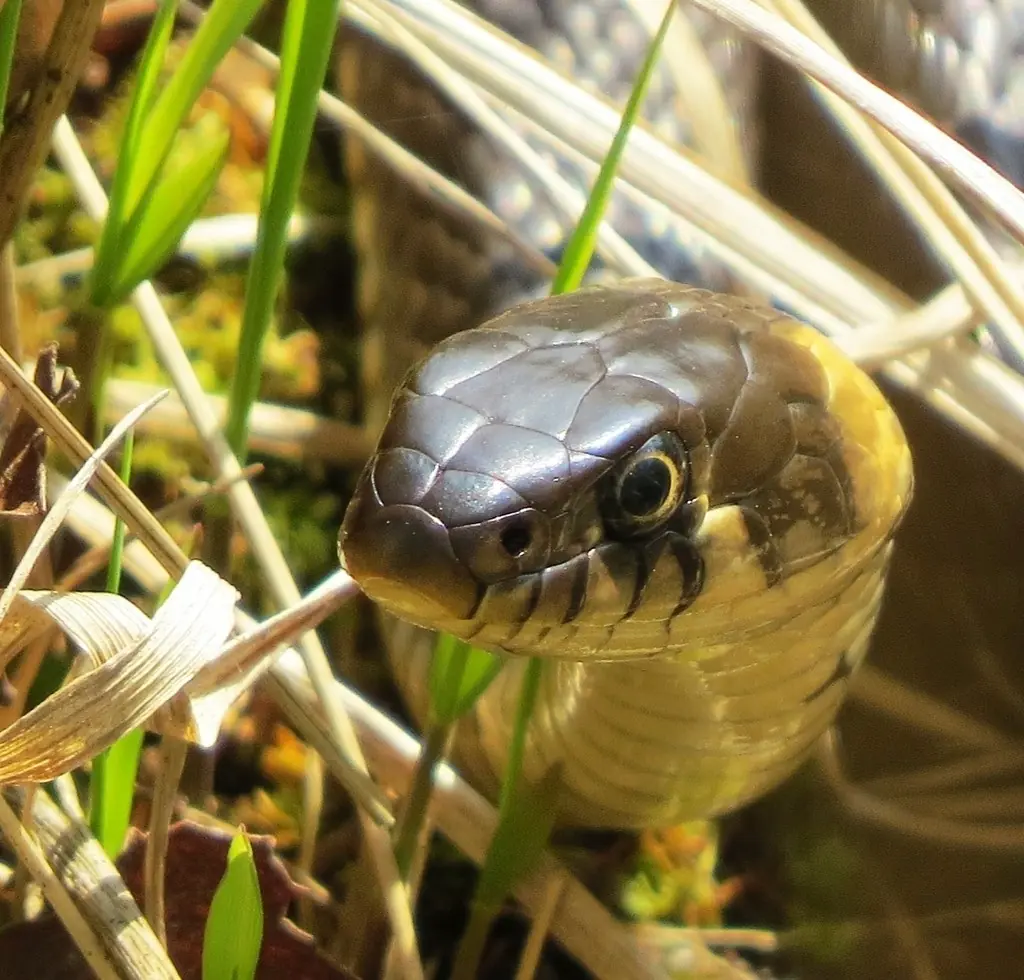
014 · Colubridae
Common Grass Snake
Country explicitly listed in the checked taxonomic treatment.
Read the species account →Micha Baum · CC BY-SA 4.0 · https://creativecommons.org/licenses/by-sa/4.0/
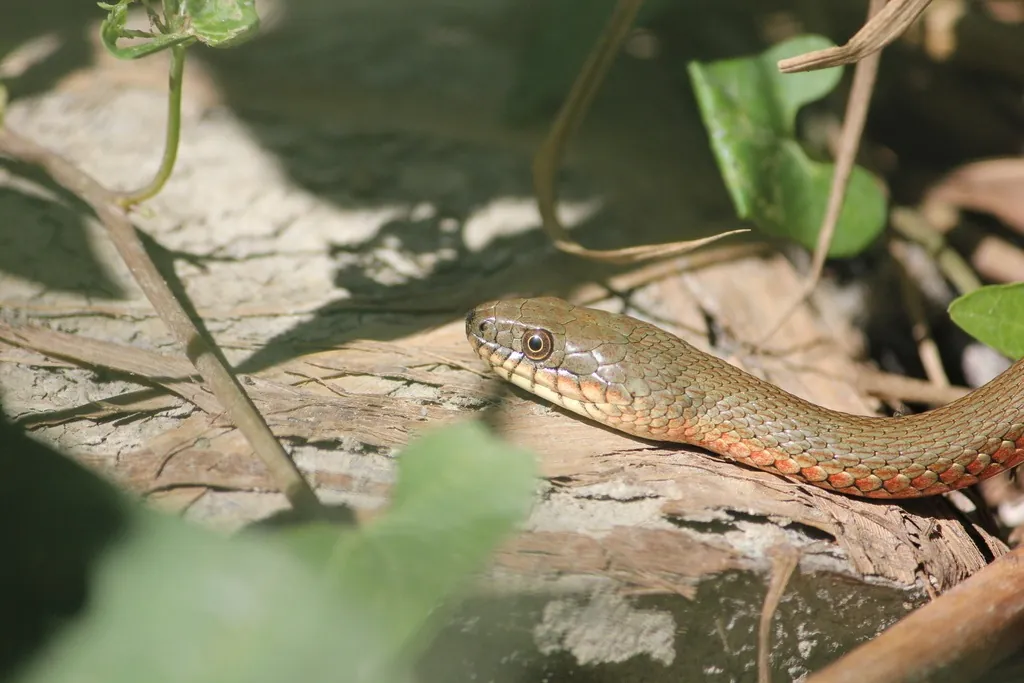
015 · Colubridae
Dice Snake
Country explicitly listed in the checked taxonomic treatment.
Read the species account →KsenoSnake · CC0 1.0 · https://creativecommons.org/publicdomain/zero/1.0/
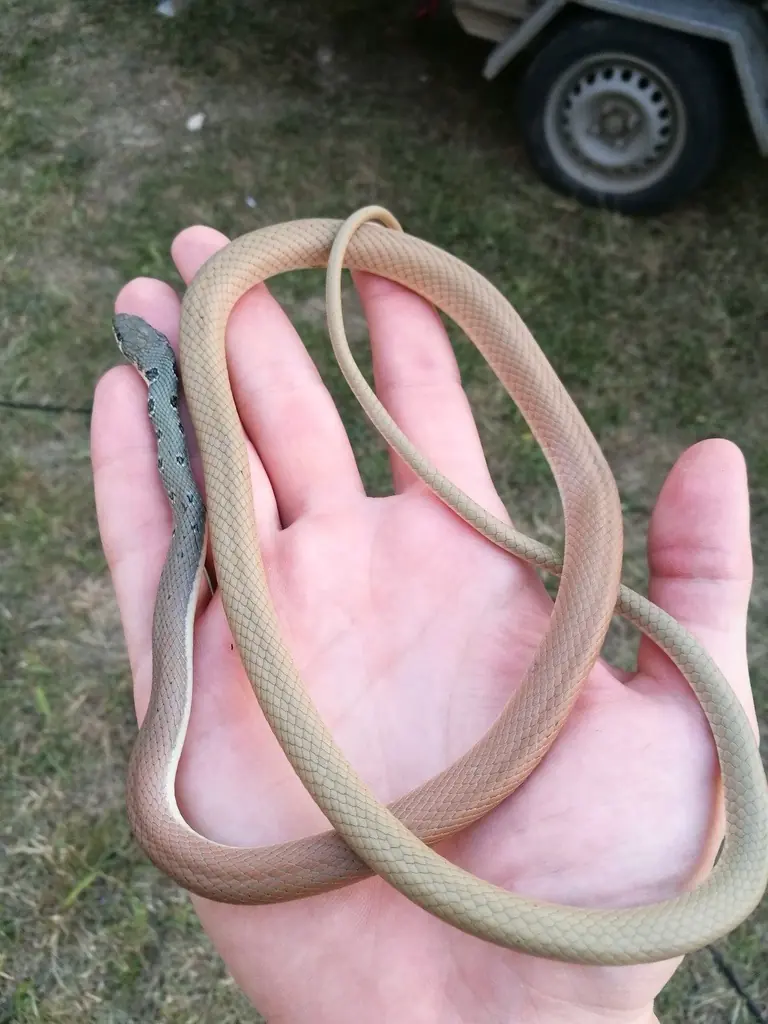
016 · Colubridae
Slender Whip Snake, Dahl’s Whip Snake
Country explicitly listed in the checked taxonomic treatment. Recorded during the May–June 2024 island survey. Recorded during the May–June 2024 island survey.
Read the species account →Matej Vucić · CC BY 4.0 · https://creativecommons.org/licenses/by/4.0/
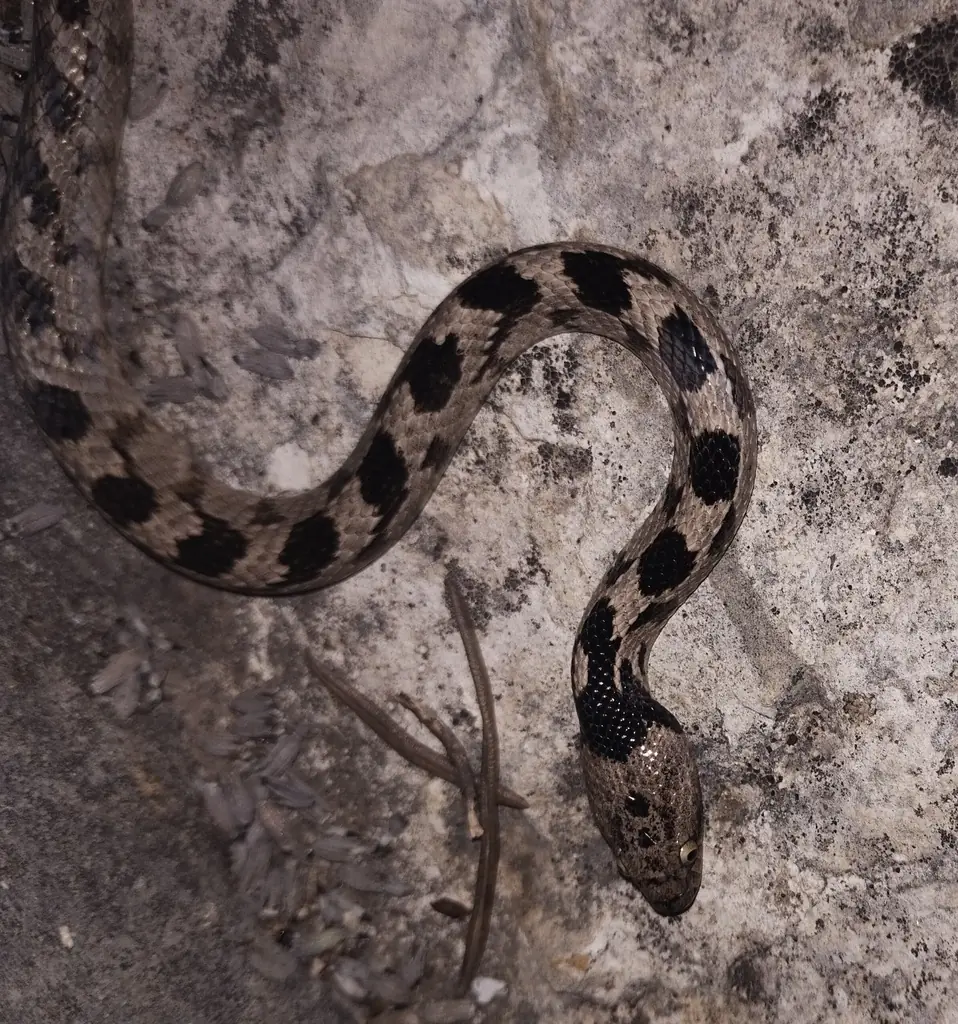
017 · Colubridae
Mediterranean Cat Snake, European Catsnake
Country explicitly listed in the checked taxonomic treatment.
Read the species account →Karlo Ostojcic · CC BY 4.0 · https://creativecommons.org/licenses/by/4.0/
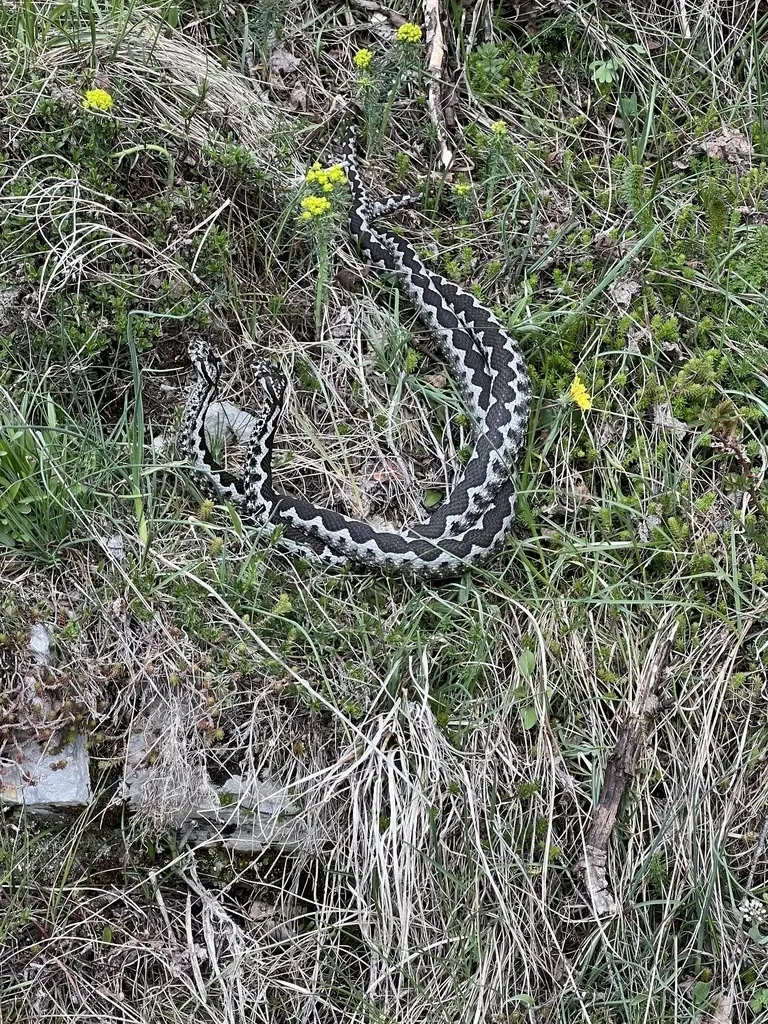
018 · Viperidae
Nose-horned Viper, Sand Viper
Country explicitly listed in the checked taxonomic treatment.
Read the species account →Mirko Ubović · CC0 1.0 · https://creativecommons.org/publicdomain/zero/1.0/
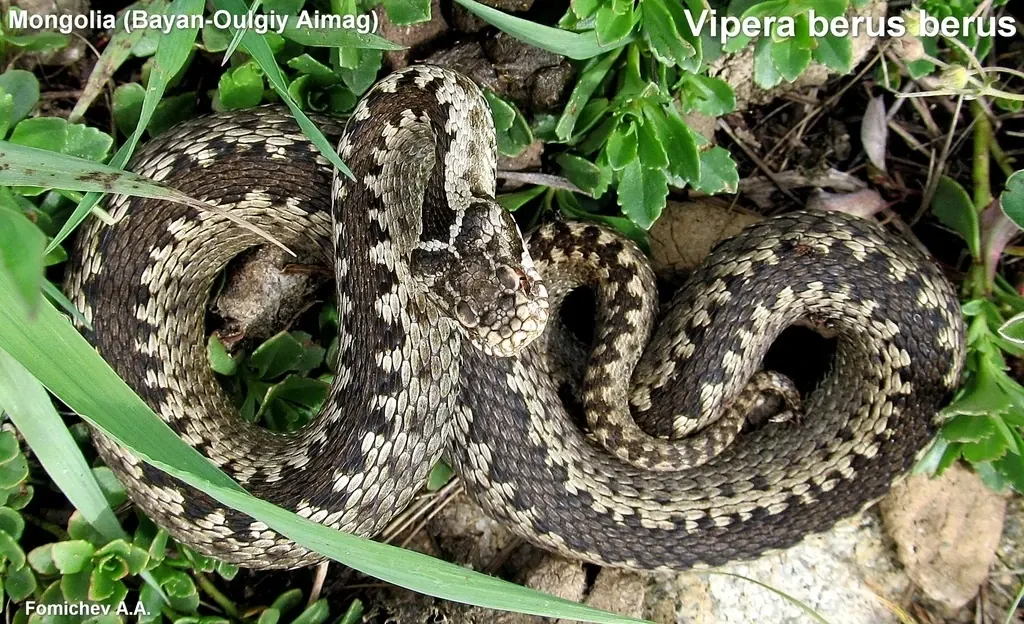
019 · Viperidae
Adder, Northern Viper
Country explicitly listed in the checked taxonomic treatment.
Read the species account →Alexander A. Fomichev · CC BY 4.0 · https://creativecommons.org/licenses/by/4.0/
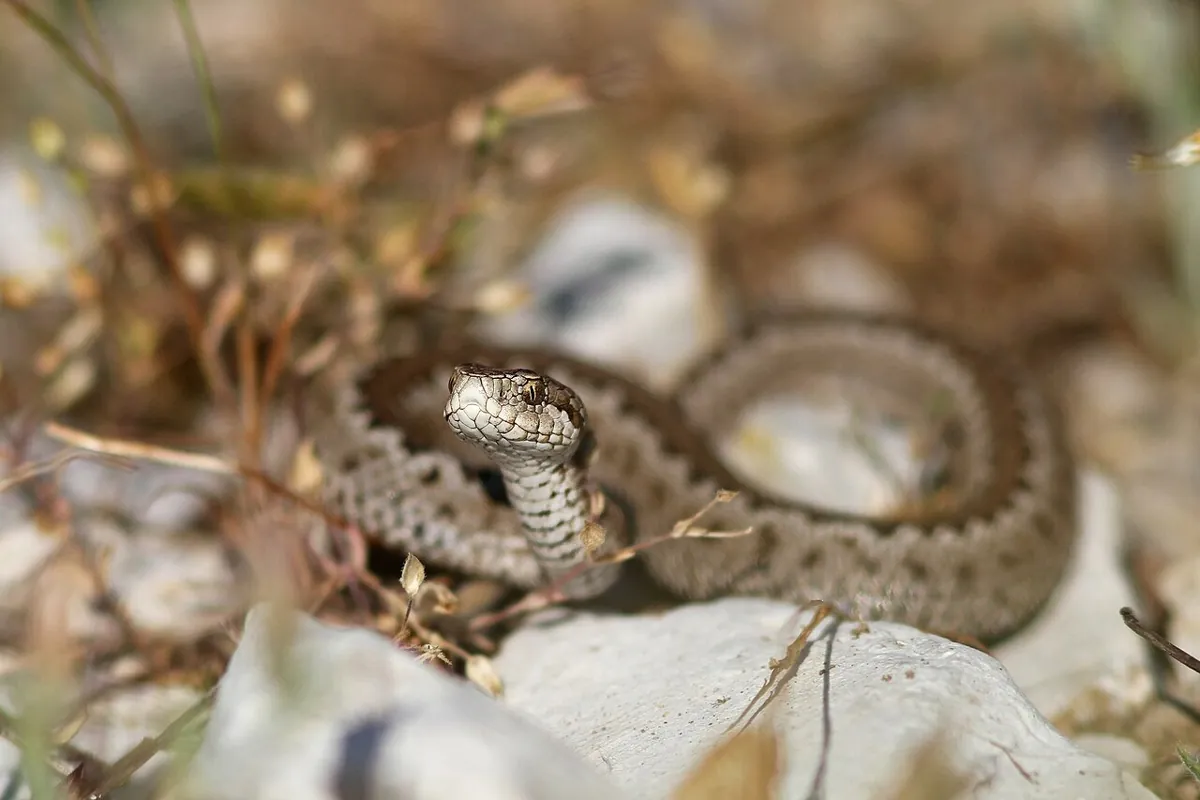
020 · Viperidae
Greek Meadow Viper
Country explicitly listed in the checked taxonomic treatment. The thermal study sampled Tymfi and Lakmos populations. The thermal study sampled the Vardoussia population. The thermal study sampled Tymfi and Lakmos populations. The thermal study sampled the Vardoussia population.
Read the species account →Bouke ten Cate · CC BY 4.0 · https://creativecommons.org/licenses/by/4.0/
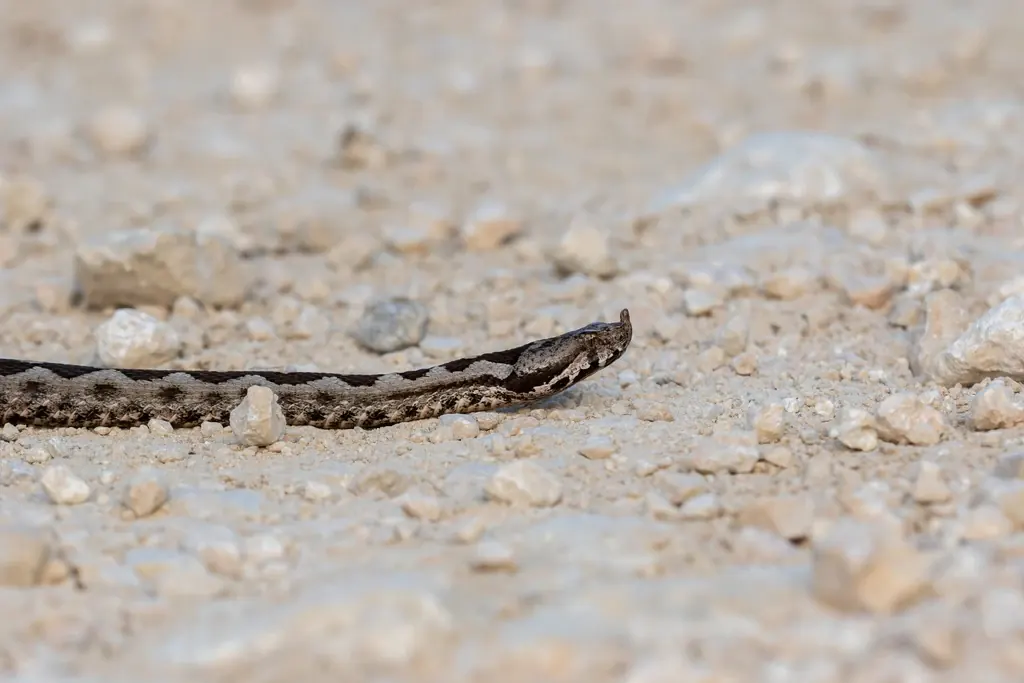
021 · Viperidae
Eastern sand viper
Country explicitly listed in the checked taxonomic treatment. The 2011–2014 Corfu study explicitly used Vipera ammodytes meridionalis. These records are linked to the existing V. meridionalis profile under the current database treatment; historical rank is retained here.
Read the species account →Asrın Akıncıoğlu · CC BY 4.0 · https://creativecommons.org/licenses/by/4.0/
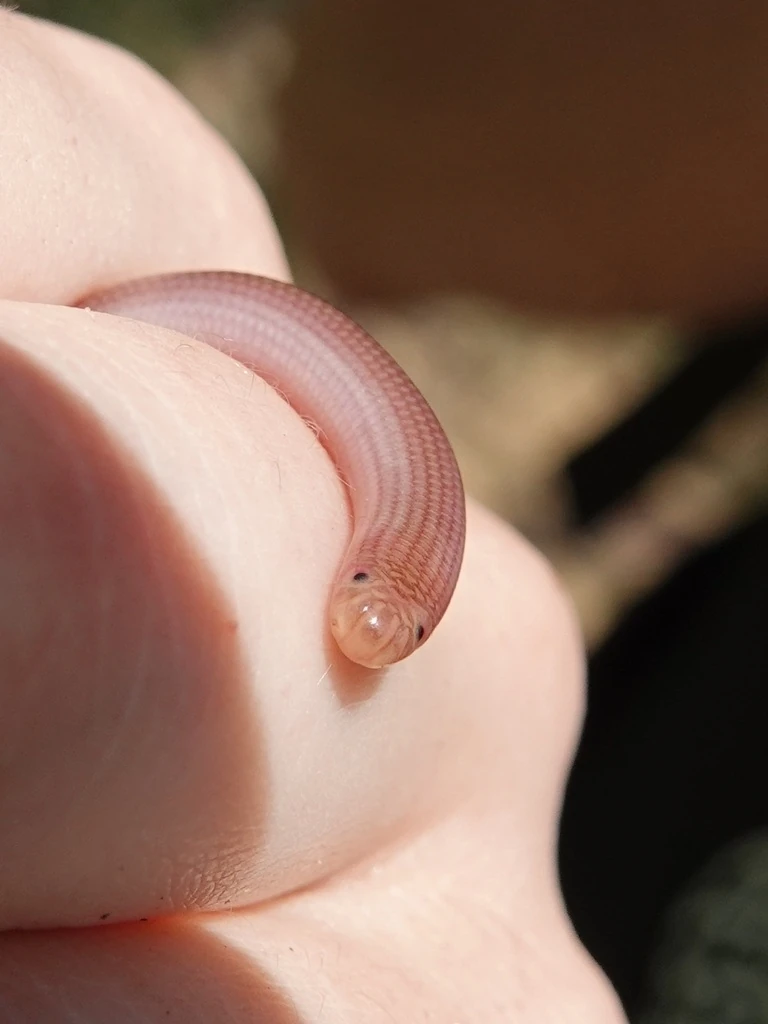
022 · Typhlopidae
Eurasian Blind Snake, Greek Blindsnake
Country explicitly listed in the checked taxonomic treatment. Six animals were documented on Fourni in May 2024, including the Dafnolies, Vardia, Koumara and Panagia areas. The island-level locality summarizes the published field records; it is not evidence of occurrence on every Aegean island.
Read the species account →Валерия Ковалева · CC BY 4.0 · https://creativecommons.org/licenses/by/4.0/
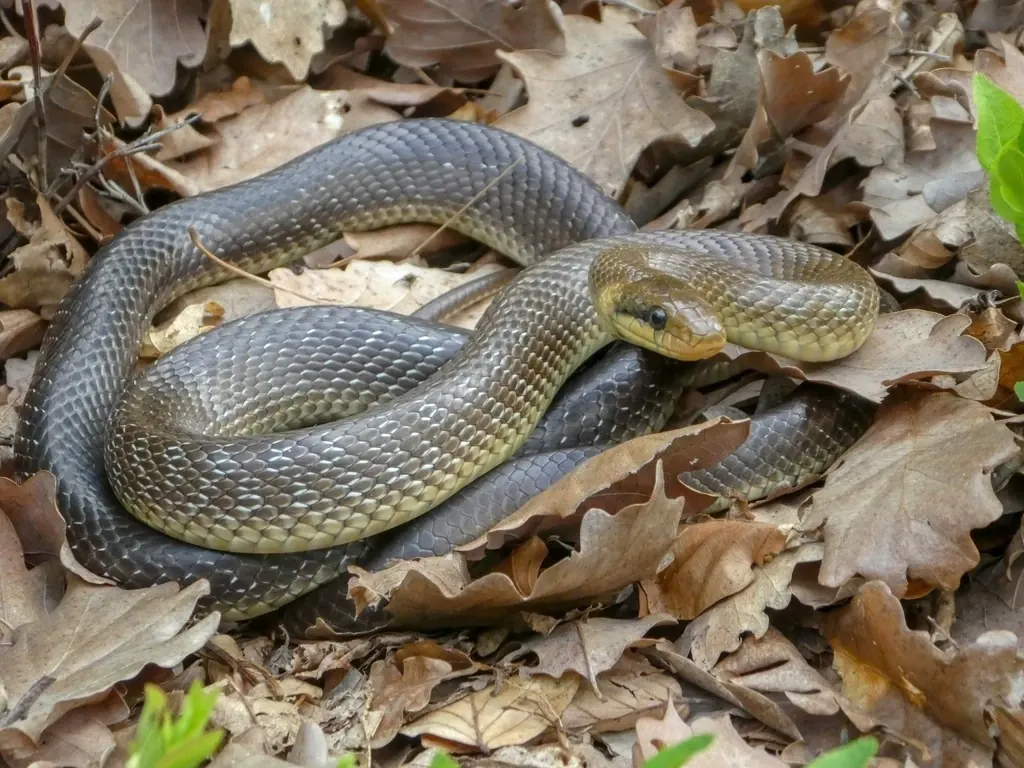
023 · Colubridae
Aesculapean Snake
Country explicitly listed in the checked taxonomic treatment.
Read the species account →Philipp Pavelka · CC BY 4.0 · https://creativecommons.org/licenses/by/4.0/
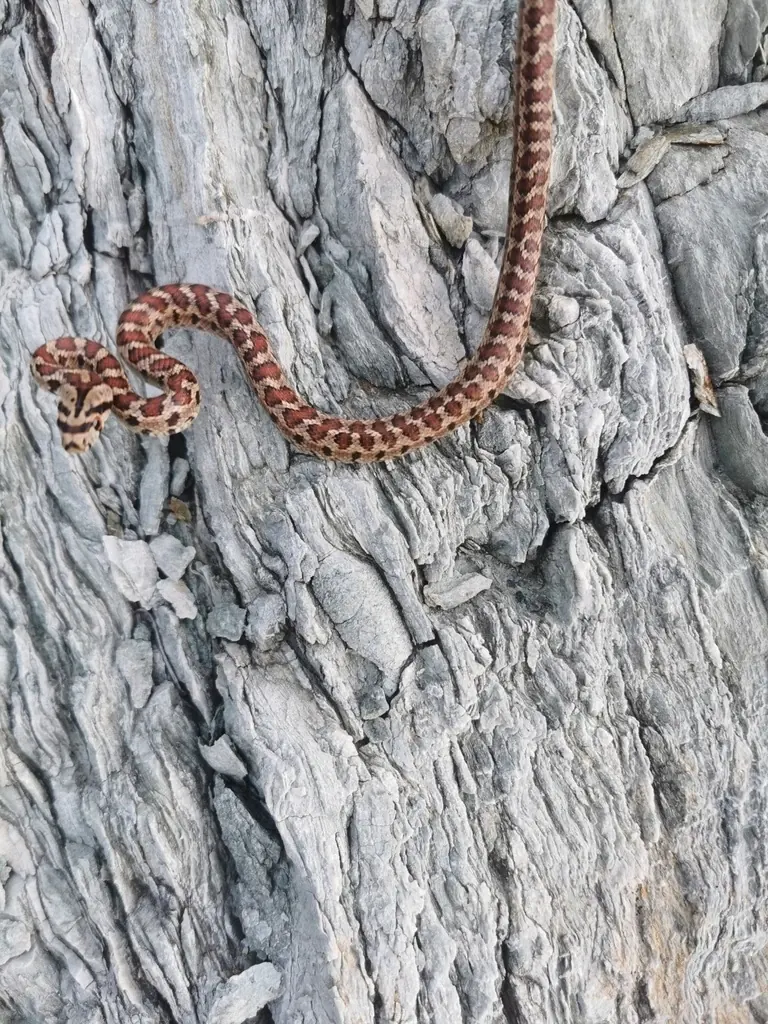
024 · Colubridae
Leopard Snakes, European Ratsnake, Leopard ratsnake
Country explicitly listed in the checked taxonomic treatment.
Read the species account →Chris Taklis · CC BY 4.0 · https://creativecommons.org/licenses/by/4.0/
The research library
This edition lists 24 species with supported country records from checked taxonomic treatments and cited field studies. It is not a claim of a complete national inventory. Each account retains its source and check date; individual evidence entries retain their own review dates.
24 documented current or explicitly qualified country records. This is a source-backed working inventory; recent national completeness and locality coverage remain under review.
Individually reviewed taxonomic treatments and cited primary records ↗
Historical, extinct, uncertain or pre-split meadow-viper records are withheld from the current resident inventory.
Country links use a single accepted species identity. Revised names and disputed records are kept visible here; uncertain records do not enter the listed collection or regional totals.
Uncertain — excluded from the listed total
Greece is a reported possible introduction; American reports lack vouchers. Broad Micronesia/Polynesia are not country assignments.
Uncertain — excluded from the listed total
Historical, extinct, uncertain or pre-split meadow-viper records are withheld from the current resident inventory.
Search results were checked against distribution text and taxonomic qualifications. A geographic name alone does not establish a political country: New Guinea, the Solomon archipelago and Micronesia span more than one country or territory. Introduced and unresolved records require separate interpretation.
Place counts require explicit named localities, including valid type localities. Counts can overlap where sources name multiple places. Regional maps group historical boundary snapshots for navigation, while island outlines use Natural Earth; neither is a species range or an observation map. Small islands can be below the outline dataset’s resolution, so geographic reference markers and the directory remain available.
EuroGeoGraphics, Regional IM Working Group - Europe; geoBoundaries gbOpen ADM1; 2016; Creative Commons Attribution 4.0 International (CC BY 4.0). Generalised navigation outlines, not species ranges. Map provenance →
Individual treatments and locality evidence are linked from each species account.
Species-level literature measurements and ecological traits. Exact-name matches only; imputed or ambiguous fields are omitted. These summaries are not local observations.