Pressures and evidence limits
This guide does not yet include a quantified local pressure assessment. Record observed land use separately from demonstrated ecological effects, and compare dated observations from the same season.
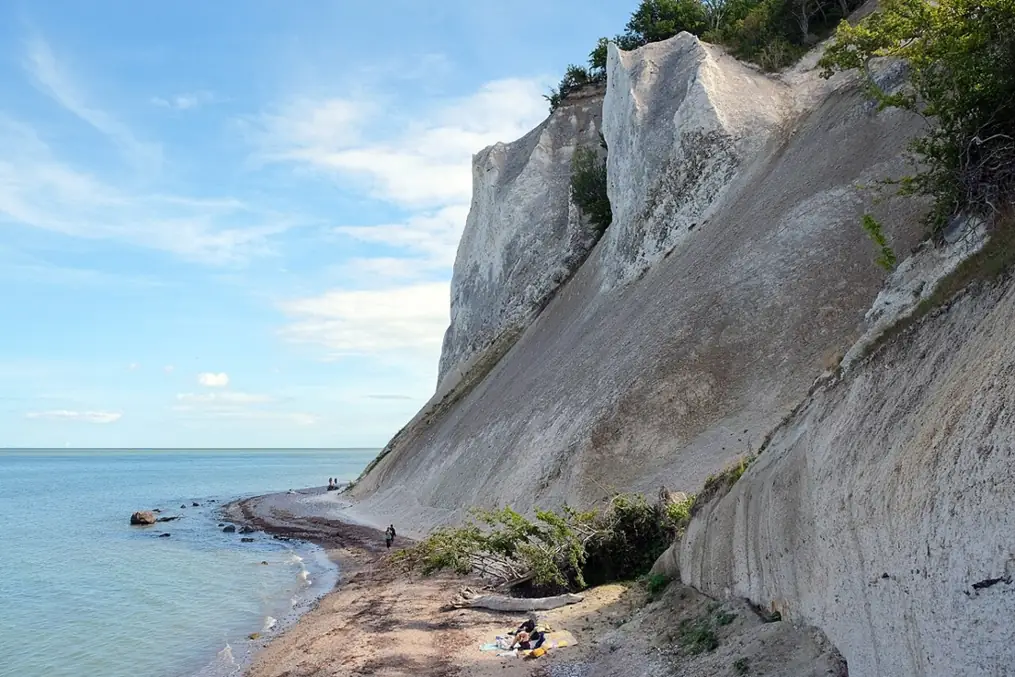
Denmark · Habitat field guide
Explore Møn through the documented landscape and its visible structure. The named example anchors this guide; it does not represent every habitat in the country.
Chalk cliffs and Baltic shoreline at Møns Klint, Denmark.
Understanding the environment
Explore Møn through the documented landscape and its visible structure. The named example anchors this guide; it does not represent every habitat in the country.
Explore the structure · Landward edge → shore → shallow water
Select a zone to see what changes.
Vegetation and development
Separate planted or developed ground from natural dune, scrub or forest margins. The image caption identifies the photographed place.
Keep observation date, photographed place and the source description distinct.
A conceptual reading sequence, not a mapped transect or an invitation to enter restricted terrain.
Sources: UNESCO · Møn
Field notes · 01
Møn's island landscape contains coastal lagoons, reefs and exposed flats alongside woodland and grassland. UNESCO describes beach ridges, uplifted former seabed and marine erosion; salinity differs across the surrounding waters.
Sources: UNESCO · Møn
Field notes · 02
A coastline is a sequence of environments. Record rock, beach, mudflat, vegetation and sheltered water separately, together with the tidal stage when known. A resort frontage and an undeveloped shore may share a bay but should not share an ecological description.
Pressures on Denmark’s habitats
This guide does not yet include a quantified local pressure assessment. Record observed land use separately from demonstrated ecological effects, and compare dated observations from the same season.
Keep landform, water, vegetation and land use separate when reading the landscape. Use the linked species accounts for independently sourced distribution evidence.
The connected collection
These 2 species have supported country occurrence and an explicit habitat association in the shared account. The association may come from elsewhere in their range. This is not a complete local habitat inventory; the places above are landscape examples, not asserted collecting sites.
2 species · showing 2
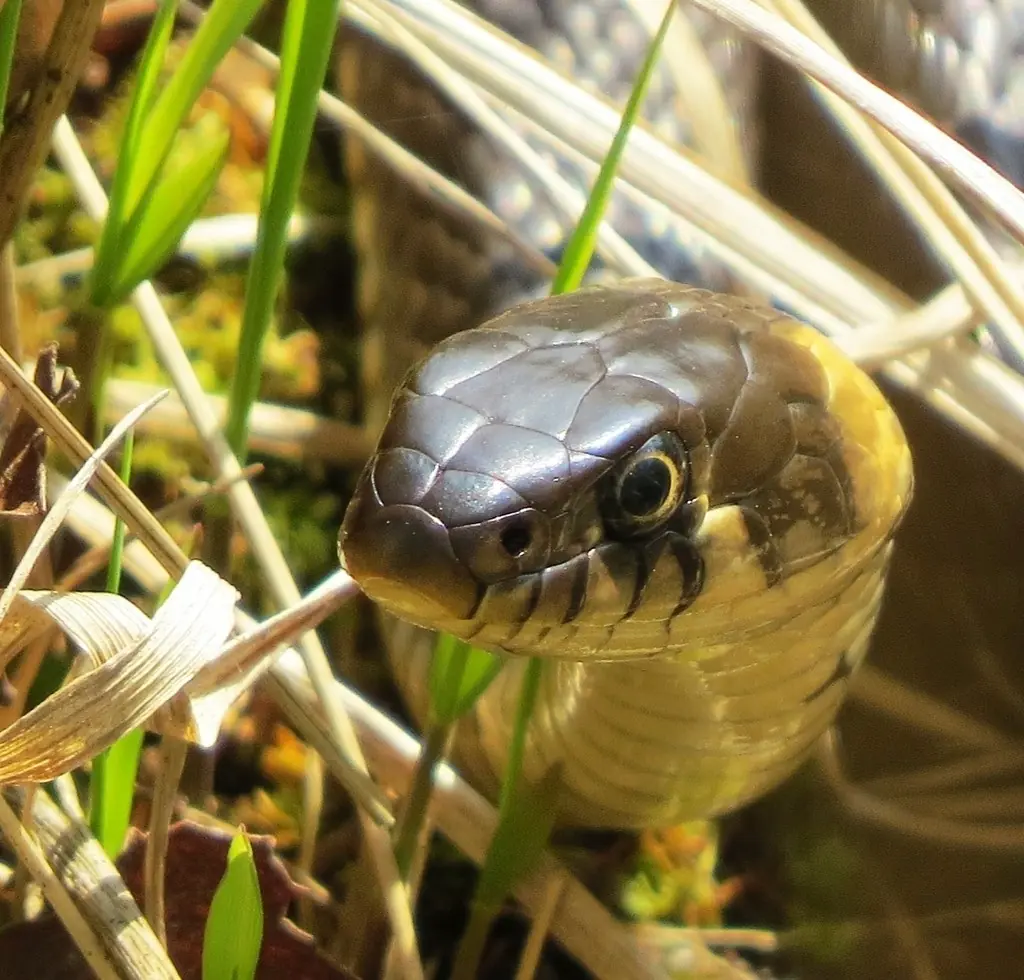
001 · Colubridae
Common Grass Snake
Country explicitly listed in the checked taxonomic treatment. Danish Nature Agency guides explicitly list this snake at Hampen–Palsgård, Ulvshale heath and Almindingen. Bornholm belongs to the atlas’s Capital Region group.
Read the species account →Micha Baum · CC BY-SA 4.0 · https://creativecommons.org/licenses/by-sa/4.0/
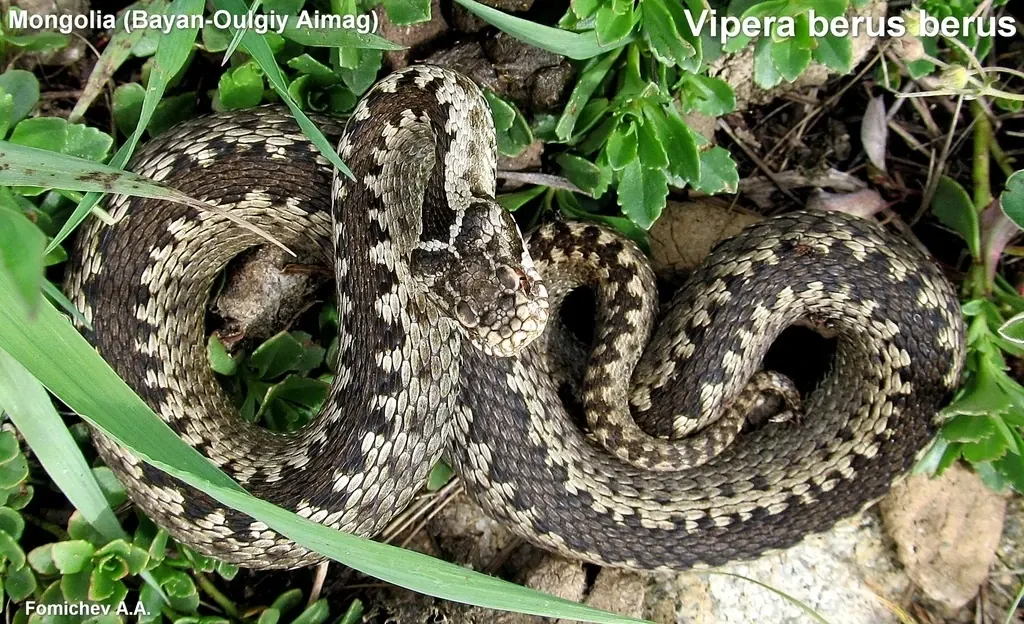
002 · Viperidae
Adder, Northern Viper
Country explicitly listed in the checked taxonomic treatment. Danish Nature Agency guides explicitly list this snake at Hampen–Palsgård, Ulvshale heath and Almindingen. Bornholm belongs to the atlas’s Capital Region group.
Read the species account →Alexander A. Fomichev · CC BY 4.0 · https://creativecommons.org/licenses/by/4.0/
Read further
Guide reviewed 11 October 2026. Source dates and geographic scope matter; landscape photographs do not establish species occurrence.
Named landscape description, read and checked 11 October 2026. Historic source dates remain explicit; not a snake survey or live access notice.
Continue through Denmark