
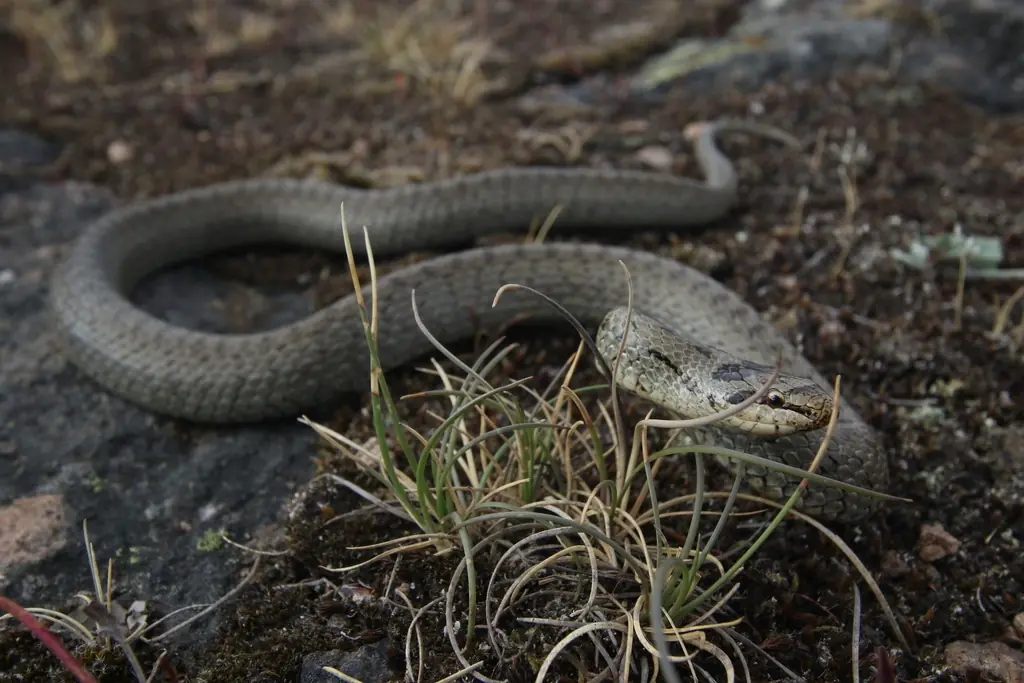
001 · Colubridae
Smooth Snake
Coronella austriaca
Venom unknownNot yet assessedCountry explicitly listed in the checked taxonomic treatment.
Read the species account →B. P. White · CC BY-SA 4.0 · https://creativecommons.org/licenses/by-sa/4.0/
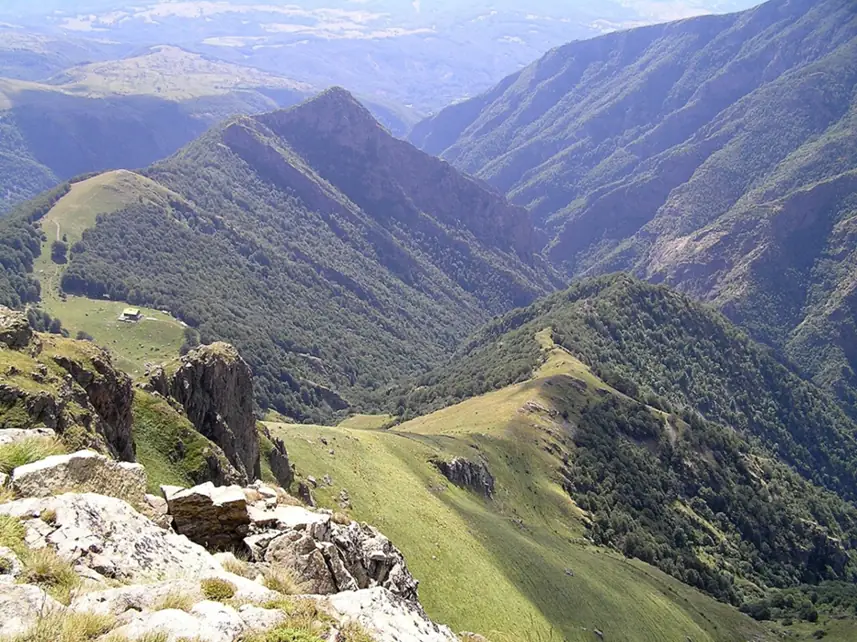
Bulgaria · The country atlas
Alpine, continental and Black Sea coastal settings support contrasting habitats influenced by relief, geology and local climate. Explore the regional guides and country-scoped species records below.
Rocky mountain terrain in the Central Balkan landscape, Bulgaria.
Geography & biotopes
Alpine, continental and Black Sea coastal settings support contrasting habitats influenced by relief, geology and local climate. Explore the regional guides and country-scoped species records below.
Regional groups retain the credited administrative snapshot. They are navigation areas, not ecological boundaries or claims of snake occurrence throughout each area.
Habitats & living landscapes
Explore 1 guides to the environments, places and conservation pressures that shape this country. Each guide connects to the regional map and shared species accounts.
Rocky mountain terrain in the Central Balkan landscape, Bulgaria. — Gencho Iliev, Director of National Park Central Balkan. Original photograph · CC BY-SA 4.0. Cropped for the cards; photographs do not establish snake occurrence.
The species catalogue
Search scientific names, historical names, common names and families. Every card opens one shared account across its documented countries.
16 species · showing 16
001 · Colubridae
Smooth Snake
Country explicitly listed in the checked taxonomic treatment.
Read the species account →B. P. White · CC BY-SA 4.0 · https://creativecommons.org/licenses/by-sa/4.0/
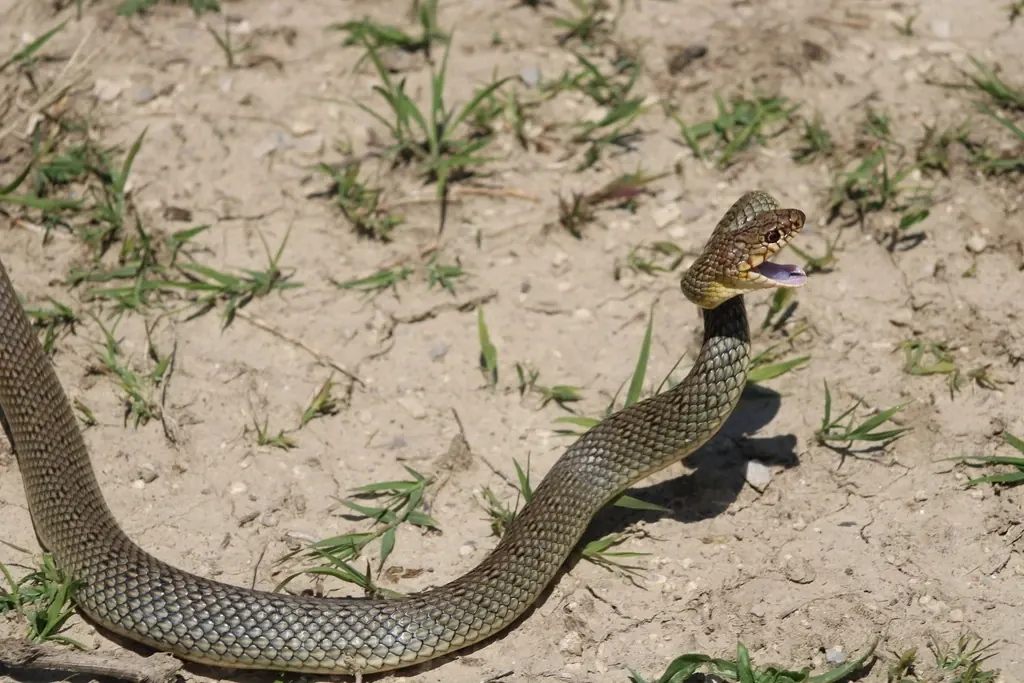
002 · Colubridae
Species account
Country explicitly listed in the checked taxonomic treatment.
Read the species account →Philip Schaffer · CC BY 4.0 · https://creativecommons.org/licenses/by/4.0/
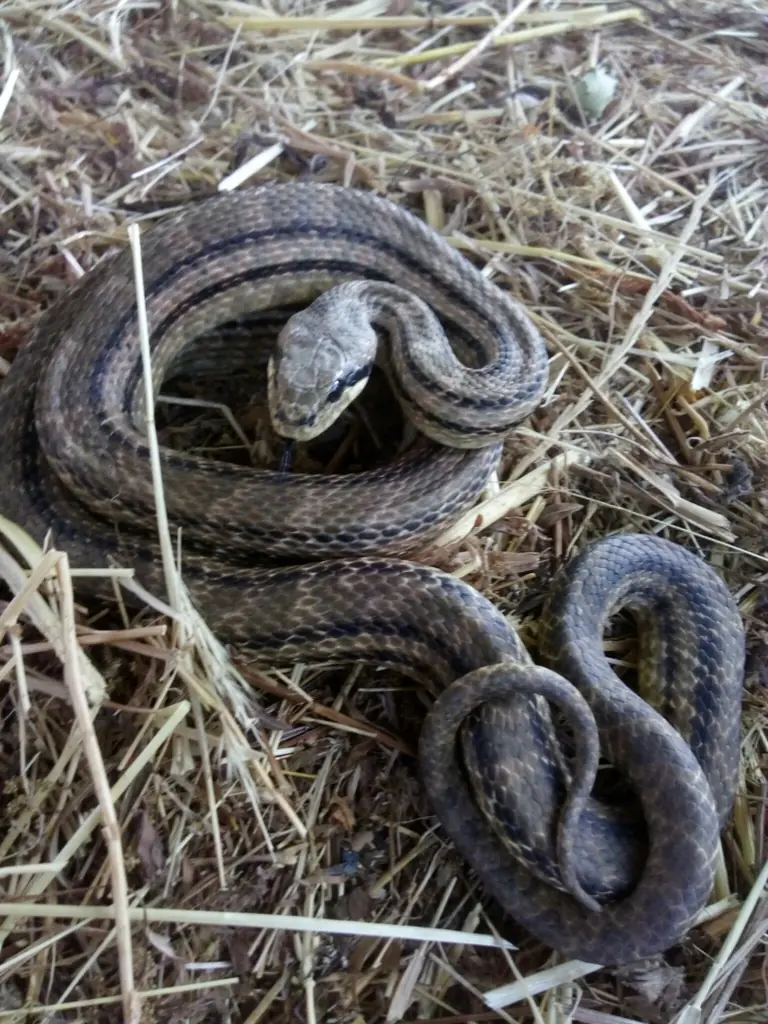
003 · Colubridae
Four-lined snake (or ratsnake)
Country explicitly listed in the checked taxonomic treatment.
Read the species account →andrea ungaro · CC BY 4.0 · https://creativecommons.org/licenses/by/4.0/
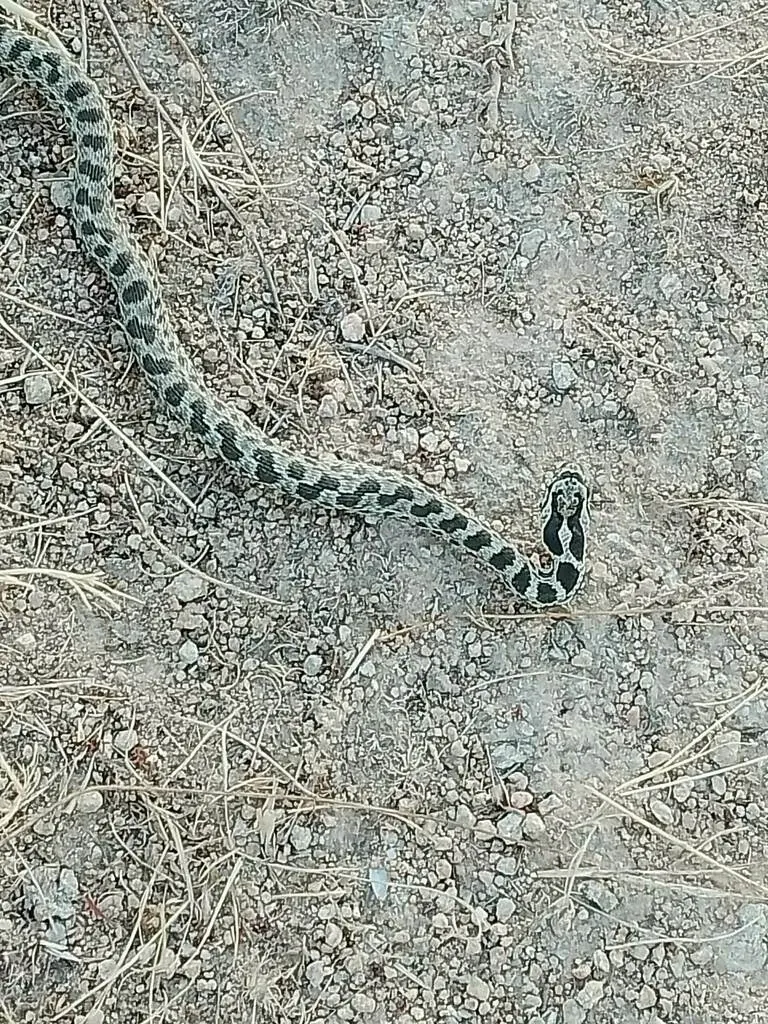
004 · Colubridae
Blotched rat snake, Sarmatian Rat Snake, Eastern Four-lined Ratsnake
Country explicitly listed in the checked taxonomic treatment.
Read the species account →SteveM4560 · CC BY 4.0 · https://creativecommons.org/licenses/by/4.0/
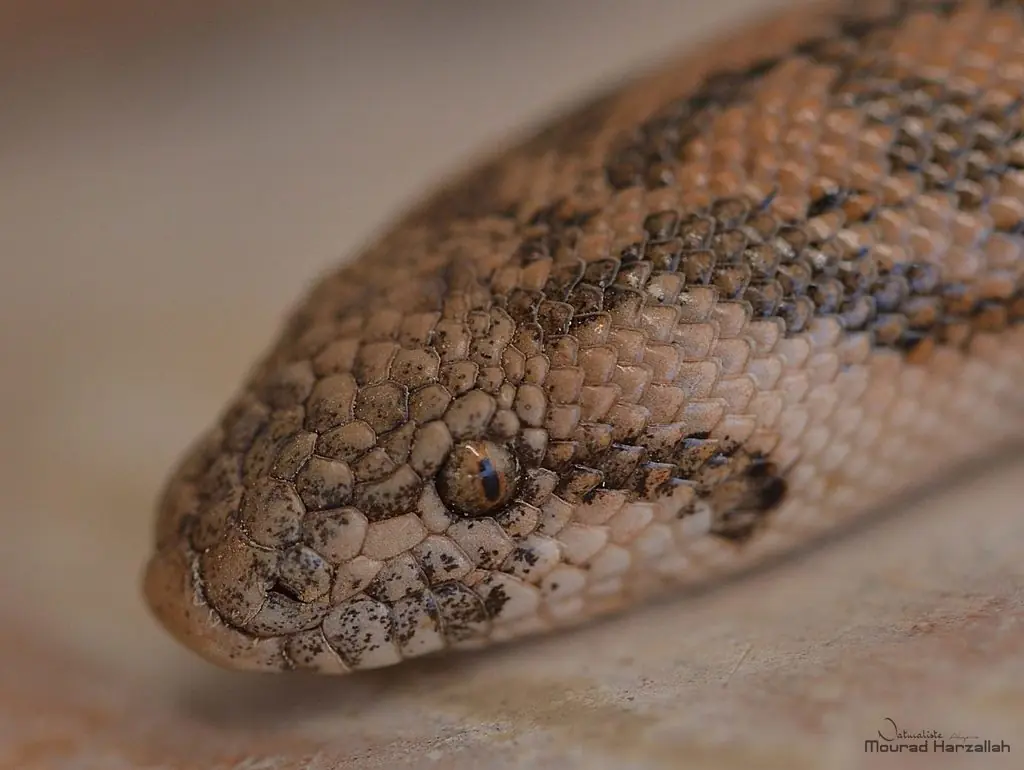
005 · Boidae
Javelin Sand Boa
Country explicitly listed in the checked taxonomic treatment.
Read the species account →Mourad Harzallah · CC BY 4.0 · https://creativecommons.org/licenses/by/4.0/
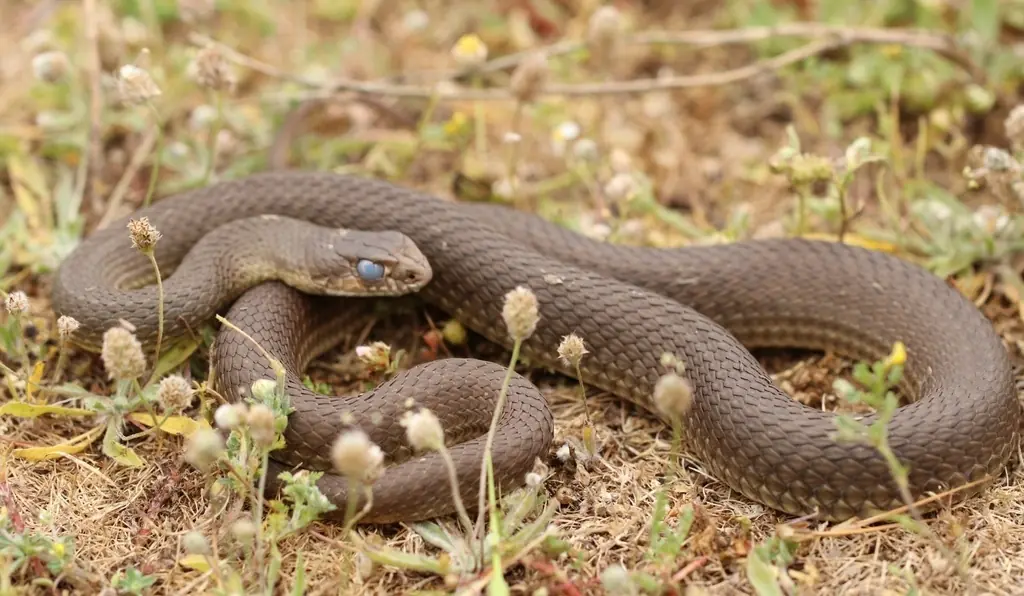
006 · Psammophiidae
Eastern Montpellier Snake
Country explicitly listed in the checked taxonomic treatment.
Read the species account →Ryan van Huyssteen · CC BY 4.0 · https://creativecommons.org/licenses/by/4.0/
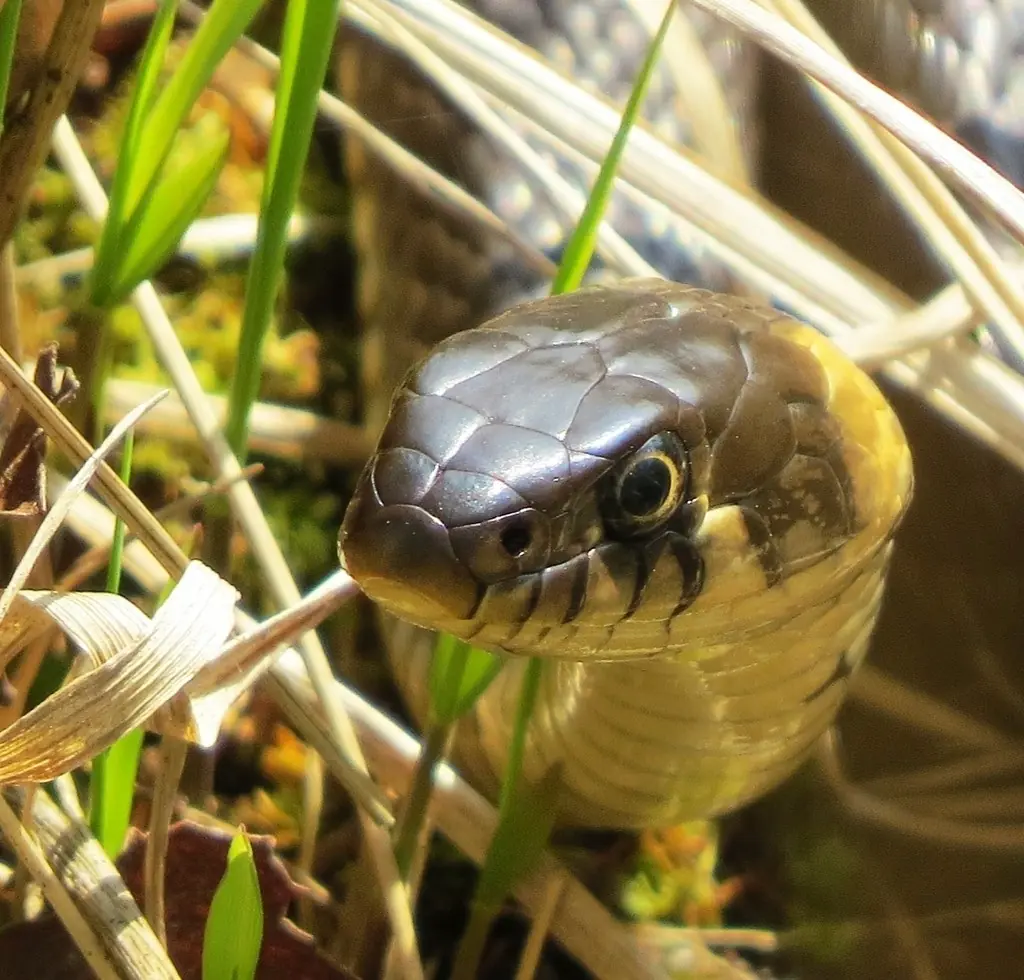
007 · Colubridae
Common Grass Snake
Country explicitly listed in the checked taxonomic treatment.
Read the species account →Micha Baum · CC BY-SA 4.0 · https://creativecommons.org/licenses/by-sa/4.0/
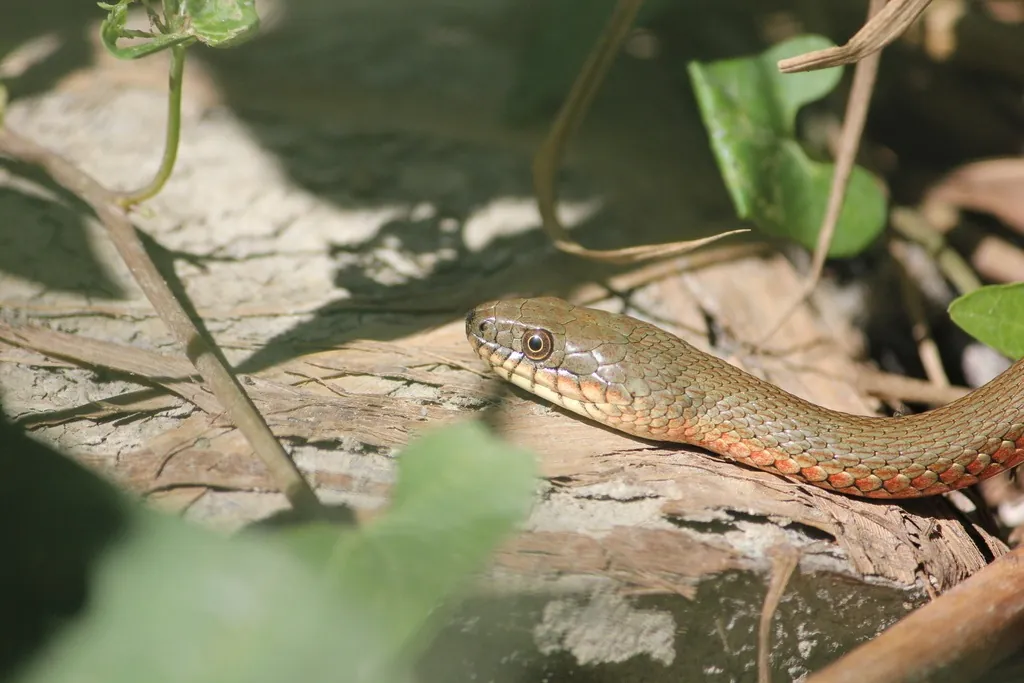
008 · Colubridae
Dice Snake
Country explicitly listed in the checked taxonomic treatment.
Read the species account →KsenoSnake · CC0 1.0 · https://creativecommons.org/publicdomain/zero/1.0/
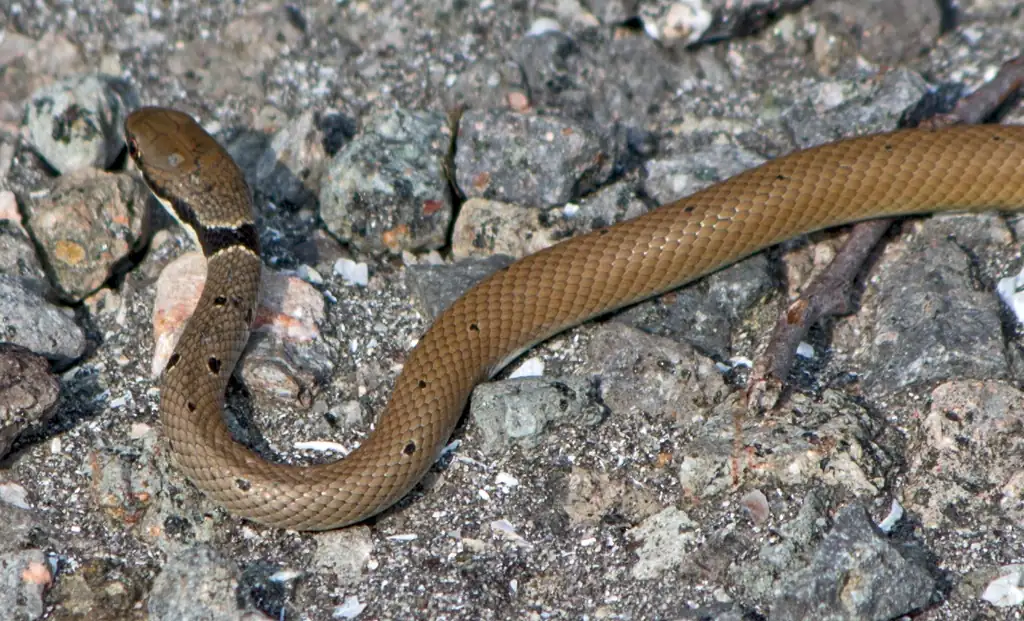
009 · Colubridae
Collared Dwarf Racer
Country explicitly listed in the checked taxonomic treatment. Milchev’s 2021 paper documents two specimens found in 2009 and 2020 in the Strandzha Mountains of southeastern Bulgaria. These dated records establish historical occurrence, not a current population census. Localities are deliberately generalized because the author identifies collection…
Read the species account →katunchik · CC BY 4.0 · https://creativecommons.org/licenses/by/4.0/
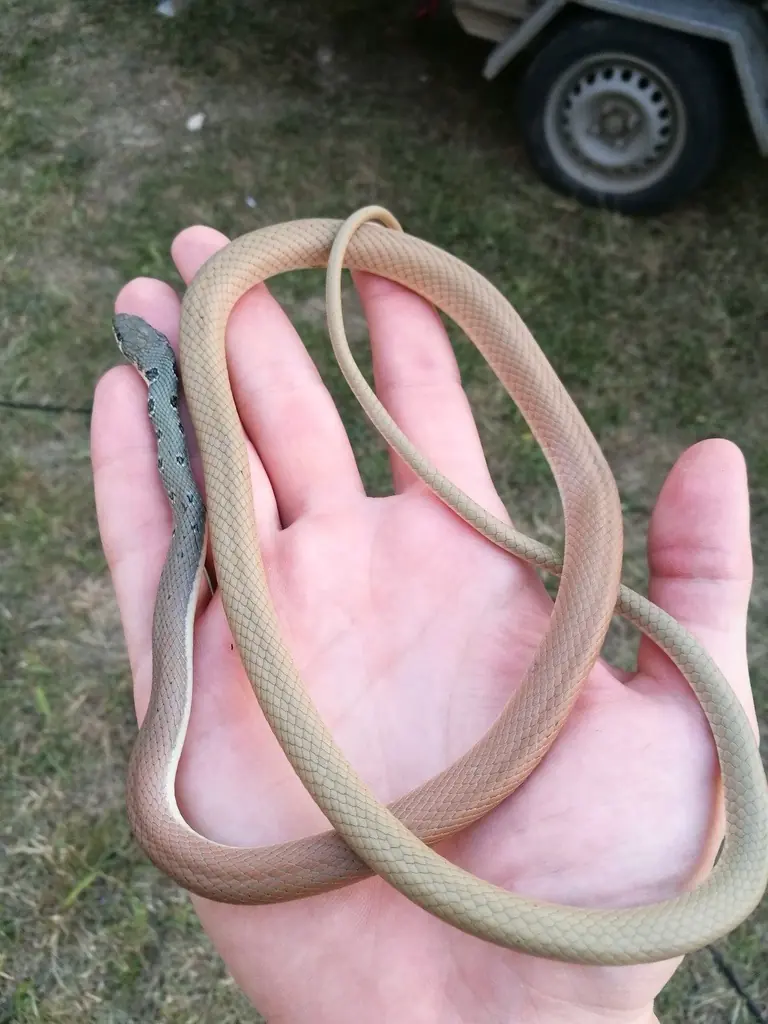
010 · Colubridae
Slender Whip Snake, Dahl’s Whip Snake
Country explicitly listed in the checked taxonomic treatment.
Read the species account →Matej Vucić · CC BY 4.0 · https://creativecommons.org/licenses/by/4.0/
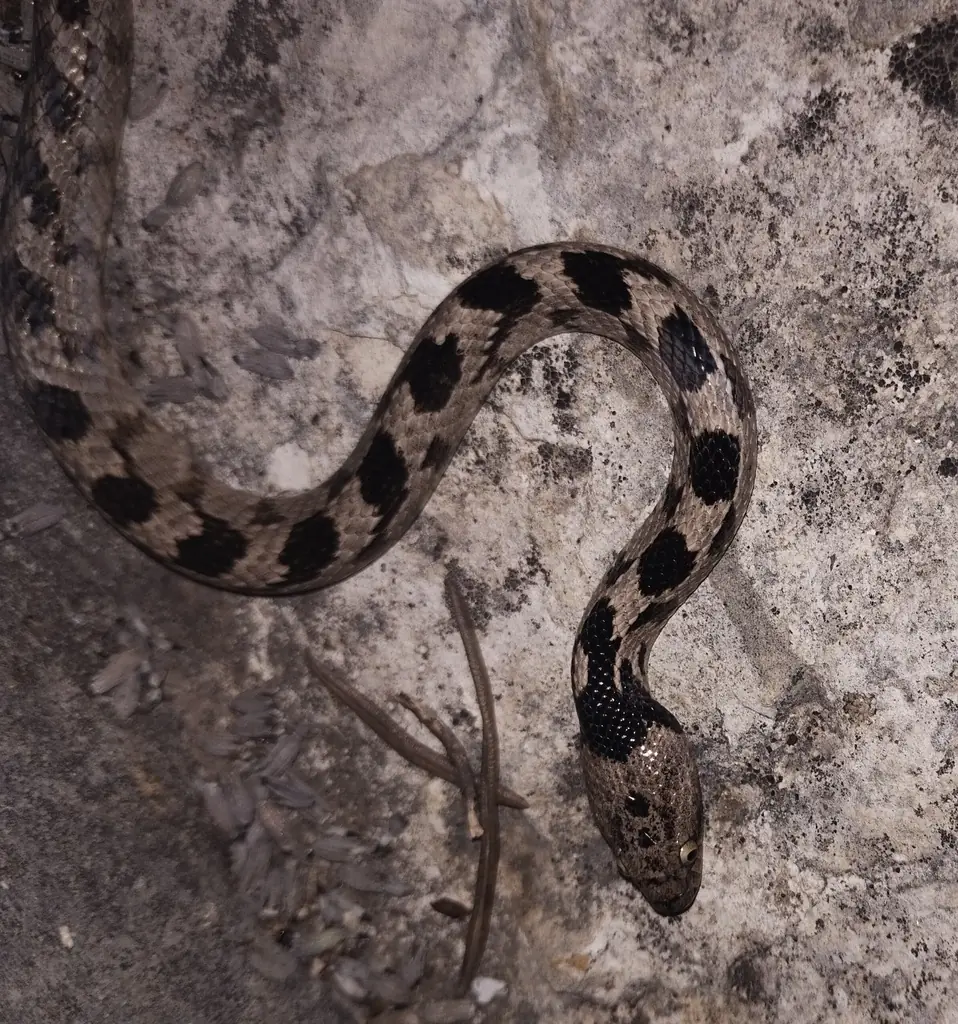
011 · Colubridae
Mediterranean Cat Snake, European Catsnake
Country explicitly listed in the checked taxonomic treatment.
Read the species account →Karlo Ostojcic · CC BY 4.0 · https://creativecommons.org/licenses/by/4.0/
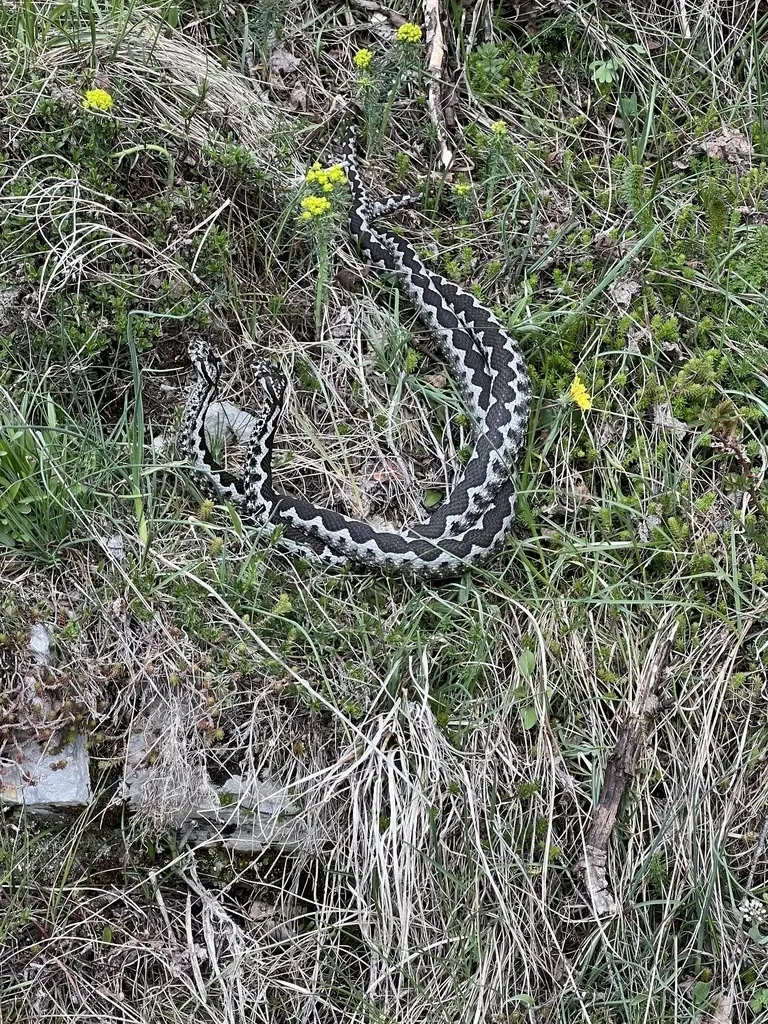
012 · Viperidae
Nose-horned Viper, Sand Viper
Country explicitly listed in the checked taxonomic treatment.
Read the species account →Mirko Ubović · CC0 1.0 · https://creativecommons.org/publicdomain/zero/1.0/
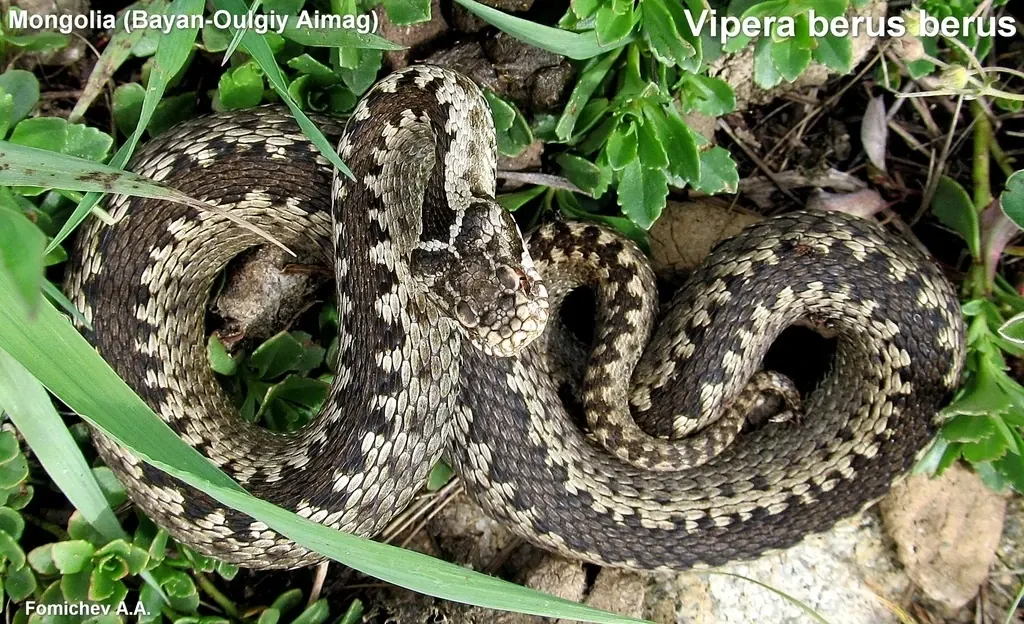
013 · Viperidae
Adder, Northern Viper
Country explicitly listed in the checked taxonomic treatment.
Read the species account →Alexander A. Fomichev · CC BY 4.0 · https://creativecommons.org/licenses/by/4.0/
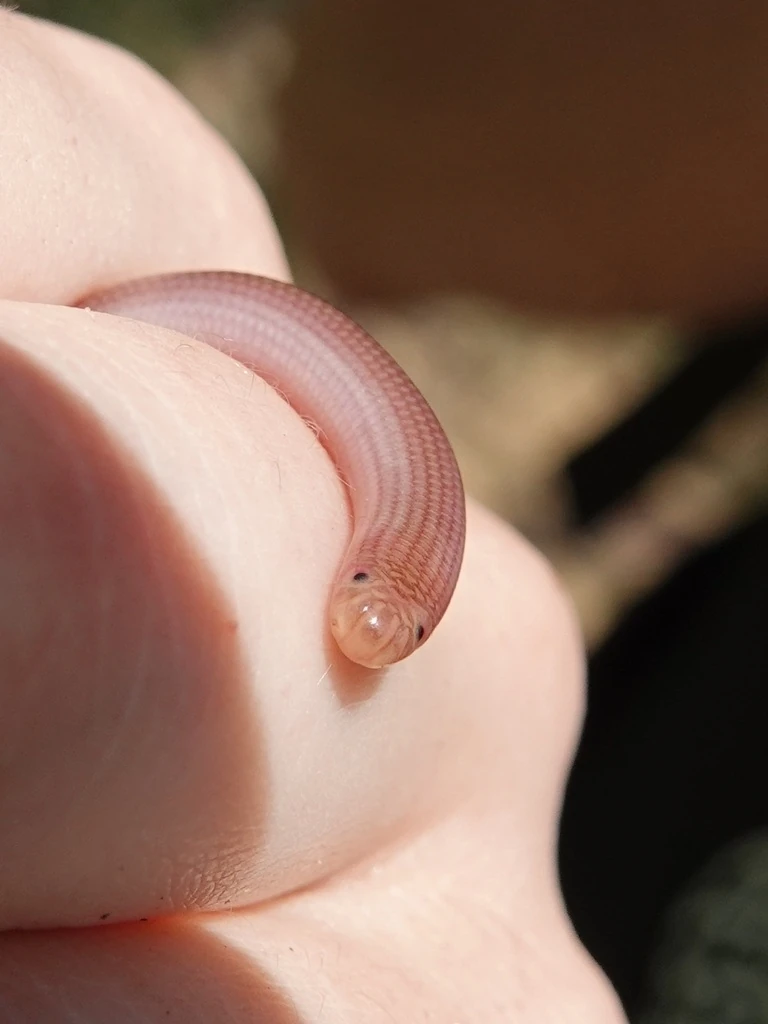
014 · Typhlopidae
Eurasian Blind Snake, Greek Blindsnake
Country explicitly listed in the checked taxonomic treatment.
Read the species account →Валерия Ковалева · CC BY 4.0 · https://creativecommons.org/licenses/by/4.0/
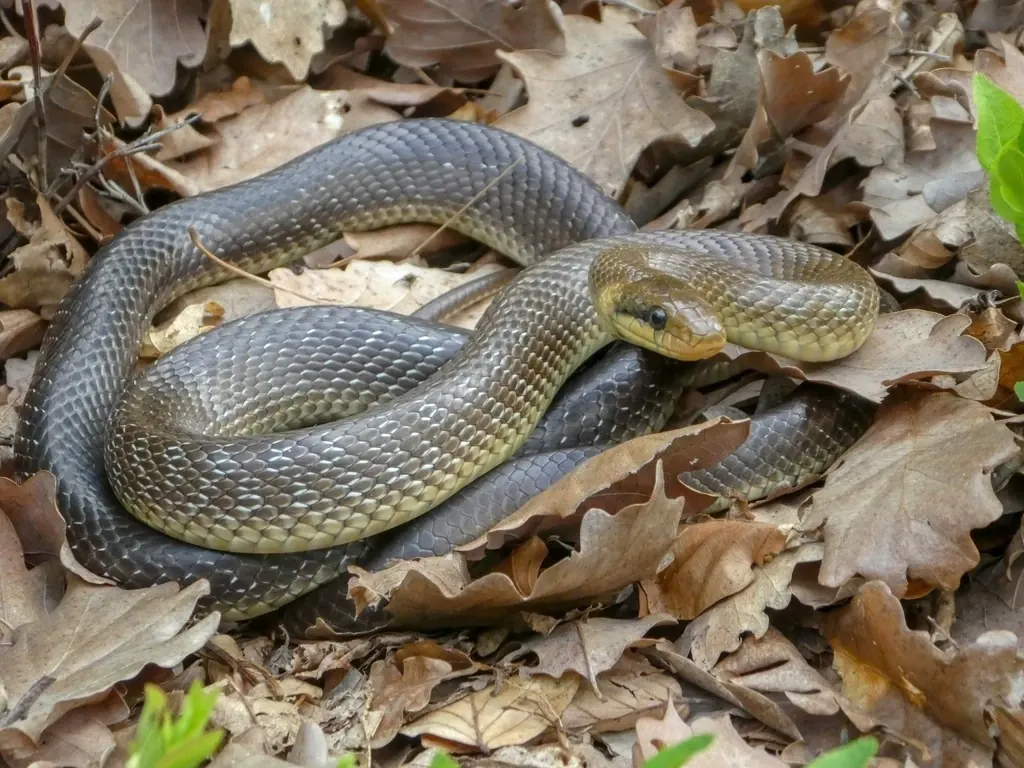
015 · Colubridae
Aesculapean Snake
Country explicitly listed in the checked taxonomic treatment.
Read the species account →Philipp Pavelka · CC BY 4.0 · https://creativecommons.org/licenses/by/4.0/
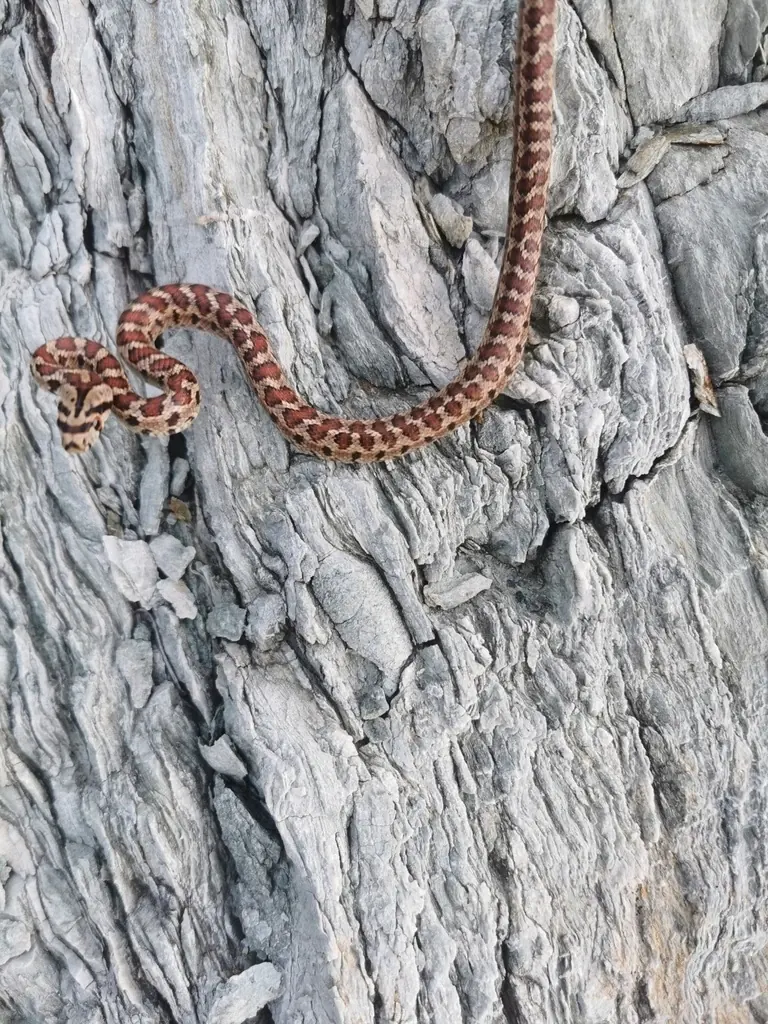
016 · Colubridae
Leopard Snakes, European Ratsnake, Leopard ratsnake
Country explicitly listed in the checked taxonomic treatment.
Read the species account →Chris Taklis · CC BY 4.0 · https://creativecommons.org/licenses/by/4.0/
The research library
This edition lists 16 species with supported country records from checked taxonomic treatments and cited field studies. It is not a claim of a complete national inventory. Each account retains its source and check date; individual evidence entries retain their own review dates.
17 documented current or explicitly qualified country records. This is a source-backed working inventory; recent national completeness and locality coverage remain under review.
Individually reviewed taxonomic treatments and cited primary records ↗
Historical, extinct, uncertain or pre-split meadow-viper records are withheld from the current resident inventory.
Country links use a single accepted species identity. Revised names and disputed records are kept visible here; uncertain records do not enter the listed collection or regional totals.
Uncertain — excluded from the listed total
Bulgarian occurrence remains unverified. The Reptile Database lists Bulgaria, but the 2022 European identification key places Eirenis collaris in southern European Russia and northeastern Azerbaijan. Published Bulgarian specimens reviewed here belong to the different species Platyceps collaris (Müller, 1878). No Bulgarian locality or habitat is assigned to Eirenis from these records. The 2013 genus-wide Eirenis revision also omits Bulgaria from its distribution account; this is not proof of national absence.
Uncertain — excluded from the listed total
Historical, extinct, uncertain or pre-split meadow-viper records are withheld from the current resident inventory.
Search results were checked against distribution text and taxonomic qualifications. A geographic name alone does not establish a political country: New Guinea, the Solomon archipelago and Micronesia span more than one country or territory. Introduced and unresolved records require separate interpretation.
Place counts require explicit named localities, including valid type localities. Counts can overlap where sources name multiple places. Regional maps group historical boundary snapshots for navigation, while island outlines use Natural Earth; neither is a species range or an observation map. Small islands can be below the outline dataset’s resolution, so geographic reference markers and the directory remain available.
geoBoundaries, Wikimedia; geoBoundaries gbOpen ADM1; 2019; Public Domain. Generalised navigation outlines, not species ranges. Map provenance →
Individual treatments and locality evidence are linked from each species account.
Species-level literature measurements and ecological traits. Exact-name matches only; imputed or ambiguous fields are omitted. These summaries are not local observations.