Pressures and evidence limits
This guide does not yet include a quantified local pressure assessment. Record observed land use separately from demonstrated ecological effects, and compare dated observations from the same season.
Belarus · Habitat field guide
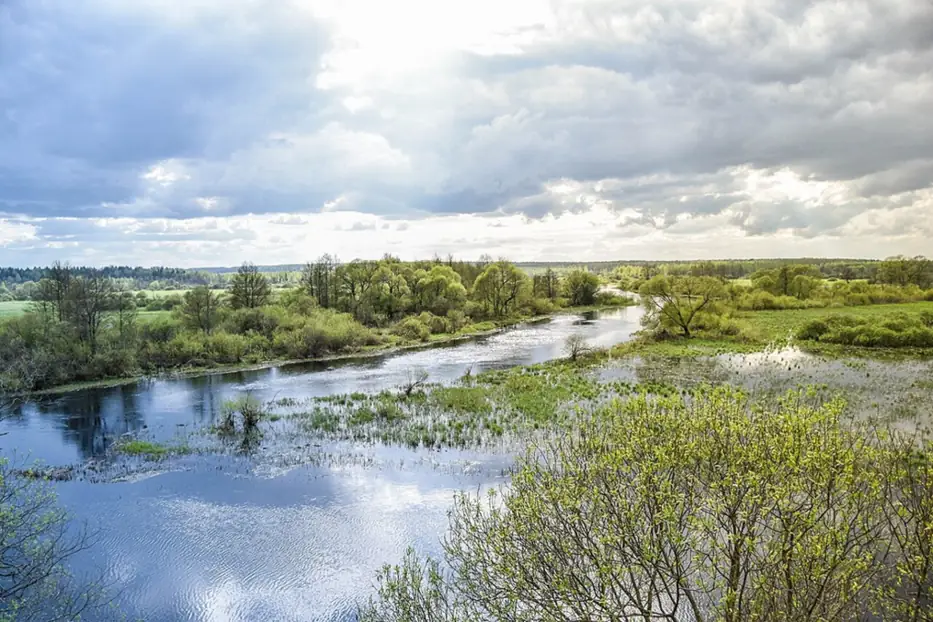
Explore Berezinsky wetlands through the documented landscape and its visible structure. The named example anchors this guide; it does not represent every habitat in the country.
The Berezina in Berezinsky Biosphere Reserve in spring, photographed in May 2017, with flooded and vegetated margins.
Understanding the environment
Explore Berezinsky wetlands through the documented landscape and its visible structure. The named example anchors this guide; it does not represent every habitat in the country.
Explore the structure · Open water → margin → catchment
Select a zone to see what changes.
Flow and salinity
Read the local source before assigning freshwater conditions. Still water, a river channel and a salt lake are not interchangeable.
Keep observation date, photographed place and the source description distinct.
A conceptual reading sequence, not a mapped transect or an invitation to enter restricted terrain.
Sources: UNESCO · Berezinsky wetlands
Field notes · 01
Within Berezinsky, peatlands and floodplains contrast with lakes and wooded wetlands. The water setting needs its own description rather than being inferred from surrounding forest.
Sources: UNESCO · Berezinsky wetlands
Field notes · 02
The atlas groups inland waters and wetlands here for navigation. Confirm salinity, flow and water source at the named site: freshwater, brackish or saline water can have very different margins. Reservoirs, restored pools and supplied wetlands are identified explicitly.
Pressures on Belarus’s habitats
This guide does not yet include a quantified local pressure assessment. Record observed land use separately from demonstrated ecological effects, and compare dated observations from the same season.
Keep landform, water, vegetation and land use separate when reading the landscape. Use the linked species accounts for independently sourced distribution evidence.
The connected collection
These 3 species have supported country occurrence and an explicit habitat association in the shared account. The association may come from elsewhere in their range. This is not a complete local habitat inventory; the places above are landscape examples, not asserted collecting sites.
3 species · showing 3
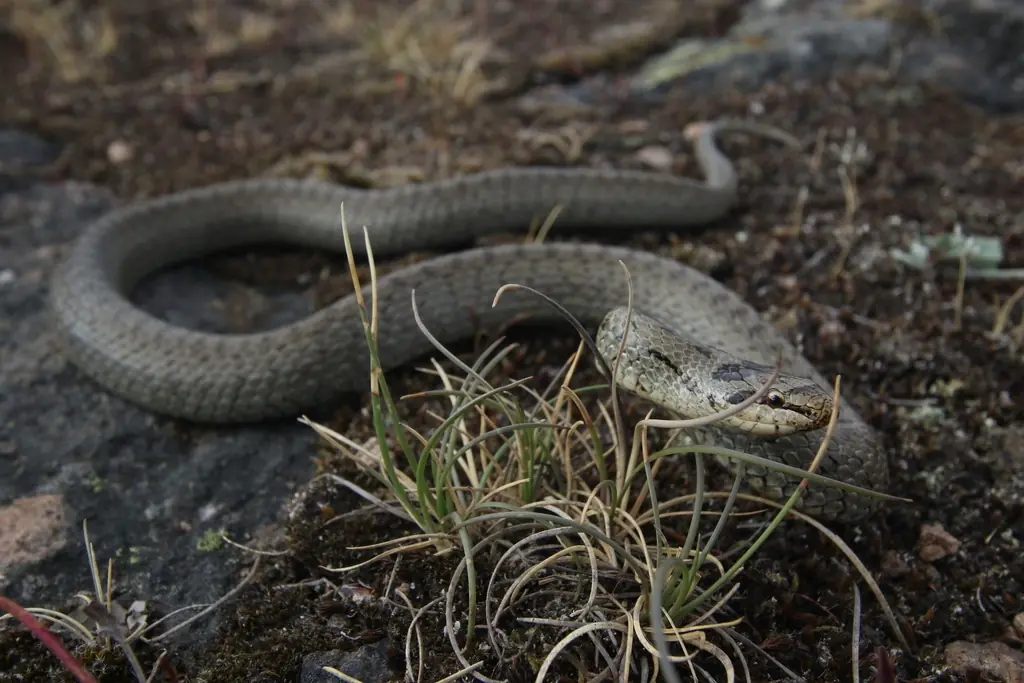
001 · Colubridae
Smooth Snake
Country explicitly listed in the checked taxonomic treatment.
Read the species account →B. P. White · CC BY-SA 4.0 · https://creativecommons.org/licenses/by-sa/4.0/
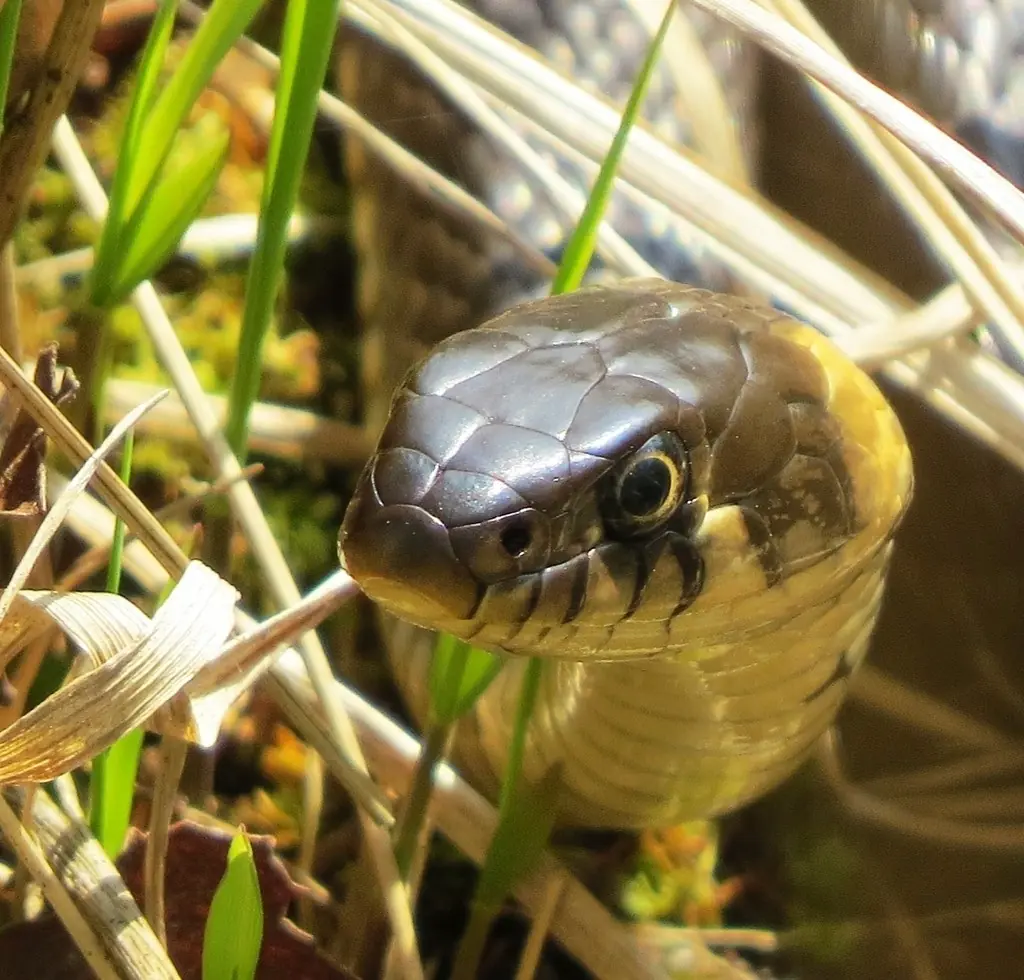
002 · Colubridae
Common Grass Snake
Country explicitly listed in the checked taxonomic treatment. Minsk: observation GBIF 6469878601 (2026). The original iNaturalist entry was rechecked for research-grade identification, wild status and unrestricted coordinates; its reported uncertainty footprint lies within the mapped region. This is a community-reviewed observation, not a museum voucher.…
Read the species account →Micha Baum · CC BY-SA 4.0 · https://creativecommons.org/licenses/by-sa/4.0/
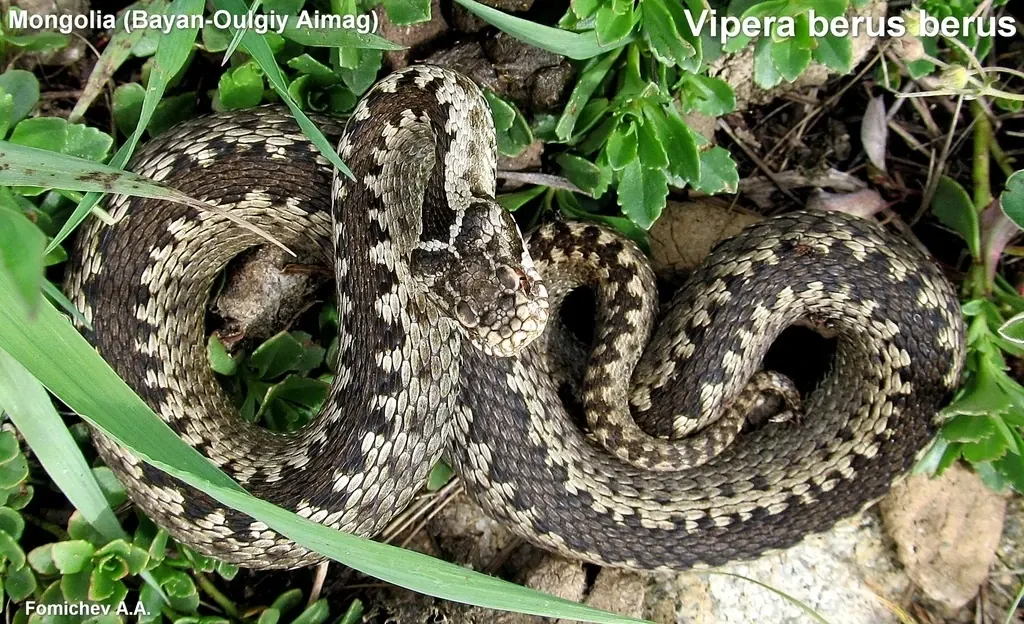
003 · Viperidae
Adder, Northern Viper
Country explicitly listed in the checked taxonomic treatment. Mogilev & Gomel: observation GBIF 6498172703 (2026). The original iNaturalist entry was rechecked for research-grade identification, wild status and unrestricted coordinates; its reported uncertainty footprint lies within the mapped region. This is a community-reviewed observation, not a…
Read the species account →Alexander A. Fomichev · CC BY 4.0 · https://creativecommons.org/licenses/by/4.0/
Read further
Guide reviewed 11 October 2026. Source dates and geographic scope matter; landscape photographs do not establish species occurrence.
Named landscape description, read and checked 11 October 2026. Historic source dates remain explicit; not a snake survey or live access notice.
Continue through Belarus